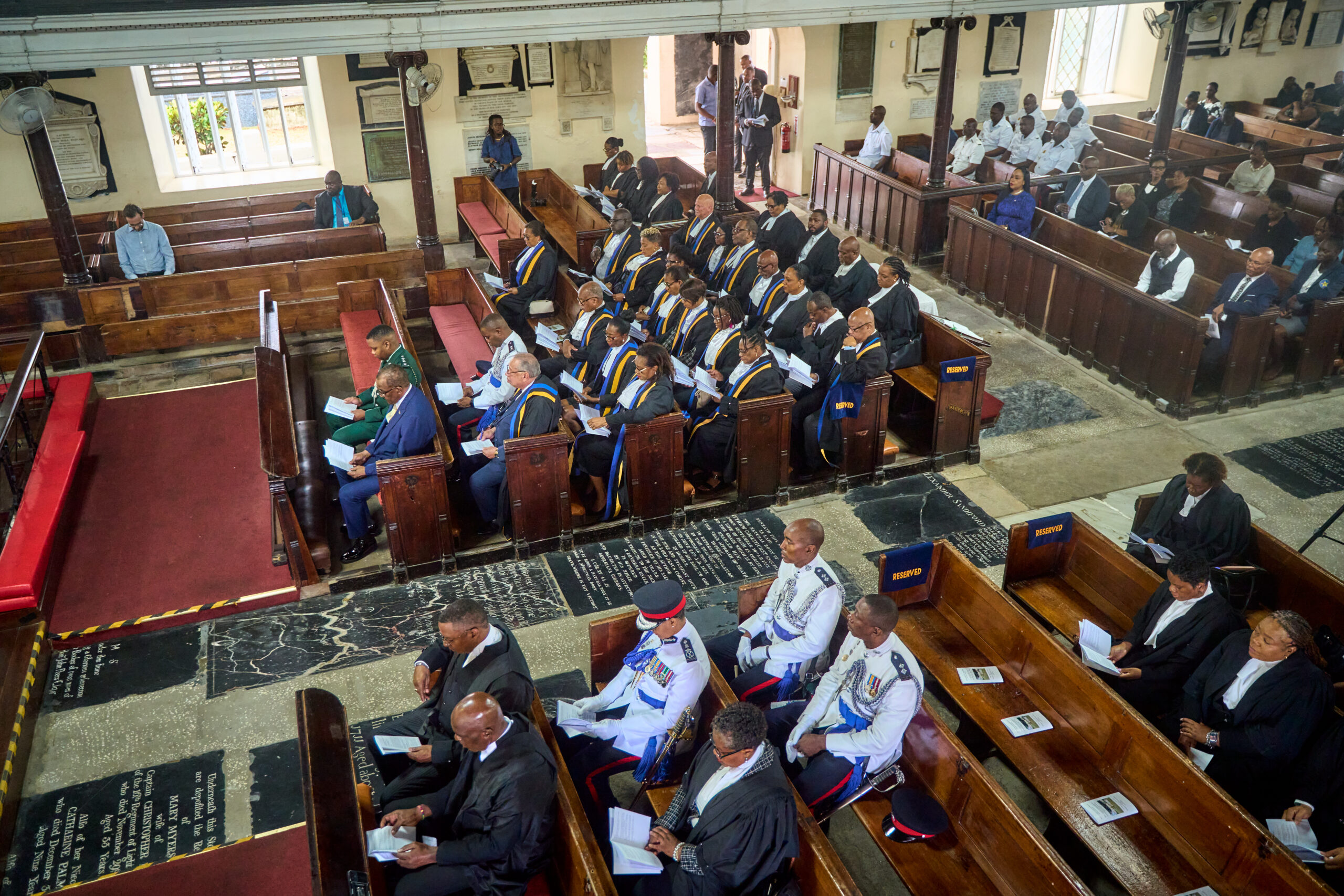
At the official opening of the 2026–2027 Barbados legal year, Chief Justice Leslie Haynes made a landmark announcement: island nation’s cabinet ministers have signed off in principle on a sweeping restructuring of the country’s judicial administration system, a reform widely labeled as the most transformative change to the justice sector since Barbados gained independence. The overhaul centers on the creation of two new governing bodies: the Department of the Judiciary and the Court Services Council, designed to consolidate and centralize the management of all court operations across the country.
For decades, the island’s judicial branch has relied on the Supreme Court Registry, an administrative unit historically housed within the Attorney General’s Office and overseen by the Minister of Legal Affairs and Criminal Justice. This structure has long meant that the judiciary itself held no direct control over the core administrative body that powers court operations, leaving effective governance dependent entirely on a constructive working relationship between the Chief Justice and the appointed Registrar, according to Haynes.
Global common law systems around the world have already recognized the flaws in this outdated governance model, leading many nations to restructure their court administrative frameworks. A key shift widely adopted has been the introduction of a court executive administrator role, which takes over the bulk of general court management responsibilities. This separation of duties frees the Registrar to focus on the growing list of quasi-judicial functions they already handle, eliminating the conflicting administrative workload that has stretched the role thin for years.
Under the new approved model, the Supreme Court Registry will be removed entirely from the executive branch’s oversight. Instead, all supreme court administration will report directly to the newly created Court Services Council, which will be chaired by the Chief Justice himself, placing administrative control firmly in the hands of the judicial branch.
Haynes shared that the reform process has already moved past the initial planning stage, with broad stakeholder consultations completed that yielded dozens of valuable insights and recommendations from across the legal sector. Work is currently underway on a full organizational human resources assessment, designed to map staffing needs across all administrative units, after which a comprehensive financial assessment will be conducted. The full findings of both assessments will be compiled into a formal report to be submitted to Cabinet for final approval in the coming months.
Beyond structural governance changes, the overhaul is explicitly designed to modernize Barbados’ court system, supporting the long-planned transition from outdated analogue administrative procedures to fully digital operations. By redesigning workflows and updating job descriptions to align with 21st-century digital practices, judicial leaders aim to boost overall operational efficiency, increase public accountability for court services, improve the visibility of judicial processes, and make the system more responsive to the needs of Barbados residents and legal professionals.
Haynes emphasized that the assessment phase is critical to ensuring every department within the new administrative structure has adequate staffing to meet its new mandates. He committed to full transparency throughout the rest of the reform process, pledging that all stakeholders and interested parties will receive regular updates as the agenda moves forward, following the completion of the human resources and financial assessments.