博客

  • Opposition ‘obsessed with fear‑mongering’ — Senator John

    Opposition ‘obsessed with fear‑mongering’ — Senator John

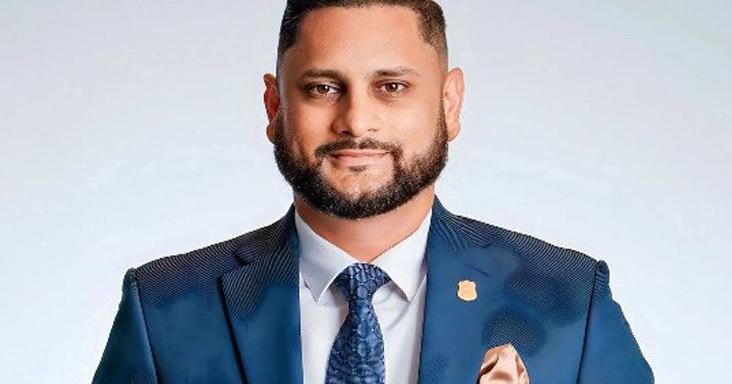
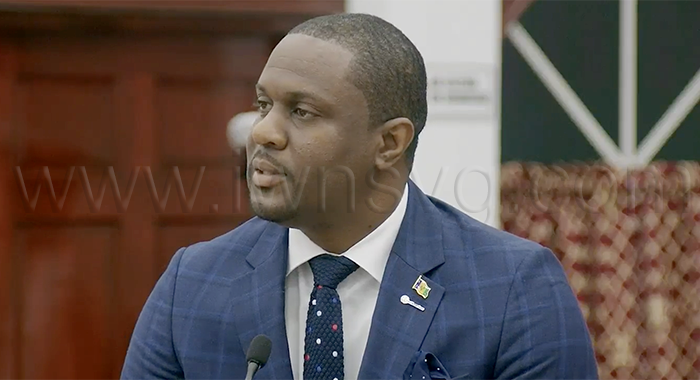
    A heated parliamentary debate over the Companies (Amendment) Bill 2026 has exposed deep political divides in St. Vincent and the Grenadines, with government senator Jemalie John launching sharp criticism at the opposition for what he calls deliberate fearmongering over foreign investment and land ownership rules. John, a practicing lawyer, has pushed back against opposition claims that the legislative changes would dismantle long-standing safeguards against foreign control of local land, framing the amendments as a pragmatic, pro-growth update designed to boost the island nation’s business competitiveness.

    At the core of the revised legislation is the repeal of a 2016 rule introduced by the previous Unity Labour Party (ULP) administration, which was then led by current Opposition Leader Ralph Gonsalves. The 2016 amendment expanded the scope of required registration for external companies, adding a provision that mandated registration for any foreign entity that held shares — even indirectly — in another external company operating in the jurisdiction. John argues this provision cast an unnecessarily broad regulatory net that captured entities with no meaningful commercial presence in St. Vincent and the Grenadines, including global investment funds that only held marginal, indirect exposure to local assets.

    “The 2016 language was so overreaching that even businesses that conduct no actual operations on our soil were forced to comply with full local registration requirements,” John told parliament. “Holding shares in a company is not the same as owning land or conducting active business here, yet the rule brought even passive, indirect stakeholders into our regulatory framework unnecessarily. This overbreadth directly undermines our attractiveness as an investment destination.” Crucially, John emphasized that the core safeguard requiring registration for any external company that holds a legal or equitable interest in local land remains completely intact, as does the existing requirement that all foreign land purchasers obtain a government license before completing a transaction. All opposition claims that the changes open the door to unregulated foreign land grabs are categorically false, he said.

    The bill also overhauls the jurisdiction’s penalty regime for non-compliant external companies, replacing the previous system of uncapped daily fines — which stood at EC$350 per day for unregistered entities and EC$100 per day for late filing of core corporate changes — with capped monthly penalties. Gonsalves has attacked this change as an unfair giveaway to rule-breaking companies and negligent legal professionals, particularly highlighting the included six-month amnesty that allows delinquent firms to settle outstanding penalties at a 50% discount, with temporary suspension of strike-off procedures.

    John countered that the opposition is clinging to an outdated, punitive approach to corporate regulation that prioritizes punishment over fostering a thriving, compliant business ecosystem. “By moving to capped penalties, we are sending a clear signal that we want regulatory compliance, not corporate bankruptcy,” he explained. He also noted that the extension of the corporate filing window from 30 to 60 days is not a gesture of leniency, but a practical adjustment to modern administrative realities that gives business owners a reasonable timeframe to organize their compliance requirements without facing immediate punitive action. Even in civil litigation, he pointed out, rules allow for relief from sanctions when deadlines are missed, and the same reasonable philosophy should apply to corporate regulation.

    On the controversial amnesty provision, John framed the measure as both compassionate and economically pragmatic. He argued that the opposition’s claims of the government “giving away” hundreds of thousands in uncollected penalties ignores the reality that most cross-border penalty debts are effectively uncollectable. Pursuing international debt collection or litigation is often prohibitively expensive, in many cases costing more than the value of the debt itself, a reality that left the previous ULP administration unable to collect on millions in outstanding penalty liabilities, he said.

    John also called out the opposition for hypocrisy, noting that ULP governments granted more than EC$624.1 million in tax and business concessions between 2002 and 2025, including EC$152.3 million in concessions in 2025 alone. “We can forfeit more than 600 million dollars in public revenue through concession programs, but the opposition insists on making a political spectacle over a limited relief program designed to bring companies back into formal compliance,” he said. He further jabbed at the ULP, noting that the only recent legislation that truly qualifies as “legal gymnastics” was the former administration’s 2021 COVID-19 vaccine mandate, which resulted in hundreds of public sector workers losing their jobs for non-compliance.

    John also directly addressed Gonsalves’ warning that the amendments would weaken beneficial ownership transparency and put St. Vincent and the Grenadines at risk of reputational damage with global regulatory bodies such as the Financial Action Task Force. He reiterated that all core land ownership registration requirements remain in place, and that the amendment does nothing to deregulate foreign ownership of local land. All foreign purchasers remain subject to licensing and registration requirements, meaning opposition claims of unregulated foreign land takeovers are entirely unfounded. In closing, John reiterated that the opposition’s warnings are nothing more than a calculated effort to stoke public anxiety for political gain, rather than a fair or accurate assessment of the bill’s content.

  • King calls out Gonsalves’ ‘speculative utterances’ in Parliament

    King calls out Gonsalves’ ‘speculative utterances’ in Parliament

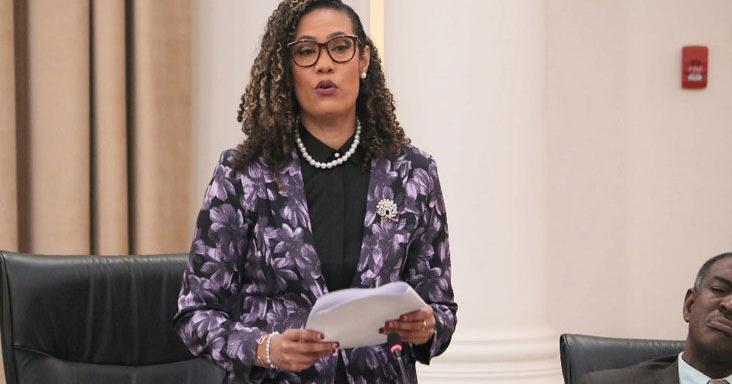
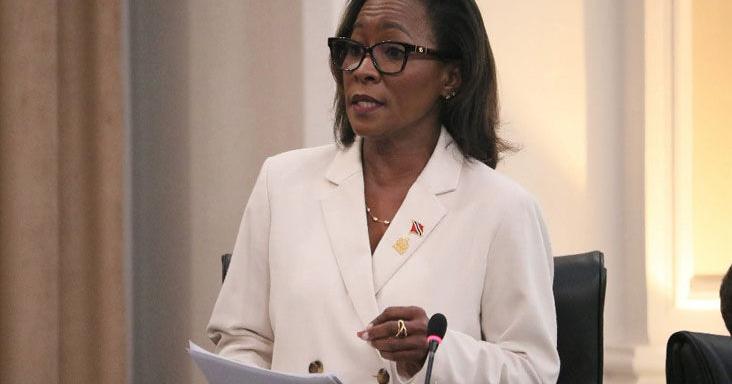
    A sharp political clash has erupted in St. Vincent and the Grenadines’ parliament over the controversial Companies (Amendment) Bill 2026, with ruling New Democratic Party (NDP) Senator Lavern King dismissing opposition leader Ralph Gonsalves’ criticisms as unsubstantiated speculation lacking factual backing. Gonsalves, a veteran lawyer who led the previous Unity Labour Party (ULP) administration from 2001 to 2025, had raised sweeping objections to the new legislation, claiming it posed risks related to legal malpractice and reputational harm involving foreign firms and local legal practitioners. But in her formal response to the opposition leader’s debate address, King pushed back hard against these claims, arguing that Gonsalves had failed to produce any verifiable evidence or data to support his sweeping allegations.

    King emphasized that the opposition’s arguments were nothing more than empty rhetoric and speculative statements, noting that even with Gonsalves’ own background as a legal professional, he presented no concrete facts to back up claims about lawyers benefiting from or facing legal threats under the new law. “As usual, the leader of the opposition expects this honourable House to accept his unverified and speculative say-so. You have to do better than that,” King told parliament.

    At its core, the 2026 amendment, which the NDP government has already enacted, reverses restrictive 2016 corporate regulations put in place during Gonsalves’ ULP administration. King framed the reform as a much-needed relief for local and international businesses operating in the country, unlocking growth by rolling back what she described as overly restrictive and suffocating rules. The legislation, she argued, reflects a fundamental ideological divide between the current NDP government and the former ULP administration over the role of the private sector in national development.

    King contended that the ULP’s long-standing governing philosophy centered on competing with the private sector rather than fostering an enabling environment for it to grow. This outdated approach, she said, left St. Vincent and the Grenadines with a rigid, uncompetitive legislative framework for business that acted as a major deterrent to foreign investment. She added that the country was an outlier among Caribbean nations for the excessive, disproportionate penalties it imposed on corporate entities, and that this restrictive regime was the real source of reputational harm for the jurisdiction — not the reforms the NDP has advanced.

    The amendment is part of the NDP administration’s broader economic agenda, which the party campaigned on when it won office nine months prior. King stressed that the bill delivers on a key campaign promise to remove structural barriers holding back investment and productivity, calling it a concrete fulfillment of the government’s commitment to revitalize the private sector. She pointed to a slate of other pro-growth, household-focused policies the government has already implemented since taking office: regularizing employment for daily-paid workers, instituting a no-new-tax budget, mandating local subcontracting for foreign contractors, increasing public assistance and juror pay, introducing VAT-free shopping periods, eliminating select school fees, and moving forward with plans to establish a national development bank. All of these measures, King noted, align with the administration’s goal of easing financial burdens on households and stimulating private sector initiative.

    Positioning the reform as a critical step toward opening St. Vincent and the Grenadines to global investment, King argued that small island developing states depend on welcoming regulatory frameworks to attract global partners. “Investors have choices. St. Vincent and the Grenadines, therefore, needs a legal and regulatory framework that says plainly and without qualification, we are open for business, we are open for partnership, and we are open for investment. This bill is one deliberate and practical step in building that framework,” she said.

    King further clarified the NDP government’s governing approach, rejecting the notion that the state should directly control economic growth. “Government does not create every business. Government does not create every job. What government does, as a matter of fact, and what government can do, is create, administer, and reform the legal and regulatory environment within which businesses must operate,” she explained. Framing the reform as “clearing the legal undergrowth”, King said the government’s role is not to pick winning industries or manufacture prosperity through executive decree, but to remove outdated rules that trip up entrepreneurs and job creators.

    Responding directly to Gonsalves’ claim that the bill amounts to a dangerous giveaway to delinquent foreign companies and well-connected lawyers, King rejected the assertion that the government is rolling back critical regulatory safeguards. She stressed that all core regulatory obligations — including requirements for corporate registration, financial filing, and mandatory reporting — remain fully intact. “What this bill removes is not the regulation itself, but the requirements, timelines, and penalties that this government, after careful review, considers unnecessary, impractical, or simply disproportionate to the conduct they were meant to address,” she concluded.

  • Senator awaits Govt changes to ZOSO

    Senator awaits Govt changes to ZOSO

    As the country prepares for the upcoming expiration of the national state of emergency on September 17, a key independent lawmaker has adopted a wait-and-see stance on whether the senate’s crossbench will revisit its proposed amendments to the revised Zones of Special Operations (ZOSO) Bill.

    Independent Senator Marlene Attzs shared her position with reporters outside Parliament on Wednesday, noting that she would not commit to supporting the government’s reintroduced legislation until she reviews what modifications the administration has made to the draft text. During the bill’s last parliamentary iteration, more than 50 amendments were submitted by lawmakers, nearly half of which originated from the independent senate bench. Attzs’ own proposed changes were crafted to strike a deliberate balance between two core national priorities: the government’s urgent push to curb the country’s rising violent crime rate, and the protection of fundamental civil liberties, governmental transparency, and legislative accountability.

    On the previous iteration of the bill, the governing party refused outright to consider any crossbench amendments, a point Attzs did not shy away from recalling. Still, she says she holds cautious optimism that the revised draft will incorporate at least some of the crossbench’s proposed safeguards for how ZOSO powers are deployed by law enforcement.

    Addressing the critical need for coordinated action on crime, Attzs emphasized that the national security crisis demands a collective response from all parliamentary blocs, rather than unilateral action from the governing party. “We’re hoping that this time around, as we collectively try to deal with the issue of crime in the country, that some of those amendments are taken on board and given consideration so that collectively we can address this issue that is facing the country,” she said.

    When asked if she would be willing to compromise on any of her proposed amendments ahead of the bill’s introduction, Attzs declined to pre-judge the government’s revised text. She noted that she will assess the new draft in its full context once it is officially tabled, and declined to assume it will retain the exact same structure and content as the earlier, unrevised version.

    Among the core unresolved questions the amendments seek to clarify is the methodology for designating areas as official Zones of Special Operations. Attzs pointed out that the draft legislation lacks clear guidance on what criteria and data are used to draw ZOSO boundaries, a fundamental policy gap that independent lawmakers intend to raise during parliamentary debate once the revised bill is officially introduced.

    The conversation also turned to lingering tensions from a past controversy: Prime Minister Kamla Persad-Bissessar’s earlier claim that some unnamed senators had offered to exchange their votes on the bill for political favors. When asked if independent senators remain concerned by the accusation, Attzs noted that a significant period of time has passed since the claim was made, and no public evidence has been presented to substantiate it. Echoing a common line from the country’s political leaders, she added that if any evidence of improper activity exists, those making the claim should bring it to law enforcement for investigation, noting that positions on the controversy have softened in the absence of proof.

  • $1 billion in drugs seized by my Govt

    $1 billion in drugs seized by my Govt

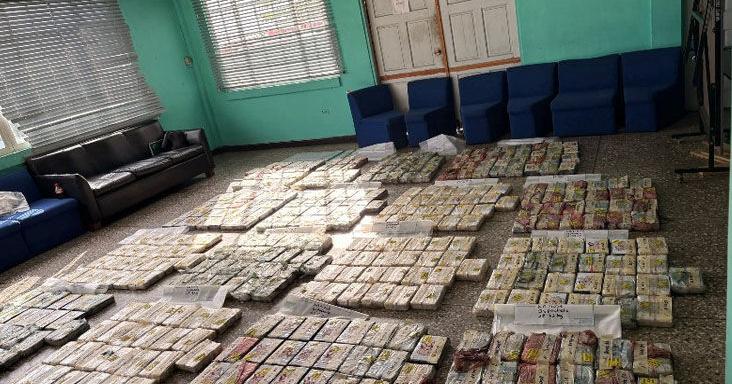
    One year after the United National Congress (UNC) administration took office in Trinidad and Tobago, Prime Minister Kamla Persad-Bissessar has announced a landmark milestone in the country’s war on illegal narcotics: security forces have intercepted contraband drugs with a combined local street value of approximately $1 billion. The announcement comes on the heels of a major high-profile cocaine bust carried out by the Trinidad and Tobago Coast Guard earlier this week, a seizure that underscores the government’s ongoing push to disrupt transnational and domestic drug trafficking networks.

    On Monday, Coast Guard operatives intercepted a shipment carrying 440.2 kilograms of cocaine, valued at an estimated $204.5 million on local streets, and took four men into custody following the operation. Speaking to reporters from the Trinidad Express on Wednesday, Persad-Bissessar, who also leads the country’s National Security Council, framed this latest bust as clear evidence that the country’s security apparatus is delivering measurable progress against the illegal drug trade.

    Going beyond the announcement of aggregate seizure numbers, the Prime Minister pulled back the curtain on the structure of the narcotics trade in the small Caribbean nation, arguing that large-scale drug shipments cannot be funded or operated by low-level couriers or small-time criminal operators. She emphasized that well-connected, wealthy business leaders are the true masterminds behind most large-scale trafficking activity in Trinidad and Tobago. “Trinidad is a small place. Everyone knows it’s wealthy so-called business people who are behind drug trafficking. No poor person or small operator can traffic a billion dollars’ worth of drugs,” she stated.

    This marks a continuation of the administration’s long-stated pledge to target every tier of drug trafficking networks, not just low-level street dealers and street gangs that handle the final stages of distribution. Persad-Bissessar has made dismantling the “big fish” financiers and criminal kingpins that operate behind the scenes a core priority of her government’s national security agenda.

    When asked whether investigators would move up the criminal chain to apprehend the organisers and funders behind the latest cocaine seizure, the Prime Minister declined to prejudge the ongoing investigation, noting that local police and partner international law enforcement agencies are conducting a full, thorough inquiry. While she would not speculate on procedural outcomes, she made clear her expectation that the probe will result in arrests of higher-level players in the network. She also alleged that major trafficking operations are actively enabled by corrupt actors within local financial institutions, who facilitate the movement of United States currency — the primary currency used by international drug cartels, which do not transact in the local Trinidad and Tobago dollar.

    Persad-Bissessar confirmed that a number of local businesses tied to narcotics activity are already under active surveillance by both local and international law enforcement. While members of the public have not seen high-profile arrests of these elite figures to date, she says behind-the-scenes action is already underway to disrupt the cross-border movement and criminal business operations of trafficking-linked individuals. When pressed on whether investigators would trace the financial trail through bank accounts, corporate holdings, real estate and other assets tied to the latest shipment, the Prime Minister said law enforcement would follow all formal investigative protocols and procedures.

    International collaboration is a central pillar of the government’s campaign against organised drug crime, Persad-Bissessar confirmed. Over the past 18 months, key international partners including the United States and the United Kingdom have implemented a series of punitive measures against suspected trafficking figures, including visa revocations, restrictions and entry refusals, and the Prime Minister says she expects this cooperative support to continue. When asked if cross-border cooperation includes intelligence sharing, maritime surveillance, vessel tracking, financial investigations, personnel training and joint operational work, she confirmed the partnership includes all of these measures and additional coordinated initiatives. She declined to comment on whether foreign intelligence supported the latest cocaine interception, as well as questions about the cocaine’s origin, intended destination, and whether Trinidad and Tobago is being used as a transshipment point or final market, noting that these details remain part of confidential ongoing investigations.

    The latest large seizure has reignited public debate over the country’s ability to secure its extensive territorial waters from sophisticated transnational trafficking operations. Acknowledging that no border security system is perfect and that some illicit shipments are likely to evade detection, Persad-Bissessar reaffirmed that security forces have made consistent, tangible progress in interceptions. When asked whether the government plans to allocate additional resources — including new coastal vessels, advanced surveillance technology, radar systems, drones, aircraft and other equipment — to boost the Coast Guard and police’s maritime interdiction capabilities, she confirmed additional resources are being deployed but declined to share specific details for operational security reasons.

    The Prime Minister also tied recent gains in intelligence gathering to the national State of Emergency (SoE), which is scheduled to expire on September 17. She explained that the emergency public security measures, paired with major upgrades to information technology hardware and software at the Strategic Services Agency (SSA), have significantly boosted the country’s national intelligence gathering capacity. With emergency powers set to lapse, Persad-Bissessar says the government stands ready to reimpose emergency measures or take other extraordinary action if national security conditions deteriorate. She noted that the government has already delivered tangible progress, with overall crime rates and particularly murder rates falling across the country, but added that “if there is a reversion to an increase in crime the government has no problem taking every action available to us.”

    Throughout her remarks, the Prime Minister reiterated a clear, uncompromising message: no amount of wealth, social status, or elite business connections will shield actors involved in the illegal drug trade from prosecution and disruption under her administration.

  • TSTT officials threaten to  sue CWU secretary general

    TSTT officials threaten to sue CWU secretary general

    A high-stakes legal dispute has emerged in Trinidad and Tobago’s telecommunications sector, as two top leaders of state-owned telecommunications firm TSTT have threatened to pursue defamation litigation against Communication Workers’ Union (CWU) Secretary General Joanne Ogeer, stemming from inflammatory allegations she made during a union-hosted press conference earlier this month.

  • Alexander: Interpol screening migrants

    Alexander: Interpol screening migrants

    As Trinidad and Tobago advances its ambitious 2026 Migrant Registration Framework (MRF), the country’s government has implemented a rigorous, internationally supported vetting process to screen thousands of undocumented migrants seeking legal status, marking a sharp break from flawed past registration efforts. Homeland Security Minister Roger Alexander detailed in an exclusive interview with local outlet the Express on Tuesday that the U.S. Interpol bureau is currently partnering with local authorities to conduct enhanced security screenings for more than 24,000 migrants who have completed the MRF’s in-person registration process. This collaboration comes as the current Kamla Persad-Bissessar administration intensifies background checks ahead of the planned rollout of official migrant registration cards, which Alexander projects will begin as early as next month.

    Alexander emphasized that the current vetting protocol is far more exhaustive than the registration exercise carried out by the previous People’s National Movement (PNM) administration, which he criticized for lacking meaningful checks and balances. “Last occasion it was a runaway train, on this occasion, we are making sure to check every detail,” Alexander told the Express. Unlike the incomplete process of the past, the new framework incorporates fingerprint collection by local police service and cross-border background checks facilitated by Interpol, ensuring every applicant is fully vetted before receiving approval to legally reside and work in the twin-island nation. “This process was a tedious one. It was not one that was done with blindfolds on,” he added.

    International security partners are contributing far more than just basic record checks: they are assisting local law enforcement in tracing criminal histories across applicants’ countries of origin and any other nations they have previously resided in or visited, with investigations extending beyond past travel to probe any illicit activities applicants may have participated in globally. To date, the enhanced screening has already uncovered multiple cases of applicants submitting false names and other falsified personal information, as well as identifying candidates with active criminal charges or prior conviction records. Alexander confirmed that these individuals will face appropriate administrative or legal action, stressing that the government will no longer admit migrants who would exacerbate existing public safety challenges. “We are not prepared to accommodate persons in this country any more who intend to be part of the problem that we are already in,” he said.

    Beyond migrant vetting, Alexander noted that international partners have been critical to Trinidad and Tobago’s broader law enforcement efforts, providing critical intelligence, surveillance capabilities, technical training, and on-the-ground support to counter the illicit flows of drugs, unregistered firearms, and human trafficking across the country’s borders. He blamed the previous PNM administration for failing to secure national borders, invest in border security personnel, or build critical international security partnerships, leaving the country vulnerable to a large influx of unauthorized migration. Since taking office, the current administration has made cracking down on illegal migration a top policy priority, and has seen growing cooperation from global security partners as a result. “Our international partners have been very co-operative with us. And they are teaching us a lot of things that we did not have the technology to detect before. We continue to build that partnership and we can only see it getting better in the future,” Alexander said.

    The 2026 MRF represents a major expansion of Trinidad and Tobago’s approach to undocumented migration. Unlike the 2019 registration exercise, which limited eligibility to Venezuelan migrants, the new framework opens registration to qualified undocumented migrants of all nationalities. The first phase of the 2026 process, which ran from January 26 to February 25, consisted of online application submission, preliminary reviews, and in-person appointment scheduling. By the close of the first phase, the Ministry of Homeland Security had received 29,276 applications from migrants representing more than 60 different countries of origin.

    The second, mandatory phase of the process requires all applicants to complete in-person verification and processing at one of five designated regional stadium centers: Hasely Crawford Stadium in Port of Spain, Larry Gomes Stadium in Arima, Ato Boldon Stadium in Couva, and Dwight Yorke Stadium in Tobago. In-person interviews launched on March 2, and as part of the processing workflow, all applicants undergo fingerprint collection and initial security checks through the Trinidad and Tobago Police Service, while adult applicants are required to pay a TT$700 registration fee. Public health officials have also participated in the process to conduct required health screenings for all applicants.

    The update comes amid criticism from some Venezuelan migrant communities and local migrant advocacy groups, which told the Express they have waited more than six months for an official status update on the MRF process from Alexander’s ministry, with no new information released to date.

  • REPORT BRIBE TAKERS

    REPORT BRIBE TAKERS

    In a pointed address to the Senate during debate on the 2026 Public Health (Amendment) (No. 2) Bill, Trinidad and Tobago’s Minister of Rural Development and Local Government Khadijah Ameen has sounded the alarm on widespread graft among building and public health inspectors, calling on ordinary citizens to bring forward evidence of bribe-taking to law enforcement for investigation.

    Ameen opened her remarks by unpacking the systemic roots of the corruption crisis facing the country’s development approval system, noting that long-standing staff shortages, created by the previous administration’s failure to fill vacant inspector positions, have created critical openings for unethical conduct to flourish. In conversations with a former local government minister, Ameen confirmed that understaffing has allowed corrupt actors to exploit gaps in oversight, with bribe-taking becoming so normalized that many developers now build these illicit payments into their project overhead costs as an expected “cost of doing business.”

    She emphasized that corruption penetrates every stage of the development approval process, where project sign-off is increasingly granted based on personal connections or illicit payments rather than compliance with building and public health standards. This pattern of graft has severely eroded public trust in the approval framework, she argued, allowing non-compliant projects to move forward while leaving honest developers at a disadvantage. Pointing to visible signs of illicit enrichment, Ameen noted that many corrupt inspectors maintain lavish lifestyles far beyond what their public service salaries can support, including owning multi-million dollar mansions, luxury vehicles, and multiple residential properties across the country. While public conversation about corruption often focuses on elected officials, Ameen stressed that cleaning up the public service requires rooting out bad actors at every level, including front-line inspection roles.

    Looking ahead, Ameen issued a clear warning to all new applicants for recently opened inspector positions: corruption will not be tolerated under the current government. The administration is already moving to fill long-vacant inspector and engineering roles to address the staffing shortages that enabled graft, she confirmed. For members of the public who hold information about bribe-taking, Ameen urged immediate reporting to local police, noting that formal processes are already in place to remove proven corrupt officials from their posts.

    Beyond addressing corruption, Ameen laid out the core policy goals of the Public Health (Amendment) (No. 2) Bill, which aims to cut through bureaucratic red tape and streamline the country’s construction approval process by removing the County Medical Officer of Health (CMOH) from routine stages of the building permitting workflow. The legislation, which already passed the House of Representatives last Friday, is designed to eliminate redundant approval requirements that have delayed thousands of development projects across the twin-island nation.

    Official data presented by Ameen shows that between 2021 and 2026, more than 9,100 development applications were submitted to the CMOH for approval, even though regional municipal corporations already employ public health inspectors authorized to sign off on the same projects. This duplication has created a massive backlog: as of the Senate debate, 790 applications remain pending CMOH review. To address concerns over the fate of these backlogged requests, Ameen confirmed that the Ministry of Health will issue a formal directive transferring all pending applications to the relevant municipal corporations. Applicants will not be required to resubmit documentation or restart their approval process, as both agencies already hold full copies of the submitted materials, and all transitional arrangements will be finalized before the legislation takes effect.

    Currently, four municipal corporations – the Port of Spain City Corporation, San Fernando City Corporation, Arima Borough Corporation, and Point Fortin Borough Corporation – already maintain in-house public health inspection teams to conduct project assessments. If passed, the bill will extend this full approval authority to all 14 of Trinidad and Tobago’s municipal corporations, creating a consistent, more efficient approval framework across the country. Coupled with ongoing recruitment of new inspectors and engineers, the legislative change is expected to cut administrative delays, remove overlapping agency requirements, and support faster delivery of new construction and development projects nationwide.

  • Een zonnige tot halfbewolkte woensdag

    Een zonnige tot halfbewolkte woensdag

    On Wednesday, September 16, Suriname will grapple with unseasonably warm, muggy conditions that will push perceived temperatures well above the actual mercury reading, according to the country’s Meteorological Service.

    The day will kick off on a calm, largely dry note. Localized patches of mist or light fog are possible in the early morning hours, but the service predicts these low-visibility conditions will clear gradually as the morning progresses. Cloud cover will build incrementally through the rest of the day, but forecasters do not expect widespread heavy downpours to hit the country. The overall chance of precipitation remains low: while isolated light showers could pop up here and there in the afternoon, the vast majority of Suriname will stay dry through the end of the day.

    Official temperature projections put maximum readings between 33 and 34 degrees Celsius across nearly all of the country’s administrative districts. Coastal districts, including the capital district Paramaribo and neighboring Wanica, are expected to hit the top end of that range at 34 degrees. In the southern interior, the district of Sipaliwini could see actual temperatures climb as high as 36 degrees Celsius. Even overnight will offer little relief, with minimum temperatures hovering between 22 and 24 degrees Celsius that keep conditions sweltering through the night.

    Winds will blow from the east-northeast to east, and are expected to remain mostly weak to moderate, with sustained speeds ranging from 11 to 24 kilometers per hour. Localized slightly stronger gusts are possible, but forecasters have ruled out dangerous wind events for the day. The main source of discomfort remains high humidity, which will push perceived temperatures to between 36 and 40 degrees Celsius across the country, creating a stuffy, oppressive feeling for most residents through the day.

  • “A World We Make” SKNYPA’s Community Mural Unveiled

    “A World We Make” SKNYPA’s Community Mural Unveiled

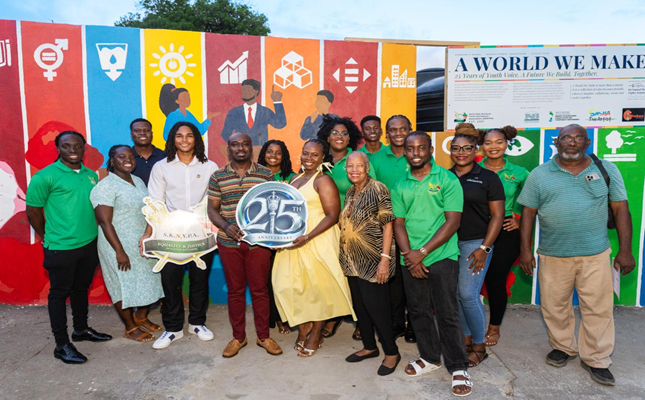
    On a celebratory occasion marking its 25-year legacy of service, the St. Kitts and Nevis Youth Parliament Association (SKNYPA) has officially unveiled its landmark community art project — the mural titled *A World We Make* — on Upper Market Street. Created through collective community collaboration, the large-scale public artwork stands as a visual manifesto of the organization’s core values, centering collective action, global civic responsibility, and the transformative power of young people to shape their shared future.

    Designed to weave local identity and global vision into a single cohesive piece, the mural’s composition carries deliberate symbolic meaning. At its core sits a depiction of the Earth, cradled in outstretched human hands and framed by native Poinciana blooms, a nod to the project’s local roots. Within the globe, the islands of St. Kitts and Nevis are prominently featured, grounding the work’s universal themes in the specific identity and aspirations of the local community. Above the central globe stand stylized figures of young parliamentarians, while the 17 United Nations Sustainable Development Goals circle the composition, emphasizing the interconnected nature of global challenges and the need for collective action to build a more equitable, prosperous, and sustainable future for all.

    The unveiling ceremony drew a diverse cross-section of local stakeholders, including Marguerite Seaton, sister of former Governor-General and SKNYPA Honorary Member Sir Tapley Seaton; Jamal Collins, representing the St. Kitts-Nevis-Anguilla National Bank, SKNYPA’s premier platinum sponsor for its silver jubilee celebrations; Pastor Lincoln Hazelle, owner of the property that hosts the mural; as well as current SKNYPA members, alumni, and dozens of local community supporters.

    Aquanje Robinson, project lead for the mural initiative, framed the work as far more than a static piece of public art in his opening remarks. “This work speaks about collaboration and was created through collaboration. It speaks of connection and brings people together. It speaks about evolution, and it evolved before our eyes,” Robinson explained. He expanded on the mural’s broader meaning for different groups: for SKNYPA, it serves as a permanent reminder that leadership is rooted in people, not just institutions or ideas; for the local community, it is proof that collective creation and shared action are still possible; and for wider society, it is an invitation to protect public spaces where people can connect, create together, and find belonging to a purpose larger than themselves.

    Sasha Herbert, lead artist and facilitator for the project and owner of Sasha the Artist Studios, walked attendees through the months-long collaborative process that brought the mural to life. What began as rough conceptual sketches and shared voice notes outlining SKNYPA’s collective vision evolved step by step, from the selection and mixing of 30 custom paint shades to the final brush strokes. Herbert noted that the project’s true impact could not be captured by formal role titles alone: throughout the process, she watched SKNYPA center community leadership and participation at every stage of what was always intended to be a community-driven mural.

    The official ceremony included the long-awaited first public reveal of the finished artwork, followed by a short recap documentary tracing the project’s journey from early concept to completed installation. To close the event, organizers presented custom certificates of appreciation to the dozens of sponsors, participating artists, and community volunteers who contributed time, resources, and expertise to the initiative. From its earliest planning stages, the project was designed to foster open dialogue, social connection, and collective hope between SKNYPA and the wider local community — outcomes that organizers say the initiative has already delivered.

    SKNYPA formally extended its gratitude to the full network of supporters that made the project possible. Alongside premier platinum sponsor the St. Kitts-Nevis-Anguilla National Bank Ltd., the association recognized platinum-diamond sponsors including InHouse Productions, Dynamic Productions, ProVideo Productions, Events Extraordinaire, Allure Event Rentals, InterCaribbean Airways, St. Kitts Marriott Resort, the Department of Environment, Climate Action and Constituency Empowerment, JayBlack Productions, and the Department of Creative Economy. Silver sponsors included La Vita del Gelato, Sasha the Artist, Warner’s One Stop, Sun Island, and Dr. Lisha Ward, with additional support from bronze sponsors, individual contributors, and media partners spanning the Development Bank of St. Kitts and Nevis, UKreate, Ojedi Organics, Suprm Media Group, Cut-I Entertainment, Model Cop, and SKNvybez.

    As the organization emphasized in closing, the mural’s title carries a core mission that guides all of SKNYPA’s work: This is not a world we inherit, not a world we wait for — it is a world we make, together.

  • Laatste Amerikaanse troepen verlaten Irak; milities weigeren wapens neer te leggen

    Laatste Amerikaanse troepen verlaten Irak; milities weigeren wapens neer te leggen

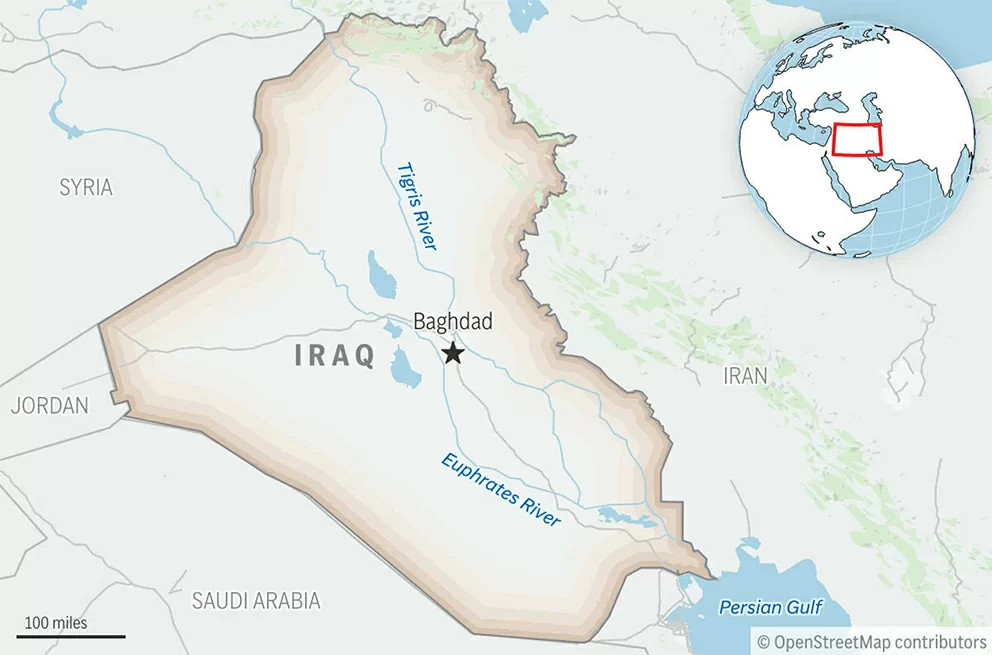
    As the final contingent of US troops packs their equipment to leave Iraq, Baghdad faces two interconnected critical deadlines that will shape the country’s security and political landscape for years to come. However, most powerful Shiite militias have already made clear they have no intention of laying down their arms, leaving major unanswered questions about what Iraq will look like after the full US military withdrawal.

    The US-led international coalition is accelerating its drawdown of forces, according to a senior anonymous US military official, who spoke on condition of anonymity because he was not authorized to speak publicly on the matter. All remaining US troops stationed in northern Iraq, numbering in the hundreds, will complete their withdrawal by the September 30 deadline. Most troops will be redeployed to Jordan and other regional countries, and key military equipment including air defense systems will be relocated alongside personnel.

    The timeline of US military engagement in Iraq stretches back more than two decades: the US invaded Iraq in 2003, ousted longtime leader Saddam Hussein, withdrew all forces in 2011, then returned in 2014 at the request of the Iraqi government to combat the rise of the Islamic State (IS) terror group. With the IS threat largely diminished after years of counterterrorism operations, Washington and Baghdad reached a 2024 agreement to gradually end the US combat mission. Last year, US troops withdrew from bases across most of Iraq, leaving only a small presence in the semi-autonomous Kurdistan region in the north.

    After the full withdrawal is complete, the US will open negotiations for a “normal bilateral security cooperation” framework with Baghdad’s central government, the official confirmed, though the exact structure of this future partnership remains undecided. The official noted that the counterterrorism base in Erbil, the capital of Iraqi Kurdistan, has lost strategic importance for US forces as the IS threat has receded. While northern Iraq was never used as an offensive launchpad during the period of heightened US-Iran tensions, US troops stationed there were repeatedly targeted by attacks from Iran and Iranian-aligned Iraqi militias. This withdrawal will therefore “reduce our exposure” to such attacks, the official added.

    The Iraqi government tied the US withdrawal to a separate ultimatum requiring all armed militias to disarm by the same September 30 deadline. Iraqi Prime Minister Ali al-Zaidi promised after his July meeting with US President Donald Trump at the White House that the disarmament of Iraq’s powerful armed factions would be finalized before the end of September, aligning with the coalition’s withdrawal timeline.

    However, Iraqi government officials have sent conflicting signals about whether September 30 is a firm disarmament deadline. Government spokesperson Sabah al-Numan said last week that discussions and dialogue are still ongoing, and the disarmament issue will not be resolved until after the international coalition completes its withdrawal. Qasim al-Araji, the prime minister’s security advisor, clarified that September 30 is only the deadline for coalition troop withdrawal, not for militia weapons handover.

    For many observers of Iraqi politics, the failure of the September 30 disarmament goal is already a foregone conclusion. “On September 30, no armed groups will have disarmed. I think that is clear to anyone who follows Iraqi politics,” said Iraqi analyst Sajad Jiyad during a recent workshop hosted by the Washington-based think tank Atlantic Council.

    While a small number of less influential militias have agreed to hand over weapons, the most powerful factions with close ties to Iran — including Kataib Hezbollah, Harakat al-Nujaba and Kataib Sayyid al-Shuhada — have either outright rejected the disarmament demand or attached conditions the Iraqi government is highly unlikely to meet in the near term. These conditions include bringing the Kurdish Peshmerga security forces in northern Iraq under full central Iraqi military control, and expelling Iranian Kurdish opposition groups and the PKK, which maintain bases in the northern border region.

    One senior official with a pro-Iranian Iraqi militia put the position even more bluntly: “After these preconditions are set, discussion will shift to regulating weapons holdings, not surrendering them. The factions have absolutely made no decision to give up weapons, and we have not handed over any weapons to date.”

    Forcing full disarmament by military means is widely seen as an enormous challenge for Baghdad. The militias are organized under the “Iraqi Islamic Resistance,” an umbrella group of roughly 10 hardline Shiite armed factions that together command around 50,000 fighters and possess advanced weaponry including long-range rockets and air defense systems. The group has claimed responsibility for dozens of rocket and drone attacks targeting Israel and US forces in Iraq and Syria over the past several years.

    Beyond their military power, the militias have deep and entrenched economic interests across Iraq’s construction, real estate, and currency exchange sectors, giving them powerful incentives to retain their autonomy and armed status.

    Most of these militia factions are formally part of the Popular Mobilization Forces (PMF), an umbrella organization that was officially integrated into Iraq’s national security forces in 2016 and nominally falls under the authority of the prime minister. However, many of the most powerful factions operate with near-total autonomy and maintain close strategic and political ties to Iran.

    A senior Iraqi government official outlined the administration’s current strategy: the government aims to bring all armed factions under the full command of the Iraqi army. Baghdad hopes factions will transfer high-risk “dynamic weapons” such as rockets and long-range systems to the central command of the PMF, before the independent factions are dissolved and integrated into the PMF and national army structure.

    Concerns are growing over the security outlook for Iraq’s semi-autonomous Kurdistan region following the US withdrawal. While the drawdown removes a key target for attacks from the area, analysts warn it will not end the threat of violence. Mohammed A. Salih, a non-resident senior fellow at the US-based Foreign Policy Research Institute and an expert on Kurdish and Iraqi affairs, noted that Iran and its aligned groups have already targeted other sites in the Kurdistan region unrelated to US troops, including bases of exiled Iranian Kurdish opposition groups, energy infrastructure, and even the office of Kurdistan Regional Prime Minister Masrour Barzani.

    “The withdrawal will further expose the Kurdish region and make it an easier target for attacks,” Salih said.

    Kurdistan Regional Government officials declined to comment on the record, but Barzani has publicly stated his concern that the removal of US air defense systems will leave the region far more vulnerable to attack. In response, al-Numan said last week that the Iraqi central government is finalizing purchases of new air defense systems from South Korea, Turkey, and the United States, which will be deployed according to a carefully crafted military plan to ensure full protection of Iraqi airspace, including the Kurdistan region.