博客

  • Chief Secretary: THA aims to provide greater transparency

    Chief Secretary: THA aims to provide greater transparency

    In a landmark move toward governmental transparency, the Tobago House of Assembly (THA) is poised to implement radical democratic reforms during its inaugural session on January 22. The assembly’s first ordinary meeting will feature comprehensive amendments to parliamentary procedures designed to foster unprecedented public accountability.

    Chief Secretary Farley Augustine, whose Tobago People’s Party achieved a historic electoral sweep by capturing all 15 seats in the January 12 elections, unveiled these transformative measures during his inaugural press briefing at the Hochoy Charles Administrative Complex. The administration’s reform agenda represents a fundamental restructuring of Tobago’s governance model.

    The cornerstone reforms include restructuring the Public Accounts Committee to be chaired by non-executive members or assistant secretaries—a dramatic departure from previous conventions where minority leaders held this responsibility. This structural change ensures continuous oversight despite the absence of opposition members in the assembly.

    Augustine has initiated formal communications requiring all government administrators, department heads, board chairs, and CEOs of THA-state companies to publicly account for their execution of governmental policies before the reconstituted committee. Additionally, the assembly will introduce e-governance platforms enabling citizens to directly submit questions for parliamentary proceedings.

    Most notably, the reformed standing orders will mandate live broadcasting of committee meetings, excluding only security-sensitive matters requiring confidentiality. This media accessibility initiative empowers citizens to monitor governmental operations in real-time and form evidence-based opinions.

    Concurrently, Augustine instituted a rigorous performance evaluation system for all appointed secretaries, establishing a nine-month probationary period to demonstrate competency. Officials failing to meet delivery benchmarks will face immediate replacement, as the Chief Secretary emphasized his ultimate accountability for administrative performance.


  • Isaiah ‘Bongo’ Leacock brace steers Jabloteh past Eagles

    Isaiah ‘Bongo’ Leacock brace steers Jabloteh past Eagles

    In a thrilling TT Premier Football League encounter at Phase 2 La Horquetta recreation ground on January 16, San Juan Jabloteh secured a decisive 4-2 victory against Eagles FC, largely powered by former Defence Force striker Isaiah “Bongo” Leacock’s exceptional performance. The recently transferred forward demonstrated his scoring prowess with two crucial goals, bringing his personal tally to four since joining Jabloteh earlier this month.

    The match dynamics unfolded with Leacock initiating the scoring in the 19th minute with a precise finish past Eagles goalkeeper Akiel Seifert. Jabloteh strengthened their position when Jadel Carter’s unfortunate own goal doubled their advantage in the 27th minute. Leacock further cemented Jabloteh’s dominance just before halftime, calmly converting a 44th-minute penalty to establish a commanding 3-0 lead.

    Eagles FC displayed resilience in the second half as Josiah Edwards narrowed the deficit with a 61st-minute strike. However, Jabloteh’s strategic recruitment continued to pay dividends when another new signing, Caden Trestrail—also formerly of Defence Force—restored the three-goal margin in the 68th minute. Despite a late consolation goal from Eagles’ prolific winger Dominic Douglas in the 88th minute (his eighth of the campaign, making him joint-top league scorer), Jabloteh secured all three points, climbing from eighth to seventh position in the standings.

    In the accompanying double-header fixture, Miscellaneous Police FC missed a critical opportunity to draw level with league leaders Defence Force, settling for a 1-1 draw against fourth-placed Prisons FC. Jabari Mitchell’s 23rd-minute opener for Police was neutralized by Kevon Williams’ 48th-minute equalizer, replicating his Boxing Day heroics when he secured Prisons’ previous 1-0 victory against the same opponents.

    The TTPFL action was scheduled to continue on January 17 at Tobago’s Dwight Yorke Stadium, featuring bottom-placed 1976 FC Phoenix against Caledonia AIA, followed by leaders Defence Force confronting last season’s runners-up MIC Central FC Reboot.

  • Promoter sues Vybz Kartel over cancelled Trinidad festival

    Promoter sues Vybz Kartel over cancelled Trinidad festival

    Prominent Jamaican dancehall artist Vybz Kartel (legal name Adidja Azim Palmer) is facing a substantial breach-of-contract lawsuit filed by Trinidad-based event promoter Jacho Entertainment Ltd. The legal action, submitted to the High Court of Justice on January 13, alleges the artist wrongfully canceled his headline performance at the One Caribbean Music Festival in Port of Spain despite receiving over US$1.1 million in advance payments.

    The dispute centers around a performance agreement executed on November 22, 2024, which stipulated Kartel would headline the festival for a total fee of US$1.35 million. According to court documents, the event was initially scheduled for February 28, 2025, before being rescheduled to May 31, 2025, though no formal amendment to the payment schedule was executed.

    Jacho Entertainment claims it had fulfilled approximately 81% of its financial obligation prior to the event date, with the remaining US$250,000 scheduled for payment upon the artist’s arrival in Trinidad. The promoter attributes the delayed final payment to temporary foreign exchange restrictions in Trinidad and Tobago, which they maintain were properly communicated to Kartel’s management team.

    The lawsuit alleges that Kartel failed to board his scheduled flight to Trinidad on May 30, 2025, with his management subsequently demanding full payment before his arrival—a condition allegedly not stipulated in the original contract. The artist then publicly announced the cancellation on the day of the event through social media channels.

    Jacho Entertainment is seeking significant compensation for incurred expenses exceeding TT$7.3 million covering staging, production, marketing, and logistical costs. The claim includes demands for special damages, general damages for reputational harm and lost opportunities, restitution, and interest. The filing additionally references allegedly defamatory statements made by Kartel on social media that the promoter claims falsely attributed blame for the cancellation.

    Legal representatives Criston Williams and Anthea Smith are representing Jacho Entertainment in proceedings that highlight the complex financial and contractual dynamics within the international music performance industry.

  • Figuera: More oversight neededto prevent repeat of Clico collapse

    Figuera: More oversight neededto prevent repeat of Clico collapse

    A prominent criminologist has issued a forceful appeal for comprehensive reform of Trinidad and Tobago’s financial regulatory systems following the official release of the Sir Anthony Colman Commission of Enquiry report. The extensive investigation into the catastrophic collapse of insurance giant Clico and its parent company CL Financial was formally presented to Parliament by Attorney General John Jeremie on January 16.

    The report’s publication marks a significant milestone seventeen years after former Central Bank governor Ewart Williams first disclosed that the Patrick Manning administration would intervene to rescue the financially troubled CL Financial Group. Attorney General Jeremie confirmed that while civil litigation efforts have been discontinued, criminal investigations remain actively underway under the jurisdiction of the Director of Public Prosecutions.

    Criminologist Daurius Figuera characterized the protracted investigation into the conglomerate’s failure as profoundly inadequate, noting the expenditure of billions in taxpayer funds over the past decade. Jeremie himself described the collapse as the most substantial case of financial fraud and economic disaster in Trinidad and Tobago’s history, with repercussions extending throughout the Caribbean region.

    Figuera raised critical questions regarding the initial pursuit of civil litigation, stating, ‘The fundamental lesson from this entire affair is that Trinidad and Tobago’s supervisory structure for Colonial Life failed catastrophically.’ He asserted that proper regulatory oversight would have identified financial irregularities long before the collapse, potentially holding executive chairman Lawrence Duprey accountable before the empire’s disintegration.

    The criminologist emphasized that the Duprey business empire was fundamentally built upon Colonial Life’s operations, suggesting that rigorous regulatory enforcement could have prevented both the financial debacle and the substantial taxpayer-funded bailout that followed. Figuera pointedly noted that regulatory inaction effectively facilitated an outcome that severely damaged national economic interests, including the loss of significant industrial assets at Point Lisas.

    Figuera challenged the prevailing narrative by shifting focus from individual culpability to systemic failure: ‘While fingers point at Duprey, who addresses the catastrophic failure of the oversight structure itself?’ He questioned whether political interference compromised regulatory bodies and whether existing legislation governing financial institutions would be comprehensively revised to prevent future collapses.

    The expert also highlighted concerning patterns in white-collar crime enforcement, observing that elite financial offenders consistently evade meaningful accountability compared to other segments of society. He concluded that strengthened regulatory enforcement mechanisms and rigorous implementation of existing oversight laws represent urgent necessities for Trinidad and Tobago’s financial system.

  • Harnarine claims innocenceas CoE report goes public

    Harnarine claims innocenceas CoE report goes public

    In the wake of the Commission of Enquiry (CoE) report presentation to Parliament, former Hindu Credit Union (HCU) president Harry Harnarine has publicly maintained his innocence regarding the financial institution’s 2009 collapse. The declaration came on January 17, directly responding to Attorney General John Jeremie’s parliamentary presentation of the investigative findings the previous day.

    During a brief telephone interview, Harnarine asserted, “I haven’t done anything wrong,” emphasizing his full cooperation with the enquiry process by attending all hearings when summoned as a witness. Other prominent figures including former finance minister Karen Nunez-Tesheira and ex-Finance Ministry permanent secretary Vishnu Dhanpaul also testified during the proceedings.

    The CoE report outlined potential civil remedies for affected depositors, particularly those who received grant relief up to $75,000 from the Trinidad and Tobago government. These individuals are required to assign their entitlements to the state under the Grant Relief Payment Scheme.

    Notably, the commission identified legislative provisions enabling the Commissioner for Cooperative Development (CCD) to investigate possible misfeasance or breach of trust by HCU officers. Should such investigations proceed, the CCD could mandate compensation payments to HCU’s assets with interest.

    The report highlighted critical evidentiary limitations, noting “insufficient oral and documentary evidence” despite ample opportunity for participation from all involved parties. This deficiency prompted the CoE to recommend that the Director of Public Prosecutions examine potential criminal proceedings against unnamed individuals.

    Harnarine reiterated his longstanding position that HCU was not insolvent at the time of its winding up, claiming he had petitioned three separate labor ministers between 2020 and 2024 to appeal the dissolution decision. While former minister Errol McLeod couldn’t recall such appeals, Jennifer Baptiste-Primus indicated the matter fell under the CCD’s jurisdiction rather than hers.

    Separately, the CoE attributed the parallel collapse of Colonial Life Insurance Company (Clico) to a fundamentally “defective business model” within the CL Financial Group, compounded by management’s failure to implement necessary changes despite external auditor recommendations. The commission exonerated the Central Bank’s conduct while criticizing late Clico and CLF chairman Lawrence Duprey, suggesting potential criminal proceedings against him had he not passed away in August 2024.

    The dual collapse of these major financial institutions in 2009 triggered widespread economic disruption, ultimately traced to aggressive investments in high-risk foreign real estate assets financed through unsustainable high-interest strategies.

  • PM: New THA bill will bring better service to Tobagonians

    PM: New THA bill will bring better service to Tobagonians

    In a landmark move to bolster Tobago’s self-governance capabilities, Prime Minister Kamla Persad-Bissessar has championed significant legislative reforms through the Tobago House of Assembly (Amendment) Bill, 2026. The legislation, piloted in the House of Representatives on January 16, represents the most substantial empowerment initiative for the island in recent history.

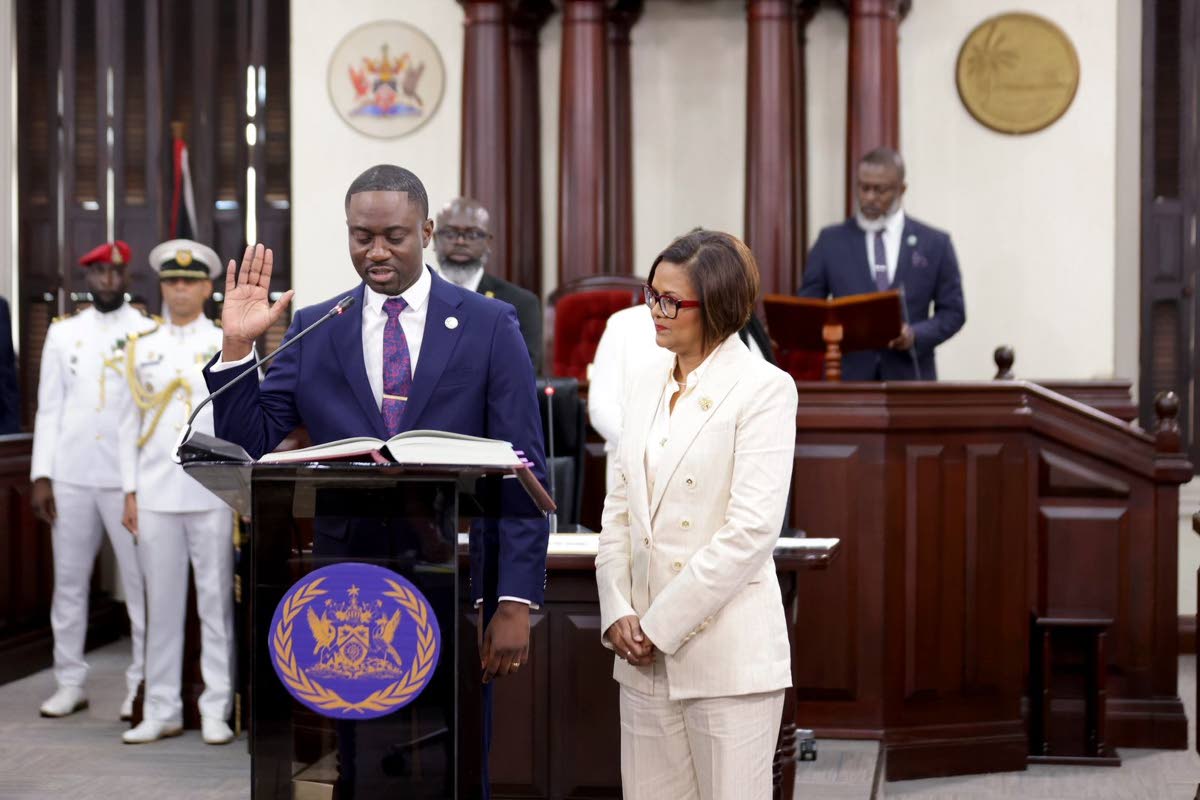
    The cornerstone of this reform involves expanding the THA’s executive structure by increasing secretarial positions from seven to twelve members. Concurrently, the parliamentary quorum required to conduct official business has been elevated from nine to twelve members. These changes come in direct response to the Tobago People’s Party’s decisive electoral victory and Chief Secretary Farley Augustine’s recent swearing-in ceremony on January 15, which the Prime Minister attended personally.

    Prime Minister Persad-Bissessar emphasized that these measures transcend mere administrative adjustments, representing instead a fundamental reimagining of Tobago’s governance framework. “This bill reflects the seriousness with which we regard Tobago’s development, Tobago’s governance, and Tobago’s future,” she declared, adamant that Tobago must never be treated as “a mere footnote” or subjected to tokenistic approaches.

    The expanded executive capacity enables greater portfolio specialization, clearer division of responsibilities, and enhanced oversight mechanisms for public service delivery. With only 45% of assembly members previously able to serve in executive roles under the old structure, the reform establishes a more proportionate balance between legislative representation and executive participation.

    Financial commitments underscore this political empowerment. Tobago’s allocation of approximately $3.724 billion for fiscal 2025-2026 represents the highest in the island’s history, constituting 6.3% of the national budget when accounting for ministry and agency expenditures. Within this allocation, the THA receives direct funding of $2.94 billion.

    The Prime Minister simultaneously announced concrete developmental initiatives, including restarting the stalled Riseland Housing Project in Carnbee to address housing security and community development. Significantly, she committed to establishing a specialized special-needs center modeled after the National Enrichment Centre developed during her previous administration, ensuring Tobago’s children with disabilities receive comprehensive support.

    Defending the increased quorum requirements, Persad-Bissessar asserted that “democracy is not supposed to be convenient for small groups,” emphasizing that the purpose of quorum is ultimately legitimacy. The reforms ensure Tobago’s business proceeds with proper representation, clear majority presence, and enhanced democratic credibility.

    This legislative package builds upon previous reforms implemented in 2021, which expanded the THA framework from 17 to 20 members. The current amendments address the consequent need for parallel executive expansion, creating what the Prime Minister characterized as “a serious partnership with Tobago” that strengthens institutions to deliver better outcomes for all Tobagonians.

  • Young wants government to give driversmore time to fix vehicle defects

    Young wants government to give driversmore time to fix vehicle defects

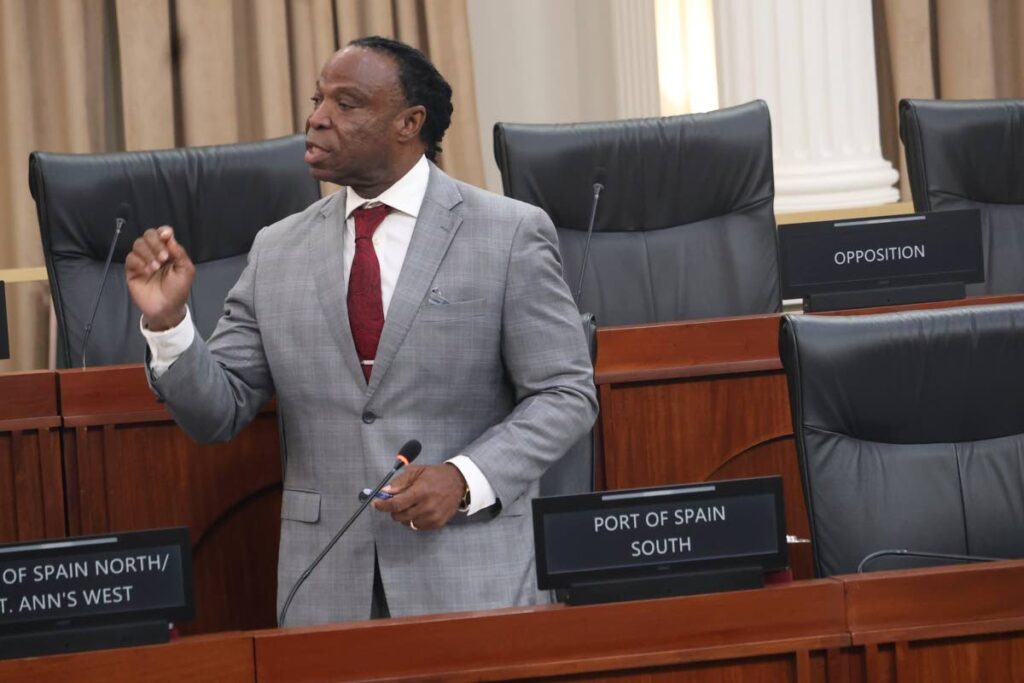
    In a passionate parliamentary debate on the Motor Vehicle and Road Traffic (Amendment) Bill 2026, Port of Spain North/St Ann’s West MP Stuart Young delivered an emotional appeal for drivers facing severe financial strain under newly intensified penalty systems. The legislation, championed by Transport Minister Eli Zakour, mandates drivers rectify any of 18 specified vehicle defects within three to seven days or face escalating penalties from written warnings to fixed penalty notices.

    Young presented compelling testimony from his constituency work, detailing how ordinary citizens are being crushed by the weight of traffic fines. He recounted the story of one driver who accumulated $13,000 in penalties while struggling to support his family through combined employment as a security officer and taxi operator. ‘There are those out there who are suffering as a direct result of the policies you have implemented,’ Young declared to government members.

    The MP accused certain government officials of inhabiting an ‘ivory tower’ disconnected from the practical realities facing most citizens. He emphasized the logistical challenges drivers encounter when attempting compliance, including difficulty sourcing parts—particularly for older vehicles—and the unreliable availability of mechanics. Young highlighted how a simple brake light failure could trigger a penalty cycle that might exceed a driver’s monthly earnings.

    Young specifically criticized the government’s budgetary approach, noting documents revealed a projected $200 million increase in traffic penalty revenue. While affirming his support for road safety measures, he argued for more reasonable time allowances for compliance, stating the current framework fails to account for the socioeconomic realities of most drivers. The MP extended an invitation to government ministers to witness firsthand the struggles faced by drivers in East Port of Spain areas.

  • Gov’t moving to prepare country for AI intergration

    Gov’t moving to prepare country for AI intergration

    The Government of Trinidad and Tobago, through its Ministry of Public Administration and Artificial Intelligence, has embarked on a comprehensive national initiative to establish responsible artificial intelligence governance. In collaboration with UNESCO and the UNDP, the nation is systematically evaluating its preparedness for AI integration across critical sectors.

    This strategic partnership commenced with the November 26 launch of the UNDP’s AI Landscape Assessment (AILA), which provides a practical framework for identifying opportunities and challenges in AI adoption. The current phase involves implementing UNESCO’s Readiness Assessment Methodology (RAM), initiated through a multi-stakeholder survey distributed to leaders across public and private sectors, academia, civil society, and youth organizations.

    The assessment examines five crucial dimensions: legal and regulatory frameworks; technological infrastructure; societal and cultural implications; scientific and educational capabilities; and economic impacts. Data collected will directly inform national AI policy development, ensuring future strategies prioritize ethical considerations, human rights, inclusion, and transparency.

    From January 19-23, sector-based consultation sessions will allow stakeholders to validate preliminary findings and propose sector-specific actions. The process will culminate in a national Validation Workshop on February 27 at The University of the West Indies, St. Augustine, convening government officials, researchers, industry experts, and key stakeholders to examine results and establish clear implementation roadmaps.

    Minister Dominic Smith’s ministry emphasized that these coordinated efforts demonstrate Trinidad and Tobago’s commitment to harnessing AI innovation while safeguarding citizens’ rights and privacy, ultimately aiming to deliver sustainable benefits for national development.

  • Bajan, Trinidad and Tobago health advocates applaud healthier school nutrition policy

    Bajan, Trinidad and Tobago health advocates applaud healthier school nutrition policy

    In a significant public health endorsement, the Barbados-based Healthy Caribbean Coalition (HCC) and the Trinidad & Tobago Non-Communicable Disease (NCD) Alliance have formally commended the government’s newly updated school nutrition standards. The organizations praised what they characterized as “bold steps” taken by Education Minister Dr. Michael Dowlath and Health Minister Dr. Lackram Bodoe during the policy’s announcement in Port of Spain on January 9.

    The updated policy represents a substantial expansion of the 2017 ban on sugary drinks in schools. Under the new regulations, only water, 100% fruit juices, low-fat milk, and blended vegetable or fruit drinks without added sugars or artificial sweeteners are permitted in government and government-assisted schools.

    Key enhancements include explicit nutritional limits for pre-packaged snacks with specific restrictions on calories, sugar, fat, and sodium content. The policy also establishes stronger standards for meals prepared or sold in school cafeterias, promoting balanced nutrition through fruits, vegetables, lean proteins, and appropriate starches prepared using healthier cooking methods like baking, grilling, steaming, or boiling.

    Notably, the initiative introduces comprehensive restrictions on marketing and promoting unhealthy foods and beverages within school environments. District health and education officers will implement monitoring and compliance mechanisms to ensure adherence. A five-point nutritional checklist will govern all snacks and meals sold on school grounds, explicitly excluding energy drinks and artificial sweeteners.

    The policy addresses what ministers termed “the silent pandemic” of childhood obesity. HCC president Dr. Kenneth Connell emphasized the timeliness of these measures, noting that “childhood obesity remains a major concern for us in the Caribbean, as increasing incidence of NCDs is being recognised across the region in young people.”

    Dr. Karen Sealey, chair of the NCD Alliance, highlighted the serious health implications, stating that “childhood obesity is linked to complications in children and adolescents such as diabetes and hypertension, and it tracks into adulthood.” Alarmingly, recent data indicates over 30% of school-aged children in Trinidad & Tobago are overweight or obese, with 93.3% of the population consuming fewer than five daily servings of fruits and vegetables.

    This initiative positions Trinidad & Tobago alongside other Caribbean nations including Jamaica, Barbados, Belize, and Bermuda that are implementing robust measures to improve school food environments by removing ultra-processed products and prohibiting their marketing to children.

  • Scotland: ‘Zones bill’ will worsen stigma in crime hotspots

    Scotland: ‘Zones bill’ will worsen stigma in crime hotspots

    PORT OF SPAIN – Opposition Parliament Member Keith Scotland has launched a forceful critique against the proposed Law Reform (Zones of Special Operations) Bill, arguing it would institutionalize discrimination against residents in designated areas while undermining constitutional protections. During an extended parliamentary session that stretched from January 16 into the early hours of January 17, the Port of Spain South MP positioned the legislation as merely a rebranded extension of emergency powers set to expire on January 31, 2026.

    Scotland emphasized that the bill fails to address fundamental concerns about parliamentary oversight, time limitations, and clear exit strategies. He cautioned that designating specific communities as ‘zones of special operation’ would subject law-abiding citizens to perpetual collective suspicion, exacerbating existing stigmatization that already hinders their access to employment and financial services.

    The MP drew parallels to Jamaica’s legal experience, citing the Dayton Campbell versus Attorney General case where appellate judges ruled similar security powers unconstitutional. He questioned the government’s rationale for modeling legislation on a framework already deemed legally problematic by regional courts.

    Scotland also challenged the government’s narrative of success during the recent state of emergency, noting that crime reduction achievements should be attributed to broader law enforcement policies rather than extraordinary measures. He warned against normalizing emergency powers, emphasizing that effective crime fighting requires strengthening routine policing rather than creating permanent special zones.

    ‘When the state of emergency was first introduced, the public expected something fundamentally different in its replacement,’ Scotland stated. ‘Instead, we are presented with legislation that risks becoming a permanent emergency under another name.’

    The opposition MP further noted that historical designations of emergency measures have disproportionately targeted specific socioeconomic communities, raising concerns about embedded structural biases in security policy formulation.