博客

  • Fitches Creek Clean-Up Sees Three Skips of Bulk Waste Removed

    Fitches Creek Clean-Up Sees Three Skips of Bulk Waste Removed

    A powerful coalition comprising the EcoShores Sustainable Futures Network (ESFN), West Magic Bins Plus, and the Fitches Creek Residents Association (FCRA) has successfully executed a major bulk waste removal operation within the Fitches Creek community. This collaborative endeavor resulted in the elimination of three large skips filled with discarded household materials and waste, markedly enhancing both the visual appeal and ecological wellbeing of the area.

    The strategic significance of Fitches Creek cannot be overstated, as it resides within the ecologically sensitive North East Marine Management Area (NEMMA). This positioning confers upon local residents a crucial role as guardians of essential wetland habitats. With World Wetlands Day 2026 approaching, attention focuses on these ecosystems that sustain vulnerable species including the West Indian whistling duck, various herons, and numerous other avian species dependent on wetland environments.

    Beyond mere waste collection, this initiative represents a deeper cultural shift toward environmental accountability. Project Manager Britney McDonald emphasized this transformative aspect, noting that the project ‘reflects a growing sense of pride, ownership, and environmental responsibility within the Fitches Creek community.’ McDonald further observed that when residents actively engage in such efforts, ‘biodiversity conservation becomes a shared value that delivers real, visible results.’

    The cleanup operation complements previous support from the National Solid Waste Management Authority (NSWMA), demonstrating how community participation can amplify national waste management strategies. This public-private partnership model showcases the potential when corporate entities, civil society organizations, and local communities align their efforts toward common environmental goals.

    McDonald highlighted the exemplary role played by West Magic Bins Plus, noting that such waste management entities ‘set a positive example for corporate social responsibility.’ The collective effort underscores the fundamental principle that ‘keeping our land and marine spaces clean is everyone’s responsibility.’

    ESFN, as a nonprofit organization dedicated to sustainability and community empowerment across Small Island Developing States (SIDS), continues to address critical challenges including climate justice, biodiversity protection, youth development, and educational initiatives. Through programs like the Volunteer Explorer Program and World Wetlands Day Awareness campaigns, ESFN fosters innovative solutions to protect vulnerable marine and coastal ecosystems throughout the Caribbean region.

  • APNU to table motion for modern copyright legislation

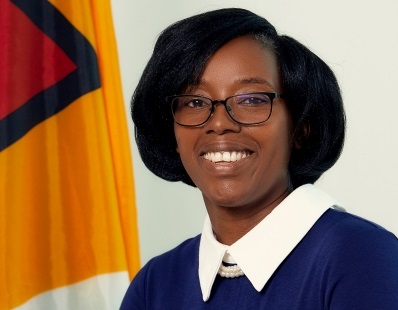
    APNU to table motion for modern copyright legislation

    In a significant legislative move, Guyana’s primary opposition coalition, A Partnership for National Unity (APNU), has announced it will table a parliamentary motion compelling the government to enact modern intellectual property and copyright legislation within a six-month timeframe. The initiative, spearheaded by parliamentarian Nima Flue-Bess, addresses what the party describes as critical deficiencies in the nation’s current creative rights framework.

    During APNU’s weekly press briefing on Friday, Flue-Bess articulated the motion’s dual objectives: first, to establish a special select committee tasked with comprehensively reviewing existing copyright laws, with particular emphasis on identifying gaps in digital rights protection and enforcement mechanisms. Second, the motion mandates extensive consultation with stakeholders across Guyana’s creative industries to ensure new legislation accurately reflects sector-specific needs.

    This legislative push carries historical significance, as both APNU and the ruling People’s Progressive Party Civic (PPPC) had included copyright modernization in their campaign platforms during the 2025 general elections. Guyana currently operates under the British Copyright Act of 1956, inherited upon independence in 1966, which provides limited recourse through private legal action but offers inadequate protection in the digital era.

    Flue-Bess characterized the situation as creating ‘demonstrable hardship for Guyanese creatives,’ noting that the ‘orange economy’ represents a substantially untapped economic growth sector. The proposed legislation aims to facilitate skill monetization for innovators and artists while holding the government accountable for what APNU views as its failure to prioritize comprehensive economic development across all societal segments.

    The motion is expected to undergo debate in the 65-seat National Assembly, where APNU holds 12 seats, setting the stage for potentially significant policy developments in Guyana’s creative and intellectual property landscapes.

  • Diaz-Canel: Unity of the Cuban people is key against imperialism

    Diaz-Canel: Unity of the Cuban people is key against imperialism

    Cuban President Miguel Díaz-Canel delivered a forceful condemnation of United States foreign policy during commemorations honoring 32 Venezuelan combatants killed in recent conflicts. Speaking before the Anti-Imperialist Tribune, the head of state characterized recent US actions as confirmation of imperialism’s predatory nature.

    The president articulated that Cuba’s anti-imperialist stance emerged not by default but as a direct response to imperialist aggression. “The Cuban people are not anti-imperialist by default; imperialism made us anti-imperialist,” Díaz-Canel stated before the assembled audience.

    He further predicted that such actions would galvanize global opposition, noting that violations of international norms would inevitably push the world toward anti-imperialist positions. The Cuban leader emphasized the critical importance of national unity, drawing historical parallels between solidarity and political victory.

    “All the victories of the Cuban people are associated with the strength of unity,” Díaz-Canel reflected. “Historical patterns demonstrate that division led to defeat while unity consistently produced triumph.” The president cautioned that external adversaries recognize this dynamic and actively seek to disrupt Cuban solidarity through various means.

    Díaz-Canel characterized current US threats as consistent with longstanding policies advocated by American “war hawks” across multiple administrations, suggesting a persistent pattern of aggression that transcends individual US presidential terms.

  • Top diplomats of Italy and Oman for talks to halt Iranian crisis

    Top diplomats of Italy and Oman for talks to halt Iranian crisis

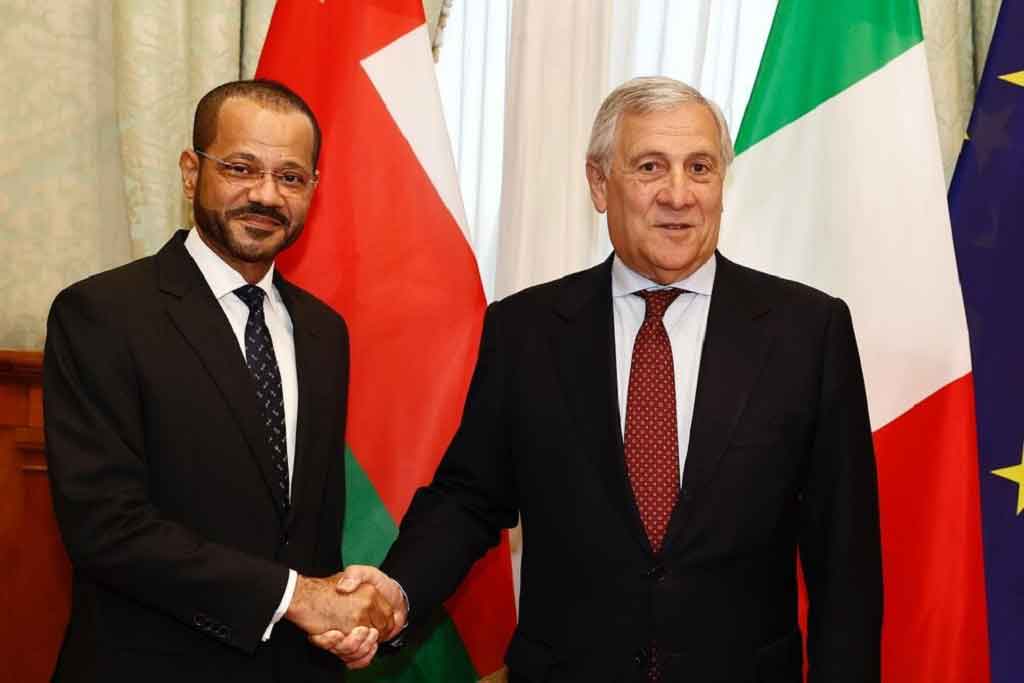
    Italian Foreign Minister Antonio Tajani has publicly endorsed Oman’s diplomatic initiatives aimed at de-escalating tensions between Iran and the United States. This endorsement followed a detailed phone briefing from Omani officials regarding their recent high-level discussions in Tehran with Iranian President Masoud Pezeshkian.

    Minister Tajani formally expressed Italy’s appreciation for Oman’s mediating role in the ongoing regional crisis, emphasizing Rome’s support for continued diplomatic efforts. The Italian government specifically hopes these mediation channels will facilitate broader dialogue addressing critical issues, including Iran’s nuclear program, ultimately contributing to enhanced regional security and stability.

    In response to the volatile security environment, Minister Tajani convened an urgent meeting in Rome with key security officials. This included Italy’s Ambassador to Tehran, regional diplomatic mission heads, and representatives from the Defense Ministry and intelligence agencies. The high-level briefing focused on implementing comprehensive monitoring of the rapidly evolving security situation across the Middle East.

    A primary outcome of the meeting was the reaffirmation of citizen safety as Italy’s utmost priority. Italian officials reiterated previous advisories urging all nationals to evacuate Iran immediately due to mounting security concerns. The discussions also addressed operational security for approximately 900 Italian military personnel stationed throughout the region, including significant deployments in Iraq (500 troops) and Kuwait (400 troops). Precautionary defense measures have been activated to ensure their protection amid rising instability.

    The current crisis stems from widespread protests that erupted in Iran’s Grand Bazaar on December 28, which resulted in numerous casualties. Iranian authorities maintain that these demonstrations are externally orchestrated, specifically accusing the United States and Israel of instigating the unrest.

  • Officials Acknowledge Difficulty Retaining Local Nurses

    Officials Acknowledge Difficulty Retaining Local Nurses

    Health officials in Antigua and Barbuda have publicly conceded defeat in the intensifying global battle for nursing talent, revealing that the nation faces insurmountable challenges in retaining its locally trained healthcare professionals. The Caribbean nation experiences a weekly exodus of nurses lured by superior compensation packages from international recruiters.

    According to government spokesperson Merchant, the highly qualified nurses of Antigua and Barbuda have become prime targets for overseas recruitment drives due to their exceptional training standards and professional qualifications. This systematic poaching of talent has created a perpetual staffing crisis within the nation’s healthcare system.

    The financial disparity between domestic and international offers presents an impossible hurdle for the island nation. Merchant acknowledged that matching the salary structures of North American and European healthcare institutions remains ‘practically impossible’ given the country’s economic constraints. This financial reality serves as the primary driver behind nurses’ decisions to seek employment abroad.

    The fundamental difference in healthcare funding models further exacerbates the challenge. Unlike the fee-based systems prevalent in developed nations, Antigua and Barbuda provides free healthcare services to its citizens through public health centers and the Mount St. John Medical Centre. This socialized medicine approach, while ensuring accessibility for citizens, limits the government’s ability to compete with the lucrative compensation packages offered by privately-funded international healthcare providers.

    Despite these challenges, the government maintains a dual-strategy approach. While addressing immediate staffing shortages through contractual agreements with international partners, officials continue to invest in local nurse training programs as a long-term solution to the ongoing healthcare workforce crisis.

  • This Is Not a Cable Deal. It Is a National Broadband Strategy.

    This Is Not a Cable Deal. It Is a National Broadband Strategy.

    A transformative telecommunications acquisition in Belize has sparked national debate about the country’s digital future. Dr. Andrew E. Trumbach, a finance executive and academic, argues that BTL’s proposed acquisition of Speednet Communications, Centaur Communications, and CTI/NexGen represents far more than a simple cable deal—it constitutes the foundation of a national broadband strategy.

    The transaction centers on control of last-mile broadband infrastructure, vertical integration of national connectivity, and the long-term architecture of Belize’s digital economy. While public discourse has focused on competition and monopoly concerns, the deeper significance lies in creating a scalable platform capable of delivering superior service quality at reduced unit costs, ultimately enhancing national competitiveness.

    Financial analysis suggests the reported purchase price falls within reasonable ranges for infrastructure assets using standard telecom valuation methods. Moore Belize LLP, affiliated with the global Moore Network with 37,000 professionals, provided valuation services, though details remain undisclosed.

    Globally, telecommunications has undergone profound structural shifts. Companies like Comcast, AT&T, and Verizon have transformed into broadband-first platforms, while Caribbean precedents exist through Liberty Latin America’s consolidation of Cable & Wireless and Columbus Communications. Small, fragmented markets like Belize’s cannot efficiently support multiple overlapping networks without resulting in duplicated capital spending, higher consumer costs, and inconsistent service quality.

    The real challenges are operational and regulatory rather than strategic. BTL must execute careful integration of billing systems and customer transitions while working constructively with regulators to ensure consolidation benefits consumers through improved service and continued investment. Ultimately, this transaction will determine whether Belize builds the digital infrastructure necessary to compete in the modern global economy.

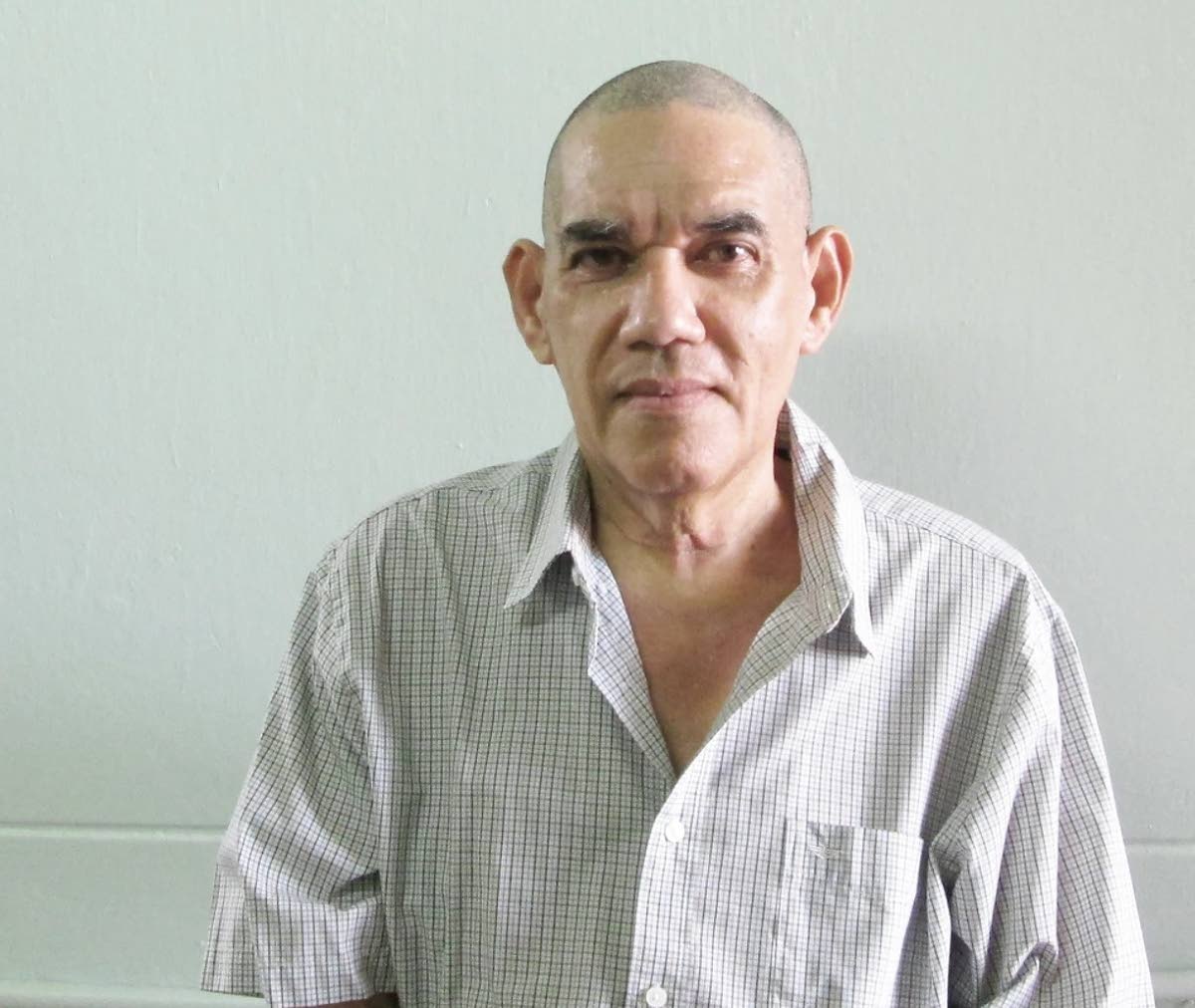
  • Donald Sinclair- tourism industry icon, educator and bodybuilder dies

    Donald Sinclair- tourism industry icon, educator and bodybuilder dies

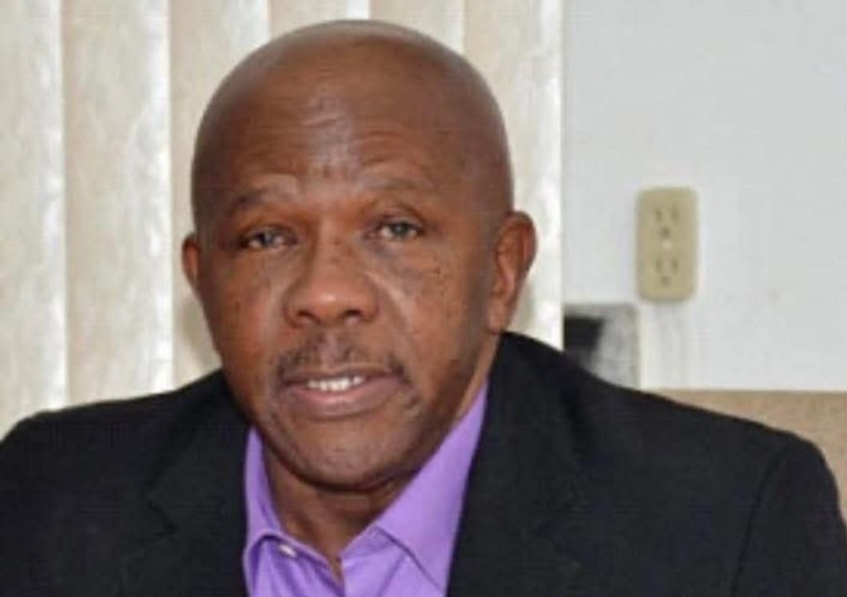
    The Guyanese tourism and education sectors are mourning the passing of Donald Sinclair, a multifaceted icon who died Thursday at age 73. The Tourism and Hospitality Association of Guyana (THAG) confirmed the death of the revered figure who left an indelible mark across multiple fields.

    Sinclair’s legacy spans three major domains: tourism development, education, and sports. With over 35 years of experience spanning local, regional, and international tourism, he was appointed Director-General of Guyana’s Department of Tourism in 2015 by then-Minister Cathy Hughes. Prior to this leadership role, he had advised multiple tourism ministers and was instrumental in shaping policy, planning, and institutional development within the sector.

    Beyond government service, Sinclair was a passionate educator who lectured at universities in Guyana, the United States, and Canada. He served as Senior Lecturer in Sustainable Tourism Management and played a key role in regional capacity building as Lecturer and Director at the Suriname Hospitality and Tourism Training School. His academic contributions included research articles on tourism published in numerous international journals.

    Sinclair’s practical tourism development initiatives were equally impactful. He conceived and executed several community-based programs including the innovative Coconut Festival, which highlighted agro-tourism, cultural heritage, and local enterprise while fostering community participation in tourism.

    In his earlier years, Sinclair contributed to Guyana’s educational system as a teacher at North Georgetown Secondary School during the 1970s. He also helped pioneer bodybuilding in Guyana during the sport’s formative years in the country.

    THAG President Mitra Rajkumar expressed the sector’s grief, stating: ‘It’s a sad day for us. He was an outstanding gentleman in every sense of the word. He gave his all to the sector for decades.’ The association described Sinclair as ‘a distinguished tourism advocate, educator, and public-sector leader whose contributions helped shape Guyana’s tourism landscape.’

    His legacy is remembered as one of vision, mentorship, and service that effectively bridged education, policy, and practical tourism development. THAG has extended condolences to his family, colleagues, students, and the wider tourism community, noting that his contributions to Guyana and regional tourism will be remembered with respect and gratitude.

  • Venezuelan Opposition Leader Gives Nobel Peace Prize Medal to Trump

    Venezuelan Opposition Leader Gives Nobel Peace Prize Medal to Trump

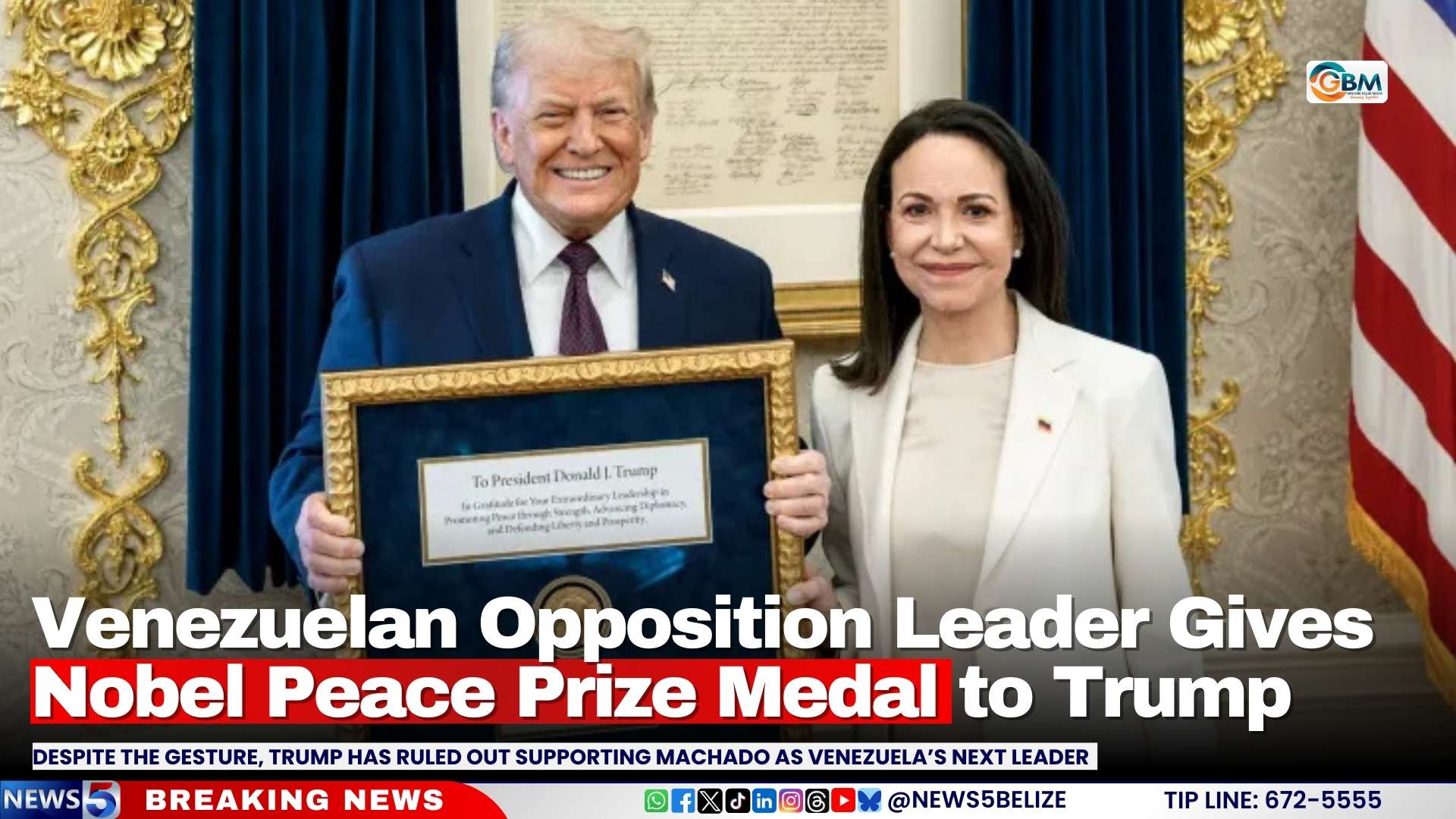
    In a remarkable diplomatic encounter at the White House, Venezuelan opposition figure Maria Corina Machado presented U.S. President Donald Trump with her Nobel Peace Prize medal during a meeting on January 16, 2026. The event occurred nearly two weeks after American special forces successfully captured Venezuelan President Nicolás Maduro.

    The Oval Office meeting featured a photo opportunity before the Declaration of Independence, where President Trump displayed the framed medal with evident satisfaction. The gesture came despite Trump’s previous statements indicating he would not support Machado’s political aspirations in Venezuela’s leadership transition.

    Following the meeting, Trump expressed his appreciation on Truth Social, describing the encounter as a ‘Great Honor’ and praising Machado as ‘a wonderful woman who has been through so much.’ He characterized the medal presentation as recognition for his work in ending multiple conflicts, referencing his September 2025 United Nations speech where he claimed credit for terminating seven wars.

    Machado, awarded the 2025 Nobel Peace Prize for her advocacy of democratic rights and peaceful political transition in Venezuela, described the meeting as ‘excellent.’ She explained the medal presentation symbolized ‘recognition for his unique commitment with our freedom.’

    However, the Nobel Peace Centre promptly clarified on social media platform X that while the physical medal could change ownership, the title of Nobel Peace Prize laureate remains non-transferable according to Nobel Foundation regulations.

    In a consequential political development, President Trump has instead endorsed Delcy Rodríguez, Maduro’s deputy who was sworn in as interim president, citing Machado’s insufficient domestic support to lead Venezuela.

  • $7,500 Fine Issued as Forest Dept. Cracks Down on Illegal Logging

    $7,500 Fine Issued as Forest Dept. Cracks Down on Illegal Logging

    Authorities in Belize have launched a coordinated nationwide offensive against illegal logging operations, resulting in significant legal penalties and multiple ongoing prosecutions. The enforcement initiative, spearheaded by the Forest Department in collaboration with the Programme for Belize, Belize Defence Force, and local police, has uncovered substantial unauthorized timber harvesting across different regions.

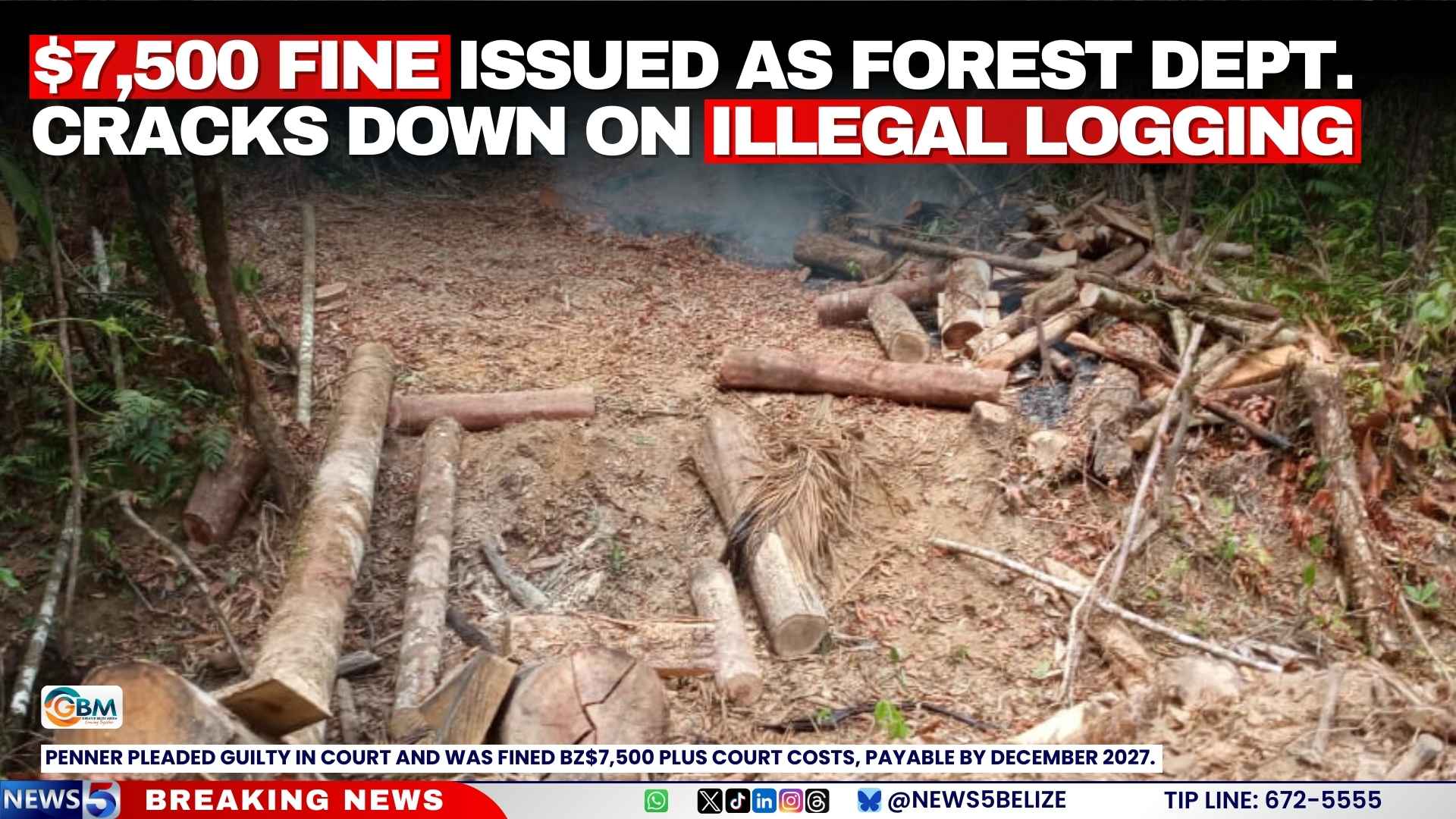
    In a major operation on January 9, enforcement teams intercepted five individuals in the Shipyard area of Orange Walk District found in possession of 31 mahogany logs without valid harvesting or possession permits. The suspects were apprehended and formally charged with unlawful possession of forest produce. The confiscated timber remains secured under Forest Department custody as judicial proceedings continue.

    Just two days later on January 11, maritime authorities discovered another significant violation aboard the vessel ‘Surveyor’ near Caye Caulker. The inspection revealed 25 palm logs, each measuring approximately 16 feet in length, transported without required forestry permits or seaworthy certification. Three individuals—Ronal Noe Martinez, Donald Guevara, and Johan Penner—were detained in connection with the incident.

    Penner subsequently entered a guilty plea in court and received a substantial penalty of BZ$7,500 plus court costs, with payment required by December 2027. Failure to comply with the financial penalty carries a potential one-year prison sentence. Additionally, Penner faces separate charges from the Belize Port Authority for maritime regulatory violations.

  • Figuera: More oversight needed to prevent repeat of Clico collapse

    Figuera: More oversight needed to prevent repeat of Clico collapse

    A prominent criminologist has issued a forceful appeal for a comprehensive overhaul of Trinidad and Tobago’s financial regulatory systems in the wake of the long-awaited Colman Commission report on the CL Financial collapse. Dr. Daurius Figuera’s comments come just days after Attorney General John Jeremie presented the voluminous findings to Parliament, marking a significant development in a financial saga that has spanned nearly two decades.

    The investigation, initiated following former Central Bank governor Ewart Williams’ 2007 revelation of liquidity crises within the CL Financial Group, represents what Jeremie characterized as “the largest case of fraud and financial tragedy” in the nation’s history and across the Caribbean region. Despite the gravity of the findings, the government has announced it will not pursue civil litigation, though criminal investigations remain active under the Director of Public Prosecutions.

    Figuera expressed profound skepticism about the investigative process, labeling it a “joke” that consumed billions in taxpayer funds over more than a decade. He raised critical questions about the initial decision to pursue civil proceedings, noting the Commission’s clear identification of potential criminal charges. “The fundamental lesson from this entire affair,” Figuera asserted, “is that Trinidad and Tobago’s supervisory structure for Colonial Life failed catastrophically.”

    The criminologist argued that proper regulatory diligence could have prevented the entire collapse by holding executive chairman Lawrence Duprey accountable long before the financial implosion. He emphasized that the Duprey empire was fundamentally built upon Colonial Life, and that regulatory bodies consistently documented questionable activities without intervening to prevent systemic failure.

    Figuera highlighted the broader implications of regulatory negligence, suggesting that effective oversight would have preserved not only Colonial Life and British American Insurance but also numerous industrial plants at Point Lisas that were part of the conglomerate. He challenged the prevailing narrative that focuses exclusively on Duprey’s actions, instead calling attention to institutional failures that “aided and abetted” the disastrous outcome.

    The expert also raised concerns about potential political interference in regulatory functions and questioned whether existing legislation governing financial entities would be strengthened to prevent future collapses. He pointed to a troubling pattern of impunity for white-collar criminals compared to aggressive enforcement against other forms of criminality, asking pointedly: “Is it law for one and no law for another? We certainly haven’t seen any prominent figures in remand custody.”

    Figuera concluded with a stark warning about the consequences of failing to learn from history, emphasizing that without substantial reforms to oversight mechanisms and enforcement protocols, similar financial disasters remain inevitable.