博客

  • Tufton touts turnaround at Cornwall Regional A&E after overcrowding crisis

    Tufton touts turnaround at Cornwall Regional A&E after overcrowding crisis

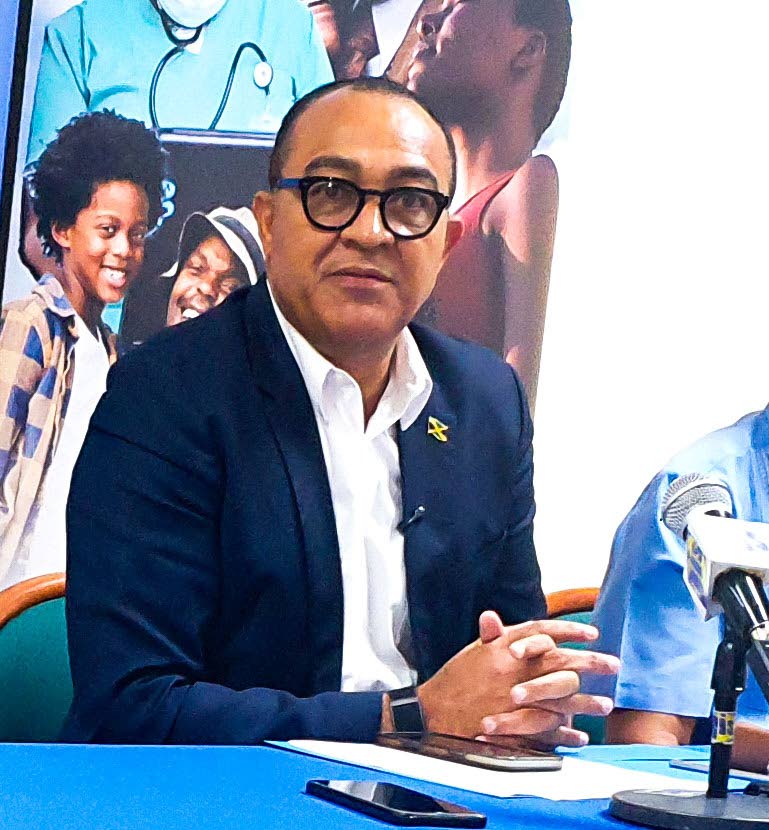
    FREEPORT, St James — A comprehensive intervention strategy has yielded significant improvements at Cornwall Regional Hospital’s (CRH) overwhelmed Accident & Emergency Department, according to Health Minister Dr. Christopher Tufton. The minister detailed multiple successful measures during a Thursday briefing at the Western Regional Health Authority’s Technical Office, marking a stark contrast to conditions that prompted staff protests just weeks earlier.

    The enhancement plan addresses systemic challenges exacerbated by Hurricane Melissa’s infrastructural damage last October. Minister Tufton reported substantial progress through several coordinated initiatives: accelerated patient discharge protocols, the addition of 84 new beds across five renovated wards, and complete restoration of the maternity department that had suffered severe roof damage and flooding.

    Operational improvements include extended hours for bed management personnel and the near-completion of a real-time digital bed tracking application. This technological advancement will enable staff to instantly identify available beds and monitor patient movement, dramatically improving efficiency.

    Critical support has come from the Jamaica Defence Force, which has deployed emergency medical technicians to assist during peak hours. Additionally, ward restructuring has created space for 12 additional beds, with more expected shortly.

    The most significant capacity expansion will arrive with an imminent medical dome facility, currently being prepared for installation. This temporary structure is projected to add 70-100 beds, further alleviating pressure on the healthcare facility. Minister Tufton acknowledged that while additional work remains, the current situation represents a remarkable improvement over the critical overcrowding observed three weeks prior.
  • No haven for riminals

    No haven for riminals

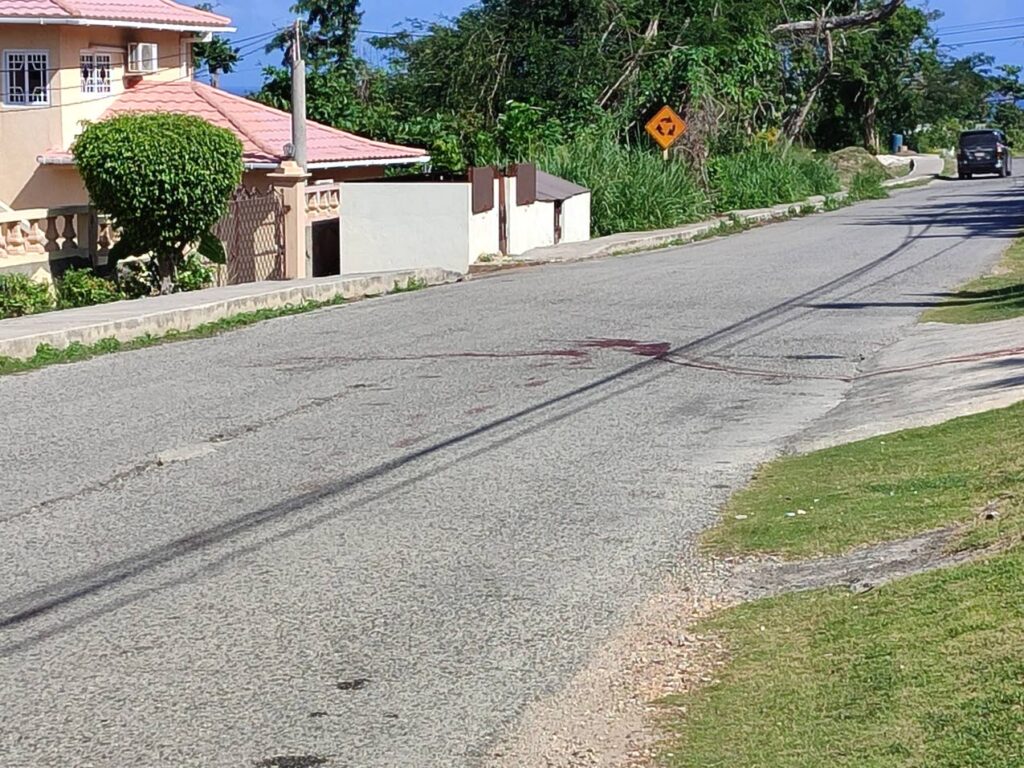
    MONTEGO BAY, St James — A violent confrontation between Jamaican security forces and three alleged gang members resulted in fatalities on Thursday night, disrupting the tranquility of Coral Gardens’ upscale neighborhood. The incident occurred approximately at 11:00 pm outside an Airbnb property on Coral Terrace, marking a significant escalation in police operations against organized crime.

    Superintendent Lynroy Edwards, operations officer for the St James Police Division, issued a unequivocal warning to criminal elements considering targeting the area: ‘There is no safe haven for them; leave St James alone! We are now on a path of peace and safety and we want to maintain that.’

    The police operation was initiated based on specific intelligence regarding wanted individuals connected to multiple criminal activities. According to authorities, the deceased were identified as members of the notorious Spanglers Gang from Matthews Lane in Kingston West, known for their involvement in contract killings, armed robberies, extortion schemes, and firearms-related crimes.

    Law enforcement recovered significant weaponry from the scene, including one Smith and Wesson 9mm pistol with a magazine containing thirteen 9mm rounds, and a Recon 9mm pistol with four additional rounds.

    While formal identification remained pending as of Friday afternoon, police sources indicated the individuals were known by the aliases Cardon, Don Hype, and David Facey. The incident has triggered standard investigations by both the Independent Commission of Investigations (Indecom) and the Inspectorate and Professional Standards Oversight Bureau (IPROB), as with all police-involved fatalities.

    Long-term residents expressed profound unease about the unusual violence in their community. One anonymous resident remarked: ‘I’ve been here 30 years, and while you might hear about things here and there, for the police to shoot three men, that is not usual. I love Coral Gardens; I love the people, the place. This is not something you expect to see happening here.’

  • ‘Building bridges, not lighting fires’

    ‘Building bridges, not lighting fires’

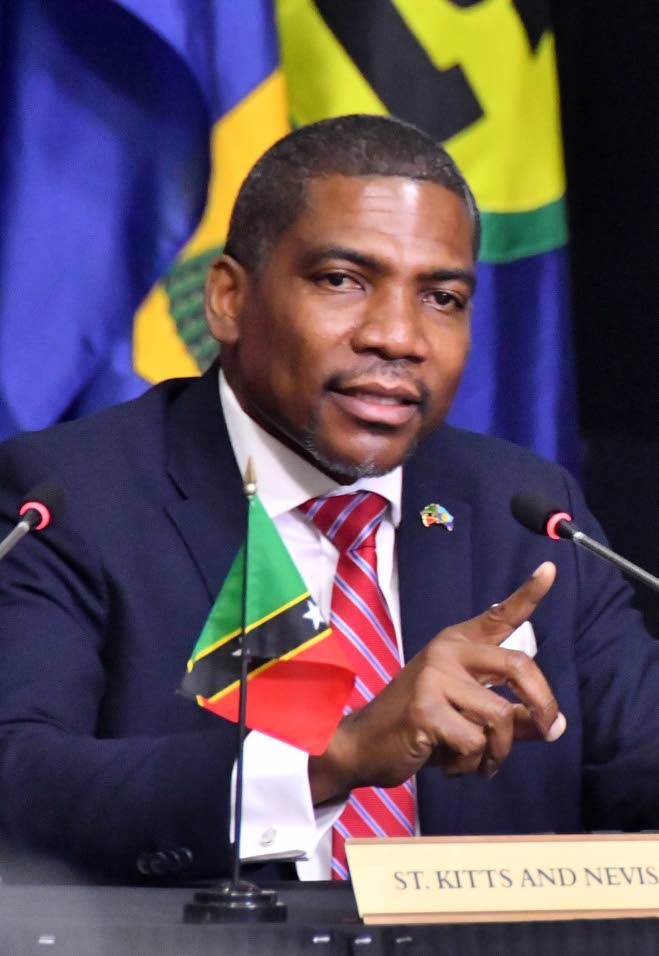
    CARICOM Chairman Dr. Terrence Drew has responded to sharp critiques from Trinidad and Tobago Prime Minister Kamla Persad-Bissessar by reaffirming his commitment to diplomatic bridge-building rather than confrontation. The remarks came during Friday’s press conference concluding the 50th Regular Meeting of CARICOM Heads of Government in St. Kitts and Nevis.

    Addressing questions about apparent divisions within the regional bloc, Drew characterized differing opinions among member states as natural occurrences within any sovereign integration movement. ‘My objective, and our objective, is to build bridges and not light fires,’ stated Drew, emphasizing that disagreements present opportunities to strengthen the organization rather than weaken it.

    The chairman’s comments followed Persad-Bissessar’s vigorous criticism of CARICOM during Tuesday’s opening session, where she also condemned regional leaders for expressing solidarity with Cuba amid ongoing U.S. sanctions. This position has drawn external criticism, notably from U.S. Congressman Carlos Giménez targeting Jamaican Prime Minister Andrew Holness’s support for Cuba.

    Regarding controversial U.S. anti-narcotics operations involving alleged bombings of drug traffickers in Caribbean waters, Drew clarified CARICOM’s principled stance: ‘Caricom stands on principle to make sure that anything that is done has to follow particular international law.’ He confirmed ongoing investigations to ensure the regional body’s response would be comprehensive.

    Drew forcefully rejected suggestions of fragmentation within CARICOM, particularly concerning individual members’ bilateral relationships with the United States. Noting that both Guyana and Trinidad received invitations to meet with President Donald Trump, he explained that CARICOM doesn’t enforce homogeneous foreign policies, with each sovereign state determining its own diplomatic agenda.

    The chairman concluded that diverse international relationships among member states ‘can actually enrich CARICOM, but it does not fracture CARICOM,’ maintaining that current differences represent normal diplomatic processes rather than organizational fragmentation.

  • ‘We have lost the fighting spirit’

    ‘We have lost the fighting spirit’

    A senior Dominican official has issued a sobering assessment of Caribbean society’s diminishing resolve, cautioning that the region risks developmental stagnation unless civil society reclaims its historical role as an engine of progress. Cozier Frederick, Minister of Environment, Rural Modernisation, and Kalinago Upliftment, delivered his stark evaluation during the closing ceremonies of the Caribbean Civil Society Organisations Conference and World NGO Day observance in Kingston.

    Addressing regional civil society leaders and development partners, Frederick articulated concerns over what he perceives as a critical weakening of civic determination amid escalating social, economic, and environmental challenges. He contrasted contemporary attitudes with the resilience of previous generations who confronted oppression and adversity with unwavering resolve.

    “Speaking as a government minister in 2026, I observe that we have lost the fighting spirit inherited from our ancestors—both indigenous peoples and those who arrived in chains,” Frederick stated. “We are their descendants, yet we increasingly succumb to complaint, anxiety, and helplessness.”

    The conference, organized by the Caribbean Development Bank under the theme ‘The Shift: Igniting Civil Society’s Next Chapter’, assembled over 120 participants to deliberate on the future of civil society in sustainable development. Frederick emphasized that historical progress in the region owes much to civic engagement, but warned that current tensions between governmental bodies and civil society organizations are impairing collective efficacy.

    The minister challenged the perception of civil society as separate from government, noting that such artificial divisions create counterproductive imbalances. “Civil society is not the ‘other’—it is an integral component of our social fabric,” he asserted. “Both governmental and civil society actors must acknowledge their shared developmental responsibilities and pursue strengthened collaboration.”

    Frederick rooted his analysis in Caribbean history, recalling how indigenous communities functioned as interconnected societies across the archipelago long before colonialization. This spirit of unity and shared purpose, he argued, later enabled enslaved Africans and their descendants to resist injustice and lay the foundations for modern Caribbean societies despite limited formal power or institutional support.

    While acknowledging the frustration and fatigue contemporary civil society actors often experience, Frederick urged them to recommit to shaping the region’s future rather than retreating from challenges. He pledged to advocate within his own government for breaking down barriers between public institutions and civil society, emphasizing that effective governance requires recognizing the complementary roles of both sectors.

  • Mental health alarm at State-run facilities

    Mental health alarm at State-run facilities

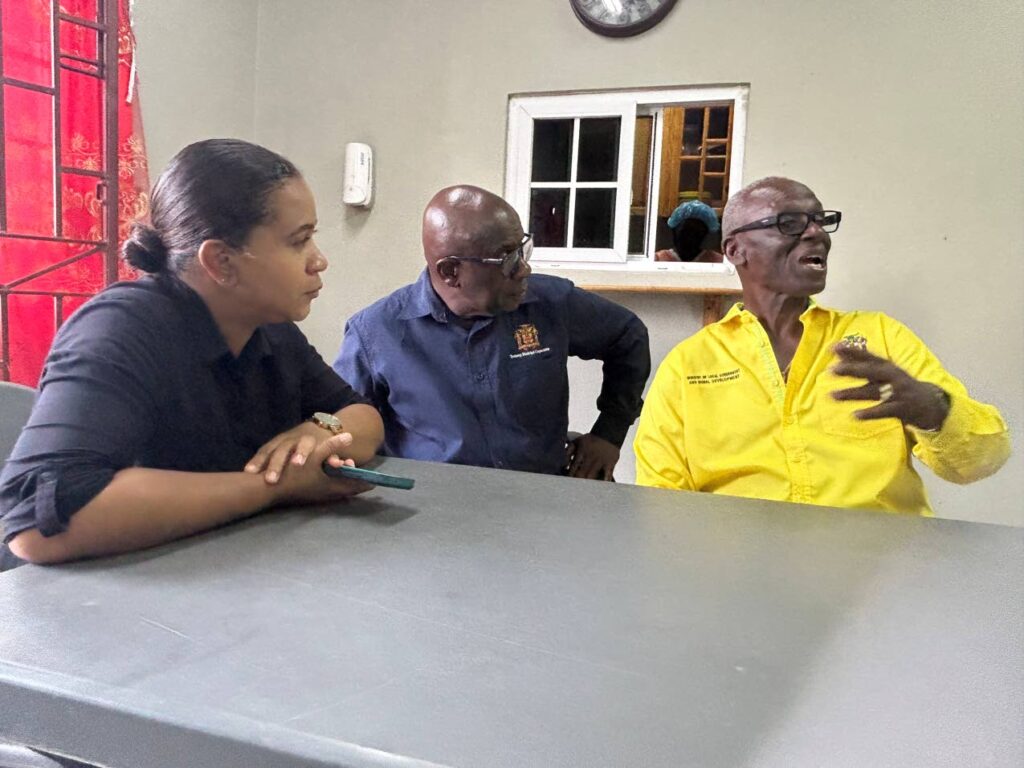
    Jamaican authorities are confronting a severe mental health emergency within the nation’s government-operated infirmaries and drop-in centers, with Local Government Minister Desmond McKenzie issuing an urgent call for intervention to safeguard both residents and caregivers.

    During an inspection of the Trelawny Drop-in Centre in Falmouth, Minister McKenzie revealed that facilities nationwide are experiencing escalating challenges with mentally distressed individuals. While acknowledging the center’s ongoing provision of essential services—including approximately 20 daily meals—the minister emphasized that the rising incidence of psychological disorders among users has reached alarming proportions.

    “This constitutes a grave concern that transcends regional boundaries,” McKenzie stated, referencing a recent violent incident in Santa Cruz, St. Elizabeth, where a staff member sustained breast injuries requiring medical attention after being assaulted by a mentally unstable resident.

    The minister detailed the complex balance facilities must maintain, noting existing psychiatric nursing support across infirmaries and golden age homes while highlighting legislative limitations that prevent segregation of mentally affected individuals from general populations.

    “While we must approach affected individuals with compassion, safety remains non-negotiable,” McKenzie asserted, outlining strict conduct protocols applicable to both staff and residents. He confirmed collaborative efforts with the Ministry of Health and upcoming high-level discussions with Health Minister Dr. Christopher Tufton to develop comprehensive strategies.

    The Trelawny facility exemplifies the supportive environments being maintained—providing three daily meals, counseling services, and municipal activities—even as the system struggles with what the minister described as a problem “getting out of control.” McKenzie concluded with a firm commitment to implementing preventive measures while maintaining disciplinary standards, noting that repeated behavioral violations could result in removals despite the compassionate nature of these institutions.

  • CCJ rejects claim by Trinidadian against the State

    CCJ rejects claim by Trinidadian against the State

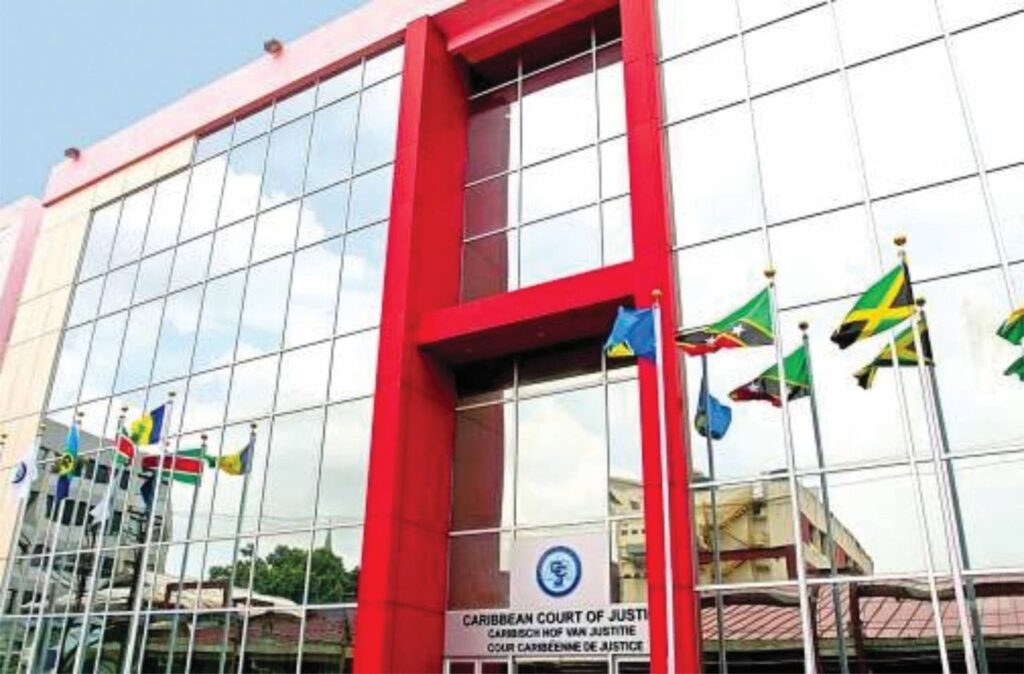
    In a definitive ruling with significant implications for regional financial regulation, the Caribbean Court of Justice (CCJ) has formally dismissed an application from Trinidadian citizen Mike Daniel Bhagwansingh seeking to challenge his nation’s banking licensing requirements. The court’s detailed written judgment, released Thursday, follows its initial oral decision rendered on October 7, 2025, after conducting contested proceedings via video-conference.

    Bhagwansingh’s legal action contested the mandate under Trinidad and Tobago’s Financial Institutions Act (FIA), which requires individuals to secure a license from the Central Bank prior to conducting any banking business. He contended that this regulatory framework constituted a discriminatory practice, fundamentally violating his right to offer financial services as purportedly guaranteed under the Revised Treaty of Chaguaramas (RTC)—the foundational agreement governing the Caribbean Community (CARICOM) Single Market and Economy.

    The CCJ’s adjudication panel anchored its decision on a core principle of regional law: the RTC permits member states themselves, and only in narrowly defined circumstances their private nationals, to initiate claims against another member state. The court determined that Bhagwansingh’s application critically lacked the necessary ‘cross-border element,’ a fundamental threshold for such a challenge. His proposed claim concerned a purely domestic regulatory matter within Trinidad and Tobago, with no demonstrable impact on or connection to trade between CARICOM member states.

    Furthermore, the judgment provided crucial clarification on the scope of the RTC, explicitly stating that the treaty does not confer upon individual citizens of a member state an automatic right to provide financial or other services within their own country’s borders. The Court reaffirmed that such internal economic activities remain squarely under the jurisdiction and governance of national laws and domestic regulatory bodies.

    Consequently, the CCJ not only dismissed the application for special leave to commence proceedings but also awarded legal costs to the State of Trinidad and Tobago, reinforcing the strength of its dismissal and setting a notable precedent for future interpretations of the RTC concerning national sovereignty over domestic financial regulation.

  • Ambassador: Claim of Reduced U.S. Visa Validity for Antiguans Is False

    Ambassador: Claim of Reduced U.S. Visa Validity for Antiguans Is False

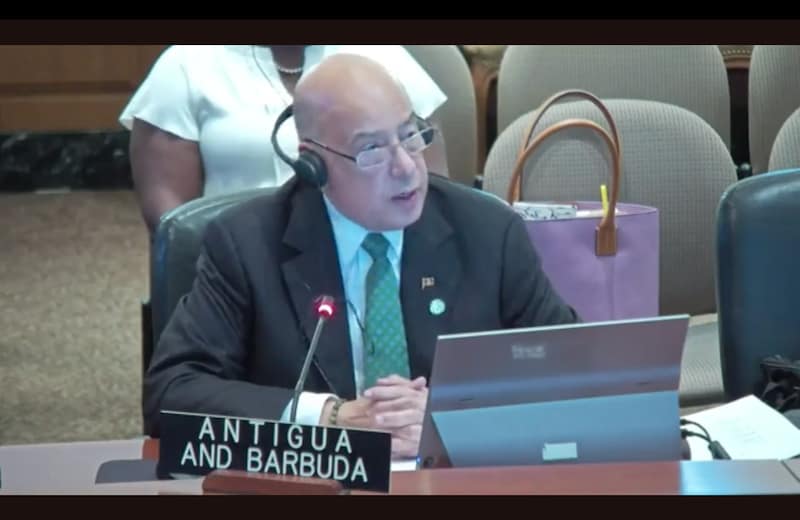
    The Ambassador of Antigua and Barbuda to the United States, Sir Ronald Sanders, has formally refuted as entirely inaccurate a recent media report claiming reduced validity periods for U.S. visas issued to citizens of Antigua and Barbuda. The controversial assertion originated in a Virgin Islands Consortium article published Thursday, which alleged that the U.S. State Department had updated its reciprocity schedules to limit visa validity to merely three months for passport holders from both Antigua and Barbuda and Dominica.

    Sir Ronald categorically dismissed these claims, emphasizing that the online publication’s information was fundamentally flawed. While addressing these false allegations, the ambassador confirmed that separate, legitimate visa discussions with U.S. authorities remain ongoing. These talks concern previously announced visa restrictions from Washington in late 2023, coupled with a subsequent suspension in processing immigrant visas (green cards) that impacts citizens from 75 countries worldwide.

    The ambassador’s clarification comes amid heightened sensitivity regarding international travel protocols and bilateral relations between Caribbean nations and the United States. Diplomatic channels remain actively engaged in resolving the genuine visa processing matters, though the specific allegations of reduced visa validity have been definitively characterized as misinformation.

  • Agrofest 2026 “good to go” as schools greenhouse project launched

    Agrofest 2026 “good to go” as schools greenhouse project launched

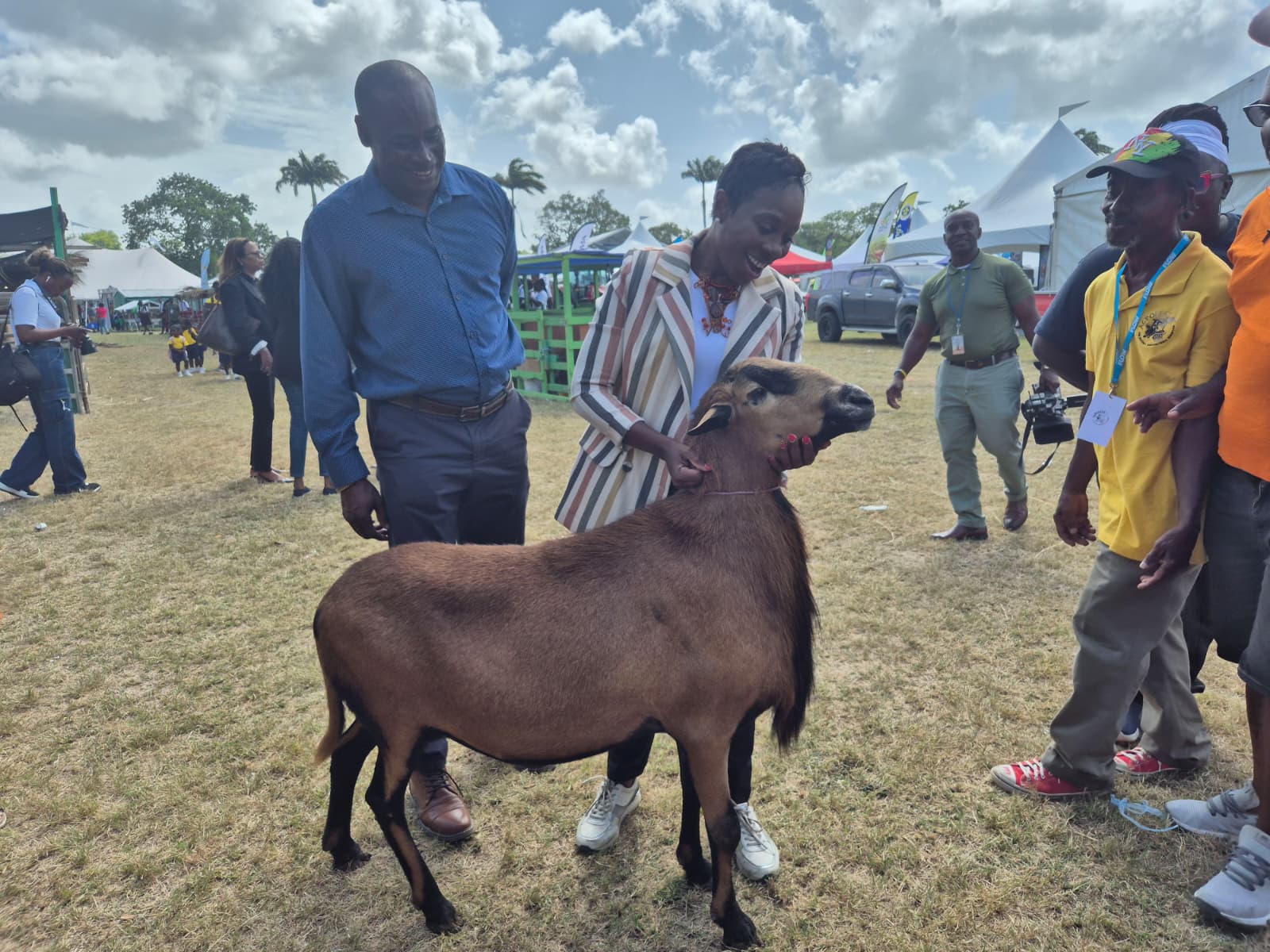
    Barbados has officially commenced preparations for its premier agricultural event, Agrofest 2026, with a ceremonial ribbon-cutting at Queen’s Park on Friday. The event marks the beginning of organizing efforts for the 21st edition of the nation’s annual agricultural exhibition.

    Henderson Williams, President of the Barbados Agricultural Society, confirmed that planning is progressing smoothly, stating that all participating stakeholders are fully prepared to deliver what he characterized as another impressive demonstration of the island’s agricultural capabilities. Williams expressed confidence in the event’s successful execution following the official launch ceremony.

    Concurrently, Minister of Agriculture Dr. Shantal Munro-Knight unveiled a significant educational initiative designed to increase youth participation in agricultural sectors. The program will involve distributing thirteen specialized greenhouse structures to selected educational institutions across Barbados.

    According to Minister Munro-Knight, these controlled-environment agricultural systems will enable students to cultivate designated crops while gaining hands-on experience with contemporary farming methodologies. The initiative serves dual purposes: providing practical agricultural education and supporting national objectives to strengthen domestic food security and production capabilities. The greenhouse program represents a strategic investment in developing Barbados’s next generation of agricultural professionals while addressing broader food sustainability challenges.

  • Mauritius president receives Cuban Ambassador’s credentials

    Mauritius president receives Cuban Ambassador’s credentials

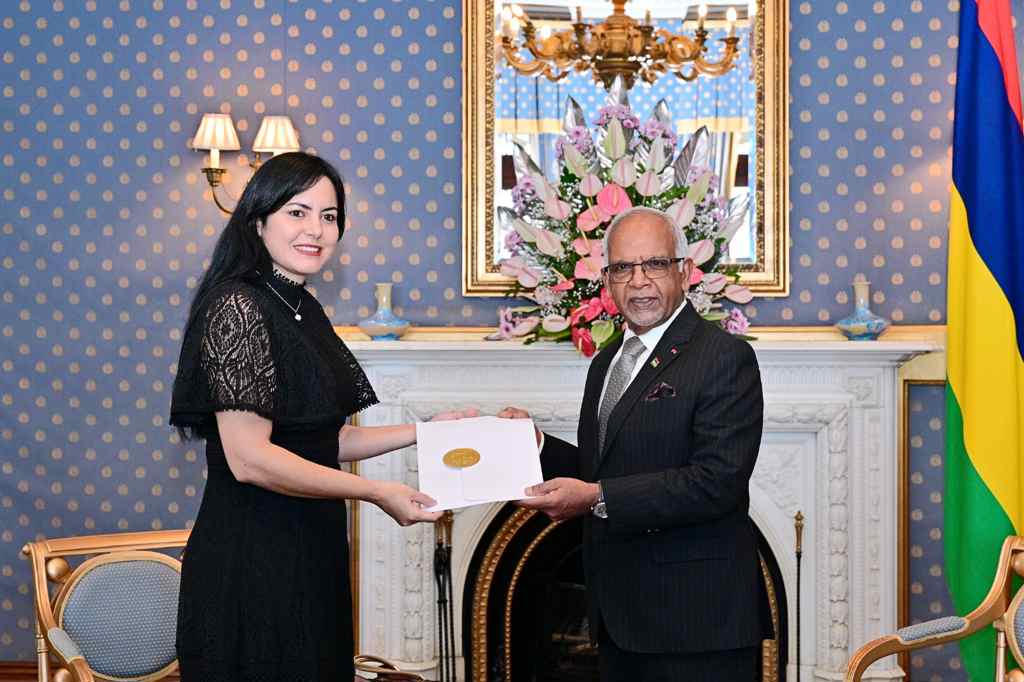
    In a significant diplomatic exchange, Mauritian President Prithvirajsing Roopun, through a formal statement by an official representative, has reaffirmed his nation’s steadfast solidarity with Cuba amidst ongoing international pressures. The communication, delivered during an official ceremony marking the 50th anniversary of bilateral relations between the two countries, centered on the recent escalation of the United States’ long-standing embargo.

    The discussion highlighted concerns over an executive order issued by former U.S. President Donald Trump, which aimed to intensify the six-decade-old economic, commercial, and financial blockade. A key alarming facet of this order involved strategies to disrupt and block Cuba’s critical fuel supply chains, exacerbating the nation’s economic challenges.

    Ambassador Pérez Mesa, representing Cuba, expressed profound confidence that the government of Port Louis would align with the broader international community in formally condemning these measures. The condemnation is rooted in the perspective that such unilateral sanctions constitute a clear violation of established International Law and the principles enshrined in the United Nations Charter. The ambassador emphasized that these actions set a concerning precedent, posing a direct threat to the sovereignty of nations worldwide.

    Beyond addressing these critical geopolitical issues, the meeting served as a platform to explore future collaboration. Both parties engaged in constructive dialogues to identify new potential areas of cooperation and to develop joint initiatives. This forward-looking conversation underscored a mutual and strong desire to further strengthen and deepen the diplomatic and economic ties between Mauritius and Cuba, using the milestone of their five-decade-long relationship as a springboard for enhanced future engagement.

  • CELOS identificeert oorzaak cassaveziekte: schimmel bedreigt voedselteelt

    CELOS identificeert oorzaak cassaveziekte: schimmel bedreigt voedselteelt

    The Center for Agricultural Research in Suriname (CELOS) has conclusively identified the causative agent behind the cassava disease that has been affecting agricultural regions since late 2025. Through comprehensive laboratory analysis, researchers have confirmed that the pathogen responsible is the fungus Ceratobasidium theobromae, internationally associated with Cassava Witches’ Broom Disease (CWBD).

    This plant disease severely impacts cassava crops, leading to significant growth retardation and substantial yield losses. Symptoms observed since November last year include broom-like branching patterns, deformed shoots, and noticeable plant stunting across multiple cassava fields.

    The scientific confirmation came through molecular laboratory testing directed by biologist Krishna Gopie, utilizing field samples collected by CELOS scientist Rudi Nelom in collaboration with the Ministries of Agriculture, Animal Husbandry and Fisheries (LVV) and Regional Development (RO). DNA analysis successfully detected genetic material from the fungal pathogen, with tests conducted using international reference materials and control samples to ensure result reliability.

    This breakthrough is considered critical for Suriname’s agricultural sector, where cassava serves as both a staple food source and primary income generator for farmers. Accurate diagnosis enables targeted monitoring and control measures while helping prevent further spread through contaminated planting materials.

    CELOS emphasizes that this discovery underscores the vital importance of local scientific research in protecting national agricultural interests. The institute will collaborate with LVV and RO to conduct follow-up studies on disease distribution and potential impacts. Additionally, educational programs will be implemented to inform farmers about symptom recognition and responsible use of planting materials.

    CELOS Director Jairam has urged cassava growers to remain vigilant for signs including excessive branching, abnormal shoot development, and growth retardation. Suspicious plants can be reported to the Plant Pathology Department for further investigation. The research center stresses that close cooperation between scientists and agricultural producers is essential to minimize further damage to cassava cultivation and protect food security.