博客

  • American Man Charged After Allegedly Shooting at Police in Lord’s Bank

    American Man Charged After Allegedly Shooting at Police in Lord’s Bank

    A violent domestic altercation in Lords Bank, Belize, culminated in gunfire directed at police officers, leading to the arraignment of a 28-year-old American national. Darnae Garcia appeared before the Belize City Magistrate’s Court on multiple serious charges following the Sunday morning incident.

    According to police reports, officers responded to a domestic disturbance call and discovered Garcia’s former partner, Janesha Gentle, exhibiting visible injuries. The situation escalated dramatically when Garcia allegedly retreated into his residence as officers attempted to detain him. Moments later, gunshots were fired toward the departing police vehicle, which subsequently revealed two bullet impacts.

    Law enforcement officials conducting a search of Garcia’s property recovered an arsenal of weapons including a 9mm pistol, an AR-15 rifle, and substantial quantities of ammunition. Additionally, suspected cannabis was discovered at the scene.

    The courtroom proceedings took an unexpected turn when Garcia asserted his lack of comprehension regarding the charges and revealed his struggle with a psychotic condition. Chief Magistrate Sharon Fraser consequently determined that no formal plea could be entered at this juncture.

    In a significant development, the court ordered Garcia’s remand to Belize Central Prison pending comprehensive psychiatric evaluation. Testimony revealed that Garcia had discontinued prescribed medication after arriving in Belize the previous year. His twin brother addressed the court, indicating the family’s willingness to fund a private mental health assessment.

    The case remains in judicial limbo as authorities await the results of the psychological evaluation before proceeding with formal legal proceedings. Garcia continues to be held in custody pending the outcome of these assessments.

  • Cubans boost the use of Artificial Intelligence for predicting and treating cardiovascular diseases

    Cubans boost the use of Artificial Intelligence for predicting and treating cardiovascular diseases

    Cuban medical researchers have achieved a significant milestone in healthcare innovation with the presentation of preliminary results from Cardent, an artificial intelligence project designed to transform cardiovascular disease prediction and treatment. The breakthrough was showcased during a high-level meeting between President Miguel Díaz-Canel Bermúdez and leading health experts this week.

    Cardiovascular diseases have maintained their position as Cuba’s primary mortality cause for over two decades, representing both the leading cause of death and the second highest contributor to potential years of life lost after cancer. Particularly affecting adults aged 30-69, these conditions drive premature mortality rates across the nation.

    The Cardent initiative emerges from a two-year collaborative effort between Hermanos Ameijeiras Hospital, University of Havana, Havana Science and Technology Park, BioCubaFarma’s Combiomed division, and several other institutions. This project forms part of a broader trio of AI-driven medical research programs addressing movement disorders (including Parkinson’s disease), neurodegenerative conditions, and advanced multimodal X-ray imaging.

    Dr. Ernesto Estévez Rams, Physics Professor at the University of Havana and distinguished Cuban Academy of Sciences member, emphasized that these projects represent scientific innovation initiatives developing cutting-edge technologies through data analysis and artificial intelligence. The research aims to enhance medical services and clinical technologies to international standards.

    Eminent cardiologist Juan Prohías Martínez, PhD, head of the National Cardiology Group, highlighted AI’s transformative potential despite its relatively recent emergence in medical applications. The technology promises revolutionary advances in early disease detection, event prediction, and generation of personalized treatment algorithms.

    President Díaz-Canel and health experts unanimously agreed that AI technologies serve to augment rather than replace medical specialists, though physicians must now develop proficiency in artificial intelligence applications. Dr. Estévez Rams detailed AI’s growing impact on disease classification, monitoring, and modeling within cardiovascular medicine.

    Cuba’s unique advantages for medical AI development include its robust healthcare system, international prestige, participation in global health networks, extensive medical collaboration programs, comprehensive health data collection capabilities, and world-class medical specialists across multiple disciplines.

    The implementation of AI is expected to significantly elevate preventive healthcare standards, stimulate development of new medical devices, and create innovative services that enhance population quality of life. Researchers stressed the parallel need for comprehensive training strategies encompassing physician education, technologist development, curriculum integration, and practical application in daily medical practice.

    In related health updates, officials reported successful management of arboviruses with declining cases of both dengue and chikungunya nationwide. Mathematical modeling indicates progressive control of the epidemic wave, though authorities emphasize continued vector control measures to prevent summer resurgence.

  • Fidel, a man for all time

    Fidel, a man for all time

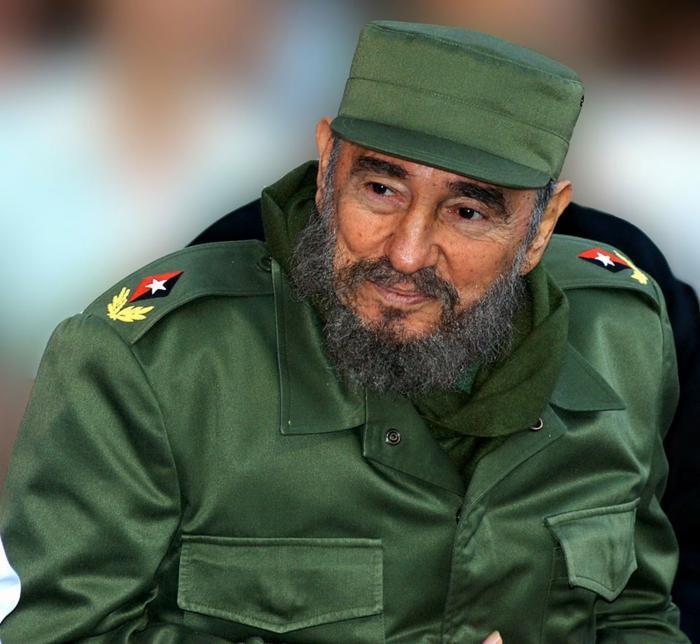
    Scholars and political leaders worldwide will converge in Havana this August for a landmark international conference examining Fidel Castro’s enduring ideological legacy. The inaugural “Fidel: Legacy and Future” colloquium, scheduled for August 10-13, 2026 at Havana Convention Center, will commemorate the revolutionary leader’s centennial birth anniversary.

    Organized by the Fidel Castro Ruz Center in collaboration with Cuban academic institutions, the event will facilitate critical discourse on Castro’s multifaceted contributions to anti-colonial movements, international relations, and social justice frameworks. The gathering will specifically analyze his impact on 20th and 21st century geopolitics while evaluating the contemporary relevance of his ideological stance against imperialism, climate injustice, and global inequality.

    Sissi Abay Díaz, deputy director of the hosting Center, emphasized the colloquium’s interdisciplinary approach during a recent press briefing. “This represents a dialogue between historical memory and contemporary challenges,” she stated, noting that programming will include keynote addresses, thematic panels, documentary presentations, and cultural projects examining Castro’s political, social, and humanist dimensions.

    The conference will attract historians, political scientists, researchers, and social movement leaders engaged with Cuban revolutionary thought. Participants will explore how Castro’s vision continues to influence current struggles for national sovereignty and peace advocacy worldwide. Proceedings and conclusions from the symposium will be compiled into an official publication, ensuring the intellectual output extends beyond the event itself to inform ongoing scholarly and activist discourse.

  • The decisive battle: when the war is for your mind

    The decisive battle: when the war is for your mind

    In an age where geopolitical conflicts extend beyond conventional warfare, nations increasingly engage in economic coercion and ideological battles. The recent Executive Order signed by the United States government on January 29, 2026, represents a significant escalation in this modern conflict paradigm. Declaring a “National Emergency,” the order imposes comprehensive sanctions against any nation supplying petroleum products to Cuba, marking the latest development in a prolonged campaign of economic pressure.

    This policy continuation reflects strategies identified decades earlier when Commander Fidel Castro warned of psychological and economic warfare tactics targeting sovereign nations. The current administration’s justification—labeling Cuba as a “malign threat” to regional stability—contradicts established intelligence assessments confirming the island nation poses no genuine security risk to the United States.

    The practical consequences of this intensified blockade manifest most severely in humanitarian terms. Medical shortages plague Cuban healthcare facilities, with critical medicines, equipment, and transportation fuel becoming increasingly scarce. Elderly patients, children, and those requiring ongoing medical treatment bear the disproportionate burden of these sanctions, creating what critics characterize as systematic economic torture against civilian populations.

    Beyond bilateral relations, the Executive Order asserts extraterritorial jurisdiction by dictating terms to third-party nations regarding their engagement with Cuba. This approach challenges fundamental principles of national sovereignty and establishes concerning precedents in international law that could potentially be applied against other nations in future conflicts.

    Despite these pressures, Cuba maintains its constitutional framework that has recently evolved to recognize private property rights and economic modernization initiatives. The Cuban government reiterates its openness to diplomatic dialogue conducted on equal footing while asserting its right to establish international partnerships free from external coercion.

    The ultimate battleground, however, remains psychological resilience. Historical evidence suggests that societies preserving collective determination and ideological clarity ultimately withstand even the most severe economic sieges. The current confrontation extends beyond material resources to encompass the preservation of national identity and self-determination in the face of sustained pressure campaigns.

  • Families Sue After Three Revere Women Die in Belize

    Families Sue After Three Revere Women Die in Belize

    In a profound transformation of grief into legal action, families from Revere, Massachusetts have initiated federal wrongful death proceedings nearly one year after three young women tragically died during a trip to Belize. The lawsuit, filed in Massachusetts federal court, contends that the deaths were entirely preventable and asserts that proper accountability must be established through the American judicial system.

    At an emotionally charged press conference, Ikram Naqqad, sister of deceased Kaoutar Naqqad, articulated the families’ dual mission: securing justice for their lost loved ones and establishing protections to prevent similar tragedies from affecting other families. The legal action emerges after what families describe as an inadequate investigation that forced them to conduct their own inquiries amid damaging rumors about the circumstances.

    The three women—Kaoutar Naqqad, Wafae, and Imane—were remembered as accomplished professionals with promising futures. Kaoutar served as a youth counselor with aspirations to join the state police; Wafae worked in research at Massachusetts General Hospital; and Imane was pursuing nursing studies. Described as perpetually happy individuals who brought light to every room they entered, their deaths represent not just personal tragedy but the loss of their significant potential contributions to society.

    The lawsuit transcends mere financial compensation, representing instead a crusade for factual accuracy about the circumstances surrounding the deaths, proper remembrance of three vibrant lives ended prematurely, and the establishment of precedents that might protect future travelers. The families emphasize that their delayed grieving process resulted from having to advocate for proper investigation procedures when initial responses proved inadequate.

    This legal action highlights broader concerns about tourist safety in international destinations and the responsibilities of travel providers and destination authorities to ensure visitor protection. The case continues to develop as families seek both closure and meaningful change from their profound loss.

  • Inside the $5.8M Makeover of Belize’s National Assembly

    Inside the $5.8M Makeover of Belize’s National Assembly

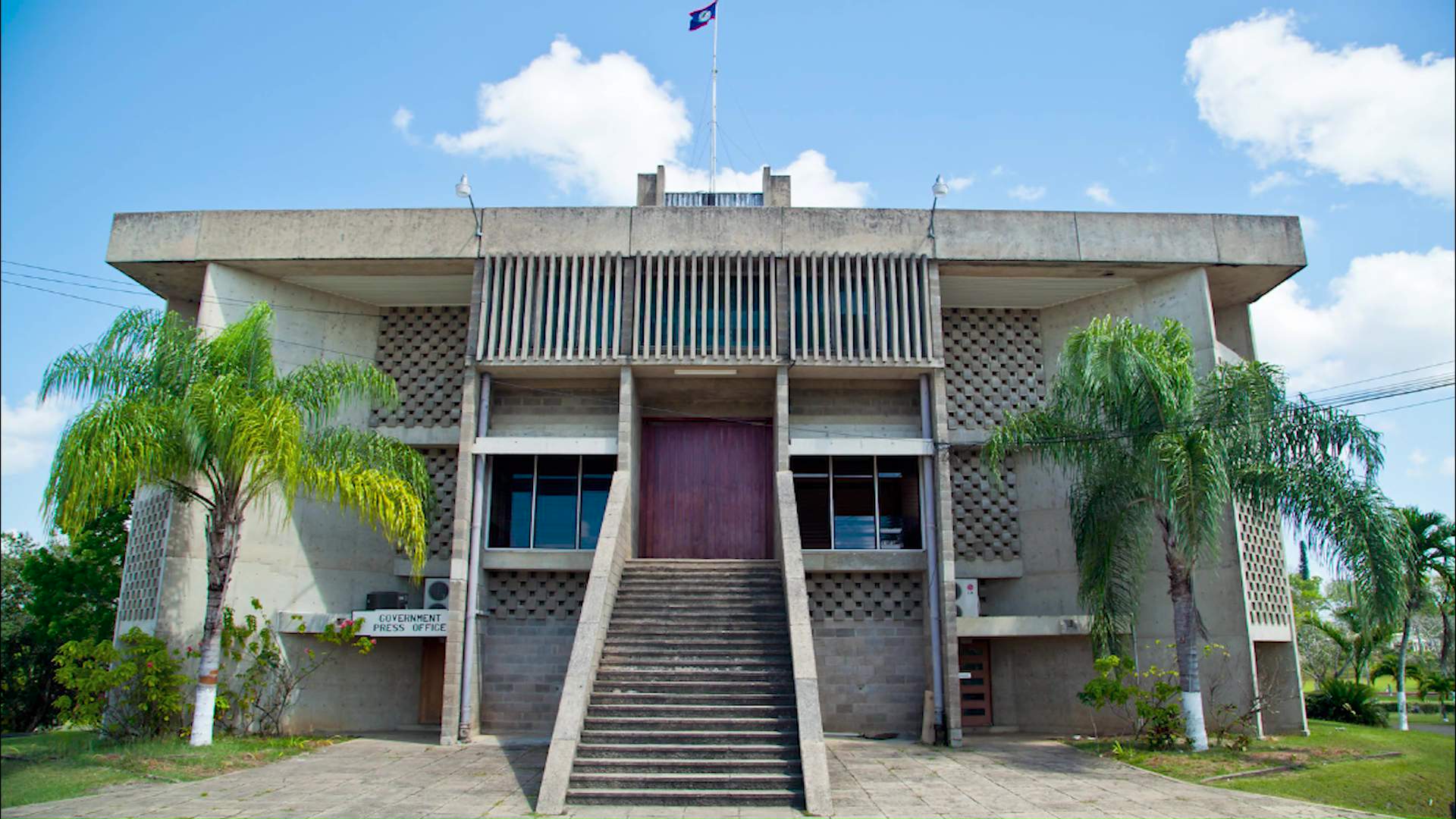
    Belmopan’s National Assembly Building has emerged from its most comprehensive renovation in fifty years, marking a significant milestone in Belize’s governmental infrastructure. The transformative $5.8 million project, funded through a strategic partnership between Taiwan and the Belizean government, has successfully merged contemporary functionality with the building’s distinctive architectural heritage.

    The extensive modernization effort addressed longstanding accessibility and efficiency concerns throughout the three-story structure. A newly installed elevator now provides universal access, while reconfigured first-floor spaces consolidate key operations including the offices of the Speaker of the House and Senate President. The building’s workflow has been radically improved with updated filing systems and optimized workspaces for parliamentary staff.

    Within the main chamber, legislators now benefit from ergonomic seating replacing outdated wooden chairs, enhanced lighting systems, and a refreshed layout designed to accommodate extended parliamentary sessions. Adjacent members’ rooms for Government, Opposition, and Independent Senators feature new furnishings complemented by artwork from Belize’s national collection.

    The renovation extended to public and press areas, with the third-floor gallery receiving improved seating configurations and wheelchair accessibility. Media representatives now enjoy dedicated workspace, eliminating previous conditions that forced journalists to work from cramped corners or tile floors.

    Taiwan contributed $1.5 million through a grant mechanism, with the Belizean government investing the remaining $4.2 million to complete the comprehensive modernization while preserving the building’s historical character. The project faced scrutiny regarding its budgetary allocation, though officials maintain the investment was necessary to bring critical parliamentary infrastructure into the modern era while maintaining the building’s structural identity.

    The upgraded facility officially commenced operations during Monday’s joint sitting, representing both a practical enhancement to democratic functions and a preservation of national heritage for future generations.

  • Cap

    Cap

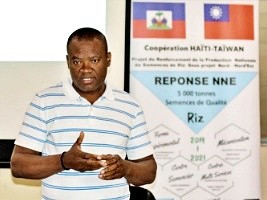
    CAP-HAITIEN, HAITI – A significant sectoral meeting convened in Cap-Haitien has unveiled the “North-Northeast Response Project,” a major agricultural initiative born from a bilateral partnership between Haiti and Taiwan (Republic of China). The primary objective of this cooperative endeavor is to revolutionize rice cultivation in Haiti’s North and Northeast regions through the development and production of high-quality certified seeds.

    The gathering served as a strategic platform to inform, consult, and raise awareness among key agricultural stakeholders regarding the project’s comprehensive framework. Detailed presentations outlined the project’s core mission: to strengthen the entire rice seed sector by establishing a sustainable system for producing premium basic and pre-basic seeds, which are fundamental for enhancing crop yields and agricultural resilience.

    Key operational activities were thoroughly detailed, encompassing structured rice seed production programs, specialized training sessions for local farmers—with several scheduled to take place in Grisongade—and essential soil preparation work designed to optimize land productivity. Following the formal presentation, an interactive discussion session provided participants with the opportunity to seek clarifications and contribute insights on various technical and organizational aspects of the project’s implementation strategy.

  • Are “Boots” Martinez and Patrick Faber Returning as Standard Bearers?

    Are “Boots” Martinez and Patrick Faber Returning as Standard Bearers?

    The United Democratic Party is navigating internal speculation regarding the potential political rehabilitation of former senior figures Patrick Faber and Anthony ‘Boots’ Martinez. Recent discussions have centered on whether these former officials might reclaim their positions as standard bearers, potentially displacing recently selected female candidates in the Collet and Port Loyola constituencies.

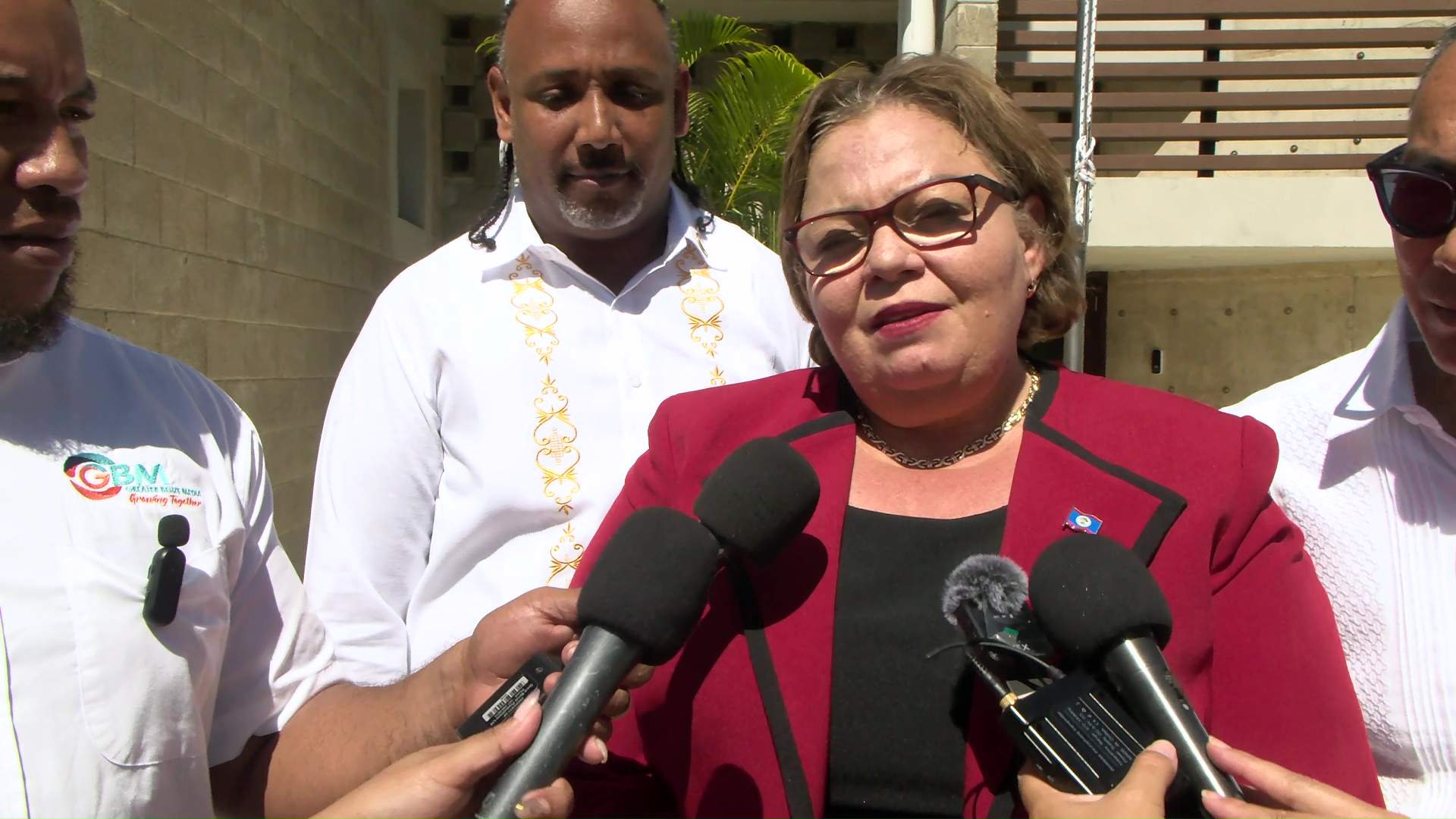
    Party Leader Tracy Taegar-Panton addressed these rumors following Saturday’s National Party Council meeting, where members passed a resolution to rectify ‘injustices and wrongs’ committed against four senior UDP members under previous leadership. The resolution specifically acknowledged improper treatment of Senator Patrick Faber, Beverly Williams, John Saldivar, and Taegar-Panton herself.

    ‘We made clear motion declarations that what happened was wrong and completely wrong,’ stated Taegar-Panton, emphasizing the party’s commitment to documenting these corrections for historical posterity.

    Regarding constituency leadership, Taegar-Panton clarified that no immediate changes are planned for Port Loyola’s representation. However, she acknowledged that the Collet constituency caretaker position would be reviewed ‘at the appropriate time’ through collective consultation with the leadership team and current caretaker.

    The party leader attributed Faber’s previous exclusion to ‘injustice,’ noting he had been ‘effectively expelled a third time’ for attending a National Party Council meeting where his participation was warranted. Taegar-Panton emphasized the UDP’s rebuilding efforts following a major leadership reset, with the ultimate goal of securing victory in the 2030 elections.

    Despite online speculation about imminent candidate shake-ups, Taegar-Panton maintains that the organization is focused on structured rebuilding rather than reactive changes, with any decisions regarding standard bearers to be made through proper consultation processes.

  • Dominican Republic and Mongolia agree on visa-free entry

    Dominican Republic and Mongolia agree on visa-free entry

    In a significant move to enhance bilateral cooperation, the Dominican Republic and Mongolia have mutually established a visa-free entry arrangement for their citizens. This landmark agreement, encompassing diplomatic, official, and ordinary passport holders, is designed to streamline travel and fortify international relations between the two nations.

    The framework for this accord was formally established with the signing of the agreement on September 26, 2024. The Dominican Republic officially ratified the pact through Resolution 94-25 on November 28, 2025, as documented in Official Gazette No. 11219. This ratification followed a comprehensive review ensuring full compliance with the country’s legal statutes.

    Diplomatic communications, specifically note DU/TI-051162 dated December 29, 2025 from the Dominican Ministry of Foreign Affairs (Mirex), reveal an interesting diplomatic configuration. The Mongolian Embassy in Cuba holds concurrent accreditation for the Dominican Republic, while the Dominican Embassy in Cuba reciprocates this multilateral diplomatic engagement. Mirex has actively sought updates regarding Mongolia’s domestic ratification process to coordinate the final implementation timeline.

    The Dominican Embassy extended formal gratitude to its Mongolian counterparts for their collaborative efforts in bringing this agreement to fruition. Both nations have emphasized that this visa-waiver program represents more than just travel facilitation—it symbolizes a growing partnership and a shared commitment to enhancing people-to-people connections and diplomatic collaboration across continents.

  • President Abinader meets with Dominican community in the United Arab Emirates

    President Abinader meets with Dominican community in the United Arab Emirates

    DUBAI – During an official visit to the United Arab Emirates, Dominican Republic President Luis Abinader convened a significant meeting with expatriate citizens residing in Dubai, reinforcing his administration’s dedication to maintaining robust connections with the diaspora. The gathering served as a platform for the president to deliver a comprehensive address on the nation’s current socio-economic trajectory.

    Abinader presented compelling evidence of national advancements across multiple sectors, citing notable enhancements in public security that position the Dominican Republic among the safest nations in Latin America and the Caribbean region. The president further detailed substantial reductions in traffic-related fatalities and significant upgrades within the healthcare infrastructure.

    The address highlighted economic diversification as a cornerstone of the country’s development strategy, with particular emphasis on tourism expansion and free trade zone development. Abinader outlined strategic initiatives including the transformative tourism project in Pedernales and the construction of a new port facility in Manzanillo, both designed to promote balanced regional development.

    Addressing poverty reduction, the president established concrete targets projecting a decrease from 25% to 17.5% by 2025, affirming this reduction as a primary governmental priority. Abinader also underscored the nation’s democratic stability, press freedoms, and its emerging role as a regional bastion of peace amidst neighboring challenges, particularly referencing the ongoing crisis in Haiti.

    Members of the Dominican community expressed strong national pride and demonstrated keen interest in contributing to homeland development, raising specific inquiries regarding educational opportunities, investment protocols, export mechanisms, and enhanced air connectivity between the two nations. In response, Abinader confirmed ongoing negotiations with Emirati authorities to establish direct flight routes, while also detailing advancements in educational reform, technical training programs, scholarship initiatives, and emerging projects in technology and artificial intelligence.