博客

  • Bryce-Davis delivers magical moments in music

    Bryce-Davis delivers magical moments in music

    International mezzo-soprano Raehann Bryce-Davis delivered a transcendent performance at Kingston’s Vera Moody Concert Hall on February 1st, marking both Reggae Month celebrations and a triumphant homecoming to Jamaican stages. The event, presented by Music Unites Jamaica Foundation under the leadership of Rosina Moder and Janine “Jkuhl” Coombs, showcased an unprecedented fusion of operatic excellence and Caribbean musical heritage.

    Bryce-Davis commenced with classical staples from her repertoire, including Verdi’s “O Don Fatale” and Bizet’s “Carmen” excerpts, accompanied by Dr. Roger N. Williams on piano. Her performance then evolved into a cultural dialogue through selections from her album “Evolution,” featuring Jamaican-Canadian composer Maria Thompson Corley’s “The Beauty In My Blackness” and Tim Amukele’s a cappella arrangement “Stand the Storm.”

    The concert’s first half culminated in a heartfelt collaboration with her mother, Hortensia Bryce, who performed traditional Jamaican folk songs “Run Mongoose” and “Liza” a cappella, followed by a duet rendition of Peter Ashbourne’s “Nobody’s Business.”

    Post-intermission, the production expanded into a multidisciplinary spectacle featuring the BEAM Dancers and live band. The program progressed through art songs like “We Wear the Mask” and Andrew Marshall’s Jamaican Patois composition “This Is My Word,” concluding with Rodgers and Hammerstein’s “You’ll Never Walk Alone.”

    The finale assembled a chamber orchestra for “Black Riders Freedom Song,” followed by an innovative dancehall-opera fusion performance of “End of Days” with Timmoya Lowe, incorporating Afrobeats and house music elements. The event was patronized by Ambassador Audrey Marks and expertly narrated by storyteller Amina Blackwood Meeks, attracting distinguished attendees including musicologist Marjorie Whylie.
  • Jamaica’s offshore oil question

    Jamaica’s offshore oil question

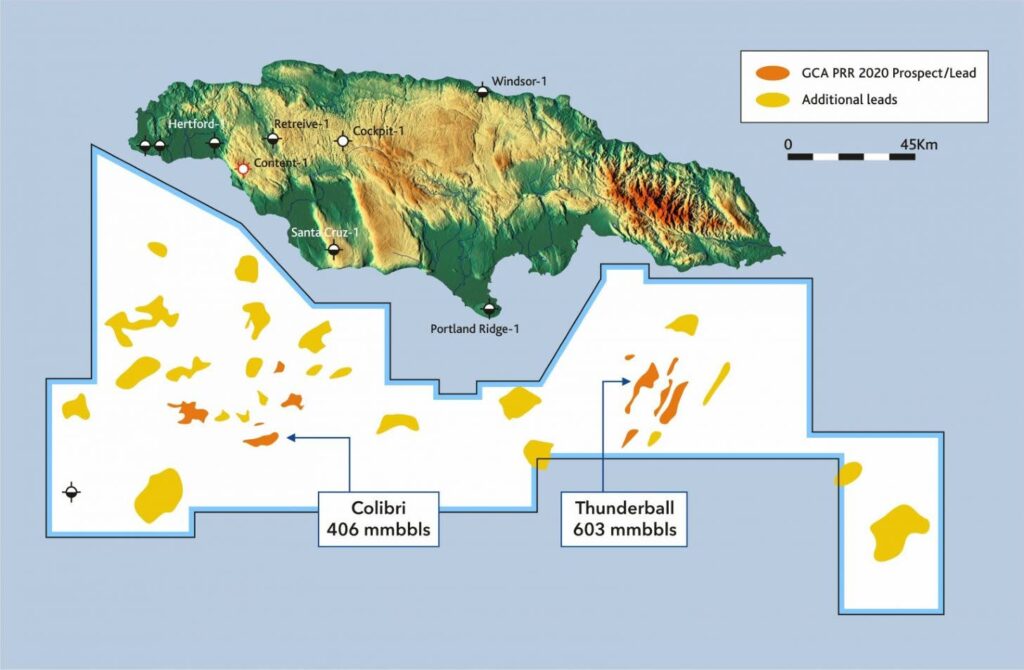
    Jamaica’s long-dormant offshore petroleum prospects are experiencing a significant revival as modern exploration techniques seek to validate four decades of geological indicators pointing toward potential hydrocarbon reserves. United Oil & Gas, holding exclusive rights to the 22,400-square-kilometre Walton Morant offshore license, has initiated a groundbreaking seabed coring program that could fundamentally reshape investor perception of Jamaica’s energy potential.

    The geological narrative supporting this endeavor combines historical data with contemporary analysis. Previous drilling operations—eleven wells drilled between onshore and offshore locations, the most recent in 1982—all documented hydrocarbon shows. More compelling evidence emerges from confirmed thermogenic oil seeps at multiple onshore locations and one documented offshore slick at Blower Rock, indicating hydrocarbons generated through natural geological processes rather than surface contamination.

    United’s integrated approach merges this historical evidence with modern datasets, including $40 million worth of seismic surveys and satellite imagery analysis conducted since 2014. Advanced satellite monitoring has identified persistent surface slick anomalies coinciding with subsurface seismic features suggesting vertical hydrocarbon migration. This convergence of data points toward specific source locations beneath Jamaica’s coastal waters.

    The current exploration phase employs piston coring technology to extract 40-60 shallow seabed samples, providing direct evidence for thermogenic hydrocarbons without permanent environmental impact. According to independent assessment by Iapetus Geoscience, successful coring results could elevate the geological chance of success for United’s primary Calibri prospect from 19% to 32%—a substantial improvement in frontier exploration terms.

    Commercial implications extend beyond technical validation. The Walton Morant license contains over twenty identified prospects with estimated unrisked resources approaching seven billion barrels. Positive results would strengthen United’s ongoing farm-out negotiations and potentially attract partners for future drilling operations. The company faces strategic imperatives, with license expiration looming in 2028 and current financial constraints requiring external investment for advanced exploration phases.

    Despite the promising indicators, United maintains measured expectations, emphasizing this phase represents risk reduction rather than discovery confirmation. For Jamaica, validation of an active offshore petroleum system could transform energy independence and investment landscapes. For global energy markets, it represents another frontier region where methodical science gradually replaces speculation with evidence-based assessment.

  • Cemex praises Jamaican performance

    Cemex praises Jamaican performance

    Caribbean Cement Company Limited (CCC) has achieved an unprecedented financial milestone in 2025, setting new performance records despite hurricane-related disruptions affecting broader Caribbean operations. The remarkable gains were revealed by its ultimate parent company, CEMEX SAB de CV, which highlighted Jamaica’s record-breaking operating earnings before interest, taxes, depreciation, and amortization (EBITDA).

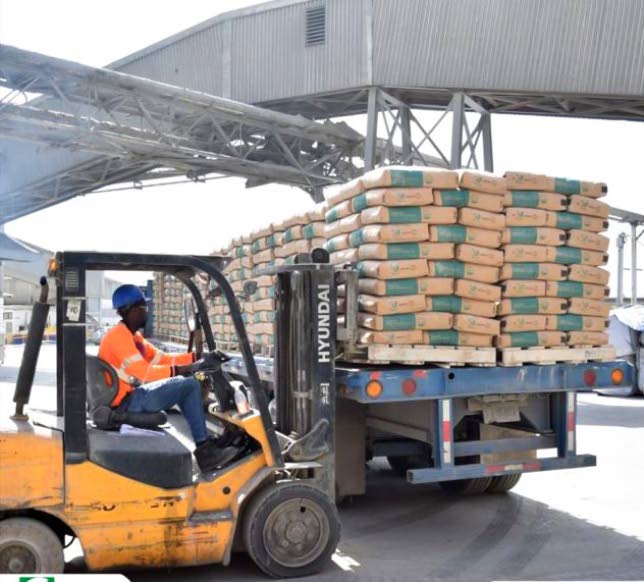
    The exceptional performance was primarily driven by a 7% increase in cement volumes, fueled by robust tourism-related construction projects and residential self-build activities across Jamaica. This success represents the most significant return on investment to date from CCC’s strategic US$42-million kiln debottlenecking initiative, finalized in the third quarter of 2025. The project has enabled the company to replace lower-margin imported cement with higher-value locally produced alternatives, substantially improving profitability.

    Within Cemex’s South, Central America and Caribbean (SCAC) division, which generated US$1.14 billion in revenue and US$223 million in operating EBITDA, Jamaica’s operations emerged as the standout performer. The Caribbean sub-region—encompassing Jamaica, Trinidad and Tobago, Barbados, and Guyana—contributed 39% of segment EBITDA, amounting to approximately US$87 million. Previous disclosures from Trinidad Cement Limited (TCL), which holds a 74.1% stake in CCC, have established the Jamaican operation as the group’s most critical business unit, responsible for over half of consolidated revenue and the majority of operating profits.

    CCC reached maximum production capacity in July 2025 and resumed cement exports later that year, shipping 3,000 metric tonnes to Curaçao in September—a significant achievement demonstrating the expanded operational scale and enhanced efficiency.

    Despite Jamaica’s outstanding results, Cemex reported a 5% decline in like-for-like operating EBITDA for the SCAC segment, attributed to Hurricane Melissa’s impact on Jamaican operations alongside increased maintenance activities in Colombia and Trinidad and Tobago. The corporation also restructured its regional presence throughout 2025, exiting the Dominican Republic market in January and divesting its Panamanian operations in October.

    Regional cement volumes experienced a 2% increase in 2025, with Cemex forecasting modest single-digit price increases for construction materials in 2026. This optimistic outlook is supported by improving consumer confidence and a recovery in formal construction sectors.

    Jamaican investors anticipate further clarity regarding CCC’s independent performance when the company releases its audited financial statements by March 1. Following a 5% EBITDA increase to $9.38 billion in 2024, CCC’s nine-month performance through September reached $7.68 billion, maintaining similar growth momentum.

    At the corporate level, Cemex reported US$16.13 billion in consolidated sales for 2025, with net profit increasing marginally by 1% to US$970 million despite substantial one-time impairment and severance charges.

    For Caribbean Cement Company, 2025 represents a transformative period: after extensive capital investment years, Jamaica’s premier cement producer has entered a new era of elevated production capacity, strengthened profit margins, and restored regional significance—establishing itself as one of the nation’s most impactful industrial enterprises moving into 2026.

  • Barita feels the chill as market-driven gains fade

    Barita feels the chill as market-driven gains fade

    BARITA Investments Limited experienced a notable shift in its financial performance for the fiscal year ending September 30, 2025, with profits declining from approximately $3.8 billion to just over $3 billion. This contraction primarily stemmed from a substantial cooling in market-driven gains, particularly investment revaluation and trading income, which plummeted by nearly 40% compared to the previous year.

    The diminished earnings underscore a significant transition in the company’s revenue composition. While valuation-led profits receded, Barita demonstrated robust growth in its fundamental operations. Fee and commission income expanded by 12%, while net interest income surged by more than 70%, reflecting enhanced yields and strategic balance-sheet management. This performance recalibration highlights the company’s evolving dependence on recurring revenue streams rather than favorable market movements.

    Operational efficiency showed marked improvement despite the earnings decline. Cash flow generation strengthened significantly, with operating activities swinging to a solid inflow following previous outflows. This enhancement resulted from rigorous working-capital management and a substantial contraction in the loan portfolio, which decreased by over one-third.

    Barita’s balance sheet continued its expansion trajectory, with total assets growing 5% to nearly $150 billion, primarily driven by increases in pledged assets and receivables. The funding structure remained heavily reliant on repurchase agreements and borrowings—characteristic of primary dealership operations. Equity levels remained stagnant due to dividend distributions and valuation adjustments in investment reserves.

    The company’s dividend policy has drawn increased scrutiny as payouts reached approximately $3 billion, effectively absorbing nearly all annual earnings. This capital allocation strategy has limited retained earnings growth, creating a tension between shareholder returns and balance-sheet flexibility amid changing market conditions.

    The comprehensive income statement reflected market volatility, turning negative as realized investment losses surpassed unrealized gains. These movements demonstrate the inherent unpredictability of mark-to-market accounting during periods of market normalization.

    Barita’s annual report filing experienced delays due to postponed completion of audited financial statements, with resubmission expected in early March. While not uncommon for financial institutions with complex balance sheets, such delays attract heightened attention during periods of market sensitivity.

    The overall financial picture indicates not distress but rather a strategic transition. As market tailwinds diminish, Barita’s future performance will increasingly depend on operational execution, pricing discipline, and risk management rather than valuation gains—a development that signals a return to fundamental performance metrics across the securities sector.

  • Learning under leaks

    Learning under leaks

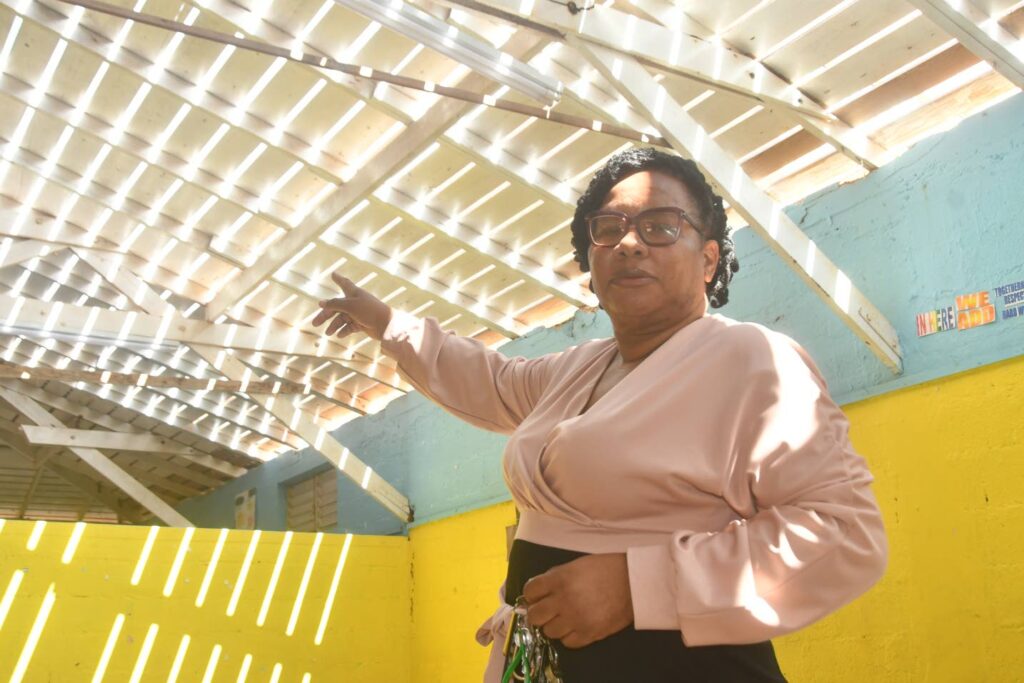
    The passage of Hurricane Melissa exacerbated long-standing infrastructure challenges at Mayfield Primary and Infant School in Southfield, St Elizabeth, where leaking classrooms had been an ongoing concern. The storm inflicted severe damage, tearing roofs from three classrooms serving grades four through six and worsening pre-existing water damage that caused concrete structures to break apart.

    Acting Principal Marion White-Cuff described the extensive damage: ‘We have relocated classes to the teacher’s lounge and another classroom. The infant department suffered complete ceiling damage with water intrusion causing structural loosening.’ The school’s perimeter fencing was compromised, though quickly repaired for security reasons.

    Financial relief is forthcoming through the 2026 Sagicor Sigma Corporate Run, which has identified Mayfield among five western Jamaican schools selected as beneficiaries. The charity event aims to raise $150 million toward repairing hurricane-affected institutions. White-Cuff expressed profound gratitude for the selection, noting that the entire school community was ‘shocked and thankful’ for the recognition among many damaged schools.

    The National Education Trust has conducted multiple assessments to guide restoration efforts. Meanwhile, school staff demonstrated remarkable resilience, spending days clearing water and debris to reopen promptly after the hurricane. White-Cuff emphasized her commitment to minimizing educational disruption: ‘I know about the loss of learning during COVID and I didn’t want that.’

    The school’s computer room remarkably escaped water damage, though the main office computer was destroyed. Contractors revealed that protective membrane installations meant to provide watertight seals were blown away during the storm, intensifying leakage issues.

    Beyond institutional damage, the hurricane impacted the school community personally—assessment revealed 24 students and one teacher suffered partial home or roof damage. The school organized a successful Christmas donation drive to support affected families.

    As the institution awaits restoration funding, White-Cuff remains determined to maintain educational continuity: ‘I will do whatever I can, and work with whatever I have to make sure children aren’t out of school.’

  • New Power Lines to Reach 150 Homes in Five Villages

    New Power Lines to Reach 150 Homes in Five Villages

    A landmark rural electrification initiative has brought transformative change to five previously underserved communities in Belize’s Orange Walk District. The collaborative project connecting Indian Church, San Carlos, San Benito Poite, Jalacte, and San Vicente to the national grid represents a significant infrastructure advancement for the region.

    For generations, residents of these villages endured unreliable electricity access that constrained domestic life, agricultural productivity, and entrepreneurial development. The newly operationalized project—spearheaded through a tripartite partnership between the European Union, Belize Electricity Limited (BEL), and the Belizean Government—has altered this reality fundamentally.

    During the official inauguration ceremony, Public Utilities Minister Michel Chebat emphasized the government’s commitment to inclusive development, stating: “This project clearly demonstrates that rural communities matter… no village is left behind in our national progress.”

    The undertaking evolved strategically from initial micro-grid conceptions to a more comprehensive grid-connection solution following extensive community consultations. BEL engineered a ten-mile interconnection to the national infrastructure, while the EU and utility provider co-financed complementary components including utility poles, transformers, distribution networks, street lighting systems, and residential wiring installations.

    Karique Marin, BEL’s General Manager for Distribution and Energy Solutions, highlighted the broader implications: “We are not merely activating electrical current; we are collectively powering socioeconomic progress. Reliable electricity possesses the transformative capacity to redefine family living standards, agricultural operational efficiency, and youth future-planning capabilities.”

    Initiated in 2021, the project now delivers sustainable power to over 150 households, creating unprecedented opportunities for agricultural enhancement, small business development, and improved quality of life across the beneficiary communities.

  • COMMENTARY: Does The Usa Really Care About Our Criteria For Accepting Deportees?

    COMMENTARY: Does The Usa Really Care About Our Criteria For Accepting Deportees?

    By Yves Ephraim

    A provocative analogy has emerged to characterize the response of Caribbean Community (CARICOM) leaders to United States immigration pressures. The narrative depicts a scenario where a woman, confronted by an overpowering assailant in her own home, abandons resistance and instead negotiates the terms of her violation. This disturbing parallel serves as a metaphor for how regional governments are handling Washington’s insistence that they accept criminal deportees.

    The core issue centers on the perceived capitulation of Caribbean leadership. Rather than issuing flat refusals to accept deportees who may destabilize their societies, these nations have engaged in procedural negotiations. Grenada’s Prime Minister, for instance, has been praised by some commentators for establishing criteria regarding transportation costs and accommodation standards for deportees. The author vehemently rejects this perspective as dangerously naive.

    The fundamental power imbalance remains unaddressed: if Caribbean nations cannot refuse deportation requests outright, what guarantees exist that negotiated standards will be honored? The article argues that establishing conditions for acceptance while lacking ultimate refusal power constitutes self-deception. The author characterizes this as a sovereignty violation comparable to historical subjugation, noting that leaders have spun this dynamic as somehow representing regional control.

    Particular scorn is reserved for suggestions that Caribbean nations might selectively accept deportees who could contribute to national development. The piece dismisses this as fantastical thinking, emphasizing that recipient countries ultimately have no meaningful selection authority. The conclusion presents a damning assessment: Caribbean leaders have surrendered to inevitable domination while pretending to negotiate terms, embodying a tragic failure of political leadership and sovereign protection.

  • Bezorgdheid over Nutrilon-babyvoeding in Suriname na internationale terugroepactie

    Bezorgdheid over Nutrilon-babyvoeding in Suriname na internationale terugroepactie

    Health authorities across multiple nations have escalated a major recall of Nutrilon infant formula products after discovering potential contamination with cereulide toxin, sparking significant concern among parents in Suriname where the affected batches remain commercially available.

    The international recall initiative, originally initiated in European countries including the Netherlands, now encompasses various Nutrilon formulations specifically designed for infants. The products under scrutiny include Nutrilon Stage 1 and specialized AR variants intended for babies with reflux conditions. This regulatory action follows comprehensive evaluations identifying specific batches containing ARA fatty acid sourced from a particular supplier believed to be the contamination origin.

    Medical experts warn that cereulide exposure can trigger severe gastrointestinal complications in infants, particularly those under six months of age. Symptoms may include persistent vomiting, diarrhea, and abdominal discomfort, necessitating immediate medical attention if observed.

    In Suriname’s Wanica district, one concerned mother shared her apprehension with local media after discovering she possessed contaminated products. She has immediately discontinued usage and initiated contact with both the retail outlet where she purchased the formula and regional suppliers, though official guidance from distributors remains pending at this time.

    The Surinamese Ministry of Health has acknowledged the developing situation and is currently conducting its own assessment. Officials have indicated that formal public guidance regarding the recalled products will be issued shortly. Meanwhile, parents are advised to scrutinize batch numbers and expiration dates on all Nutrilon products and refrain from using any items matching the officially recalled batches circulating internationally.

  • Prosecutors Signal Possible Withdrawal of Fatal Motorcycle Crash Case

    Prosecutors Signal Possible Withdrawal of Fatal Motorcycle Crash Case

    In a significant judicial development, prosecutors have indicated potential discontinuation of legal proceedings against Jameel Adams, a Bendals resident charged in connection with a tragic motorcycle accident that resulted in the death of 23-year-old Annik Lawrence in November 2022. The Director of Public Prosecutions formally notified the High Court on Thursday of the intention to potentially terminate the case, though no official withdrawal application has been submitted yet.

    The case centers on allegations of causing death by dangerous driving stemming from the November 14 incident along All Saints Road. According to official reports, the motorcycle operated by Adams allegedly lost control, ejecting both riders from the vehicle. Lawrence, who was traveling as a passenger, sustained fatal injuries and passed away shortly before her 24th birthday. Adams also suffered injuries in the crash.

    Nearly thirty months after the tragic event, the judicial process remains in limbo with no definitive timeline for resolution. The court proceedings have not disclosed the prosecution’s rationale for considering case abandonment, leaving fundamental questions unanswered about evidentiary challenges or procedural considerations influencing this potential outcome. The development represents another layer of tragedy for Lawrence’s family, who continue to await conclusive justice despite the passage of years since their loss.

  • Observers vow to address voter list concerns but ‘won’t intervene’ in poll

    Observers vow to address voter list concerns but ‘won’t intervene’ in poll

    A specialized Caribbean Community (CARICOM) Elections Observer Mission has commenced operations in Barbados ahead of Wednesday’s general election, emphasizing its commitment to addressing concerns regarding voter list integrity while maintaining strict non-interference protocols.

    The three-member delegation, arriving Thursday at the government’s invitation, held its inaugural press conference at Hastings’ Indigo Hotel where Mission Chief Ian Hughes outlined their observational mandate. The team will meticulously examine criticisms surrounding the final electoral register scheduled for publication Saturday, according to Electoral and Boundaries Commission Chairman Ramon Alleyne.

    Hughes clarified the mission’s constrained authority: “Barbados is a sovereign state, and consequently we cannot intervene in your electoral proceedings. Our function entails observation, stakeholder consultation, and ultimately, the formulation of recommendations based on factual documentation.” He emphasized that while missing voter names fall within their purview—recognizing the electoral register as fundamentally critical—any legal challenges would remain the exclusive domain of local stakeholders.

    The observers have initiated dialogues with key institutions including the police commissioner’s high command, the Barbados Christian Council, and media representatives. Scheduled meetings with Prime Minister Mia Mottley, Opposition Leader Ralph Thorne, and electoral officials will provide comprehensive insights into pre-election preparations.

    Throughout election day, the mission will monitor polling station operations from opening to ballot counting and results declaration, subsequently assessing the post-election environment. Before departing Friday, the team will issue preliminary findings, with a detailed final report to be submitted to CARICOM Secretary-General Dr. Carla Barnett for public dissemination.

    Hughes noted Barbados’s vibrant digital campaign atmosphere, observing that “social media appears to be the primary arena for political engagement,” while acknowledging traditional media’s role. He reminded citizens of their civic responsibility, stating: “Many have sacrificed their lives to secure our democratic franchise—this privilege demands thoughtful exercise.”

    The multinational team comprises senior electoral officials from Antigua and Barbuda, Belize, and Jamaica, supported by three CARICOM Secretariat staff providing logistical coordination. An additional member is expected to join the mission Saturday.