博客

  • Dominican Republic advances climate monitoring deal with Italian Space Agency

    Dominican Republic advances climate monitoring deal with Italian Space Agency

    Santo Domingo has taken a significant step toward technological advancement in climate security through a new partnership with Italy’s space sector. The National Council for Climate Change and Carbon Market (CNCCMC) has announced substantial progress in finalizing a cooperative agreement with the Italian Space Agency, marking a pivotal development in geospatial monitoring capabilities for the Caribbean nation.

    This groundbreaking initiative, spearheaded by CNCCMC Vice President Max Puig, focuses on leveraging sophisticated satellite technology to transform disaster risk management. The collaboration will provide Dominican authorities with enhanced access to both real-time and historical satellite data, enabling more precise forecasting and response mechanisms for extreme weather phenomena including hurricanes, floods, and various hydrometeorological hazards.

    The partnership emerged from high-level discussions involving Marco Lisi, a representative connected to Italy’s Foreign Ministry and the European Space Agency’s Galileo navigation program, alongside academic experts from Pedro Henríquez Ureña University. This multilateral engagement underscores the international commitment to addressing climate vulnerabilities in the region.

    Central to the cooperation are several strategic components: the enhancement of early warning systems, the development of a comprehensive Climate Risk Atlas, and the potential establishment of a national satellite data processing center dedicated to climate analysis. This infrastructure will serve as the foundation for improved disaster preparedness and climate adaptation strategies.

    Officials emphasize that this agreement represents a transformative approach to climate resilience, integrating cutting-edge technology with international knowledge sharing. The initiative aligns with the Dominican Republic’s broader strategy to modernize its climate change adaptation framework through technological innovation and global partnerships, ultimately creating a more secure future for its citizens in the face of escalating climate challenges.

  • Caribbean Cinemas closes Malecón branch after violent incident

    Caribbean Cinemas closes Malecón branch after violent incident

    SANTO DOMINGO – A tragic law enforcement incident resulted in the death of National Police Officer Dary Daniel Andújar Pérez, 22, who succumbed to injuries sustained during an intervention at Caribbean Cinemas’ Cinema Centro Malecón on George Washington Avenue. The fatal confrontation occurred Sunday afternoon while the theater facility was closed to the public.

    Preliminary investigative reports indicate Officer Andújar Pérez responded to an active threat situation involving an armed individual who was allegedly threatening cinema employees. During the intervention, private security guard Santo Pimentel Lebrón was also killed in the exchange. Authorities currently believe Pimentel Lebrón may have inflicted the fatal injury that ultimately caused the officer’s death despite emergency surgical intervention at the National Police General Teaching Hospital (Hosgedopol).

    The incident connects to an earlier attempted homicide report at the same location involving a security guard from Eulen company and a female employee. Caribbean Cinemas management confirmed the incident occurred during non-operational hours and acknowledged that police intervention potentially prevented further casualties.

    National Police Director Andrés Modesto Cruz Cruz publicly honored Officer Andújar Pérez’s bravery and dedication to duty while extending official condolences to the bereaved family. The case remains under active investigation by judicial authorities with forensic analysis pending from INACIF. The cinema chain has implemented emergency protocols, cooperated fully with investigators, and temporarily shuttered the Malecón location pending completion of official proceedings.

  • Cuba start herstel na tweede nationale stroomstoring in een week

    Cuba start herstel na tweede nationale stroomstoring in een week

    Cuba’s fragile electrical grid has collapsed for the second time within a single week, plunging approximately 10 million residents into darkness and exposing the island’s critical infrastructure vulnerabilities. The latest nationwide blackout occurred Saturday evening when a major power plant in Nuevitas, Camaguey province, experienced catastrophic failure, triggering a chain reaction that shut down the entire national grid.

    The Ministry of Energy and Mines has initiated emergency recovery operations, establishing isolated microsystems across all provinces to maintain essential services including hospitals, water supply networks, and food distribution centers. By Sunday, the gas-fired power plants operated by Energas in Varadero and Boca de Jaruco had resumed operations, along with the oil-fired facility in Santa Cruz.

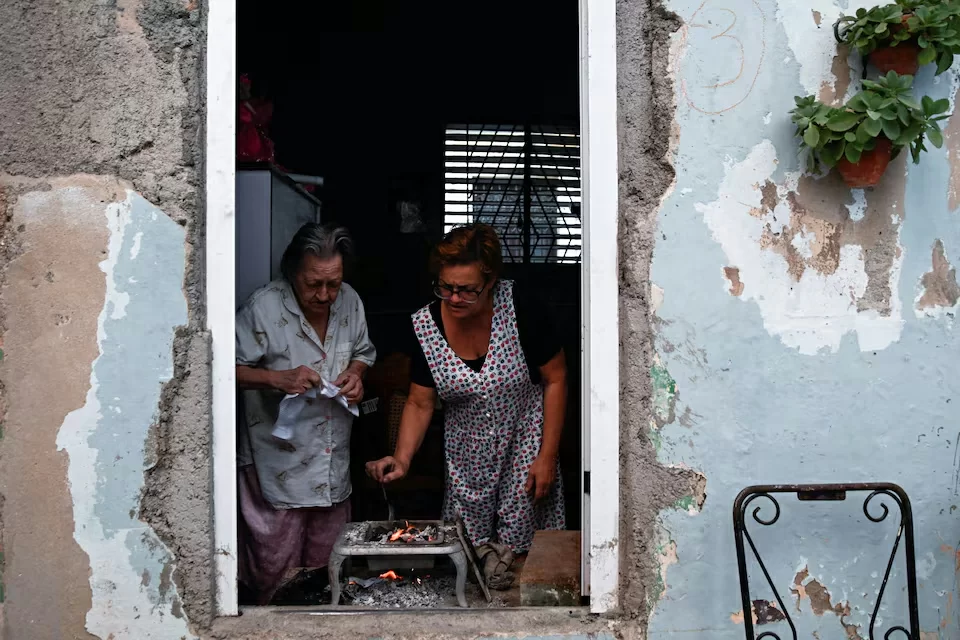
    In Havana, residents gathered on sidewalks early Sunday, expressing frustration over the recurring power failures that have fundamentally disrupted daily life. ‘We’re trapped in the same vicious cycle,’ stated resident Leoni Alberto, who now cooks over wood fires at least twice weekly due to the unreliable power supply. ‘It’s absolute madness with no way out.’

    The blackouts have severely compromised mobile communications and internet connectivity across large regions, effectively isolating communities and hindering emergency coordination efforts. Prime Minister Manuel Marrero acknowledged the ‘extremely complex situation’ facing restoration teams.

    This week’s dual grid failures represent an unprecedented escalation of Cuba’s ongoing energy crisis, marking the third major collapse this month alone. While Cuba has experienced periodic nationwide blackouts in recent years, back-to-back system failures within seven days demonstrate a alarming deterioration of the country’s aging energy infrastructure.

    The crisis coincides with tightened U.S. oil sanctions that since January have blocked Venezuela’s preferential oil shipments to its Caribbean ally. The U.S. administration has further threatened third countries with secondary sanctions should they continue supplying Cuba with petroleum products.

    Cuban authorities attribute the economic hardships, including the decrepit power grid, directly to the six-decade U.S. trade embargo. American officials counter that Cuba’s centrally planned economic model and systemic inefficiencies remain the primary causes of the nation’s energy deficiencies.

  • Guyanese ethnomusicologist contributes to prestigious Palgrave Encyclopedia

    Guyanese ethnomusicologist contributes to prestigious Palgrave Encyclopedia

    Guyanese ethnomusicologist Rohan Sagar has achieved academic recognition through his groundbreaking contribution to the prestigious Palgrave Encyclopedia of Cultural Heritage and Conflict. His chapter, titled “Caribbean Sonic Humanities: Digital Archives, Music Pedagogy, and Computational Preservation,” presents an innovative framework for safeguarding the Caribbean’s diverse musical traditions and cultural expressions against modern threats.

    Sagar’s work integrates digital humanities, computational ethnomusicology, and SEED-SCALE methodology to create sustainable cultural preservation models. Rather than advocating for artificial intelligence, his approach emphasizes data science techniques that enable researchers to identify patterns, relationships, and gaps in cultural materials that were previously undetectable through traditional methods.

    The ethnomusicologist explained that his methodology allows for the identification of key characters, their frequency of appearance in texts, and their contextual relationships to thematic elements. This computational approach provides educators and students with tools to analyze cultural materials through coding, mathematical functions, and logical systems that produce reproducible results.

    Sagar described the publication process as rigorous, involving multiple iterations and expert validation from data science specialists to ensure methodological authenticity. Despite the significance of this academic achievement, Sagar expressed mixed emotions, noting that the publication represents years of intensive work that often felt overwhelming.

    The researcher expressed hope that regional educational bodies, particularly the Caribbean Examinations Council (CXC), would recognize the potential of his digital preservation model to address concerning trends in Caribbean education. While hesitant to approach Guyanese policymakers due to previous rejections of innovative ideas, Sagar hopes his work might spark Caribbean-wide conversations about integrating digital tools in cultural education and preservation.

  • Man dies after vehicle collides with utility pole in St Philip

    Man dies after vehicle collides with utility pole in St Philip

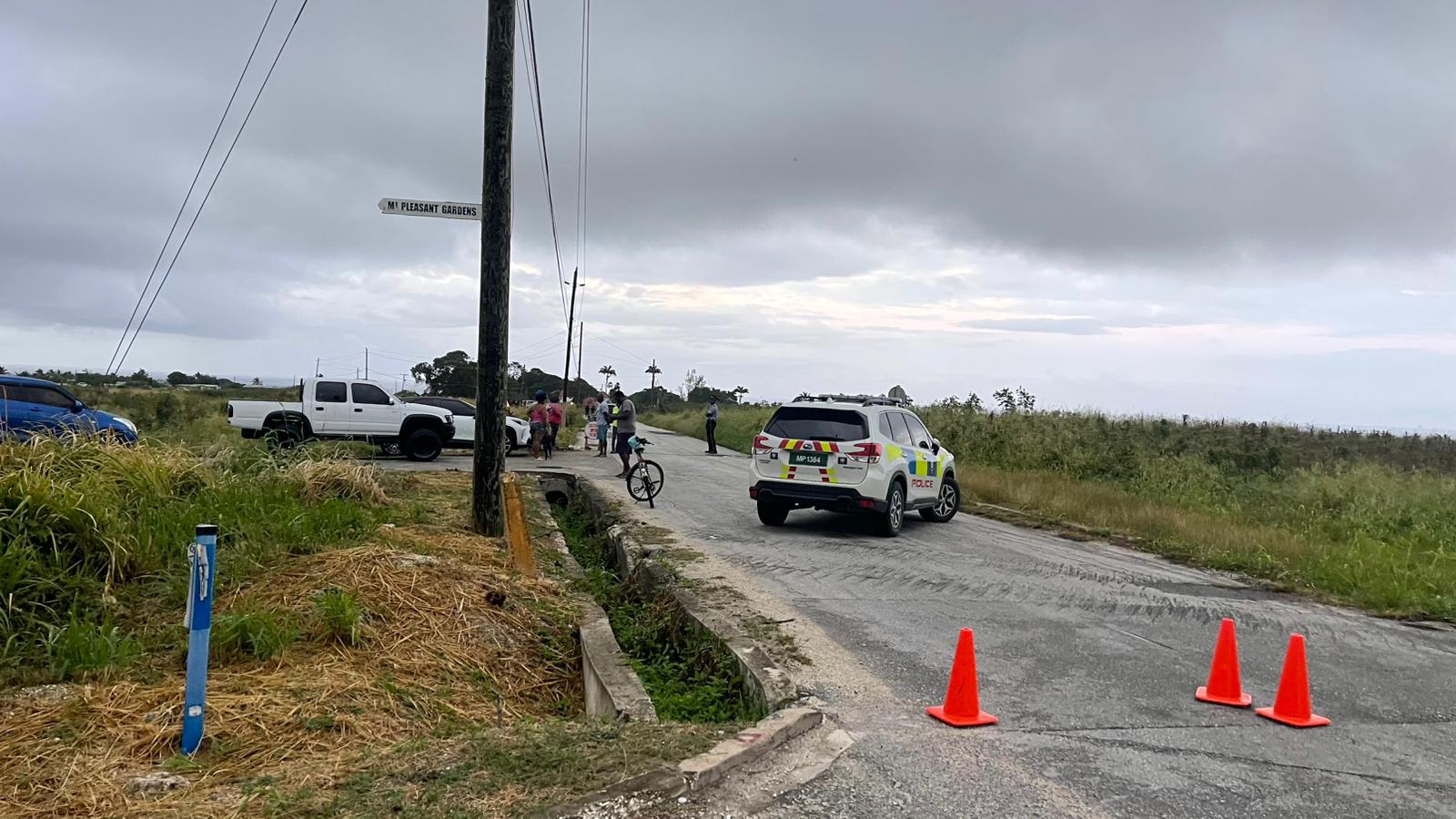
    A tragic motor vehicle accident in the Thicketts area of St. Philip resulted in a fatality on Sunday afternoon, with local authorities now actively seeking public assistance in their investigation. The collision transpired at approximately 3:10 p.m. along the roadway leading toward Three Houses Park. Preliminary reports indicate that the male operator of the vehicle experienced a sudden loss of control, leading to a catastrophic impact with a stationary utility pole. Emergency services were promptly dispatched to the location following alerts from nearby residents. A attending physician officially pronounced the driver deceased at the scene, foregoing transportation to medical facilities due to the severity of injuries sustained. The Barbados Police Service has confirmed that comprehensive investigations remain ongoing to determine the precise causation factors behind the devastating incident. Law enforcement officials are urging any potential witnesses or individuals with relevant information to immediately contact the District C Police Station at telephone numbers 416-8200 or 416-8201 to aid investigative efforts.

  • BizConnect Caribbean launches regional franchising forum

    BizConnect Caribbean launches regional franchising forum

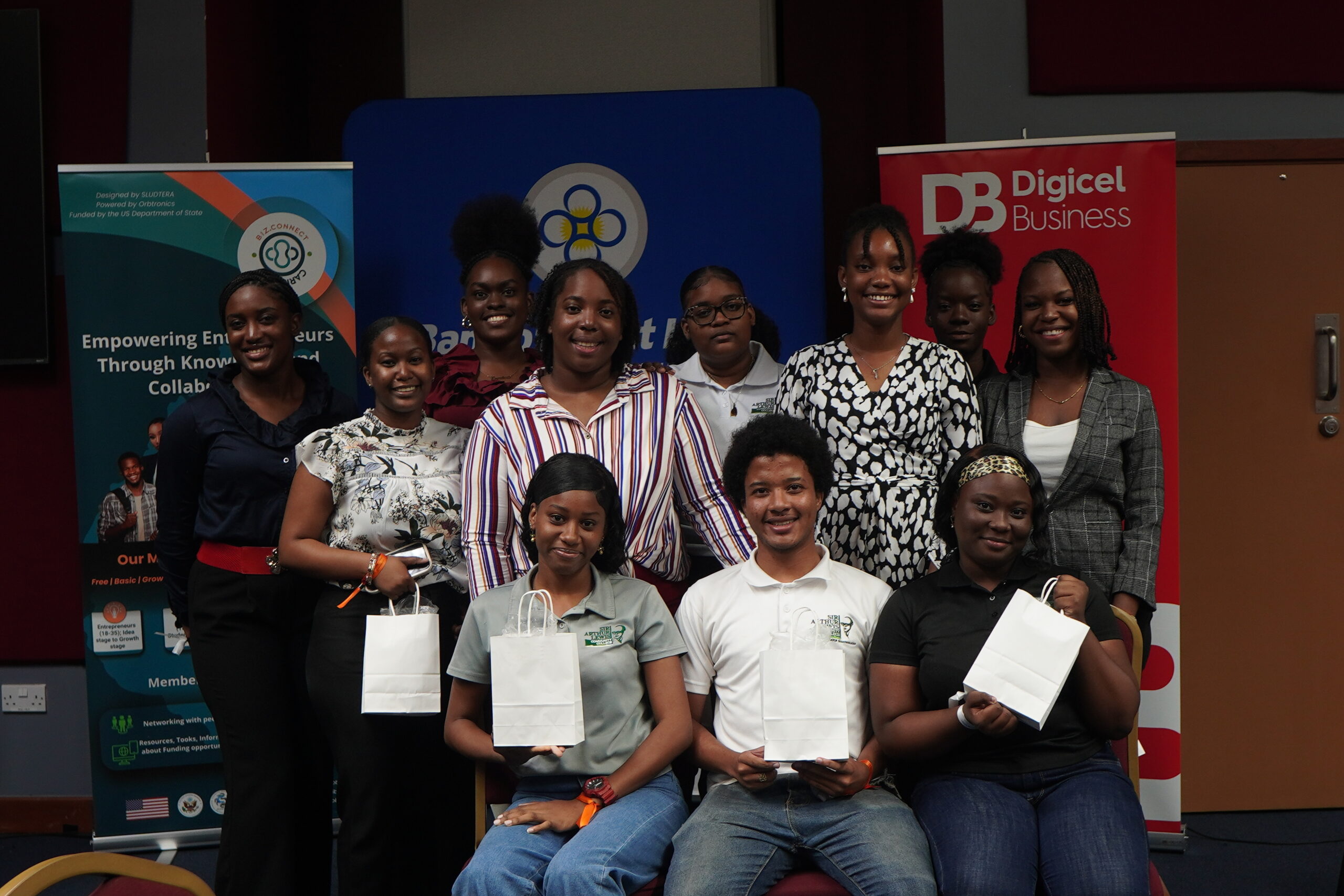
    The Caribbean business landscape witnessed a transformative gathering as entrepreneurs, students, and industry experts converged at the Finance Administrative Center in Point Seraphine for the groundbreaking Caribbean Franchising Summit 2026. Organized by BizConnect Caribbean—a Saint Lucia-based regional initiative dedicated to entrepreneurship and digital skills development—the three-day event from March 18-20 marked a significant milestone in regional economic education.

    The summit provided comprehensive insights into franchising as both an expansion methodology and exit strategy for business owners. Through a structured three-day program featuring education sessions, deep-dive analyses, and legal awareness workshops, participants gained multidimensional understanding of this proven business model.

    Michelle N. Samuel, Programme Lead and Founder of BizConnect Caribbean, identified critical knowledge gaps in regional understanding of franchising. “We consume brands daily but lack understanding of replication methodologies,” she explained. “This summit addressed that deficiency through strategic programming.”

    Notable Barbadian participation included Shawna Rollins, Founder and CEO of successful franchise Delicious Treats, who emphasized franchising’s role in creating sustainable business legacies. “This model provides entrepreneurs with structured exit strategies, ensuring their hard work translates into long-term financial security,” Rollins stated.

    Stephen Lashley, prominent lawyer and former government minister, highlighted regulatory considerations, noting: “While few Caribbean territories have specific franchise legislation, enormous opportunities exist for regional expansion and international market penetration.”

    The event particularly engaged emerging business talent through BizConnect Caribbean’s partnership with Sir Arthur Lewis Community College. Student attendee Phoebe Popo described the experience as “amazing, insightful, and fundamentally inspiring,” noting the value of direct access to industry experts.

    Organizers confirmed the summit’s inaugural success would establish an annual tradition, with future events rotating through different Caribbean islands to broaden regional impact. Several identified ‘franchise-ready’ businesses received personalized coaching sessions, signaling practical steps toward implementation.

  • U-17 WC Morocco 2026 Qualifiers : Despite their victory against Bermuda [2-0], Haiti is eliminated

    U-17 WC Morocco 2026 Qualifiers : Despite their victory against Bermuda [2-0], Haiti is eliminated

    In a bittersweet conclusion to their FIFA U-17 Women’s World Cup Morocco 2026 qualifying campaign, Haiti’s Grenadières secured a 2-0 victory against Bermuda on Sunday, March 22, 2026, at the Costa Rican Football Federation facility in Alajuela. Despite this triumphant finish, the team’s earlier performances resulted in their elimination from contention for the global tournament.

    Under the guidance of French coach Marc-Ogil Frenoy Baptiste, the Haitian squad implemented four strategic changes to their starting lineup, fielding players from Canadian and American clubs including Krystel Chatelain (Lakeshore, Ontario), K. Mondestin Adjani (AS Laval, QC), Ductan Samira Olisia (Annapolis Blues USA), and Daphney Louis (ESM Canada). The match represented an opportunity for pride rather than advancement, with Haiti positioned third in Group B following previous defeats.

    The contest witnessed an early breakthrough when Adjani Kamanzi-Mondestin found the net in just the 2nd minute, capitalizing on an assist from Keisha Gue. The encounter remained largely uneventful until the 86th minute when Nya Jean-Baptiste solidified Haiti’s dominance with a precise right-footed finish from close range following a corner kick opportunity.

    This final Group B encounter concluded Haiti’s qualifying journey with mixed results: a devastating 9-0 loss to the United States, a 3-1 defeat against Puerto Rico, and ultimately this redeeming victory. The final group standings positioned the United States at the summit with a perfect record (9 points), followed by Puerto Rico (6 points), Haiti (3 points), and Bermuda without any points.

    While the outcome fell short of World Cup qualification objectives, the Haitian contingent demonstrated resilience and growth throughout the competition. The experience gained through international exposure is expected to contribute significantly to the development of women’s football in Haiti, providing valuable foundation for future tournaments.

  • Training stimuleert docenten om AI bewust in te zetten in onderwijs

    Training stimuleert docenten om AI bewust in te zetten in onderwijs

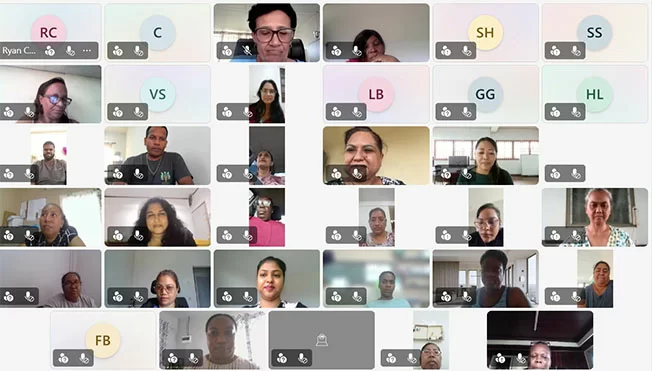
    Suriname’s educational sector is undergoing a transformative shift in its approach to artificial intelligence, with educators being encouraged to creatively and responsibly integrate AI tools into teaching methodologies rather than imposing bans. This paradigm shift forms the core of an innovative training initiative launched by Better Prepared Suriname (BPS), which commenced with a comprehensive online information session on March 2nd and will continue with hands-on workshops scheduled for March 23rd targeting 30 selected participants.

    According to Project Leader Mildred Demon, there exists an overwhelming demand for AI knowledge within the educational community, evidenced by the initial session attracting over 180 registrations. The training, conducted by Professor Lieve de Wachter from Belgium’s prestigious KU Leuven University, emphasized the irreversible integration of AI into modern education systems.

    The program challenges conventional fears about AI’s educational impact, advocating for a student-guided approach focused on responsible implementation rather than restrictive measures. “The objective isn’t to prohibit AI but to equip students with the competence to utilize it effectively and ethically,” Demon explained.

    While educators initially expressed concerns regarding AI’s potential effects on students’ cognitive abilities and plagiarism risks, the training demonstrated how properly implemented AI can actually enhance depth of learning and critical thinking skills. The follow-up workshop will concentrate on practical classroom applications, with participants expected to disseminate their acquired knowledge to colleagues, thereby creating a multiplier effect throughout the education system.

    BPS has dedicated several years to supporting both students and teachers in developing essential skills required for advanced education and an evolving job market, with this AI initiative representing their latest strategic intervention.

  • Landship eyes major expansion

    Landship eyes major expansion

    The Barbados Landship Association is embarking on an ambitious expansion and modernization strategy, planning to grow its school program from 16 to 25 units this year while aligning its mission with global development frameworks. Under President Colonel Wayne Worrell’s leadership, each landship unit will adopt specific United Nations Sustainable Development Goals, transforming the century-old cultural organization from primarily performance-based activities toward substantive social impact projects.

    During the South-East Fleet’s quarterly service at St Bartholomew Church on Sunday, Worrell outlined the strategic pivot emphasizing that ‘It has to be more than just dance.’ Each unit will now address critical social challenges including crime reduction, poverty alleviation, and agricultural development. This new direction will be visually represented through color-coded uniform designs that reflect each ship’s designated mission.

    The association also announced the summer launch of a landship marines unit specifically designed to increase male participation. This innovative program will feature structured, military-style performances using replica equipment, creating an appealing alternative for young boys less interested in traditional landship routines.

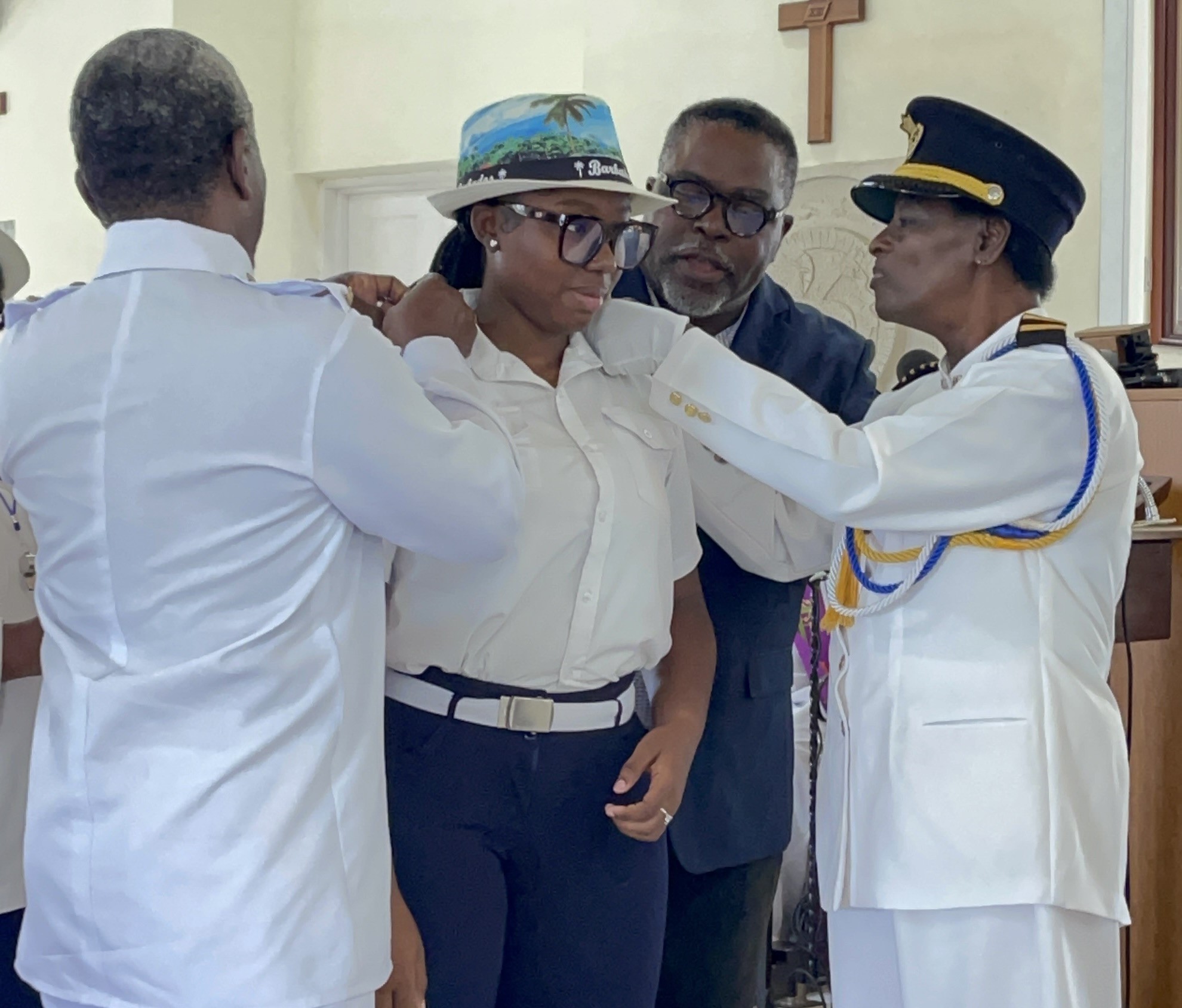
    The service itself demonstrated the organization’s vibrant traditions, beginning with ceremonial bell ringing as members marched into the sanctuary accompanied by a combined band. Reverend Canon Wayne Isaacs’ sermon on ‘new life, new beginnings, and new possibilities’ set the tone for the day’s proceedings, which included the surprise promotion of Khloe Parker to sub-lieutenant. Admiral Lorraine Sealy and Captain Charles Sandiford formally elevated Parker from surgical nurse rank in recognition of her dedication, community outreach work, uniform production assistance, and emergent leadership qualities.

    The cultural significance of the landship movement was celebrated through performances featuring legendary musician Desmond Weekes, one of the original Draytons, who performed a tribute to the tuk band tradition. Weekes acknowledged the landship’s profound influence on Barbados’ musical heritage, including the development of spouge music. The intergenerational nature of the organization was further highlighted through Maypole dance performances by students from Mount Tabor Primary and St George Secondary Schools following the senior members’ demonstration.

    With the South-East Fleet currently comprising approximately 150 members under Admiral Sealy’s leadership—the association’s first female admiral—the organization is positioning itself as both a cultural guardian and progressive force for social development in Barbados.

  • COMMENTARY: Water and Gender

    COMMENTARY: Water and Gender

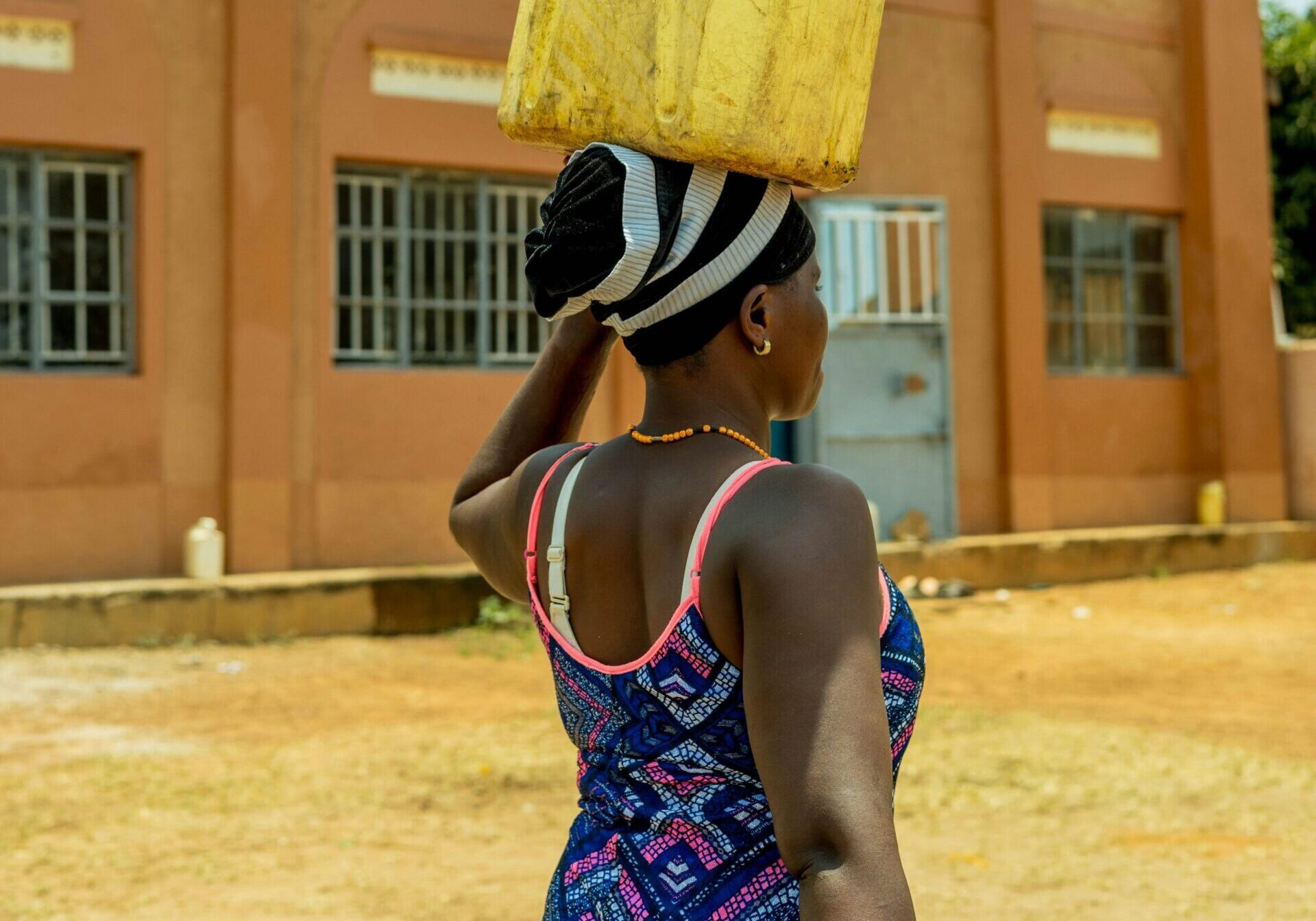
    The global water crisis continues to reveal stark gender disparities, with women and girls disproportionately affected by water scarcity and management challenges worldwide. According to United Nations data, over 1 billion women currently lack access to safely managed drinking water services, highlighting systemic inequalities in water accessibility.

    In 53 countries with available data, women and girls collectively spend approximately 250 million hours daily collecting water—more than triple the time spent by men and boys. This enormous time investment significantly limits educational and economic opportunities for females across developing regions. The World Health Organization further underscores the severity of the situation, reporting that unsafe water, sanitation, and hygiene practices contribute to approximately 1,000 daily deaths among children under five years old.

    The international community marked World Water Day on March 22, 2026, with the theme “Water and Gender,” shifting focus beyond conservation to examine how water access intersects with gender inequality. This observance highlights water’s critical role in advancing gender equality and empowering women, who typically manage household water resources despite being systematically excluded from decision-making processes regarding water governance and technical planning.

    Caribbean communities exemplify this pattern, where women predominantly manage domestic water use, maintain family health, and sustain food production—responsibilities that intensify as water scarcity increases. Yet women remain significantly underrepresented in water sector employment, with World Bank data indicating only 20% of utility employees are female. Some employers still perceive female employment as unproductive, despite evidence suggesting that inclusive water services become more sustainable and effective when women participate in decision-making.

    The climate crisis further compounds these challenges, necessitating transformative approaches that ensure equitable female representation across all levels of water leadership. A more consultative framework involving utility companies and trade unions could help address data gaps regarding female participation in water-related employment while promoting gender-responsive solutions to the global water crisis.

    Ultimately, recognizing access to safe water and sanitation as fundamental human rights represents a crucial step toward gender equality. As the world confronts growing water challenges, ensuring women’s equal participation in water management decisions emerges as essential for developing inclusive, sustainable water systems that benefit entire communities.