博客

  • Japanse ‘Iron Lady’ Takaichi behaalt verbluffende verkiezingsoverwinning

    Japanse ‘Iron Lady’ Takaichi behaalt verbluffende verkiezingsoverwinning

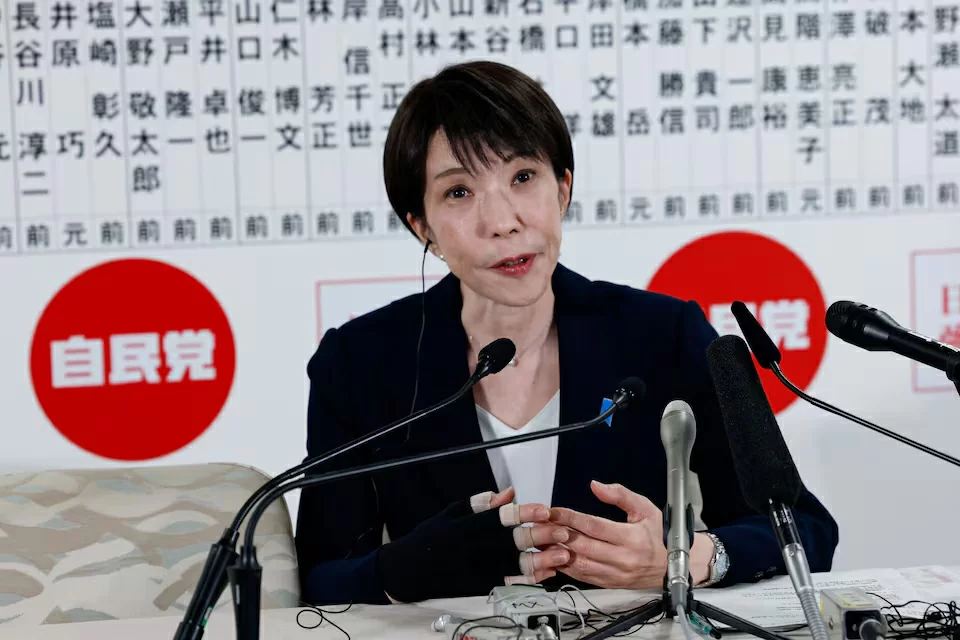
    TOKYO – Japanese Prime Minister Sanae Takaichi has led her ruling coalition to a landmark electoral triumph, securing an unprecedented mandate for her controversial economic and security agenda. The conservative leader’s Liberal Democratic Party (LDP) captured a commanding 328 seats in the 465-member Lower House according to projections, marking one of the party’s strongest electoral performances in history.

    The victory grants Takaichi’s coalition, which includes the Japan Innovation Party (Ishin), a supermajority exceeding two-thirds of parliamentary seats. This overwhelming mandate enables the government to bypass opposition-controlled Upper House resistance and implement sweeping policy changes, including tax reductions that have unsettled financial markets and increased military spending aimed at countering China’s regional influence.

    Addressing supporters in a televised address, the 64-year-old leader acknowledged the significance of her mandate: “This election has brought major policy shifts – particularly in economic and fiscal areas, plus strengthened security policies. These are measures that faced considerable opposition… Having gained public trust, we must address these issues with full determination.”

    Takaichi called the rare winter election to capitalize on her soaring popularity since assuming leadership of the LDP late last year. Voters have responded positively to her straightforward style and work ethic, though her nationalist leanings and security focus have strained relations with neighboring China. The election occurred during unprecedented snowfall that disrupted transportation nationwide, yet citizens braved harsh conditions to participate in the democratic process.

    Financial markets remain concerned about the Prime Minister’s pledge to suspend the 8% consumption tax on food for two years to alleviate rising living costs. Investors question how Japan, which carries the highest public debt among developed economies, will finance these measures while maintaining fiscal sustainability.

    International reactions have been mixed. Former US President Donald Trump offered his “full support” and announced plans to host Takaichi at the White House next month. Meanwhile, Chinese officials are carefully analyzing the election outcome, having previously imposed travel restrictions on Japanese citizens following Takaichi’s comments about potential responses to Chinese aggression toward Taiwan.

    Taiwanese President Lai Ching-te was among the first world leaders to congratulate Takaichi, expressing hope that her victory would bring “a more prosperous and secure future for Japan and its regional partners.”

    The strengthened mandate is expected to accelerate Japan’s military modernization plans, which Beijing views as attempts to revive Japan’s militarist past. Defense Minister Shinjiro Koizumi stated intentions to proceed with defense strengthening measures while maintaining dialogue with China.

    Geopolitical analysts suggest China now faces the reality that Takaichi commands solid political authority and that efforts to isolate her internationally have ultimately failed.

  • Champions League Qualifiers : A Cuban coach for our U-20 Grenadiers

    Champions League Qualifiers : A Cuban coach for our U-20 Grenadiers

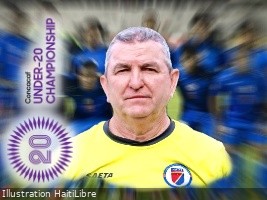
    In a strategic move to bolster its youth football program, the Haitian Football Federation (FHF) has announced the appointment of Cuban tactician Raúl Valentín González Triana as head coach of the U-20 men’s national team. This decision comes as Haiti prepares for the CONCACAF Champions League qualifiers, which serve as a gateway to three prestigious international tournaments: the 2027 FIFA World Cup in Azerbaijan and Uzbekistan, the 2026 Pan American Games in the Dominican Republic, and the 2028 Los Angeles Olympic Games.

    González Triana, a 58-year-old former defender with extensive coaching experience, brings a proven track record of international success. He previously made history by qualifying Cuba’s U-20 team for the 2013 FIFA U-20 World Cup—the country’s first appearance in the tournament. His technical staff will include Baltimore SC coach Ernso Datus as technical assistant and fellow Cuban José Manuel Morejón Rodríguez as physical conditioning coach.

    The Haitian Grenadiers are positioned in Group D alongside Curaçao, Guyana, Saint Vincent and the Grenadines, and Anguilla. All preliminary matches will be contested at the Estadio Rinaldo Jean Francisca in Willemstad, Curaçao, between February 23 and March 4, 2026. Haiti’s campaign begins on February 26 against Anguilla, followed by fixtures against Saint Vincent and the Grenadines (February 28), Guyana (March 2), and concludes with a crucial encounter against Curaçao on March 4.

    Team preparation has already commenced with a comprehensive scouting initiative targeting emerging talent within the Haitian Football League (LHF). The selected squad will undergo intensive training to secure top position in their group, which would advance them to the championship qualifiers scheduled for July 25 to August 9, 2026, where they will compete for placement in FIFA’s premier international competitions.

  • Parker Says DNA Was Founded to Elevate Policy Politics, Not Split Opposition Votes

    Parker Says DNA Was Founded to Elevate Policy Politics, Not Split Opposition Votes

    Malaka Parker, former senator and prominent community activist, has publicly clarified the founding principles of the Democratic National Alliance (DNA), asserting that the movement was established to transform Antigua and Barbuda’s political landscape through policy-centered discourse rather than to fragment opposition voting blocs.

    In a comprehensive interview with Twin Island Media Live, Parker addressed what she characterized as widespread misinterpretation of the DNA’s origins. She revealed that the movement emerged from strategic deliberations among seasoned political figures seeking to fundamentally alter both the tone and substance of national politics. The initiative aimed to shift political engagement from personality-driven conflicts toward development-oriented policy debates, responding to evident public dissatisfaction with confrontational political culture.

    Parker clarified her foundational role within the organization, noting that she didn’t merely join the DNA but co-founded the movement and played an instrumental role in developing its policy framework and manifesto. These documents were specifically designed to present voters with a substantive alternative to conventional political approaches.

    While acknowledging that the DNA subsequently experienced significant directional shifts resulting in internal disagreements and her eventual departure, Parker maintained that these developments shouldn’t overshadow the movement’s original purpose. She explicitly rejected allegations that the DNA was created to undermine the United Progressive Party (UPP), emphasizing that founding discussions focused exclusively on political engagement reform rather than electoral outcome manipulation.

    Regarding her later decision to rejoin the UPP, Parker explained this transition was principles-based, contending that political movements should ultimately be evaluated on their capacity to promote governmental accountability, policy coherence, and sustainable national development.

  • ABLP Launches Search for Miss St. George 2026 Contestants

    ABLP Launches Search for Miss St. George 2026 Contestants

    The St. George’s Constituency Branch of the Antigua and Barbuda Labour Party has initiated its selection process for the upcoming 2026 Labour Queen Pageant, marking the beginning of preparations for the national event. Community organizers are actively seeking accomplished young women from the St. George’s area to compete for the prestigious Miss St. George 2026 title, which serves as the constituency’s official representation in the national competition.

    Prospective candidates are invited to participate in a comprehensive screening event scheduled for February 12, 2026, at 7:00 PM at Potters Primary School. The selection committee has established specific eligibility criteria, requiring applicants to be female residents of the St. George’s Constituency between the ages of 18 and 26. Ideal candidates should possess exceptional communication abilities, demonstrated leadership capabilities, and a proven track record of community engagement.

    The evaluation process will consist of multiple components including a personal interview, talent presentation, swimwear segment, and an instructional preparatory session. Applicants are advised to present themselves professionally and are required to bring a brief biographical summary to the screening. The Miss St. George competition has historically served as a significant platform for showcasing local talent while promoting community pride and civic responsibility among young women.

    Additional details regarding participation requirements and application procedures can be obtained by contacting the organizing committee at 776-2705. The initiative represents an important tradition within the constituency’s cultural calendar, providing opportunities for personal development and community representation ahead of the national Labour Queen Pageant.

  • PHOTOS: National Clean-Up Drive Continues in Bendals

    PHOTOS: National Clean-Up Drive Continues in Bendals

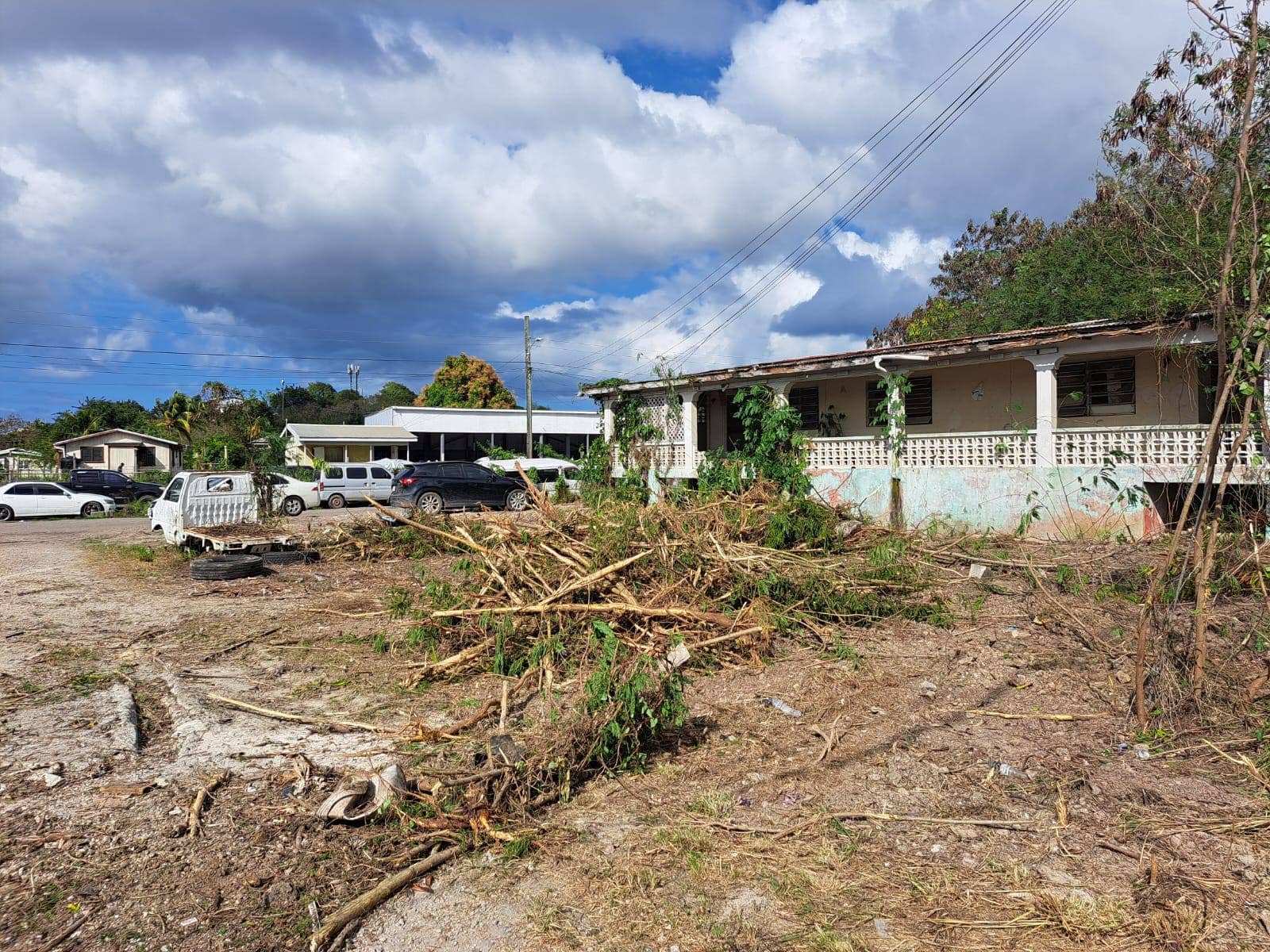
    The National Solid Waste Management Authority has intensified its comprehensive environmental restoration campaign in the Bendals community, executing large-scale debris removal and vegetation management operations. This coordinated effort represents a critical component of the nation’s broader initiative to enhance public safety and ecological conditions throughout residential areas.

    Crews equipped with specialized machinery are systematically clearing accumulated waste and overgrown foliage that had previously created potential safety hazards and environmental concerns. The operation addresses both immediate visual pollution and longer-term public health considerations, transforming neglected spaces into properly maintained community assets.

    This initiative reflects the government’s commitment to implementing sustainable waste management solutions while simultaneously improving quality of life for residents. The restoration project not only eliminates breeding grounds for vectors of disease but also reestablishes a sense of civic pride and environmental responsibility within the community.

    Local authorities have coordinated with community leaders to ensure the cleanup addresses specific neighborhood concerns while establishing protocols for ongoing maintenance. The transformation demonstrates how strategic environmental management can simultaneously achieve practical safety improvements and aesthetic enhancements, creating models for similar initiatives nationwide.

  • Teruggeroepen Nutrilon-batches ook in Suriname, overheid monitort situatie

    Teruggeroepen Nutrilon-batches ook in Suriname, overheid monitort situatie

    The Surinamese government has officially confirmed that specific batches of Nutrilon infant formula, subject to an international voluntary recall, entered the country through standard distribution channels. This development follows a product safety initiative by manufacturer Danone in coordination with the Netherlands Food and Consumer Product Safety Authority (NVWA).

    The recall was triggered by recently updated safety standards from the European Food Safety Authority (EFSA) concerning cereulide, a toxic substance that can develop in food products under certain conditions. While the recall primarily targeted the Dutch market, subsequent investigations revealed that affected products had reached Surinamese retailers through regular import channels.

    Suriname’s Ministry of Economic Affairs, Entrepreneurship and Technological Innovation, working through its Food Safety Authority (VWA), has initiated comprehensive monitoring of the situation. Authorities emphasize that no health incidents or adverse effects have been reported within the country to date. The current measures are described as precautionary, implemented to safeguard infant and young children’s health and safety.

    Government officials maintain detailed information about the involved distribution parties and are collaborating with relevant agencies to ensure close surveillance. Health authorities are advising parents and caregivers to remain vigilant and contact retailers or appropriate government agencies if they possess potentially affected products.

    The public can access the complete list of recalled Nutrilon batches through official government channels, including a dedicated downloadable document detailing the specific products involved in the safety initiative.

  • OP-ED: Cuba and the moral cost of global silence

    OP-ED: Cuba and the moral cost of global silence

    The Caribbean region faces a critical test of solidarity as Cuba grapples with intensified US economic sanctions that have escalated into a full-scale humanitarian crisis. In late January 2026, the United States formally designated Cuba as an “unusual and extraordinary threat” to its national security, implementing measures that severely restrict the island nation’s access to essential oil supplies. This development represents the latest escalation in a six-decade economic embargo that began following the Cuban Revolution of 1959.

    The consequences of these sanctions are immediate and severe. With Venezuela’s oil shipments halted after US intervention removed President Nicolas Maduro, and other suppliers like Mexico facing economic retaliation threats, Cuba’s energy infrastructure faces collapse. The fuel shortage has triggered widespread blackouts, paralyzed water systems, compromised medical equipment in hospitals, and created critical shortages of basic necessities. Cuban President Miguel Diaz-Canel has consistently condemned these measures while maintaining openness to diplomatic dialogue.

    Despite Cuba’s remarkable social achievements—including life expectancy rates comparable to the US and lower child mortality rates than many wealthier nations—the country of 11 million people now faces unprecedented challenges. UN Secretary-General Antonio Guterres has warned of the dire humanitarian implications of the intensified embargo.

    The international response has been characterized by concerning silence, particularly from Caribbean nations that have historically benefited from Cuba’s generosity. The island nation has provided medical scholarships, healthcare assistance, and disaster relief throughout the region, including crucial support during the COVID-19 pandemic. However, regional governments now face a stark choice between speaking out against injustice or protecting their citizens from potential US retaliation through tariffs and visa restrictions.

    This situation presents a moral imperative for the Caribbean community. While powerful nations remain passive, regional collective action through bilateral engagement and international forums could provide crucial support. Citizens are urged to petition their governments, organize advocacy efforts, and demand that regional leaders honor historical ties with Cuba. As the crisis deepens, the Caribbean’s response will ultimately define its commitment to regional solidarity and moral courage in the face of asymmetric power dynamics.

  • Several-Hours-Long Blackouts in Cuba After U.S. Pressure Cuts Oil Imports

    Several-Hours-Long Blackouts in Cuba After U.S. Pressure Cuts Oil Imports

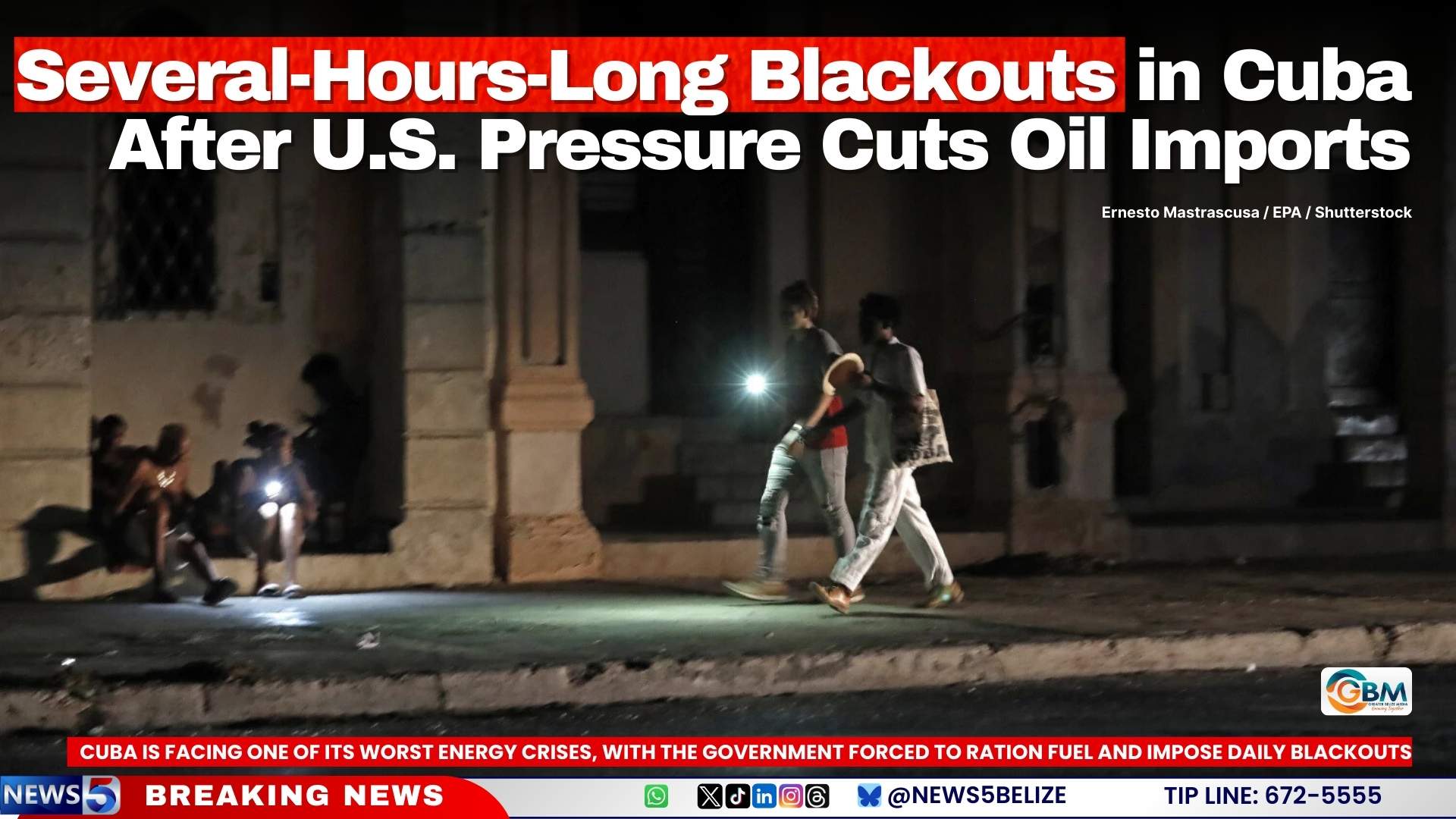
    Cuba is confronting its most severe energy crisis in recent history, implementing nationwide austerity measures as U.S. diplomatic pressure has severely constricted the island’s oil imports. The government of President Miguel Díaz-Canel has enacted emergency protocols including reduced workweeks for state employees, curtailed interprovincial transportation, diminished tourist services, and shortened academic schedules to conserve dwindling fuel reserves.

    The energy shortage has resulted in systematic daily blackouts lasting several hours, compelling citizens to revert to traditional cooking methods using wood and coal while businesses face operational paralysis. Deputy Prime Minister Oscar Pérez-Oliva Fraga addressed the nation via state television, emphasizing these ‘necessary measures to preserve the country’s essential functions and basic services while managing limited fuel resources.’

    This crisis stems from disrupted oil shipments following last month’s abduction of Venezuelan President Nicolás Maduro by U.S. forces, which halted Cuba’s primary supply from Caracas. Compounding the situation, President Donald Trump signed an executive order penalizing nations that export oil to Cuba, effectively strangling alternative supply routes. Mexico, previously supplying nearly half of Cuba’s oil imports, has significantly reduced deliveries under U.S. pressure.

    Shipping analytics firm Kpler reported that Cuba’s fuel reserves had dwindled to merely 15-20 days’ supply by January’s end. The Trump administration has characterized Cuba as a ‘failed nation’ and intensified sanctions aimed at precipitating governmental change. In contrast, Cuba’s Foreign Ministry has advocated for diplomatic dialogue and ‘peaceful coexistence’ with the United States.

  • TVET Expo Highlights Youth Innovation and Practical Skills

    TVET Expo Highlights Youth Innovation and Practical Skills

    The Ministry of Education, Sports & Creative Industries has successfully concluded a highly attended two-day Technical and Vocational Education and Training (TVET) Expo, designed to champion the cause of practical skills acquisition. Organized by the Ministry’s dedicated TVET Department, the event operated under the empowering theme ‘Design, Develop, Learn and Grow,’ drawing significant public engagement.

    The expo served as a dynamic platform for students from various technical and vocational institutions to publicly exhibit their competencies and creative projects. The wide array of displays underscored the critical role of TVET in building a skilled workforce, featuring interactive and impressive demonstrations across multiple disciplines.

    A key highlight was the technology sector, where innovations in information technology and robotics captured the attention of attendees, pointing towards a future driven by digital proficiency. The creative arts were equally prominent, with expansive showcases in music and visual art demonstrating the vibrant cultural talent being nurtured.

    Further enriching the event were practical exhibitions in culinary arts, where students presented gastronomic creations, and in traditional craftsmanship like woodwork, highlighting precision and design. The inclusion of modern agricultural techniques emphasized the sector’s evolution and its importance to economic sustainability. The overwhelming turnout and diverse presentations collectively reinforced the national imperative of investing in vocational education as a cornerstone for holistic growth and development.

  • LISTEN: Former Tourism Minister Harold Lovell Did Not  Meet With Local Excursion Operators At A Turning Point In The Industry

    LISTEN: Former Tourism Minister Harold Lovell Did Not Meet With Local Excursion Operators At A Turning Point In The Industry

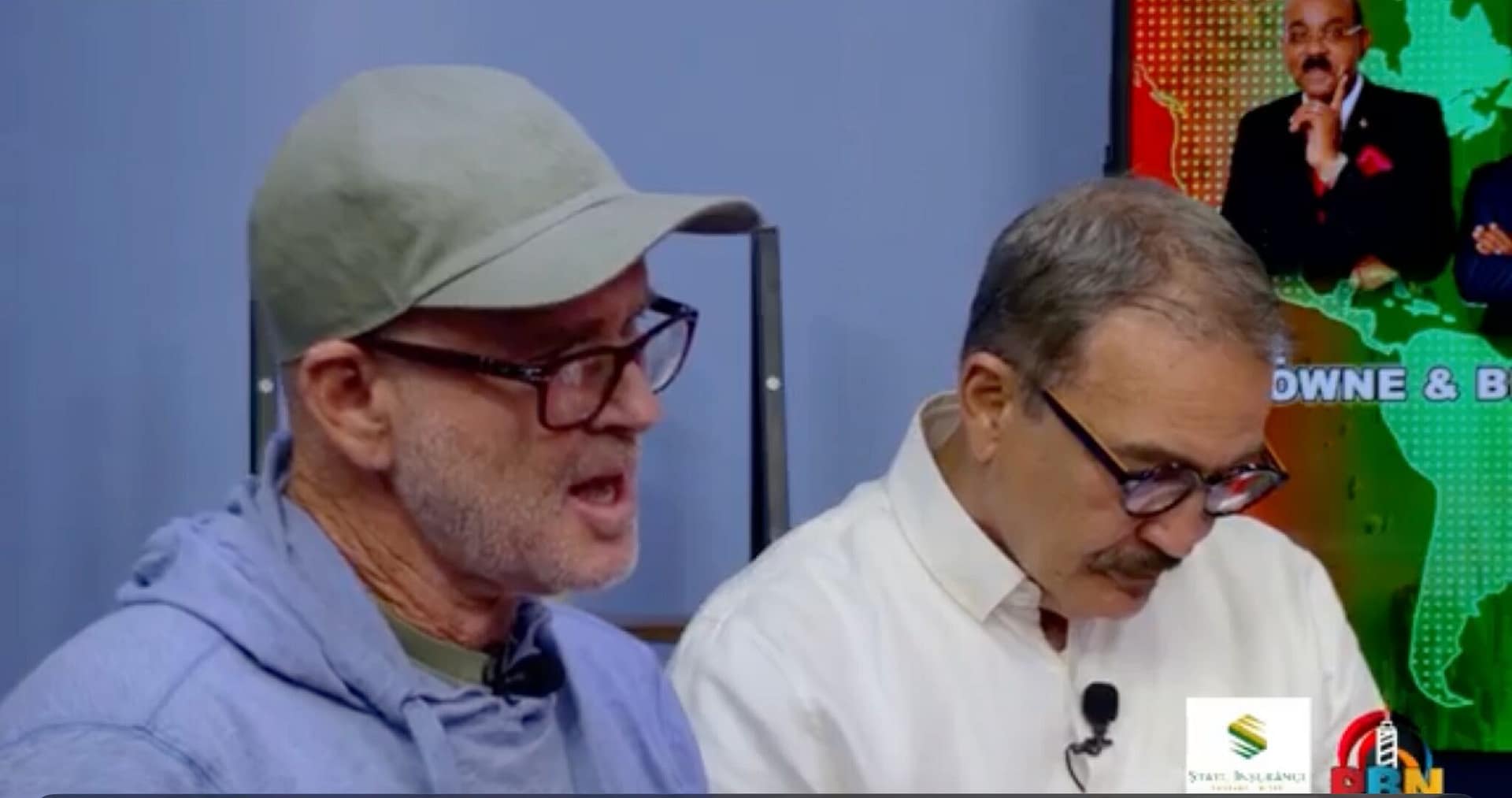
    Prominent tourism operator Eli Fuller has revealed systemic challenges faced by local excursion businesses during the former United Progressive Party (UPP) administration’s tenure. Fuller disclosed that despite forming the Antigua and Barbuda Excursions Alliance comprising over 40 locally owned businesses, their attempts to engage with tourism authorities were consistently thwarted.

    During an appearance on the Browne and Browne show, Fuller detailed how the alliance formally requested a meeting with then-Tourism Minister Harold Lovell to address five critical issues affecting fairness and accessibility within the tourism sector. The response from Lovell’s office stated that excursion matters fell outside the direct jurisdiction of the tourism minister, redirecting the alliance to the junior tourism minister instead.

    Subsequent meetings with the junior minister proved equally fruitless, with Fuller characterizing the process as ‘frustrating and unproductive’ after numerous discussions yielded no tangible outcomes. The perceived lack of meaningful engagement led to growing disillusionment among members, ultimately causing the alliance to dissolve as operators either sought alternative solutions or disengaged entirely.

    Fuller emphasized that his disclosure aims not to embarrass individuals but to highlight persistent concerns regarding local operators’ access to decision-making processes in a sector vital to the national economy. The comments emerged during a broader panel discussion examining tourism development, equity, and the impact of policy decisions on small and medium-sized operators within the industry.