博客

  • Domincan Republic to produce over 400 million eggs in a single month

    Domincan Republic to produce over 400 million eggs in a single month

    The Dominican Republic’s poultry industry is achieving unprecedented production milestones, signaling a robust recovery and significant strengthening of the agricultural subsector. Industry leader Miguel A. Lajara, who serves as president of SANUT and director of the Dominican Poultry Association (ADA), announced that national table egg production will surpass 400 million units this month—the highest monthly output in the country’s history. Concurrently, domestic chicken production is projected to reach approximately 21.4 million units, underscoring the sector’s expanded capacity.

    Lajara emphasized that local poultry production now satisfies over 85% of domestic consumption needs, effectively eliminating concerns about structural shortages. This achievement follows a remarkable 45% growth in output over the past five years, a rate that exceeds regional averages and indicates greater market stability in both supply and pricing. The executive credited this success to coordinated efforts between producers and government authorities that have enabled swift market rebalancing during periods of volatility.

    The SANUT president highlighted the industry’s critical role in enhancing national food security, referencing FAO data showing the Dominican Republic reduced undernourishment by nearly 60% between 2019 and 2025. Consumer benefits are evident in sustained retail chicken prices below RD$100 per pound over the past three months. Strategic imports have complemented rather than undermined domestic production, maintaining chicken and eggs as the most accessible animal protein sources for Dominican families. This success story reflects effective collaboration among producers, government entities, and consumers to ensure stable supply, control inflationary pressures, and protect household purchasing power.
  • How does the blockade affect Cuban children?

    How does the blockade affect Cuban children?

    The devastating human impact of the United States’ six-decade economic embargo against Cuba is being felt most acutely by the nation’s most vulnerable population—children with disabilities. Current reports reveal that 538 essential wheelchairs, both electric and conventional, remain unavailable for Cuban children with motor disabilities due to blockade restrictions.

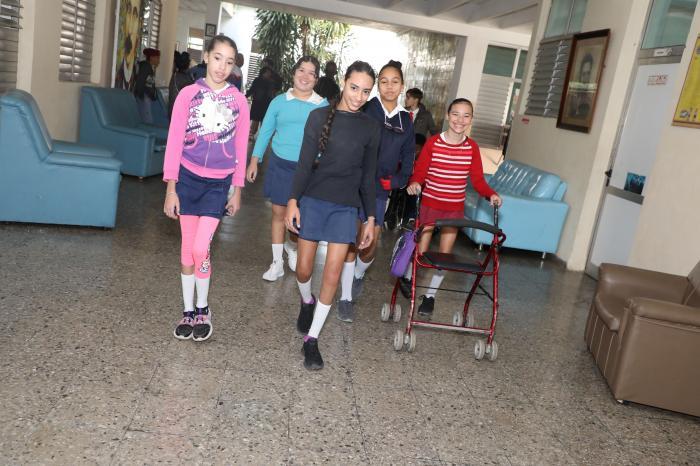
    At the Solidaridad con Panamá special education school in Havana, which serves as a rehabilitation center for disabled youth, the consequences of American policy are visibly crippling. Approximately one hundred children were absent from classes recently when three buses failed to arrive—a direct result of transportation shortages caused by the economic siege.

    Medical crises are escalating among this vulnerable population. Children with cerebral palsy and progressive muscular dystrophy are experiencing deteriorated mobility because botulinum toxin medications, primarily manufactured in the United States, cannot be reliably acquired. This therapeutic shortage has caused relapses with seizures and loss of walking ability in multiple cases.

    Beatriz Roque Morales, Cuba’s National Director of Special Education, detailed how the embargo has forced systemic adaptations: ‘The conditions we have faced for many years, gradually worsening, have compelled us to readjust basic resources in special education schools to maintain quality.’ The crisis affects 331 specialized institutions across the island nation.

    The technological isolation extends to educational materials. Braille book production remains prohibitively expensive without access to specialized printers that could efficiently reproduce tactile texts. Teacher development has similarly suffered, with limited access to international platforms that share the latest rehabilitation techniques and research.

    Parent Ained García Díaz, whose daughter has cerebral palsy, expressed the collective anguish: ‘We fight for these children to have better quality of life. It’s hard for parents, schools, and teachers when essential resources don’t reach us.’

    Despite these challenges, the resilience within Cuba’s special education community remains remarkable. Esther de La O Ochoa, former director of the Solidaridad con Panamá school, emphasized the dedication of educators who persevere through power outages and transportation difficulties: ‘We continue ensuring that children’s smiles are not erased.’

    The spirit of resistance is embodied by students like ‘Pelusa,’ a 13-year-old without both hands who declares herself ‘the most intrepid girl’ at her school. Her confidence in Cuba’s unity against external pressure reflects the revolutionary ethos that continues to sustain the nation’s most vulnerable through unprecedented challenges.

  • Assembleelid ontvangt bijkans SRD 95.000 netto per maand; Atompai wil wet herzien

    Assembleelid ontvangt bijkans SRD 95.000 netto per maand; Atompai wil wet herzien

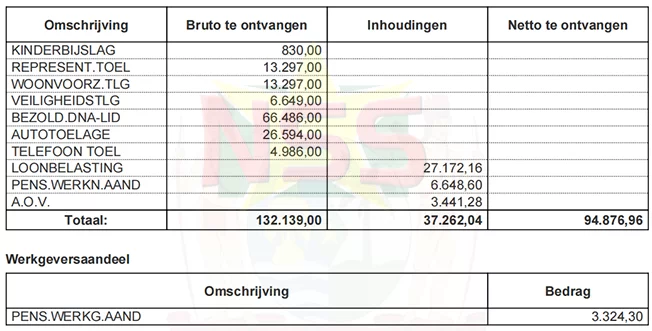
    A contentious debate over parliamentary compensation has resurfaced in Suriname, revealing that members of De Nationale Assemblee (DNA) receive nearly SRD 95,000 (approximately $2,800) monthly after deductions, alongside extensive additional benefits. The disclosure comes as legislator Poetini Atompai of the National Progressive Party (NPS) announces plans to submit a formal proposal revisiting these remuneration packages.

    Official documentation confirms that assembly members earn a gross monthly income of SRD 132,139, with net compensation of SRD 94,876.96 after deductions for income tax, pension contributions, and social security. The figures emerge amid growing scrutiny of parliamentary benefits during the country’s challenging economic climate.

    Atompai, who had criticized the compensation structure prior to elections, maintains his position that governing officials and parliamentarians should not retain elevated incomes while citizens face financial hardships. “What we stated before elections, we must continue to assert afterward,” Atompai told Starnieuws, emphasizing that “when times are difficult, the government, assembly, and population should feel this collectively.”

    Beyond base compensation, assembly members receive comprehensive secondary benefits including complete medical coverage for themselves and families, free dental and optical care, international medical treatment when necessary, transportation allowances, VIP airport facilities, and diplomatic passports. Fraction leaders Rabin Parmessar (NDP) and Asis Gajadien (VHP) receive additional 30% representation allowances, while regular members receive 20%.

    The current financial arrangements for the National Assembly, government, and judiciary were previously approved by the former parliament with 28 votes in favor and 12 against. The NDP faction had opposed the measures, warning they would generate public discontent regarding compensation levels. Despite earlier indications that these provisions would be reversed, no corrective action has been implemented to date.

  • Thorne unveils St John development plan during manifesto launch

    Thorne unveils St John development plan during manifesto launch

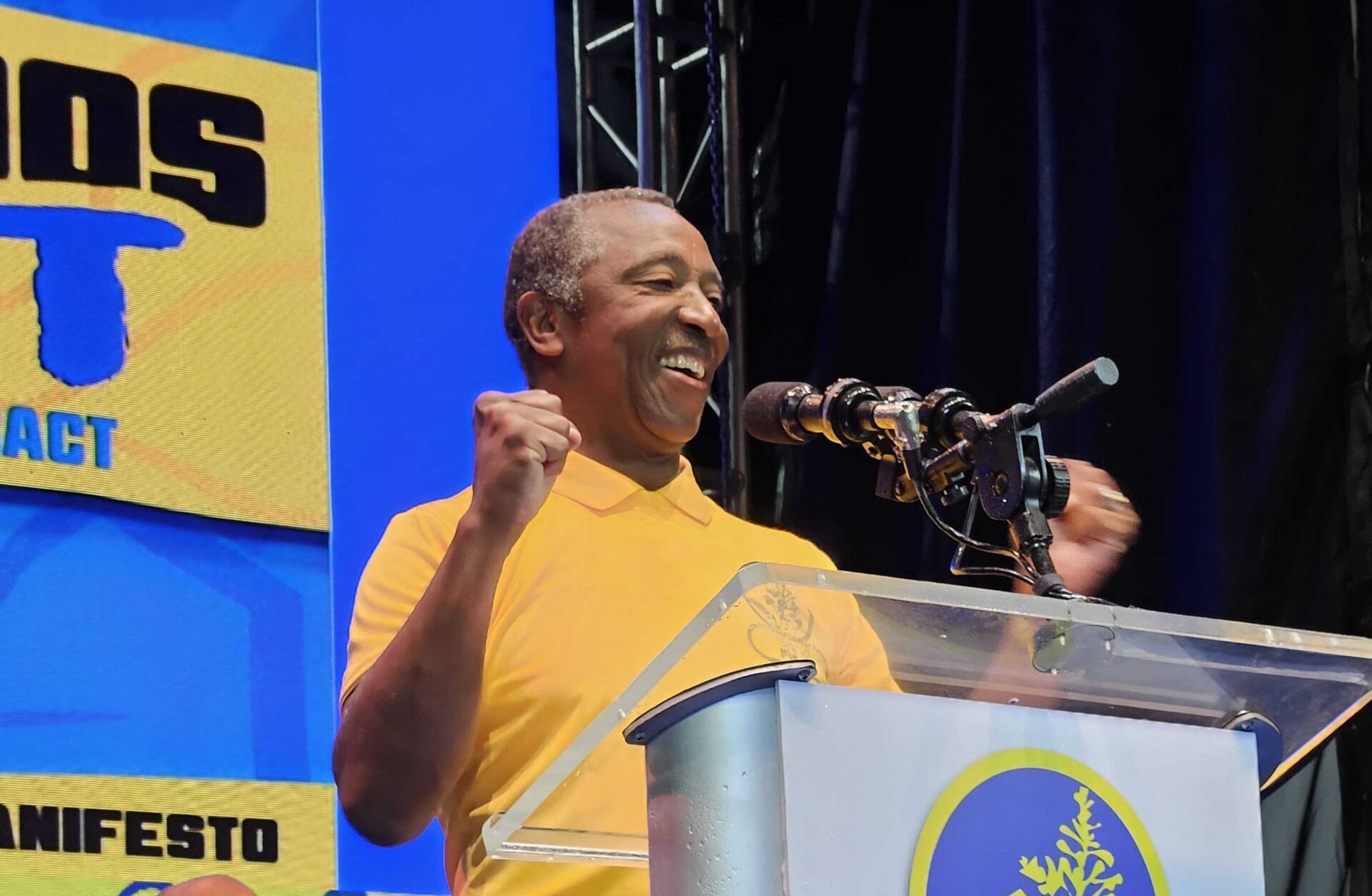
    In a significant campaign address, Democratic Labour Party (DLP) leader Ralph Thorne has unveiled an ambitious development agenda for St John constituency, positioning infrastructure modernization as central to his electoral platform. Speaking at the party’s national manifesto launch in Gall Hill, Thorne declared the parish deserves substantial national investment due to its historical contributions to Barbadian leadership.

    Thorne presented a comprehensive vision to transform St John into a commercial, educational, and social hub, with specific focus on developing Four Roads as an economic center. He highlighted concerning infrastructure regression, noting the reduction of gas stations from three to one as evidence of systemic underdevelopment. “St John is not as infrastructurally developed as it should be,” Thorne asserted before his supporters.

    The DLP leader made an impassioned appeal for national support in redirecting public resources toward parish development, citing St John’s legacy of producing prominent figures including National Hero Errol Walton Barrow and former Prime Minister David Thompson. His proposal includes enhancing existing public services such as fire stations and post offices while expanding business opportunities throughout the constituency.

    Educational infrastructure emerged as another critical priority, with Thorne noting the alarming decline of primary schools from five to two, forcing children to undertake lengthy daily commutes. He committed to constructing a modern primary school facility to ensure educational equity for St John’s children alongside the existing Lodge secondary school.

    Healthcare reform features prominently in Thorne’s agenda, addressing resident concerns about limited operating hours at the local polyclinic that create unnecessary pressure on Queen Elizabeth Hospital. He pledged to upgrade the facility to a 24-hour operation, envisioning it as “the shining star of polyclinics in Barbados.”

    Recreational facilities also received attention, with Thorne noting the parish’s single playing field compared to multiple venues elsewhere. He framed these development initiatives as rightful compensation for St John’s historical contributions to national progress, emphasizing: “There’s a debt that is owed to this parish, Barbados.”

    The broader DLP national manifesto addresses economy, housing, crime, cost of living, and healthcare, positioning St John’s development as microcosm of the party’s national vision for Barbados.

  • GCAA restates drone rules after minister complains about drone over husband’s house

    GCAA restates drone rules after minister complains about drone over husband’s house

    The Guyana Civil Aviation Authority (GCAA) has issued a forceful reiteration of national drone regulations following a high-profile complaint from Amerindian Affairs Minister Sarah Browne-Shadeek regarding unauthorized drone activity over her husband’s private residence. The regulatory body emphasized that operating Unmanned Aerial Vehicles (UAVs) over both public and private property without explicit permission remains strictly prohibited under Guyanese law.

    According to the GCAA’s detailed directive, drone operations must maintain a minimum distance of 150 meters (492 feet) from congested areas and organized assemblies, and stay at least 100 meters (328 feet) from any vessel, vehicle, or structure not under the operator’s control. The authority explicitly warned that violations constitute serious criminal offenses punishable by fines up to GY$1 million and/or imprisonment for up to two years.

    The regulatory reminder comes amid heightened tensions following Minister Browne-Shadeek’s social media disclosure that a drone had flown alarmingly low over her husband’s property earlier Sunday, causing a female relative to “feel exposed and run for cover” after exiting the bathroom. The minister additionally reported experiencing suspicious surveillance activities, including being followed by vehicles since an earlier incident at the Amerindian Hostel where she claims to have been “bullied.”

    The GCAA’s statement arrives five months after numerous government-aligned media outlets operated drones at both low and high altitudes during the official opening of the Bharrat Jagdeo Demerara River Bridge—an event that raised safety concerns as air traffic controllers were alerted about potential drone interference with aircraft participating in the flyover ceremony.

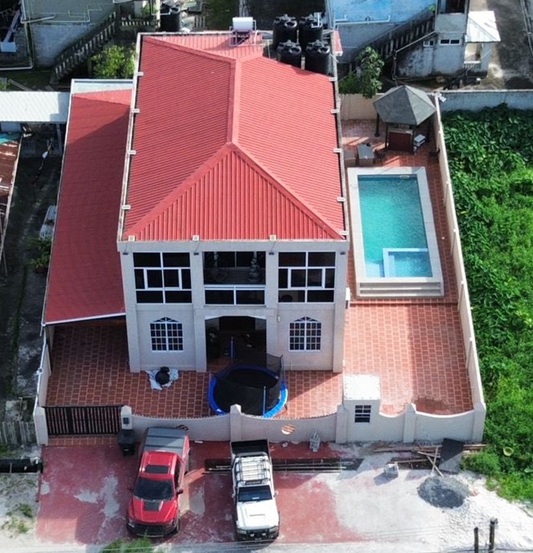
    In a politically charged response, the main opposition party We Invest in Nationhood (WIN) published aerial photographs of the minister’s husband’s property, questioning the apparent luxury of the residence while criticizing the living conditions of indigenous communities. Opposition Leader Azruddin Mohamed contrasted the minister’s “more than 100 million dollar home” with the troolie leaf houses common in indigenous communities.

    The GCAA has urged public vigilance and immediate reporting of unauthorized drone operations to either local police stations or their safety hotline, emphasizing their commitment to maintaining “the integrity of Guyana’s airspace” through strict enforcement of aviation regulations.

  • Abinader inaugurates Holiday Inn Hotel in Puerto Plata

    Abinader inaugurates Holiday Inn Hotel in Puerto Plata

    PUERTO PLATA, DOMINICAN REPUBLIC – President Luis Abinader officially inaugurated the Holiday Inn Puerto Plata – Cofresí Bay Area this Sunday, marking a significant milestone in the province’s tourism revitalization. The $26 million luxury hotel development, operated by CHC Hotels under the IHG brand, represents a substantial vote of confidence from private investors in the region’s economic potential.

    The newly constructed property features 115 internationally-standard rooms equipped with modern amenities, significantly enhancing the north coast’s hospitality infrastructure. Beyond its physical presence, the project has generated over 100 direct and indirect employment opportunities, providing substantial economic benefits to the local community.

    During the inauguration ceremony, President Abinader emphasized that tourism investment in the Dominican Republic continues to present secure and profitable opportunities for developers. He highlighted the return of major international hotel brands to Puerto Plata as a decisive factor in reversing the destination’s previous decline, citing the successful Punta Bergantín development model as evidence of tourism-led regeneration.

    The administration outlined comprehensive infrastructure improvements supporting the tourism sector, including the Amber Highway project that will reduce travel time between Santiago and Puerto Plata to just 30 minutes. Additional developments include the Navarrete bypass, Sosúa beach restoration, and planned investments in social and sports facilities. The president further announced the construction of a trauma-specialized hospital in Sosúa and plans for a new amusement park to diversify the region’s tourist attractions.

    Tourism Minister David Collado praised the presidential leadership driving Puerto Plata’s recovery, noting significant public and private investment flowing into the region. Private sector representatives emphasized the hotel’s strategic Cofresí location, its role in elevating accommodation standards, and its contribution to positioning Puerto Plata as a modern, competitive Caribbean destination. The development forms part of a national strategy to diversify tourism offerings while strengthening economic growth and sustainable development throughout the province.

  • PNH : Miragoâne, Monitoring of the construction of the future Nippes departmental police station (video)

    PNH : Miragoâne, Monitoring of the construction of the future Nippes departmental police station (video)

    A coalition comprising the United Nations Development Programme (UNDP-Haiti), the Japanese government, and the Haitian National Police (PNH) has conducted a comprehensive field assessment of the ongoing construction of a new departmental police headquarters in Miragoâne, Nippes department. This inspection marks a pivotal development in Haiti’s ongoing security enhancement initiatives.

    The regional law enforcement coordination center is being constructed at a strategic junction connecting four key departments: Grand’Anse, South, Southeast, and West. This geographical positioning establishes the facility as an essential operational nexus for coordinating PNH activities across Haiti’s Greater South region.

    The multimillion-dollar project receives technical implementation support from UNDP, financial backing from Japan, and will be operationally managed by Haitian law enforcement authorities. The facility will feature advanced infrastructure and modern equipment specifically designed to enhance operational coordination, improve response efficiency, and strengthen law enforcement capabilities throughout the region.

    This construction project forms an integral component of UNDP’s broader “Support Program for the Haitian National Police” initiative in Haiti. The comprehensive program aims to reinforce institutional governance structures, professionalize recruitment and training protocols, enhance operational capacities, and intensify efforts against organized criminal networks and gang-related violence that have plagued the nation.

  • Justice : Grande Rivière du Nord Prison, hell on earth

    Justice : Grande Rivière du Nord Prison, hell on earth

    A recent inspection of Haiti’s northern detention facilities has uncovered severe humanitarian violations at the Grande Rivière du Nord prison, with a leading advocacy group describing conditions as catastrophic. The Association of Volunteers for the Reintegration of Prisoners in Haiti (AVRED) published its third comprehensive report on February 8, 2026, documenting alarming findings during their December 2025 assessment tour.

    The penitentiary, housing 82 inmates including pretrial detainees, convicted individuals, women, and minors, operates under conditions that systematically violate fundamental human rights. The facility’s infrastructure has completely deteriorated, with collapsed walls creating security hazards and no electrical power available. Most critically, the prison lacks basic sanitation—inmates utilize an open septic tank that emits toxic fumes, creating health risks for both detainees and the adjacent community.

    Medical care remains virtually nonexistent, with reports of tuberculosis, malaria, and scabies spreading unchecked among the population. Only two nurses attempt to address healthcare needs without proper equipment or medications. Nutritional provisions fall far below acceptable standards, with inmates receiving just two daily meals of poor quality prepared under unsanitary conditions.

    The crisis extends to administrative failures, including no separation between adult and minor detainees, inadequate record-keeping systems, and absence of protection measures for vulnerable populations. Prison staff face equally dire circumstances, working without proper training, equipment, or living quarters.

    AVRED has issued an urgent international appeal for intervention, specifically targeting Haiti’s Ministry of Justice, Directorate of Penitentiary Administration, and Ministry of Public Health. The organization demands immediate infrastructure rehabilitation, guaranteed access to clean water and sanitation, proper medical and psychological services, staff reinforcements, and implementation of social reintegration programs.

  • Santiago Carnival 2026 begins as major cultural attraction

    Santiago Carnival 2026 begins as major cultural attraction

    Santiago de los Caballeros witnessed the grand inauguration of its 2026 Carnival this Sunday, marking the commencement of one of the Dominican Republic’s most anticipated cultural spectacles. Central Park served as the epicenter of festivities, transforming into a dynamic hub of artistic expression, musical performances, and traditional celebrations that drew massive crowds from early afternoon.

    The carnival parade dazzled spectators with its inventive floats, satirical displays, and electrifying stage presentations by renowned groups including Ucacosan, FUCSA, Bloque Independiente, UCASA, Puro Carnaval, and Felecsa. These performances underscored the event’s significance in preserving and promoting Santiago’s unique cultural heritage.

    Symbolic figures including the legendary Pig King, José Castillo, and Carnival Queen Stefany Guzmán made prominent appearances, traversing the parade route in a vintage automobile that paid homage to the festival’s historical evolution. This year’s edition introduced several organizational enhancements, notably the incorporation of the Roco Train and redesigned stage dynamics that fostered greater interaction between performers, artisans, and special guests.

    Municipal authorities, with support from sponsors including Cervecería Nacional Dominicana, implemented strategic improvements to ensure both spectacle and safety. Santiago’s mayor emphasized that returning to Central Park for the second consecutive year aligns with the city’s broader vision of creating secure, well-organized public events that maximize participant visibility and community engagement.

    The carnival will continue through March 1, offering families from the Cibao region, across the Dominican Republic, and international visitors multiple opportunities to experience this cornerstone cultural event that continues to gain prominence on the national stage.

  • Security Minister meets with police high command as SVG records 2 killings in 2 days

    Security Minister meets with police high command as SVG records 2 killings in 2 days

    In a decisive response to a recent surge in violent crime, the government of St. Vincent and the Grenadines has unveiled a comprehensive new security strategy. The urgent policy shift follows an emergency three-hour summit convened by Deputy Prime Minister and Minister of National Security, St. Clair Leacock, with Police Commissioner Enville Williams and the entire high command of the Royal St. Vincent and the Grenadines Police Force (RSVGPF).

    The high-level meeting was triggered by two recent homicides—the fatal shooting of 25-year-old Kevin Richards in Mesopotamia on Friday and 43-year-old Lenford Peters in Diamond/Brighton on Saturday. These incidents mark the nation’s fourth and fifth homicides of the year, placing the country on a trajectory matching last year’s total of 40 killings.

    Central to the new government agenda is an immediate and thorough review of the nation’s firearm licensing framework. Minister Leacock expressed profound alarm over the proliferation of illegal weapons, stating there are “too many firearms in the hands of the wrong people.” The government will enact more rigorous background checks and, in a significant policy reversal, will revoke all previously issued licenses for high-powered rifles held by civilians.

    Furthermore, the government issued a stern warning against gang proliferation. Leacock emphatically declared that no gang or individual would be permitted to exert control over any territory within the nation. He emphasized that combating this threat requires a holistic, society-wide approach, calling for collaboration between police, government agencies, civil society, private sector partners, faith-based organizations, schools, and families.

    The Deputy Prime Minister pledged the government’s unwavering support to the RSVGPF, committing to provide all necessary human, financial, and material resources to bolster national security operations. This commitment is further reinforced by specific initiatives outlined in the forthcoming 2026 National Budget.

    Commissioner Williams welcomed the government’s support and outlined critical operational requirements needed to enhance the Force’s crime-fighting capabilities.
    Concluding on a resolute note, the RSVGPF issued a dual public statement: an appeal for law-abiding citizens to report criminal activity and a stark warning to perpetrators to cease all unlawful conduct immediately or face the full force of the law. The Force reaffirmed its mandate to investigate, arrest, and prosecute offenders to safeguard public security.