博客

  • UK Court rules Mehul Choksi’s claim of kidnapping from Antigua to Dominica, not substantiated

    UK Court rules Mehul Choksi’s claim of kidnapping from Antigua to Dominica, not substantiated

    In a significant legal development, a United Kingdom court has delivered a substantial setback to fugitive diamond merchant Mehul Choksi, rejecting his allegations of abduction by Indian operatives while imposing a hefty financial requirement for his ongoing lawsuit.

    Justice Mansfield presiding over the case found Choksi’s claims of being forcibly taken from Antigua in 2021 notably lacking in substantive evidence. The court determined that the diamantaire, who obtained Antiguan and Barbudan citizenship through the nation’s investment program, failed to provide concrete proof supporting his assertion that Indian agents orchestrated his kidnapping.

    The judicial assessment highlighted critical evidentiary shortcomings in Choksi’s narrative. Notably, the court observed that the allegations relied predominantly on circumstantial elements without independent witness corroboration. “Unsurprisingly, there is no witness evidence as to the kidnapping and assault of the Claimant, other than that of the Claimant himself,” Justice Mansfield noted in the ruling.

    While acknowledging that circumstantial evidence can occasionally prove compelling in conspiracy litigation, the court maintained that at this preliminary stage, without comprehensive evidentiary examination, the strength of such claims remained difficult to properly evaluate.

    Choksi’s legal representation, led by London-based attorney Mr. Fitzgerald KC, vigorously argued that requiring security for costs would constitute an injustice given the alleged conspiracy involving abduction, torture, and forced rendition to India. These arguments ultimately failed to persuade the judicial authority.

    The current proceedings stem from a May 2024 lawsuit filed by Choksi against multiple parties including the Government of India, four non-resident Indians, and a Hungarian national. The suit alleges physical assault and psychological harassment following his purported abduction from Antigua and Barbuda and subsequent transportation by vessel to Dominica.

    Evidentiary materials presented by Choksi’s team included an Antiguan police report compiled by Inspector Adonis Henry in June 2021 and a witness statement from private investigator Oliver Laurence, retained by Choksi’s family. The court however noted that both documents heavily depended on secondary accounts and reviewed documentation rather than firsthand testimonial evidence.

    The ruling further referenced prior European judicial decisions, noting that both the Antwerp Court and the Court of Cassation had previously reached similar conclusions regarding the lack of evidence supporting claims of Indian government involvement in Choksi’s alleged abduction.

    With the security for costs order now established, Choksi faces a considerable financial obstacle as litigation continues in the UK judicial system. Separate legal proceedings filed by Choksi against the Antiguan government regarding alleged investigative collusion remain pending resolution.

  • OP-ED: A primer into 21 st Century Caribbean geopolitics – The importance of Guyana

    OP-ED: A primer into 21 st Century Caribbean geopolitics – The importance of Guyana

    The Caribbean Community (CARICOM), comprising 15 member states across insular Caribbean territories and mainland regions of Central and South America, faces complex geopolitical challenges stemming from its numerous territorial boundaries. The region contends with 10 land borders and 37 maritime boundaries, many of which remain disputed—including tensions between Guyana and Venezuela, Belize and Guatemala, and Trinidad and Tobago and Barbados.

    Geopolitically, CARICOM exists in the shadow of global powers, positioned proximate to the United States to the north, Brazil to the south, and Cuba in the central Caribbean. Member states grapple with post-colonial legacies, environmental vulnerabilities, resource distribution inequalities, and persistent border complications that challenge regional cohesion.

    Guyana emerges as a critical actor in this landscape, serving as the only English-speaking nation in South America and functioning as a strategic bridge between Caribbean and South American integration initiatives. Since Exxon Mobil’s landmark oil discovery in 2015, Guyana has experienced transformative economic growth, positioning itself as a potential future BRICS member candidate due to its growing regional influence and commitment to multilateralism.

    The nation’s agricultural capacity—producing staples of the West Indian diet including rice, sweet potatoes, and various fruits and vegetables—offers significant opportunities for enhancing regional food security. Additionally, its cross-border connectivity with Brazil through the Lethem-Bon Fim corridor provides CARICOM members access to broader South American markets.

    Despite operating in an increasingly volatile global environment where power dynamics often override multilateral cooperation, Guyana represents Caribbean resilience and potential. As noted by Dr. Kai-Ann Skeete, Trade Policy Research Fellow at the Shridath Ramphal Centre, the country exemplifies how Caribbean nations can maintain cultural identity while pursuing deeper regional integration and economic transformation, even amid the uncertainties inherent in geopolitical change.

  • Nah Claims Key Evidence in Triple-Murder Case Doesn’t Belong to Him

    Nah Claims Key Evidence in Triple-Murder Case Doesn’t Belong to Him

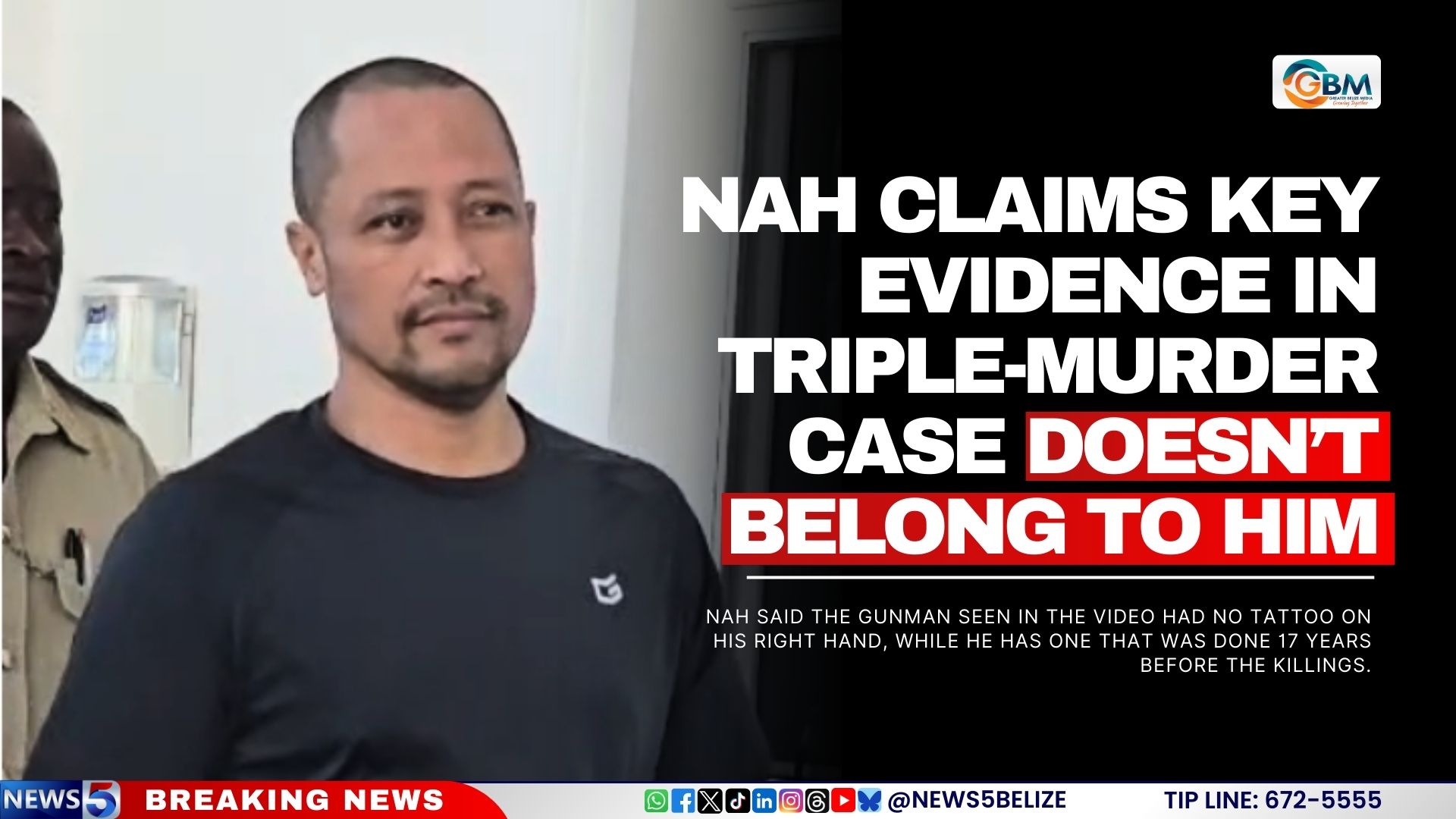
    In a significant development within a high-profile triple-homicide case, defendant Elmer Nah presented a comprehensive 27-minute statement from the dock vehemently denying all allegations against him. The 40-year-old accused directly challenged the prosecution’s physical evidence during proceedings presided over by Justice Nigel Pilgrim, who had previously dismissed a no-case submission requiring Nah to formally address all three murder charges.

    Nah’s defense centered on discrediting key evidentiary elements that the court had earlier ruled admissible. These included forensic items allegedly recovered from his vehicle—specifically a pair of boots and a headlamp purportedly worn during the crimes—alongside the witness testimony of the deceased Vivian Ramnarace.

    The defendant provided detailed counterarguments regarding the disputed footwear evidence, asserting that the boots presented in court differed substantially from his own. Nah clarified that his actual boots featured distinctive black and orange coloring, contrary to the all-black evidentiary pair submitted by prosecutors.

    Further contesting visual evidence, Nah highlighted anatomical discrepancies between himself and the shooter captured on surveillance footage. He emphasized that the visible gunman lacked any right-hand tattoo, whereas he himself bears a prominent tattoo acquired seventeen years prior to the incident. Nah maintained that enhanced video analysis could potentially identify the true perpetrator and urged the state to ensure judicial fairness through factual evidence rather than speculative conclusions.

    The defense strategy notably relied exclusively on Nah’s dock statement without calling additional alibi witnesses. Judicial proceedings have now been adjourned until March 13, 2026, when both parties will reconvene for oral arguments preceding the judge’s final deliberations.

  • LVV waarschuwt telers Commewijne en Marowijne voor cassaveziekte

    LVV waarschuwt telers Commewijne en Marowijne voor cassaveziekte

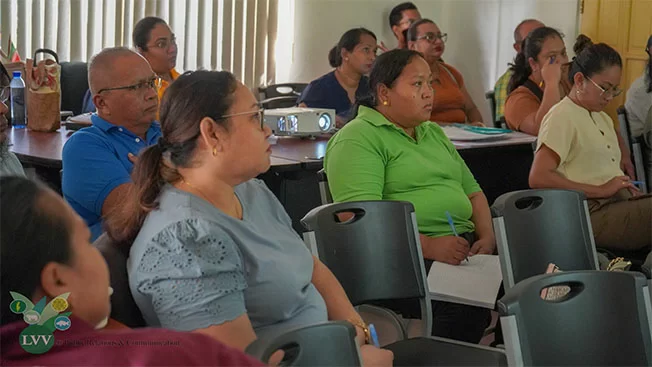
    The Ministry of Agriculture, Animal Husbandry and Fisheries (LVV) in Suriname has escalated its educational outreach across eastern regions to combat the further spread of Cassava Witches’ Broom Disease. Specially trained agricultural advisors are now deployed to provide timely guidance to farmers on managing this devastating crop infection.

    This aggressive plant disease causes severe growth abnormalities in cassava plants, resulting in stunted development and significantly reduced yields. Infected specimens exhibit distinct deformities across leaves, stems, and root systems. Given cassava’s critical role as a staple food source, LVV officials have identified the pathogen as a dual threat to both national food security and agricultural livelihoods.

    The comprehensive awareness campaign currently focuses on regions including Commewijne and Marowijne, where field technicians educate cultivators on symptom identification and contamination containment strategies. The program incorporates analysis of the disease’s sector-wide impact while integrating practical insights from farming communities.

    Current containment protocols emphasize regular plantation monitoring and strict prevention of plant material transportation from infected zones. Upon confirmation of infection, authorities recommend immediate burning of affected cassava stems to prevent pathogen transmission.

    Farmers and concerned citizens can access additional information and support through regional LVV offices across Suriname.

  • Dr. Linroy Christian Elected Vice-Chair of Global Plastics Treaty Talks

    Dr. Linroy Christian Elected Vice-Chair of Global Plastics Treaty Talks

    The United Nations Mission of Antigua and Barbuda has announced the election of Dr. Linroy Christian as Vice-Chair of the Intergovernmental Negotiating Committee’s fifth session (INC-5.3), marking a significant development in global environmental diplomacy. This appointment comes at a critical juncture in international efforts to establish a comprehensive, legally binding framework addressing plastic pollution worldwide.

    The Intergovernmental Negotiating Committee bears the responsibility of formulating an international instrument capable of mitigating plastic contamination across terrestrial and marine ecosystems. For Small Island Developing States such as Antigua and Barbuda, the plastic pollution crisis represents an existential threat that disproportionately affects their environmental security, economic stability, and community resilience.

    Plastic pollution continues to endanger marine biodiversity, compromise ocean health, undermine sustainable livelihoods, and weaken the adaptive capacity of vulnerable coastal populations. The escalating crisis demands immediate, coordinated multinational action to develop effective regulatory mechanisms.

    Dr. Christian’s election recognizes his extensive advocacy and diplomatic leadership in addressing this pressing environmental challenge. The Antiguan delegation expressed confidence in his ability to support Chair Ambassador Julio Cordano in steering negotiations toward substantive, ambitious outcomes during this decisive phase of treaty development.

    The recent diplomatic transition also saw First Secretary Asha Challenger concluding her bureau representation after being elected Vice President in 2023. While relinquishing her bureau and rapporteur positions, Challenger maintains active involvement in the negotiation process, ensuring continuity of Antigua and Barbuda’s diplomatic engagement.

    With both officials demonstrating exceptional commitment to environmental governance, Antigua and Barbuda reinforces its strategic positioning within global conservation efforts. The nation continues to advocate vigorously for robust international cooperation to protect marine ecosystems and ensure environmental sustainability for future generations.

  • POLL: Best Dominica 2026 Calypso

    POLL: Best Dominica 2026 Calypso

    The vibrant musical culture of Dominica is currently in the spotlight as the nation engages in an interactive poll to crown the Best Calypso of 2026. This democratic initiative invites calypso enthusiasts and the general public to actively participate in determining which artist and composition will reign supreme in this year’s musical landscape.

    The voting mechanism is designed for maximum accessibility and engagement. Participants are instructed to hierarchically rank their preferred calypso tracks, positioning their ultimate favorite at the apex of their list. The process culminates with a simple click of the ‘Vote’ button, officially registering their artistic preferences.

    Organizers have implemented a strict electoral timeline, with all votes requiring submission before the precise cutoff of Thursday, February 12 at 6:15 PM. This creates a sense of urgency while ensuring the integrity of the voting process. The campaign strongly emphasizes community involvement through social sharing, encouraging participants to distribute the poll among their networks to amplify their preferred calypsonian’s chances.

    The underlying message transcends mere musical preference—it represents a cultural assertion where every vote contributes directly to shaping Dominica’s contemporary musical narrative. This initiative transforms passive appreciation into active cultural participation, allowing the collective voice of the people to ultimately determine which calypsonian will capture the coveted 2026 title.

  • LETTER: The dry weather community’s continued cry for help Donovan’s Estate

    LETTER: The dry weather community’s continued cry for help Donovan’s Estate

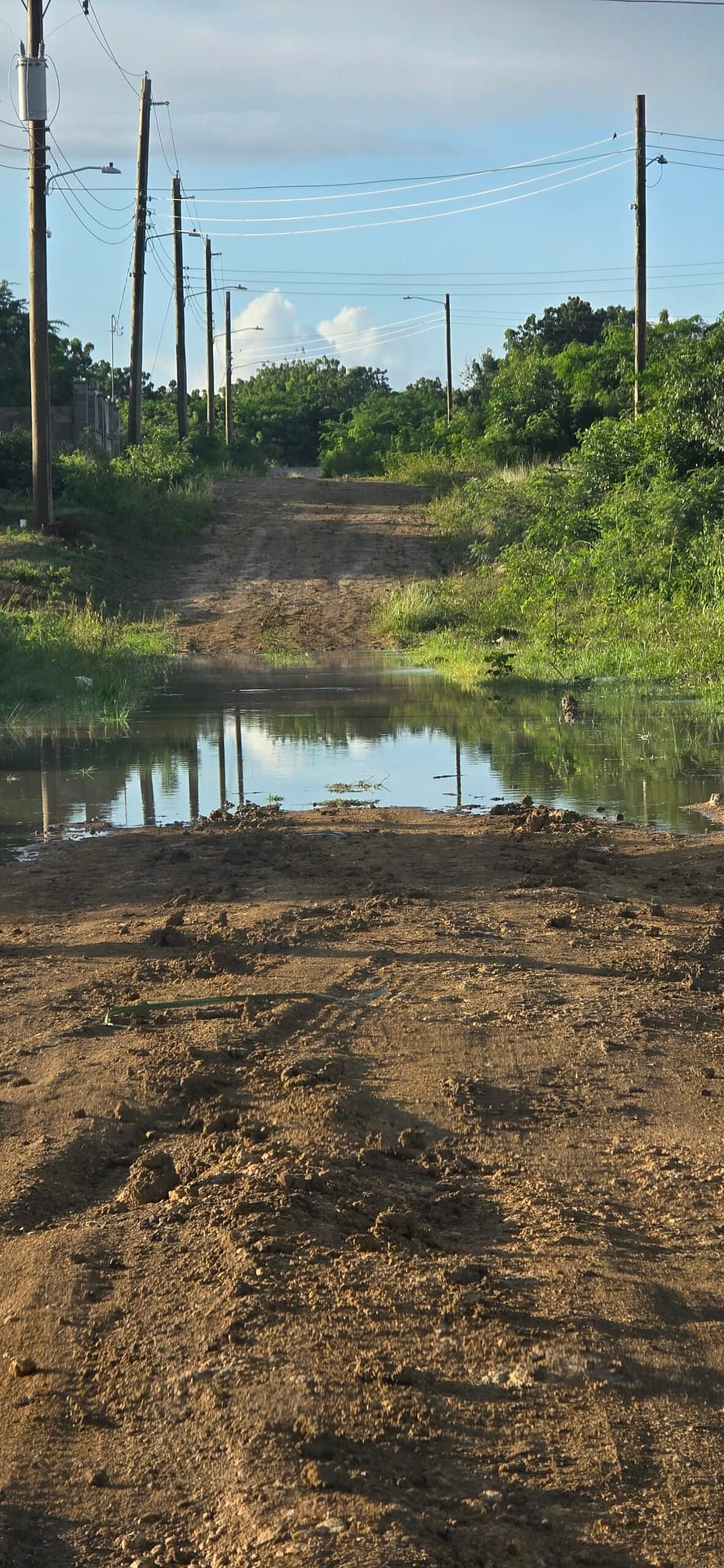
    Residents of Donovan’s Estate have issued a scathing indictment of government authorities over the deteriorating infrastructure conditions in their community, highlighting how recent interventions have worsened rather than alleviated their five-year ordeal.

    The situation reached a critical point when truckloads of construction materials were dumped indiscriminately across multiple access roads, effectively reducing community entry to a single point. This haphazard approach has created dangerous obstacles for property owners, construction vehicles, and emergency services, raising serious safety concerns.

    The crisis stems from the Land for Youth Initiative launched nearly five years ago, through which the government sold parcels to young citizens with contractual promises of complete infrastructure development. According to purchase agreements, the Vendor—representing government interests—was obligated to install lighting, water systems, and proper road networks. To date, these commitments remain largely unfulfilled, with road construction incomplete and water access nonexistent.

    Community representatives report years of frustrated attempts to engage Minister Turner’s office through calls and messages, all met with official silence. The property owners emphasize they have upheld their financial commitments in good faith while the government has consistently failed to honor its contractual obligations.

    With electoral periods approaching, residents question the expectation of political participation when basic governance promises remain broken. The community demands immediate, competent action—specifically the proper leveling of already-dumped materials to create stable road surfaces and a transparent timeline for project completion—rather than cosmetic measures that further complicate daily life.

    The unfolding situation at Donovan’s Estate represents a critical test of governmental accountability and the fulfillment of public commitments to citizen investors.

  • Placencia Says “No Funding”: Sargassum Control Left to Property Owners

    Placencia Says “No Funding”: Sargassum Control Left to Property Owners

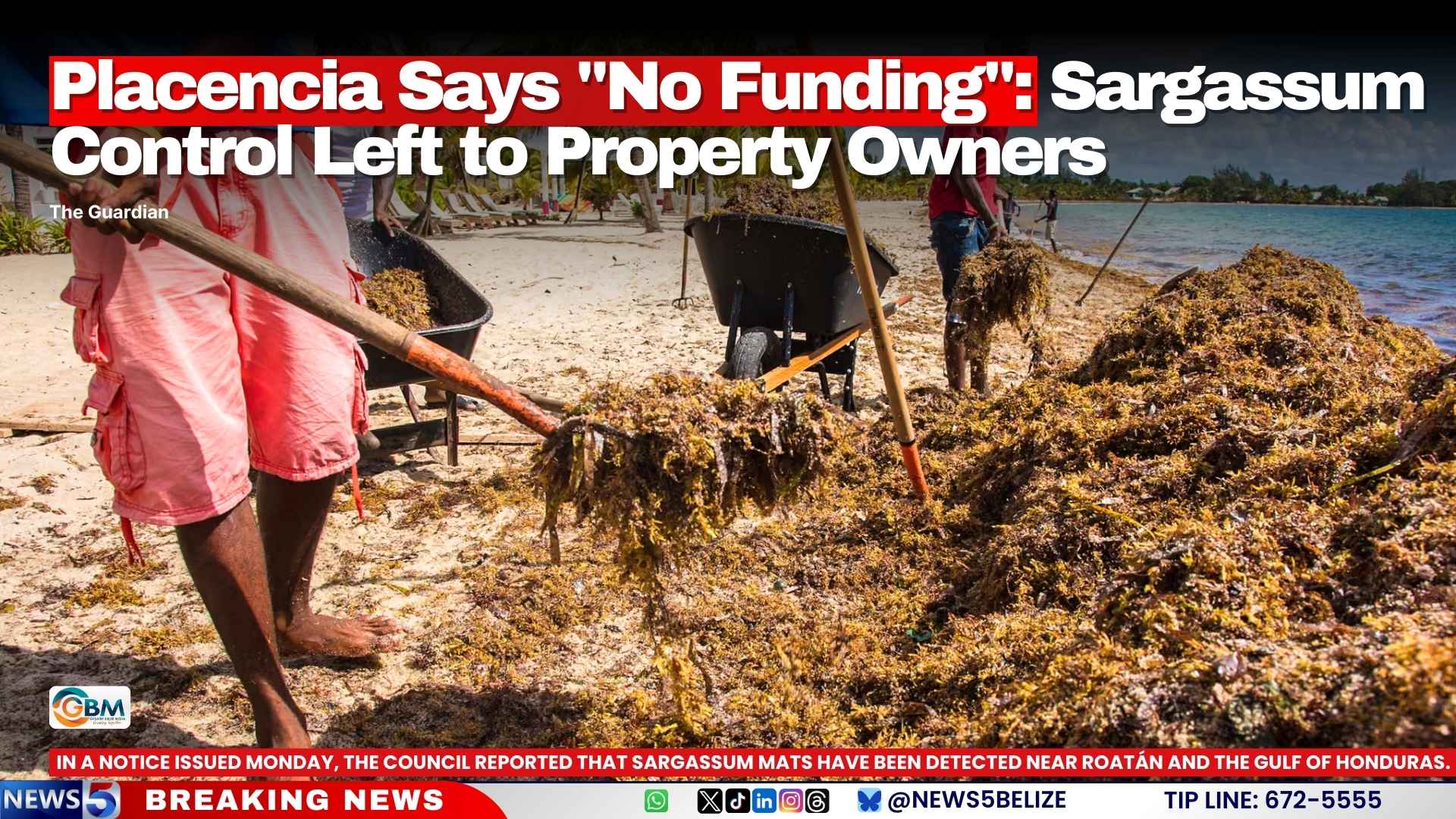
    The Placencia Village Council has issued an urgent advisory to coastal property owners and tourism operators, alerting them to prepare for potential sargassum inundations along southern Belize’s shoreline within days. This warning comes as satellite monitoring confirms substantial seaweed mats accumulating near Roatán and throughout the Gulf of Honduras.

    According to current meteorological projections, these sargassum formations are expected to remain offshore until Thursday. However, council officials emphasized the inherent unpredictability of marine patterns, noting that beaching events could manifest over the weekend extending into early next week.

    In a significant policy shift, the council explicitly stated it lacks dedicated funding for seaweed removal operations. This financial constraint compels beachfront resorts, hotels, restaurants, and private homeowners to implement autonomous containment and cleanup strategies without municipal support.

    The Belize National Meteorological Service’s latest assessment presents a cautiously optimistic short-term outlook, indicating only limited sargassum presence immediately adjacent to Belize’s territorial waters. Despite this, Placencia maintains a medium-probability impact rating, recognizing the volatile nature of marine current patterns.

    This development highlights the growing environmental governance challenges facing Caribbean nations, where recurrent sargassum blooms increasingly threaten tourism-dependent economies and local ecosystems. The absence of institutional support mechanisms places unprecedented responsibility on private stakeholders to address these marine incursions independently.

  • Millet/Vannard champions of John Estephane Veterans Tournament

    Millet/Vannard champions of John Estephane Veterans Tournament

    In a spectacular display of cricketing prowess, the Millet/Vannard squad emerged victorious in the championship final, overpowering the previously undefeated Babonneau Minibus team on Saturday, February 7th at Balata Playing Field. The highly anticipated match drew significant attention, including the presence of government officials, with the minister himself among the captivated spectators.

    The championship clash featured two exceptionally skilled teams that had demonstrated outstanding performance throughout the tournament. Babonneau Minibus entered the final match with an impeccable unbeaten record, setting the stage for an intense battle for supremacy.

    Batting first, Babonneau Minibus posted a total of 124-7 during their allocated overs. Their innings was highlighted by Alvin Lafeuille’s remarkable performance, scoring 64 runs from just 49 deliveries. Despite Lafeuille’s impressive contribution, the team struggled with insufficient support from other batsmen, resulting in a below-par total.

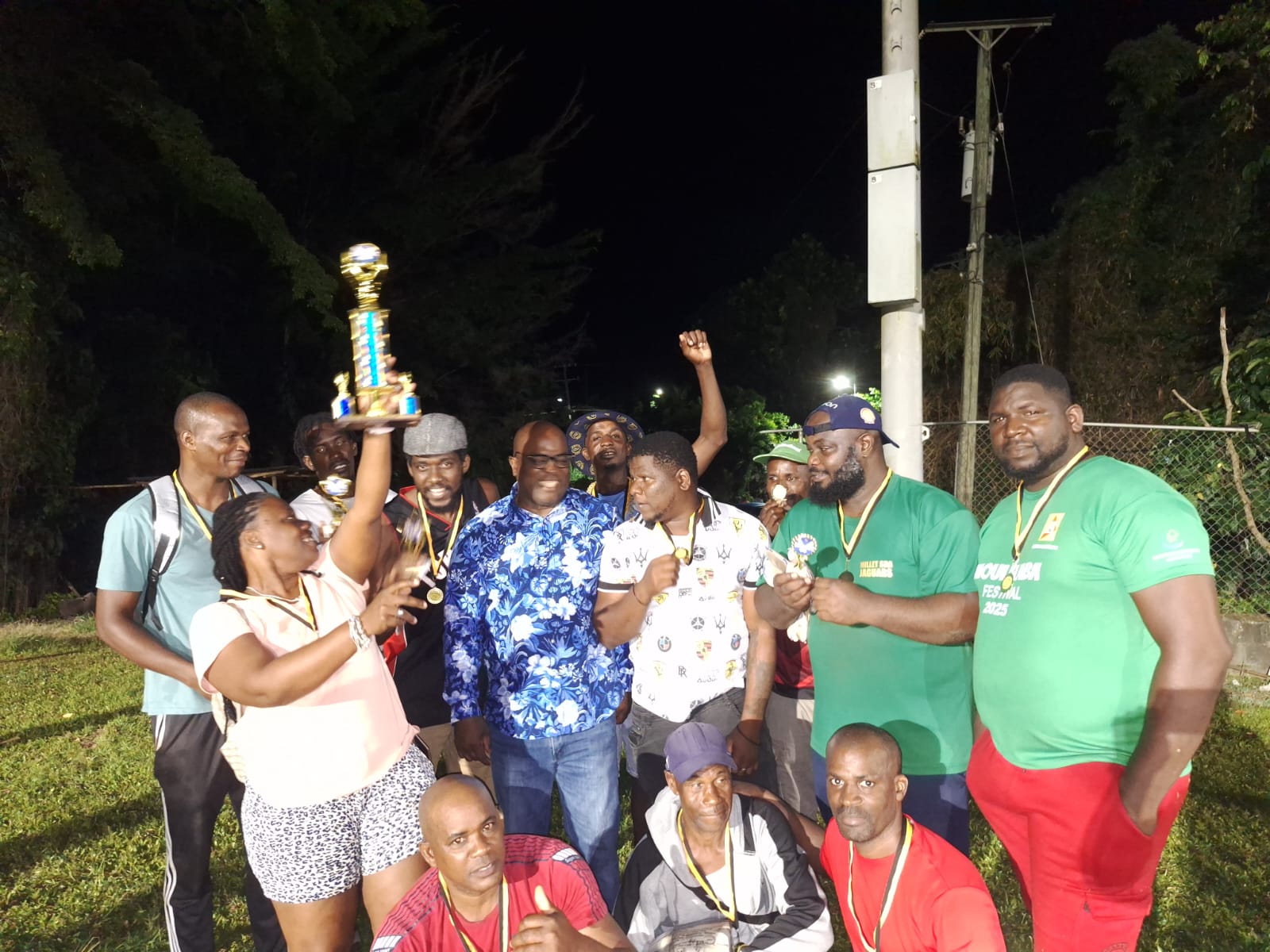
    Millet/Vannard responded with exceptional batting efficiency, successfully chasing down the target in merely 10 overs while losing only two wickets. Team captain Kemrol Charles delivered an outstanding leadership performance, scoring 48 runs from 31 balls to secure his team’s victory. The triumph earned Millet/Vannard the championship trophy accompanied by a $1,000 cash prize, while runners-up Babonneau Minibus received $500.

    Following the exhilarating match, organizers conducted an awards ceremony recognizing tournament standouts:

    – Finals MVP: Xavier Gabriel (Millet/Vannard)
    – Tournament’s Highest Run-Scorer: Josean Ghirawhoo (Labayee)
    – Four-Wicket Hauls Achievement: Alvin Lafeuille (Babonneau Minibus)
    – Most Wickets Taken: Jerry Remy (Babonneau Minibus)
    – Tournament MVP: Shervon Joseph (Babonneau Minibus)

  • Anse La Raye bragging rights for Lawrence House

    Anse La Raye bragging rights for Lawrence House

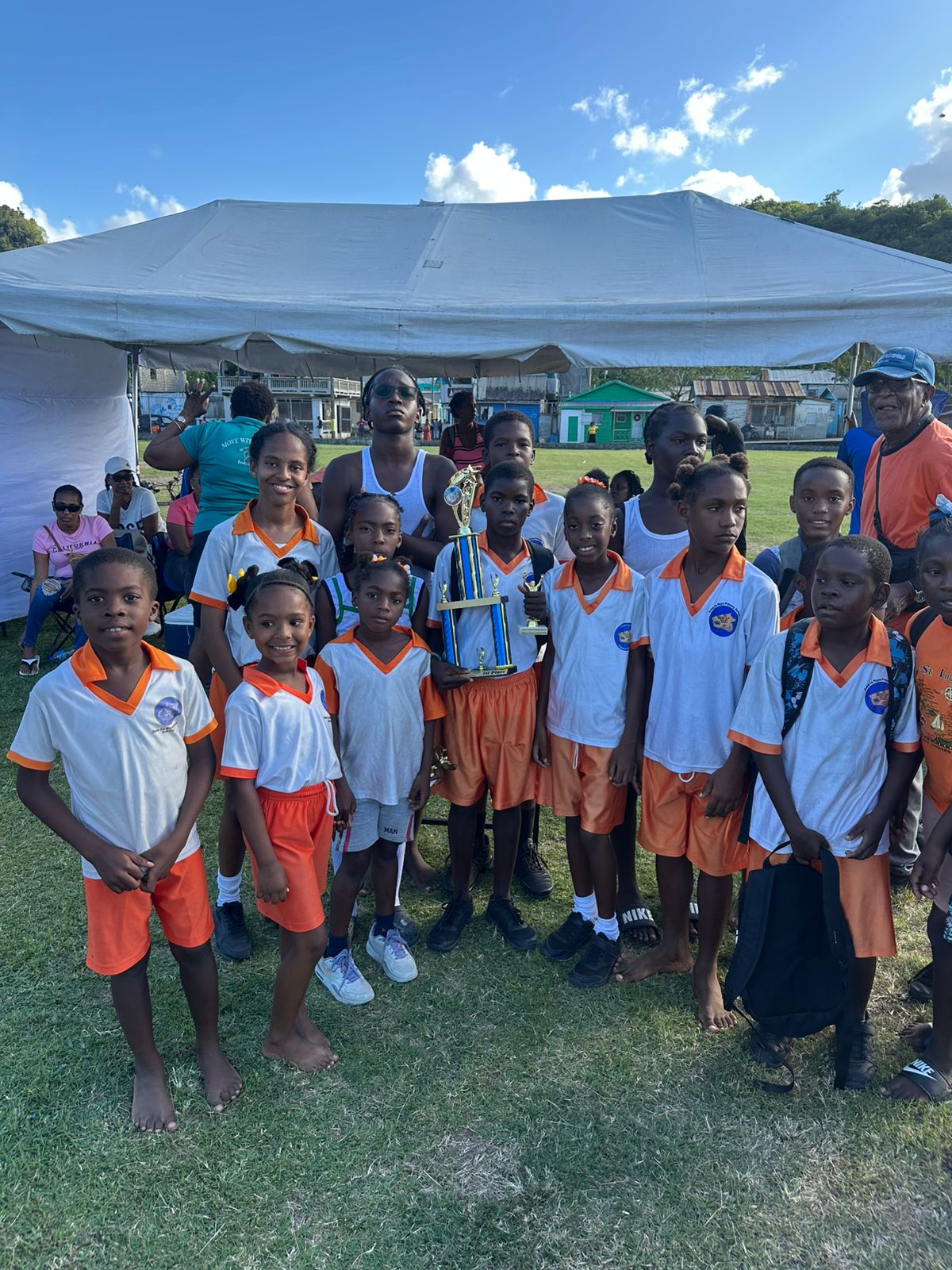
    In a dramatic reversal of fortunes, Lawrence House captured the championship title at the annual inter-house track meet held at Anse La Raye Playing Field on Friday, February 6th. The victory was secured by a razor-thin margin of just two points, dethroning the defending champions, Samuel House, who finished with 358 points against Lawrence’s winning total of 360. Robinson House completed the lineup in third place with 330 points.

    The triumph was spearheaded by the exceptional performance of Lawrence’s Under-13 boys’ squad, which achieved a clean sweep of all five individual gold medals. Jedd Desir emerged as a standout athlete with dominant wins in the 300m and 1200m events. Taj Stephen claimed gold in the 600m and added two bronze medals in the 150m and 300m, while the 80m event featured a Lawrence one-two finish with Liam Henry and Janach Mitchel, the latter also securing victory in the 150m.

    Further bolstering Lawrence’s score was Zandra Seraphin, a member of the 2025 District 4 team, who delivered a stellar performance with three gold medals in the Under-13 girls’ 300m, 600m, and 1000m races. The Under-11 division also saw strong showings from Lawrence, with Jaycee Alphonse dominating the 80m and 150m sprints and Edwin Cadasse taking the 600m title.

    Robinson House remained competitive through standout athletes like Harmony Leonty, who secured a triple victory in the Under-11 girls’ 80m, 150m, and 600m events. The relay competitions ultimately decided the closely contested meet. Samuel House won both girls’ relays (4x100m and 4x300m) and secured silver in both boys’ relays. However, Lawrence’s victories in the two boys’ relay events provided the critical points needed to lift the championship trophy. Physical education teacher Bobby Robutte commended the event, noting, “We started a little late, but everything went well. No injuries, and the kids were energetic.”