博客

  • Ministry of Education names 2026 CSEC awardees

    Ministry of Education names 2026 CSEC awardees

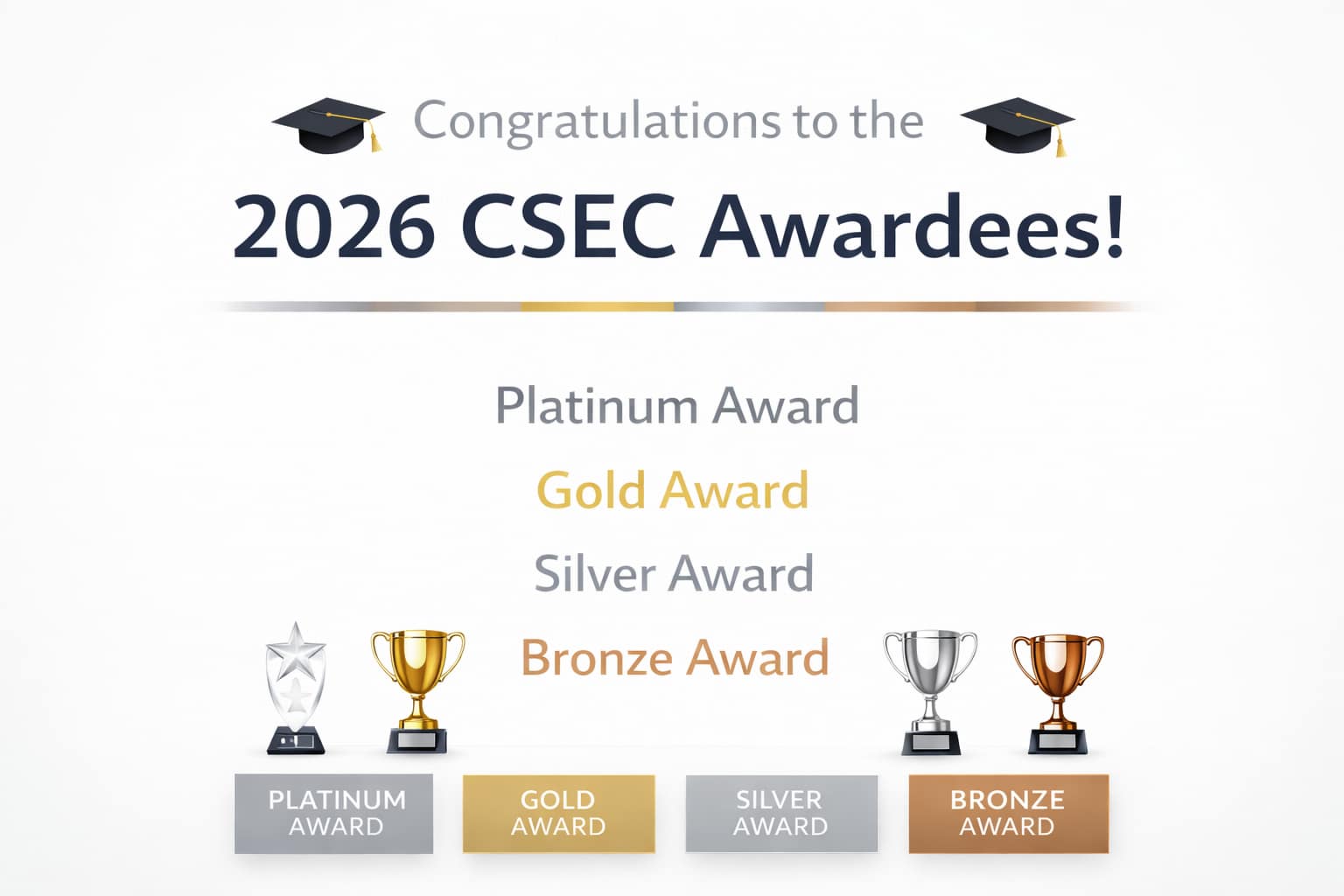
    The Ministry of Education, Sports and Creative Industries has officially unveiled the distinguished recipients of academic honors in the 2026 Caribbean Secondary Education Certificate (CSEC) examinations. In collaboration with ACB Caribbean, the ministry has identified exceptional students across four tiers of achievement: Platinum, Gold, Silver, and Bronze awards, recognizing what officials have characterized as exemplary scholarly performance.

    The comprehensive roster of awardees, developed through the strategic partnership with ACB Caribbean, highlights the region’s most accomplished secondary education students. These academically gifted individuals are slated to receive formal recognition during the prestigious 2026 ACB Caribbean CSEC Awards Ceremony, which is calendared for June of the coming year.

    Beyond celebrating student accomplishment, the ministry extended commendation to the supportive ecosystem that facilitated these achievements. Special acknowledgment was given to parents, educators, and entire school communities for their instrumental roles in nurturing academic excellence and providing the necessary foundation for student success.

    Additional information regarding the upcoming ceremony, including specific dates, venue details, and ceremonial protocols, will be communicated to the public in subsequent announcements. The ministry also confirmed that the presentation of the 2026 Certificate of National Recognition recipients will coincide with the awards event, further highlighting educational excellence across the Caribbean region.

  • Village Chairman Discovers Friend’s Body in Mopan River

    Village Chairman Discovers Friend’s Body in Mopan River

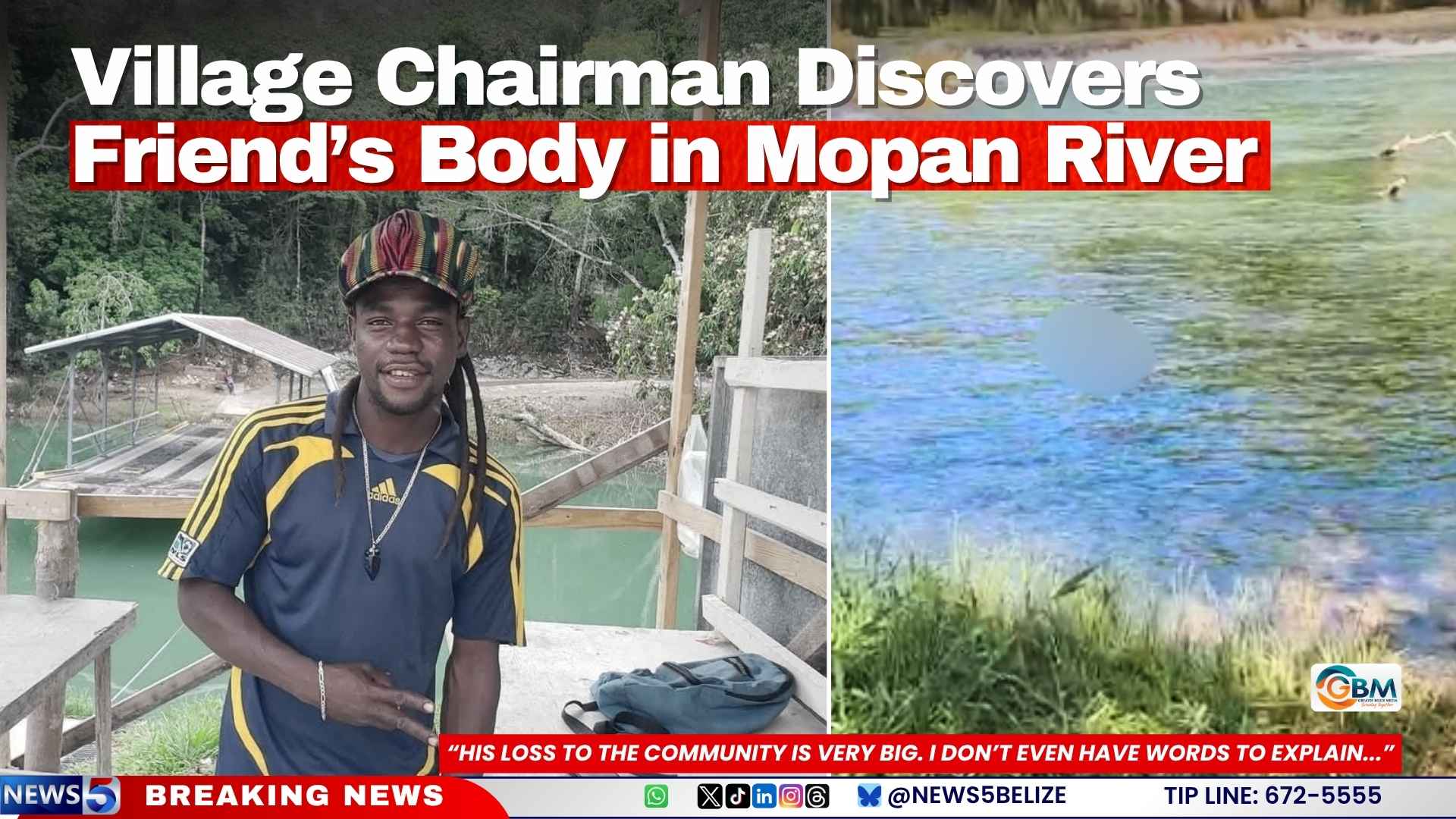
    In a devastating turn of events, the body of 35-year-old Hector Mejía, locally known as “Buye,” was recovered from the Mopan River near San José Succotz on Tuesday morning. The discovery was made by village chairman Armando Ventura Cocom under tragic circumstances that have shaken the small community.

    According to official accounts, Mejía was last seen alive on Sunday in the neighboring town of Benque Viejo. Chairman Cocom reported that the deceased had been socializing with friends and consuming alcoholic beverages prior to his disappearance. “Before he went missing, he was seen being gathered with some friends and taking some drinks,” Cocom stated in his preliminary account.

    The search for Mejía began earnlessly on Monday when Chairman Cocom utilized social media platforms to mobilize community efforts, requesting any information that might aid in locating the missing man. The breakthrough came unexpectedly during Cocom’s routine taxi drive between Benque Viejo and San José Succotz at approximately 8:15 AM on Tuesday, when he spotted a body floating in the river.

    The emotional toll on Chairman Cocom has been profound, given his personal relationship with the deceased. The two men had collaborated on various community initiatives, forging a bond beyond their official capacities. “It was very sad. It was heartbreak. I went in tears also,” Cocom expressed, visibly affected by the traumatic discovery.

    Mejía’s contributions to community life were highlighted in subsequent remarks, with Cocom emphasizing his recent voluntary work during the village’s cultural celebrations. Described as “very amicable” and “very happy,” Mejía appears to have been a beloved figure whose absence will be deeply felt. “His loss to the community is very big. I don’t even have words to explain,” Cocom added.

    Local authorities have launched a comprehensive investigation into the circumstances surrounding Mejía’s death. While preliminary findings suggest no immediate evidence of foul play, officials have declined to release further details pending completion of forensic examinations and ongoing investigative procedures.

  • Belize Moves Towards Better, Safer, More Accessible Tourism Standards

    Belize Moves Towards Better, Safer, More Accessible Tourism Standards

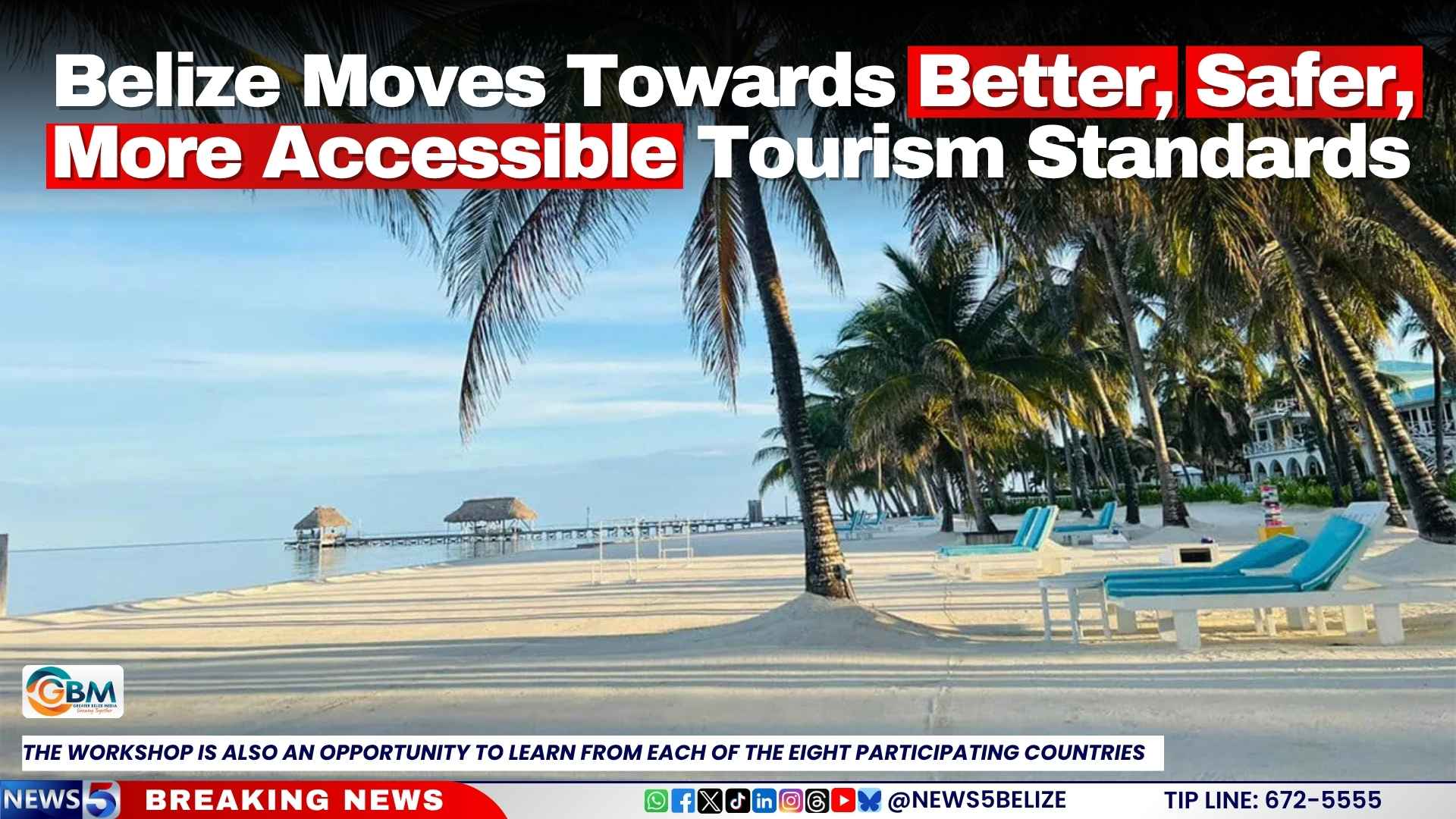
    Belize City has become the epicenter of regional tourism development this week as it hosts a pivotal four-day workshop focused on elevating industry standards across Central America and the Dominican Republic. The gathering, which concludes Friday, brings together tourism authorities and certification auditors from eight participating nations to establish unified benchmarks for sustainable tourism practices.

    The collaborative initiative, jointly organized by Belize’s Ministry of Tourism, Sports, and Diaspora Relations and the Secretariat for Central American Tourism Integration (SITCA), specifically targets the enhancement of small and medium-sized tourism enterprises. Through this program, local operators will gain pathways to obtain internationally recognized certifications that validate their operational excellence.

    Chief Tourism Officer Josue Carballo emphasized the transformative potential of this standardization effort. “Many private entities already implement commendable practices, but this initiative creates a consistent quality baseline across the industry,” Carballo stated. “This alignment provides proper recognition for private sector efforts and elevates them to certification status, particularly benefiting MSMEs across diverse regions.”

    Ligia Miranda, Executive Secretary of SITCA, highlighted the regional cooperation aspect of the workshop. “Quality and accessibility should transcend national boundaries,” Miranda explained. “Whether visitors are examining hotel accommodations during peak season or requiring disability access provisions, we aim to ensure uniform standards throughout the region. This guarantees that travelers can fully experience tourist destinations regardless of which country they visit.”

    The workshop represents a significant step toward establishing comprehensive tourism standards that address multiple facets of traveler experience, including safety protocols, service quality, accessibility features, and sustainability measures across Central American tourism destinations.

  • Blossom Dominica to host upcoming fashion event with a nod to Afro-Caribbean innovation

    Blossom Dominica to host upcoming fashion event with a nod to Afro-Caribbean innovation

    Roseau, Dominica – Blossom Dominica, a prominent fashion house specializing in traditional attire, is preparing to unveil its highly anticipated Afro-Caribbean Fashion Extravaganza 2026. Under the thematic banner “Going for Gold – The Journey of a Thousand Miles,” the event promises an immersive fusion of historical narrative, cultural expression, and sartorial innovation.

    Scheduled for April 11, 2026, at The Realm in Roseau, the production builds upon the resounding success of previous editions with ambitions for expanded scale and enhanced vibrancy. The evening’s program will transport attendees through a multidimensional experience combining runway presentations, high-energy performances, spoken word artistry, and interactive installations.

    The fashion segment will showcase the evolution of Afro-Caribbean design, featuring both traditional garments rooted in ancestral heritage and contemporary interpretations reflecting modern Caribbean excellence. This sartorial journey will illustrate the region’s cultural transformation while honoring its historical roots.

    The event will convene designers, models, performers, and creative professionals from across Dominica and the broader Caribbean region. Organizers promise unexpected performances and participatory elements designed to foster an atmosphere of cultural unity and creative collaboration.

    Kimara Matthew, founder and creative director of Blossom Dominica, articulated the vision behind the production: “This event embodies growth, resilience, and excellence. ‘Going for Gold’ transcends mere theme status—it represents a mindset that mirrors our collective journey as a people. We’re elevating every component to create an unforgettable experience that honors our cultural roots while striving for artistic greatness.”

    The Extravaganza aims to celebrate Caribbean identity through its examination of both historical struggles and contemporary achievements, offering attendees a comprehensive perspective on the region’s cultural legacy and its ongoing evolution in the global fashion landscape.

  • Labour Department Corrects 2026 Public Holiday List, Updates National Day of Prayer Date

    Labour Department Corrects 2026 Public Holiday List, Updates National Day of Prayer Date

    The Government of Antigua and Barbuda has issued an official correction to its 2026 public holiday schedule after discovering an error in previous publications. The Labour Department, operating under the Ministry of Legal Affairs, Public Safety, Immigration & Labour, announced that the date for the National Day of Prayer was incorrectly listed in Official Gazette numbers 60 and 61.

    The corrected schedule now establishes September 10th, 2026, as the official observance date for the National Day of Prayer. This adjustment comes as part of the nation’s compliance with the Public Holidays (Amendment) Act of 2005, which governs the official recognition of national holidays.

    The comprehensive 2026 public holiday calendar includes thirteen designated days: New Year’s Day (January 1), Good Friday (April 3), Easter Monday (April 6), Labour Day (May 4), Whit Monday (May 25), Carnival Monday (August 3), Carnival Tuesday (August 4), National Day of Prayer (September 10), Independence Day (November 1), V.C. Bird Day (December 9), Christmas Day (December 25), and Boxing Day (December 26).

    Notably, the government has clarified that Independence Day will be observed on Monday, November 2nd, 2026, creating a long weekend for citizens. This practical adjustment follows the common practice of moving holiday observances to adjacent weekdays when they fall on weekends.

    The Labour Commissioner’s office has emphasized the importance of this correction for both public and private sector planning, ensuring that businesses, government agencies, and citizens can appropriately schedule activities around the officially recognized holidays.

  • Belize, Guatemala and Mexico Talk Protection of Maya Forest

    Belize, Guatemala and Mexico Talk Protection of Maya Forest

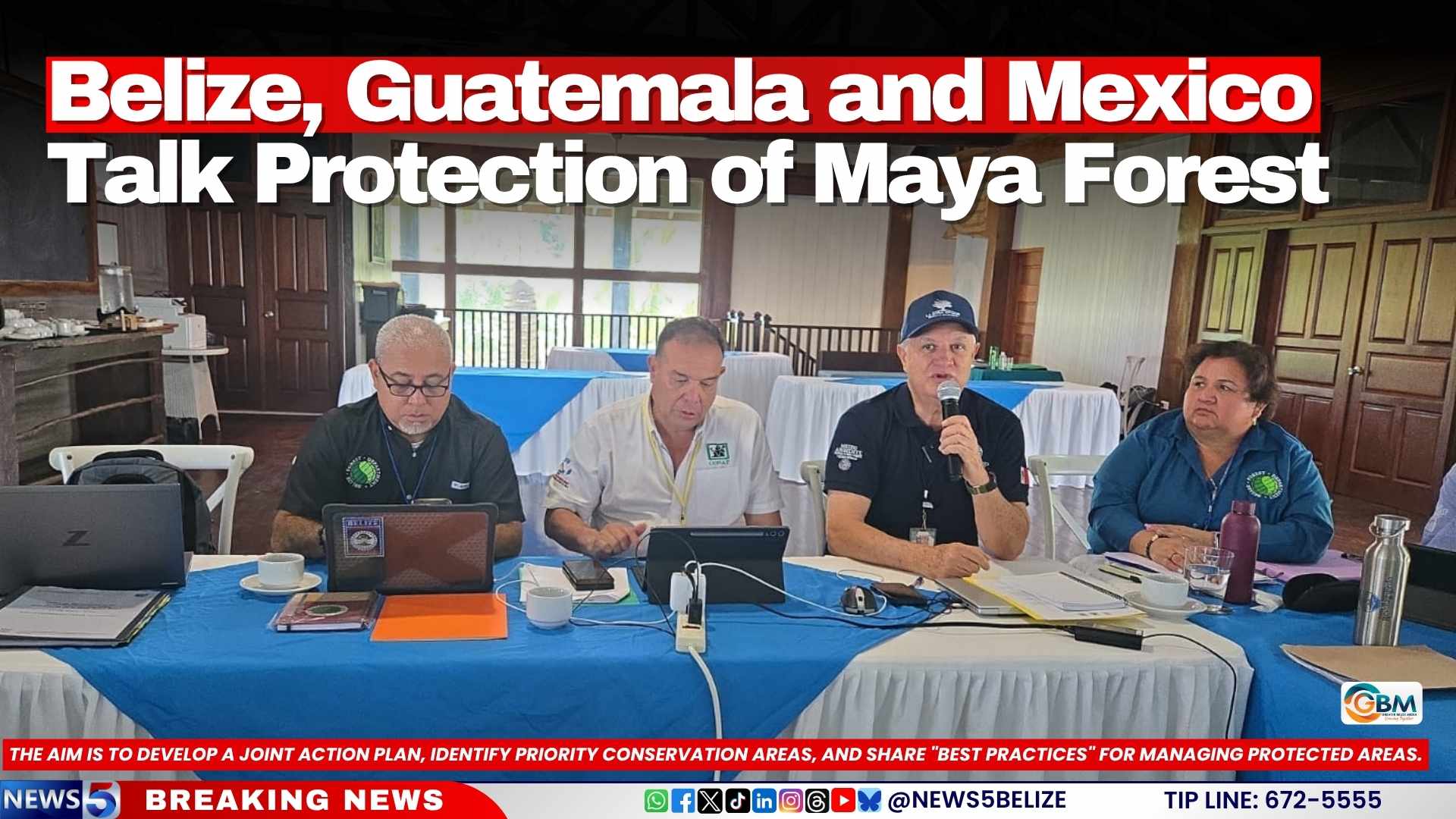
    In a significant environmental diplomacy move, Belize is currently hosting a pivotal trinational summit with neighboring Guatemala and Mexico to address the conservation of the Greater Maya Forest. The high-level workshop, taking place in Placencia from March 22-28, 2026, represents a coordinated effort to protect one of Central America’s most critical remaining tropical forest systems.

    Delegations from Belize’s Forest Department, Guatemala’s National Council of Protected Areas (CONAP), and Mexico’s National Commission of Natural Protected Areas (CONANP) are collaborating to develop a comprehensive joint action plan. The agenda focuses on identifying priority conservation zones, establishing cross-border protection protocols, and exchanging innovative management strategies for protected areas within this vital ecological corridor.

    Beyond conference room discussions, participants will engage in field expeditions to critical habitats including Mountain Pine Ridge and the Chiquibul Forest. These site visits are designed to provide firsthand understanding of the ecological challenges and conservation needs within Belize’s diverse landscapes.

    Official statements from the Belize Forest Department emphasize that this collaborative initiative demonstrates the sustained commitment of all three nations to implement effective transnational conservation measures. The Greater Maya Forest represents not only a biodiversity hotspot but also a cultural heritage site of global significance, making its protection a regional priority with international implications.

    This trilateral cooperation marks a progressive approach to environmental governance, recognizing that ecological preservation requires coordinated efforts across national boundaries to address deforestation, habitat fragmentation, and climate change impacts effectively.

  • Who will be the next Police Commissioner? Ronald Phillip acting for now

    Who will be the next Police Commissioner? Ronald Phillip acting for now

    The Royal Saint Lucia Police Force faces a leadership transition as Deputy Commissioner Ronald Phillip assumes the role of Acting Commissioner pending the appointment of a permanent successor. This development follows the conclusion of Police Commissioner Verne Garde’s contract in March 2026, concluding his 18-month tenure as the nation’s top law enforcement official.

    Prime Minister Philip J. Pierre confirmed the interim arrangement during Monday’s pre-Cabinet press briefing, indicating that a definitive appointment would be finalized between April 1 and April 15. The announcement sets in motion a critical selection process for one of the nation’s most significant security positions.

    Commissioner Garde’s leadership period was marked by substantial operational achievements, most notably the largest confiscation of illegal firearms and ammunition in Saint Lucia’s recorded history. Official crime statistics from January to October 2025 further demonstrated an 18% reduction in overall criminal incidents compared to the corresponding period in 2024, signaling progress in the force’s crime reduction initiatives.

    Among Garde’s notable contributions was the development and presentation of a comprehensive “127 Steps to Order” operational blueprint, delivered to the Prime Minister earlier this year. This strategic document outlined multi-faceted approaches to combat criminal activity across the island nation, establishing a framework for continued security enhancements.

    The transition occurs at a pivotal moment for Saint Lucia’s law enforcement infrastructure, with the incoming commissioner expected to build upon recent gains while addressing persistent security challenges. The appointment process will likely consider both internal candidates and potential external applicants capable of advancing the force’s modernization and community engagement objectives.

  • Brazilian councilwoman highlights Cuba’s resistance

    Brazilian councilwoman highlights Cuba’s resistance

    A Brazilian municipal legislator has brought firsthand accounts of widespread hardship in Cuba back from an independent, self-funded solidarity trip to the Caribbean island, framing the crisis as a direct consequence of escalated US economic sanctions imposed by former President Donald Trump.

    Lourença, a city councilor from Belo Horizonte in the state of Minas Gerais and a member of Brazil’s Socialism and Freedom Party, traveled to Cuba outside of her official legislative duties to join an international collective of solidarity activists. During her visit, she documented conditions on the island for her followers on social media platform X, revealing that the delegation delivered critical donated supplies including sanitary towels and prescription medications to local communities.

    In her posts, Lourença painted a stark picture of daily life under the tightened US blockade, which has been in place in various forms for more than 60 years. She reported widespread shortages of essential pharmaceuticals, uncollected garbage piling up in urban streets, and widespread school absences among children whose families cannot cope with current economic conditions. Most alarmingly, she warned that neonatal intensive care units across the country’s public hospital system are at imminent risk of shutting down, endangering the lives of newborns and new mothers.

    Lourença tied this acute crisis directly to policy actions taken by Trump, who in January 29 of his term issued an executive order that labeled Cuba an “unusual and extraordinary threat” to US national security. The order authorized harsh new tariffs on any third country that sells or ships oil to the island, cutting off almost all of Cuba’s access to global energy supplies. As a result of this policy, Lourença reported that the island is plagued by widespread, prolonged blackouts, a development she called a deliberate component of what she frames as Trump’s authoritarian agenda for Latin America: rolling back progressive gains and erasing revolutionary symbolic movements that shape the modern history of many regional nations. “Donald Trump’s silent war is leading Cuba to collapse,” she wrote in one post.

    She emphasized that almost all medications currently reaching Cuban patients arrive only through international donation, a reality that underscores the urgent need for cross-border anti-imperialist organizing and regional solidarity. “The anti-imperialist struggle and Latin American solidarity have never been more important,” she added.

    Even amid the overwhelming economic hardship, however, Lourença highlighted the resilience of the Cuban population, noting that despite daily struggles, “the brave Cuban people continue to resist, praying, dancing and aware of their strength.” She added that during her trip, she encountered extraordinary warmth and determination among the communities she met, moments of beauty that reinforced her faith in collective regional power. “The situation is difficult, but I am also seeing beautiful things and meeting wonderful people, which keeps me believing in our strength,” she wrote.

    Lourença’s trip comes as a growing global movement of solidarity has emerged in response to the tightened sanctions. One major initiative, the Convoy Nuestra América, brought hundreds of activists and donated supplies from across the world to Havana starting last week, part of a broader wave of international mobilization to support the Cuban people amid the deepening crisis.
  • Granma 2 ship arrives in Cuba with solidarity from Mexico

    Granma 2 ship arrives in Cuba with solidarity from Mexico

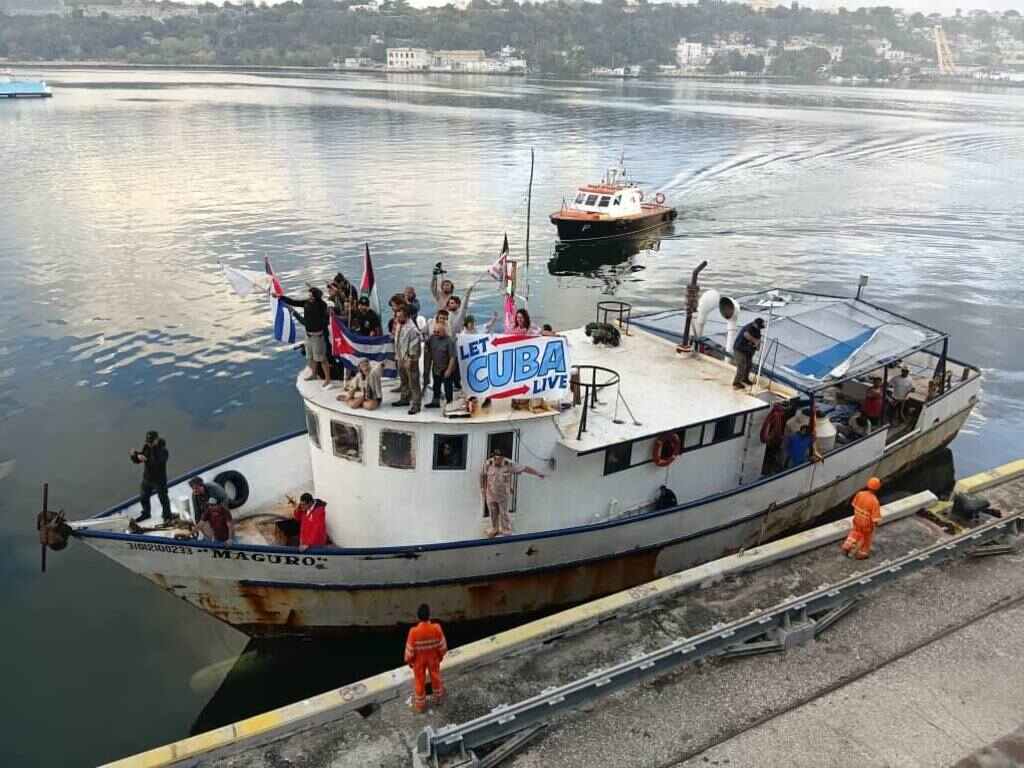
    In a striking show of grassroots cross-border solidarity, the first ship of an international civil society-led aid convoy has docked in Cuba, carrying tonnes of desperately needed assistance collected by grassroots organizations across the globe. The vessel, originally named Maguro but rebranded *Granma 2* by participating activists to honor the historic boat that brought the Cuban Revolution to power, holds 32 passengers hailing from a wide range of nationalities. Onboard, the cargo consists primarily of life-sustaining goods that directly address gaps created by long-standing international sanctions: staple foodstuffs, critical medical supplies, pharmaceutical products, and renewable energy infrastructure including solar panels.

    Leading the expedition is Thiago de Ávila, a prominent activist and social media influencer who has rallied broad public support for the mission. In remarks following the vessel’s arrival, Ávila made clear that the convoy would not yield to diplomatic or economic pressure from the United States, which has maintained sweeping sanctions on Cuba for decades. He emphasized that the mission stands in defense of fundamental global rights: the right to peace and self-determination for all peoples targeted by U.S. foreign policy, including Cubans, Venezuelans, Brazilians, Palestinians, Iranians, Yemenis, and all other communities facing Washington’s pressure. “The Cuban people have an inalienable right to live in peace,” Ávila stated, explaining that this principle is what drove the global grassroots mobilization behind the convoy.

    The *Granma 2* was welcomed at Havana Bay’s Cruise Terminal by local Cuban authorities and members of Convoy Nuestra América, a coordinating group that had previously arrived in the country by air to prepare for the convoy’s landing. Organizers confirmed that this first arrival is just the opening phase of the solidarity initiative, with additional aid-carrying vessels expected to dock in Cuba in the coming weeks as part of the ongoing convoy movement.

  • Costa Rica’s CBYLO challenges reduction of ties with Cuba

    Costa Rica’s CBYLO challenges reduction of ties with Cuba

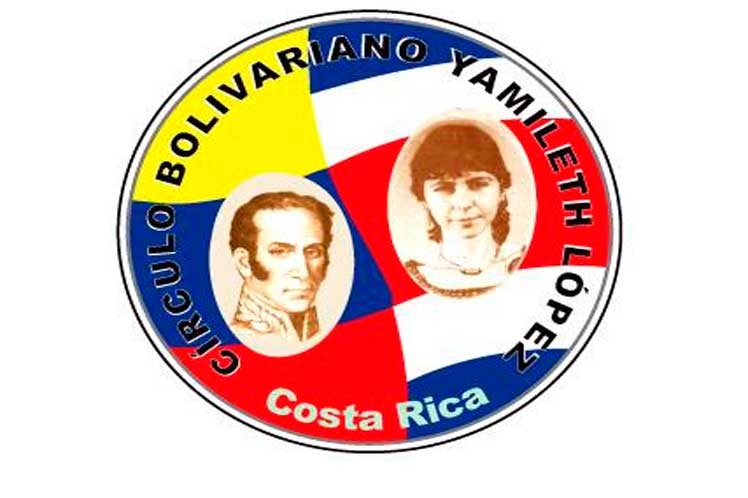
    A leading Costa Rican civil society organization has issued a sharp rebuke of the Costa Rican government’s recent decision targeting Cuba, labeling the move a diplomatically unjustified action that directly violates long-held international principles of cooperative engagement, sovereign equality and non-interference in the internal affairs of other states. The organization’s formal statement, first published by local Costa Rican publication Surcos magazine, makes clear that the group stands unwavering in solidarity with both the Cuban government and the Cuban people.

    The statement stresses that the Costa Rican government’s policy choice has dealt a significant blow to decades of friendly bilateral ties between the two Latin American nations, eroding deep historical connections that have bound their populations together for generations. Members of the organization, identified as CBYLO, frame this latest decision as part of a growing pattern of actions that run counter to both the principle of national self-determination and core democratic standards that the region has long championed.

    Surcos’ publication of the statement highlights the deep shared history between Costa Rica and Cuba, pointing to iconic 19th-century Cuban independence leaders Antonio Maceo and Jose Marti, both of whom spent time in Costa Rica during their struggles for Cuban sovereignty. These shared historical moments, the statement notes, are foundational to the cross-border bonds that unite the two peoples.

    Beyond rejecting the government’s decision, the organization categorizes the measure as a deliberate hostile act directed at the ordinary Cuban people. The statement extends explicit solidarity to the diplomatic team stationed at the Cuban Embassy in San José, reaffirming the organization’s long-standing support for the Caribbean island nation.

    To conclude, the statement calls for renewed unity across all Latin American peoples, joining the global call for an immediate end to the decades-long United States trade and economic blockade against Cuba, as well as all other unilateral coercive measures that inflict widespread harm on the Cuban population.