博客

  • Two Charged in Corozal for Cocaine Possession

    Two Charged in Corozal for Cocaine Possession

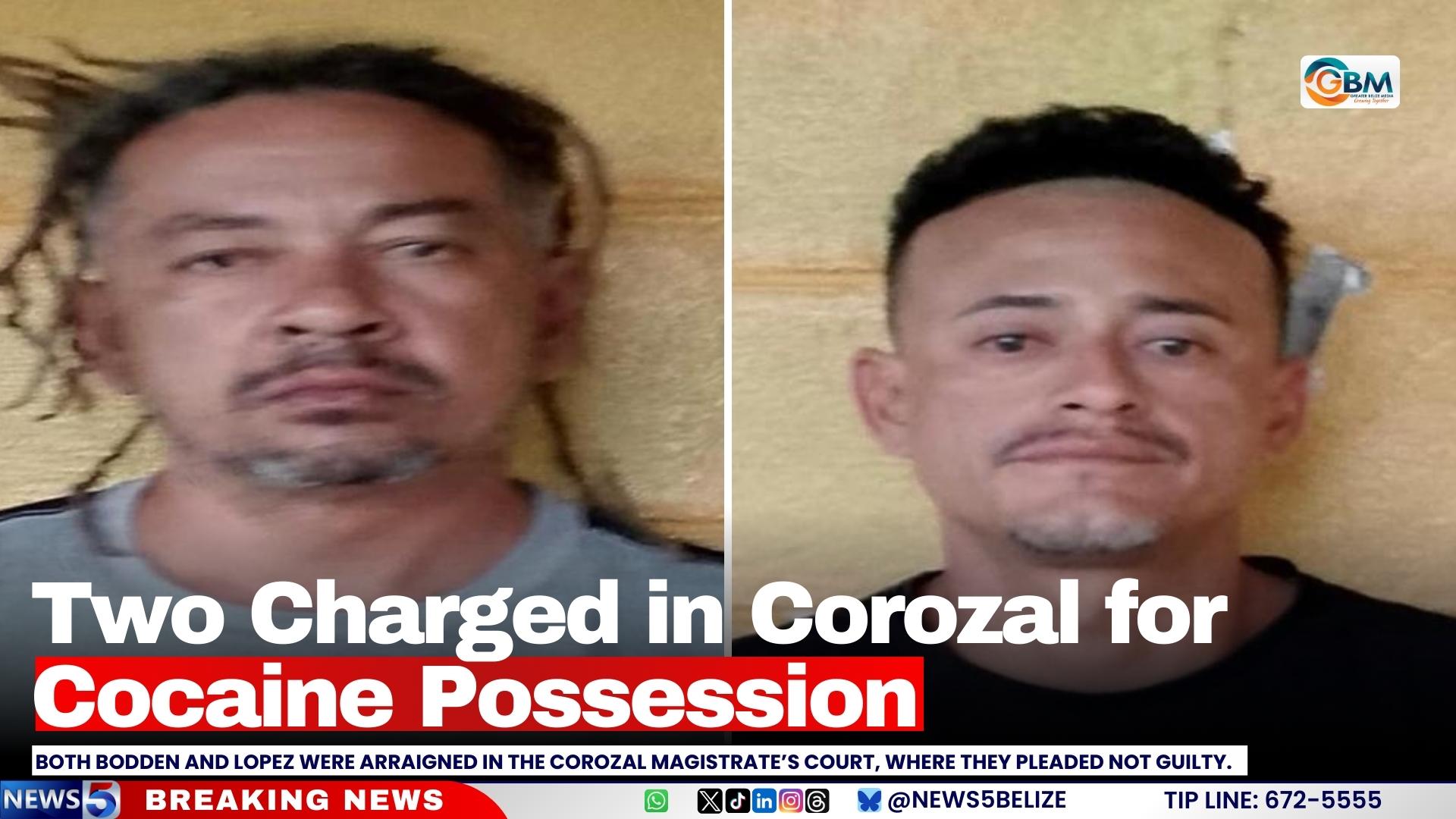
    In a significant anti-narcotics operation, Belizean authorities have apprehended and formally charged two individuals following the discovery of over 11 kilograms of cocaine in Corozal Town. The operation, conducted by a specialized police unit, unfolded on the morning of February 9, 2026, approximately at 8:00 a.m., when officers executed a judicially authorized search warrant at a local residence.

    The suspects identified in the case are 37-year-old Camille Bodden, reportedly unemployed, and 48-year-old Terrence Lopez, who works as a tour guide. Both are Belizean nationals and were present on the premises during the police intervention. The investigation led officers to a Nissan Rogue vehicle parked at the property’s entrance. A thorough search of the SUV revealed ten separate parcels containing a substance suspected to be cocaine. Subsequent forensic analysis confirmed the illicit material, with the total weight measured at 11,408 grams.

    Following their arrest, Bodden and Lopez were transported to the Corozal Magistrate’s Court for arraignment. During the court proceedings, both defendants entered pleas of not guilty to the charges of possession of a controlled substance with intent to supply. The presiding magistrate deliberated on the application for bail and ultimately denied release for both individuals, citing the substantial quantity of drugs involved and the severity of the charges. The judicial process has been postponed, with the case officially adjourned until May 12, 2026, allowing time for further investigation and preparation by the prosecution.
  • UDP Questions ‘Yellowman’ Detention as Politically Motivated

    UDP Questions ‘Yellowman’ Detention as Politically Motivated

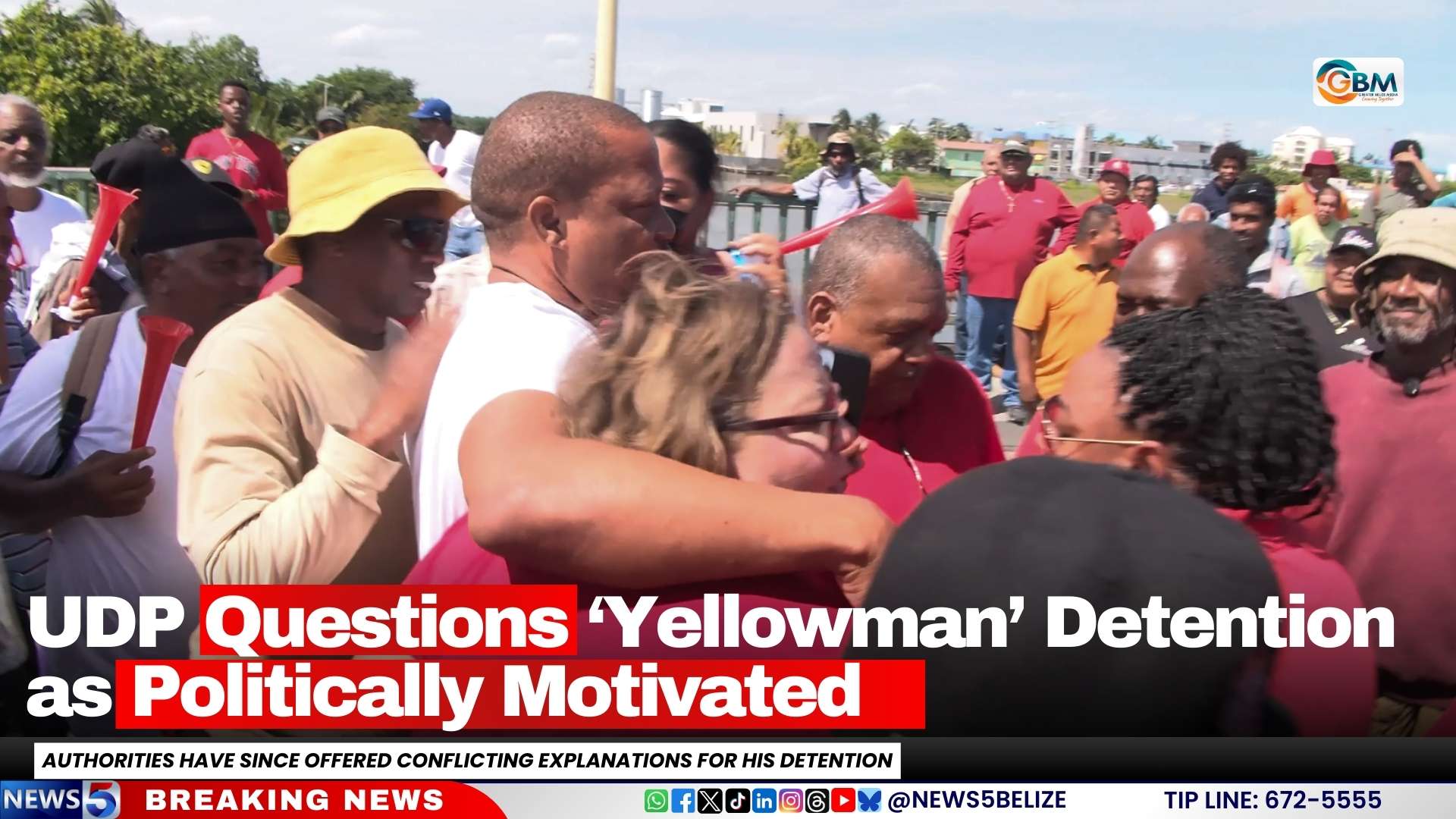
    BELIZE CITY – Political tensions escalated in Belize as the United Democratic Party (UDP) launched sharp criticisms against the national police force following the brief detention of party affiliate Brian “Yellowman” Audinett last Wednesday. The incident has sparked allegations of political motivation and triggered street demonstrations that disrupted major infrastructure.

    During a press conference, UDP leadership challenged the official justification for Audinett’s apprehension after law enforcement provided contradictory explanations. Initial reports suggested detention either for alleged gang affiliation or for suspected plans to incite public violence—both claims vigorously disputed by opposition figures.

    UDP Senator Sheena Pitts denounced the arrest as politically targeted, stating: “Yellowman is a recognized political affiliate of our party. This action by the police department raises serious questions about their motives and impartiality.”

    The detention prompted immediate mobilization of UDP supporters, who blockaded the strategic Belcan Bridge in a show of protest. Demonstrators marched from the Social Security Board building to the bridge, intensifying demands for Audinett’s release.

    Police Commissioner Dr. Richard Rosado condemned the bridge blockade as a violation of agreed protest conditions, warning that “legal consequences for the organizers” may follow. Audinett was released by midday Wednesday and has since threatened legal action against the police department, potentially setting the stage for protracted legal and political battles.

  • Cuba says it is running out of jet fuel as US oil blockade bites

    Cuba says it is running out of jet fuel as US oil blockade bites

    Cuba has been plunged into a severe aviation fuel crisis, compelling its government to issue an extraordinary notice to international airlines on Sunday evening. The advisory explicitly states that jet fuel will be unavailable at nine of the island’s airports, including the major hub of José Martí International Airport in Havana, from Tuesday through March 11th.

    This acute shortage, directly attributed to a stringent US oil blockade, has effectively severed Cuba’s access to its traditional petroleum suppliers in Venezuela and Mexico. The immediate repercussions were swift: Air Canada announced the suspension of all flights to the island, while other carriers began implementing extended layovers in the Dominican Republic to facilitate refueling before continuing to Cuban destinations.

    Aviation veterans note that while fuel scarcities have occurred in the past, an official public announcement of this magnitude is unprecedented. The situation evokes memories of a similar crisis over a decade ago, when transatlantic flights were forced to refuel in Nassau, Bahamas. Presently, regional airlines are adapting by carrying additional fuel, while longer-haul flights are diverting to hubs like Cancun, Mexico.

    The roots of this emergency extend deep into decades of US sanctions, which have recently intensified. Following a US military operation targeting Venezuela’s Nicolás Maduro, former President Donald Trump adopted a more confrontational stance, signing an executive order in January imposing tariffs on nations supplying oil to Cuba. Concurrently, US Defense officials have enforced a stringent oil quarantine, recently boarding a sanctioned tanker in the Indian Ocean to tighten the pressure on Venezuela and, by extension, Cuba.

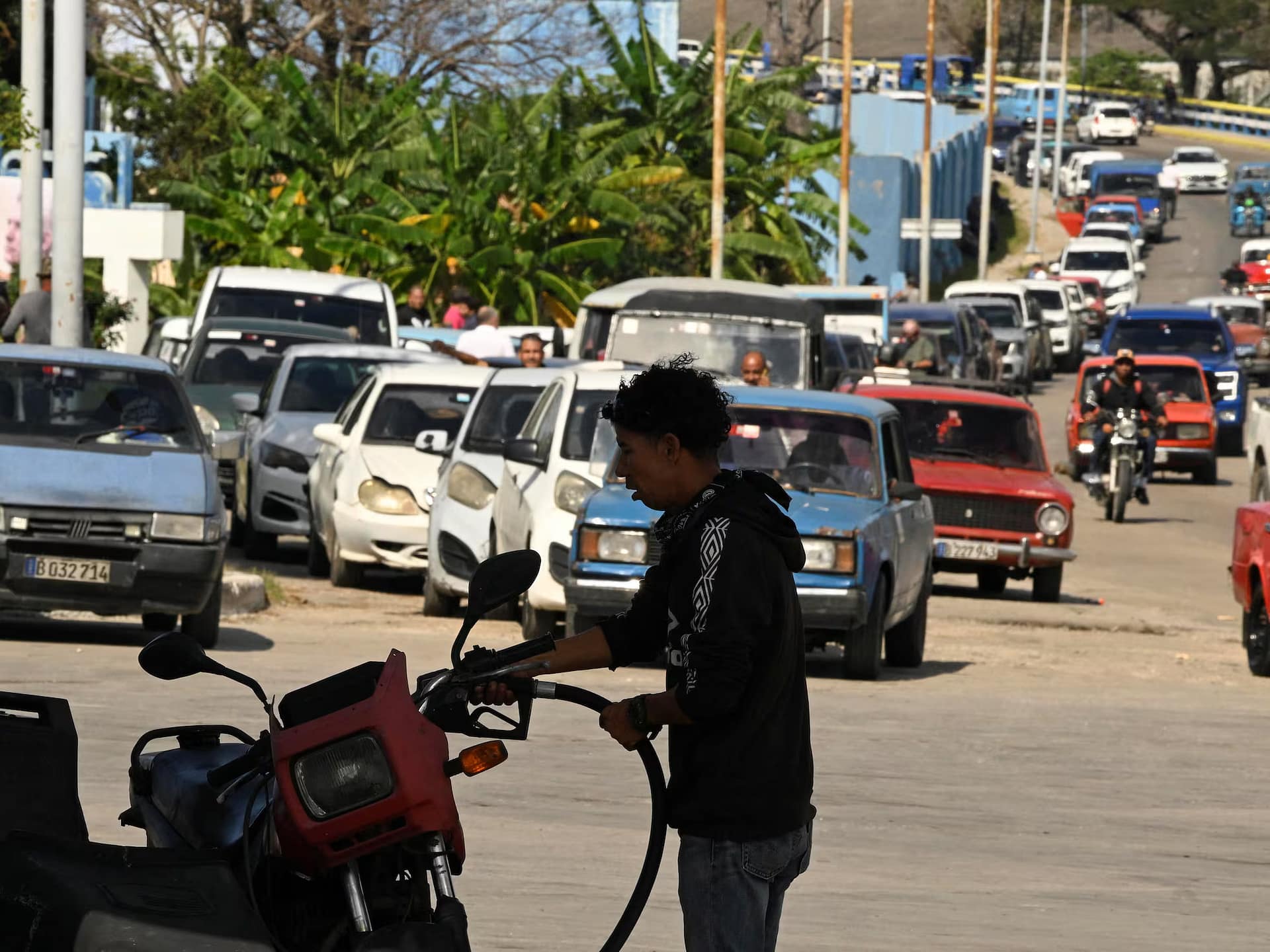
    The cascading effects of this energy emergency are crippling daily life. Major public events, including the Havana International Book Fair, have been suspended. The national baseball season has been restructured for efficiency, banks have slashed operating hours, and the public bus system in Havana has virtually ceased operation. Citizens are enduring power outages lasting up to ten hours, severe vehicle fuel rationing, and critical shortages of food and medicine, drawing stark comparisons to the economic devastation of the 1990s ‘Special Period’.

    With Cuban officials remaining silent on the duration of this notice, the nation braces for prolonged disruption, caught in the grip of a geopolitical struggle that is strangling its economy and infrastructure.

  • Govt hopes to wean GUYSUCO off multi-billion dollar subsidies within five years

    Govt hopes to wean GUYSUCO off multi-billion dollar subsidies within five years

    The Guyanese government has announced an ambitious five-year strategic plan aimed at revitalizing the financially troubled Guyana Sugar Corporation (GUYSUCO) and eliminating its dependence on state subsidies that currently amount to billions of dollars annually.

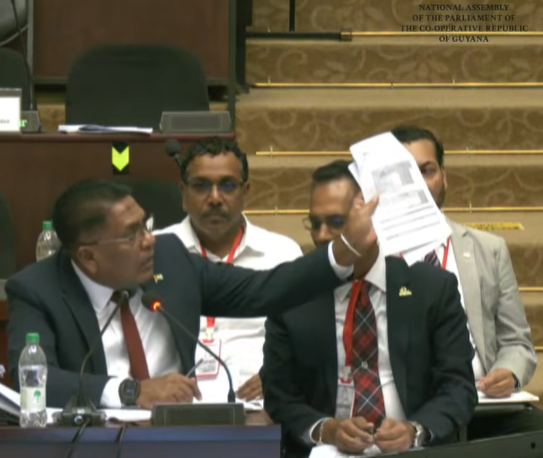
    Agriculture Minister Zulfikar Mustapha revealed the turnaround strategy during parliamentary proceedings on Tuesday, February 10, 2026, in response to questioning from opposition parliamentarians. The plan represents a significant shift in approach for the wholly state-owned corporation, which has relied on government support for decades.

    Central to the revitalization effort is an aggressive mechanization program that has already reached 41% implementation. Minister Mustapha detailed substantial investments in new agricultural machinery, including billet cutters, planters, and harvesters, scheduled for acquisition over the next five years. These technological upgrades are expected to dramatically improve operational efficiency and reduce production costs.

    The corporation’s financial challenges are substantial. GUYSUCO currently owes approximately GY$1 billion to the National Insurance Scheme (NIS), while 81% of its GY$8.4 billion allocation will be directed toward covering part of its GY$20 billion wage and salary obligations.

    Production statistics reveal the scale of the challenge. Sugar output has declined steadily over the past 15 years due to adverse weather conditions and industrial unrest, with 2025 production reaching only 59,200 metric tonnes against a revised target of 70,000 metric tonnes. The government has set an ambitious target of 100,000 metric tonnes for the current year, representing a 36% increase.

    Minister Mustapha expressed confidence that factory rehabilitations, improved juice extraction rates, and increased use of plant cane would drive production improvements. He anticipates mechanization rates will reach 50-60% in the near future, significantly enhancing operational capabilities.

    The political context adds complexity to the revitalization effort. The previous administration’s closure of four sugar estates and resulting mass layoffs became a central campaign issue in the 2020 general elections. The current government now faces the challenge of delivering on its promises to restore the industry while achieving financial sustainability.

    Management accountability has been emphasized as a critical component of the turnaround strategy. Regular performance reviews and meetings with estate managers are being implemented to ensure progress toward the 2030 profitability target.

  • Structured policy framework in development to sponsor recognised cultural entities

    Structured policy framework in development to sponsor recognised cultural entities

    The Grenadian government is pioneering a groundbreaking initiative to safeguard the nation’s cultural heritage through structured corporate sponsorship. The Ministry of Tourism, Creative Economy and Culture has unveiled the National Cultural Adoption and Sponsorship Programme (NCASP), mandating statutory boards and state-owned enterprises to formally adopt recognized cultural organizations as part of their strategic development investments.

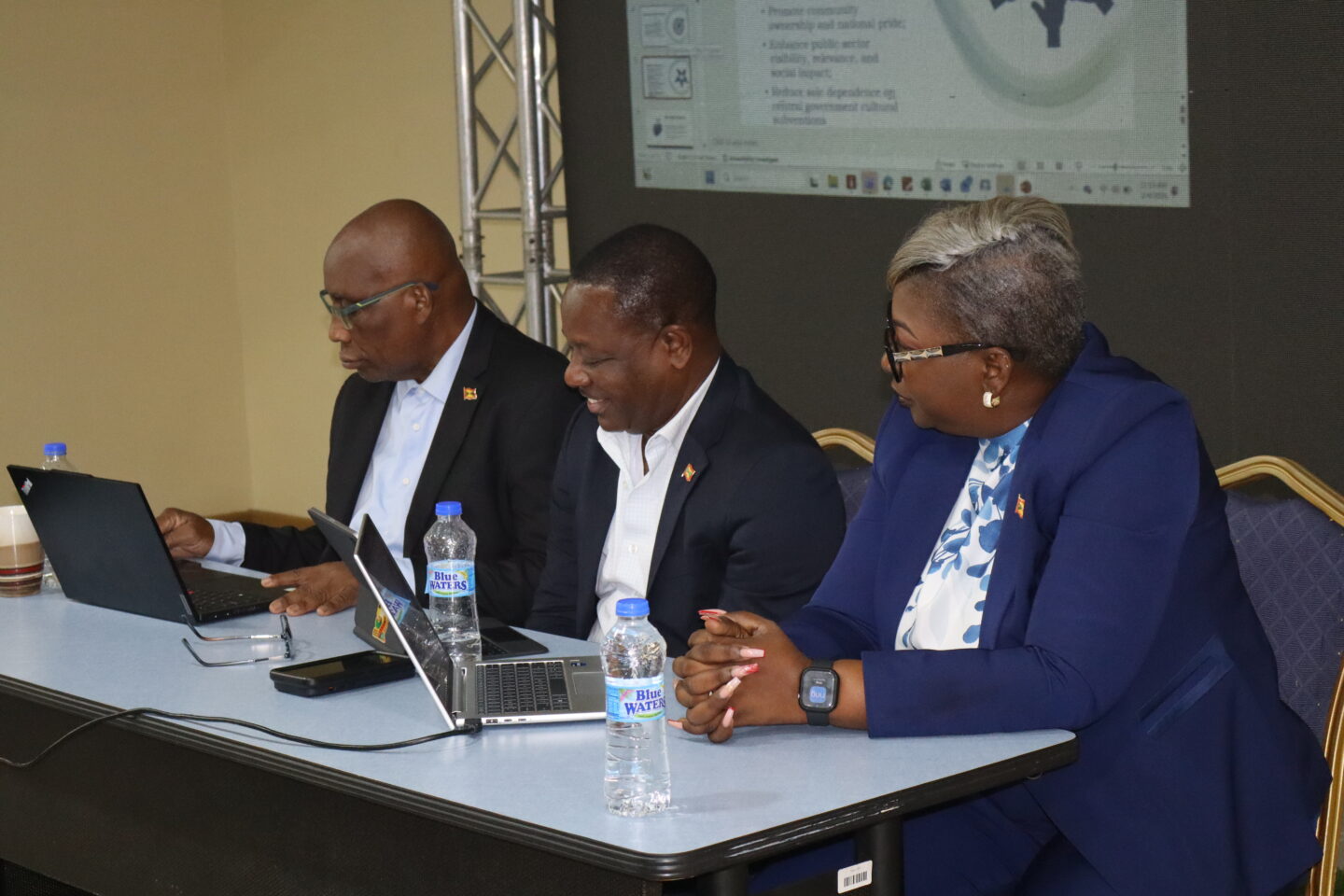
    During a pivotal meeting convened on February 4th at the Ministry of Finance Conference Room, Chief Cultural Officer Kelvin Jacob presented the comprehensive framework to 43 representatives from 23 public entities. The assembly, attended by Minister of Finance Dennis Cornwall and Tourism Minister Adrian Thomas, marked a significant step toward addressing chronic underfunding in cultural preservation.

    The innovative program establishes a formal partnership model requiring every statutory body and state-owned enterprise to integrate cultural support into their approved annual budgets. Each participating organization must allocate a predetermined percentage of its operational budget—subject to Cabinet approval and oversight by the Ministry of Finance—to support adopted cultural entities.

    This strategic intervention directly tackles the persistent challenges facing cultural organizations, including limited institutional capacity and over-reliance on government subventions. Despite their crucial role in preserving Grenada’s national identity and fostering social cohesion, these organizations have historically operated with inadequate financial support and uncoordinated funding mechanisms.

    Minister Thomas reported overwhelmingly positive reception from participants, who unanimously endorsed the framework as timely, practical, and forward-looking. The initiative has been characterized as the foundation for a broader national movement toward cultural investment, with expectations that the private sector will eventually emulate the public sector’s commitment.

    The implementation architecture includes robust accountability measures: the Ministry of Tourism, in collaboration with the Ministry of Finance, will maintain a national registry of cultural entities, monitor program execution, and present an annual State of Culture Partnership Report to Cabinet. This transparent approach aims to ensure effective utilization of resources across traditional festival committees, community cultural groups, and heritage sites.

    The NCASP represents a transformative approach to cultural sustainability, promising enhanced institutional capacity, reduced dependence on central government funding, and improved governance within Grenada’s creative economy sector.

  • Grenada’s 52nd Independence Address

    Grenada’s 52nd Independence Address

    In a profound address marking Grenada’s 52nd Independence Anniversary, Prime Minister Dickon Mitchell delivered a transformative vision of national sovereignty that transcends ceremonial observance. Speaking under the theme “Anchored in Faith, Guided by Purpose,” the Prime Minister challenged conventional understandings of independence as mere historical commemoration, reframing it instead as an active, daily practice requiring collective discipline and productivity.

    Mitchell articulated a crucial distinction between freedom ‘from’ colonial domination and freedom ‘for’ constructive nation-building. He emphasized that true independence represents not a completed achievement but an ongoing assignment demanding practical contribution from every citizen. “Independence did not hand us a finished house,” Mitchell stated. “It handed us tools and said: ‘Go forth and Build.’”

    The address outlined specific responsibilities across societal sectors: farmers must prioritize agricultural productivity, teachers must shape minds with excellence, public officers must serve with integrity, entrepreneurs must embrace innovation and risk, while young people must choose discipline over entitlement. Mitchell warned that “freedom without productivity is temporary” and that nations consuming more than they produce become like “fruitless trees” incapable of sustaining their people.

    Significantly, the Prime Minister rejected the notion of independence as isolationism, advocating instead for “interdependence with dignity” across personal, community, national, regional, and international levels. He positioned Grenada as a small state navigating a rapidly transforming global landscape where strategic thinking outweighs physical size. Key priorities include human capital investment, economic resilience, food and energy security, technological adoption, and climate adaptation.

    The government’s Vision 75 and National Sustainable Development Plan 2020-2035 provide measurable frameworks for progress assessment, focusing on tangible outcomes rather than political rhetoric. Mitchell concluded with a powerful metaphor: “Faith is our anchor. Purpose is our sail. Work is our wind,” urging citizens to embrace nation-building as their generational responsibility rather than resting on historical achievements.

  • From $2,500 to $18,000: Trade Licence Fees Jump 700%

    From $2,500 to $18,000: Trade Licence Fees Jump 700%

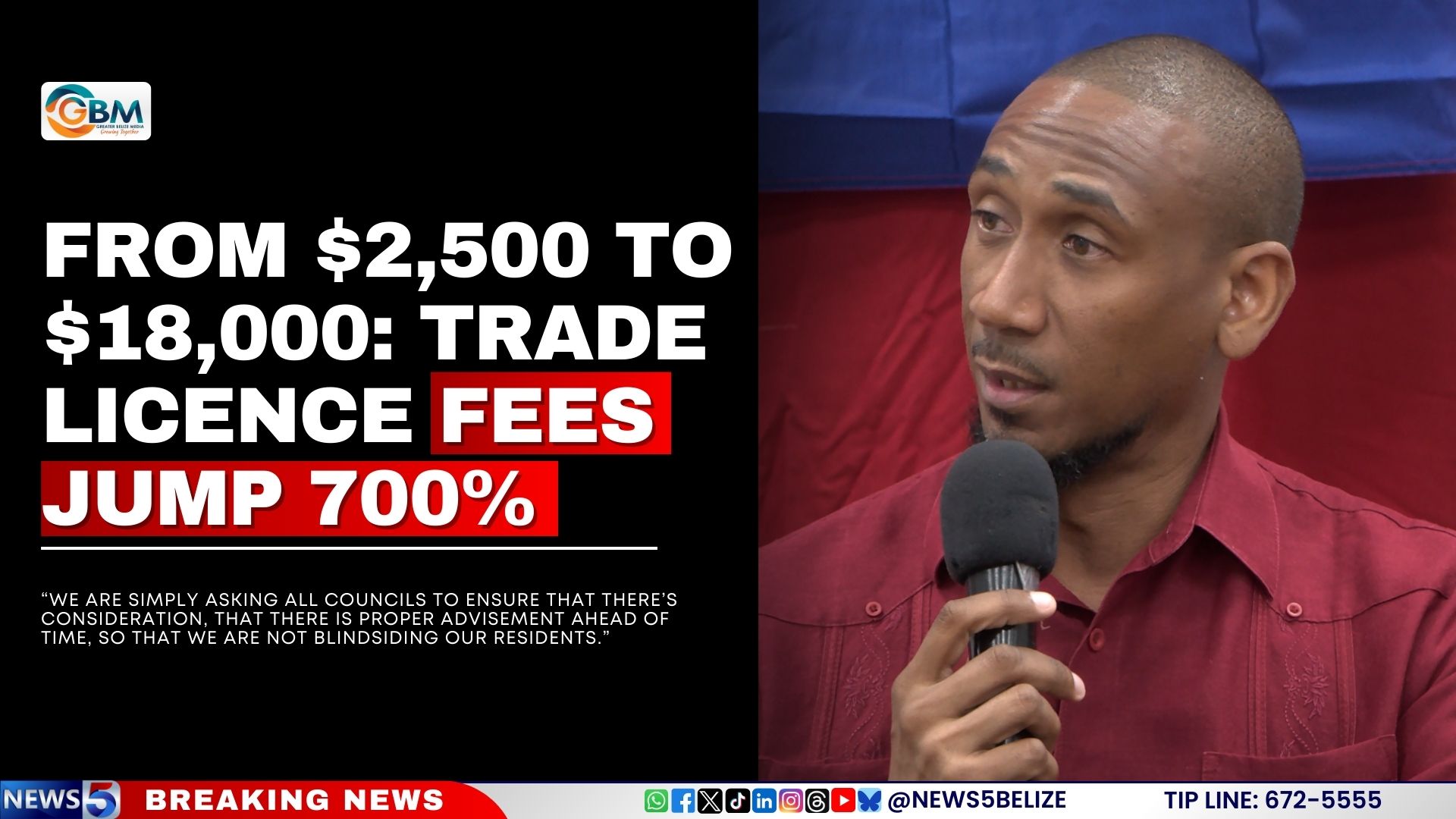
    Belmopan’s commercial sector is confronting an unprecedented financial shock as municipal trade licence fees have skyrocketed by as much as 700%, creating widespread alarm among business proprietors. Khalid Belisle, a caretaker representative from the United Democratic Party (UDP), has revealed that these dramatic increases directly contravene legislative protections established under the Trade Licence Amendment Bill, which mandates a maximum 10% annual adjustment cap for a three-year period.

    Documented cases illustrate the severity of the situation, with one enterprise experiencing a projected fee escalation from $2,500 to approximately $18,000. Belisle condemned these increases as unlawful under existing regulatory frameworks, emphasizing that such exponential hikes undermine legal safeguards designed to protect businesses from arbitrary financial burdens.

    The Trade Licence Amendment Bill, which cleared the House of Representatives but awaits Senate ratification, was intended to modernize fee calculation methodologies. Its provisions explicitly state that for thirty-six months following implementation, fee adjustments “shall not be greater or less than 10% of the annual licence fee levied on that trade before the commencement of this section.”

    Business owners report experiencing what one described as ‘death by a thousand cuts,’ with the cumulative effect of various regulatory pressures creating an increasingly hostile environment for commercial operations. The UDP has issued urgent appeals to municipal councils, urging responsible governance and adequate advance communication to prevent residents from being blindsided by financial demands.

    The opposition party is actively pressuring local authorities to alleviate rather than exacerbate tax burdens, warning that sudden and severe fee increases could potentially destabilize small businesses and jeopardize numerous livelihoods throughout the community.

  • UDP Defends House Meeting Boycott

    UDP Defends House Meeting Boycott

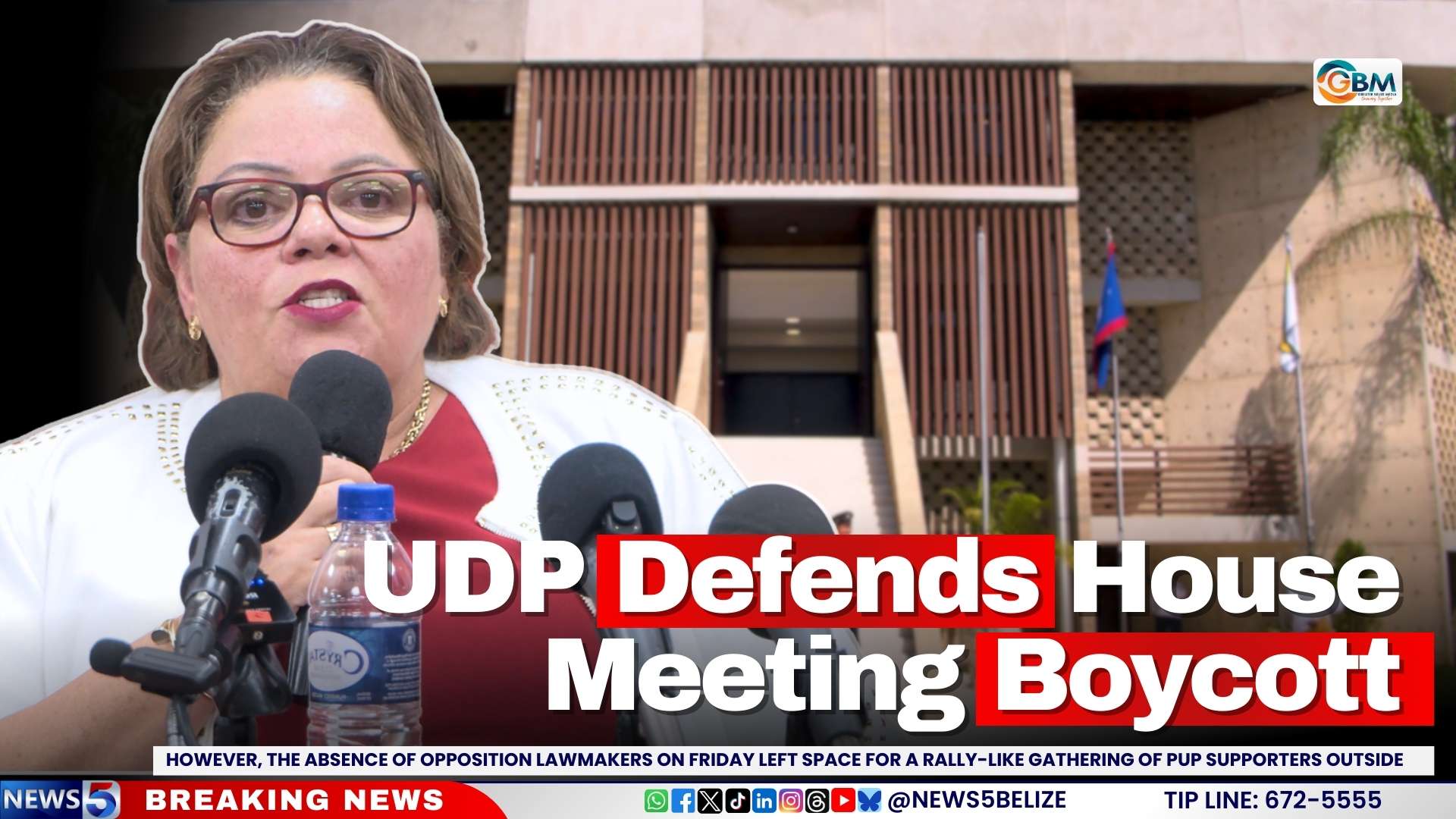
    The United Democratic Party (UDP) has publicly justified its strategic boycott of a recent House of Representatives session, framing the move as a principled stand against governmental corruption. During a press conference held on February 10, 2026, Opposition Leader Tracy Panton characterized the decision as an essential ‘act of conscience’.

    The boycott was directly triggered by mounting concerns surrounding Belize Telemedia Limited’s (BTL) proposed $80 million acquisition of Speednet/SMART. Panton’s caucus expressed firm resolve, declaring that UDP parliamentarians would not permit the national Assembly to serve as a ‘rubber stamp for corruption.’

    Panton launched a pointed critique against Prime Minister John Briceño, highlighting a perceived contradiction in his actions. She questioned how the Prime Minister, who initially claimed unawareness of BTL’s negotiations with his own family company, could now assert authority to direct a pause in the acquisition process. ‘The prime minister of this country has inserted himself to direct a pause on a deal he knew nothing about,’ Panton stated, emphasizing the apparent inconsistency.

    The opposition leader’s rhetoric intensified as she asserted that UDP parliamentarians ‘will not be treated like kunumunu’—a Belizean Creole term implying foolishness or being misled.

    In the absence of opposition lawmakers, the political atmosphere outside the newly renovated National Assembly took on a celebratory tone. A significant gathering of supporters from the ruling People’s United Party (PUP) assembled, described by Secretary General Collet Montejo as showing general support for party leaders and celebrating the parliamentary building’s reopening. Party Chairman Henry Charles Usher added that supporters were present to endorse the passage of the Occupational Safety and Health Bill. However, attendees including Pickstock Street captain Shaheed Hauze confirmed their presence was specifically to support the controversial BTL acquisition currently under scrutiny.

  • At CAF summit, CDB President calls for enhanced South-South collaboration to drive development

    At CAF summit, CDB President calls for enhanced South-South collaboration to drive development

    At the pivotal Latin America and Caribbean International Economic Forum 2026, Caribbean Development Bank (CDB) President Daniel M. Best articulated a compelling vision for accelerated regional progress through strengthened South-South collaboration. The high-level gathering in Panama City, attracting over 6,500 delegates from 70 nations, became the staging ground for a strategic reassessment of Global South partnerships.

    Mr. Best emphasized the critical importance of forging more deliberate transatlantic connections between Caribbean, Latin American, and African nations. ‘Africa represents the world’s fastest-growing region,’ Best noted during his address. ‘Beyond our profound historical and cultural linkages, tremendous opportunities exist for mutual learning and crafting a cohesive developmental pathway for our populations.’

    The CDB president detailed concrete institutional efforts to transform this vision into reality through innovative financial mechanisms. Current initiatives include developing a multi-guarantor debt swap facility and establishing new credit lines specifically designed for Caribbean nations. These efforts are being advanced through strategic partnerships with CAF – Development Bank of Latin America and the Caribbean and the African Export-Import Bank (Afreximbank).

    Dr. Stacy Richards-Kennedy, CAF’s Regional Manager for the Caribbean, reinforced this collaborative imperative, stating: ‘Our engagements demonstrate the power of regional partnerships in mobilizing capital, addressing development gaps, and promoting inclusive growth. By combining our expertise and financial resources, we can effectively assist the Caribbean in meeting its development challenges.’

    The forum’s discussions extended across multiple development sectors, with particular focus on regional integration, trade facilitation, artificial intelligence applications, energy transition strategies, and competitiveness enhancement. The overarching objective remained transforming regional vulnerabilities into strategic global leadership through coordinated action and innovative financing solutions.

    Parallel to the main events, CDB representatives conducted substantive dialogues with regional policymakers and development partners to explore pioneering financing approaches aimed at accelerating infrastructure development, reducing inequality, and supporting inclusive economic growth throughout the Caribbean region.

  • Ministry of Health investigates tuberculosis cases

    Ministry of Health investigates tuberculosis cases

    Health authorities in Grenada have launched a comprehensive investigation into multiple tuberculosis cases, with particular concern over pediatric infections. The Caribbean nation, which typically records just 2-3 annual TB cases, has already confirmed three active infections this year, signaling a potential public health anomaly.

    Medical officials confirm all diagnosed patients are currently in isolation receiving specialized antibiotic treatment. Tuberculosis, a chronic bacterial infection primarily targeting the lungs, transmits through airborne respiratory droplets when infected individuals cough or sneeze. Transmission typically requires prolonged close contact, making household and close community interactions particularly significant for disease spread.

    The Ministry of Health emphasizes the critical distinction between latent and active TB infections. Latent TB infection (LTBI) occurs when bacteria remain dormant without causing symptoms or contagiousness. Active disease emerges when compromised immune systems—often due to other illnesses or malnutrition—allow bacterial multiplication. Symptomatic active TB manifests through persistent productive cough, fever, fatigue, and unexplained weight loss.

    Standard treatment involves a six-month antibiotic regimen that achieves full cure when completed. Left untreated, tuberculosis can prove fatal. The ministry’s protocol mandates thorough contact tracing for every diagnosed case, with exposed individuals receiving testing and preventive treatment for latent infections to dramatically reduce activation risks.

    Health officials are urging full public cooperation with contact investigations as they work to contain transmission. The ministry’s response highlights the ongoing challenges of managing communicable diseases in small population centers, where each case represents a significant epidemiological event.