博客

  • GY$25 billion subsidy for GPL

    GY$25 billion subsidy for GPL

    The Guyanese government has announced a substantial GY$25 billion (Guyanese dollars) subsidy for the state-owned power utility Guyana Power and Light Inc. (GPL) to prevent electricity price hikes for consumers amid rising global fuel costs. The decision was formally disclosed by Public Utilities Minister Deodat Indar during Tuesday’s National Assembly session while reviewing the 2026 national budget expenditures.

    Minister Indar explained that GPL’s financial planning operates on a breakeven basis when fuel prices remain at approximately US$70 per barrel. With current prices significantly exceeding this threshold, the utility faces substantial operational losses without government intervention. “For every dollar increase in fuel prices beyond our breakeven point, GPL incurs an additional GY$543 million in costs due to the massive volume of fuel required for power generation,” Indar stated.

    The minister revealed that GPL’s annual fuel expenditure reaches GY$47 billion, with 93% allocated to Heavy Fuel Oil and the remainder to Light Fuel Oil. These fuel costs represent the dominant component of the company’s generation expenses. The government’s subsidy strategy ensures that consumers will not bear the burden of these increased operational costs.

    In related energy developments, Minister Indar reaffirmed government plans to extend electricity supply from the forthcoming gas-to-energy plant to Linden and sections of the Linden-Soesdyke Highway, representing a significant expansion of the national power infrastructure.

  • Prime Minister Drew Continues CARICOM Consultations with Visits to Dominica and Grenada Ahead of 50th Heads of Government Meeting

    Prime Minister Drew Continues CARICOM Consultations with Visits to Dominica and Grenada Ahead of 50th Heads of Government Meeting

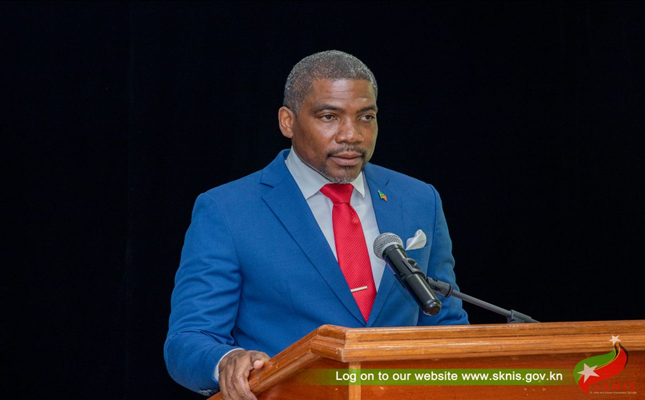
    In a strategic diplomatic maneuver ahead of the landmark 50th CARICOM Heads of Government Meeting, St. Kitts and Nevis Prime Minister Hon. Dr. Terrance Drew has embarked on a crucial regional consultation tour. The CARICOM Chair commenced high-level bilateral engagements today with Dominica and Grenada, signaling a concerted effort to foster regional consensus on pressing Caribbean issues.

    Prime Minister Drew’s diplomatic mission features substantive dialogues with Dominica’s Prime Minister Hon. Roosevelt Skerrit and Grenada’s Prime Minister Hon. Dickon Mitchell. These face-to-face consultations represent a deliberate strategy to enhance coordination among member states and address critical regional challenges through direct leadership engagement.

    The agenda for these discussions encompasses multifaceted regional priorities, with particular emphasis on building economic resilience against global uncertainties, addressing climate change vulnerabilities unique to Caribbean nations, strengthening regional security mechanisms, and advancing sustainable development goals. A central focus remains on deepening CARICOM integration frameworks during a pivotal period for the regional bloc.

    The forthcoming 50th Regular Meeting of the Conference of Heads of Government, scheduled for February 24-27, 2026 in St. Kitts and Nevis, marks a historic milestone in Caribbean regional cooperation. Prime Minister Drew’s proactive consultation approach demonstrates commitment to ensuring that the summit produces substantive outcomes addressing the most urgent concerns facing the Caribbean Community.

    This diplomatic initiative underscores the importance of personal engagement at the highest levels of Caribbean leadership to navigate complex regional issues and strengthen collective action within the CARICOM framework.

  • Ministry of Culture hires international firm for State arbitration case

    Ministry of Culture hires international firm for State arbitration case

    The Dominican Ministry of Culture has formally validated its procurement process for specialized legal representation services through Exception Procedure CULTURA-CCC-PEOR-2026-001, conducted via the Public Procurement Transactional Portal. This procedure, authorized under Article 78, sole paragraph, numeral 11 of Law No. 47-25 on Public Procurement, specifically addresses the engagement of international legal expertise for safeguarding state interests in complex arbitration matters.

    The procurement initiative stems from an investment dispute notification filed against the Dominican State by a U.S. corporation in 2025. The controversy originates from a dormant cultural sector contract initially established in 2010, which has remained inactive for over ten years. Recognizing the technical complexities inherent in international arbitration proceedings, the Ministry determined that specialized external legal counsel was imperative for mounting an effective defense.

    A rigorous multi-criteria evaluation process was administered by an inter-institutional technical commission comprising representatives from the Legal Counsel of the Executive Branch, the Attorney General’s Office, the Ministry of Culture, and the Ministry of Industry, Commerce, and MSMEs (MICM). This commission oversaw the assessment of internationally recognized law firms to ensure optimal selection based on expertise and capability.

    The Ministry has emphasized its unwavering commitment to procedural transparency and strict compliance with national regulations throughout the process. All actions have been undertaken within the established legal framework to ensure robust protection of the Dominican State’s interests in this international legal dispute.

  • President Simons: digitalisering moet leiden tot banen en betere dienstverlening

    President Simons: digitalisering moet leiden tot banen en betere dienstverlening

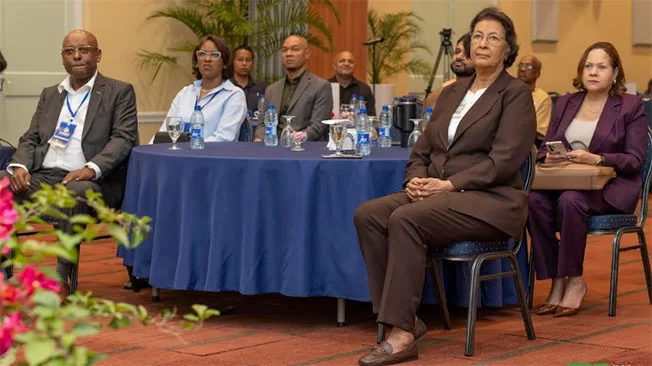
    Suriname has embarked on an ambitious digital transformation journey with the inaugural Suriname Silicon Valley (SSV) Summit, convened on Tuesday at the Royal Torarica Ballroom. President Jennifer Simons delivered a keynote address emphasizing that digitalization should serve as a means to tangible outcomes—job creation, enhanced efficiency, and improved public services—rather than an end in itself.

    The summit, orchestrated by the Father Mother Figure (FMF) Foundation, brought together government representatives, private sector leaders, and academic institutions to address the nation’s technological lag. The event was structured around four core thematic tracks: Talent and Skills Development, Cybersecurity, Business-IT Alignment, and Governance, complemented by hands-on workshops designed to translate theory into practice.

    President Simons endorsed the initiative, noting its alignment with both global digital trends and national government strategies aimed at modernizing public services and optimizing organizational processes. ‘Digitalization must be rational, timely, and future-oriented,’ Simons stated. She urged young professionals and entrepreneurs to actively leverage the opportunities presented by such platforms.

    Henk Redmond, founder of FMF and chief architect of the summit, outlined a decentralized vision for the Suriname Silicon Valley. Instead of a single geographic hub, the initiative will establish multiple innovation centers across various districts to ensure broader accessibility. ‘Proximity to communities is essential to ensure easy access to these hubs,’ Redmond explained. The model integrates living, learning, and working within cohesive environments to stimulate growth in the ICT sector.

    Practical outcomes from the summit included the development of solution frameworks for pressing challenges, such as building a robust ICT ecosystem, establishing special economic zones, and designing fiscal incentives to attract investment. Additionally, the event facilitated direct connections between employers and job seekers, with several companies offering on-the-spot recruitment opportunities. Emphasis was placed on reducing barriers for marginalized groups through apprenticeships and business coaching for nascent entrepreneurs.

    President Simons highlighted the critical role of civic engagement in national development, asserting that progress stems not solely from government but from citizens and civil society organizations. She concluded by expressing gratitude to all participants and voicing optimism that the collaborations forged would catalyze sustainable growth in Suriname’s digital economy.

  • Revenue Authority to drive digital overhaul, rebuild public trust

    Revenue Authority to drive digital overhaul, rebuild public trust

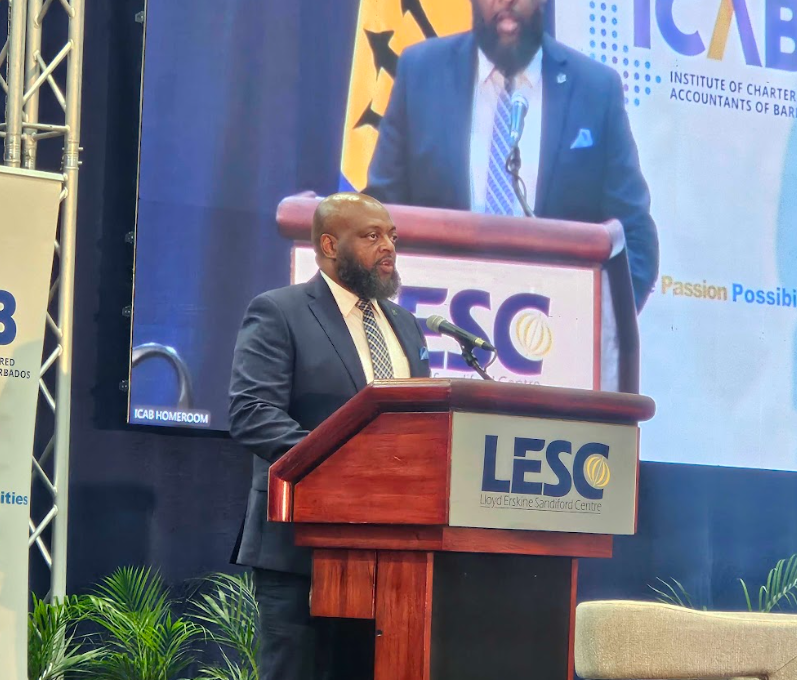
    In a major policy address, Barbados Revenue Commissioner Jason King has announced a comprehensive reform program designed to revolutionize the nation’s tax administration framework. Speaking at the Institute of Chartered Accountants of Barbados conference, King outlined an ambitious agenda targeting systemic modernization, enhanced compliance mechanisms, and the restoration of public trust in the tax system.

    The reform initiative follows an extensive internal assessment that identified significant operational challenges stemming from legacy infrastructure. Commissioner King acknowledged persistent issues including fragmented systems integration, inadequate automation, and disjointed processes across different tax categories. These deficiencies have resulted in constrained real-time information sharing, ineffective compliance monitoring, and suboptimal arrears management—all contributing to diminished public confidence and voluntary compliance rates.

    Central to the transformation strategy is the commitment to digital modernization, which King characterized as an absolute necessity rather than merely an optional upgrade. The Barbados Revenue Authority plans to develop a fully integrated digital platform supported by robust cybersecurity measures and hardware enhancements. A key component involves integrating BIMPAY—the Central Bank’s instant payment system—into the BRA’s payment ecosystem to expand non-cash transaction options.

    The authority’s 2026-2027 roadmap includes procuring a modern core tax administration system, addressing tax receivables reduction, eliminating the refund backlog, and implementing strengthened governance protocols based on organizational review findings. King emphasized that the identified gaps represent opportunities for improvement rather than institutional failure, noting that the honest self-assessment directly informed the authority’s strategic priorities.

    A significant philosophical shift will see the BRA transition from reactive compliance measures to proactive, data-driven approaches using risk-based methodologies. This transformation aims to reduce unnecessary interactions for compliant taxpayers while focusing audit and enforcement resources where risk exposure is highest. Notably, customer experience enhancement will be integrated directly into compliance strategy rather than treated as a separate initiative.

    King highlighted recent achievements including the Online Land Tax Clearance Certificate that has substantially reduced processing times, revised corporation tax returns, and the implementation of the Car Rental Levy Return within the TAMIS system. The commissioner also noted the BRA’s landmark achievement as the first public institution to attain ACCA-approved employer status.

    Emphasizing the critical relationship between public trust and effective revenue administration, King framed the reform program as essential to national development under Barbados’ 2030 strategic roadmap. While acknowledging that meaningful transformation will require sustained effort and collaboration with stakeholders including accounting professionals, King expressed confidence that with clear planning and committed partnerships, the authority can build a tax system that earns public respect and pride.

  • Social media ‘joke’ turns into criminal conviction hours before polls open

    Social media ‘joke’ turns into criminal conviction hours before polls open

    In a dramatic pre-election development, a Christ Church man faces legal consequences for orchestrating a viral social media hoax targeting Barbados Labour Party (BLP) candidate Wilfred Abrahams. Akeem Renaldo Durant, 27, pleaded guilty to charges of malicious communication under the Computer Misuse Act after posting fabricated content alleging Abrahams had distributed cash through campaign envelopes.

    The incident unfolded on Monday when Durant published a video showing himself opening what appeared to be an election circular containing currency notes, falsely attributing the money to Abrahams. Although Durant subsequently retracted his claims in a follow-up video, describing the original post as a joke and offering apologies, authorities determined the damage had already been done. The Barbados Police Service moved swiftly to arrest and charge the individual as the nation prepared for snap general elections.

    Appearing before Chief Magistrate Deidre McKenna at Oistins Magistrates’ Court, Durant was granted bail set at $5,000 with one surety. His sentencing hearing is scheduled for the coming Monday, where he could face penalties including substantial fines or imprisonment under Barbados’ cybercrime legislation.

    Abrahams, who serves as Home Affairs Minister in the outgoing Mottley administration, expressed profound disappointment over the incident. The BLP candidate for Christ Church East revealed the personal and professional toll of the fabricated allegations, noting that the false claims forced him to divert crucial campaign resources to address the controversy during the election’s final hours.

    The minister emphasized the broader implications of such digital misinformation, stating: ‘This incident not threatened my personal reputation but compromised the integrity of our entire electoral process. Our volunteers who prepared campaign materials, our party’s credibility, and even international perceptions of Barbados’ democratic systems were potentially undermined.’

    Abrahams acknowledged receiving overwhelming support from constituents and international observers who recognized the allegations as false. However, he highlighted the dangerous precedent such actions establish for political discourse in the digital age, particularly noting how quickly unverified content can circulate globally.

    Section 14 of Barbados’ Computer Misuse Act explicitly prohibits electronic communications intended to cause distress, anxiety, or inconvenience, with penalties reaching $50,000 in fines, five years’ imprisonment, or both. The timing of this case, occurring mere hours before national elections, underscores the growing challenge of digital misinformation in democratic processes worldwide.

  • Bruce, Wickham outline likely Attorney General picks on election eve

    Bruce, Wickham outline likely Attorney General picks on election eve

    As Barbados prepares for pivotal elections this Wednesday, political experts are analyzing the most qualified candidates to assume the crucial role of Attorney General in the incoming administration. With the swearing-in of a new Prime Minister and Attorney General scheduled for Thursday, political scientists Devaron Bruce and Peter Wickham have provided exclusive insights into potential appointments under both major political parties.

    The current Attorney General, Dale Marshall, will remain in his position until his successor is formally inaugurated following his recent announcement retiring from elective politics. Constitutional protocols mandate that the prime minister and chief legal adviser must be sworn in before other cabinet members to lead the new government.

    Regarding the Barbados Labour Party (BLP), analyst Bruce identified three prominent legal professionals as strongest contenders: Michael Lashley, Gregory Nicholls, and Kerrie Symmonds. Symmonds, candidate for St James Central, received particular emphasis for his extensive litigation background and senior party status. “His ministerial experience, including in Foreign Affairs, makes him a compelling candidate,” Bruce noted. Michael Lashley (The City candidate) was recognized for his criminal law expertise, though Bruce highlighted potential challenges transitioning from defense attorney to chief law enforcement officer. Gregory Nicholls (St Thomas) was praised for his constitutional law foundation and legislative defense experience in the Senate.

    For the Democratic Labour Party (DLP), Bruce suggested Verla Depeiza (potentially through Senate appointment), Neil Marshall, and Corey Greenidge as possible options. He expressed reservations about Greenidge’s experience level while identifying Marshall as potentially the most qualified due to his constitutional law and litigation background.

    Pollster Peter Wickham presented a more concise assessment, highlighting Wilfred Abrahams (BLP Christ Church East) as a logical successor given his experience as acting Attorney General and current role as Minister of Home Affairs. Regarding DLP possibilities, Wickham suggested former parliament member Adriel Brathwaite might return through Senate appointment, while expressing uncertainty about other candidates’ suitability.

    Both analysts noted that under Westminster tradition, parties typically announce their intended Attorney General selection before election day, providing voters with this information when heading to the polls.

  • INTRANT bans heavy vehicles from left lanes nationwide

    INTRANT bans heavy vehicles from left lanes nationwide

    The Dominican Republic has implemented a significant traffic regulation prohibiting heavy and cargo vehicles from utilizing left lanes on national highways. The National Institute of Transit and Land Transportation (INTRANT) formally established this measure through Administrative Resolution No. 003-2026 as part of a comprehensive strategy to improve road safety and traffic flow efficiency throughout the country.

    Executive Director Milton Morrison endorsed the resolution, which derives its legal authority from Law No. 63-17 governing Mobility, Land Transport, Transit and Road Safety. The regulation further aligns with provisions outlined in the Cargo Transport Regulation (Decree No. 258-20) and supports the objectives of the National Strategic Road Safety Plan (PENSV) for 2021–2030.

    Under the new mandate, commercial transporters must restrict their movement to right-hand lanes except under specific circumstances. Limited exceptions include legally authorized overtaking maneuvers and necessary left turns at intersections, provided these actions are executed in full compliance with established traffic safety protocols.

    The resolution additionally imposes stringent requirements for cargo security. Vehicles transporting loose materials must implement appropriate containment measures using tarpaulins, awnings, or canvases to prevent spillage that could endanger other motorists, compromise environmental safety, or create public health hazards.

    Covered vehicles encompass a broad spectrum of transport types including minibuses, buses, two-axle trucks, and various cargo carriers handling commercial, bulk, heavy, specialized, dangerous, multimodal, or express shipments regardless of compensation status.

    Violations will incur substantial penalties including fines equivalent to one minimum wage in the centralized public sector (currently RD$10,000), with automatic adjustments tied to future minimum wage revisions. Offenders will also receive demerit points on their driving licenses as stipulated in Law 63-17.

    Enforcement responsibilities fall under the joint jurisdiction of the General Directorate of Traffic Safety and Land Transportation (DIGESETT) and INTRANT’s Directorate of Supervision and Control of Sanctions, with operational support from the Military and Police Commission (COMIPOL). The Ministry of Public Works and Communications (MOPC) and the RD Vial Trust will manage the installation and maintenance of corresponding road signage under INTRANT’s supervisory authority.

  • Cinema : International excellence training in documentary filmmaking, call for applications

    Cinema : International excellence training in documentary filmmaking, call for applications

    The prestigious French National School of Image and Sound (La FEMIS) has announced its 2026 Summer University program, inviting emerging filmmakers from outside Europe to apply for an intensive documentary filmmaking course. This internationally acclaimed initiative, established in 1986 with support from France’s Ministry for Europe and Foreign Affairs, offers a transformative opportunity for cinematic development.

    The eight-and-a-half-week program, scheduled from July 8 to September 4, 2026, will immerse 15 selected participants in Paris’s vibrant film culture. The curriculum combines theoretical instruction with hands-on production experience, guiding each participant through the creation of an original 5-10 minute documentary under professional mentorship. The program structure includes intensive weekly sessions five days per week, blending practical workshops, film screenings, and specialized development meetings.

    Eligibility requirements target francophone film students and young professionals under age 27 (as of January 1, 2026) with demonstrated interest in auteur documentary traditions. Applicants must possess non-European citizenship and demonstrate French language proficiency at minimum B1 level for non-native speakers. Submission requirements include a completed application package and a previously created short documentary film.

    Selection will be conducted through a collaborative review process involving FEMIS faculty and cultural attaches from French embassies worldwide. The application deadline is March 27, 2026, with all materials required via email to projet@institutfrancaishaiti.org. Application forms and program details are available through the official portal of the French Embassy in Haiti.

  • High Court throws out WIN candidate’s account closure case against Scotiabank; says law reform needed

    High Court throws out WIN candidate’s account closure case against Scotiabank; says law reform needed

    In a landmark ruling with significant implications for banking customers, Guyana’s High Court has dismissed a legal challenge against Scotiabank’s account closure practices while simultaneously calling for legislative reform to protect consumer rights.

    Justice Nicola Pierre ruled Tuesday that Scotiabank acted within its contractual rights when it terminated the account of Gobin Harbhajan, a political candidate for the We Invest in Nationhood (WIN) party. The judgment emphasized that the Personal Financial Services Agreement signed by all customers explicitly permits the bank to close accounts without cause provided 30 days’ notice is given.

    “This constitutes an unqualified contractual right that does not require the decision-maker to form any judgment or evaluation,” Justice Pierre stated in her written decision, underscoring the bank’s legal position under current contract law.

    The case emerged after Scotiabank closed Harbhajan’s account in August 2025 despite it being in good financial standing. The WIN candidate alleged political discrimination, claiming the closure resulted from his party affiliation and that all WIN members had similarly lost banking access.

    However, the court found no substantiated evidence supporting these claims. Affidavits from Scotiabank’s representative Vibert Jones denied any knowledge of Harbhajan’s political affiliations or any systematic closure of WIN members’ accounts. Justice Pierre noted that “mere assertion or correlation is insufficient” to prove political discrimination.

    The ruling addressed multiple legal dimensions, including:

    1. Contract Law: The court affirmed that banking relationships remain primarily governed by private contract terms rather than public law principles

    2. Procedural Fairness: Justice Pierre determined that banks owe no duty of procedural fairness in account closures as they administer private services, not government functions

    3. Regulatory Compliance: Allegations of Anti-Money Laundering Act violations were dismissed as these obligations are owed to regulatory bodies, not individual customers

    Despite upholding Scotiabank’s actions, Justice Pierre issued a compelling call for legislative reform, noting the critical importance of banking access in modern digital societies. She recommended the National Assembly consider establishing an independent financial services ombudsperson to investigate account closure complaints—a mechanism already implemented in other jurisdictions.

    “The purely contractual nature of the banker-customer relationship that insulates banks from liability at common law is undesirable given the centrality of banking services in contemporary life,” the judge observed, highlighting the growing disconnect between contractual rights and societal needs.

    The decision also clarified that unincorporated political parties like WIN lack legal personality, preventing collective claims, and found no evidence supporting claims of reputational damage or improper sanctions against the party or its members.