博客

  • Haiti’s 2-year Transitional Presidential Council Ends

    Haiti’s 2-year Transitional Presidential Council Ends

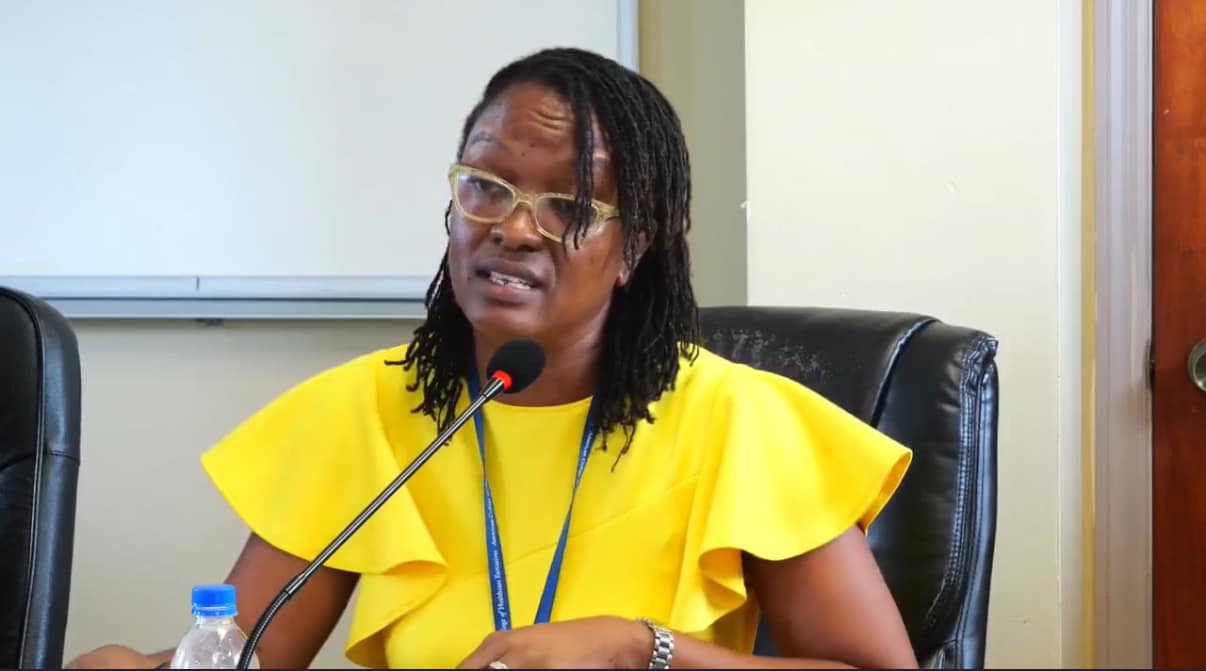
    The Caribbean Community (CARICOM) has formally acknowledged Haiti’s political transition following the conclusion of the Transitional Presidential Council’s two-year mandate. With the council’s tenure now complete, Prime Minister Didier Fils Aimé and his Council of Ministers have assumed full governance responsibilities for the nation.

    CARICOM leadership emphasized that this interim period should remain brief, with the administration prioritizing three critical objectives: enhancing national security infrastructure, accelerating preparations for democratic elections, and initiating social and economic recovery programs. The regional body stressed that while political stability is urgently needed, any sustainable solution must be fundamentally Haitian-led and reflect the collective will of the Haitian people.

    The organization highlighted that overcoming internal divisions through structured inclusion of diverse perspectives remains essential. This requires comprehensive consultation and dialogue with civil society representatives and various stakeholders to ensure all citizens’ views and aspirations are incorporated into the governance process.

    Recognizing the severity of Haiti’s humanitarian crisis, CARICOM called upon regional and international partners to address the urgent needs of millions suffering from food insecurity, inadequate healthcare, and housing shortages. The community endorsed Prime Minister Fils Aimé’s immediate action plan focusing on security enhancement alongside dignity preservation, specifically targeting vulnerable populations with essential provisions.

    CARICOM reaffirmed its continued support for Haiti through ongoing diplomatic engagement facilitated by its Eminent Persons Group, while emphasizing Haiti’s permanent status as a valued member state of the Caribbean Community. The Heads of Government anticipate early discussions with Prime Minister Fils Aimé during the 50th Regular Meeting of the CARICOM Heads of Government, scheduled for February 24-27 in St. Kitts and Nevis.
  • Antigua and Barbuda Edge Grenada 1-0 to Move Third

    Antigua and Barbuda Edge Grenada 1-0 to Move Third

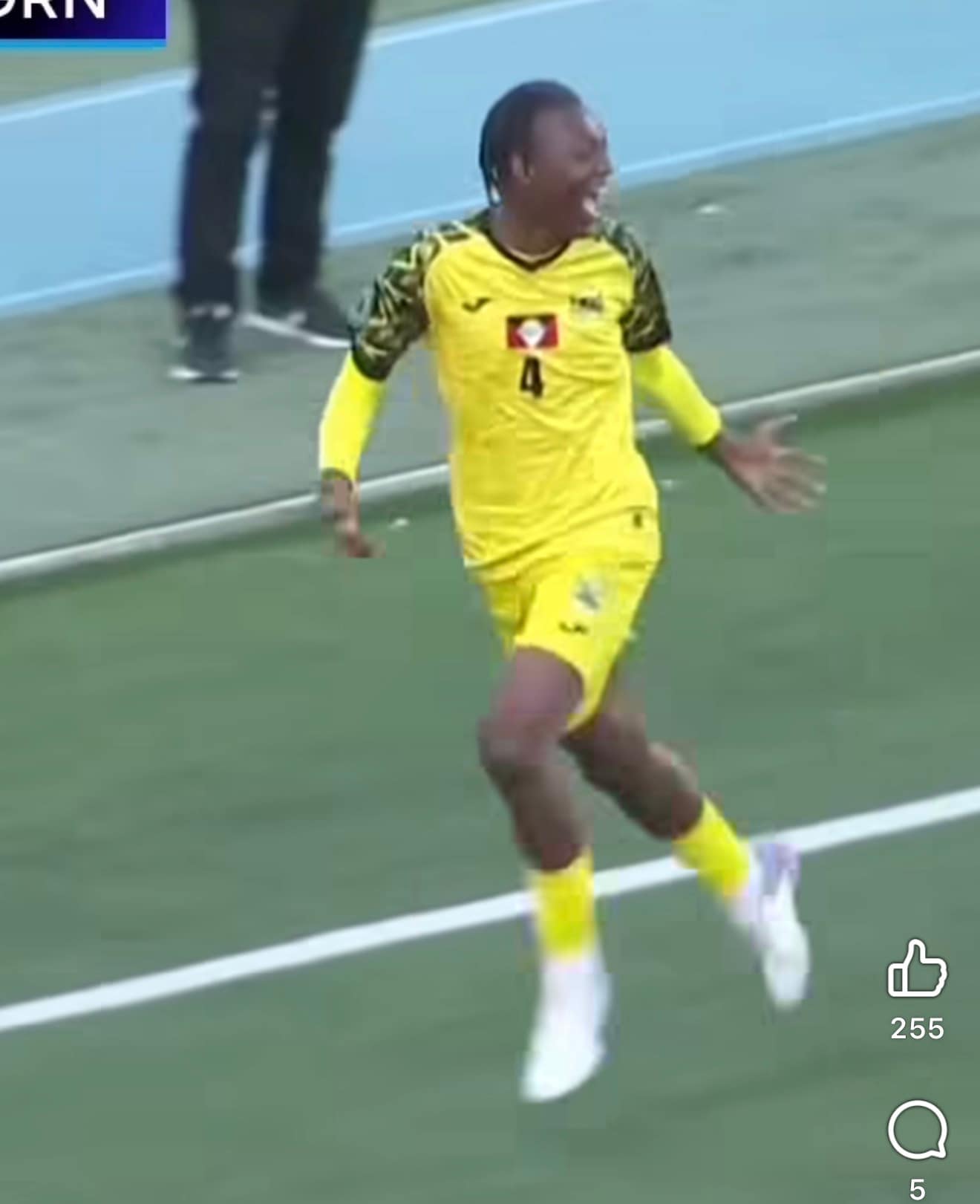
    In a tightly contested CONCACAF Nations League encounter at Estadio Cementos Progreso on Tuesday evening, a single moment of brilliance decided the outcome. Antigua and Barbuda clinched a crucial 1-0 victory against Grenada, with forward Deonre Joseph emerging as the national hero. The match, which commenced at 6 p.m. local time under the oversight of referee Roger Meléndez, was characterized by intense midfield battles and resolute defending from both Caribbean sides. The deadlock was finally broken in the 58th minute when Joseph capitalized on a scoring opportunity, securing all three points for his team. This result has significant implications for the group standings, elevating Antigua and Barbuda to third position and enhancing their prospects in the tournament. The victory marks a pivotal step in their campaign, demonstrating a growing tactical maturity under pressure.

  • Tarieven drukken Colombiaanse bloemenindustrie

    Tarieven drukken Colombiaanse bloemenindustrie

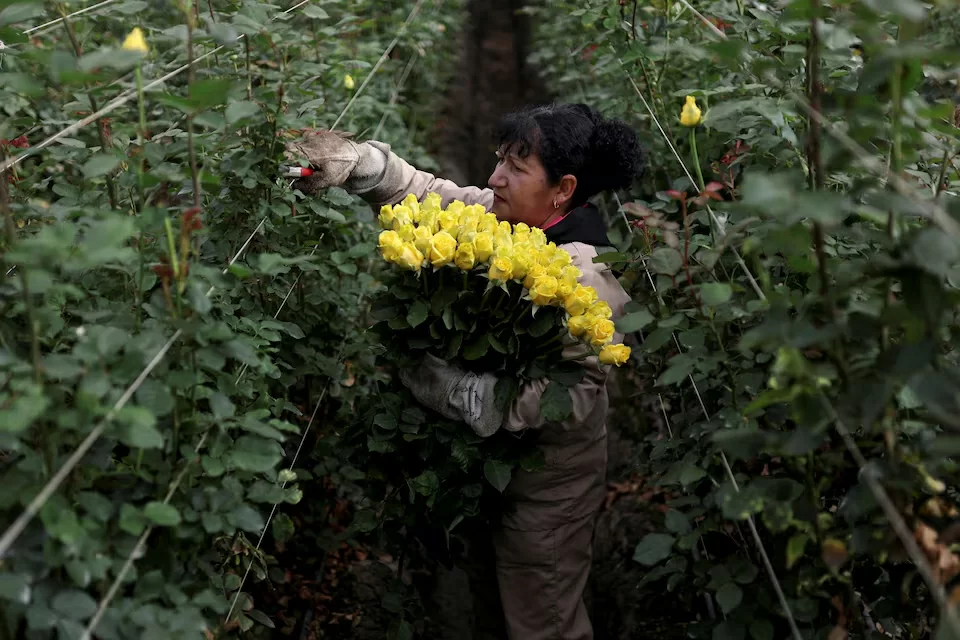
    Colombia’s floral sector, ranking as the world’s second-largest flower exporter, successfully delivered millions of roses to the United States just in time for Valentine’s Day celebrations. However, beneath this seasonal success story lies an industry grappling with mounting economic pressures that threaten its long-term viability.

    Between January 15 and February 9, Colombia shipped approximately 65,000 tons of fresh flowers to the U.S. market. This Valentine’s Day period typically represents about 20% of annual sales for a sector that serves as the primary supplier to American consumers, according to industry association Asocolflores.

    The festive demand coincides with significant challenges, including a 10% U.S. import tariff imposed in April last year as part of broader trade measures by the Trump administration. This is particularly impactful given that the United States accounts for approximately 80% of Colombia’s flower exports.

    Additional pressures include a peso that has strengthened nearly 12% against the dollar over the past year and a 23% minimum wage increase, both of which reduce competitiveness and squeeze profit margins. José Antonio Restrepo, manager of Ayure SAS Eclipse Flowers near Bogotá, warns that without changes to these economic conditions, the sector could face massive layoffs and closures starting in July.

    Flower cultivation represents Colombia’s most labor-intensive agricultural sector, providing formal employment for about 240,000 people across 10,500 hectares of land. This year, the fact that Valentine’s Day falls on a Saturday presents additional challenges, as consumers traditionally send flowers primarily to offices during weekdays.

    The pressure extends beyond Colombia. Ecuador, the world’s largest flower exporter, faces similar issues with rising production costs and trade barriers. Kenya, a major supplier of cut flowers to the European market, likewise struggles with increasing costs and stricter import regulations. These developments create global pressure on the floral trade industry, which remains closely tied to seasonal holidays and consumer trends.

    Despite these challenges, the atmosphere at nurseries like Ayure SAS Eclipse Flowers remains positive. Workers such as Susana Vega find satisfaction in contributing to bringing joy to people, particularly women and mothers, during this important holiday.

  • Guava repeats as champions at TMC sports

    Guava repeats as champions at TMC sports

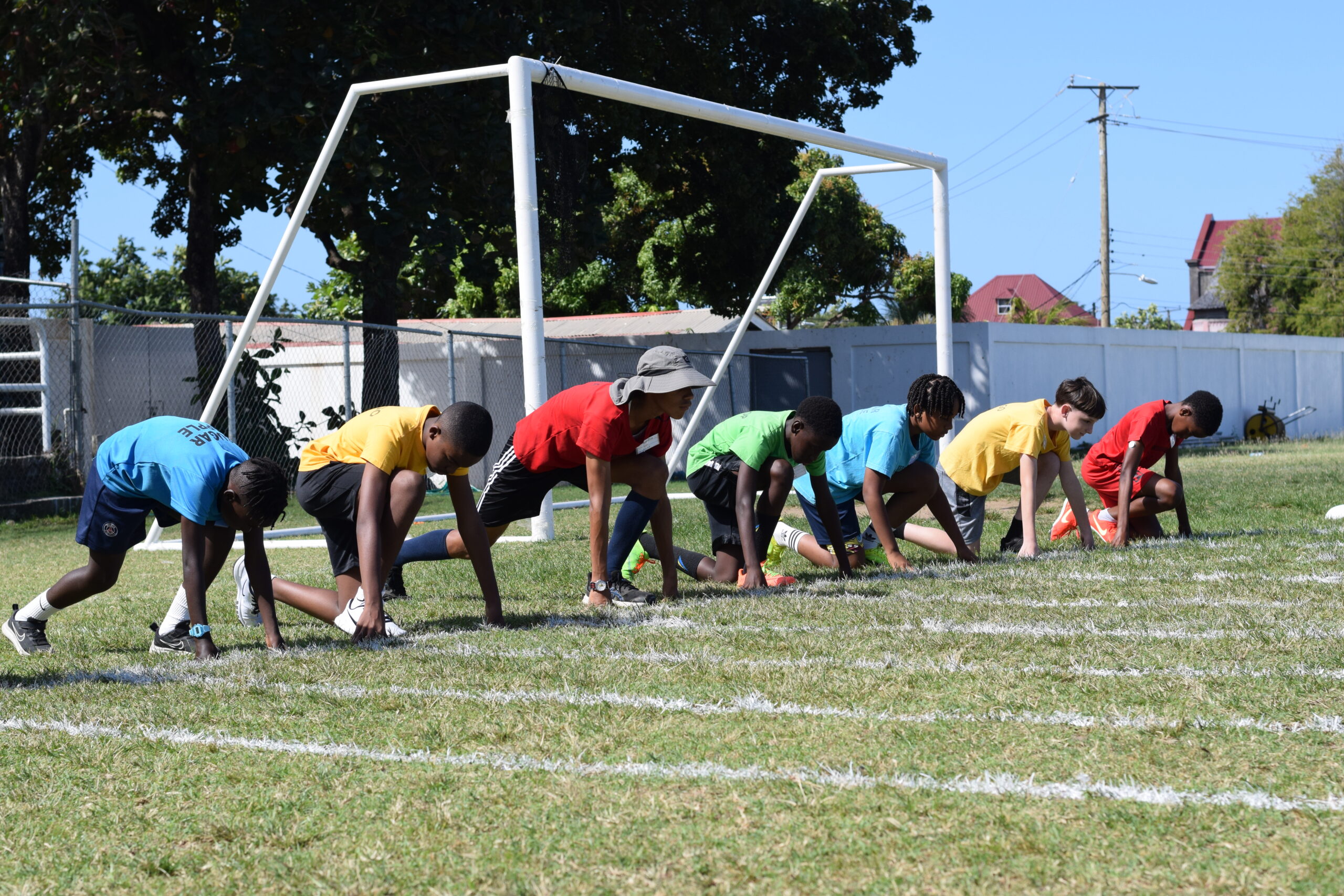
    The Francis Baba Lastic Ground in Gros Islet erupted with youthful energy on Friday, February 6th, as students from The Montessori Centre (TMC) competed in their annual track and field meet. The event showcased a spirited yet friendly rivalry among four houses—Guava, Mango, Soursop, and Sugar Apple—culminating in Guava House securing back-to-back championship titles with a dominant 399-point performance.

    Leading Guava’s charge was Under-9 boys’ champion Xzavier Sammy, who delivered a spectacular all-around performance. Sammy dominated the sprints in his division, claiming gold in the 60m (9.40 seconds), 80m, and 100m events. He further demonstrated his versatility by securing a silver medal in the open 600m, two bronze medals in fun sports, and additional gold and silver medals in relay competitions.

    Despite a formidable challenge from Mango House, which finished second with 379 points behind the exceptional efforts of national swimmer Miles Andrew, Guava maintained its lead. Andrew shone in the Under-11 boys’ category, notably defeating Sammy in the open 600m and winning the 100m and 150m races.

    A significantly improved Soursop House, powered by Zy Hilton’s sweep of the Under-13 boys’ sprints (80m, 150m, and 200m), captured third place with 350 points. Sugar Apple finished fourth with 295 points, but not without standout performances. Emerald Alfred, competing up an age group in the Under-13 girls’ division, dominated her events by winning the 80m (12.50 seconds), 150m (27.60 seconds), and 200m races. Khaya Prospere finished as runner-up in all three events before claiming victory in the open 600m.

    Other notable achievements included Meghan Bartholomew’s triple gold in the Under-11 girls’ 100m, 150m, and sack race, and Joseiah Monrose’s narrow victory over Liam Price in the Under-11 boys’ 80m.

    TMC teacher Neeta Chowtie praised the collective effort behind the successful event, which engaged the entire school community of just over 200 students. ‘Everybody is engaged, and we have full parental support. At Montessori, it’s teamwork all the way,’ Chowtie remarked, emphasizing how participants competed in sprints, middle-distance races, relays, and fun sports like the sack race and three-legged race, making ‘everybody a winner.’

  • St Kitts welcomes three scheduled and one unscheduled cruise ship on Tuesday – WIC News

    St Kitts welcomes three scheduled and one unscheduled cruise ship on Tuesday – WIC News

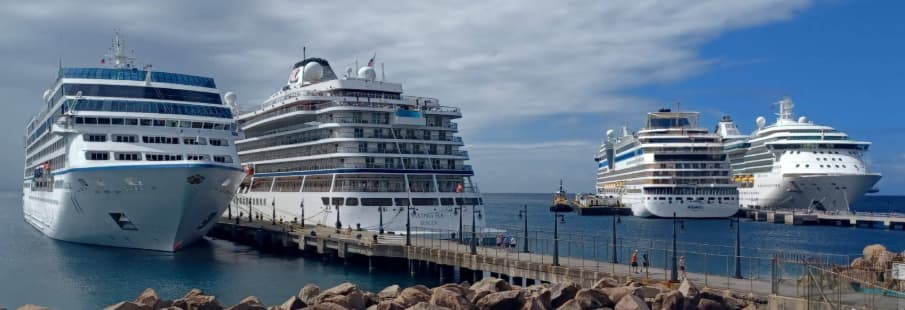
    The Caribbean nation of St Kitts and Nevis experienced an exceptional surge in maritime tourism on Tuesday, February 10, 2026, as Port Zante in Basseterre accommodated four cruise vessels—three scheduled arrivals plus an unexpected visit from Royal Caribbean International’s Jewel of the Seas. This unscheduled docking, originally destined for St Croix in the U.S. Virgin Islands, demonstrated the island’s adaptive port infrastructure and growing appeal as a premier Caribbean destination.

    The Jewel of the Seas brought 2,361 passengers who explored diverse attractions across the island. Tourists immersed themselves in cultural experiences in Basseterre, visited historical landmarks including Brimstone Hill Fortress and Fairview Great House & Botanical Gardens, and engaged in aquatic adventures such as snorkeling with sea turtles and sailing excursions to neighboring Nevis. Popular beach destinations like Cockleshell Bay, South Friars Bay, and Turtle Beach also saw significant visitor traffic.

    The day’s scheduled arrivals included AIDAblu (carrying 2,298 passengers from St Maarten), Viking Sea (906 passengers from St Thomas), and Oceania Nautica, which marked its inaugural visit to St Kitts with 609 passengers from Tortola. The latter received an official welcome from port authorities including SCASPA CEO Adeola Moore and COO Calvin Duggins, alongside representatives from the St Kitts Tourism Authority and shipping agent Delisle Walwyn & Co.

    This remarkable maritime activity contributed to a three-day tourism boom between February 8-10, 2026, with ten ships bringing 18,425 passengers to St Kitts. The successful handling of both scheduled and unscheduled arrivals underscores the nation’s operational readiness and strategic positioning within the competitive Caribbean cruise industry.

  • US Sanctions island leaders accusing them of creating openings for China to increase its influence in the region.

    US Sanctions island leaders accusing them of creating openings for China to increase its influence in the region.

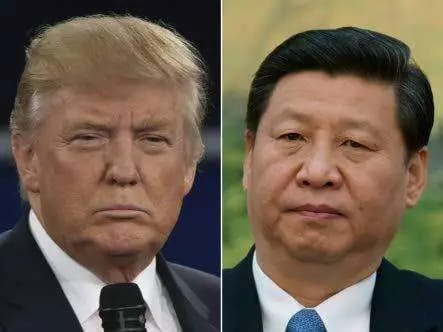
    The United States has escalated its strategic countermeasures in the Pacific region by implementing sanctions against several island leaders, alleging they have deliberately facilitated opportunities for China to expand its geopolitical influence. This decisive action represents a significant development in the ongoing great power competition between Washington and Beijing for regional supremacy.

    According to official statements from the U.S. Treasury Department, these sanctioned individuals have allegedly engaged in activities that compromise the political integrity and sovereignty of their respective nations, creating vulnerabilities that China has exploited to advance its strategic interests. The sanctions specifically target leaders accused of establishing economic and security arrangements that potentially undermine U.S. interests and regional stability.

    The measures include asset freezes and financial restrictions designed to limit the sanctioned leaders’ access to international banking systems. This punitive action forms part of a broader U.S. strategy to counter what officials describe as China’s ‘predatory economic practices’ and ‘expanding military footprint’ in the Pacific region.

    Regional analysts note that this development reflects growing American concern over China’s increasing engagement with Pacific Island nations through infrastructure projects, financial assistance programs, and security cooperation agreements. The U.S. government has repeatedly emphasized its commitment to ensuring a ‘free and open Indo-Pacific’ while expressing concerns about debt diplomacy and erosion of regional governance standards.

    The sanctioned leaders, whose identities and specific national affiliations remain protected under diplomatic protocols, now face significant limitations in conducting international transactions and engaging with financial institutions that operate within U.S. jurisdiction. The State Department indicated that these measures aim to promote accountability and encourage adherence to international norms regarding sovereignty and transparent governance.

  • Emergency response as giant African snail threatens SVG’s agriculture

    Emergency response as giant African snail threatens SVG’s agriculture

    The Caribbean nation of St. Vincent and the Grenadines has mobilized a national emergency response to combat an escalating ecological crisis that threatens to decimate its agricultural industry. The invasive giant African snail (Achatina fulica) has established significant infestations across multiple regions, prompting Agriculture Minister Israel Bruce to declare an urgent need for EC$7 million in emergency funding—ten times the currently allocated budget.

    Minister Bruce addressed Parliament during the 2026 budget debate on Tuesday, revealing that his newly elected New Democratic Party administration had discovered extensive infestations in Edinboro and neighboring Ottley Hall shortly after taking office in November. The minister personally inspected the affected areas with quarantine officials, confirming the severity of the situation.

    Classified among the world’s top 100 invasive species by the World Conservation Union, the giant African snail represents a multifaceted threat to food security, ecosystem stability, and human health. The polyphagous pest consumes vast quantities of vegetation, damages native ecosystems, and serves as a vector for human diseases.

    The government is establishing an immediate action task force comprising multiple ministries to coordinate the national response. Strategy components include a massive public education campaign through schools, churches, and state media; distribution of baits to households with proper training; incentives for public participation in eradication efforts; and consultations with agricultural stakeholders.

    Minister Bruce issued a stark warning to lawmakers: “Those of us who think we have a struggling agricultural sector—if we don’t put hands on this, we will not have an agricultural sector.” He emphasized that without immediate intervention, the nation could face complete dependence on imported food supplies.

    The agricultural minister criticized previous administration’s approach as inadequate, stating there seemed to be “apprehension on the part of the former administration to constrain the spread” of the invasive species. While acknowledging the current EC$700,000 budget allocation as insufficient, Bruce committed to beginning operations immediately with available resources while seeking additional funding to prevent agricultural collapse.

  • GO-Invest says brokered almost GY$160 billion in foreign investments last year

    GO-Invest says brokered almost GY$160 billion in foreign investments last year

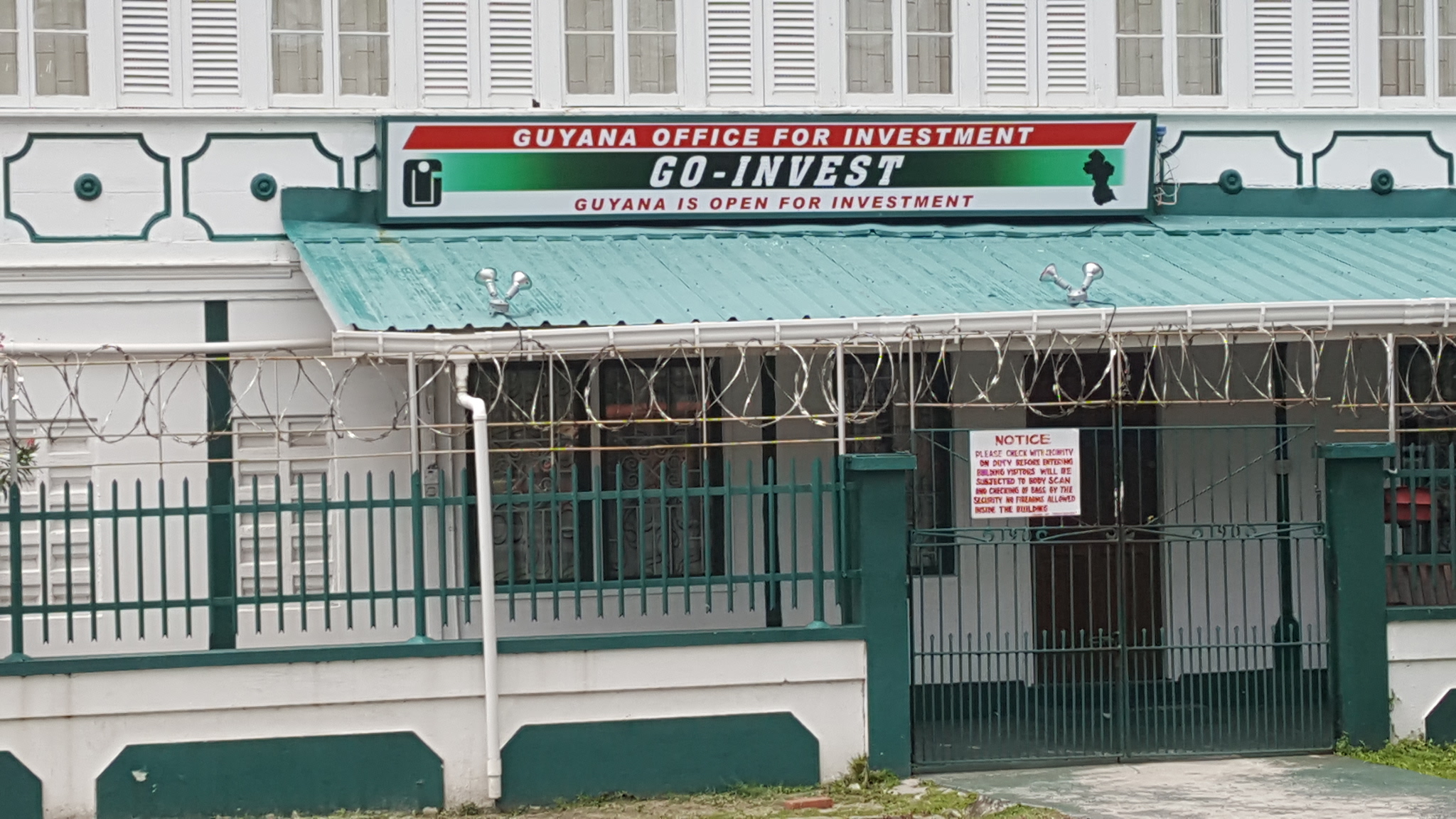
    Georgetown, Guyana – The Guyana Office for Investment (GO-Invest) has announced a landmark achievement in the nation’s economic development, reporting GY$157 billion in newly facilitated investments for the year 2025. This substantial figure contributes to a five-year cumulative total exceeding GY$1 trillion, marking a significant milestone in the country’s strategic diversification efforts beyond its oil sector.

    Dr. Peter Ramsaroop, Chief Investment Officer of GO-Invest, provided a detailed breakdown of the 2025 investment portfolio, revealing robust international confidence alongside strong domestic participation. Foreign direct investment accounted for GY$86 billion, while local investments reached GY$64 billion, with joint ventures contributing an additional GY$5.9 billion. This investment distribution demonstrates a balanced economic growth model engaging both international and domestic stakeholders.

    The investment agency emphasized that these capital inflows have accelerated economic diversification and regional development across multiple non-oil sectors. Between 2020 and 2025, GO-Invest executed more than 180 investment agreements that secured commitments for over 32,000 direct and indirect jobs, though the agency acknowledged that not all investments in Guyana necessarily pass through their office.

    Substantial investment activity has been recorded across diverse sectors including agriculture, agro-processing, manufacturing, tourism, logistics, construction, housing, Information Communications Technology (ICT), energy services, health care, and education. These strategic investments have generated sustained employment, expanded local enterprise capabilities, strengthened export capacity, and anchored growth in communities across all regions of Guyana.

    Dr. Ramsaroop highlighted the government’s commitment to continuing this accelerated investment trajectory under President Mohamed Irfaan Ali’s Vision 2030 framework, ensuring that economic growth remains broad-based, inclusive, and anchored in long-term national development priorities. “The people of Guyana can be confident: modernized diversification is real, the jobs are real, and the future we are building together is real,” he affirmed.

    The reported investment figures and sectoral distribution provide tangible evidence of Guyana’s successful economic transformation strategy, positioning the country for sustainable growth beyond hydrocarbon resources.

  • Hospital Beds Occupied by Social Cases, Straining Emergency Care

    Hospital Beds Occupied by Social Cases, Straining Emergency Care

    The Sir Lester Bird Medical Centre faces an escalating institutional crisis as non-medical ‘social cases’ persistently occupy critical bed space, creating severe operational constraints for emergency medical services. Hospital authorities report that this longstanding issue continues to strain resources despite repeated interventions.

    Medical Director Dr. Shivon Belle-Jarvis provided disturbing details about the nature of these cases, explaining that numerous individuals arrive at the facility without requiring urgent medical attention. These patients, while medically stable, remain hospitalized indefinitely due to the absence of safe discharge options. Many lack identifiable family contacts, while others have relatives who explicitly refuse to assume responsibility for their care.

    The situation reached critical levels recently when 17 social cases simultaneously occupied beds desperately needed for emergency and inpatient medical care. Although temporary relief occurred during a recent weekend with reduced numbers, the problem rapidly resurged within days, demonstrating the cyclical and entrenched nature of this healthcare challenge.

    Dr. Belle-Jarvis emphasized the fundamental mismatch between the hospital’s acute care mission and its current role as an unintended long-term shelter. She issued a compelling appeal for families and community networks to strengthen support systems for elderly and vulnerable populations.

    This hospital crisis has triggered governmental response, with officials acknowledging widening concerns about elder neglect and abuse. The Cabinet has formally announced upcoming legislation specifically targeting the abandonment of elderly citizens and establishing stronger protections for their assets, signaling recognition that this medical institution’s struggles reflect broader societal failures.

  • Caribe Wave 2026 Registration Opens in Antigua and Barbuda

    Caribe Wave 2026 Registration Opens in Antigua and Barbuda

    Antigua and Barbuda’s National Office of Disaster Services (NODS) has officially commenced registration procedures for the Caribe Wave 2026 tsunami simulation exercise. This critical disaster preparedness initiative, scheduled for March 19, 2026, represents a cornerstone of the nation’s comprehensive strategy to enhance emergency response capabilities against potential tsunami threats.

    Through an official communiqué, NODS emphasized that this annual multi-organizational drill serves as an essential platform for both institutions and communities to rigorously evaluate their emergency response mechanisms. The exercise aims to strengthen collective readiness through practical simulation of real-world disaster scenarios.

    Government authorities are actively urging diverse sectors to participate, including commercial enterprises, educational institutions, government agencies, and community organizations. Each entity is expected to form dedicated response teams to engage in the full-scale exercise.

    Prospective participants must formally register through the NODS administrative office via telephone at 462-4206. Registration mandates disclosure of organizational details, including the official name of the institution, projected participant numbers, and identified evacuation safe zones.

    NODS characterized the initiative as an indispensable element within Antigua and Barbuda’s integrated disaster risk mitigation framework. The agency highlighted that broad-based community and organizational engagement fundamentally contributes to strengthening national resilience and public safety standards.

    The Caribe Wave exercise constitutes a region-wide endeavor across Caribbean territories, designed to assess the effectiveness of tsunami early warning infrastructure, emergency information dissemination channels, and mass evacuation procedures. This transnational cooperation reflects the Caribbean community’s shared commitment to disaster risk reduction in seismically active zones.