博客

  • PNP slams Holness for continued drawdown of NHT funds

    PNP slams Holness for continued drawdown of NHT funds

    KINGSTON, Jamaica — Jamaica’s political landscape has been ignited by a fierce controversy surrounding the government’s proposed extraction of billions from the National Housing Trust (NHT). The People’s National Party (PNP) has launched scathing criticism against the Holness administration’s plan to withdraw an additional $57 billion over the next five years from the housing institution, characterizing the move as “vulgar” and hypocritical.

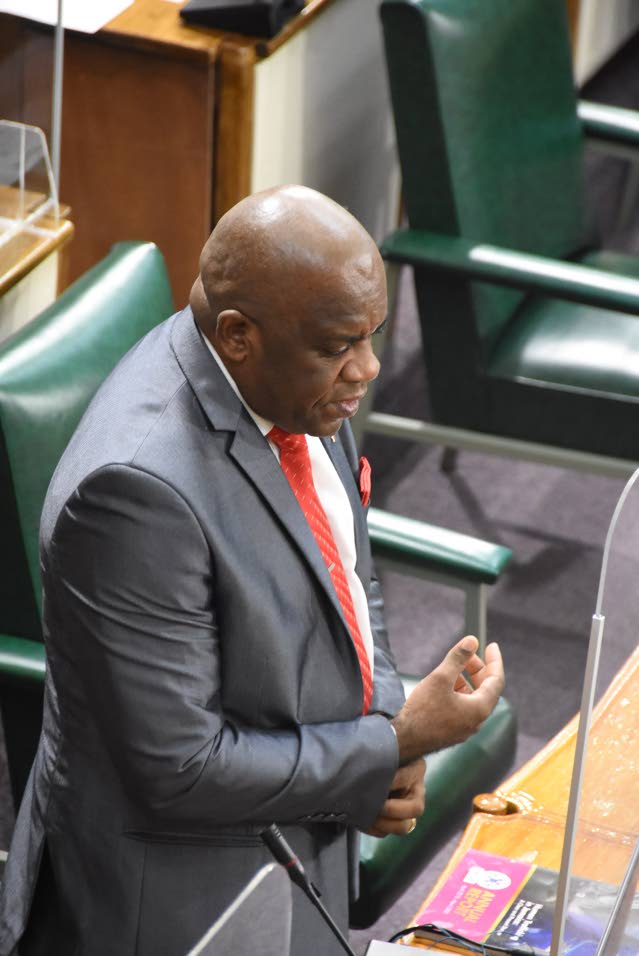
    Senator Floyd Morris, the PNP’s housing spokesperson, issued a forceful statement condemning recent remarks from Jamaica Labour Party representative Abka Fitz Henley, who had accused Opposition Leader Mark Golding of engaging in vulgar politicking for criticizing the continued drawdowns. The PNP countered that the true vulgarity lies in what they describe as the government’s “sustained assault” on the institution established to provide affordable housing solutions.

    Marking the NHT’s 50th anniversary, the opposition party highlighted the absence of any commemorative statement from Prime Minister Andrew Holness, who holds the housing portfolio. Instead of reaffirming the Trust’s founding purpose, the administration has proposed yet another amendment to the NHT Act to facilitate further extractions from the fund.

    Morris articulated the core of the opposition’s argument: “What is truly vulgar is depriving working Jamaicans of their chance to own a home while billions are siphoned from the very institution created to help them.” The senator referenced Holness’s 2013 position as opposition leader, when he supported taking the then-government to court over similar NHT withdrawals, arguing they violated contributors’ property rights. At that time, Holness publicly committed to ring-fencing these funds exclusively for housing purposes.

    Since assuming power, however, the Holness administration has amended the legislation twice to extend annual withdrawals of $11.4 billion, resulting in approximately $114 billion being extracted over the past decade. With proposals now on the table to remove an additional $57 billion over the next five years, Morris accused the government of blatant hypocrisy.

    The PNP emphasized that the NHT fundamentally belongs to its contributors, asserting that any government that raids the fund while failing to deliver affordable housing lacks the moral authority to lecture on principles or decency. The opposition party concluded that Jamaica has endured a deepening housing crisis under the current administration, which they claim has delivered the lowest level of affordable housing of any recent government.


  • Senegal advances bill to ‘toughen penalties’ for same-sex relations

    Senegal advances bill to ‘toughen penalties’ for same-sex relations

    DAKAR, Senegal — In a significant legislative development, Senegal’s cabinet has approved a proposal to substantially increase penalties for same-sex relations and child sexual abuse offenses. The bill, which now proceeds to the National Assembly for consideration, follows a series of high-profile arrests that have dominated national media coverage.

    The government’s action comes amid heightened law enforcement activity targeting LGBTQ+ individuals. Authorities have detained 17 men this month under existing anti-LGBTQ+ statutes, including prominent local celebrities and an established journalist. These arrests have drawn sharp criticism from human rights organizations who condemn the crackdown.

    In a parallel investigation, Senegalese and French authorities collaborated to dismantle an international pedophilia network, resulting in 14 arrests connected to operations spanning between Senegal and France.

    Media outlets throughout the West African nation have extensively covered both cases over the past week and a half, frequently blending coverage of the separate incidents despite their distinct legal natures.

    The newly adopted legislation seeks to modify the current penal code by providing clearer definitions of prohibited acts and implementing stricter punishment structures. Existing statutes currently prescribe one to five years’ imprisonment for same-sex relations, while child sexual abuse of victims under 13 carries two to five years’ incarceration. Government officials declined to specify the exact extent of the proposed penalty enhancements when queried.

    This legislative initiative occurs against a backdrop of ongoing cultural tension regarding LGBTQ+ issues in Senegal, where advocacy for sexual minority rights is frequently characterized as foreign imposition of Western values rather than organic local movement.

  • Nigeria moving to ‘block’ athlete’s nationality switch to Turkey — reports

    Nigeria moving to ‘block’ athlete’s nationality switch to Turkey — reports

    LAGOS, Nigeria — Nigerian sports authorities have initiated decisive action to prevent elite sprinter Favour Ofili from changing her competitive nationality to Turkey. The National Sports Commission (NSC) has formally communicated its position to World Athletics, asserting that the athlete must remain available for Nigerian selection until at least September 2028.

    The development follows revelations by Nigerian track icon Mary Onyali regarding multiple offers she declined to represent other nations during her distinguished career. Ofili, who announced her intention to switch allegiances last year, is considered one of Nigeria’s most promising athletic talents.

    A senior NSC official confirmed to The Guardian that Ofili remains formally registered as a Nigerian competitor. ‘She was among elite athletes who received training grants from the NSC last year,’ the official stated. ‘It is not feasible for her to transfer allegiance to Turkey under current circumstances.’

    The commission has conducted extensive review of the situation and established that any potential nationality change would require waiting until the conclusion of the current competitive cycle. ‘If Ofili desires to represent another nation, she must wait until September 2028. We have communicated our position to World Athletics,’ the official emphasized.

    Ofili holds Nigeria’s national record in the 200m event and has represented the country at numerous premier competitions including the 2019 Youth Olympics, World Athletics Championships in Doha (2019) and Budapest (2023), the 2022 Commonwealth Games, and the recent Paris 2024 Olympic Games. The NSC anticipates her continued representation at the Los Angeles 2028 Olympics.

  • ChatGPT creator tells leaders AI regulation ‘urgently’ needed

    ChatGPT creator tells leaders AI regulation ‘urgently’ needed

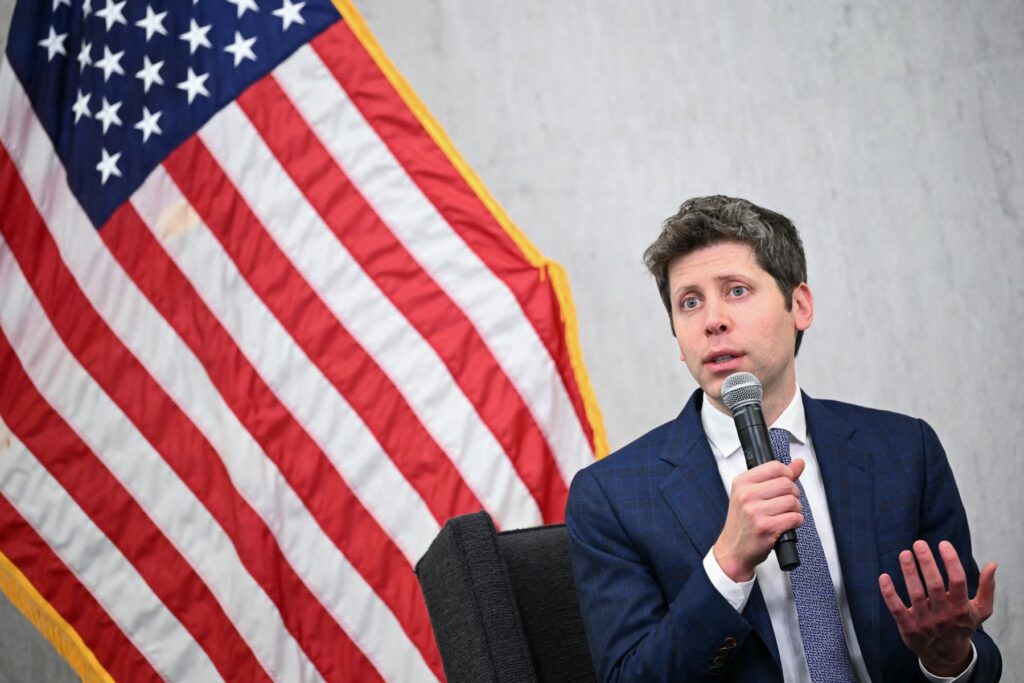
    NEW DELHI, India — The escalating pace of artificial intelligence development demands immediate international regulatory frameworks, OpenAI Chief Executive Sam Altman asserted during his address at the AI Impact Summit on Thursday. Speaking before a global audience in India’s capital, Altman emphasized that while overregulation could hinder innovation, the absence of governance poses even greater risks.

    Altman, whose firm created the revolutionary ChatGPT platform, reiterated his longstanding advocacy for worldwide AI oversight. He cautioned that the centralization of such transformative technology within a single corporation or nation could have catastrophic consequences. Still, he stressed the necessity of balanced, timely regulatory measures akin to those applied to other powerful technologies.

    Hosted for the first time in a developing nation, this fourth annual AI summit has become a critical forum for addressing both the immense potential and profound challenges presented by generative AI. The event has drawn tens of thousands of participants, including tech executives, policymakers, and researchers, all grappling with issues ranging from job displacement and energy consumption to ethical deployment and digital inclusion.

    Indian Prime Minister Narendra Modi opened the conference with a call to democratize AI, framing it as a tool for global empowerment rather than exclusion. “We are entering an era of human-machine co-creation,” Modi declared, urging international cooperation to ensure AI serves the common good.

    United Nations Secretary-General Antonio Guterres echoed this vision, advocating for a $3 billion global fund to enhance AI literacy and accessibility in underserved regions. He warned against allowing a select few nations or billionaires to monopolize the technology’s future.

    Despite the high-level dialogue, critics note that past summits have yielded limited concrete action. This year’s broad thematic focus—combined with the conspicuous absence of Microsoft’s Bill Gates, who canceled hours before his scheduled appearance—raised questions about the tangible outcomes of such gatherings.

    Other prominent speakers included Google’s Sundar Pichai and Anthropic’s Dario Amodei. European leaders, including French President Emmanuel Macron, emphasized the EU’s dual commitment to innovation and safety in AI development.

    Amid the serious discussions, a lighthearted moment emerged when Altman and Amodei awkwardly declined to hold hands with PM Modi during a photo op, sparking amusement on social media.

    As the summit concluded, India announced expectations of over $200 billion in AI-related investments over the next two years, signaling its ambition to become a major player in the global AI landscape alongside the US and China.

  • Over 600 arrests across Africa break up cybercrime network — Interpol

    Over 600 arrests across Africa break up cybercrime network — Interpol

    LYON, France — A sweeping international law enforcement operation has successfully dismantled a sophisticated cybercrime syndicate responsible for extorting millions of dollars from victims across Africa. Coordinated by Interpol, the eight-week crackdown culminated in the arrest of 651 individuals across 16 African nations, dealing a significant blow to organized digital fraud on the continent.

    The operation, conducted throughout December and January, targeted a network that employed a diverse array of online scams. Criminal tactics included sophisticated high-yield investment frauds, mobile money transfer deception, and predatory loan applications designed to steal personal and financial information. Preliminary investigations indicate the syndicate illicitly obtained more than $45 million, affecting hundreds—and potentially thousands—of victims, with the majority located within Africa.

    In addition to the arrests, authorities executed coordinated raids resulting in the seizure of 2,341 electronic devices, including computers and mobile phones. Interpol also confirmed the disruption of critical digital infrastructure, with 1,442 malicious IP addresses, domains, and servers used to perpetrate the scams being permanently shut down.

    Neal Jetton, Head of Interpol’s Cybercrime Directorate, emphasized the profound impact of such crimes, stating, “These organized cybercriminal syndicates inflict devastating financial and psychological harm on individuals, businesses, and entire communities with their false promises.” He further urged victims to seek assistance, adding, “I encourage all victims of cybercrime to reach out to law enforcement for help.”

    The multinational effort demonstrates a strengthened collaborative approach to combating cybercrime in Africa. Participating countries in the operation included Angola, Benin, Cameroon, Chad, Gabon, Gambia, Ghana, Ivory Coast, Kenya, Namibia, Nigeria, Rwanda, Senegal, Uganda, Zambia, and Zimbabwe.

  • Sweden unveils new prison rules for children as young as 13

    Sweden unveils new prison rules for children as young as 13

    STOCKHOLM, Sweden — In a groundbreaking policy shift, Sweden has unveiled detailed plans for incarcerating children as young as 13 convicted of serious criminal offenses, with the controversial reform scheduled to take effect July 1. The minority right-wing government, supported by the far-right Sweden Democrats, is proceeding with the measure despite substantial opposition from law enforcement and child welfare experts.

    The Scandinavian nation, grappling with over a decade of escalating organized violence primarily connected to gang conflicts and drug market control, announced in January it would lower the criminal responsibility age from 15 to 13. Justice Minister Gunnar Strommer defended the decision, stating that while fewer young people overall commit crimes, those who do engage in criminal activity are committing more severe offenses with increased weapon and explosive usage.

    Eight correctional facilities have been designated to establish specialized youth sections, with three scheduled to be operational by the July implementation date. Under the new guidelines, juvenile offenders will be housed separately from adult inmates and subject to an 11-hour nightly confinement period—three hours shorter than the adult requirement. The youth facilities will include dedicated educational spaces, cafeterias, recreational yards, fitness areas, and medical facilities.

    The reform has faced vehement opposition from numerous quarters. Children’s rights organization Bris condemned the measure as “counter-productive, insufficiently researched and violating children’s rights,” warning that incarcerating young adolescents could increase recidivism rates and push criminal networks to recruit even younger members. Notably, a majority of the 126 authorities consulted during the policy development phase expressed criticism or outright opposition, including representatives from police and prison services.

    The legislation is being introduced as a temporary five-year measure, allowing for evaluation of its effectiveness and impact before potential permanent implementation.

  • PM charts online future to cut red tape, boost growth

    PM charts online future to cut red tape, boost growth

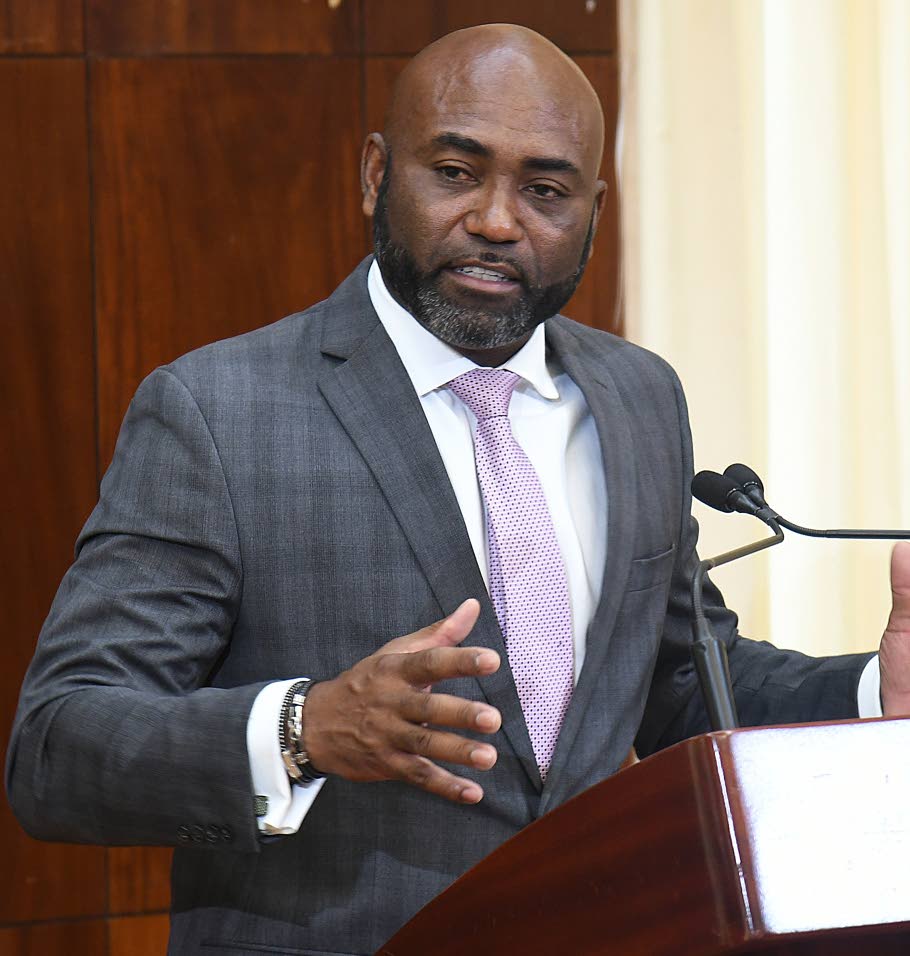
    In a landmark address at The University of the West Indies, Prime Minister Andrew Holness unveiled Jamaica’s ambitious strategy to digitize virtually all government services, positioning technological transformation as the cornerstone of national economic survival. Speaking at the ‘Beyond Bureaucracy: Jamaica’s Resilience for the Digital Age’ forum organized by Generation 2000, the ruling party’s young professionals wing, Holness delivered a compelling critique of systemic inefficiencies that have hampered Jamaica’s global competitiveness.

    The Prime Minister reframed efficiency as a fundamental national resource rather than merely a bureaucratic byproduct. “For smaller developing states like Jamaica, efficiency isn’t a consequence of growth—it’s the essential driver,” Holness asserted. “We cannot compete on size or scale, but we must compete on speed, clarity, and efficiency. It’s a travesty that we produce the world’s fastest humans yet rank among the slowest in business innovation, approval processes, and execution.”

    Holness highlighted the fundamental disconnect between bureaucratic systems and citizen experiences: “For officers enforcing rules, delay carries no cost—they get paid regardless. But for citizens, delay has real financial consequences. This is Jamaica’s central challenge: creating smart bureaucracy.”

    The government has already initiated practical reforms, including eliminating in-person vehicle registration renewals and annual fitness recertifications. “Why must registration be an in-person transaction?” Holness questioned. “Technology enables online processing that saves tremendous time.”

    Despite hundreds of digitized services, adoption remains limited due to accessibility gaps and cultural resistance. “Not everyone has reliable internet access,” Holness acknowledged, “and some citizens prefer physical cash and paper documentation.”

    The administration is addressing these barriers through infrastructure investments and tackling identity verification complexities that fuel bureaucratic redundancy. “Repeated identity checks at every government interaction create frustration and corruption opportunities,” Holness noted, emphasizing the need for secure digital identification systems.

    Rather than eliminating bureaucracy entirely, the government seeks its transformation. “A world without bureaucracy would be chaos—blatant corruption, negligence, and vanished standards,” Holness clarified. “We propose modernization that eliminates corruption possibilities while maintaining governance order.”

    Pointing to Singapore and South Korea as successful models, Holness stressed how these nations “invested heavily in digitalizing their economies and public administration while ensuring government served industry” rather than debating “conspiracy theory nonsense.”

    The digital transformation initiative represents Jamaica’s comprehensive effort to modernize public sector operations, enhance business facilitation processes, and position the nation competitively within the technology-driven global economy. Holness concluded that technology integration into governance systems is critical for improving service delivery and securing Jamaica’s long-term economic prospects.

  • Aidonia to ignite Jamaica Basketball half-time show

    Aidonia to ignite Jamaica Basketball half-time show

    The National Indoor Sports Centre will transform into a spectacle of sport and entertainment on February 26, 2026, as Jamaica’s national basketball team faces the Bahamas in a pivotal FIBA World Cup qualifier. This crucial home game, scheduled for a 6:10 pm tip-off, represents a monumental moment in the nation’s basketball trajectory.

    Enhancing the high-stakes atmosphere, Jamaican dancehall sensation Aidonia has been confirmed as the headline act for the halftime show, promising to deliver his signature high-energy performance to the anticipated capacity crowd. The entertainment continues with a ‘Top Shoota’ celebrity shoot-out, where local influencers and celebrities will compete in a one-minute scoring challenge to claim ultimate bragging rights.

    This qualifier forms part of Jamaica’s ambitious campaign to secure one of 32 coveted spots in the 2027 FIBA World Cup. The team will subsequently challenge Canada on March 1 at the same venue in what marks another critical juncture in the qualification series.

    Paulton Gordon, President of the Jamaica Basketball Association (JaBA), emphasized the event’s significance: ‘This is a special moment for our basketballers and for the sport locally. They are playing for national pride and for the continued growth of Jamaican basketball. Having the country rally behind them in a packed arena would mean everything.’

    The convergence of elite athletic competition and premier entertainment underscores the growing prominence of basketball within Jamaican culture, with this event serving as a potential watershed moment for the sport’s development on the island.

  • AI could dismantle bad bureaucracy, Wheatley says

    AI could dismantle bad bureaucracy, Wheatley says

    Jamaica is poised to harness artificial intelligence to dismantle its burdensome bureaucratic systems, according to Dr. Andrew Wheatley, Minister without Portfolio in the Office of the Prime Minister. Speaking at a Generation 2000 panel discussion titled ‘Beyond Bureaucracy: Jamaica’s Resilience for the Digital Age,’ Wheatley characterized current government inefficiencies as a critical threat to national development and youth ambition.

    The minister detailed how excessive paperwork, redundant form submissions, and unexplained delays have created a culture of frustration that discourages entrepreneurship and stifles innovation. He described scenarios where graduates wait months for processes that should take days, entrepreneurs struggle to register businesses amid inter-agency redundancies, and citizens remain in the dark about application statuses.

    Wheatley proposed AI-driven solutions including automated pre-screening of applications, elimination of inter-agency data duplication, and real-time pattern detection to identify systemic bottlenecks. These technologies would allow human resources to focus on complex decision-making while routine checks are handled by intelligent systems.

    The government’s digital transformation initiatives already include the national identification system, which provides secure identity verification across public agencies. Wheatley emphasized that AI implementation must occur within robust governance frameworks, noting the establishment of a national AI task force and updates to cybercrime and data protection laws.

    While acknowledging that technology alone cannot fix systemic issues, the minister urged young professionals to contribute their expertise in GovTech, cybersecurity, data science, and AI governance. He challenged them to help build a Jamaican state that is ‘easier to use without making it easier to abuse’—creating systems that are simultaneously faster, fairer, more automated, and more accountable.

    The event, hosted at the University of the West Indies Mona campus, highlighted Jamaica’s urgent need to modernize public services to remain competitive in the digital era while maintaining ethical standards and citizen rights protection.

  • Seafood Season w/ RAINFOREST

    Seafood Season w/ RAINFOREST

    Embark on a flavorful expedition to the Caribbean with this meticulously crafted recipe for Coconut Curry Snapper accompanied by traditional Bammy. This culinary creation transforms Rainforest Red Snapper fillets into an aromatic masterpiece through a harmonious blend of tropical spices and coconut-infused sauces.

    The preparation begins with properly defrosted snapper fillets, patted dry and seasoned simply with salt and black pepper. The fish undergoes a quick searing process in neutral oil—approximately 1-2 minutes per side over medium-high heat—to achieve a delicate golden crust while preserving its tender texture.

    The soul of this dish emerges in the stew preparation where coconut oil serves as the foundation for toasting curry powder, releasing its complex aroma. To this base, a symphony of Caribbean flavors is added: diced hot pepper for subtle heat, shredded garlic and ginger for pungent depth, fresh thyme for herbal notes, and diced onion for sweetness. The mixture is sautéed until onions achieve perfect translucency.

    The liquid component combines water, all-purpose seasoning, and coconut milk powder, which simmers into a luxurious sauce. Traditional bammy—a cassava-based flatbread—is steamed within this fragrant liquid for five minutes, absorbing the curry essence while maintaining its distinctive texture.

    The final composition reunites the seared snapper with the sauce, allowing the fish to gently poach until the liquid reduces to a rich, velvety consistency. A generous sprinkling of fresh scallion greens provides both visual appeal and a final burst of flavor.

    This gastronomic experience reaches its full potential when served alongside Rainforest Jasmine Rice, spring beans and carrots, and crisp water crackers. The recipe represents both authenticity and innovation, developed and photographed by culinary expert Chantay Neil (@greedygirlcooks), whose work celebrates Caribbean culinary heritage through modern execution.

    Total active preparation requires approximately 10 minutes with 25 minutes cooking time, yielding 2-4 servings of restaurant-quality cuisine that transports diners to the heart of the tropics.