Easter in Belize carries a centuries-old cultural tradition where fresh fish is the undisputed centerpiece of Good Friday feasts across every corner of the nation. For the country’s fishing community, the lead-up to the holiday is known as “Fisherman Christmas” — the busiest and most economically critical time of their entire year. But as the 2026 Easter holiday approaches, two overlapping pressures, sky-high gasoline prices and stubbornly low fish catches, have cast a shadow over the annual celebration, squeezing both the earnings of commercial fishers and the budgets of local families upholding generations of tradition.
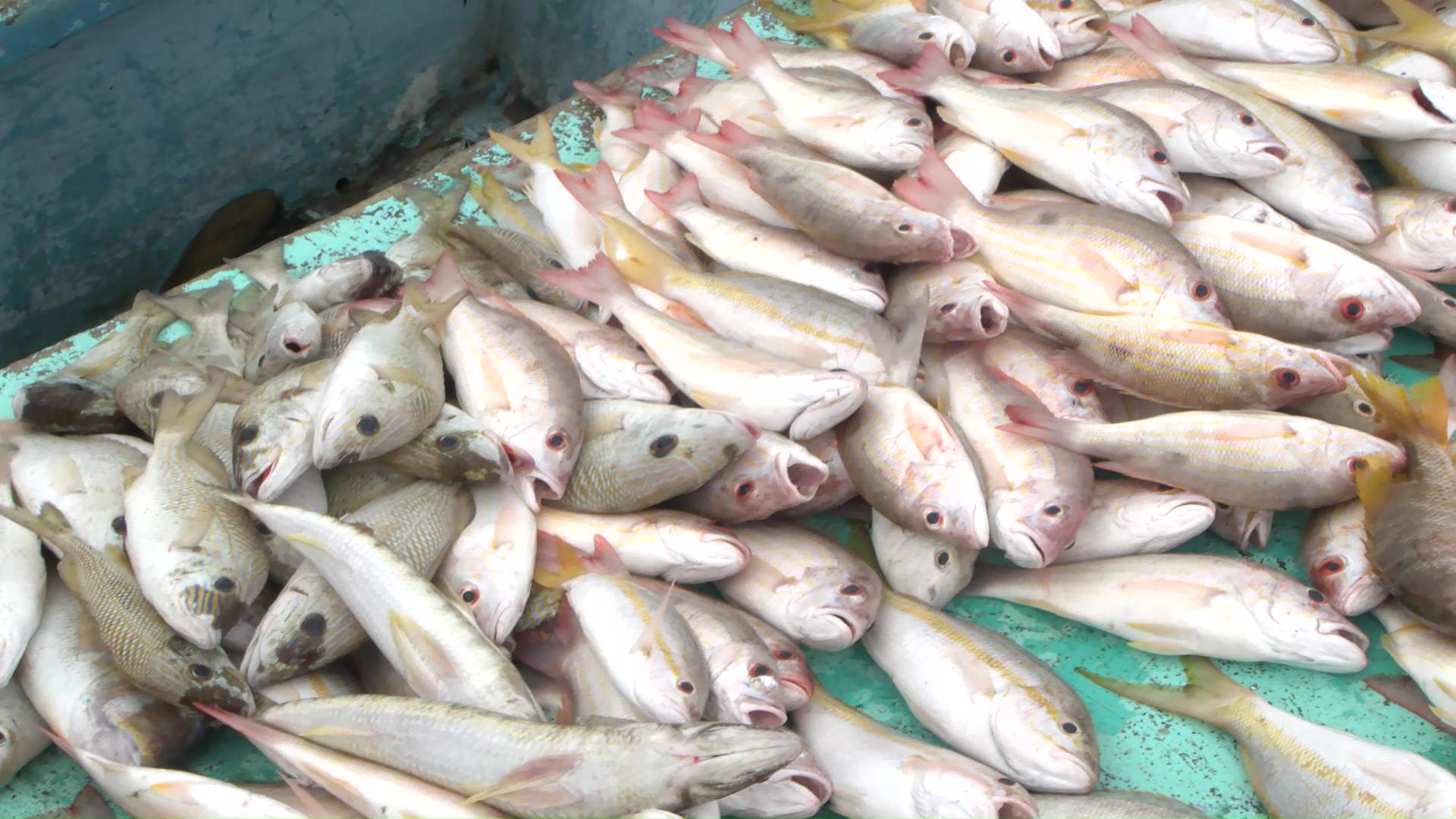
Across busy fish markets in Belize City, seasonal trade is still moving at a steady clip, with vendors and fishers laying out a wide selection of fresh catches to meet persistent consumer demand. Local fisherwoman Nicolee Usher explained that despite widespread economic strain, sellers have adjusted their offerings to fit every household budget. “Fish prices right now run between ten and twelve dollars a pound,” Usher shared. “But we also have options for five dollars a pound for people who really can’t afford more amid these hard times. We carry barracuda, groupers, broke pot, dog tooth snappers, kubali jacks, yellowtail snappers and many other varieties.”
Young commercial fisher Edmond Ford noted that while some fish are still being caught, volumes are far lower than what the industry expects during this high-demand season. Ford and his fishing crew spent two days working their traditional territory in the Bluefield range, a well-known reserve south of Belize City, and returned with only a small haul. “We got some jack and a small snapper,” Ford said. “We’re selling jack for eight dollars a pound right now, and other varieties for ten. We just barely got anything after two full days out on the water.”
For Belizean consumers, however, the long-standing Good Friday tradition of eating fish remains non-negotiable, even with higher price tags at the market. Local customer Adreanna McClurg said she plans to stick to the classic recipe she has grown up with. “I’m planning to make fried fish, probably served with rice and beans and a fresh salad,” McClurg explained. “Ever since I was little, you just know every Good Friday you’re going to have fried fish, or fish in a soup. That tradition will never change for our family.”
Other consumers are opting for different, healthier preparations, but still center their holiday meal around local fresh catch. One customer from the Barracks neighborhood shared his family’s go-to recipe: “We season it with black pepper, onion, sweet pepper and tomato, wrap it in banana leaf and foil, then bake it in the oven. This whole piece is just for two people, one half for me and one for my wife, and it’s absolutely delicious.”
For small business owners that support the local fishing industry, the Easter season is still bringing robust demand. Stephanie DeCosta, a fish cleaner who has worked in the trade for more than five years, says her business picks up dramatically over the holiday. “I charge two dollars a pound to clean fish during Lent and Easter, up from one dollar a pound the rest of the year,” DeCosta said. “This season is my Christmas for my family. I get so much work this time of year, and I love it.”
But behind the steady market activity, the fishermen who harvest the fish say rising operating costs are eating away almost all of their potential earnings this year. Ford explained that spiking gas prices have turned even small successful hauls into barely breaking even. “It’s just not working out right now because gas prices have gone up so much,” Ford said. “When we only catch a little bit after a couple days out, we barely make any money at all. We’re just living hand to mouth right now.”
Veteran fisherman Joe Requena added that even long offshore trips to popular fishing grounds like Half Moon Caye no longer guarantee enough catch to cover expenses. “Right now, I don’t even know if I’ll clear my expenses when I go out because the fish just aren’t biting,” Requena said. When asked what the biggest cost driver is, Requena answered simply: “Gas. Gas is really, really high. That’s why we have to charge higher prices for fish. I don’t like it, but what else can we do? That’s the only way we can make it work. When I go out to Half Moon Caye, I carry three eighteen-gallon drums of gas, and sometimes that’s not even enough. My expenses add up to nine hundred dollars for a single trip, and I doubt I’ll make that back in sales.”
As Belize prepares to mark another Easter, the centuries-old tradition of centering the Good Friday feast around fresh local fish remains firmly in place. But this year, both producers and consumers are feeling the financial pinch: fishermen struggling to turn a profit amid high fuel costs and low catches, and shoppers adjusting their budgets to afford holiday staples. Even with these challenges, locals across the country say the tradition will hold strong for another year.