A sweeping U.S. military campaign targeting suspected drug-smuggling vessels in the Caribbean and Eastern Pacific has ignited a fundamental international legal dispute, with the United Nations warning the operations may amount to crimes against humanity and extrajudicial killings. The conflict hinges on one core question: when, and under what circumstances, is the United States justified in using lethal force against people suspected of ties to transnational drug cartels?
Launched in September 2025, the U.S. campaign has already carried out 70 confirmed strikes, leaving at least 234 people dead, according to data from a UN independent expert. A new report from Ben Saul, the UN Special Rapporteur on human rights and counter-terrorism, delivers a scathing legal analysis concluding the U.S. operations are not justified under either domestic or international law. Saul argues the strikes represent possible serial extrajudicial killings, and may qualify as crimes against humanity given their systematic nature.
As an independent UN expert, Saul lacks authority to bring criminal charges against U.S. military officials or politicians, but his report calls for full, independent international investigations into the campaign. The core of his argument rejects the U.S. government’s framing of the anti-cartel effort as an armed conflict: drug trafficking, he emphasizes, does not constitute an armed attack, and even if those on targeted vessels were confirmed cartel members, they do not automatically become legitimate military targets under international law.
The Trump administration has stood firm in its defense of the campaign, framing the fight against drug cartels as a full armed conflict that poses a direct, existential threat to U.S. national security. Administration officials argue that the use of military force is therefore legally justified, with the explicit goal of cutting off the flow of lethal illicit drugs into the United States. In the most recent strike, the U.S. military confirmed the targeted vessel was traveling along a known drug trafficking route, and intelligence had confirmed it was actively involved in smuggling operations.
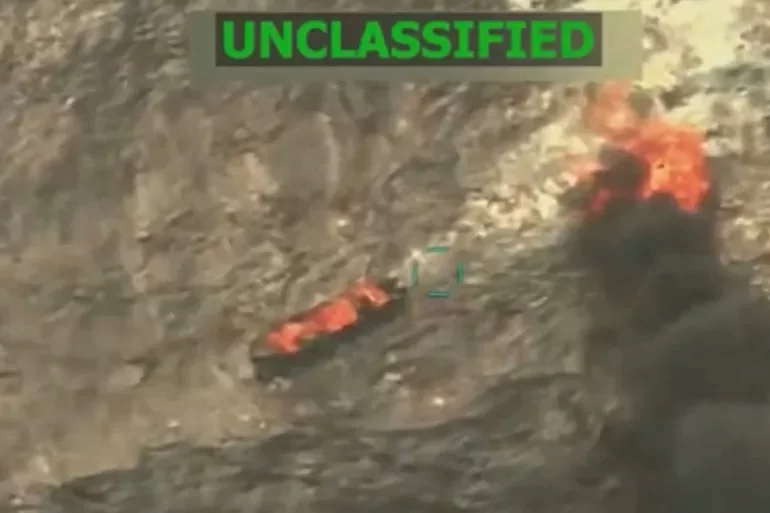
A major point of contention has been the U.S. government’s refusal to release most underlying evidence related to the strikes. While the military has released short footage of several attacks, detailed public information about the people on board, the presence of illicit cargo, and pre-strike intelligence is almost universally absent. The absence of public evidence makes independent verification of the U.S. government’s claims impossible, even though the lack of disclosure does not inherently disprove the allegations against targeted crews. Families of many of those killed have come forward to dispute U.S. claims, stating that many of the dead were civilian fishermen, not drug traffickers, leaving a critical question unanswered: how many of the strikes destroyed actual drug shipments, and how many killed unarmed suspects who posed no immediate threat?
The scale of the campaign has amplified the urgency of the legal debate. A small number of targeted law enforcement operations against clearly identified armed criminals would be one thing, but a systematic campaign that kills people based solely on suspected involvement in drug trafficking is a fundamentally different scenario – a distinction that forms the core of the UN’s warning about potential crimes against humanity.
One of the most controversial early incidents occurred on September 2, 2025, which left 11 people dead. Disputes have centered on allegations of a so-called “double tap” strike, in which a second attack was carried out against survivors of the first strike – a tactic that is widely seen as a violation of the laws of war if those targeted are no longer active threats. Additional controversy has surrounded claims that U.S. Defense Secretary Pete Hegseth ordered that all people on board be killed, an accusation U.S. military commanders denied during congressional testimony. To date, no full independent reconstruction of the incident and chain of command has been completed, leaving key details unresolved.
Beyond the legal debate, the UN report also questions the strategic effectiveness of the campaign. Most illicit drugs entering the United States arrive via alternative routes, particularly the land border with Mexico, and synthetic opioids such as fentanyl are almost exclusively trafficked through these other supply chains. Destroying small maritime vessels, Saul argues, is neither a proportionate nor effective response to the broader U.S. drug crisis, as it fails to address the full, complex logistics network of international drug trafficking.
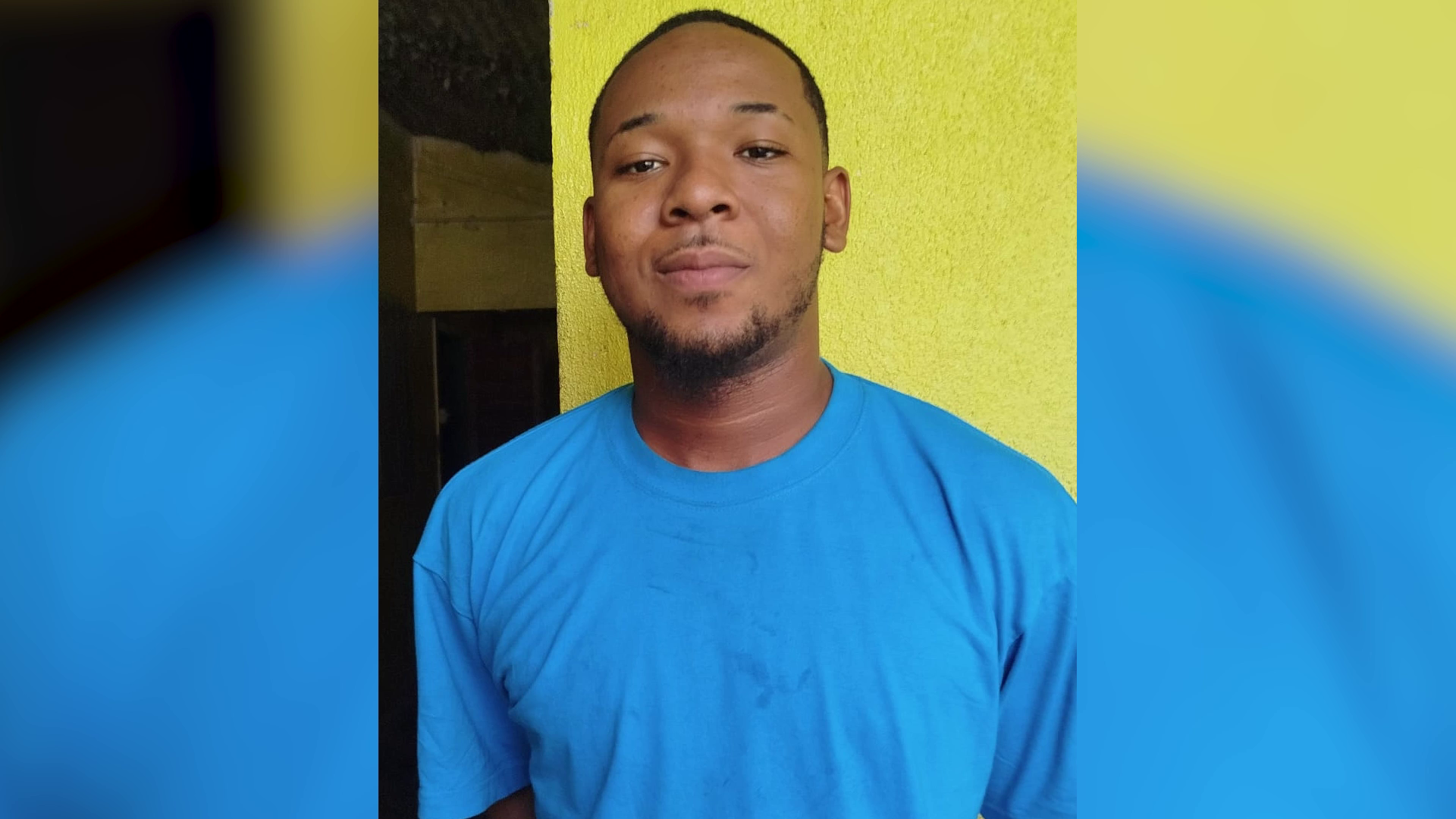
For families of the victims, the campaign has had devastating personal consequences. Two Trinidadian fishermen, Chad Joseph, 26, and Rishi Samaroo, 41, killed in a strike, have had their families file legal action in U.S. courts. The family of Colombian victim Alejandro Carranza Medina has filed a complaint with the Inter-American Commission on Human Rights. These individual cases are expected to force courts and international human rights bodies to examine specific strikes in detail, moving the debate beyond the question of whether the overall campaign is justified to what actually happened in individual operations.
While the UN’s designation of potential crimes against humanity carries significant political weight, it does not represent a final criminal conviction. International criminal law sets high thresholds for such a designation, requiring proof of a widespread or systematic attack against a civilian population, as well as evidence of specific intent and knowledge among senior officials. Jurisdiction also poses a major barrier: the United States is not a party to the Rome Statute that established the International Criminal Court, making any formal prosecution of U.S. officials extremely complex. That said, the legal debate will not disappear, as investigations into potential responsibility can proceed through other national and international legal frameworks depending on jurisdiction and evidence.
The UN report also expands its scrutiny to another high-profile U.S. operation: the January 2026 capture of former Venezuelan President Nicolás Maduro, who was seized by U.S. forces and transferred to the U.S. to face drug trafficking charges. The UN analysis estimates that approximately 75 people were killed during that operation, which the U.S. has defended under a separate legal framework tied to Maduro’s alleged criminal activity.
The dispute over the maritime strike campaign fits into a broader shift in U.S. anti-drug policy, moving away from traditional law enforcement interdiction and investigation toward a far more militarized approach. The Trump administration’s “Shield of the Americas” initiative is one key example of this broader policy shift.
At its core, the conflict between the U.S. and the UN boils down to differing definitions of what this campaign actually is. If the U.S. is indeed in an armed conflict with violent drug cartels, then lethal military force against identified targets can be justified under the laws of war. But if the operations are merely part of law enforcement efforts against organized crime, far stricter limits on lethal force apply. This fundamental disagreement leaves a host of unanswered questions related to evidence, chain of command, proportionality of force, and accountability. Until these questions are addressed through a full independent investigation, the campaign will stand as one of the most far-reaching examples of the militarization of U.S. anti-drug policy – and a growing rift in international law over where the line between fighting organized crime and waging war should be drawn.