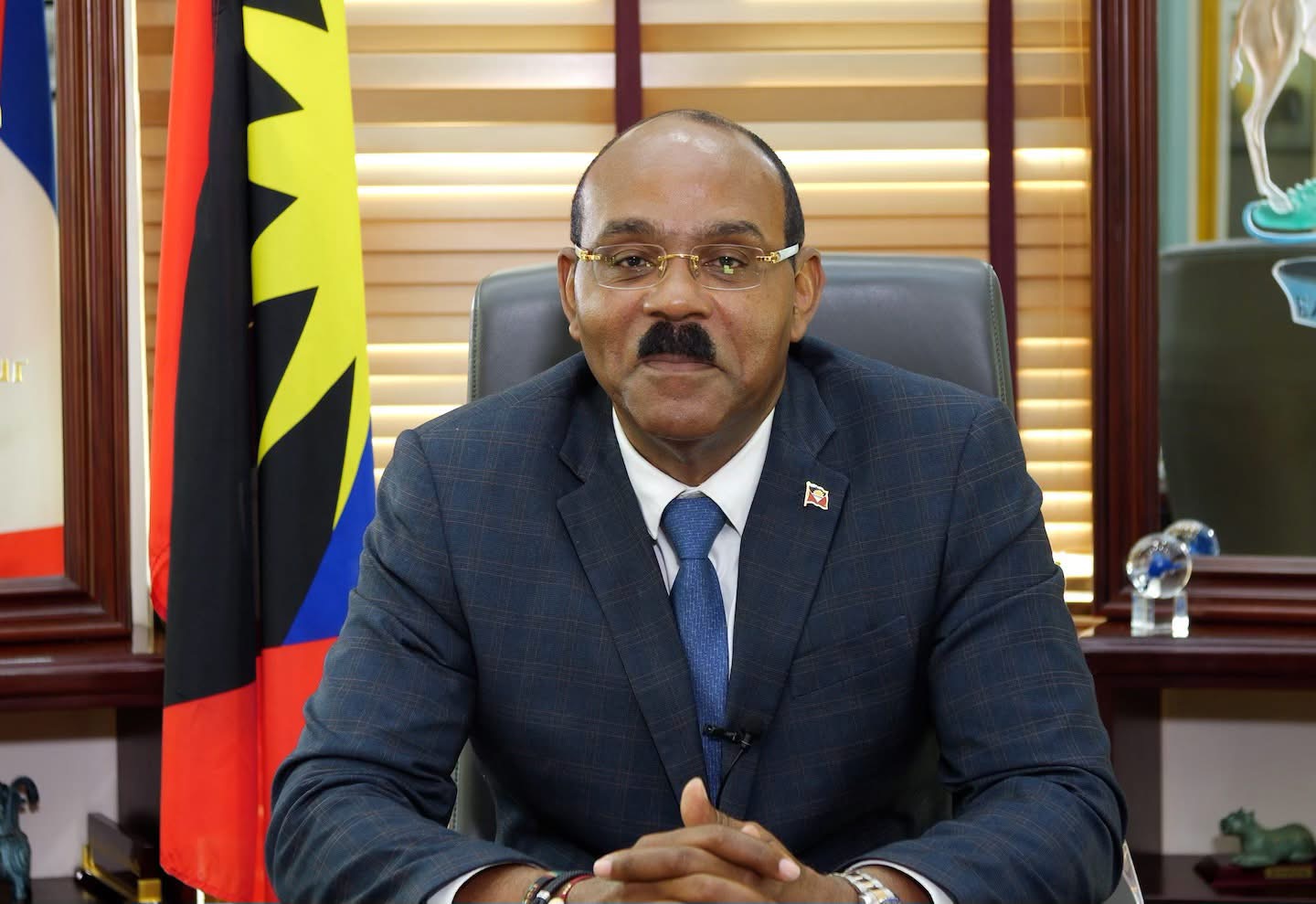
NEW YORK, Sept. 23 (Xinhua) — As the 81st Session of the United Nations General Assembly (UNGA 81) convenes in New York this week, Antigua and Barbuda has dispatched a high-level delegation led by Prime Minister Gaston Browne to advance the priorities and amplify the concerns of Small Island Developing States (SIDS) across a packed schedule of diplomatic events.
博客
-
Vijfjarig programma met UNIDO moet lokale verwerking en industrie versterken
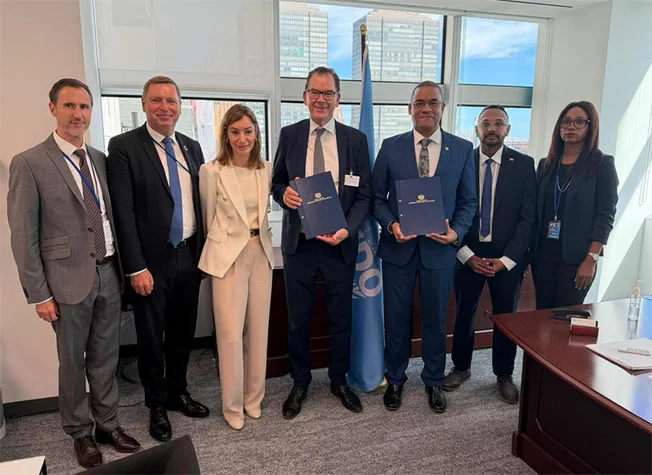
On the sidelines of the United Nations General Assembly in New York on Monday, the government of Suriname and the United Nations Industrial Development Organization (UNIDO) formalized a landmark five-year partnership framework aimed at accelerating the country’s long-term economic transformation. The Programme for Country Partnership (PCP) for 2026-2031 sets out an ambitious agenda to boost local processing of raw materials and agricultural goods, attract targeted foreign and domestic investment, strengthen small and medium enterprise (SME) entrepreneurship, and expand inclusive, quality job creation across the nation.
The agreement was signed by Suriname’s Minister of Economic Affairs, Entrepreneurship and Technological Innovation (EZOTI) Andrew Baasaron and UNIDO Director-General Gerd Müller. Designed as a collaborative strategic framework, the PCP brings together government stakeholders, private sector actors, development partners, and global financing institutions to co-develop projects and mobilize capital for inclusive industrial growth. A core guiding principle of the initiative is retaining greater economic value within Suriname’s borders, moving the country beyond its historical reliance on exporting unprocessed raw materials and agricultural commodities by scaling local production of semi-finished and finished goods. Priority sectors targeted for expansion include agro-industry, light manufacturing, and the strengthening of local end-to-end value chains.
Minister Baasaron emphasized that the new partnership aligns directly with Suriname’s national strategy to build long-term economic growth rooted in sustainable diversification. The initiative places targeted focus on high-priority inclusive development goals: expanding youth employment and entrepreneurship, advancing women’s economic empowerment, accelerating digital adoption across industries, and ensuring meaningful participation of Indigenous and Tribal communities in economic growth. “Suriname has embarked on a path of economic growth, built on the sustainable diversification of our economy,” Baasaron stated during the signing ceremony, noting that teams from EZOTI and UNIDO had spent months refining the program’s details to fit Suriname’s unique national context.
The PCP is structured around four core pillars that guide all planned activities under the framework. The first pillar focuses on improving policy, regulatory frameworks, and institutional capacity to support sustainable industrial development. The second pillar works to boost the competitiveness of domestic enterprises, scale resilient agro-industrial value chains, advance green industrial development, and expand workforce skills training to meet growing industry demand. Third, the initiative prioritizes mobilizing green and blended financing to support productive private and public investment across targeted sectors. The fourth and final pillar centers on developing forest-related value chains and growing Suriname’s emerging bio-economy.
As part of the broader program, stakeholders will also explore the potential development of Special Economic Zones (SEZs) to further attract investment, expand industrial activity, and increase local value addition. UNIDO confirmed that Director-General Müller has committed the organization’s full support to developing a regulatory and operational framework for sustainable SEZs in Suriname if the initiative moves forward. A key cross-cutting requirement baked into the PCP is ensuring industrial expansion does not come at the cost of Suriname’s rich natural ecosystems. The program is designed to pair economic growth with protection of the country’s status as one of the world’s most heavily forested nations with low rates of deforestation. As such, climate resilience, efficient natural resource management, and low-carbon development are integrated into every pillar of the initiative.
For Suriname’s small and medium-sized enterprises (SMEs), the PCP will create new pathways to expand production capacity, boost global competitiveness, and gain improved access to financing and investment opportunities that have historically been out of reach for many smaller domestic businesses. Beyond industrial growth, the program maintains a constant focus on creating quality formal employment, with targeted outreach to increase job opportunities for young people and women across all sectors. It is important to note that the signing of the framework document does not mean all proposed projects and planned investments have already secured full funding. Instead, the PCP acts primarily as a shared strategic roadmap that will guide the government, UNIDO, financing partners, development organizations, and the private sector as they work to develop and fund concrete projects over the coming five years from 2026 through 2031.
-
ORTT for CJ, Mark and Suruj
Trinidad and Tobago will bestow its most prestigious national honor, the Order of the Republic of Trinidad and Tobago (ORTT), on three distinguished public figures at a formal ceremony hosted this evening at Port of Spain’s Queen’s Hall, kicking off at 6 p.m. The full list of awardees across six honor categories was publicly released by the Office of the President last night, with President Christine Kangaloo set to preside over the presentations and Prime Minister Kamla Persad-Bissessar expected to return from an official visit to New York to attend the event.
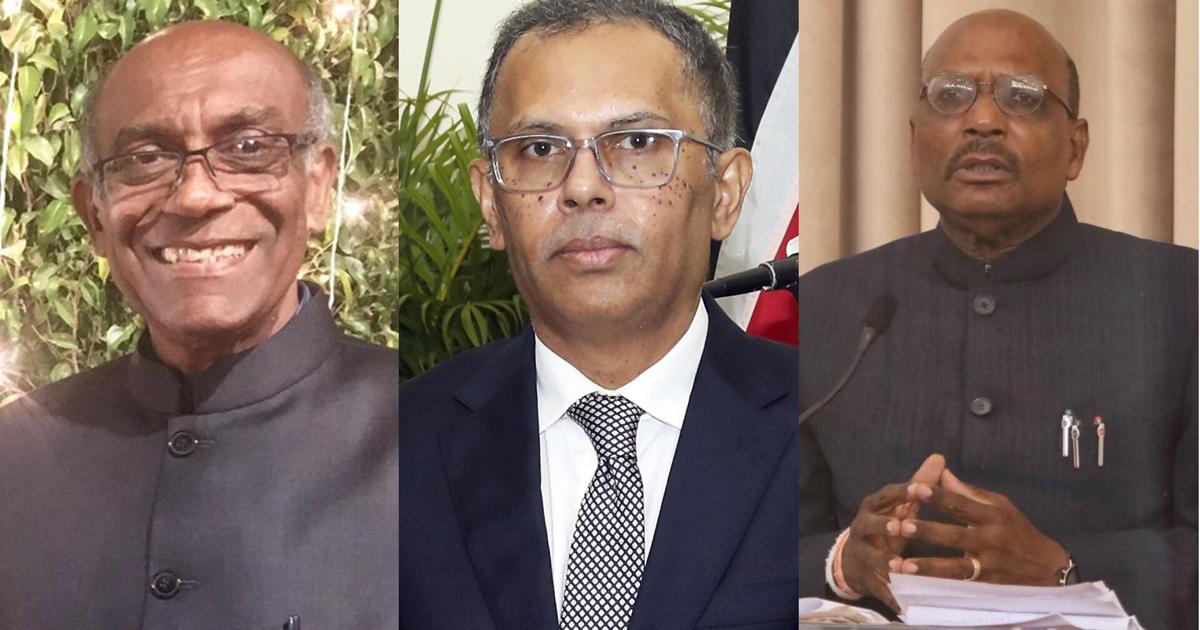
The ORTT, the nation’s highest recognition granted only in gold grade, honors individuals who have rendered exceptional and distinguished service to the country, with a statutory cap of no more than five recipients per year. This year, only three individuals have been selected for the honor: Chief Justice Ronnie Boodoosingh, Senate President Wade Mark, and former government minister Dr Surujrattan Rambachan.
Boodoosingh, who gained admission to legal practice in 1992, was appointed to the High Court bench in 2007 and elevated to the Court of Appeal in 2020. Prior to his judicial career, he served as a lecturer at the Hugh Wooding Law School, and was appointed Chief Justice by then-acting president Wade Mark in October 2024.
Mark, who was elected Senate President in May 2024, boasts a decades-long parliamentary career that began in 1990. Over the course of his public service, he has held a wide range of senior roles, including Minister of Public Administration, Vice-President of the Senate, Leader of Opposition Business in the Senate, and Speaker of the House of Representatives.
Rambachan, a veteran leader from the United National Congress, has served as Member of Parliament for Tabaquite, a senator, mayor of Chaguanas, ambassador to Brazil, and Minister of Foreign Affairs. Beyond his political career, he is also recognized as a respected Ramayan scholar and bhajan singer, and credited with playing a key role in establishing Indian Arrival Day as an official national celebration in Trinidad and Tobago.
Following the top-tier ORTT honorees, six distinguished individuals will receive the Chaconia Medal in Gold. The list includes epidemiologist Dr Paul Elias Alexander, a former Covid-19 advisor to the U.S. Department of Health and Human Services with over 20 years of experience in public health and clinical research; former government minister Joseph Toney, who represented the Toco/Manzanilla constituency under the National Alliance for Reconstruction administration and later chaired major state-owned entities including the Port Authority and First Citizens; veteran educator Keshmani Dhaniram-Gosine, who over four decades of teaching saw more than 215 of her students place in the top 200 of the national Secondary Entrance Assessment between 1999 and 2024; prominent political scientist Dr Maukesh Basdeo, who has spent over 20 years at The University of the West Indies St. Augustine campus advancing research on parliamentary governance, public administration, and Caribbean political development; retired Justice of Appeal Allan Mendonça, who served as a High Court judge from 1999 to 2004 and a Court of Appeal justice from 2004 to 2024, and acted as Chief Justice on multiple occasions; and posthumous recipient Haji Churchill Azad Akaloo, a prominent businessman and philanthropist who built manufacturing firm Sheik Lisha Ltd into a major industry player, and was known for his ongoing charitable work including providing monthly food support to over 150 low-income families until his passing earlier this month.
Four veteran journalists, including two former leaders from the Trinidad Express, will be awarded the Chaconia Medal in Silver. Omatie Lyder, who retired as Editor-in-Chief of the Express in February after 43 years with the outlet (15 of those in the top editor role), is honored for her decades of newsroom leadership and mentorship of generations of Trinidadian journalists, having risen from trainee reporter to hold nearly every senior editorial role across the Express and its former sister publication the Independent. Lyder now serves as Consulting Editor at the Express.
Political editor Ria Taitt, who retired in March after 42 years in journalism including 20 years as the Express’ political editor, is recognized for her comprehensive coverage of 11 national general elections. Photojournalist Andrea De Silva, who has 33 years of experience in the field, becomes one of the few honorees for photojournalism, recognized as the first Caribbean photojournalist to secure long-term accreditation with global news agency Thomson Reuters. Veteran journalist and author Jai Parasram, who began his career in 1972 at Trinidad and Tobago Television and later worked with the Canadian Broadcasting Corporation as part of the founding team for CBC Newsworld, is honored for his 50-year career spanning Caribbean and Canadian media.
Ten individuals and organizations will receive the Hummingbird Medal in Gold for their contributions across community service, culture, business, and religion. Recipients include Shamsudeen Ayube and Vallence Rambharat of the Hunters Search and Rescue Team; the Ganesh Utsav Foundation, recognized for its ongoing humanitarian and community outreach work; the Chinmaya Mission, honored for its religious and community service; posthumous honoree Rakesh “The Raja” Yankarran, the legendary chutney singer who won the National Chutney Monarch title in 1996 and 1997 after a 50-year performance career; business leader and philanthropist Shamshad Ali; posthumous honoree Sadhruddin “Sadro” Mohammed, the first on-air voice of Trinidadian station 103FM at its 1993 launch, recognized for his contributions to broadcasting, music, and national culture; posthumous honoree Emamool “Mamoo” Deen, who alongside his wife Rasulan Deen popularized the iconic local street food doubles in Princes Town in the 1930s; Sylbert “Bellman” Robley, honored for decades of community and Spiritual Baptist service; and Dr Winston Mansingh, recognized for his religious leadership and ministry.
Athletics pioneer Rawle “Mr Hampton” Raphael is the sole recipient of the Hummingbird Medal in Silver. Raphael co-founded the Hampton International Games and contributed over 50 years to advancing local athletics, and was inducted into the Central American and Caribbean Athletic Confederation Hall of Fame in 2012. Three individuals will receive the Hummingbird Medal in Bronze: Junior Bisnath, who has spent over three decades preserving the traditional Moko Jumbie stilt-walking cultural practice; Fyzool “Haroon” Awardy, recognized for his service to business, sport, and community development; and 84-year-old Bishop Marjorie Anderson, honored for decades of contributions to education, nursing, correctional services, counseling, rehabilitation, and community and spiritual service.
Five recipients will receive the Public Service Medal of Merit in Gold: Ian Macintyre SC, who has dedicated over three decades to legislative drafting and legal administration and was appointed Chief Parliamentary Counsel in 2010; Raymond Surujbally, recognized for 40 years of service to education and youth development; Master Ralph Doyle, whose legal and public service includes tenure as Master of the High Court and as the first deputy director of the Police Complaints Authority; Leonard Bradshaw, who served as Vice-President of the Senate from 1988 to 1991 under the NAR administration; and the Trinidad and Tobago Cadet Force, which is celebrating 116 years of youth development work, and currently serves over 2,300 cadets through eight battalions and more than 75 school-based units.
To close the honors list, three trailblazing women will receive the Medal for the Development of Women in Gold: prominent soca artist Destra Garcia, lawyer, author and women’s rights advocate Deborah Moore-Miggins, and public service human resources pioneer Rudrawatee Nan Gosine-Ramgoolam. Garcia, who has worked for over two decades as a soca performer, songwriter, and motivational speaker, is recognized for expanding space for women in the soca and creative industries, and for promoting female confidence, self-expression, and empowerment through her work. Moore-Miggins is honored for her work advancing literacy, mentorship, women’s political participation, and gender empowerment. Gosine-Ramgoolam is recognized for her pioneering work in public service human resource management and for introducing the national Employee Assistance Programme.
-
Minister Greene advocates at the UN for greater cooperation between Africa and the Caribbean
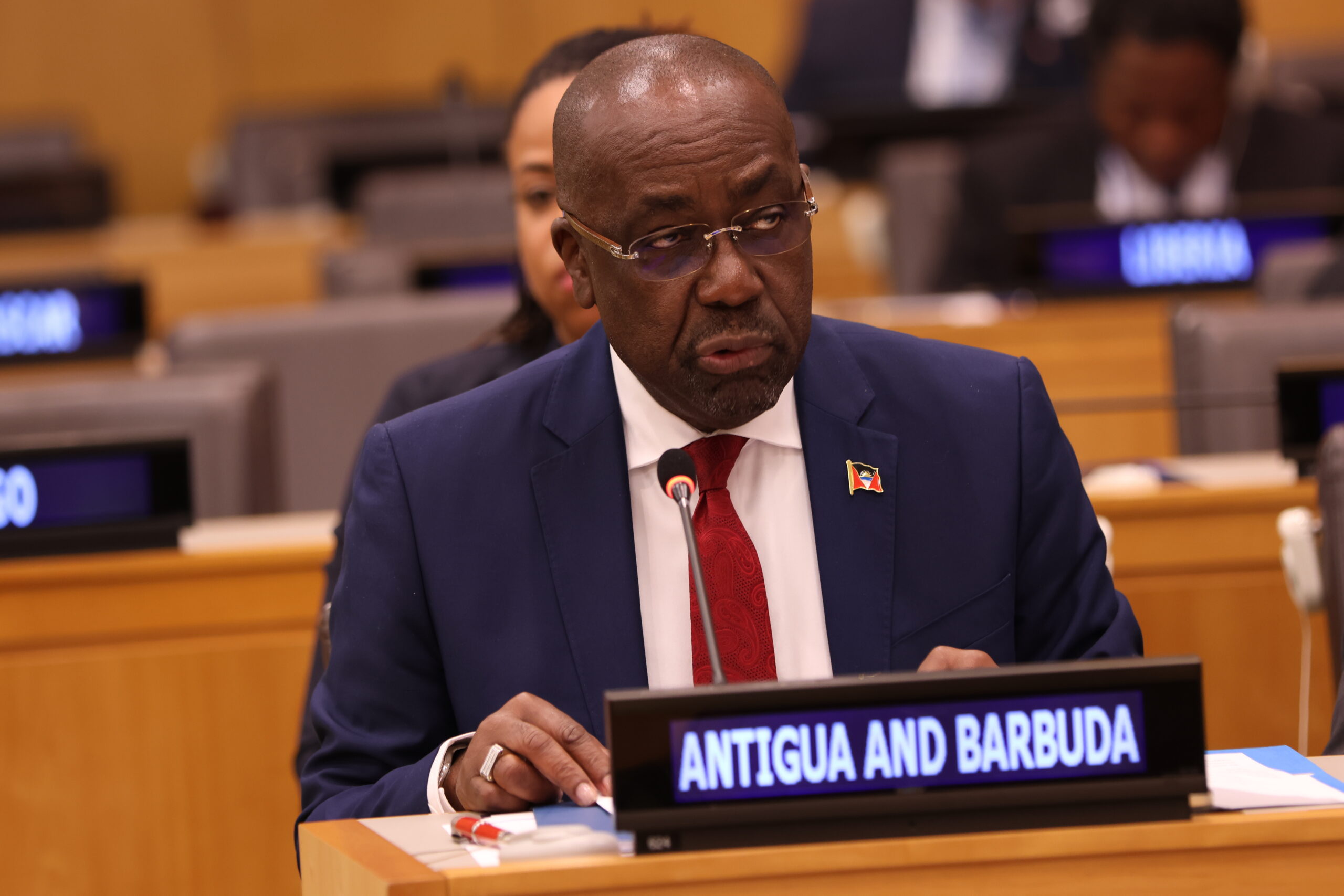
Against the backdrop of the 81st United Nations General Assembly convening in New York, a high-level dialogue between the African Union and the Community of Latin American and Caribbean States (CELAC) has brought renewed focus to South-South collaboration. At this gathering, Antigua and Barbuda’s Minister of Foreign Affairs, Greene, delivered a clear call for intensified practical partnership between Africa and the Caribbean, rooted in shared history and aligned against common global challenges.
CELAC, a bloc uniting 33 nations across Latin America and the Caribbean, has built a foundational partnership with the African Union that carries unprecedented strategic weight in today’s global landscape. Greene emphasized that this alliance creates a rare opportunity for African, Caribbean and Latin American nations to align their positions and speak with a unified, powerful voice on critical global issues, spanning inclusive development, climate finance reform, equitable trade frameworks, and more. What binds these regions together beyond policy coordination is a common legacy: generations of colonial rule and enslavement, alongside a shared urgent need to build tangible, mutually beneficial cooperation across trade, cross-border investment, technology transfer, and climate disaster resilience.
“Our CELAC-Africa partnership holds deep strategic significance,” Greene told attendees. “Together, our regions account for a substantial portion of the global population, endowed with abundant economic, human and natural resources. Even more importantly, we carry shared historical experiences, face overlapping development hurdles, and stand united in our commitment to building a far more equitable global order.”
Despite this strong foundation of shared values and aspirations, Greene stressed that common ground alone is not enough to deliver meaningful progress. He argued that the time for incremental dialogue has passed, and the global South must move quickly to translate goodwill into actionable, on-the-ground cooperation. The minister outlined a range of high-potential areas for mutual growth, noting that both regions stand to gain from deeper collaboration across trade and investment, cross-regional connectivity, technological innovation, sustainable agriculture, renewable energy expansion, education, public health, and the creative economy.
However, Greene also sounded a note of caution: tangible advancement will remain out of reach unless regional leaders confront the long-standing structural barriers that continue to stifle increased trade and investment flows between Africa, Latin America and the Caribbean. To turn his vision for collaboration into reality, Greene laid out a clear roadmap of core priorities for fellow leaders to advance, focused on strengthening practical ties and deepening institutional bonds across the three regions.
Key priorities identified in the roadmap include expanding air and maritime connectivity between African and CELAC nations, boosting regulatory and institutional coordination to cut red tape for cross-border trade and investment, expanding access to development funding and innovative financing tools for small and medium-sized enterprises (SMEs) and structurally vulnerable economies, and leveraging digital technology to better connect businesses, public institutions and regional markets.
Greene also placed particular emphasis on the urgent need to deepen partnership around climate resilience and sustainable development, highlighting the disproportionate vulnerability of Small Island Developing States like Antigua and Barbuda to the impacts of climate change, even though they contribute the least to global emissions.
Concluding his address, Greene reaffirmed Antigua and Barbuda’s unwavering commitment to growing the CELAC-Africa relationship, built on the core principles of mutual respect, solidarity, sovereign equality, and shared mutual benefit. “Let us seize this moment to deepen our partnership, amplify our collective voice within the multilateral system, and advance a development agenda that is more inclusive, more resilient, and far more responsive to the needs of all our people,” he said.
-

National Student Council Launches New Resources To Strengthen Student Leadership And Student Councils
A landmark initiative to embed meaningful student leadership across Antigua and Barbuda’s entire education system has moved forward, as the National Student Council (NSC) officially launched a comprehensive suite of new governance and development resources for school-level student councils.
The launch marks a key milestone in the ongoing institutionalization of student governing bodies across the country’s education sector. Under the new initiative, every primary and secondary school in the nation will receive three core documents: the updated Constitution of the National Student Council, the newly created Student Council Guide and Regulations, and a dedicated Training Manual for emerging student leaders.
Each resource serves a distinct purpose to build a cohesive national framework for student governance. The NSC Constitution lays out the formal governing structure and operational rules for the country’s national student representative body, creating a clear foundation for coordinated national-level student advocacy. The new Student Council Guide and Regulations fills a longstanding gap by offering school administrators and student groups step-by-step, practical guidance covering every stage of a local student council’s work, from initial establishment and organizational structuring to day-to-day administration and long-term operations. The manual is designed to help local councils contribute meaningfully to education improvement at the school level. Completing the set, the Training Manual targets skill development for student leaders, outlining targeted modules to build the competencies needed to effectively serve their peers and school communities.
Collectively, the resources are designed to align students, teachers, and school administrators around a shared understanding of student councils’ core role, and to remove barriers to effective student participation in both school governance and broader education policy conversations. Prior to national distribution, the NSC formally presented the finalized document set to Antigua and Barbuda’s Ministry of Education, signaling official alignment on the initiative’s goals. Following the presentation, the resources are now set to be rolled out to every campus across the country.
Clare Browne, Director of Education for the nation, reaffirmed the Ministry of Education’s full commitment to advancing the development of student councils, growing student leadership capacity, and strengthening democratic institutional practice within the education system. Browne emphasized that the Ministry recognizes that student participation does not only benefit school communities—it also equips young people with critical life skills, including leadership, communication, and civic literacy, that are essential for active, informed engagement in broader society after graduation.
The NSC’s work on this initiative remains anchored in its three longstanding core pillars: Representation, Mobilization, and Advocacy. Through these guiding principles, the organization aims to amplify student voices across the education system, create space for genuine, meaningful youth participation in decision-making, and nurture a new generation of capable, socially responsible young leaders. Moving forward, the NSC will not stop at document distribution: the organization plans to continue partnering with individual schools, designated Lead Teachers, and local student representatives to deliver targeted skills training, technical support, and other assistance needed to strengthen school-based student councils and help them thrive.
-
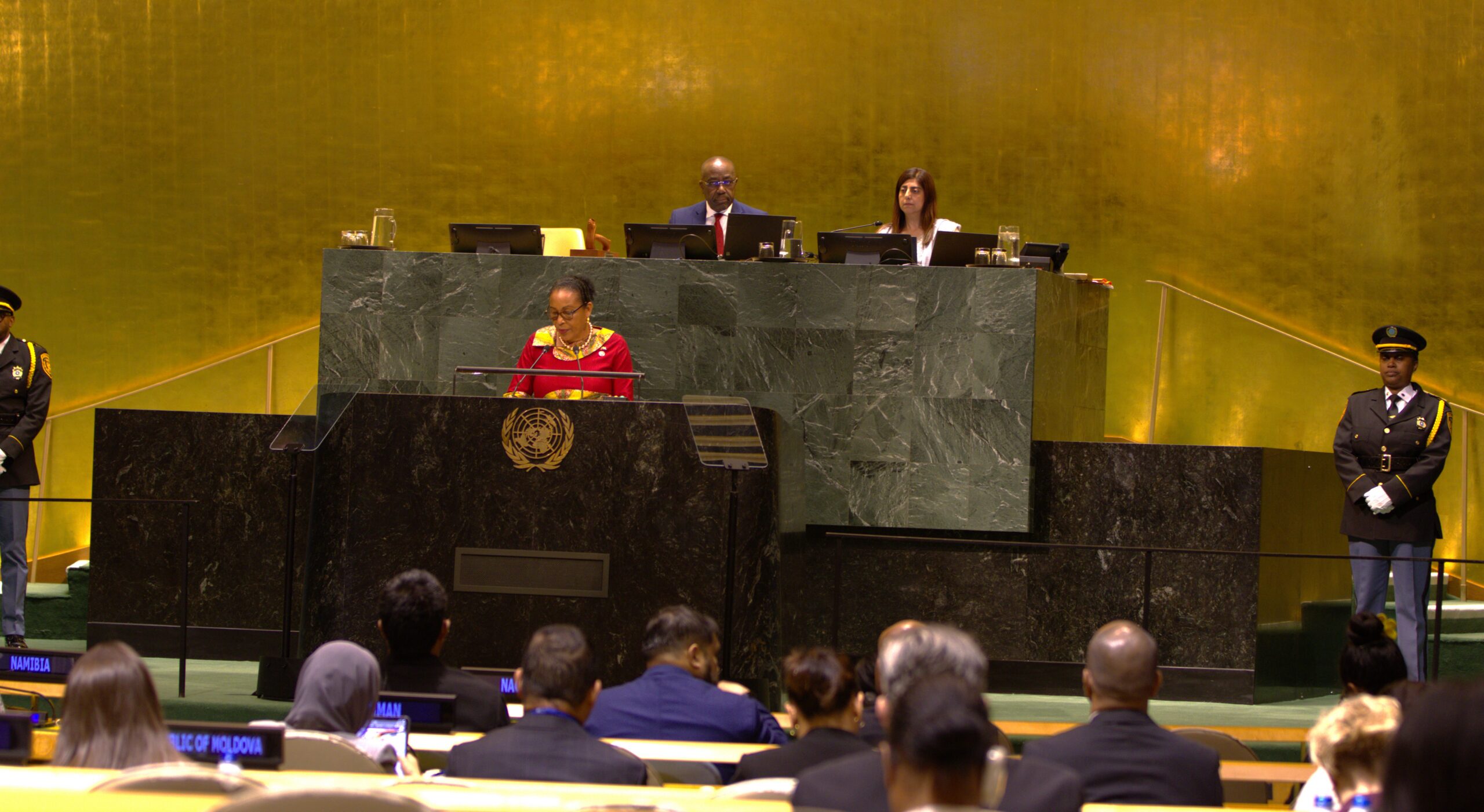
Antigua and Barbuda plays prominent role on opening day of UN General Debate
As the 81st United Nations General Assembly kicked off its High-Level Week in New York on September 22, 2026, a small Caribbean nation stepped into an unexpected spotlight: Antigua and Barbuda was tapped to lead the opening day proceedings, a gesture that underscores the growing respect the dual-island nation holds across the global diplomatic community.
On the opening afternoon of the General Debate, where heads of state and senior diplomatic delegations from every corner of the globe deliver their formal national addresses to the UN, E. Paul Chet Greene, Antigua and Barbuda’s Minister of Foreign Affairs and Trade, stepped to the podium to chair the day’s sessions. The appointment places the small island developing state in a position of unprecedented leadership at a critical turning point for global multilateralism.
Today, the United Nations faces growing scrutiny over eroding trust among member states and questions about its ability to adapt to and address the rapid shifts reshaping the modern international order. The 81st session’s official theme, “Restoring Trust, Managing Transformation: A United Nations That Delivers for All,” directly confronts these pressing challenges, making Greene’s leadership role on opening day all the more significant.
For Greene, the opportunity to chair the opening proceedings marked a source of national as well as personal pride. In remarks following his assumption of the role, he emphasized that the appointment sends a clear message about Antigua and Barbuda’s standing in global affairs. “It shows that the country is still being held with considerable respect among the international community,” Greene said. “And being called on to serve in such a role moves us beyond simply participating in an important diplomatic process but playing a role in managing its proceedings.”
Antigua and Barbuda’s full national delegation, led by Prime Minister Gaston Browne, will arrive in New York to join the assembly’s proceedings tomorrow. Alongside Foreign Minister Greene, Minister of Health and the Environment Michael Joseph is already on the ground in New York, taking part in the full schedule of High-Level Week meetings focused on global health and environmental action.
-
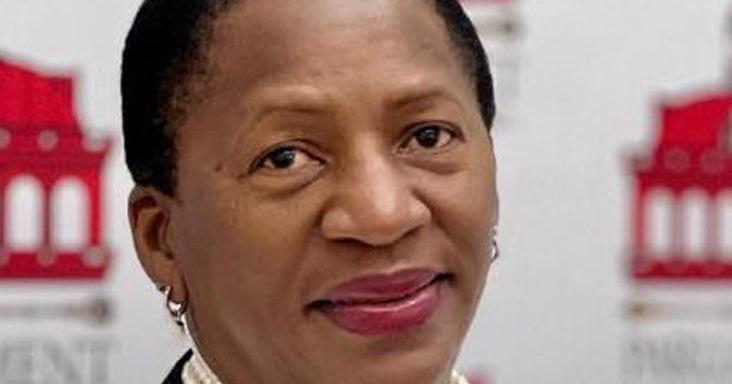
GOVT WEAKENING OPR
A brewing political controversy has emerged in Trinidad and Tobago over planned amendments to the national Procurement Act, with Opposition Leader Pennelope Beckles raising urgent red flags about what she calls a power grab that erodes independent oversight of public spending. In a public statement posted to her official Facebook page over the weekend, Beckles laid out a sweeping critique of the proposed legislative changes, arguing the ruling government is systematically stripping the country’s independent procurement watchdog of its core enforcement powers while granting cabinet ministers broad, unchecked discretion to exclude public spending projects from legal scrutiny.
At the heart of Beckles’ criticism is the stripping of key intervention authorities from the Office of Procurement Regulation (OPR), the independent body tasked with monitoring and enforcing compliance with public procurement rules. Under Clause 5 of the new bill, the OPR will lose its ability to take meaningful action even when it uncovers irregularities through investigation or public complaints. These stripped powers include the ability to suspend ongoing procurement proceedings, block public bodies from moving forward with flawed award decisions, compel agencies to reverse or reconsider problematic rulings, order re-evaluation of bids, terminate entire procurement processes, and block or pause the award or implementation of contested contracts. Instead of binding enforcement action, Beckles explained, the OPR will only be permitted to issue non-binding, advisory recommendations that carry no legal weight.
Beckles specifically questioned the timing and motivation of these changes, pointing to a high-profile 2024 case where the OPR used its existing powers to halt billions in public housing contracts. Back in April, the OPR ordered the Housing Development Corporation (HDC) to pause the award of $3.4 billion in public housing project contracts mid-way through the process, launching a full review of the procurement proceedings to check for irregularities. The Opposition Leader asked pointedly why the government would move to eliminate the very powers that were already used to protect billions in taxpayer money, noting the lack of public consultation and transparency around the proposed changes. She also questioned the role of the Joint Select Committee, the parliamentary body that normally provides oversight for major legislative changes, asking why the panel had not carried out public engagement on the proposed amendments before they were brought forward.
Beyond weakening the OPR’s enforcement powers, Beckles highlighted a series of new broad exemptions the bill creates for major public spending categories. These new carve-outs include energy sector projects covering oil and natural gas development, national security initiatives, public-private partnership projects for public housing development, and a wide range of emergency-related procurement. Most concerning, Beckles argued, is a new provision that grants individual cabinet ministers the unilateral authority to add any additional procurement project to the exemption list via executive order. Under current law, any new exemptions to procurement rules require either a recommendation from the independent OPR or formal approval from the minister with the explicit agreement of the OPR. The proposed changes would completely eliminate this independent check on ministerial power, Beckles warned, leaving no guardrail against arbitrary or politically motivated exemptions for public spending.
The bill also doubles the monetary threshold for exempted procurement from $1 million to $2 million, a change Beckles says will put hundreds of millions in annual public spending outside the OPR’s regulatory framework. The proposed amendments would also repeal the existing Simplified Procurement Regulations that currently govern these lower-value purchases, removing existing transparency requirements for these contracts. Under the new framework, national ministries and designated public bodies will be able to spend up to $2 million on contracts without following the procurement rules laid out in the Act, while chief executive officers of Municipal Corporations will have an exemption threshold of $500,000 for their spending. Critically, the OPR will only receive notification of these contracts after they have already been awarded, eliminating any possibility for pre-award oversight to catch irregularities or corruption.
Beckles also pointed to two additional controversial changes in the bill: a reduction in the window of time that suppliers have to challenge flawed procurement decisions, and a new requirement that losing challengers cover the legal costs of the defending public body. She argued that these changes will deter suppliers from speaking out about irregularities, even when they have clear evidence of unfair or corrupt practices, leaving the status quo unchallenged.
Summarizing the scope of the changes for the public, Beckles said the amendments amount to a systemic rollback of procurement transparency: more public spending conducted outside the bounds of the Act, fewer enforcement powers for the independent regulator, weaker protections for suppliers that challenge irregularities, and far more unaccountable discretion in the hands of cabinet ministers and public bodies. She went on to allege that the changes open the door for renewed controversy connected to the HDC and LandmarkTT, claiming the amendments could ultimately clear the way for “massive payouts to UNC financiers.”
-
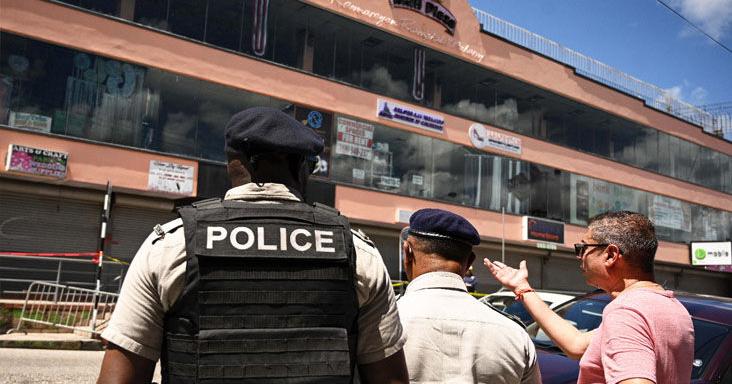
Gas scent a week earlier
On the day after an explosion damaged the third floor of R&M Plaza on San Fernando’s High Street, fire investigators returned to the scene Tuesday to unravel what caused the Monday evening blast, with the building’s owner standing by to observe the probe. The commercial hub stayed fully closed Wednesday, leaving scores of tenants waiting for official clearance from the Trinidad and Tobago Fire Service before they can re-enter to evaluate harm to their business spaces.
Kiran Singh, president of the Greater San Fernando Area Chamber of Commerce and owner of R&M Plaza, told reporters that as of Tuesday, investigators had not reached a conclusion on the explosion’s origin, pushing back on unconfirmed reports that an unaddressed gas leak was to blame. Singh confirmed that roughly 10 days before the blast, maintenance contractors from Ramco were called to the building’s food court on an emergency call after staff detected a faint gas odor. The team resolved the issue on site, he said, and no additional gas leaks were detected after the repair. As a standard safety measure, the entire building’s gas supply was shut off immediately after Monday’s explosion, he added.
Singh outlined the layout of the three-story building: the ground and middle floors hold a range of retail outlets, while the third floor houses both the food court and Skyline Pub, the exact site where the explosion occurred. To date, only the pub has been confirmed as sustaining major structural and interior damage from the blast.
The explosion struck just after 5 p.m. on Monday, blowing out glass panels along the third floor’s front facade and sending shards and other debris falling onto the sidewalk and High Street directly adjacent to the Penal taxi stand. One person was injured in the incident: a woman who runs a clothing store inside the plaza, who was cut by flying shattered glass. She was transported to a local hospital for treatment, received medical care for her wounds, and was discharged the same day.
Singh confirmed the building is fully covered by insurance, and expressed cautious optimism that operations could restart as early as the end of this week. “We’re just waiting for investigators to complete their work before we can get access back to the building. Once they wrap up their probe, they’ll hand the property back to us so we can start cleaning up and repairing the damage,” he said, adding “We don’t have a full estimate of the total damage yet, and the plaza will stay closed until the Fire Service gives us formal approval to reopen. We hope that by the end of the week operations can resume—the sooner, the better.” He also noted that San Fernando Mayor Robert Parris has reached out to offer the city government’s full support to tenants and the building owner in the wake of the incident.
For tenants waiting out the closure, uncertainty about lost revenue looms large, especially ahead of the upcoming Divali holiday. Malini Paltoo, owner of Malini’s High Fashion, a ground-floor clothing outlet, stood on the High Street sidewalk Tuesday watching investigators work, and shared her concern about how an extended shutdown would impact her small business and her two employees. Paltoo said she and her staff were just wrapping up work for the day when the explosion hit, and is eager to get back to business. “I am a bit worried because I do not want the store to be closed for too long,” she told reporters. “This is a time when events are taking place on the Hindu calendar and Divali is around the corner, so I hope to reopen soon.”
The blast has also disrupted local transit operations: the Penal/Debe taxi stand, which sits directly across from the plaza, has been temporarily relocated to the opposite side of High Street. Taxi drivers reported significant initial disruptions to their daily routes and passenger pickups at the new site. “The place is a bit congested right now, because this is a one-way street. I am hoping for a speedy return to normal operations,” said local driver Ivan Roopnarine. Fellow driver Anderson Mendez added, “This morning there was a lot of inconvenience in this relocation. But we are still waiting to see how it will affect us with our passengers.”
-

Padarath threatens to sue CWU head
A high-stakes political and legal dispute has erupted in Trinidad and Tobago, after Public Utilities Minister Barry Padarath launched pre-action legal proceedings against Communication Workers’ Union (CWU) Secretary General Joanne Ogeer over damning allegations she made at a September 14 union-hosted press conference. The contentious claims centered on Padarath’s supposed involvement in improper activities at state-owned Telecommunications Services of Trinidad and Tobago (TSTT).
Attorney Jared Jagroo delivered the formal pre-action letter to Ogeer on Monday, with senior counsel Anand Ramlogan and attorney Ganesh Saroop also representing Padarath in the matter. The correspondence outlines a 14-day window from receipt for Ogeer to meet all of Padarath’s demands; failure to provide a satisfactory substantive response will result in immediate court filings without additional advance warning.
According to the legal document, Ogeer’s public statements framed Padarath as complicit in unreported wrongdoing at TSTT, accused him of intentionally ignoring alleged corruption and other improper conduct, and claimed he was unduly influenced by TSTT chairman Kern Dass. Additional allegations included claims that Padarath received internal documentation detailing purported corruption, conflicts of interest, and suspicious business deals at the telecommunications firm, and that he subsequently ordered TSTT’s chief executive officer to step down. Ogeer also reportedly claimed Dass acted as Padarath’s personal political financier – an assertion Padarath flatly denies.
Padarath’s legal team stresses that all of the allegations put forward by Ogeer are entirely false. The minister has never received the purported corruption file, never issued an order for the TSTT CEO to stand down, and denies all claims of financial impropriety or improper ties to Dass. The legal team adds that the false claims have intentionally painted Padarath as dishonest, financially compromised, and complicit in unethical activity at TSTT, causing severe and ongoing damage to his professional and personal reputation.
The original press conference was carried live on air and later uploaded to the CWU’s official Facebook page, before being picked up and reprinted by multiple mainstream Trinidad and Tobago media outlets. This widespread distribution, Padarath’s attorneys argue, has significantly amplified the harm caused by the false claims.
Among Padarath’s demands are a formal written apology, a high-profile public retraction posted to the CWU’s Facebook page and any other platform where the original allegations were shared, the removal of all social media content including the original Facebook reel that repeats the claims, and a formal written promise that Ogeer, the CWU, and all affiliated representatives will not reprint or repeat the allegations in the future. Padarath is also seeking monetary damages for defamation and full reimbursement of his legal costs. If Ogeer fails to meet all terms within the 14-day period, or issues any repeat allegations, Padarath will move forward with full legal proceedings seeking aggravated and exemplary damages, a court-ordered injunction blocking further publication of the claims, and additional legal relief.
This latest pre-action letter marks the second legal threat leveled against Ogeer stemming from the same September 14 press conference. Last week, separate pre-action correspondence was sent on behalf of Kern Dass and TSTT Corporate Secretary Viveka Pargass. In that matter, attorney Samantha Singh-Poona gave Ogeer 48 hours to withdraw her claims against the two TSTT executives, issue public apologies, and provide all factual evidence supporting her original allegations. Ogeer’s claims against Dass included attacks on his professional competence and his handling of TSTT’s bond refinancing and activities tied to the entity Maritime, while Pargass disputed allegations made about the circumstances of her appointment to her TSTT role. Singh-Poona also warned that failure to meet the 48-hour deadline would result in immediate court filings, including applications for injunctive relief to block further publication of the claims.
-
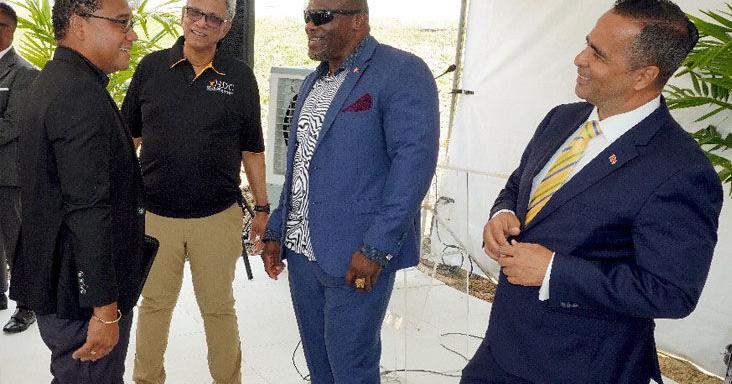
Stand up against MPs
A fierce political confrontation over the controversial Special Operations Bill (SOB) has escalated in Trinidad and Tobago, with senior cabinet minister and ruling party official Roger Alexander calling on residents of opposition-held constituencies to pressure their elected representatives to support full implementation of the legislation across the country. Alexander made his remarks Thursday while speaking to reporters on a site visit of the Canopies at Caura housing development, a new Housing Development Corporation project in his Tunapuna constituency, ahead of the development’s official public launch.
The current clash stems from a decision announced earlier this week by Prime Minister Kamla Persad-Bissessar, leader of the ruling United National Congress (UNC). Facing widespread opposition and threats of mass protest from Members of Parliament belonging to the opposition People’s National Movement (PNM), Persad-Bissessar declared Monday that her administration would limit enforcement of the special operations framework exclusively to constituencies, local government districts, and the autonomous island of Tobago that are controlled by pro-government parties.
In a sharply worded social media statement, the Prime Minister accused PNM representatives of deliberately opposing the anti-crime legislation to protect the violent criminal gangs and local drug trafficking networks that operate in their constituencies. “Therefore, I will only authorise special operations in the 26 UNC-held constituencies, 70 UNC-held local government electoral districts and in the two TPP-held constituencies after consultation with Chief Secretary Farley Augustine,” she confirmed.
Opposition lawmakers have mobilized against the bill on constitutional and civil liberties grounds. During last Friday’s parliamentary debate, senior Opposition MP Stuart Young argued that the broad powers granted by the legislation risked transforming Trinidad and Tobago into an authoritarian police state. That opposition has extended to on-the-ground organizing: Port of Spain South MP Keith Scotland has already publicly pledged to mobilize his constituents to oppose both the bill and the proposed policy of designating high-crime neighborhoods as restricted “closed areas” for law enforcement operations.
Alexander pushed back against the opposition’s position Thursday, framing the government’s limited implementation plan as a defensive barrier that would keep criminal activity contained within opposition-held areas and away from pro-government communities. “We will build it like a fence. So, we will keep them away from good people,” he told reporters. He added that PNM representatives’ opposition to the bill does not reflect the will of ordinary constituents in opposition-held districts, arguing that lawmakers live outside the communities they represent and are out of touch with residents’ demand for stronger anti-crime action.
“He said constituents in those areas needed to stand up against their representatives and say, listen you are speaking for you because you do not live here, we want to speak for ourselves,” Alexander stated, adding that constituent pressure would force opposition MPs to reverse their position on the legislation.
When asked whether the government would open the policy up to broad public consultation before moving forward with implementation, Alexander noted that opposition lawmakers already rejected a consultation process during last week’s parliamentary debate. He confirmed that the administration has no plans to force the policy on constituents whose representatives have actively pushed back against it. When pressed to point to specific language in the legislation that allows for enforcement to be limited along political constituency boundary lines, Alexander stated the scope of implementation would ultimately be shaped by public attitudes toward the policy.