博客

  • Defence partnership

    Defence partnership

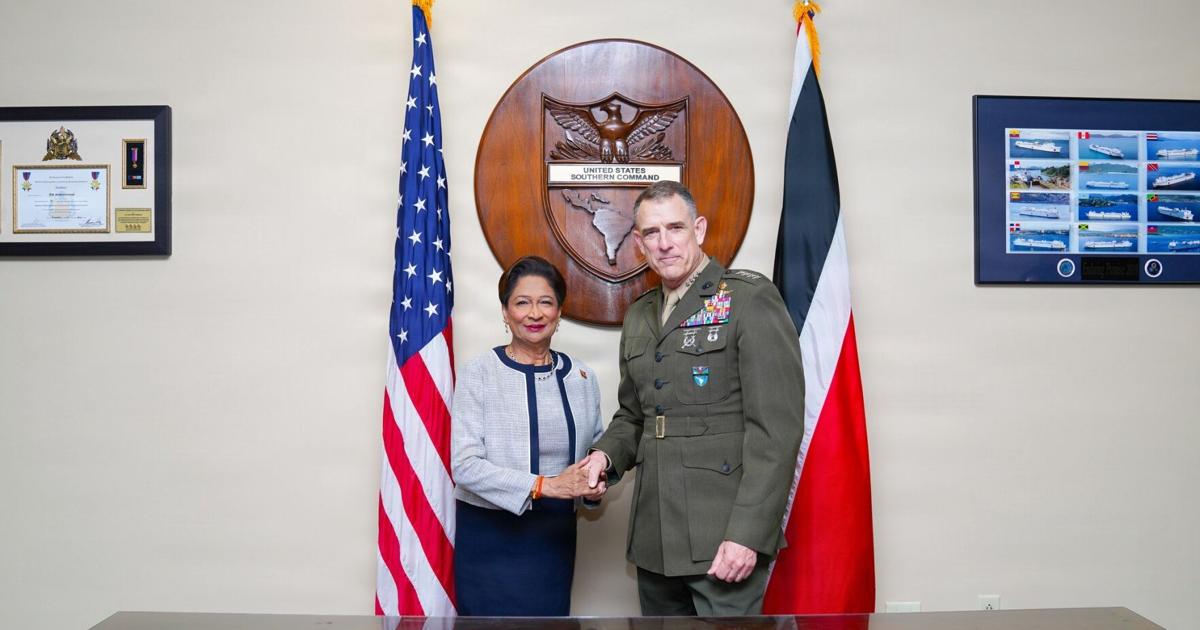
    In a significant development for Caribbean security cooperation, the United States has pledged enhanced support to Trinidad and Tobago’s ongoing battle against drug trafficking networks and designated terrorist organizations. Prime Minister Kamla Persad-Bissessar conducted high-level talks at the US Southern Command (SOUTHCOM) headquarters in Doral, Florida, marking a strategic escalation in bilateral defense partnerships.

    The diplomatic engagement focused on concrete measures to strengthen collaborative security initiatives, particularly addressing the critical challenges of narco-terrorism and transnational criminal operations proliferating throughout the Caribbean region. Prime Minister Persad-Bissessar emphasized the urgent requirement for advanced US assistance in cybersecurity capabilities, forensic analysis, and ballistic technology to effectively combat sophisticated criminal enterprises.

    This high-stakes meeting occurred against the backdrop of Trinidad and Tobago’s currently active state of emergency, declared on March 3rd to address escalating security concerns. The discussions built upon previous multilateral agreements, including the recent Americas Counter-Cartel Conference where Defense Minister Wayne Sturge advocated for increased operational assets for Caribbean nations.

    Notably, the partnership already demonstrates tangible outcomes with the operational deployment of a US-funded radar surveillance system at Tobago’s ANR Robinson International Airport, representing a daily investment of $3 million in regional security infrastructure. Prime Minister Persad-Bissessar characterized the collaboration as essential, stating: ‘We cannot do it alone; the assistance of the US will help us win the war against the criminals.’

    The bilateral talks also produced commitments for expanded operational support and technological exchange, with SOUTHCOM commander Francis L. Donovan receiving an official invitation to continue strategic discussions in Trinidad and Tobago later this year. Both nations reaffirmed their shared dedication to regional stability through enhanced intelligence sharing and coordinated counter-narcotics operations.


  • Ankle-monitored accused gunned down near home

    Ankle-monitored accused gunned down near home

    In a brazen morning attack that raises serious questions about judicial monitoring systems, 38-year-old Isiah Garcia—a man under court-ordered electronic surveillance—was ambushed and executed near his D’Abadie residence on Thursday. The shooting occurred just hours before Garcia was scheduled to reappear in court for serious charges dating back to 2021.

    According to Trinidad Police reports, residents of First Street West off Recreation Road were startled by multiple gunshots around 7:15 a.m. Upon investigation, they discovered Garcia’s lifeless body bearing multiple gunshot wounds. Crucially, the deceased still wore the ankle monitoring device mandated as a condition of his bail in a pending attempted murder case.

    Garcia’s legal troubles stemmed from a violent August 2021 incident in Carapo, where he allegedly attacked a man and woman with lethal intent. Following his arrest days after the shooting by Region Two Homicide Bureau detectives, he faced an extensive list of charges including attempted murder, common assault, firearm possession, and ammunition-related offenses.

    Despite the severity of these charges, judicial authorities had granted Garcia bail with the specific condition of continuous electronic monitoring. This monitoring system, implemented in April 2021 through the National Security Ministry’s Electronic Monitoring Unit, represented the judiciary’s attempt to balance bail rights with public safety concerns.

    The assassination occurs against a troubling backdrop of violent crime in Trinidad. Official statistics indicate the nation’s murder toll had reached 66 by Thursday night, showing a modest decrease from the 75 recorded during the same period last year.

    Law enforcement authorities have launched a comprehensive investigation into both the execution-style killing and the apparent failure of the monitoring system to prevent this tragedy. The case has ignited urgent discussions about the effectiveness of electronic surveillance measures for defendants facing serious violent charges.

  • Tyrico horror

    Tyrico horror

    The tranquil community of Longdenville has been plunged into mourning following the brutal murder of 44-year-old Homadath Sookdeo, whose bound body was discovered at Tyrico Bay last Sunday morning. The discovery has triggered widespread condemnation of Trinidad’s ongoing crime epidemic and raised serious questions about the effectiveness of current security measures.

    Sookdeo, described by neighbors as a ‘quiet, humble man who wouldn’t even harm a fly,’ failed to appear for his customary Sunday family lunch, immediately alerting relatives to potential danger. His body was found with hands and feet bound and mouth gagged, wearing only red three-quarter pants, near the main carpark of the popular beach area.

    According to investigation details, Sookdeo was last seen alive on Saturday afternoon around 4 p.m. when he departed to collect rental payments from Venezuelan nationals residing in an apartment building he managed for his brother overseas. His abandoned pick-up truck was later recovered in Maracas, though police confirmed no visible gunshot or stab wounds were present on his body. An autopsy has been ordered to determine the exact cause of death.

    The tragedy has exposed deep-seated frustrations with the government’s crime prevention strategies. A family member, who requested anonymity, directly criticized the current state of emergency: ‘(Sookdeo) was killed during an SoE. So the SoE is clearly not working. The Government needs more stringent measures to deal with crime.’

    Neighbors and colleagues expressed profound shock at the violent death of a man known for his predictable routines and gentle nature. Gopalak Baboolal, a neighbor for over 15 years, recounted: ‘We lived like brothers. His sister said he sends her good morning message every day and she didn’t get none Sunday.’ Another colleague from Kallco Ltd, where Sookdeo worked as a supervisor, described him as exceptionally cautious with his vehicle, making the circumstances of his abduction particularly mysterious.

    The case has mobilized multiple police units including Region One Homicide Bureau, Crime Scene Unit, and Morvant CID. Investigators believe Sookdeo was murdered elsewhere and transported to Tyrico Bay sometime Saturday night. Authorities are attempting to locate the Venezuelan tenants Sookdeo was scheduled to meet before his disappearance.

  • Government unveils strategy to attract high-tech foreign investment

    Government unveils strategy to attract high-tech foreign investment

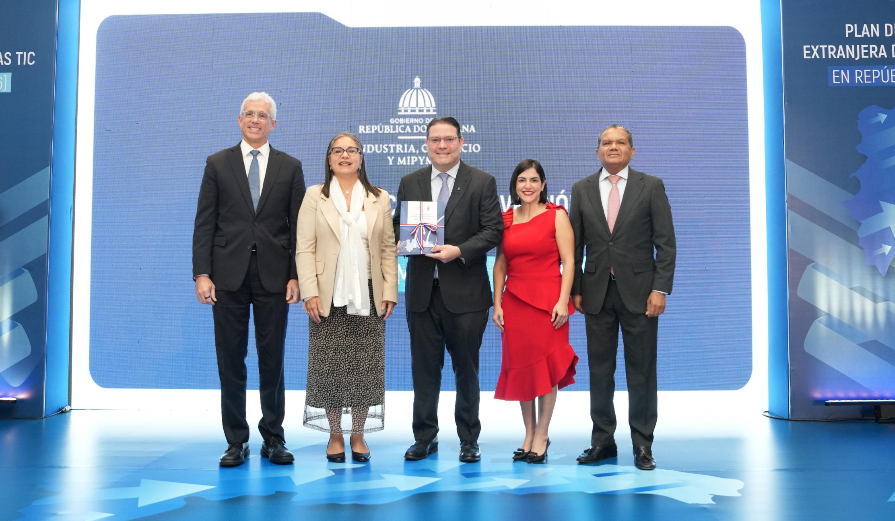
    The Dominican Republic has launched a comprehensive ten-year strategy designed to transform the nation into a premier destination for high-value digital investments in the Caribbean region. With technical support from the United Nations Development Programme (UNDP), the Ministry of Industry, Commerce and MSMEs (MICM) formally introduced the Foreign Direct Investment Attraction Plan for ICT Companies 2026–2036 during a high-level presentation in Santo Domingo.

    This strategic blueprint outlines a detailed roadmap for integrating the Dominican Republic into global technology supply chains, specifically targeting four high-growth sectors: semiconductor manufacturing, specialized software development, Healthtech innovations, and advanced Business Process Outsourcing (BPO) services. Industry and Commerce Minister Yayo Sanz Lovatón emphasized the country’s unique competitive advantages during the unveiling, highlighting its strategic geographical location, robust digital infrastructure, and growing pool of technically skilled professionals as key factors for attracting international technology corporations.

    The initiative represents a coordinated effort among multiple national institutions including ProDominicana, the National Council of Export Free Zones, and the Association of Foreign Investment Companies. Beyond immediate investment attraction, the plan aims to stimulate technological innovation, generate high-quality employment opportunities in STEM fields, and foster sustainable economic diversification. By aligning with international best practices in investment promotion, the Dominican government seeks to establish the country as a central node in the global digital economy landscape for the coming decade.

  • Election petitions not frivolous – Gonsalves says

    Election petitions not frivolous – Gonsalves says

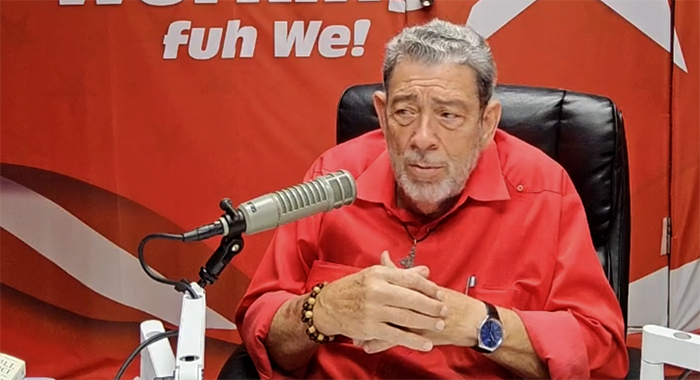
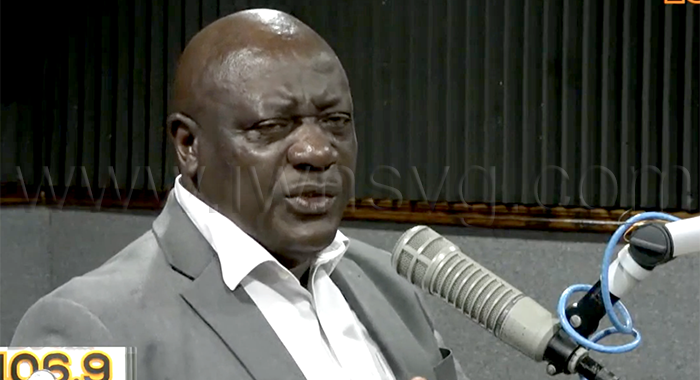
    Opposition Leader Ralph Gonsalves has emphatically rejected Prime Minister Godwin Friday’s characterization of High Court petitions against him and Foreign Minister Dwight Fitzgerald Bramble as “frivolous,” asserting instead that they represent matters of profound constitutional importance. The legal challenges, which question the eligibility of both officials to hold parliamentary seats due to their Canadian citizenship, have sparked a heated exchange between government and opposition figures.

    Gonsalves, speaking during his weekly Star Radio broadcast, countered the Prime Minister’s complaints about judicial time consumption by invoking historical precedent. He referenced the 2015 general elections when Friday’s New Democratic Party (NDP) filed similar petitions and organized protests alleging electoral theft by Gonsalves’ Unity Labour Party (ULP). “They had no case and the case crumbled, but they dragged it on,” Gonsalves remarked, highlighting what he characterized as NDP’s prolonged challenges despite ultimately unsuccessful outcomes.

    The opposition leader further accused NDP of establishing a harassment campaign against then-Supervisor of Elections Sylvia Findlay-Scubb through a group called “Frontline,” alleging daily verbal abuse that damaged the nation’s investment appeal by creating perceptions of political instability. “People do not want to come to a place which reeks of political instability,” Gonsalves stated, directly addressing Friday: “Don’t get amnesia as to what persons like yourself instigated and supported for a period of five years.”

    Despite this historical context, Gonsalves committed to expediting the current proceedings, noting petitioners have instructed legal counsel to move expeditiously through judicial channels. He anticipates determinations at both High Court and Court of Appeal levels in due course.

    Prime Minister Friday presented a markedly different public demeanor following Thursday’s case management hearing, appearing unbothered as he exited the Kingstown High Court. When approached by media, he described the day as “beautiful” and “wonderful” while directing legal inquiries to government lead counsel Anand Ramlogan S.C. from Trinidad and Tobago.

    The petitions, filed by claimants Williams and Browne, contend that Canadian citizenship constitutionally disqualifies both officials from parliamentary service—Friday as Northern Grenadines MP since 2001 and Bramble in his second term representing East Kingstown.

  • ‘Tide Turners – Stewards of the Sea’ initiative launched in SVG

    ‘Tide Turners – Stewards of the Sea’ initiative launched in SVG

    The SVG Sailing Association has inaugurated a groundbreaking environmental program titled ‘Tide Turners – Young Stewards of the Sea,’ mobilizing young sailors to protect the South Coast Marine Managed Area through comprehensive monitoring and conservation efforts.

    The official launch ceremony occurred Friday at Vincy Sail Club in Coconut Grove, uniting youth sailors, community representatives, and environmental partners dedicated to preserving St. Vincent and the Grenadines’ marine ecosystems. Five young sailors delivered compelling testimonies about their personal connections to the ocean and concerning environmental transformations they’ve witnessed during coastal voyages.

    Educational specialist Joshua Gooding and project director Anne Weinhardt outlined the initiative’s ambitious objectives while acknowledging Louise Mitchell’s inspirational role in conceptualizing the project. The program receives financial backing from the SVG Conservation Fund, enabling meaningful youth engagement and school participation.

    Tide Turners equips young sailors with practical conservation tools through environmental education, biodiversity assessment, shoreline purification drives, and community outreach. Participants will systematically document marine wildlife sightings, coastal modifications, and pollution indicators, generating crucial localized environmental data.

    Launch attendees participated in a symbolic pledge-writing ceremony, committing to specific actions supporting marine protection. The initiative immediately transitioned to operational activities, conducting its first educational workshop Saturday for 18 participants covering marine biodiversity, environmental surveillance, and responsible stewardship principles.

    Throughout the coming year, the program will expand to include coordinated monitoring sessions, sailing-based observation missions, and organized beach cleanups. Collected environmental data will be synthesized into a comprehensive community report for distribution to government bodies and conservation organizations.

    The SVG Sailing Association anticipates Tide Turners will cultivate a new generation of environmentally conscious Vincentians committed to safeguarding their island nation’s surrounding waters. This twelve-month youth-led endeavor represents a significant advancement in community-driven marine conservation through education, engagement, and practical environmental stewardship.

  • Sponsor to donate windows, doors for 200 houses rebuilt after Beryl

    Sponsor to donate windows, doors for 200 houses rebuilt after Beryl

    Significant progress is underway in St. Vincent and the Grenadines’ post-hurricane housing recovery efforts, with multiple initiatives converging to address displacement caused by Hurricane Beryl’s devastation in July 2024. Housing Minister Andrew John has revealed that an anonymous organization, collaborating with the Red Cross, will donate windows and doors for 200 homes, substantially aiding reconstruction in the hardest-hit Southern Grenadine islands where over 90% of structures suffered damage or destruction.

    The government is simultaneously advancing a strategic housing program featuring prefabricated homes that can be erected within four weeks once foundations are prepared. Minister John confirmed the administration is proceeding with a previously arranged agreement with a Trinidad and Tobago company for prefab housing, noting that while initially skeptical, the time and cost efficiency of prefab construction proved compelling for rapid rehousing.

    Financial mechanisms are being activated to support these efforts, including the fine-tuning of an existing loan arrangement with the Saudi Fund that could provide funding for up to 200 new homes. This external financing would alleviate pressure on the national budget, allowing greater focus on material procurement and logistics.

    The government has already made substantial progress in reducing displacement numbers, cutting the original 700 displaced families by more than half to approximately 300 households through careful assessment and elimination of duplicate or unnecessary placements. Minister John acknowledged that political considerations had previously influenced displacement lists, but the current administration has implemented more rigorous verification processes.

    Logistical improvements include relocating assembly operations to covered facilities at Campden Park to accelerate construction and identifying land parcels in Chester for clustered housing development. The Housing and Land Development Corporation continues to accept registrations for the prefab housing program, which has generated considerable public interest beyond those affected by Hurricane Beryl.

  • Report examines social impact of plastic pollution in Dominican Republic

    Report examines social impact of plastic pollution in Dominican Republic

    Santo Domingo has become the epicenter of a critical environmental justice conversation as the Dominican Republic Plastics Action Platform (NPAP-RD) convened a multidisciplinary workshop to address the social dimensions of plastic pollution. The gathering brought together an unprecedented coalition of government officials, industry representatives, civil society advocates, and international organizations to examine how waste management practices disproportionately affect vulnerable populations.

    The workshop featured preliminary findings from the groundbreaking Gender Equity and Social Inclusion (GESI) Report, which reveals stark disparities in how plastic pollution impacts women and marginalized communities. Unique perspectives emerged from grassroots recyclers, coastal community leaders, and representatives from informal settlements who highlighted systemic inequalities throughout the recycling value chain. These firsthand accounts provided crucial context for developing nationally appropriate solutions to environmental challenges.

    Research indicates that informality remains pervasive across the recycling sector, creating significant barriers to social services, economic opportunities, and protection mechanisms for women and vulnerable workers. In response, authorities from the Ministry of Industry, Commerce and MSMEs joined industry leaders from the Association of Industries of the Dominican Republic in advocating for gender-responsive policy integration. The collaborative insights will directly inform the country’s Plastics Action Roadmap—a comprehensive 2025 initiative designed to advance circular economy principles and sustainable development goals through inclusive waste management strategies.

  • Iran zet in op uithoudingsvermogen en energieverstoring in strijd tegen VS en Israël

    Iran zet in op uithoudingsvermogen en energieverstoring in strijd tegen VS en Israël

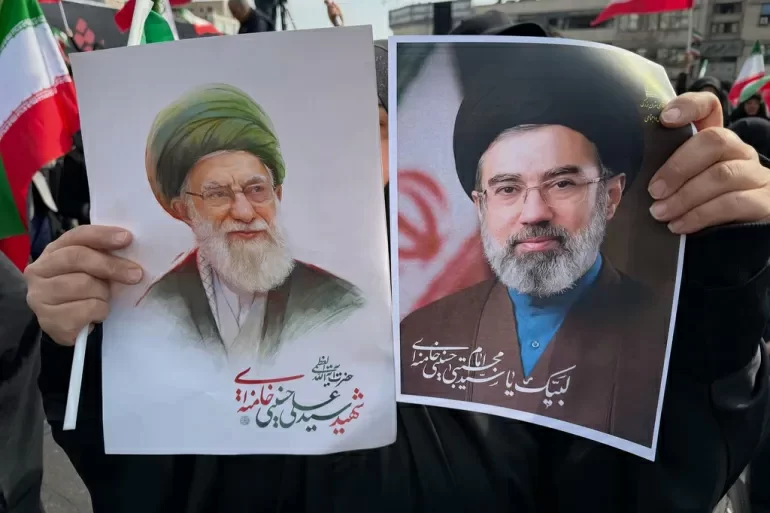
    Iran is executing a calculated strategy of attrition against the United States and Israel, emphasizing economic disruption and psychological pressure over conventional military superiority, according to regional security analysts. The Islamic Revolutionary Guard Corps (IRGC) maintains firm control over battlefield operations despite the loss of Supreme Leader Ayatollah Ali Khamenei in initial attacks, with experts noting the organization’s consolidation of power through the appointment of Mojtaba Khamenei as new Supreme Leader.

    The conflict has evolved into an existential struggle for Tehran, which analysts Fawaz Gerges of London School of Economics and Alex Vatanka of Middle East Institute describe as resembling a ‘wounded but increasingly dangerous animal.’ Iran’s military approach focuses on maximizing economic damage throughout the Gulf region, targeting energy infrastructure from Qatar to Saudi Arabia to increase costs for neighboring countries, European partners, and the United States while testing Washington’s political resolve.

    Despite President Donald Trump’s commitment to continue hostilities until Iran’s complete defeat, the confrontation appears to be transforming into a prolonged war of endurance. U.S. intelligence sources indicate significant depletion of Iran’s missile arsenal, though regional assessments suggest Tehran retains more than half of its pre-war stockpile, sufficient to sustain attacks for several weeks.

    Within Iran, daily life demonstrates remarkable resilience with shops and banks remaining operational during bombardements. The population shows no signs of mass protests or elite fragmentation, instead displaying strengthened national solidarity that potentially allows the regime to adapt to a war economy and consolidate control.

    Global markets are already feeling the conflict’s impact, with oil prices reaching record highs not seen since 2022. Brent crude surged due to disruptions in the Strait of Hormuz, a critical chokepoint for global oil exports, while aluminum prices also rose significantly indicating broader commodity market instability.

    Rising energy costs have triggered rationing measures and distribution restrictions worldwide, with multiple countries implementing temporary fuel sales regulations to prevent shortages. This creates increasing pressure on households and industries while heightening political tensions across multiple regions.

    Chinese Foreign Minister Wang Yi recently emphasized the global necessity for peace, stability, and dialogue, describing the Middle East situation as entering a delicate and dangerous phase where military escalation offers no solution. China advocates for immediate ceasefire and political dialogue with respect for national sovereignty and non-interference principles.

    The coming weeks will prove crucial as Iran bets on political exhaustion of its adversaries while the U.S. and Israel prepare to maintain military pressure. Regardless of outcome, the conflict has created an injured and unpredictable actor capable of further disrupting regional and global balance.

  • Greene Holds Bilateral Talks with Canadian Official at Commonwealth Ministers Meeting in London

    Greene Holds Bilateral Talks with Canadian Official at Commonwealth Ministers Meeting in London

    In a significant diplomatic engagement on the sidelines of the Commonwealth Foreign Affairs Ministers Meeting in London, Antigua and Barbuda’s Foreign Minister E.P. Chet Greene convened substantive talks with Canadian Parliamentary Secretary for Foreign Affairs Robert Oliphant. The bilateral discussion, facilitated by the Antigua and Barbuda High Commission in the United Kingdom, centered on revitalizing the Commonwealth’s contemporary role and strategic positioning ahead of the forthcoming Commonwealth Heads of Government Meeting.

    The high-level dialogue addressed critical issues affecting Small Island Developing States (SIDS), with particular emphasis on building systemic resilience against environmental and economic vulnerabilities. Both nations explored mechanisms to bolster the rule of law as a cornerstone of democratic institutions and governance frameworks. The conversation further extended to collaborative strategies for mitigating global de-risking phenomena—where financial institutions reduce exposure to certain jurisdictions—and navigating complex geopolitical shifts.

    Minister Greene and Parliamentary Secretary Oliphant unanimously emphasized the indispensable value of multilateral cooperation, pledging to enhance their collaborative efforts within the Commonwealth architecture. This meeting underscores the ongoing commitment between Caribbean nations and traditional Commonwealth partners to address shared challenges through coordinated diplomatic channels.