博客

  • Farmers praise G-CREWS Challenge Fund for Agriculture

    Farmers praise G-CREWS Challenge Fund for Agriculture

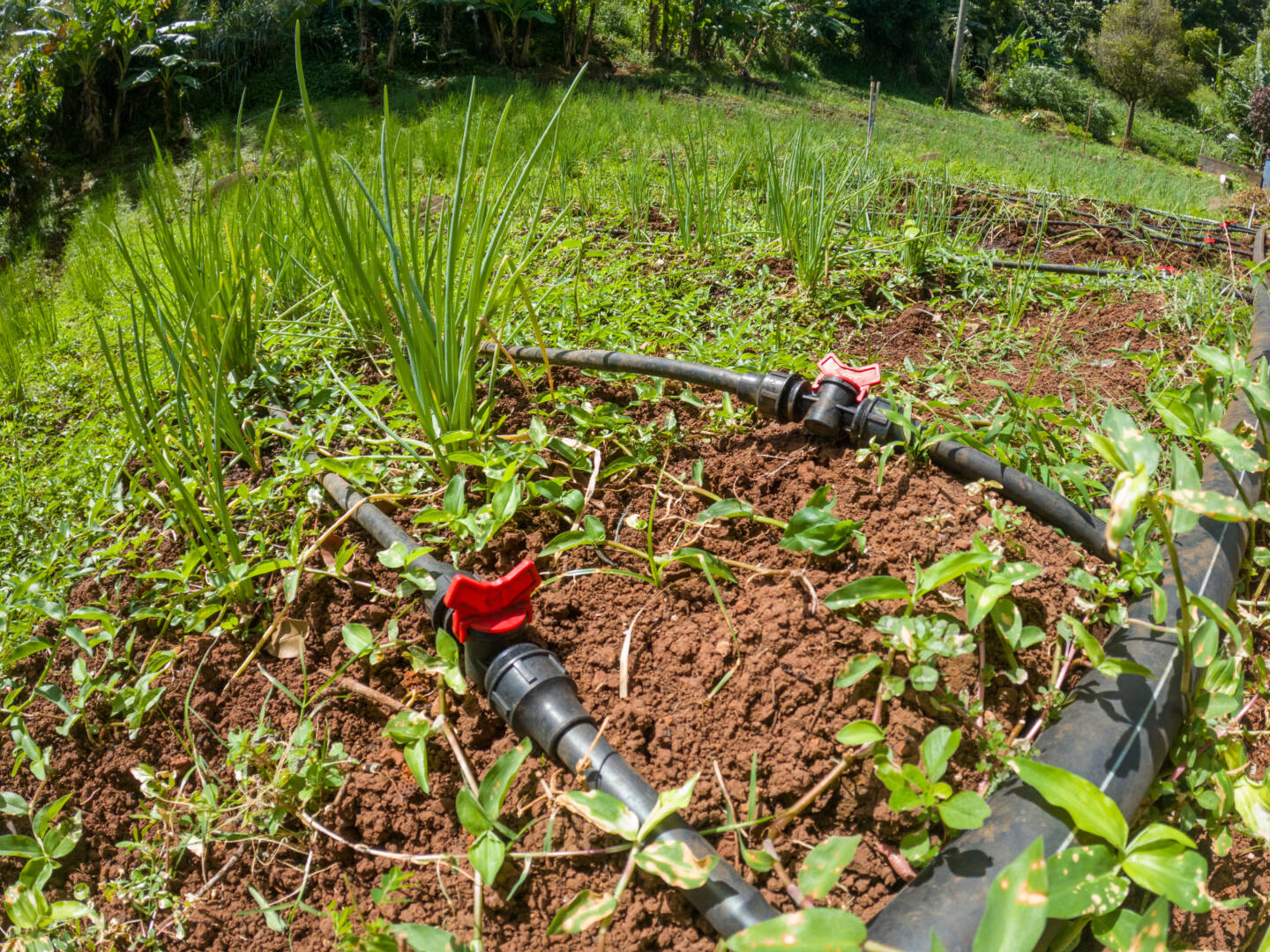
    Grenada’s agricultural sector is undergoing a transformative shift as farmers nationwide adopt advanced water conservation technologies to combat climate change challenges. Through the Climate-Resilient Water Sector in Grenada (G-CREWS) Challenge Fund for Agriculture, agricultural producers are receiving critical infrastructure including micro-sprinklers, drip irrigation systems, and rainwater harvesting solutions.

    To date, 69 farmers have benefited from these water-efficient technologies, with 20 recipients supported through the collaborative initiative between the Ministry of Agriculture and the Grenada Development Bank. This strategic partnership is enabling agricultural workers to maintain consistent production despite increasingly variable climate patterns and reduced rainfall.

    Farmer Theresa Msacky reported revolutionary changes in her daily operations following the installation of water tanks and drip irrigation. “Previously, irrigation was extremely time-consuming using watering cans or hoses, and my rainwater storage capacity was minimal,” Msacky explained. “Now with six tanks, I’ve significantly reduced my water expenses while increasing annual yields.”

    Another beneficiary, Kimoney John, celebrated the elimination of water storage challenges. “The tank we received can sustain our chive beds for over a month during dry periods,” John stated. “This watering system has dramatically simplified farming operations.”

    Andell Daniel, who received both irrigation and rainwater-harvesting systems, now plans to diversify his crop production. “The collected water will accelerate seedling development, allowing me to supply both my own needs and national markets more efficiently,” Daniel noted.

    Joseph Noel, Acting Chief Land Use Officer and UNCCD National Focal Point, guaranteed that all interested farmers would receive support before the project concludes. Additional infrastructure including shade houses in various sizes will be deployed across the island by early 2026, with current expenditures exceeding EC$865,000.

    The G-CREWS project represents a multinational collaboration funded by the Green Climate Fund, Germany’s Federal Ministry for the Environment through its International Climate Initiative, and the Government of Grenada.
  • $4.7 million gymnasium floor upgrade almost complete

    $4.7 million gymnasium floor upgrade almost complete

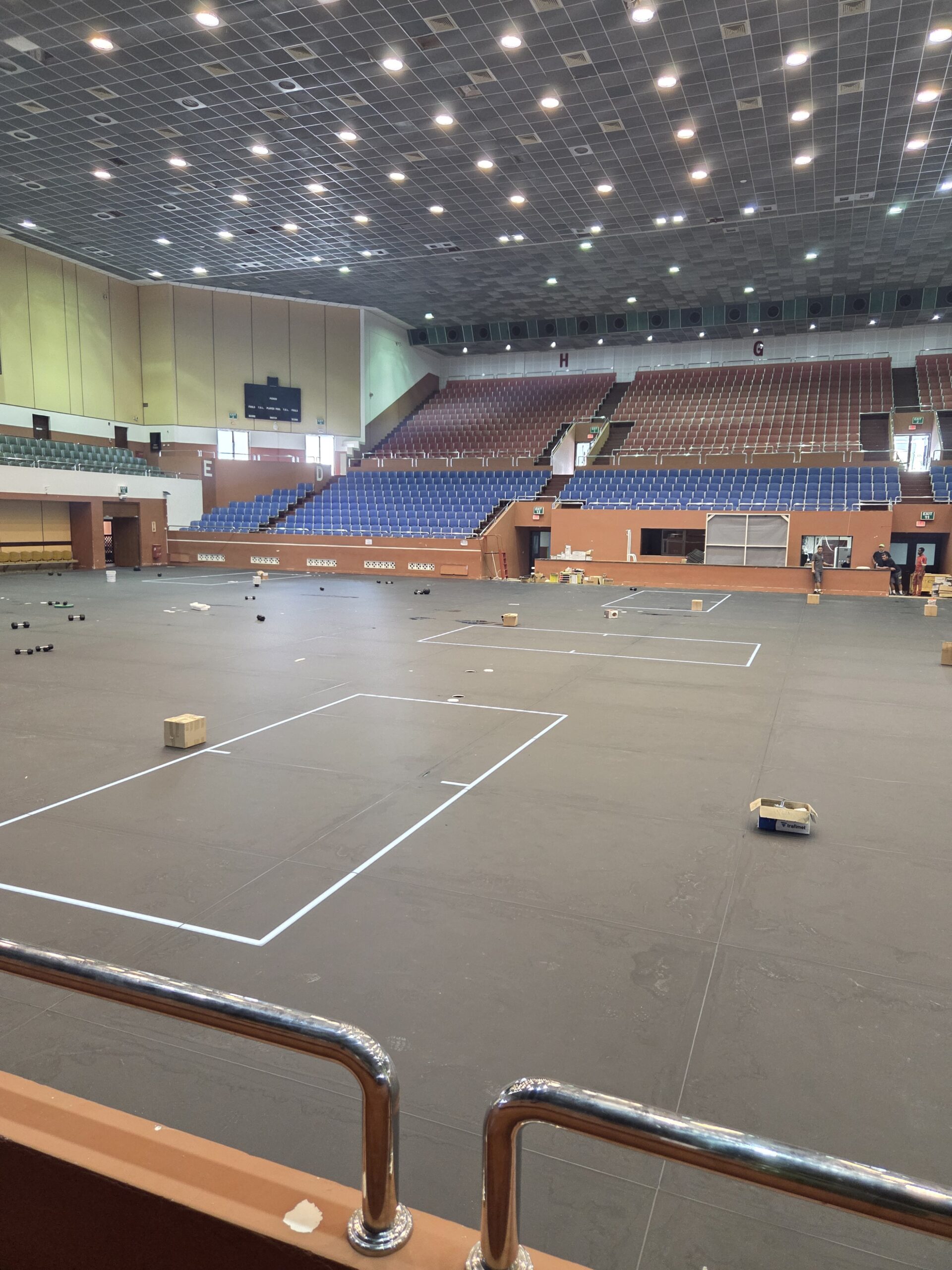
    Barbados has elevated its athletic infrastructure to world-class standards with the installation of the Caribbean’s first ultra-modern glass sports floor at the Garfield Sobers Gymnasium. The groundbreaking $4.7 million project replaces traditional wooden flooring with a state-of-the-art surface designed to enhance durability and multi-sport functionality.

    During an exclusive media tour led by Minister of Sports and Community Empowerment Charles Griffith and National Sports Council Director Neil Murrell, officials demonstrated the innovative flooring system that uses projected lighting instead of physical tape for court markings. German installation specialists from ASB Multisport provided technical insights into the advanced surface that promises to transform athletic performance and event hosting capabilities.

    The modernization initiative addresses longstanding maintenance challenges associated with the previous wooden floor while significantly expanding the venue’s revenue potential through sports tourism. Minister Griffith emphasized that this investment positions Barbados alongside first-world nations in sporting infrastructure, noting that nearly $50 million has been allocated to facility upgrades between the last financial year and present.

    Construction commenced in mid-January and has progressed substantially ahead of schedule. The government plans to implement protective measures, including specialized floor covers, to accommodate non-sporting events while prioritizing usage by national basketball, volleyball, and netball federations. The minister stressed the importance of matching world-class athletic talent with comparable facilities, stating that elite athletes require premium infrastructure to excel internationally.

    Complementary projects include the ongoing installation of four light towers for the new 400-meter synthetic track within the gymnasium complex, scheduled for completion in coming weeks. Simultaneously, construction advances steadily on the new netball multipurpose stadium at Waterford, while renovations at the National Stadium continue ahead of projected timelines.

  • Groente-export zakt van 65 naar 15 ton per maand: sector vraagt actie

    Groente-export zakt van 65 naar 15 ton per maand: sector vraagt actie

    Suriname’s agricultural industry is confronting a severe crisis, with representatives from the Federation of Surinamese Agrarians (FSA) raising urgent alarms during a meeting with Parliamentary Chairman Ashwin Adhin. The sector, comprising various subsectors including vegetable exports, poultry, fisheries, and agricultural women’s and youth organizations, reported dramatic declines in production and export capabilities that threaten the nation’s food security and economic stability.

    Statistical evidence presented during Monday’s meeting reveals a disturbing trend: vegetable exports have experienced a catastrophic decline from previous monthly averages of 65 tons to approximately 15 tons currently. The number of active exporters has similarly dwindled from 13 to just 7, indicating a sector in rapid decline. This alarming contraction demonstrates the vulnerability of Suriname’s agricultural infrastructure and the pressing need for policy intervention.

    A central concern highlighted by sector representatives involves the dysfunctional state of agricultural institutions and the inadequate implementation of existing legislation. Particularly troubling is the complete operational halt at the National Food Safety Institute Suriname, which was unanimously established by the National Assembly in 2021 to provide essential food safety standards and controls. This institution’s inactivity represents a significant setback for quality assurance and international market access.

    The poultry sector similarly emphasized the critical need to formalize developed standards into binding legislation to ensure professionalization and competitive capability. Meanwhile, the fisheries sector expressed concerns about developments at the Fish Inspection Institute, which despite maintaining a strong international reputation, faces internal challenges that threaten its effectiveness.

    Governance structures within agricultural institutions emerged as another critical issue, with sector representatives noting that excessive government dominance often disrupts the intended strengthening function of these organizations. The FSA advocated for expert, professional, and neutral government representation within such institutions, with principles clearly embedded in legislation to ensure stability beyond political cycles.

    Parliamentary Chairman Adhin acknowledged the sector’s concerns and emphasized the importance of robust, autonomously functioning institutions with government playing a facilitative and supervisory role. The FSA described the dialogue as constructive and open, expressing hope that the discussed challenges would lead to concrete measures to revitalize Suriname’s agricultural sector.

  • Caribbean nations enhance demographic data to improve strategic planning

    Caribbean nations enhance demographic data to improve strategic planning

    BRIDGETOWN, BARBADOS – In a landmark regional collaboration, Caribbean statistical experts and government officials are converging in Barbados to master next-generation population data techniques. The intensive five-day workshop, running from March 9-13, 2026, represents a strategic effort to transform how nations plan for climate adaptation, economic development, and social services through advanced demographic analysis.

    Hosted at Hotel Indigo in Bridgetown, the initiative brings together an unprecedented coalition including CARICOM, UNFPA, WorldPop, the UK’s FCDO, and the European Union’s Joint Research Centre. The curriculum focuses on two transformative methodologies: sophisticated population modeling for small-area estimates and the globally standardized Degree of Urbanisation (DEGURBA) framework.

    Jenny Karlsen, Acting Head of UNFPA’s Caribbean Sub-Regional Office, emphasized the paradigm shift in demographic science. ‘Emerging tools are fundamentally expanding our analytical capabilities,’ she noted. ‘Where traditional censuses provided periodic snapshots, we now combine modeling with satellite-derived settlement data to create dynamic, high-resolution population maps.’

    The DEGURBA methodology establishes consistent criteria for classifying areas as rural, peri-urban, or urban based on settlement density and spatial configuration – resolving longstanding comparability issues that hampered regional planning. Since 2023, UNFPA and EU partners have extended this framework to nearly 50 nations worldwide.

    Jennifer Hunte, Permanent Secretary for Economic Affairs and Planning, underscored the practical implications: ‘Granular population data directly informs infrastructure investment, healthcare deployment, and educational resource allocation. This isn’t about statistics – it’s about ensuring development policies reach every community effectively.’

    Dr. Armstrong Alexis, CARICOM Deputy Secretary-General, highlighted the urgency behind the initiative: ‘Climate vulnerability, migration patterns, and demographic changes require evidence-based responses. Standardized data enables coordinated regional resilience planning that transcends national boundaries.’

    The workshop’s practical component involves developing validated small-area population estimates using census data, satellite imagery, and predictive modeling. This technical capacity building aims to create policy-relevant data streams that can target investments toward vulnerable populations, particularly women, youth, and climate-affected communities.

    This collaboration exemplifies how regional partnerships are overcoming the limitations of individual national statistical systems. By creating shared methodologies and data infrastructures, Caribbean nations are pioneering a new model of evidence-based governance for sustainable development in an era of global challenges.

  • Antigua Cruise Port Reports 95% Completion of New Homeport Terminal, Phase Two Begins

    Antigua Cruise Port Reports 95% Completion of New Homeport Terminal, Phase Two Begins

    Antigua Cruise Port has announced the near-completion of its state-of-the-art homeport terminal, with construction progress reaching 95% fulfillment. The milestone achievement signals the imminent operational readiness of this transformative infrastructure project designed to elevate the island’s status as a premier Caribbean cruise destination.

    The terminal’s development represents a cornerstone initiative within the broader redevelopment strategy for Antigua’s port facilities. With structural work substantially finalized, attention now shifts to interior finishing, technological systems integration, and final compliance certifications necessary for passenger operations.

    Concurrent with these concluding activities, port authorities have officially inaugurated Phase Two of their comprehensive development plan. This subsequent stage encompasses enhanced retail spaces, expanded passenger amenities, and upgraded logistical support facilities to accommodate larger vessel volumes and improve overall passenger experience.

    The project’s advancement reinforces Antigua’s strategic positioning within the competitive cruise tourism market. Industry analysts anticipate the enhanced facilities will significantly increase passenger throughput, extend average visitor stays, and generate substantial economic benefits for local businesses and employment sectors.

    Port management emphasizes that the development aligns with sustainable tourism practices, incorporating environmental considerations and community engagement components throughout its implementation. The project timeline remains on schedule for full operational capability within the coming months, coinciding with the region’s peak tourism season.

  • FM Greene Engages Cyprus on Blue Economy Cooperation and Multilateral Priorities

    FM Greene Engages Cyprus on Blue Economy Cooperation and Multilateral Priorities

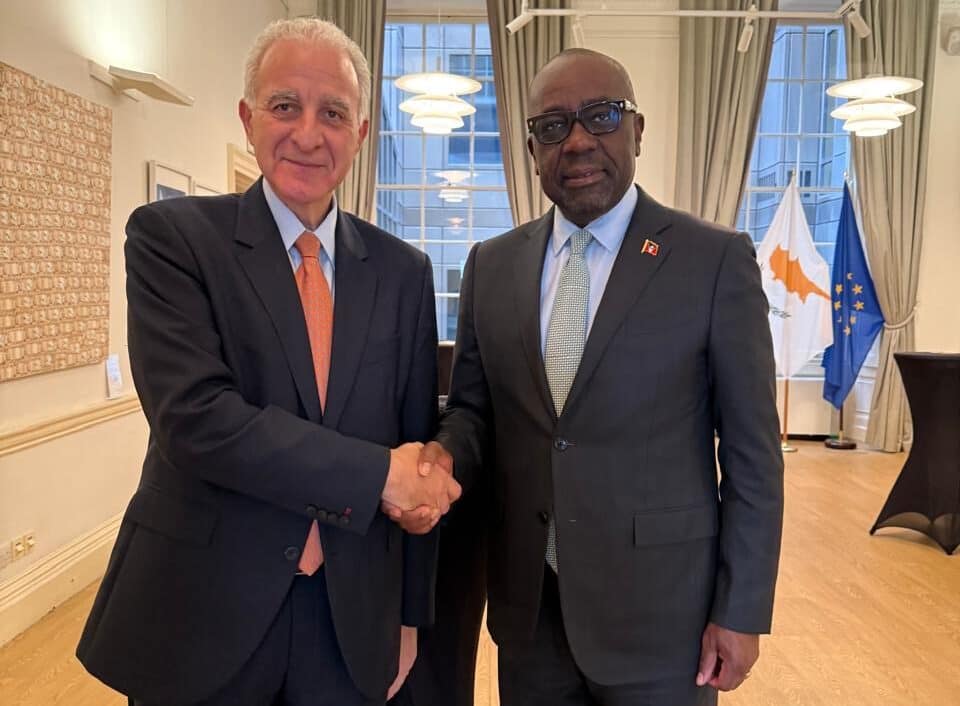
    In a significant diplomatic engagement on March 10th, Antigua and Barbuda’s Foreign Minister E.P. Chet Greene convened high-level talks with Cypriot Special Envoy Andreas Kakouris, marking a substantial step in strengthening bilateral relations between the two Commonwealth nations. The meeting underscored their shared dedication to multilateralism and global governance principles.

    Minister Greene emphasized the historical ties between the Mediterranean island nation and the Caribbean state, highlighting their mutual commitment to international legal frameworks and sustainable development goals. The dialogue focused on enhancing cooperation within international organizations, particularly the Commonwealth and United Nations systems.

    A central point of discussion involved Minister Greene’s formal endorsement of Ambassador Kakouris’s candidacy for the Presidency of the 81st Session of the United Nations General Assembly (2026-2027 term). Minister Greene stressed the critical importance of effective UN leadership during current global challenges, noting that strong multilateral stewardship is essential for addressing the specific concerns of small island and vulnerable states, particularly regarding climate action and sustainable economic development.

    The talks also explored potential collaboration in maritime affairs and blue economy initiatives, with Minister Greene acknowledging Cyprus’s considerable expertise in maritime operations and expressing interest in knowledge exchange programs involving Cypriot institutions and technical specialists.

    Both diplomatic representatives expressed strong optimism about future cooperation, reaffirming their commitment to deepening bilateral ties and enhancing collaborative efforts in international forums. The Antiguan delegation included High Commissioner to London Karen-Mae Hill and Minister Counsellor Chantal Phillip, demonstrating the importance placed on this diplomatic engagement.

  • Gros Islet crowned U-19 champions after five-wicket win over Central Castries

    Gros Islet crowned U-19 champions after five-wicket win over Central Castries

    In a highly anticipated rematch between last year’s co-champions, Gros Islet emerged as the sole victor in the Sandals/Saint Lucia National Cricket Association Under-19 Boys’ Cricket Tournament final. The northern squad secured their eighth championship title with a convincing five-wicket triumph over Central Castries at Mindoo Philip Park on Sunday.

    The decisive match unfolded with Gros Islet’s bowlers demonstrating exceptional discipline, restricting their opponents to 183 all out. Central Castries’ innings featured a notable 45-run contribution from captain Theo Edward, who struck five boundaries and two sixes before being dismissed by Neil Poyotte. The batting lineup’s primary strength came from Aiden Scholar, who anchored the innings with a top-score of 70 runs, though he received limited support from the middle order except for Tyler Venner’s valuable 29-run addition.

    Gros Islet’s bowling attack proved instrumental to their success, with Kaleb Charles delivering an impressive performance of 3-26, well-complemented by Poyotte’s 3-43 haul. The collective bowling effort effectively contained Central Castries’ scoring opportunities throughout their innings.

    The championship chase was characterized by strategic batting partnerships rather than individual brilliance. Gros Islet successfully reached their target in just 27.3 overs through coordinated team effort. Daniel Lorde led the scoring with 42 runs, while Roystan Fannis (19), Jonathan Daniel (27), and Kanil Nelson (22) all made crucial contributions to secure the victory under the guidance of head coach Alton Crafton.

  • Antiguan Athlete Jaeda Pigott Qualifies for CARIFTA Games in U17 800m

    Antiguan Athlete Jaeda Pigott Qualifies for CARIFTA Games in U17 800m

    Emerging track sensation Jaeda Pigott from Antigua has officially clinched her position at the prestigious CARIFTA Games following an impressive performance in the Under-17 Girls’ 800-meter event during the recent qualification trials. The Antigua Barbuda Athletic Association (ABAA) confirmed Pigott’s achievement, highlighting her remarkable composure in overcoming challenging weather conditions that included torrential rainfall during the competition.

    This accomplishment represents a significant milestone in Pigott’s athletic career, marking her inaugural qualification for the Caribbean’s premier junior athletics championship. The timing of her achievement carried additional symbolic weight, occurring on International Women’s Day, which the athletic association noted as emblematic of the accelerating development of female sporting talent throughout the nation.

    The young middle-distance runner now enters an intensive preparation phase as she gears up to compete against the Caribbean’s most promising junior athletes. The CARIFTA Games, established in 1972, has served as a traditional proving ground for future regional track stars who often progress to international competitions.

    ABAA officials have extended their formal congratulations to Pigott, expressing confidence in her competitive potential and celebrating her as an inspirational figure for Antigua and Barbuda’s sporting community. The association’s statement emphasized their commitment to supporting young athletes through developmental programs that identify and nurture track and field talent across both islands.

  • Antigua and Barbuda, Malta Explore Support for Commonwealth Youth Forum

    Antigua and Barbuda, Malta Explore Support for Commonwealth Youth Forum

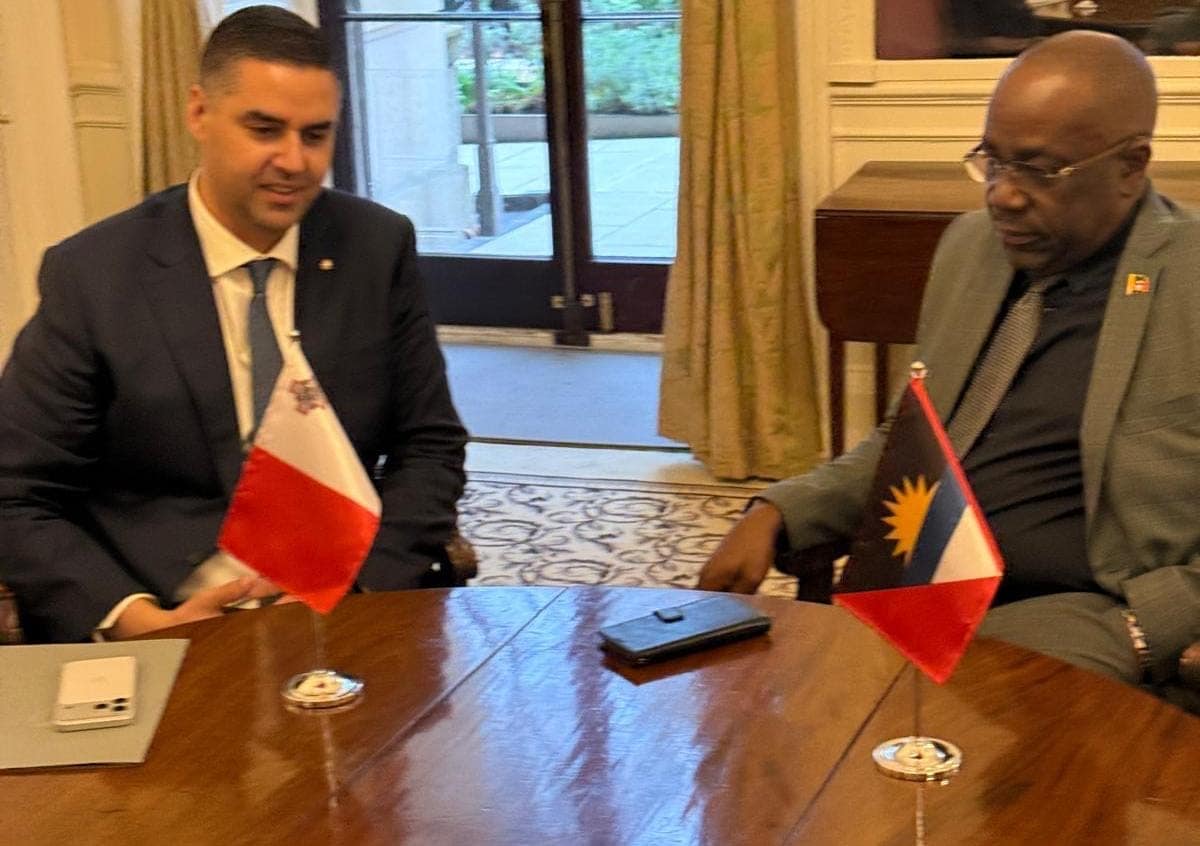
    In a significant diplomatic engagement on the sidelines of the Commonwealth Foreign Ministers Meeting in London, Antigua and Barbuda’s Foreign Minister E.P. Chet Greene held substantive talks with Malta’s Deputy Prime Minister and Foreign Affairs Minister Dr. Ian Borg. The high-level discussion centered on collaborative efforts for the upcoming Commonwealth Heads of Government Meeting (CHOGM) 2026, which Antigua and Barbuda is scheduled to host.

    The dialogue primarily focused on Malta’s potential provision of technical expertise and infrastructure support for the Commonwealth Youth Forum, a cornerstone event running parallel to CHOGM. Minister Greene emphasized the critical importance of creating robust technological frameworks to facilitate meaningful youth participation, noting that the forum serves as an essential platform for emerging Commonwealth leaders to contribute to policy formulation and organizational development.

    Dr. Borg enthusiastically endorsed Antigua and Barbuda’s leadership in organizing the 2026 summit and conveyed Malta’s firm commitment to assisting in preparatory arrangements. Both ministers reiterated their unwavering dedication to the Commonwealth’s principles and expressed strong conviction that CHOGM 2026 would deliver substantial outcomes for the international community.

    The productive meeting further solidified the existing cordial relations between the two Commonwealth nations, demonstrating their shared commitment to multilateral cooperation. Minister Greene’s delegation included High Commissioner to London Karen-Mae Hill and Minister Counsellor Chantal Phillip, underscoring the importance both nations placed on this strategic dialogue.

  • Bangladesh Offers Security Training Support as Antigua Prepares for CHOGM 2026

    Bangladesh Offers Security Training Support as Antigua Prepares for CHOGM 2026

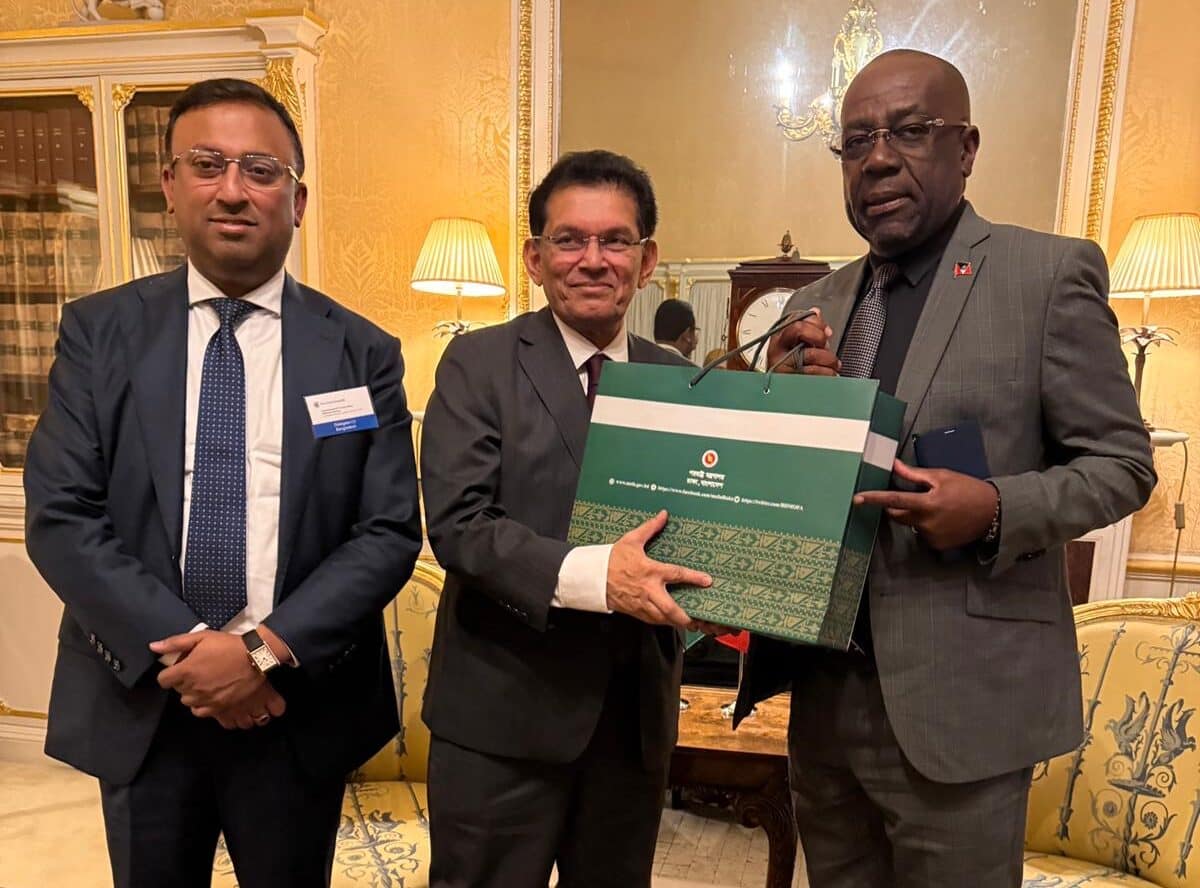
    In a significant diplomatic development, Antigua and Barbuda and Bangladesh have pledged to deepen their bilateral cooperation during a high-level meeting held alongside the Commonwealth Foreign Ministers Gathering in London. The meeting between Foreign Minister E.P. Chet Greene of Antigua and Barbuda and his Bangladeshi counterpart Dr. Hasan Mahmud Rahman marked a substantial step toward strengthening South-South collaboration within the Commonwealth framework.

    Dr. Rahman articulated Bangladesh’s firm commitment to multilateral cooperation, emphasizing the Commonwealth’s enduring role as a vital platform for developing nations. He highlighted the organization’s continued relevance in advancing shared values, sustainable development goals, and collective resilience among member states. The Bangladeshi minister specifically underscored his nation’s dedication to enhancing partnerships with Commonwealth allies, including Caribbean nations like Antigua and Barbuda.

    Minister Greene welcomed Bangladesh’s offer of technical and diplomatic support while revealing crucial details about Antigua and Barbuda’s preparations to host the prestigious Commonwealth Heads of Government Meeting (CHOGM) in November 2026. The St. John’s summit, scheduled for 1st-4th November, represents a landmark event for the Caribbean nation. Greene emphasized that robust partnerships and technical cooperation among Commonwealth members would be instrumental in ensuring the meeting’s success and advancing the organization’s collective priorities.

    Both diplomats reaffirmed their commitment to maintaining regular diplomatic dialogue and exploring new avenues for cooperation on matters of mutual interest within various multilateral forums. Minister Greene specifically acknowledged Bangladesh’s ongoing partnership and support as Antigua and Barbuda prepares to welcome Commonwealth leaders later this year. The Antiguan delegation included High Commissioner to London Karen-Mae Hill and Minister Counsellor Chantal Phillip, indicating the importance both nations placed on this diplomatic engagement.