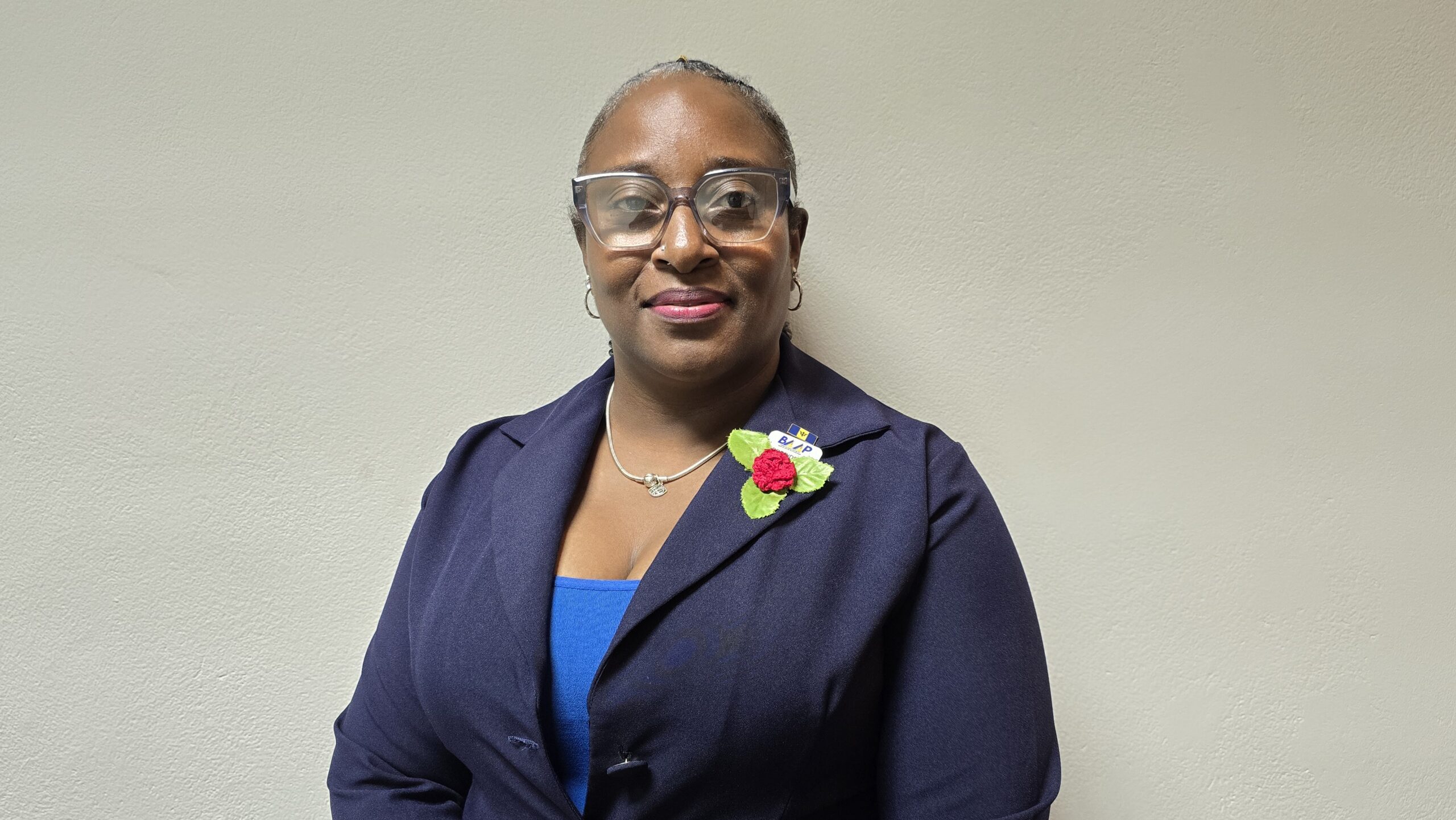
As Barbados celebrates Administrative Professionals Day, the island’s leading industry body is sounding a clear call: veteran administrative workers must step into mentorship roles to support a new generation of employees whose workplace expectations have been fundamentally reshaped by social media and artificial intelligence. Without intentional, experienced guidance, the Barbados Association of Administrative Professionals (BAAP) warns, new entrants to the field could run afoul of everything from official workplace dress codes to national regulations like the Computer Misuse Act.
BAAP President KerryAnn Deane shared these insights in an exclusive interview with Barbados TODAY, speaking on the sidelines of an industry conference held Wednesday at the Lloyd Erskine Sandiford Centre. The event’s core discussions centered on the growing role of artificial intelligence in administrative work, and Deane broke down the unique challenges young workers face in integrating new technology into professional settings.
Deane explained that while many younger employees grow up interacting with connected devices like smartphones and tablets in their personal lives, their personal use of these tools looks nothing like their required use in a professional office environment. Many first-time workers encounter advanced enterprise AI tools for the first time when they join the workforce, and few stop to consider critical cybersecurity risks that come with improper use of these platforms. This gap in awareness puts both employees and their employers at risk of violating the Computer Misuse Act, she noted, making structured, on-the-job training from experienced mentors non-negotiable.
Beyond technology use, Deane stressed that young workers also need guidance navigating core professional boundaries, from standards of dress and personal deportment to expectations for professional interaction. Many young people draw assumptions about acceptable workplace behavior from content they see online, much of which is AI-generated and does not reflect real professional standards, she explained. New hires often arrive with a skewed perception of what counts as appropriate conduct, making early-stage guidance through orientation, clear standard operating procedures, and explicit discipline codes critical to setting new workers up for success. Deane added that this lack of clarity around workplace attire is exactly why a growing number of local companies have adopted mandatory uniforms, eliminating uncertainty for new and existing staff alike.
Deane also highlighted a growing trend of higher absenteeism and frequent sick leave use among younger administrative employees, a pattern she says often stems from a failure to balance personal and professional responsibilities. For many new workers, this pattern acts as quiet pushback against traditional workplace expectations, but it also signals a lack of investment in their roles. “They need to differentiate the balance between the personal life and the working life. The two don’t always go together, so unless they realise and accept that, you’ll always find that pushback where oh, I cannot do this, so I going to stop at home tomorrow or they tell me I can’t do this, I am going to take sick leave or I have things to do on mornings before I get to work, so when I get there, I get there but then that also falls back onto the fact that they don’t take pride in what they do. So they need to be encouraged to perform at their best,” Deane said.
Importantly, Deane pushed back on the common narrative that AI poses an existential threat to experienced administrative professionals, urging veteran workers to embrace the technology as a productivity-enhancing tool rather than seeing it as a risk to their roles. She shared that she has personally integrated AI tools into her own administrative work and has found the technology streamlines routine tasks, rather than replacing skilled workers. A growing number of seasoned administrative professionals across Barbados are already embracing this shift, she noted.
To successfully integrate AI into everyday administrative work, Deane emphasized that continuous training and cross-generational mentorship will be the most critical tools for the industry. “Aim to move ahead of the times and not be left behind. We have to use the tools that are presented to us. We have to find a way in which it works to our benefit, so we don’t see it as a threat, we see it as a tool as a way to enhance our jobs. That comes through training,” Deane said.