博客

  • Meteorological Service Pays Tribute to Pioneering Forecaster Philbert Mason

    Meteorological Service Pays Tribute to Pioneering Forecaster Philbert Mason

    The Caribbean nation of Antigua and Barbuda is mourning the loss of one of its most respected public science figures this week, as former Deputy Director of the national Meteorological Service Philbert Mason passed away at 75 early Wednesday morning in New York.

    A trailblazer who shaped the country’s weather forecasting infrastructure over nearly four decades, Mason dedicated 37 years of his career to advancing the Antigua and Barbuda Meteorological Service (ABMS). For generations of island residents, he became a steady, trusted voice during the region’s most high-stakes weather events—particularly when hurricane seasons brought life-threatening storm systems toward the small island nation.

    Beyond his technical work to build the country’s meteorological programming, Mason was widely celebrated for his unique ability to deliver critical weather updates to the public with calm clarity and unshakable confidence. This consistent, approachable communication earned him widespread trust across Antigua and Barbuda, turning him into a well-known and beloved public figure far beyond the confines of the weather service.

    In an official statement released this week, the ABMS leadership and staff extended their deepest sympathies to Mason’s family, friends, and former colleagues who worked alongside him throughout his decades-long career. The service noted that Mason’s professionalism, visionary leadership, and relentless commitment to excellence laid the foundation for the modern meteorological work the organization carries out today, and that his legacy will continue to inspire current and future teams at the ABMS for years to come.

  • St Vincent to get first taste of CPL, Barbados to host final

    St Vincent to get first taste of CPL, Barbados to host final

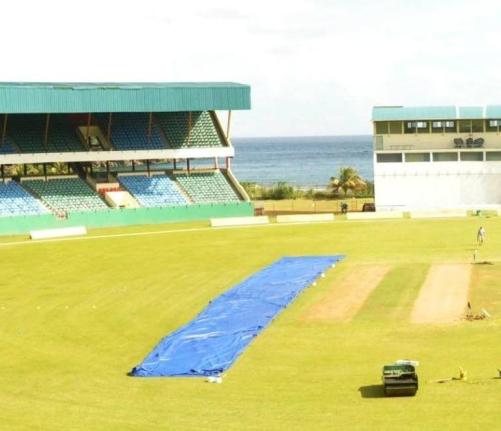
    The 2026 edition of the Republic Bank Caribbean Premier League (CPL) is set to break new ground for one of the Caribbean’s most beloved sporting competitions, with a series of historic firsts announced alongside the release of the full tournament fixture list this week. Scheduled to run from August 7 to September 20, this year’s expanded contest will feature 39 matches contested across multiple islands by seven competitive franchises, and for the very first time in the tournament’s 14-year history, top-tier CPL cricket will be played in St Vincent and the Grenadines.

    The opening matches of the 2026 tournament will kick off at St Vincent’s iconic Arnos Vale Stadium, a scenic venue that will introduce the electric atmosphere of professional Caribbean T20 cricket to a whole new audience of local fans. The seven teams competing for the 2026 title include the Antigua & Barbuda Falcons, Barbados Royals, Jamaica Kingsmen, Guyana Amazon Warriors, St Lucia Kings, St Kitts & Nevis Patriots, and defending champions Trinbago Knight Riders, who will return to defend the crown they claimed in the previous edition.

    In a second landmark milestone for the 2026 season, Barbados has been selected to host the CPL final for the first time ever, marking a historic conclusion to what organizers say will be the biggest tournament in CPL history to date.

    Pete Russell, Chief Executive Officer of the Republic Bank Caribbean Premier League, shared his enthusiasm for the upcoming groundbreaking season in an official statement. “With an expanded tournament in 2026, we are delighted to be bringing CPL cricket to St Vincent & the Grenadines for the first time,” Russell said. “We are equally excited about hosting finals week in Barbados, where we have ambitious plans to deliver the biggest and most memorable finale in the tournament’s 14-year history. Each year, our goal is to raise the bar, and I am more confident than ever that CPL 2026 will be our best season yet.”

    The expansion of the tournament to include a new host nation marks a key milestone in the CPL’s ongoing growth across the Caribbean region, creating new opportunities for local fan engagement and boosting the profile of cricket across smaller island nations. With just months to go before the first ball is bowled, anticipation is already building across the region for what promises to be a record-breaking edition of the region’s premier T20 cricket competition.

  • APUA Team Returns Home After Securing Second Place at Regional Linesworker Rodeo

    APUA Team Returns Home After Securing Second Place at Regional Linesworker Rodeo

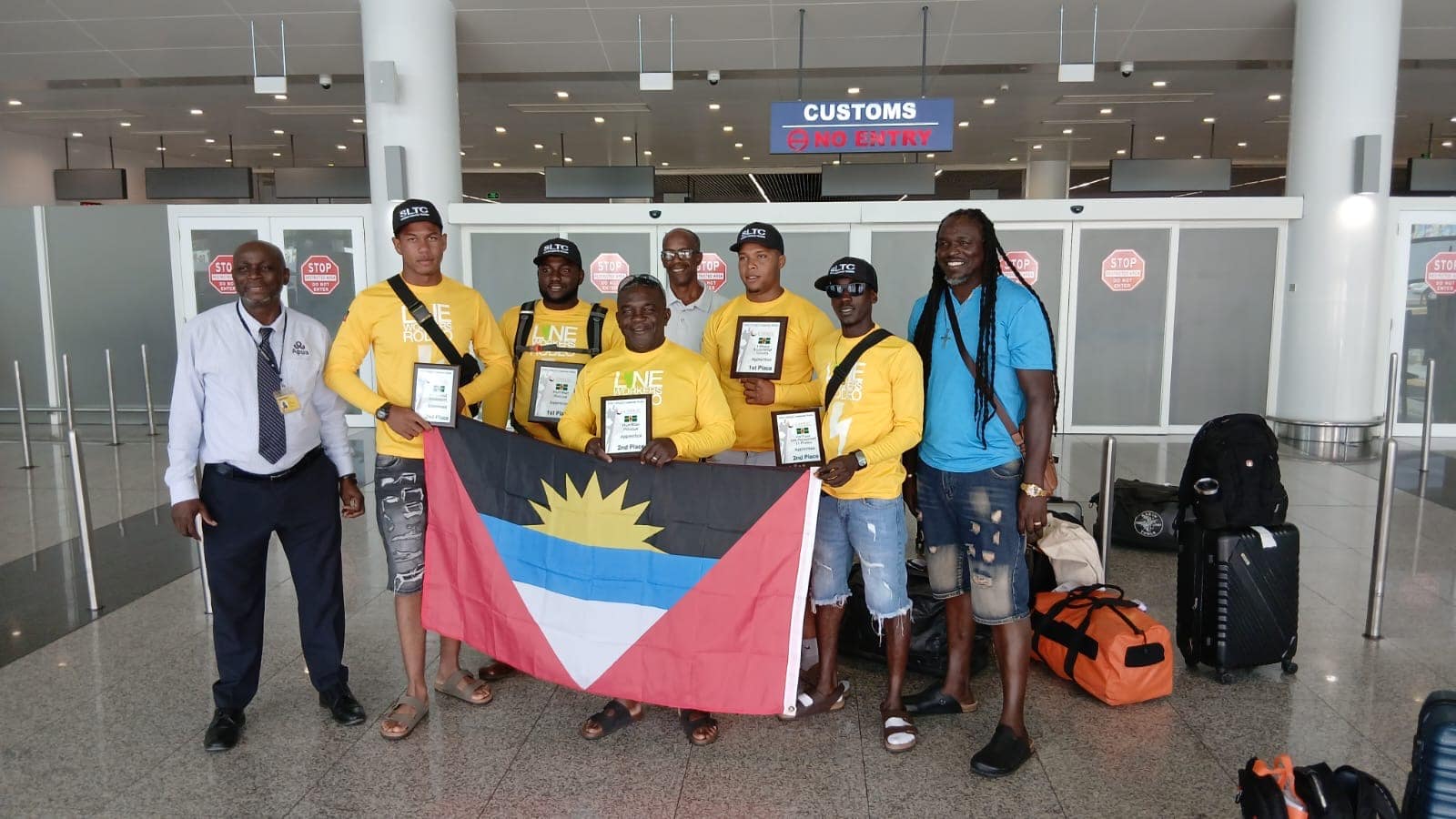
    A competition delegation from the Antigua Public Utilities Authority (APUA) has arrived back home this Tuesday, bringing home impressive silver medals from two distinct competition divisions at the annual Caribbean Electric Utility Services Corporation (CARILEC) Linesworker Rodeo. The regional event, which wrapped up over the weekend on the island of Dominica, saw APUA’s squads take second place in both the experienced professional category and the apprentice trainee division.

    This dual podium finish stands out as one of the strongest recent showings for Antigua and Barbuda’s primary utility provider, with organizational leaders quick to frame the results as a direct endorsement of the rigorous training, technical expertise, and collaborative culture that defines APUA’s lineswork teams.

    Now in its established annual cycle, the CARILEC Linesworker Rodeo is far more than a simple athletic or competitive event. It gathers skilled utility workers from 16 member jurisdictions across the Caribbean region, challenging participants to execute complex electrical repairs, maintenance procedures, and emergency response maneuvers in highly realistic simulated field conditions. The competition is structured to evaluate not just speed and technical precision, but also strict adherence to global best safety practices, a non-negotiable standard for linework that operates in high-risk environments.

    Beyond the competitive rankings, APUA officials emphasized that the event delivers lasting, tangible value for utility providers across the region. It acts as a critical networking hub, where frontline workers and organizational leaders can strengthen working relationships between Caribbean utilities, share innovative approaches to common industry challenges, and align on updated best practices for electrical infrastructure maintenance and worker protection.

    For APUA specifically, leadership noted that the dual second-place finishes offer more than just accolades. The experience confirmed that the organization’s internal work standards meet and often exceed regional benchmarks, while also providing valuable professional development opportunities for all participating team members that will translate to improved service for Antigua’s residential and commercial utility customers.

    Looking ahead, APUA has already set its sights on the 2025 iteration of the CARILEC Linesworker Rodeo, with plans to build on this year’s momentum and push for even stronger results when the next competition convenes.

  • Commonwealth Observer Group commences work in Antigua and Barbuda for 2026 General Elections

    Commonwealth Observer Group commences work in Antigua and Barbuda for 2026 General Elections

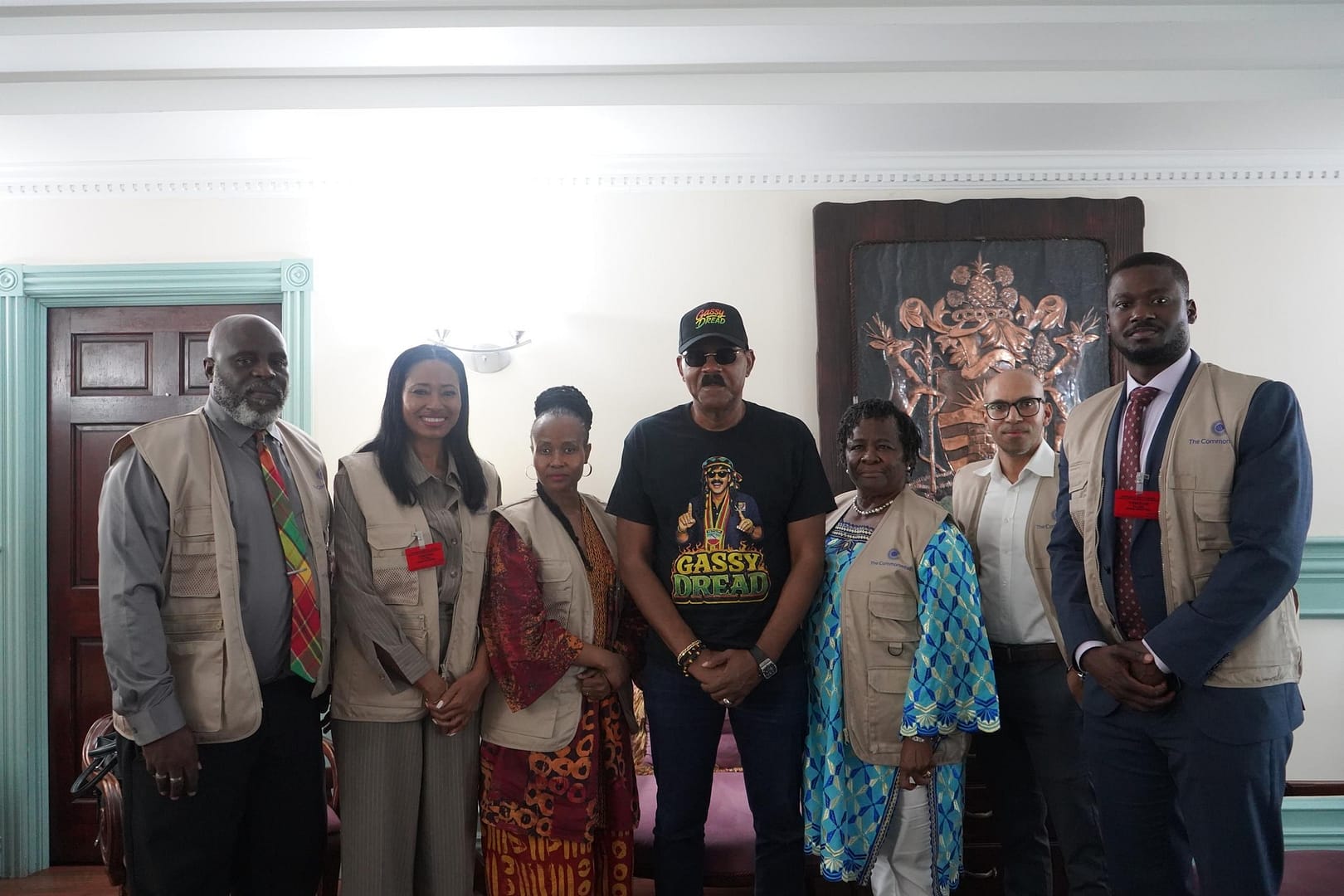
    A Commonwealth Observer Group has officially begun its monitoring mission for Antigua and Barbuda’s upcoming 2026 General Elections, after being formally deployed by Commonwealth Secretary-General Hon Shirley Botchwey. Headed by Hon. Dr Pelonomi Venson, Botswana’s former Minister of Foreign Affairs, the four-person team brings together decades of cross-sector expertise spanning election management, governance, civil society, and journalism, drawing members from across the 56-nation Commonwealth bloc. The mission was organized at the official invitation of Antigua and Barbuda’s national government.

    In remarks marking the team’s deployment, Secretary-General Botchwey highlighted the rapid willingness of senior Commonwealth figures to support democratic strengthening across member states. “I am consistently encouraged by the readiness of distinguished individuals across the Commonwealth to contribute to the strengthening of democratic processes across our member states at short notice,” she said, expressing full confidence in the group’s ability to deliver an impartial assessment. “I am confident that the Chairperson, Hon. Dr Pelonomi Venson, and the members of this Group will bring their experience to bear in delivering an independent, credible and balanced assessment of the electoral process in Antigua and Barbuda.”

    All team members have now arrived in the twin-island nation and will remain on the ground for the full duration of their mandate, covering three key phases of the election cycle: pre-election preparations, polling day operations, and post-election administrative processes. All assessments will be conducted against a framework of national electoral legislation, core Commonwealth democratic values, and widely accepted global election standards. In her public arrival statement, Dr Venson emphasized the significance of the vote for Antigua and Barbuda’s democratic development, calling it “an honour to serve in this capacity.”

    “These elections provide an important opportunity to further strengthen democratic institutions and build public confidence in the electoral process. It is therefore important that all stakeholders uphold the principles of inclusive, transparent and participatory democracy, where every vote carries equal weight,” she added.

    The observer group will receive operational support from a technical team based at the Commonwealth Secretariat, led by Lindiwe Maleleka, Political Adviser for the Secretariat’s Electoral Support Section. Over the course of the mission, the delegation will hold consultations with a broad cross-section of national stakeholders, including independent election commission officials, leaders of competing political parties, representatives from local and international civil society groups, national security agencies, members of the diplomatic community, and other international observer teams deployed to the election.

    To ensure comprehensive coverage of voting activities, observers will be dispatched across both Antigua and Barbuda to directly observe polling, vote counting, and official results management procedures. Following the completion of polling, the group will release an interim statement outlining its preliminary findings within days of election day, with a full final report containing detailed analysis and recommendations published at a later date.

    In addition to Chair Venson, the full observer team includes Candia Dames, Executive Editor of the Nassau Guardian from The Bahamas; Ian Michael Anthony, Former Chief Elections Officer from Dominica; and Aiman Rasheed, Deputy Program Director at the International Republican Institute from the Maldives.

  • Eleven provinces under Yellow Alert due to rain and flood risk

    Eleven provinces under Yellow Alert due to rain and flood risk

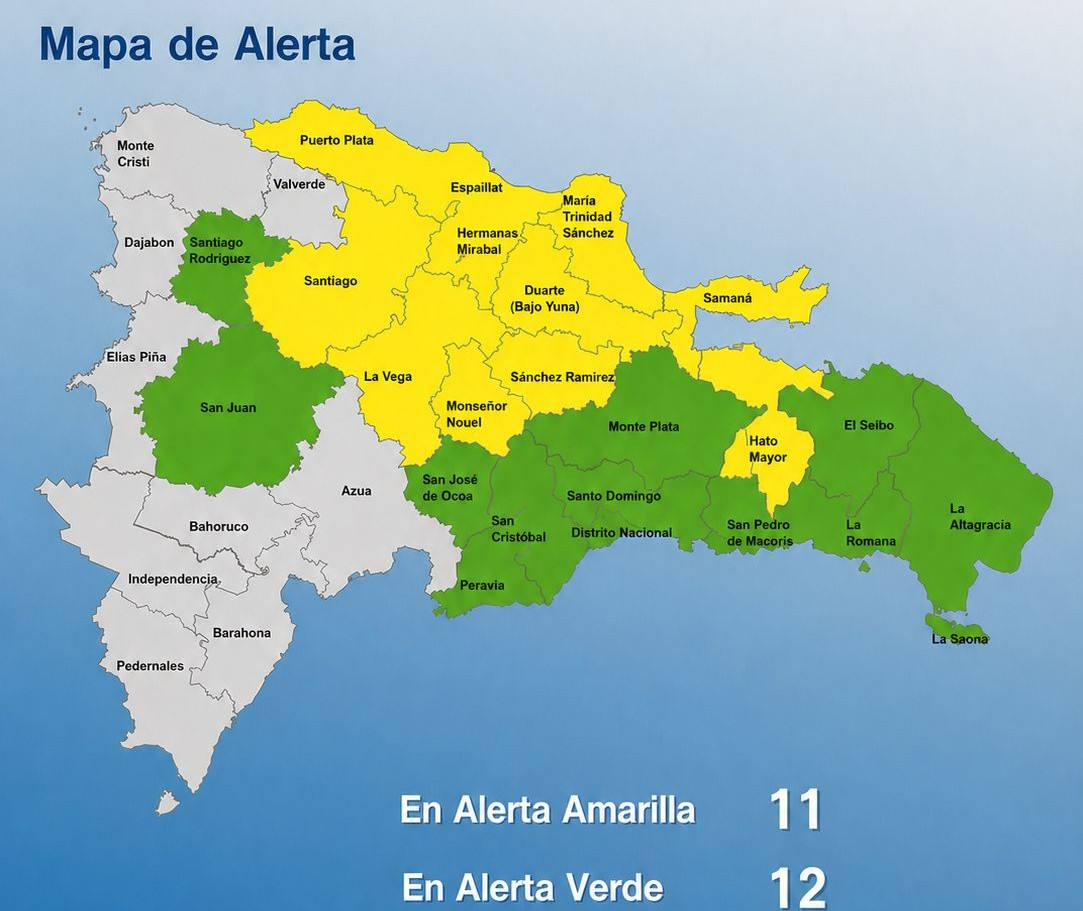
    On Wednesday, the Dominican Republic’s Emergency Operations Center (COE) announced a widespread expansion of national weather warnings, ramping up precautionary measures as an unstable atmospheric pattern continues to bring hazardous conditions across the Caribbean nation. Under the updated alert framework, 11 provinces have been placed under yellow alert – the second-highest level of warning – while 12 additional provinces and the National District remain under lower-level green alert.

    The 11 provinces now under elevated yellow warning status are María Trinidad Sánchez, Santiago, Duarte, Puerto Plata, Hermanas Mirabal, Hato Mayor, Monseñor Nouel, La Vega, Sánchez Ramírez, Espaillat, and Samaná. Areas retaining green alert include the major population centers of Santo Domingo, San Pedro de Macorís, La Altagracia, San Cristóbal, La Romana, Monte Plata, and the National District, the country’s capital administrative zone.

    Meteorological officials from the Dominican Institute of Meteorology (Indomet) confirmed that a persistent low-pressure trough system hovering over the region will continue to drive unstable weather through the afternoon. Forecasters say the system is spurring rapid cloud development that will bring heavy downpours, severe thunderstorms, and even a chance of small hail across much of the affected areas.

    The risk of extreme weather events is amplified by days of prior precipitation that have left soil across the country completely saturated. Emergency authorities have issued urgent warnings about the growing likelihood of river overflow, sudden flash floods, and widespread urban flooding in low-lying and high-risk communities.

    As of Wednesday, the impact of the persistent rain has already disrupted critical public services. The National Institute of Drinking Water and Sewerage (Inapa) confirmed that 12 regional aqueducts have been taken out of service by flood damage or operational disruptions, cutting off water access to more than 205,000 residential and commercial users across the affected regions.

    In a public advisory, the COE has urged all residents in at-risk zones to strictly follow official safety guidance. The agency specifically warned communities against attempting to cross swollen rivers or flooded streams, and reminded people living in flood-prone areas to remain ready to evacuate if conditions worsen.

  • Leisure : Did you know ? #19

    Leisure : Did you know ? #19

    In a new installment of its popular “Did You Know?” educational series, HaitiLibre has shared a concise, fact-filled breakdown of the Cold War as part of its expanding free online quiz platform, which is designed to engage knowledge-seekers of all skill levels.

    The Cold War, the defining geopolitical confrontation that structured global affairs across the second half of the 20th century, pitted two competing ideological and military blocs against one another. On one side stood the Western Bloc, led by the United States, which advanced a global order built on capitalism and liberal democracy. Opposing it was the Eastern Bloc, headed by the Soviet Union (USSR), which promoted communist governance and economic systems across its sphere of influence.

    The conflict earned its “cold” label not from a total lack of violence, but from the absence of direct, large-scale military combat between the two nuclear-armed superpowers. The ever-present threat of mutually assured destruction from nuclear arsenals deterred the two nations from open war against each other. Even so, the decades-long rivalry was far from peaceful: it played out through devastating proxy conflicts in Korea, Vietnam, and Afghanistan, a relentless global arms race that stacked thousands of nuclear warheads on both sides, and a high-stakes competition for dominance in space exploration that pushed the boundaries of human technological achievement.

    The formal end of the confrontation came with the collapse of the Eastern Bloc: the fall of the Berlin Wall in 1989 marked the beginning of the bloc’s dissolution, which concluded with the full breakup of the Soviet Union in 1991. Despite ending more than three decades ago, this era continues to leave an indelible mark on modern society. It reshaped global cultural production, accelerated breakthroughs in scientific and technological research, and redefined the structure of international relations, leaving behind the complex multipolar world we see today. Many of the lingering diplomatic tensions between major global powers can trace their origins back to the ideological divides of the Cold War era.

    This fact sheet is pulled from the answer key for the “QUIZ World, Wars and Conflicts 1.1” on HaitiLibre’s dedicated QuizHaitiLibre platform, which launched to the public earlier this year. The platform offers a wide range of quizzes covering topics from Haitian local history and culture to global events and specialized expert-level themes, allowing visitors to test their general knowledge at their own pace.

    To make the resource accessible to all users, all of the platform’s exclusive quizzes are completely free to access and require no account registration to play. Every quiz is offered in both French and English, and built to accommodate a range of skill levels with three difficulty settings: normal, intermediate, and advanced. As part of the platform’s scheduled monthly content update, 28 brand new quizzes were added to the site on Wednesday, April 8, with new content added every month for returning visitors. Dozens of knowledge games are already available to explore, and users can access the full collection at any time at https://quiz.haitilibre.com/en.

  • Verdeeldheid in coalitie over Viskeuringsinstituut; opheldering gewenst

    Verdeeldheid in coalitie over Viskeuringsinstituut; opheldering gewenst

    A heated debate over alleged serious misconduct at Suriname’s Het Viskeuringsinstituut (VKI, Fish Inspection Institute) has taken center stage in the country’s National Assembly, with political factions split over the handling of the allegations against the institute’s long-serving director and the lack of transparent information for full legislative oversight.

    The controversy dates back to January 26, 2026, when a new governing board was installed for the VKI. Since that change, unsubstantiated claims of severe wrongdoing have been levied, with director Juliette Colli-Wongsoredjo publicly named as the party responsible for the purported mismanagement. NDP faction leader Rabin Parmessar opened the debate by criticizing the handling of the allegations, noting that no concrete, documented evidence has been presented to lawmakers to date even as Colli-Wongsoredjo’s professional reputation has been publicly dragged through the mud.

    Parmessar reminded fellow parliamentarians that the director has served competently under multiple successive administrations, with her commitment to the role widely praised for years. Under her leadership, he added, Suriname has achieved a unique regional distinction: it remains the only country in the entire Caribbean and South American region authorized to export fish products to both the European Union and North America, a major economic win for the country’s key fishing sector. Parmessar called on the ruling government to provide clear, full disclosure on any verified misconduct, gaps in financial management, and the extent to which any such issues can be directly linked to the director. He emphasized that full transparency is non-negotiable to protect public servants from unfounded reputational damage.

    Not all lawmakers share the same perspective on the VKI controversy, however. A20 faction leader Steven Reyme told the assembly that he has received different information about the case than what Parmessar presented. Reyme argued that the matter must be handled with deliberate care, and that full, clear information must be gathered before any conclusions are drawn, to avoid creating the perception that oversight officials are being improperly maligned. In response, Parmessar countered that the full parliament has not been granted access to all relevant information, which is exactly why he and other NDP lawmakers are raising formal questions. He stressed that all information related to the public institution must be shared with the entire legislative body, not just individual selected members.

    Jennifer Vreedzaam, another NDP parliamentarian, added that all oversight activity must be rooted in verifiable facts and fair, evidence-based justification. She specifically criticized members of the VKI’s new board, claiming that they have leaked confidential internal information to the press to shape public narrative around the allegations. Vreedzaam also called for greater scrutiny of the institute’s overall financial standing and accumulated reserves, a key component of its long-term operational stability.

    VHP lawmaker Mahinder Jogi drew attention to the massive economic stakes tied to this controversy, noting that Suriname’s fish export sector generates approximately $80 million USD in annual revenue for the country. He warned that ongoing political tension within the VKI and a lack of consistent technical expertise at the institution could have severe downstream consequences for export volumes and international trust in Suriname’s fish certification and quality control systems, which are critical to maintaining market access in the EU and North America.

    Even within the call for transparency, some NDP members expressed support for a full formal probe. NDP lawmaker Ebu Jones backed further investigation into the allegations, referencing a closed briefing already held for the standing committee on Agriculture, Livestock and Fisheries with the responsible minister. Jones noted that if irregularities or corrupt activity are confirmed through a full, fair investigation, decisive action must be taken to address the wrongdoing.

    Following the full day of debate, the national government announced that it will deliver a comprehensive response to all the questions raised by lawmakers during the next public plenary session of the National Assembly.

  • Nevis Debuts “The Trial of Hamilton & Nelson” A New Era of Caribbean Tourism and Storytelling

    Nevis Debuts “The Trial of Hamilton & Nelson” A New Era of Caribbean Tourism and Storytelling

    The Caribbean island of Nevis ushered in a new chapter of cultural tourism on April 29, 2026, with the debut of an innovative, audience-driven theatrical production that reimagines how visitors engage with local and global history. Titled *The Trial of Hamilton & Nelson*, this one-of-a-kind immersive experience is the brainchild of Greg Phillip, CEO of local tour operator Nevis Sun Tours, and it marks a deliberate break from the passive, sun-and-sea tourism experiences that have long defined many Caribbean destinations. At the core of the production is a bold premise: two of the most influential historical figures tied to Nevis, Founding Father of the United States Alexander Hamilton (born on the island) and British naval icon Horatio Nelson (who married a Nevis local), stand side-by-side on trial for charges tied to their complex legacies. What sets this production apart from traditional historical tours, museum exhibits, or even scripted theater is its commitment to active audience participation. Unlike conventional experiences where attendees absorb pre-written narratives, every attendee of *The Trial of Hamilton & Nelson* steps into the role of a juror. Using real-time digital voting tools, audience members weigh the evidence presented, deliberate on the charges, and cast votes that directly shape the final outcome of the performance. “This is not about telling history,” Phillip explained in the lead-up to the debut. “It is about interacting with it, engaging with it in a meaningful way and being responsible for how we understand and judge it.” The concept grows from the striking overlapping threads of Hamilton and Nelson’s lives, both of which were defined by global conflict, the pursuit of power, and deeply controversial personal and professional choices that still spark debate centuries later. Rather than shying away from difficult, modern conversations, the production centers them, exploring four core themes that remain urgent in 21st-century public discourse: immigration and belonging, the legacy of war and conquest, ethical standards for public officials, and historical accountability for the transatlantic slave trade. The production’s framing sets a provocative tone for this inquiry. “This Court brings four charges against two men,” the opening statement declares, challenging audiences to reject the idea of history as a fixed, unchanging narrative and instead approach it as a living story open to questioning, reexamination, and personal judgment. Provocative lines woven through the script push audiences to confront nuance: “Birth is an accident. Love is a decision,” one line reads, touching on questions of identity and belonging. Another asks: “Is every personal failing of a public figure properly the subject of indictment?” A third reminds participants of the weight of their role: “Where there is guilt… punishment must follow.” In a boost for Nevis’s growing local creative economy, the entire cast is made up of experienced local performers, several of whom have already appeared in major international film productions shot on the island. This all-local cast reinforces Nevis’s emerging reputation as a dynamic hub for creative and cultural expression in the Caribbean. Phillip, who has spent years researching and developing projects around Hamilton’s connection to Nevis, acknowledged that crafting the production came with unexpected challenges. “Having spent years working with Hamilton’s story, I expected him to prevail,” he said. “But the history did not allow for easy conclusions. That is the same position we now place the audience in.” Following its successful debut on April 29, the production will become a permanent, bookable experience for visitors to the Federation of St. Kitts and Nevis. It adds a distinct, intellectually engaging cultural option to the destination’s tourism lineup, drawing visitors who seek more than traditional beach getaways and positioning Nevis as a leader in innovative, thoughtful cultural tourism across the Caribbean region.

  • Signatures for peace, for life

    Signatures for peace, for life

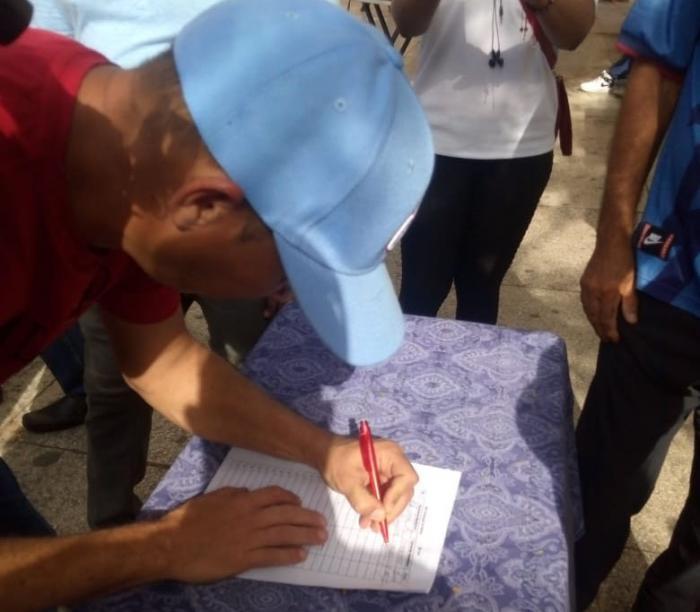
    In a sweeping display of popular unity and unyielding rejection of external meddling, thousands of residents across Cuba’s central province of Ciego de Ávila have mobilized to participate in the “My Signature for the Homeland” campaign, a nationwide grassroots initiative pushing back against rising hostile actions from the United States government.

    Launched on April 19, the 65th anniversary of the Bay of Pigs victory — widely marked across Cuba as the first decisive military defeat of U.S.-backed imperial expansion in Latin America — the signature drive will run through May 1, International Workers’ Day, aligning with widespread popular mobilizations responding to the escalating warmongering rhetoric and policy against the island nation.

    Spontaneous participation has unfolded across every corner of the province: from primary schools and industrial workplaces to senior community centers, military garrisons, public medical clinics, government administrative offices, and local Committees for the Defense of the Revolution. Cubans of all ages and backgrounds have turned out voluntarily to add their names to the campaign’s rosters.

    Niurka Ferrer Castillo, general secretary of the Cuban Workers’ Confederation (CTC) in Ciego de Ávila, emphasized to state-owned newspaper Granma that the mobilization is not coerced, but a natural, heartfelt expression of the Cuban people’s demands. “This is not a forced act, but a genuine cry for peace. We signed for our families, for life, for the right to exist as a free nation,” Ferrer explained.

    The simple act of signing carries profound symbolic and political weight: every signature represents a clear affirmation of support for peace, and an uncompromising rejection of foreign-instigated conflict. Signatories overwhelmingly condemn the decades-long intensification of the U.S. economic, commercial, and financial blockade against Cuba, as well as recent hostile statements and actions that threaten the island’s domestic stability. “Cuba will not bow to the designs of the empire,” Ferrer reiterated.

    Official data from the province highlights five municipalities that have recorded particularly high turnout: Chambas, Baraguá, Ciro Redondo, Primero de Enero, and the provincial capital also named Ciego de Ávila. Organizers describe the broad participation as a living exercise in popular sovereignty, driven by the Cuban public itself rather than top-down mandate.

    Radamés Alemán Alonso, a retired veteran of the Cuban Revolutionary Armed Forces, framed the campaign as a collective defense of national dignity. “Each signature is another stone in the wall of dignity,” he said. “There is no place for fear or intimidation here.”

    Martha María González Gutiérrez, a homemaker from the Centro neighborhood council, echoed that sentiment as she added her name to a community signature sheet. “I sign for my children, for the future, because we understand that peace is not begged for, it is defended,” she stated.

    The mass participation in Ciego de Ávila forms part of a nationwide movement that has seen millions of Cubans add their signatures across the country. Beyond a symbolic gesture, the collective action sends an unmistakeable message to the international community: regardless of the pressure and threats coming from the United States, revolutionary consciousness and deep patriotism remain firmly rooted in Cuban society. The collective action of the Cuban people reaffirms a timeless promise: this nation will never surrender its right to self-determination.
  • IMF says CBI can help SVG but warns against development bank

    IMF says CBI can help SVG but warns against development bank

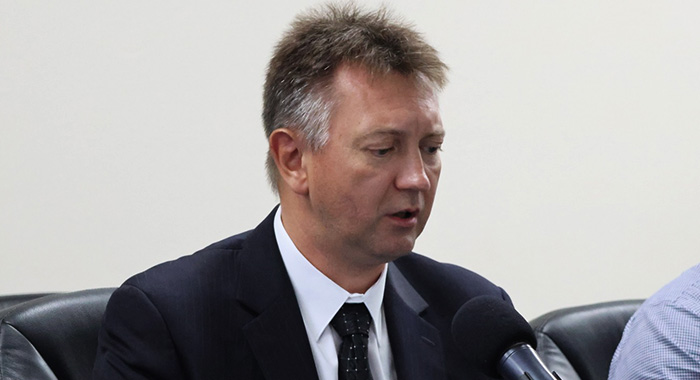
    Less than one month after the New Democratic Party (NDP) took power following a landslide election victory that ended a quarter-century of Unity Labour Party (ULP) rule in St. Vincent and the Grenadines (SVG), the International Monetary Fund (IMF) has weighed in on two of the new administration’s flagship policy proposals, delivering a mix of conditional approval and sharp pushback. In a joint press conference held Tuesday in the capital Kingstown with SVG Prime Minister and Finance Minister Godwin Friday, IMF mission chief Sergei Antoshin shared the global financial body’s assessment of the NDP’s planned citizenship by investment (CBI) programme, a key campaign promise from the party’s successful November 2025 election run. Antoshin noted that, if structured correctly, the new CBI programme could deliver a modest but meaningful boost to SVG’s public fiscal revenue, the explicit core goal of the initiative. But he stressed that poor design carries significant unaddressed risks, and outlined clear parameters for what the IMF considers an effective, low-risk framework. According to Antoshin, the optimal structure for the programme centers on a single direct donation or contribution to public funds, while pathways that grant citizenship in exchange for private sector investments or real estate purchases are strongly discouraged. He also added a critical requirement: all revenue generated through the CBI programme must be allocated exclusively to reducing the country’s outstanding public debt. The NDP administration has remained firm in its commitment to launching the programme, despite ongoing public opposition from the defeated ULP, which has pushed back against the policy since it was first introduced on the campaign trail. Beyond the CBI proposal, Antoshin made clear that the IMF does not back the NDP’s plan to establish a new national development bank, a proposal already being debated in the country’s parliament. The IMF’s rejection draws on past high-risk experiences with similar institutions across the Caribbean region, and aligns with the ULP opposition’s stance against the initiative. Antoshin explained that launching the new bank would require significant upfront public capitalization, paired with ongoing recurring fiscal costs that would undermine SVG’s critical ongoing fiscal consolidation efforts. He also warned that the institution would create substantial additional contingent liabilities that would strain the country’s public finances long-term. Instead of creating a new standalone institution, Antoshin argued that policymakers should prioritize strengthening the country’s existing credit intermediation systems to support economic development. The IMF’s public comments come one week after SVG’s parliament opened debate on a private member’s motion put forward by government senator Chelsea Alexander, which formally calls for the establishment of the new development bank. ULP Opposition Leader Ralph Gonsalves, who served as prime minister for the party’s 25 years in office, has already spoken against the motion, drawing on historical experience with similar development-focused institutions in SVG to back his opposition. Prime Minister Friday has rejected Gonsalves’ criticism as lacking forward-thinking imagination, arguing that consolidating development financing functions into a single entity is far more efficient than the fragmented model of eight separate institutions that operated under the previous ULP administration. The parliamentary debate on the motion is currently adjourned, with a resumption date yet to be announced by legislative leaders.