博客

  • Princess Margaret Secondary School Students Petition for Fairer Discipline, Water and More Chairs

    Princess Margaret Secondary School Students Petition for Fairer Discipline, Water and More Chairs

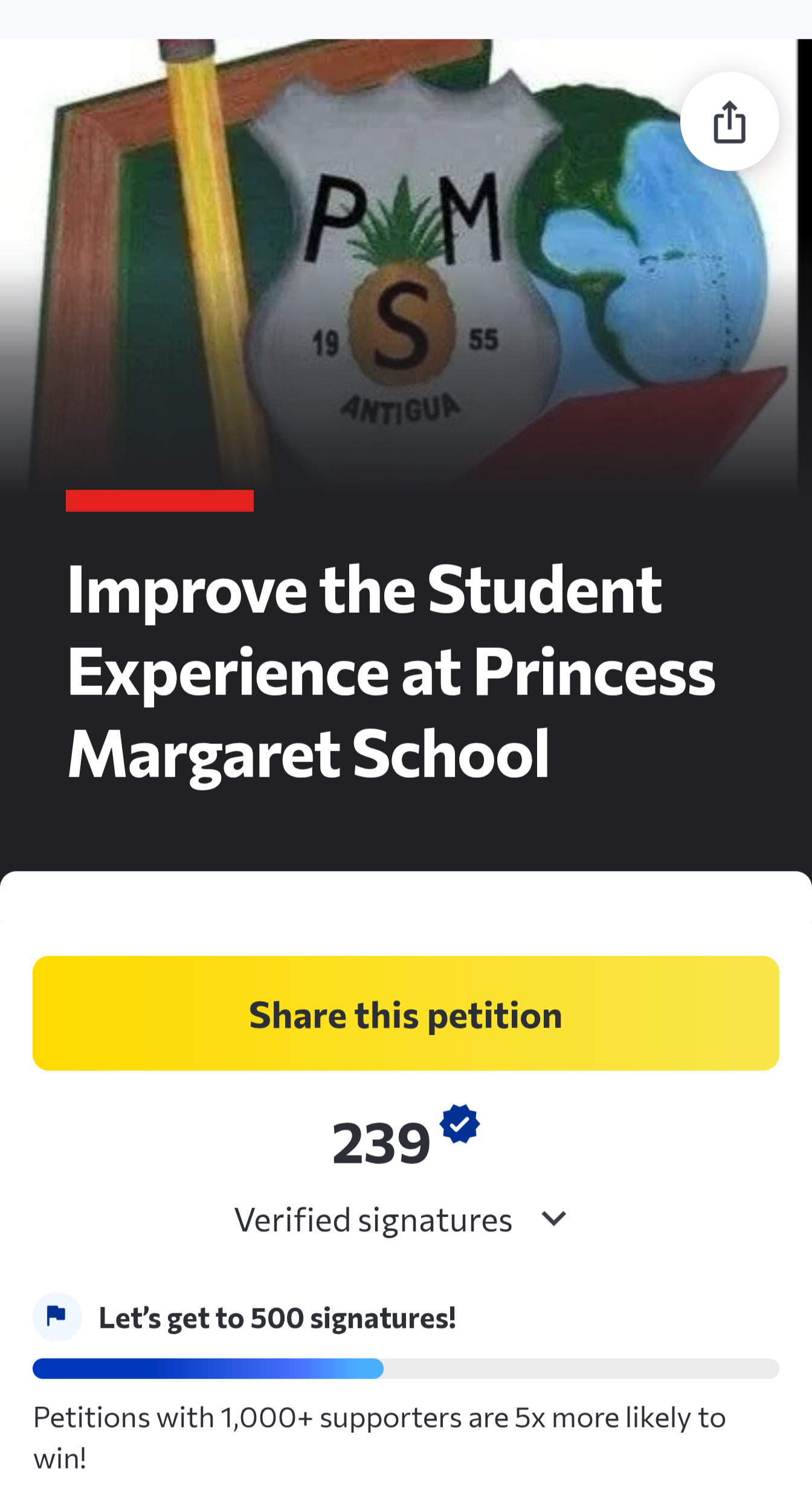
    Student activists at Princess Margaret Secondary School have launched a formal petition pushing for sweeping reforms to the school’s disciplinary policies and campus infrastructure, framing their campaign as a fight for greater student agency in decisions that shape their daily learning environment. At the core of their demands is a call for systemic change to the institution’s approach to discipline, with students arguing that current penalties are often overly harsh and applied unevenly across the student body. A key proposal in the petition requires that students be given a formal opportunity to share their side of events before any major disciplinary ruling is finalized.

    The document highlights one controversial, unconfirmed incident to illustrate their claims: a young student who was allegedly forced to wait crying outside the school entrance after arriving late to class. When observers brought the student’s emotional distress to the attention of the school principal, the administrator reportedly responded with a dismissive “And?”, according to the petition. To date, this account has not been independently verified by third-party sources.

    Beyond disciplinary reform, the petition outlines a long list of unaddressed basic infrastructure and daily facility issues that disrupt students’ educational experience. Students report consistent challenges accessing clean drinking water throughout the school day, as well as a chronic shortage of classroom seating that forces some learners to hunt for open chairs or perch on top of desks during lessons. Additional complaints include inadequate ventilation that creates overheating in classrooms, excessively long wait times in crowded cafeteria lines, overly short lunch breaks, unaddressed flooding in parts of the campus, and delayed maintenance on broken facilities.

    The petition’s formal demands include actionable changes: expanding access to safe, reliable drinking water across campus, adding sufficient classroom and communal seating, upgrading outdated facilities and improving air ventilation, conducting a full review of current lunch period arrangements, expanding after-school and extracurricular activities, and embedding formal mechanisms for greater student input in school governance.

    In a clear statement of the movement’s purpose, the petitioners emphasized that they are not pushing for an unregulated campus without structure. “We are not asking for a school without rules,” the petition reads. “We are asking for fairness, compassion, basic necessities, better conditions, and a school where students feel heard, respected, and proud to belong.” As of the publication of this report, no official comment or response from Princess Margaret Secondary School’s administration has been included in or attached to the petition.

  • Hope Alive Foundation Calls for Action to Protect Children After Bathlodge Shooting

    Hope Alive Foundation Calls for Action to Protect Children After Bathlodge Shooting

    A recent fatal shooting in Bathlodge that left one woman dead and two others wounded has sparked a urgent call for nationwide collective action against gun violence from the head of a prominent local community foundation. The incident claimed the life of Saquania Anthony, who was pregnant with her third child, and left 21-year-old Joshua Meade and an unidentified third person recovering from gunshot wounds.

    Icilma Crump, president of Hope Alive Foundation Inc., who has a personal connection to Meade, released a public statement this week sharing her deep distress over the young man’s condition. Crump described Meade as a vibrant, football-obsessed young person with clear, promising plans for his future, saying it is gut-wrenching to see him fighting for survival in a hospital bed after the senseless attack.

    “Joshua should not be in a hospital fighting for his life. Our children should not have to live in constant fear of being caught in crossfire,” Crump said in the statement, extending heartfelt condolences to Anthony’s children, immediate family and close friends who are now grappling with their devastating loss. She also voiced sincere concern for the third injured victim, who has not yet been publicly identified, as they recover from their injuries.

    Crump emphasized that in tight-knit small nations like the one where the shooting occurred, where generations of children share school campuses and community recreation spaces, violence that starts within a single home or neighborhood does not stay contained. It ripples outward to touch every corner of the wider community, she said, pushing back against the growing normalization of deadly gun incidents that many people have started to accept as an unavoidable part of daily life.

    “We cannot continue to hear about young people falling victim to gun violence or getting tangled up in criminal activity, simply shrug and move on with our lives until the next tragedy strikes,” Crump argued. She called for a full, urgent national conversation around two critical root causes of persistent gun violence: how easily young people can access illegal firearms, and the societal factors that push some youth toward involvement in violent crime.

    The foundation president laid out a shared responsibility for violence prevention, noting that every sector of society has a part to play in reversing the current trend. Parents, educational institutions, religious leaders, community organizations, local business owners, law enforcement agencies and national government bodies all must step up to address the crisis, she said.

    In a direct appeal to young people across the country, Crump encouraged youth to push back against harmful peer pressure, reach out for mental health or community support when they are struggling, and focus on building positive lives centered on education, healthy friendships and personal passions.

    Closing her statement, Crump stressed that the Bathlodge shooting must be a turning point for the nation, not just another tragedy that fades from public memory before action is taken. “Let us refuse to accept violence as normal,” she said. “Let us protect our children, invest in our young people and stand together against the culture of violence that is tearing our communities apart.”

  • More health workers are being attacked on the job, authorities warn

    More health workers are being attacked on the job, authorities warn

    A pressing public health and human rights crisis is unfolding across the Americas, where persistent violence against health care workers is eroding clinician well-being and undermining the functionality of regional health systems, the Pan American Health Organization (PAHO) has warned. The warning came during a landmark regional seminar that gathered nearly 400 stakeholders from 34 nations, including senior health officials, leading specialists, and professional association representatives, who collectively confirmed that the crisis remains drastically underreported and widely normalized across many workplaces.

    In a major push to boost awareness and drive coordinated, systemic solutions to the issue, PAHO debuted a new evidence-based fact sheet titled *Preventing violence against health workers in the Region of the Americas*, designed to guide policymakers, health system leaders, clinical professionals, and other key actors in addressing the crisis. Citing an international systematic review featured in the new publication, PAHO notes that roughly 62 percent of health workers globally have endured at least one form of workplace violence. Verbal abuse, reported by 58 percent of survey respondents, is the most prevalent form of non-physical aggression, followed by threats at 33 percent and sexual harassment at 12 percent.

    A separate multinational study, which surveyed participants across 22 countries including 20 Latin American nations, painted an even grimmer picture for the region: 66.7 percent of responding health workers reported experiencing some form of aggression in the 12 months prior to the survey, with physical violence accounting for approximately one in every 10 recorded incidents.

    “Violence against health workers should not be considered an inevitable part of the job. It is a public health issue, a human rights issue, and a challenge for the effective functioning of health systems,” stated Silvana Luciani, Chief of PAHO’s Noncommunicable Diseases and Violence Prevention Unit.

    Seminar participants emphasized that violence against health workers manifests across a wide spectrum of harm. It ranges from verbal abuse, threats, and physical assaults perpetrated by patients or their family members, to internal workplace harassment, discrimination, sexual violence, and threats tied to generalized community insecurity and organized criminal activity.

    Beyond the immediate harm inflicted on individual workers, violence creates cascading damage that extends across entire health systems. It inflicts lasting physical and mental harm on clinicians, contributes to professional burnout, elevated absenteeism rates, high staff turnover, and persistent challenges in retaining trained, experienced health personnel. Multiple risk factors amplify the likelihood of violence, including excessive workloads, long patient wait times, widespread staff and resource shortages, communication breakdowns between clinical teams and patients, and generally substandard working conditions. The regional study also identified care delays and gaps in critical medical resources as two of the most common triggers for patient and family aggression against staff.

    Broader societal factors, including widespread community insecurity, armed conflict, organized criminal activity, and emergency or crisis settings, further exacerbate risks. Violence can also occur between colleagues, including workplace bullying, discrimination, and sexual violence, behaviors that are often enabled by rigid institutional hierarchies and cultural norms that tolerate or normalize such abuse.

    Frontline clinical staff, particularly nurses, face the highest exposure to violence due to their constant, direct contact with patients and communities. In the Caribbean, for example, seminar experts highlighted that verbal abuse is the most common form of aggression targeting nursing staff, while also noting the disproportionate impact of sexual harassment and the critical unmet need for safe, confidential reporting channels for workers.

    “When a nurse is affected, the health system is affected,” explained Javon Gray, President of the Omega Kappa Chapter of Sigma Theta Tau International Honor Society of Nursing, representing The University of the West Indies (UWI) School of Nursing, Mona. “Violence against nurses and health workers must not be normalized.”

    Women, who make up nearly 70 percent of the global health workforce, face disproportionate risk of gender-based violence, particularly sexual harassment. PAHO emphasized that effective prevention and response strategies must explicitly integrate a gender perspective to address these unequal risks.

    “Violence can be prevented, and preventing it requires comprehensive and sustained action,” said Britta Monika Baer, PAHO Regional Advisor on Violence Prevention and Response, during the seminar.

    Despite the overwhelming scale of the crisis, a large share of violent incidents never get reported, making it impossible to capture the true scope of the problem and design evidence-based interventions. Key barriers to reporting include workers’ fear of employer retaliation, lack of trust in institutional reporting mechanisms, and the widespread normalization of violence as “just part of the job.”

    For these reasons, participants unanimously highlighted the urgent need to strengthen national reporting and monitoring systems, build safe, confidential, and accessible reporting channels, and develop clear, standardized protocols for prevention, response, and investigation of incidents.

    “What is not reported remains invisible,” noted Leidy Villanueva, from the Office of Territorial Management, Emergencies and Disasters of Colombia’s Ministry of Health and Social Protection. “Protection begins before the incident occurs.”

    Colombia’s national experience offers a model for proactive action, demonstrating the value of anticipating risks through targeted staff training, systematic risk analysis, cross-territorial coordination, and the adoption of specialized protection mechanisms for health workers, facilities, and services.

    Seminar attendees also stressed that sustainable prevention requires systemic improvements to working conditions and workplace organization, training for staff in violence prevention, crisis management, and de-escalation techniques, guaranteed medical and psychosocial support for workers who experience violence, and consistent follow-up for all reported incidents.

    Meaningful progress in preventing violence requires coordinated, cross-sector collaboration between national governments, health care institutions, professional associations, worker organizations, academic bodies, local communities, and other key stakeholders. PAHO emphasized that the primary legal and ethical responsibility for preventing and responding to violence rests with national states, health care employers, and health institutions. Individual safety actions taken by workers are complementary and do not replace the core obligation of institutions to provide safe working environments.

    PAHO’s new fact sheet consolidates existing evidence on the different forms of violence against health workers, their far-reaching consequences, and the underlying factors that increase risk. It also outlines actionable measures that authorities and health institutions can implement, including establishing clear legal and policy frameworks and standardized prevention and response protocols; building safe, confidential, and accessible reporting systems; upgrading facility security; providing targeted staff training; guaranteeing medical and psychosocial support for affected workers; and systematic data collection on incidents and follow-up actions.

    At the national public policy level, PAHO also underscores the importance of cross-sector coordination between health, security, justice, education, and labor agencies, as well as the need to allocate sufficient funding and human resources, monitor long-term violence trends, and partner with local communities to reduce risks—especially in settings affected by humanitarian crisis and health misinformation.

    “Violence against those who work in the health sector is not an isolated issue. It is a direct obstacle to the well-being of health workers and to the ability of health systems to fulfill their mission,” said Yoana Díaz, PAHO Regional Advisor on Professional Training in Human Resources for Health. “Caring for those who care for us is not just a slogan, it is a commitment to action.”

    The fact sheet also highlights a stark global gap in protection: only 26 of the 195 Member States of the World Health Organization (WHO) currently have national occupational health and safety policies or programs specifically designed to protect health workers, underscoring the urgent need to scale up protection measures worldwide.

    The seminar closed with a unified, clear message: violence against health workers is not inevitable, and it can be prevented through sustained, coordinated action. Protecting the workers who provide life-saving care is not only a core obligation to the health workforce, but also essential to guaranteeing high-quality care for all populations and enabling health systems to meet community needs.

  • Xi in Washington: ceremonieel welkom, maar moeilijke gesprekken over handel en macht

    Xi in Washington: ceremonieel welkom, maar moeilijke gesprekken over handel en macht

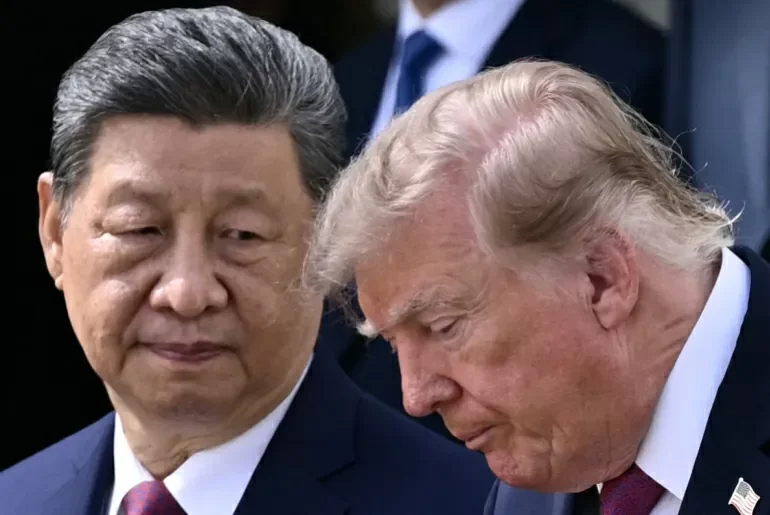
    On September 24, 2026, Chinese President Xi Jinping kicked off a high-stakes three-day state visit to Washington D.C., aimed at grounding the growing strategic rivalry between the world’s two largest economies in constructive dialogue and preventing open confrontation.

    Xi arrived Wednesday evening at Joint Base Andrews, the U.S. military airbase outside the nation’s capital, where he and his wife, Peng Liyuan, were personally greeted by U.S. President Donald Trump and First Lady Melania Trump. The arrival was marked by full military honors, including an honor guard and ceremonial salute. This personal welcome is considered unusual, as the U.S. president does not typically greet visiting heads of state in person at the military airbase, a choice that underscores the high priority the Trump administration places on this diplomatic engagement. The following day, an official state welcome was held on the White House South Lawn, followed by the opening of formal bilateral talks in the Oval Office. The two first ladies carried out a separate diplomatic schedule, including a visit to the Smithsonian National Museum of Asian Art, which houses over 45,000 works spanning thousands of years of Asian cultural heritage. A state dinner in honor of Xi and Peng was held Thursday evening, with prominent guests from U.S. politics, business, and the technology sector in attendance. An informal meeting between the two leaders and a visit to the U.S. National Archives, which holds key historical documents on U.S.-China relations, was scheduled for Friday.

    Trade remains one of the most contentious core issues on the agenda. In recent years, bilateral economic relations have come under growing strain from U.S. import tariffs, Chinese retaliatory measures, and sweeping restrictions on trade in advanced technology. According to senior U.S. officials, negotiators from both sides have agreed to a temporary extension of the existing bilateral trade framework, granting additional time for further substantive negotiations. However, this agreement does not resolve deep-rooted trade disputes. The U.S. continues to raise concerns over Chinese state support for domestic industries, unequal market access, and industrial overcapacity, while China has repeatedly pushed back against U.S. tariffs and export control measures. Rare earth elements, critical raw materials for electronics, electric vehicles, semiconductors, and defense systems, have also emerged as a key point of discussion, with China holding a dominant position in global supply chains for these materials. The influential U.S. agricultural sector is also closely monitoring talks, as American farm groups have pushed for China to increase purchases of U.S. agricultural goods.

    Artificial intelligence, a relatively new but rapidly growing area of engagement, highlights the dual nature of modern U.S.-China relations: simultaneous cooperation and competition. Both nations have poured billions of dollars into AI research and development, locked in a race for global technological leadership. At the same time, both countries share a common interest in mitigating the systemic risks posed by unregulated advanced AI systems. Despite shared goals on risk management, core interests still diverge sharply: the U.S. is determined to prevent cutting-edge AI technology from falling into the hands of its strategic competitor, while China seeks to continue growing its own domestic AI and advanced technology industries. This dynamic perfectly encapsulates the current state of bilateral ties: limited cooperation is achievable, but it unfolds alongside increasingly intense technological competition.

    Taiwan remains one of the most sensitive geopolitical flashpoints between the two powers. China maintains that Taiwan is an inalienable part of its sovereign territory, and firmly opposes any moves toward formal Taiwanese independence. While the U.S. does not formally recognize Taiwan as an independent sovereign state, it maintains close economic and political ties with the island and provides it with extensive defensive military support. For China, U.S. military and political support for Taiwan is a core violation of its stated sovereignty interests, while the U.S. remains deeply concerned about the risk of military escalation in the Taiwan Strait. No major breakthrough on the Taiwan issue was expected from this visit, with the primary goal instead being to reduce the risk of miscommunication and prevent further escalation of tensions.

    The broader regional and global security issue of Iran was also added to the meeting agenda. The ongoing conflict surrounding Iran and its spillover effects on the global economy, energy supplies, and international security have made it a key topic for major power coordination, though it remains unclear whether any concrete agreements will emerge from the leaders’ discussions on this issue.

    Analysts emphasize that the blend of elaborate ceremonial diplomacy and substantive working talks during the visit is no accident. Both governments have sought to signal their continued willingness to engage in dialogue, even amid deep, fundamental disagreements on core issues. The visit does not mark an end to the long-running strategic rivalry between the U.S. and China, as the two nations remain locked in competition across economic, technological, and military domains, with fundamental divides over the future of the Taiwan issue and the rules-based international order. At the same time, both nations have clear shared interests in maintaining a stable bilateral relationship: a new full-scale escalation of the trade war would roil global economic growth, while an accidental conflict over Taiwan would carry catastrophic global consequences. For the immediate term, the state visit is primarily focused on managing existing rivalries rather than resolving longstanding disputes. The temporary extension of trade agreements creates space for further negotiations, while ongoing dialogue on AI, technology, and security is designed to prevent competition from sliding into open confrontation. Whether the visit will deliver more than temporary stability will depend on whether both sides can turn tentative agreements into concrete, actionable policy in the coming months.

  • MP Randy Baltimore Donates Football Gear to Glanvilles and Willikies Clubs

    MP Randy Baltimore Donates Football Gear to Glanvilles and Willikies Clubs

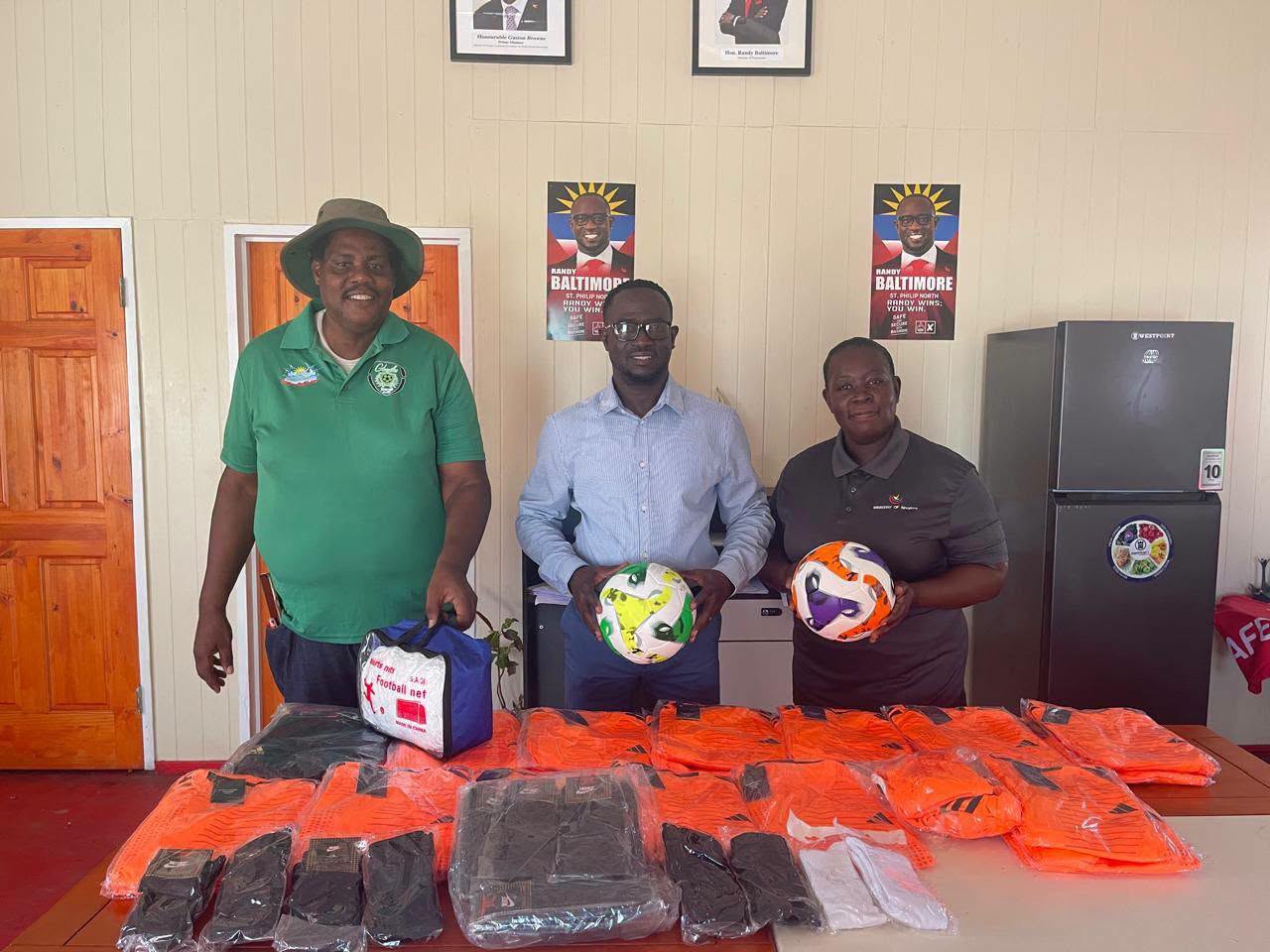
    As local football teams across the region prepare to kick off their upcoming competitive campaigns, two community-based squads have received a timely boost off the pitch. Local supporter and philanthropist Randy Baltimore has delivered a package of essential sporting equipment to both Glanvilles Football Club and Willikies Football Club, addressing key needs the teams faced ahead of pre-season training and opening fixtures.

    The donation includes new matching uniforms for players, regulation-quality footballs for training and match play, and high-visibility training bibs that allow coaches to run structured drills and split squads effectively during practice sessions. These items are often a significant unplanned expense for small community clubs, which typically operate on tight budgets and rely on volunteer support to keep their programs running, especially for youth and amateur divisions.

    In remarks shared following the delivery of the gear, Baltimore framed his contribution as more than just a donation to local sports. He emphasized that investing in the stability and success of neighborhood football clubs is inherently an investment in the young people who fill their rosters, and the broader communities that gather around these teams week after week. “Clubs like Glanvilles and Willikies are more than just groups of players – they are gathering points that bring neighbors together, give young people positive outlets for their energy, and build pride across the area,” he explained.

    As both teams wrap up their final pre-season preparations, Baltimore extended his well wishes to players, coaches, and supporters of both squads, saying he hopes the new equipment helps them compete at their best and secure a successful, rewarding season on the pitch. Community sports leaders have noted that donations like this play a critical role in keeping amateur football accessible for young players from all backgrounds, ensuring that cost barriers do not prevent talented local athletes from participating in the sport they love.

  • Love Link Caribbean Inter-Regional Reality Show to debut September 30

    Love Link Caribbean Inter-Regional Reality Show to debut September 30

    The Caribbean entertainment landscape is set to welcome a groundbreaking new original production next week, as the region’s first cross-territory reality dating show, *Love Link Caribbean*, prepares to premiere on September 30. A collaborative project between local production outfit Love Link TV and the Antigua and Barbuda Tourism Authority (ABTA), the series marks a milestone for Caribbean-led media, putting local stories, culture and identities front and center for regional and diaspora audiences.

    Filmed entirely on location across Antigua and Barbuda, the 10-episode season brings together 10 single participants from seven Caribbean jurisdictions: Anguilla, The Bahamas, Dominica, Jamaica, Trinidad and Tobago, the U.S. Virgin Islands, and host nation Antigua and Barbuda. Each contestant brings their own unique take on romance, regional dialects, and personal expectations to the experience, with the islands of Antigua and Barbuda woven into every arc of the show. Viewers will follow contestants as they explore iconic local spots ranging from the shores of Ffryes Beach to the natural landscapes of Laviscount Island and the historic grounds of Dow’s Hill, experiencing the destination’s signature cuisine, warm community culture and vibrant rhythm alongside the search for connection.

    What sets *Love Link Caribbean* apart from international dating formats is its commitment to authentic Caribbean representation at every level of production. Producers confirm that nearly 99% of the production crew hail from across the Caribbean region. On screen, the series leans into familiar local humor, regional food traditions, cultural references and dialects that will resonate with viewers from Nassau to Port of Spain and across the global Caribbean diaspora. For a region that has rarely seen its own modern love stories depicted in this popular television format, the series is poised to become a shared weekly cultural talking point connecting communities across the Caribbean.

    “Love Link started right here in Antigua and Barbuda. Seeing it grow into something that connects people across the whole Caribbean is a dream realised,” said Jamila Watkins, Founder and Executive Producer of Love Link TV. “This show is about more than finding love. It lets Caribbean audiences see our personalities and our cultures on screen in a way that feels unmistakably ours.”

    For ABTA, which takes on an executive producer role for the series, the project represents an innovative approach to destination marketing that integrates the islands’ identity into the fabric of the content rather than treating it as an afterthought. “Antigua and Barbuda has long been a place where love stories begin, and Love Link Caribbean lets our neighbours across the region watch that happen week by week through voices that sound like theirs,” said Shermain Jeremy, Director of Tourism for Caribbean and Latin America at ABTA. “Backing Caribbean-created entertainment is smart destination marketing. Viewers don’t just see Antigua and Barbuda in the background. They experience it as part of the story, and we hope many of them will want to come and write their own love stories here.”

    Audiences can access the series for free via Love Link TV’s official YouTube channel, where the official trailer is available to watch now. The debut episode will drop at 8:00 p.m. Atlantic Standard Time on Wednesday, September 30 (7:00 p.m. Jamaica Time), with new episodes releasing weekly on the same schedule. To extend the conversation around the series, a weekly after-show will stream live on TikTok via the @LoveLinkTV.official account every Friday at 8:00 p.m. AST, hosted by Alphonsina Olmos and Yorie Taylor. Viewers are encouraged to join the discussion using the official hashtag #lovelinkcaribbean. In the coming weeks, the series will also expand to linear regional television networks, with full details of broadcast partners set to be announced at a later date.

  • Cultural Advisor Meets with Minister Dwayne George

    Cultural Advisor Meets with Minister Dwayne George

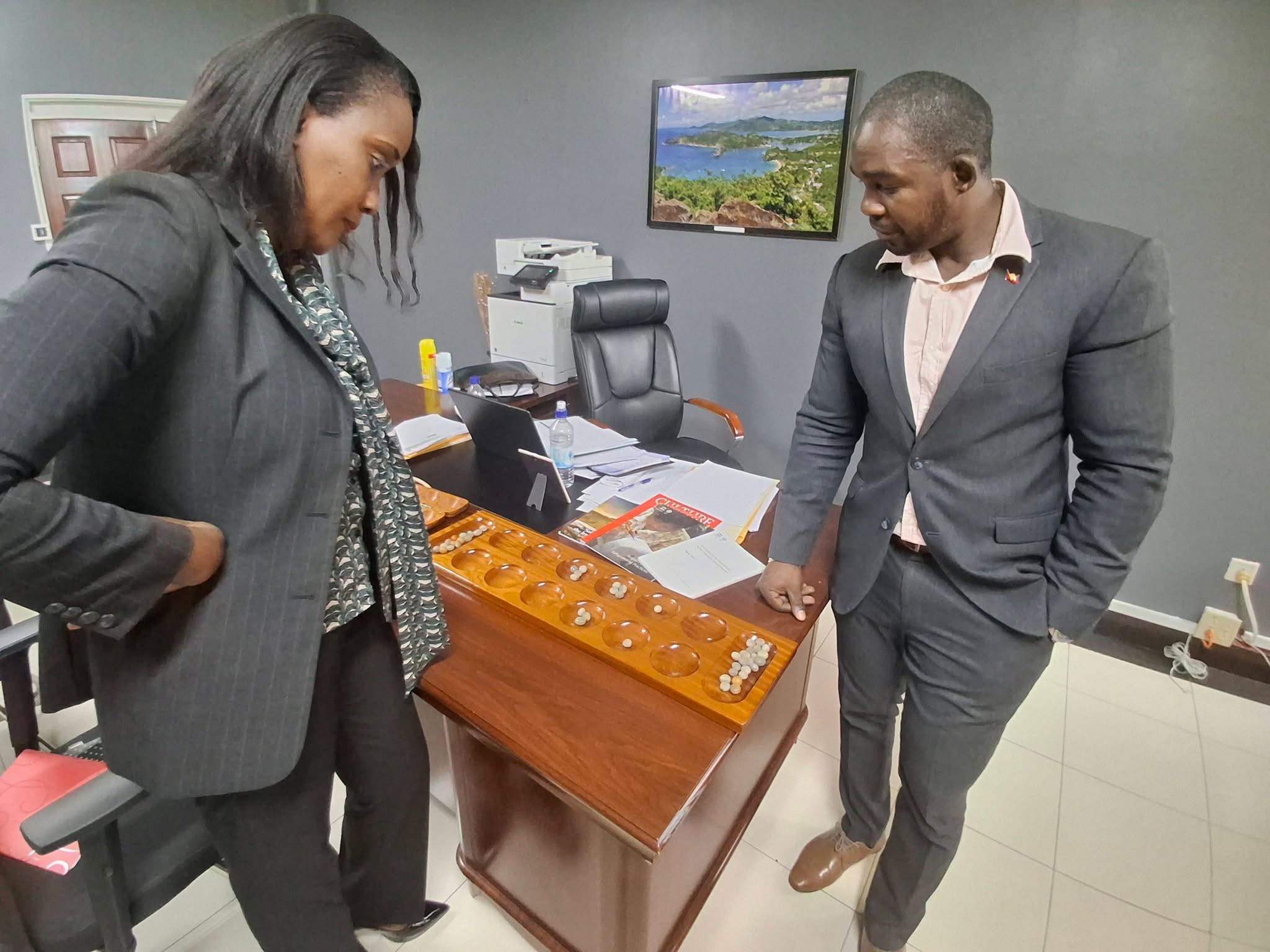
    On September 22, 2026, Dr. Hazra Medica, Cultural Advisor to Antigua and Barbuda’s Minister of Sports and Creative Industries, held a formal working meeting with Minister Dwayne George to share progress updates on two high-priority national cultural initiatives that she currently leads as Project Manager.

    The first initiative is the development of a comprehensive registry mapping all Antiguan and Barbudan creative professionals, a core component of the nation’s newly expanded Cultural Information System. This centralized mapping project is designed to streamline access to creative talent, support industry collaboration, and create a publicly accessible database that highlights the diversity of cultural output across Antigua and Barbuda. It is expected to serve as a foundational resource for cultural policy development and creative industry investment going forward.

    The second, and arguably more high-profile, project is the Warri Revival Programme, an initiative funded through UNESCO’s Intangible Cultural Heritage Fund. Warri, a traditional strategy board game with deep historical roots in Antiguan and Barbudan culture, has experienced declining participation among younger generations in recent decades. The revival program aims to reverse this trend by embedding the game into the curriculum of all public schools across the country. As part of this rollout, the Antigua and Barbuda Warri Academy is currently tasked with training 550 student players to build a new base of competitive and recreational participants.

    Dr. Medica used the meeting to outline her team’s key milestone for the remainder of the year: submitting a formal nomination to UNESCO later in 2026 to secure official recognition of Warri as a unique intangible cultural heritage element of Antigua and Barbudan national identity. This designation would not only elevate the profile of the game globally but also open up additional opportunities for international funding and cultural exchange centered on the tradition.

    During their discussions, Dr. Medica formally requested the minister’s ongoing support to ensure both projects are delivered on schedule and meet their stated objectives. Minister George responded positively to the request, confirming that he would leverage his ministerial authority and influence to remove administrative barriers, connect the project team with relevant stakeholders, and advance the initiatives through all stages of government approval. The minister reaffirmed the government’s commitment to preserving Antigua and Barbuda’s cultural heritage and growing the creative industries as a key driver of national identity and economic development.

  • PHOTOS: Irene B. Williams Secondary School Hosts First Visual Arts Show

    PHOTOS: Irene B. Williams Secondary School Hosts First Visual Arts Show

    A new annual tradition is about to kick off at Irene B. Williams Secondary School, as the campus prepares to open the doors of its very first Visual Arts Show to visitors from September 23 to 25. The three-day exhibition will turn the spotlight on the boundless creativity and original works produced by the school’s own student body, offering young artists a long-awaited public platform to share their artistic visions with the school community.
    The planning and execution of this landmark event is led by Andrew Daley, head of the institution’s Visual Arts Department. Over months of preparation, Daley has collaborated closely with fellow visual arts instructors and library skills teachers, who have contributed space, curatorial support and logistical help to bring the show from concept to reality. Organizers have made a point to highlight that the event would not have been possible without the consistent backing of school leadership. In public acknowledgements shared ahead of the opening, the planning team extended formal gratitude to Principal Mrs. Willock and the vice principal, whose guidance, resource allocation and enthusiastic encouragement cleared the way for the inaugural showcase to come to fruition.
    For students, the exhibition represents more than just a display of class projects: it is an opportunity to celebrate creative growth, build confidence in their artistic practice, and lay the groundwork for what the school hopes will become a beloved yearly tradition highlighting the importance of arts education in secondary learning.

  • Hon. Konris Maynard elected President of the Caribbean Telecommunications Union

    Hon. Konris Maynard elected President of the Caribbean Telecommunications Union

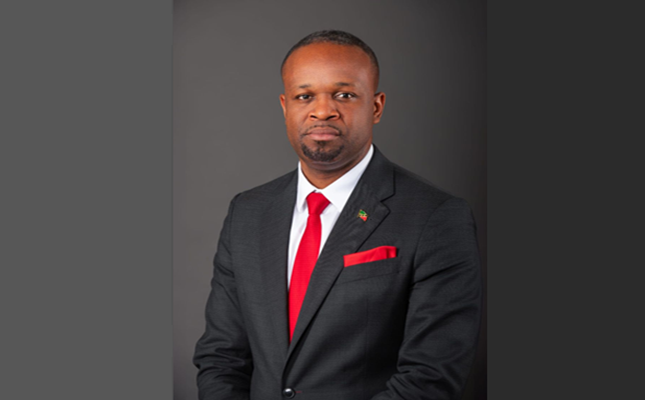
    Against the backdrop of accelerating regional digital integration across the Caribbean, a new leadership chapter has opened for the Caribbean Telecommunications Union (CTU), with St. Kitts and Nevis’ senior cabinet minister Konris Maynard voted in as the organization’s new president.

    The election took place on September 23, 2026, during the CTU’s 32nd General Conference of Ministers, a gathering held as a core component of this year’s CTU ICT Week in French Guiana. Maynard, who currently serves as St. Kitts and Nevis’ Minister of Public Infrastructure, Energy and Utilities, Domestic Transport, Information, Communication and Technology and Posts, participated in the conference virtually; at the time of the vote, he was fulfilling duties as the country’s Acting Prime Minister, preventing in-person attendance.

    The election marks a historic milestone for St. Kitts and Nevis, the Western Hemisphere’s smallest sovereign nation. The CTU is the Caribbean’s leading intergovernmental body dedicated exclusively to advancing telecommunications and information and communications technology (ICT) development across the region, placing the small island nation at the helm of one of the bloc’s most critical regional institutions.

    Maynard is no stranger to CTU leadership: he previously served as the union’s vice president from 2024 to 2026, after being elected to that post at the 30th General Conference of Ministers hosted by St. Kitts and Nevis in October 2024.

    In his first remarks after accepting the presidency, Maynard expressed profound gratitude to CTU member states for placing their confidence in both him and his country. “I am deeply humbled by the confidence that my colleagues from across the Caribbean have placed in me to serve as President of the Caribbean Telecommunications Union. I thank them sincerely for their support and for entrusting me with the responsibility of helping to lead this important regional institution,” he said.

    Outlining his policy priorities for his two-year tenure, Maynard made strengthening the CTU’s institutional capacity and deepening cross-regional cooperation the centerpiece of his agenda, with a core goal of accelerating inclusive, impactful digital transformation across all Caribbean nations. “Our region is at a pivotal moment. Digital transformation is no longer simply about technology; it is about how we transform government, strengthen our economies, improve education and healthcare, increase resilience, enhance cybersecurity and create new opportunities for our people,” Maynard noted. He added that he looks forward to collaborating with fellow ministers, the CTU Secretariat, regional and international partners, and all relevant stakeholders to advance a shared vision of accessible, meaningful digital progress across the Caribbean.

    Maynard also paid public tribute to the outgoing administration, led by Trinidad and Tobago, which held the CTU presidency for four consecutive years from 2022 to 2026. Trinidad and Tobago was first led by Senator Hassel Bacchus, and later by Senator Dominic Smith, after winning re-election for a second two-year term in 2024. Maynard commended both outgoing leaders for their foundational work, emphasizing that his tenure will build on the progress they achieved rather than pursuing an entirely new agenda.

    “I wish to place on record my sincere appreciation to the Government of Trinidad and Tobago, Minister Hassel Bacchus and Minister Dominic Smith for their leadership and contribution to the CTU over the last four years. Much important work has been advanced during their tenure. My commitment is not simply to begin something new, but to build upon the foundation already laid, strengthen what is working and work collectively to take the CTU to even greater heights,” he stated.

    For St. Kitts and Nevis, the presidency carries unique symbolic weight beyond policy responsibilities, Maynard explained. “For the smallest sovereign nation in the Western Hemisphere to be entrusted with the presidency of an organisation representing the collective digital aspirations of our Caribbean region is a humbling honour. It demonstrates that leadership is not determined by the size of a country, but by our willingness to serve, to contribute and to work together towards a shared vision,” he said.

    As the CTU’s highest decision-making body, the annual General Conference of Ministers brings together cabinet ministers responsible for ICT and telecommunications from all member states to set the organization’s strategic direction and regional priorities. As president, Maynard will guide the CTU’s work across key priority areas: accelerating inclusive digital transformation, expanding universal meaningful connectivity, strengthening cybersecurity and regional digital resilience, advancing regulation and adoption of emerging technologies, and unifying Caribbean negotiating positions in global digital policy forums.

  • Minister Joseph calls for investment in health systems for small island states

    Minister Joseph calls for investment in health systems for small island states

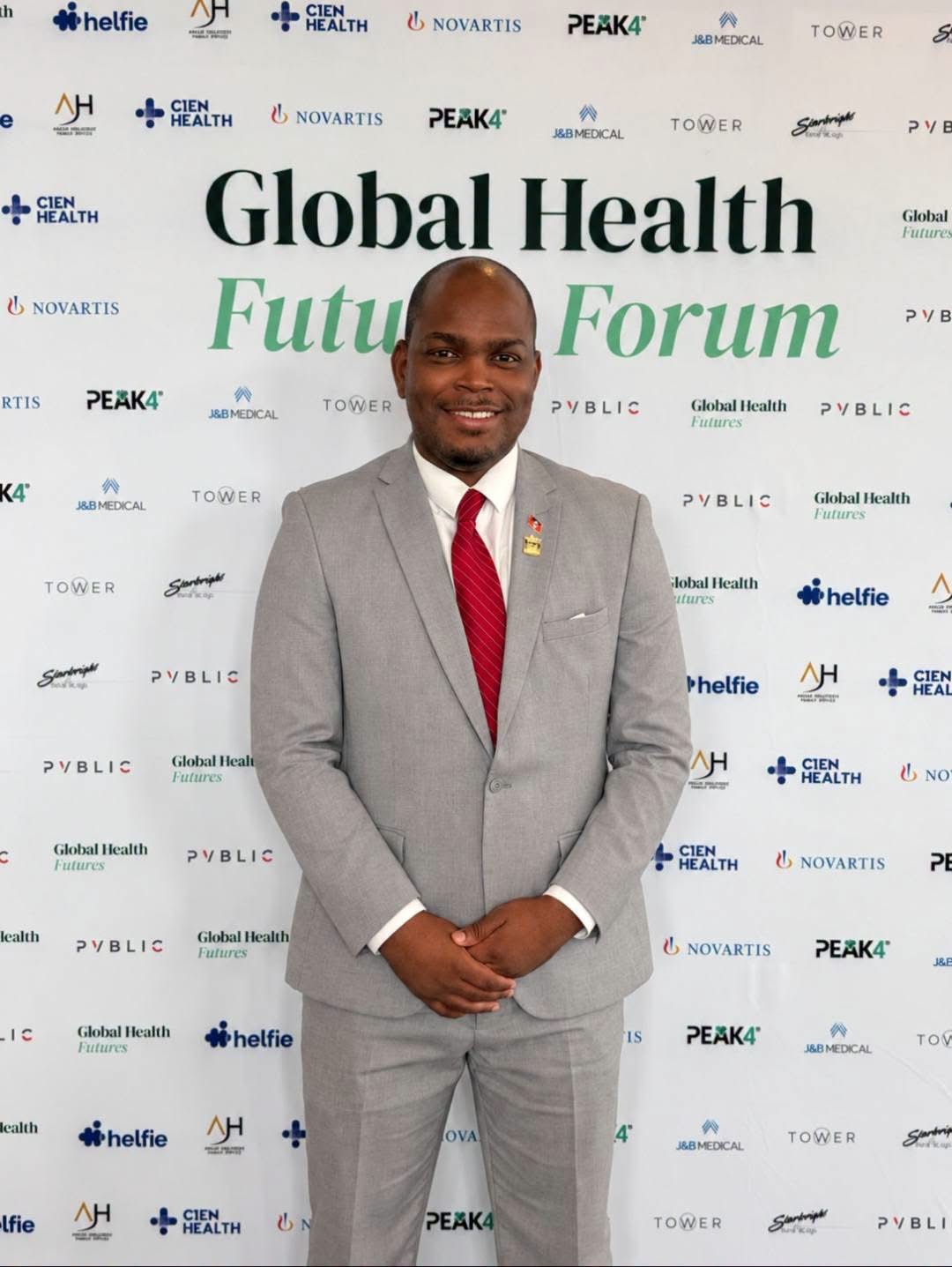
    At the United Nations Headquarters on Wednesday, the Global Health Futures Forum convened cross-sector leaders from government, clinical care, technology, finance and philanthropy to collaborate on actionable strategies for boosting global health outcomes. Opening the forum’s keynote segment, Michael Joseph, Minister of Health, Wellness, Environment and Civil Service Affairs of Antigua and Barbuda, issued a pressing call for strengthened global partnerships and immediate targeted investment to shore up fragile health systems in small island developing states.

    Minister Joseph outlined how his nation is leveraging data-driven planning to stretch constrained public resources, directing limited funds to interventions that deliver the maximum public health and quality-of-life impact. Two key local initiatives highlight this approach: a scalable program that expands affordable access to reading glasses for residents living with presbyopia, which preserves working ability and boosts daily quality of life, and a proactive public health campaign that will deliver vision screenings to 16,000 school-aged children to catch undiagnosed vision impairments early.

    Addressing forum attendees, Joseph noted that countless children grow up unaware their blurred vision is an untreated, correctable condition, assuming their limited visual experience is how the world naturally appears. “Early screening gives us the chance to identify a problem and help a child before it affects years of learning,” he explained. This preventive intervention not only supports children’s educational progress but also removes long-term barriers to economic mobility that undiagnosed vision issues often create.

    The minister also acknowledged the transformative potential of emerging health technologies, particularly artificial intelligence, pointing to promising use cases ranging from rapid stroke risk assessment to advanced analysis of ophthalmic imaging. However, he emphasized that cutting-edge innovation cannot deliver benefits to small island communities without parallel investment in core health infrastructure. New tools, he argued, are useless without the foundational systems, essential medical supplies, diagnostic hardware and trained workforces required to deliver care to local populations.

    For small island developing states like Antigua and Barbuda, unmet core health needs are compounded by overlapping structural challenges: recurring climate disasters that disrupt health services and drain public budgets, and chronically tight government finances that leave little room for large-scale infrastructure investment. To build a more equitable, resilient global health system that serves all communities, Joseph said, global partners must commit to investing in both immediate unmet needs and long-term innovative development.

    “Before we can talk about the future of healthcare, we have to address what people need today,” Joseph stated. “We see real opportunity in new technology, but governments like ours cannot build the necessary capacity alone. We need partnerships and investment now.”