博客

  • Road Works Expand Across Multiple Communities as Concrete Paving Continues

    Road Works Expand Across Multiple Communities as Concrete Paving Continues

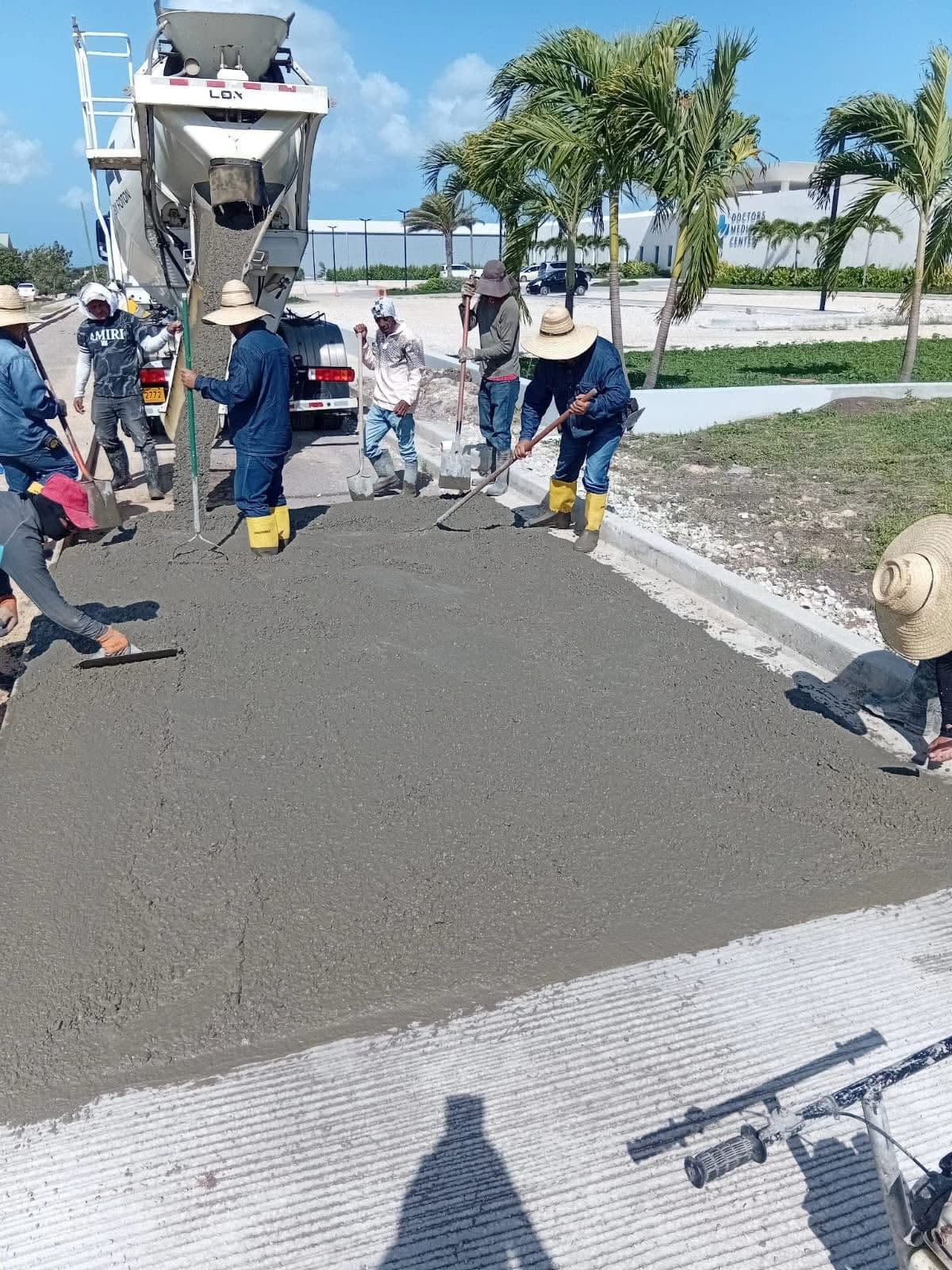
    The Ministry of Works has launched an extensive infrastructure enhancement initiative this week, deploying construction crews to execute comprehensive concrete road paving operations across eight strategically selected communities. The ambitious project encompasses Seatons, Friars Hill, Villa, Follies, Bendals, Mac Pond, Glanvilles, and Paradise View, representing one of the most significant infrastructure modernization efforts undertaken this year.

    This large-scale paving operation forms part of a broader governmental strategy to upgrade transportation networks and improve urban mobility. The transition to concrete surfacing offers substantial advantages over traditional asphalt, including enhanced durability, reduced maintenance requirements, and improved resistance to extreme weather conditions. The selected communities, which have historically experienced transportation challenges during inclement weather, stand to benefit significantly from these infrastructure improvements.

    Ministry officials have coordinated closely with local authorities to minimize disruption to residents during the construction phase. The project timeline incorporates phased implementation to ensure efficient progress while maintaining accessibility to essential services. Engineers supervising the project emphasize that the new concrete roads will substantially improve vehicular safety, reduce long-term maintenance costs, and enhance overall transportation efficiency throughout the region.

    The infrastructure initiative reflects the government’s commitment to sustainable urban development and improved quality of life for residents. Future phases of the infrastructure improvement program are already in planning stages, with additional communities scheduled for similar upgrades in the coming fiscal year.

  • Venezuela’s Maduro set to appear in US court months after abduction

    Venezuela’s Maduro set to appear in US court months after abduction

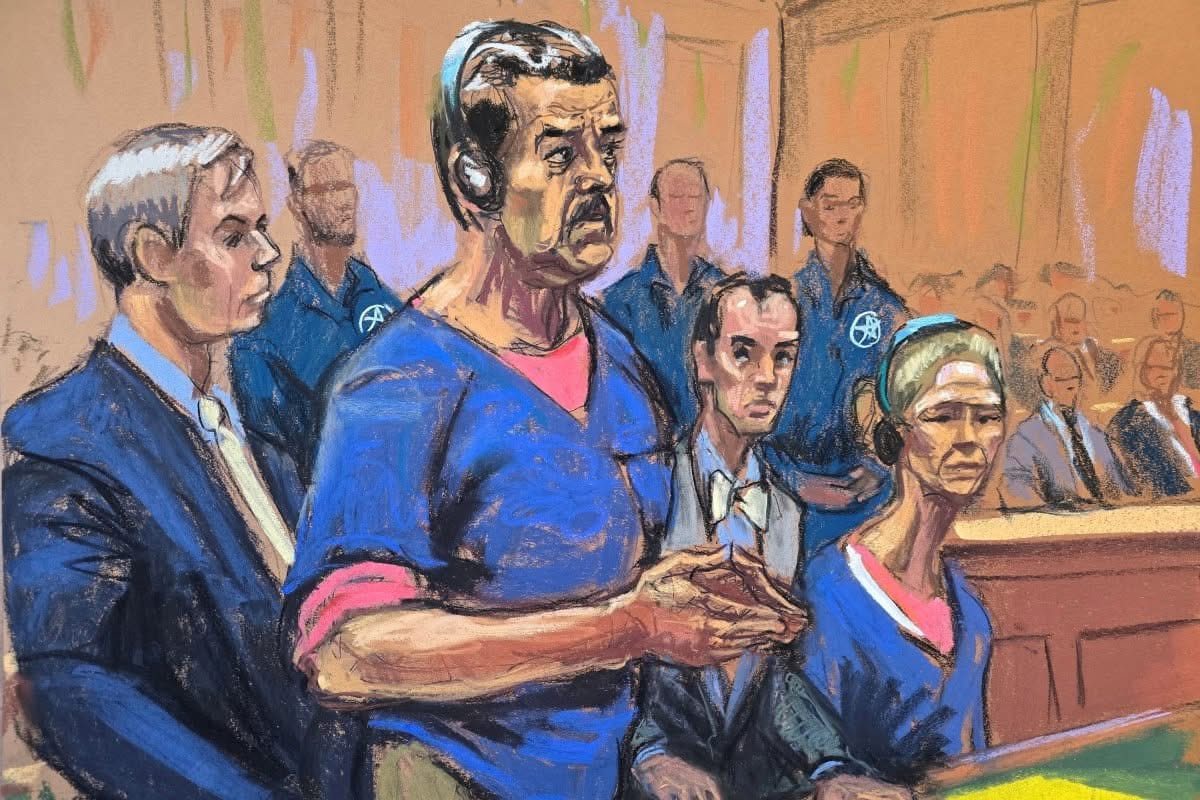
    In a significant development in international relations, Venezuelan President Nicolás Maduro is scheduled to appear before a United States federal court, marking a pivotal moment months after his controversial apprehension. The judicial proceedings stem from longstanding allegations brought by U.S. authorities against the Venezuelan leader, though specific charges remain under judicial seal.

    The extraordinary rendition operation that preceded this court appearance involved coordinated international efforts, though participating nations have maintained operational secrecy. Legal experts indicate this case represents an unprecedented application of jurisdictional reach against a sitting head of state, setting potential precedents in international law.

    Diplomatic channels between Caracas and Washington have experienced heightened tension since Maduro’s detention, with Venezuela’s government decrying the action as a violation of international sovereignty. The Venezuelan administration has mobilized its diplomatic corps to challenge the legitimacy of U.S. judicial proceedings through international organizations including the United Nations and Organization of American States.

    Regional allies including Cuba, Nicaragua and Bolivia have expressed solidarity with Maduro’s government, while the U.S. has received cautious support from several European and Latin American nations regarding the judicial process. The case has sparked debates concerning sovereignty, international justice, and the extraterritorial application of national laws.

    Security preparations for the court appearance are unprecedented, with federal authorities implementing comprehensive measures to ensure proceedings occur without incident. The outcome of this legal confrontation may redefine diplomatic protocols and establish new parameters for accountability of state leaders in international jurisprudence.

  • Rural East Derelict Vehicle Cleanup Enters Another Day

    Rural East Derelict Vehicle Cleanup Enters Another Day

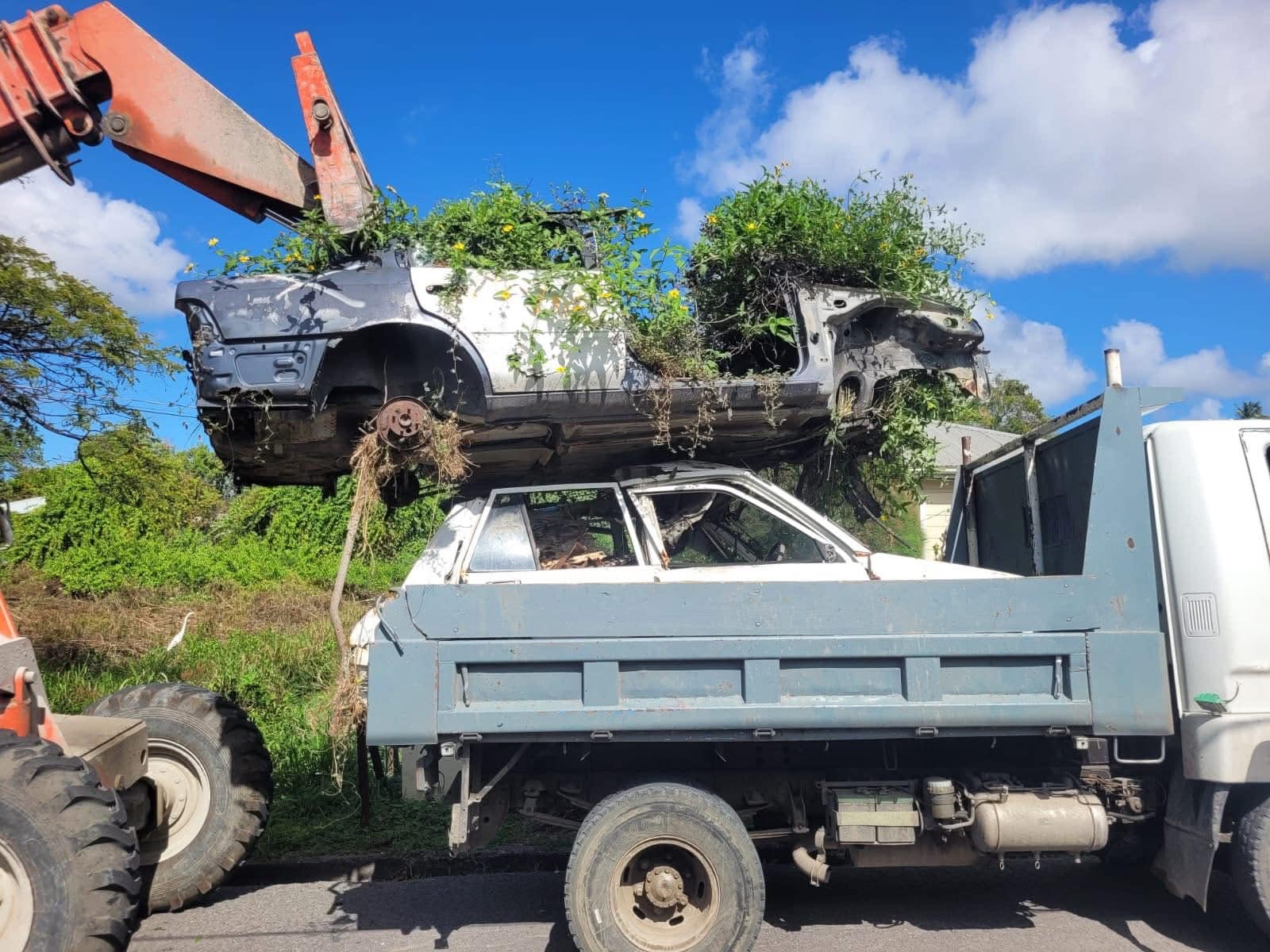
    A significant urban renewal operation entered its third consecutive day in St. John’s Rural East, where municipal crews have been systematically removing abandoned and inoperative vehicles from residential zones. The ongoing initiative has successfully extracted numerous derelict cars from neighborhoods, addressing long-standing concerns among the community.

    Local authorities have launched this targeted cleanup campaign with multiple objectives: enhancing public safety protocols, mitigating potential environmental contaminants from deteriorating vehicles, and revitalizing the visual landscape of the community. The operation has received substantial backing from area residents who have expressed support for the municipality’s efforts to improve living conditions.

    The removal process involves specialized equipment and trained personnel carefully extracting vehicles from private properties and public spaces alike. This coordinated effort represents a collaborative approach between city officials and the community to address urban blight and promote sustainable neighborhood development.

    Organizers indicate the cleanup initiative will continue through scheduled phases, with additional community enhancement projects planned following the successful vehicle removal campaign. The project demonstrates how municipal-community partnerships can effectively address local environmental and aesthetic concerns while fostering civic pride.

  • Magnitude 3.9 Earthquake Recorded Near Antigua and St Kitts Early Thursday

    Magnitude 3.9 Earthquake Recorded Near Antigua and St Kitts Early Thursday

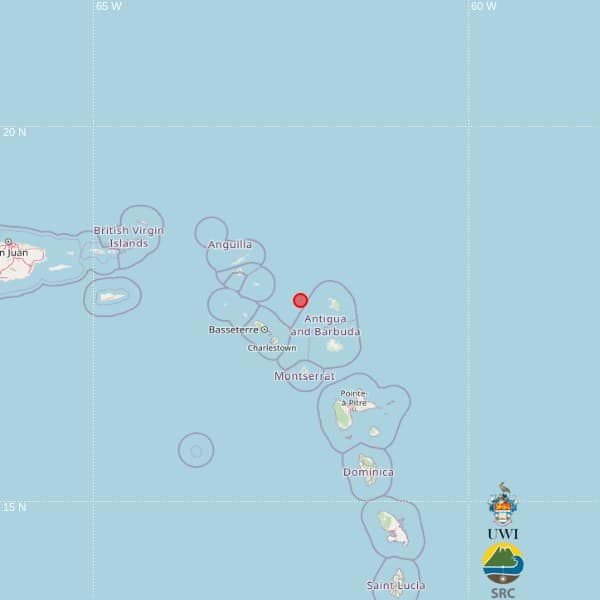
    A moderate seismic event registering magnitude 3.9 occurred in the Eastern Caribbean waters during early Thursday morning, as automatically detected by the University of the West Indies Seismic Research Centre’s monitoring systems. The tremor originated at precisely 3:19 a.m. local time at significant depth beneath the ocean floor.

    The earthquake’s hypocentral coordinates placed it at 17.69 degrees north latitude and 62.25 degrees west longitude, with seismic activity emanating from approximately 42 kilometers beneath the Earth’s surface. This substantial depth typically results in reduced surface shaking intensity compared to shallower quakes of similar magnitude.

    Geographic positioning data indicates the seismic epicenter was situated 69 kilometers northeast of Basseterre, the capital city of St. Kitts and Nevis; 78 kilometers northwest of St. John’s, Antigua and Barbuda; and 99 kilometers north of Brades, Montserrat. The location places the event within the complex tectonic boundary zone between the North American and Caribbean plates.

    The UWI Seismic Research Centre emphasized that their initial assessment was generated through automated computer algorithms without human verification. This preliminary determination remains subject to potential revision following comprehensive analysis by the agency’s seismic experts, who will examine waveform data and seismic station readings across the region.

  • Recensie: Democratische leeservaring

    Recensie: Democratische leeservaring

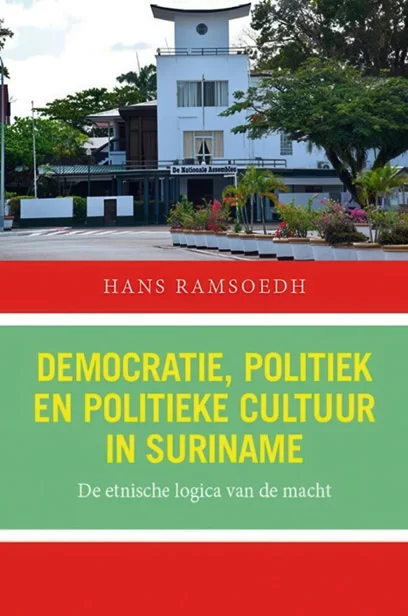
    A groundbreaking historical analysis has revealed disturbing details of institutional racism within Dutch colonial policy during World War II, drawing powerful connections to contemporary democratic challenges worldwide. The revelations come from Dr. Hans Ramsoedh’s newly published work “Democracy, Politics and Political Culture in Suriname – The Ethnic Logic of Power,” which examines Suriname’s complex democratic journey from 1866 to the present.

    The research documents how Dutch authorities in London systematically rejected military reinforcement requests from Surinamese Governor Kielstra, despite growing security concerns. Shockingly, the Dutch cabinet dismissed the necessity of military conscription for Surinamese men based on explicit racial prejudice. Government officials expressed that ‘little negroes’ would fail to impress Americans with their racial segregation policies, consequently maintaining Suriname’s troop composition as ‘white as possible.’

    In 1941, when approximately 500 Surinamese volunteers enlisted for the Princess Irene Brigade in Canada, all but a few dozen were rejected by the Dutch government-in-exile. Prime Minister Gerbrandy allegedly feared their presence would cause racial tensions among Dutch conscripts from South Africa—prioritizing white sensibilities over liberating the Netherlands with colored troops.

    Dr. Ramsoedh’s comprehensive 317-page study, complete with extensive notes and references, provides a chronological examination of Suriname’s democratic development through distinct historical periods: colonial guardianship (1866-1945), post-colonial awakening (1945-1975), failing democracy after independence (1975-1987), and democratic transition with ongoing fragility (1987-present).

    The work gains particular relevance through its exploration of endemic problems including ethnic fragmentation, clientelism, corruption, and organized crime that continue to undermine democratic institutions. The author emphasizes democracy as a ‘way of life’ in the spirit of philosopher John Dewey, highlighting citizenship education’s crucial role in cultivating democratic attitudes and societal engagement.

    Notably, the study examines how poverty, social inequality, and criminal capital influence political parties, while addressing the psychological impact of chronic stress on ethical behavior. The author argues that without discretionary time for recovery and reflection—impossible when working multiple jobs merely to survive—self-control diminishes and indifference becomes the human condition.

    The work concludes that emotional self-regulation and humanization of society are essential for integrity under pressure, ultimately reminding readers that it is people who shape democracy, politics, and political culture.

  • Leacock confident Taiwan would support constituency fund

    Leacock confident Taiwan would support constituency fund

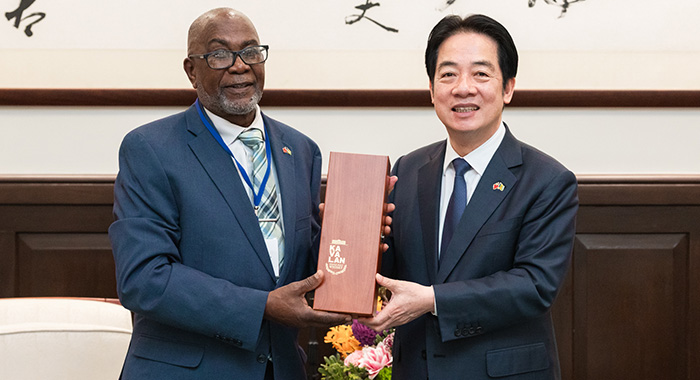
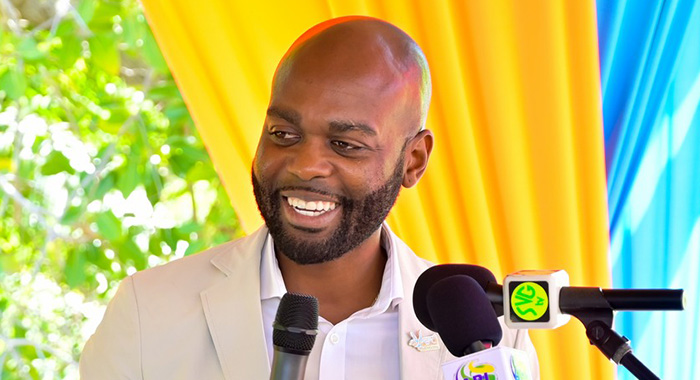
    St. Vincent and the Grenadines’ Deputy Prime Minister St. Clair Leacock has expressed strong confidence that Taiwan will fulfill his requests for vehicle donations to bolster crime prevention efforts and provide financial backing for a proposed constituency development fund. The announcement follows Leacock’s recent official visit to Taipei, where he held direct discussions with Taiwanese President Lai Ching-te.

    During a media briefing on Wednesday, Leacock detailed his diplomatic engagements, emphasizing that he specifically advocated for the Democratic Party’s Constituency Development Fund initiative during his meeting with the Taiwanese leadership. The Deputy Prime Minister revealed he made a direct appeal for Taiwan to assist St. Vincent in enhancing representative politics through contributions to this developmental framework.

    Leacock, who has championed the establishment of such a fund since 2009, stressed the importance of creating alignment between ministerial politics and representative politics while ensuring constitutional requirements for constituencies are properly supported by financial structures. The Deputy Prime Minister led the first cabinet delegation from the New Democratic Party government to visit Taiwan since assuming power in November, with the trip being funded entirely by Taipei.

    Regarding the vehicle donation request, Leacock confirmed that the representation was initially made to Taiwan’s Ambassador to Kingstown, Fiona Fan, before being reiterated during his Taipei visit. While declining to specify the exact number of vehicles requested, the Deputy Prime Minister acknowledged seeking assistance for police forces, cadet units, and the National Commission on Crime Prevention, including support for reviving the Drug Abuse Resistance Education program in schools.

    Leacock indicated that Taiwan already provides similar constituency development support to Saint Lucia through their Ministry of Finance, suggesting this established precedent increases the likelihood of approval for St. Vincent’s requests. The final determination regarding fund allocation mechanisms will be decided by the Prime Minister and economic advisors once formal approval is granted.

  • PM opposes Barnett renewal

    PM opposes Barnett renewal

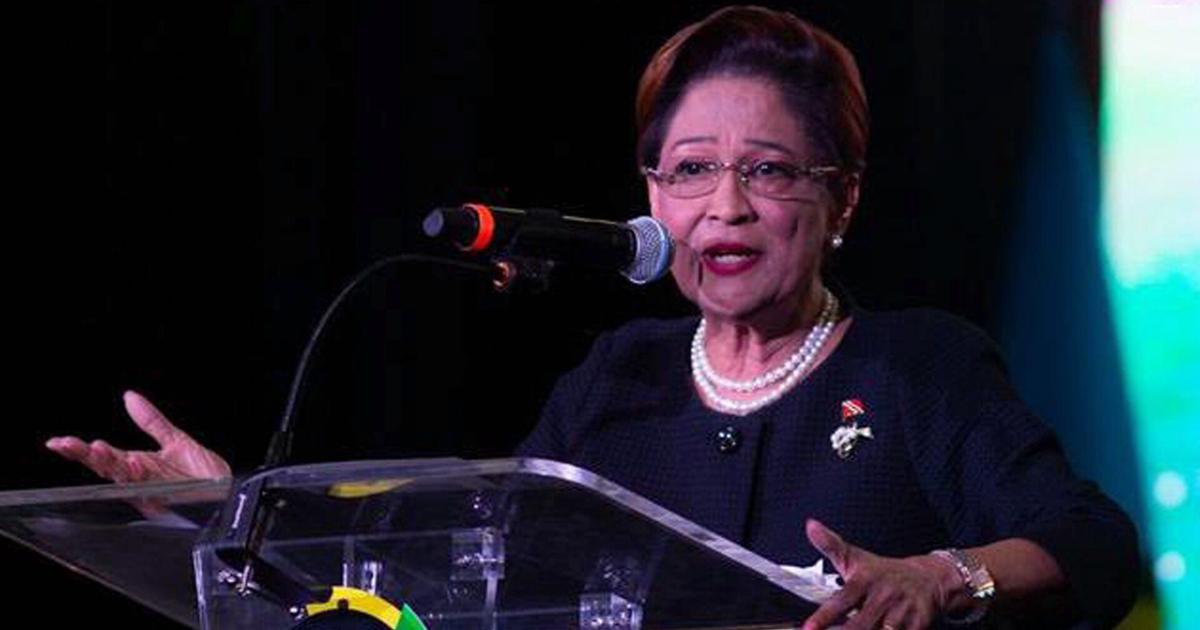
    In a significant development for Caribbean regional politics, Trinidad and Tobago’s Prime Minister Kamla Persad-Bissessar has publicly opposed the reappointment of CARICOM Secretary-General Dr. Carla Barnett while announcing substantial reductions in her nation’s financial contributions to the regional bloc. This decisive stance emerges amid growing tensions regarding CARICOM’s governance transparency and operational effectiveness.

    The controversy centers on the reappointment process that occurred during February’s CARICOM meeting in St. Kitts, where a majority of member states approved Barnett’s second term beginning August 2026. Prime Minister Persad-Bissessar explicitly rejected this decision, stating bluntly: ‘Caricom has been failing for 52 years and will continue to fail for the next 52 years.’

    Financial implications form a critical component of this dispute. Trinidad and Tobago currently contributes approximately 22% of CARICOM’s annual budget—amounting to $4-5 million—under the organization’s funding formula that requires more developed economies to provide larger shares. The Prime Minister confirmed that these contributions would be substantially reduced, though specific figures remain undisclosed.

    Foreign Minister Sean Sobers formally articulated the government’s objections in an official letter to CARICOM leadership, obtained by media sources. The correspondence highlights procedural irregularities, noting that Barnett’s reappointment was neither included on the provisional agenda nor discussed during plenary sessions. Particularly concerning was the exclusion of Trinidad and Tobago, Antigua and Barbuda, and The Bahamas from critical retreat discussions where the reappointment was reportedly decided.

    The diplomatic communication references Article 24 of the Revised Treaty of Chaguaramas, emphasizing that the Secretary-General’s appointment must follow proper channels through the Community Council and Conference. Minister Sobers maintained that while Trinidad and Tobago remains committed to CARICOM’s revitalization, the current process violated both the spirit and letter of established protocols.

    Historical context reveals deeper tensions. Prime Minister Persad-Bissessar had previously criticized CARICOM’s silence during the 2022 incident involving Trinidadian national Brent Thomas, who was allegedly kidnapped from Barbados using Regional Security System aircraft. The Prime Minister’s unanswered inquiries to the Secretariat during her tenure as opposition leader apparently fueled perceptions of institutional bias toward governing parties.

    This development signals broader strategic shifts in Trinidad and Tobago’s foreign policy. The administration has clearly indicated it will no longer automatically align with CARICOM’s collective political ideologies, security frameworks, or foreign policy positions. Instead, the nation will pursue independent foreign and security policies prioritizing national sovereignty.

    Concurrently, Trinidad and Tobago is expanding its international engagements beyond traditional regional boundaries. The government has applied for associate membership in Mercosur—the South American trade bloc—while joining a new hemispheric coalition focused on combating drug cartels and external threats. These moves, coupled with strengthened bilateral relations with the United States and attendance at the Shield of the Americas Summit, illustrate a deliberate diversification of diplomatic and economic partnerships.

    The current impasse reflects fundamental questions about CARICOM’s relevance, governance transparency, and operational effectiveness. As one of the organization’s principal funders, Trinidad and Tobago’s reduced financial commitment and vocal criticism could prompt significant structural reevaluation within the regional body. How CARICOM addresses these challenges may determine its future viability in an evolving geopolitical landscape.
  • In defence of Dr. Kishore Shallow — leadership beyond optics

    In defence of Dr. Kishore Shallow — leadership beyond optics

    A robust defense has emerged challenging recent criticisms against Dr. Kishore Shallow, who simultaneously serves as President of Cricket West Indies and Minister of Tourism and Maritime Affairs for St. Vincent and the Grenadines. The rebuttal, authored by Brenton Smith, former Secretary General of the New Democratic Party, contends that allegations of conflict of interest lack substantive evidence and are primarily based on optical perceptions rather than documented misconduct.

    Smith emphasizes that Dr. Shallow retains his elected position through the continued confidence of CWI’s shareholders—the territorial cricket boards across the Caribbean—who possess both the authority and awareness to challenge leadership if warranted. This retention, Smith argues, represents informed endorsement rather than organizational oversight.

    The complexity of regional cricket governance forms a central pillar of the defense. Smith notes that Cricket West Indies operates as a coalition of diverse territorial interests rather than a unified entity, making immediate transformational change impractical. Incremental progress, though less dramatic, often proves more sustainable in such multifaceted environments.

    Regarding dual role concerns, Smith acknowledges the need for vigilance but rejects automatic condemnation. He maintains that simultaneous public service and sports administration roles are not inherently unethical when managed with proper transparency systems, disclosure protocols, and recusal mechanisms. The absence of demonstrated misconduct makes dismissal calls premature and potentially damaging to governance principles.

    Smith reframes Shallow’s dual responsibilities as a potential strategic advantage, particularly in leveraging cricket for sports tourism development. As Tourism Minister, Shallow can facilitate economic growth through cricket-related initiatives that benefit both his nation and the wider Caribbean region.

    The defense concludes that leadership evaluation should prioritize measurable outcomes and integrity of conduct over speculative concerns, noting that Shallow assumed leadership during a challenging period marked by financial constraints and performance inconsistencies. Without evidence of ethical breaches or duty failures, Smith argues, removal from either position remains unjustified.

  • Tancoo: No increase in fuel costs

    Tancoo: No increase in fuel costs

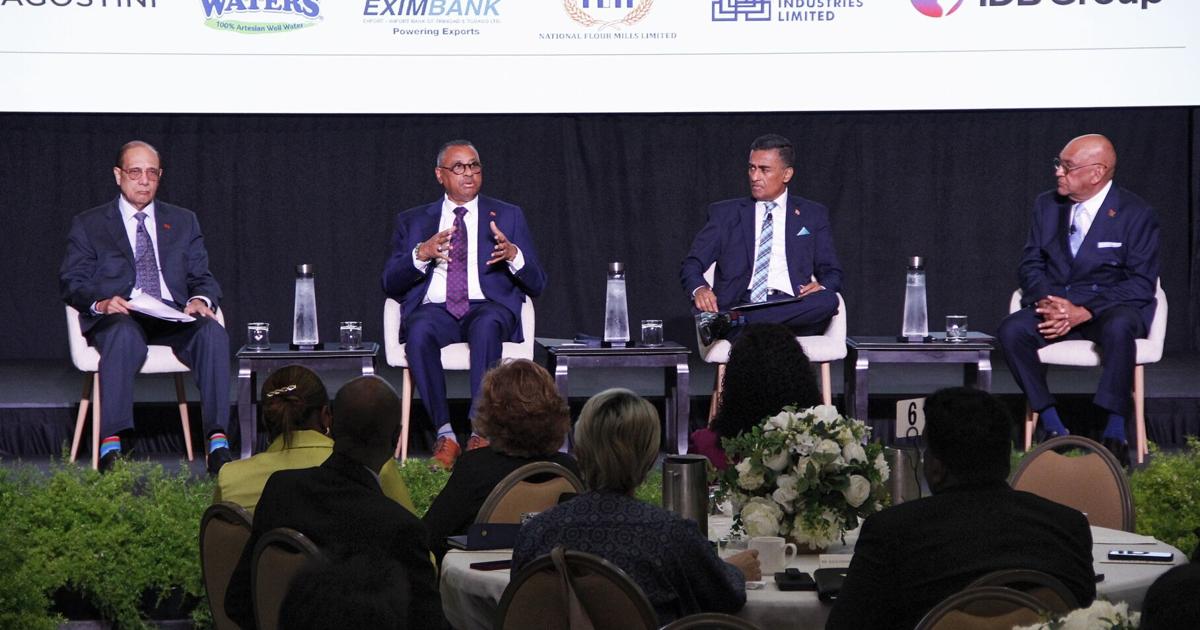
    Amid escalating Middle East tensions that have driven global oil prices upward, Trinidad and Tobago’s Finance Minister Davendranath Tancoo has unequivocally stated the government will not adjust domestic fuel prices. The minister addressed concerns during his appearance at the Trinidad and Tobago Manufacturers Association’s Leadership Discussion and Networking Event in Port of Spain.

    The recent surge in oil prices, triggered by intensified conflicts between a US/Israel coalition and Iran, has created widespread apprehension about potential disruptions to energy supply chains. Minister Tancoo acknowledged these developments while emphasizing Trinidad and Tobago’s limited influence over geopolitical events in the region.

    “We cannot interfere with the situation in the Middle East. We have no real role as a country there,” Tancoo stated. “However, I know that the price of fuel and other energy products has increased.”

    The minister characterized the situation as a “mixed blessing” for the nation, explaining that while Trinidad and Tobago produces some oil, it simultaneously imports significant portions of its fuel requirements. This dual energy dynamic creates complex economic pressures as global prices fluctuate.

    “Therefore, the cost to the Government has gone up. Shipping costs have also gone up,” Tancoo elaborated. “We produce some oil and, therefore, as a result, we would have increased the take from the higher prices that have resulted.”

    Tancoo described the government’s approach as “a bit of a balancing act” between increased revenue from oil exports and heightened import costs for refined fuels. While acknowledging some revenue improvement, he cautioned against excessive optimism due to corresponding cost increases.

    The minister’s assurances come as Energy Minister Dr. Roodal Moonilal previously highlighted potential benefits from rising global liquefied natural gas (LNG) prices. Moonilal noted Trinidad and Tobago’s position as a net LNG exporter provides relative resilience compared to import-dependent economies during periods of global supply uncertainty.

    Government officials indicate a mid-term budget review is imminent, which will further address these energy economic dynamics.

  • T&T opts out of Caricom Cuba aid

    T&T opts out of Caricom Cuba aid

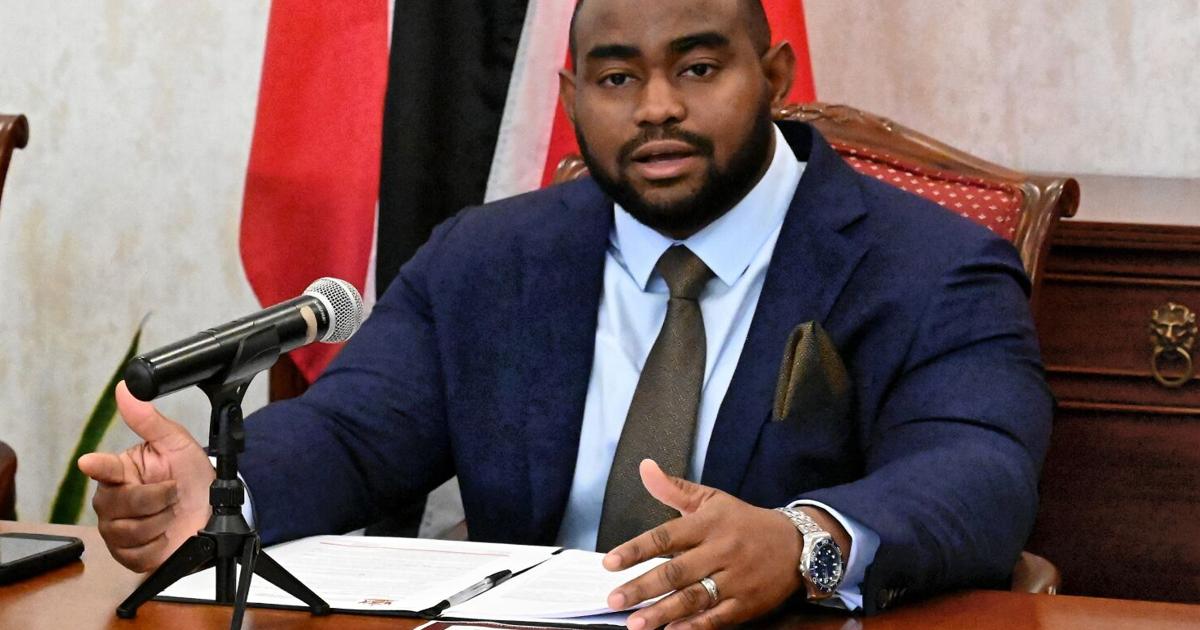
    In a distinct departure from regional consensus, the Republic of Trinidad and Tobago has declared its intention to provide humanitarian assistance to Cuba through independent channels, rather than participating in the collective effort organized by the Caribbean Community (Caricom). Foreign and Caricom Affairs Minister, Dr. Sean Sobers, confirmed the nation’s strategic decision to collaborate directly with established relief agencies operating within Cuban territory.

    This development follows an official communiqué from the Caricom Secretariat, headquartered in Georgetown, Guyana, which detailed a coordinated regional initiative to dispatch essential supplies. The multinational aid package, supported by the Mexican government, encompasses critical items such as infant formula, powdered milk, assorted non-perishable food staples, medical provisions, solar energy equipment, and water storage solutions.

    Minister Sobers elaborated on Trinidad and Tobago’s autonomous approach, revealing that diplomatic channels have been actively engaged with Cuban humanitarian organizations. The objective is to procure a precise inventory of necessities to prevent redundant efforts and maximize the efficacy of the aid delivered. Emphasizing a longstanding tradition of international solidarity, Sobers reaffirmed the nation’s unwavering commitment to supporting Cuba’s populace during times of crisis.

    Concurrently, the Minister addressed separate inquiries regarding his refusal to disclose details on national security strategies, particularly concerning U.S.-led counter-narcoterrorism operations. Invoking Parliamentary Standing Order 26(3), which permits the withholding of information deemed detrimental to public interest, Sobers defended his position against criticisms from opposition senators. He asserted that matters pertaining to security and public safety necessitate prudent confidentiality, underscoring a governance philosophy predicated on judicious discretion rather than political pressure.