博客

  • Schoten gelost op woning na familieruzie

    Schoten gelost op woning na familieruzie

    Gunshots rang out at a residential property on Hirasinghstraat this morning, in what authorities believe was a family dispute that turned violent. According to police reports, the incident occurred when an argument between an uncle and nephew escalated dramatically, resulting in multiple shots being fired at the dwelling.

    Fortunately, preliminary investigations confirm that no injuries resulted from the shooting, though the psychological impact on residents and the broader community remains significant. The alleged perpetrator, identified as one of the family members involved in the altercation, fled the scene immediately following the incident.

    Law enforcement officials have launched a comprehensive investigation into the matter, though details remain scarce at this early stage. Forensic teams are examining the property for evidence while detectives conduct neighborhood inquiries to piece together the sequence of events.

    The incident has raised concerns about domestic conflicts escalating into public safety threats, particularly in residential areas where such violence endangers not only those directly involved but also innocent bystanders. Community leaders have called for increased conflict resolution resources and greater awareness of domestic violence prevention measures.

    Police have assured residents that they are pursuing all leads to apprehend the suspect and prevent any further escalation of the situation.


  • Caricom welcomes Adoption of UN Resolution

    Caricom welcomes Adoption of UN Resolution

    In a historic move with profound implications for global justice, the United Nations General Assembly has formally recognized the transatlantic trafficking of enslaved Africans and racialized chattel enslavement as humanity’s gravest crime. The landmark resolution, adopted on March 25, 2026, received unanimous support from all member states of the Caribbean Community (Caricom).

    The Ghana-led resolution establishes several critical frameworks for addressing historical injustices. It characterizes the transatlantic slave system as unprecedented in its scale, duration, brutality, and enduring consequences. The declaration mandates the creation of comprehensive reparations mechanisms while emphasizing the importance of remembrance initiatives, academic research, and educational programs about this dark chapter in human history.

    The timing of the adoption carries deep symbolic significance, coinciding with the International Day of Remembrance of the Victims of Slavery and the Transatlantic Slave Trade. This alignment reinforces the resolution’s call for global acknowledgment and reconciliation.

    Caricom nations have consistently championed international efforts to address the harmful legacies of African chattel enslavement. The regional body has pledged to continue collaborative work with international partners to ensure full implementation of the resolution’s provisions, which include promoting healing, justice, and substantive reparatory frameworks.

    This unprecedented UN action represents a watershed moment in the global movement for historical justice, potentially establishing new precedents for addressing historical crimes against humanity through international institutions.

  • U.S. Votes No to Recognising Slavery as “The Gravest Crime Against Humanity”

    U.S. Votes No to Recognising Slavery as “The Gravest Crime Against Humanity”

    In a significant diplomatic divergence, the United States alongside Israel and Argentina voted against a United Nations resolution that sought to formally designate the transatlantic slave trade as “the gravest crime against humanity” during Wednesday’s General Assembly session. The landmark resolution, championed by Ghana and strongly backed by African and Caribbean nations, achieved overwhelming support with 123 votes in favor, while 52 member states chose to abstain.

    The comprehensive resolution not only established this historical designation but also advocated for reparatory justice and the repatriation of cultural artifacts looted during the colonial era to their countries of origin. Supporters from the Caribbean Community (CARICOM) hailed the measure as a pivotal advancement toward addressing historical injustices and facilitating healing for descendants of enslaved Africans.

    U.S. Deputy Ambassador Dan Negrea articulated Washington’s position prior to the vote, clarifying that while the nation unequivocally condemns slavery, it fundamentally disagrees with the concept of reparations for historical wrongs that weren’t prohibited by international law at the time they occurred. The American delegation additionally contested the resolution’s terminology, arguing that labeling any particular atrocity as the “gravest” crime inherently creates a hierarchy of human suffering that potentially diminishes the experiences of other victims throughout history.

    Notably absent from the voting record were detailed public explanations from Israel and Argentina regarding their dissenting positions. The United Kingdom and all 27 European Union member states were among the significant bloc of nations that abstained from the historic vote, reflecting the complex geopolitical considerations surrounding reparations and historical accountability.

  • DAIC AGM expected to shape private‑sector positioning ahead of major national developments

    DAIC AGM expected to shape private‑sector positioning ahead of major national developments

    The Dominica Association of Industry and Commerce (DAIC) is gearing up for its pivotal 2026 Annual General Meeting, strategically designed to equip the private sector with insights into emerging national development prospects. Scheduled for Thursday, April 9th at the Saint Alphonsus Parish Hall with a 1:00 p.m. start, this gathering holds particular significance due to its focus on capitalizing on opportunities linked to Dominica’s transformative international airport construction.

    A highlight of the Open Session will feature Samuel Johnson, Chief Executive Officer of the International Airport Development Company (IADC), delivering a comprehensive keynote address. His 45-minute presentation will detail specific business opportunities arising from this landmark infrastructure project, followed by an interactive Q&A segment designed to provide practical insights for attendees.

    The event is expected to attract prominent business leaders, policy makers, and diverse stakeholders seeking to understand how the private sector can actively participate in and benefit from Dominica’s expanding development landscape. Organizers anticipate the discussions will foster enhanced collaboration and strategic alignment across various industry sectors.

    Following the public session, DAIC members will convene a closed meeting to address internal statutory matters pertaining to the association’s governance and operations.

    Established fifty years ago, the DAIC represents a wide spectrum of industries and maintains its offices at Unit L3 1&2, Prevost Cinemall in Roseau. As a member of the Caribbean Chambers of Commerce (CARICHAM), the organization reaffirms its commitment to serving as the primary advocate for the private sector and a crucial partner in national development initiatives. The association expresses strong optimism regarding participation from its membership and the broader business community.

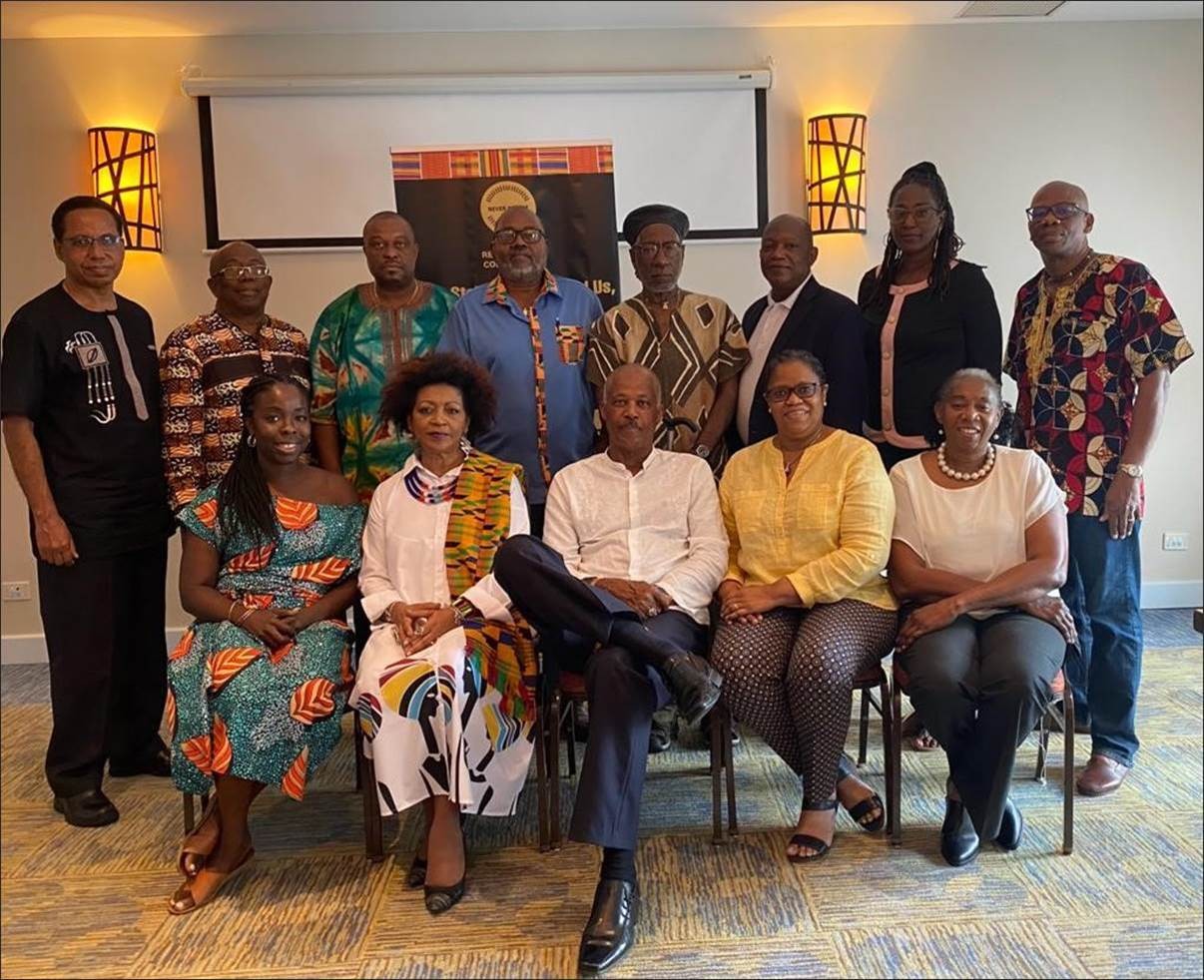
  • Caricom Reparations Commission message

    Caricom Reparations Commission message

    On the International Day of Remembrance for the Victims of Slavery and the Trans-Atlantic Slave Trade, the Caricom Reparations Commission issued a powerful declaration honoring the approximately 15 million African men, women, and children who suffered through centuries of chattel enslavement in the Americas. The commission memorialized both the profound suffering inflicted during the Middle Passage and the systemic brutality that denied basic humanity, while simultaneously celebrating the courageous resistance and defiance that ultimately challenged this racialized system of European domination. The commission framed its contemporary advocacy within the Caricom Ten Point Plan for Reparations, presenting it as the continuation of historical freedom struggles. It explicitly characterized transatlantic slavery as crimes against humanity—comprising racialized enslavement, human trafficking, and genocide—that were deliberately engineered to fuel European economic expansion while systematically underdeveloping Africa and the Caribbean. The commission welcomed the African Union’s declaration of a Decade for Reparations (2026–2035) as a pivotal framework for enhanced collaboration between Africa, the Caribbean, and the global diaspora. This announcement signals a strategic unification of the global reparations movement around principles of historical truth, moral accountability, and legal rights. The commission concluded by urging the international community to take concrete action toward repairing enduring legacies of exploitation, asserting that justice for victims of African enslavement constitutes justice for all humanity.

  • UPDATED: Man and Woman Killed in Villa Shooting as Police Investigate Double Homicide

    UPDATED: Man and Woman Killed in Villa Shooting as Police Investigate Double Homicide

    Law enforcement authorities have launched a comprehensive investigation into a tragic double homicide that occurred in Villa, where a man and woman lost their lives in a fatal shooting incident. Police units swiftly cordoned off the crime scene as forensic specialists began gathering evidence to determine the circumstances surrounding the violent attack.

    According to preliminary information from local sources, the female victim is believed to have been in a romantic relationship with the deceased male. The identities of both individuals remain undisclosed pending formal notification of next of kin and complete verification procedures. Official authorities have maintained caution in releasing specific details while the investigation remains in its critical early stages.

    The shocking incident has drawn significant community attention, with residents gathering near the perimeter as police established security protocols. The gathering crowd reflected the community’s concern as investigators meticulously documented the scene and interviewed potential witnesses.

    This tragic event marks a somber milestone, representing the seventh recorded homicide nationwide since the beginning of the year. Law enforcement officials have emphasized their commitment to pursuing all investigative avenues to establish the facts surrounding this case. The investigation continues to develop as authorities work to reconstruct the events leading to this fatal outcome.

  • LETTER: A Troubling Appointment That Undermines National Integrity

    LETTER: A Troubling Appointment That Undermines National Integrity

    A significant controversy has emerged in Antigua and Barbuda following the government’s decision to appoint Jamaican dancehall artist Masicka as a Cultural Ambassador. The appointment has drawn sharp criticism from citizens who question the selection criteria and the message it sends about national values.

    The controversy centers on whether celebrity status should outweigh character considerations for diplomatic roles. Critics argue that ambassadorial positions demand individuals with impeccable professional conduct and judgment, not merely popular figures. Masicka’s career has been marked by ongoing copyright disputes and public feuds within the dancehall industry, raising concerns about his suitability for representing national interests.

    A particularly compelling aspect of the debate questions why Jamaica itself—despite being a global cultural powerhouse—has never deemed the artist suitable for similar diplomatic responsibilities. This discrepancy suggests either that Antigua has identified qualities overlooked by his homeland or that proper vetting procedures were not followed.

    Citizens are demanding transparency regarding the due diligence process preceding the appointment. Many speculate the decision may represent a calculated political maneuver aimed at generating positive headlines, attracting youth voters during election season, or appealing to the Jamaican community without proper consideration for national reputation.

    While acknowledging Masicka’s musical influence and talent, critics emphasize that cultural impact alone cannot qualify someone for diplomatic representation. The fundamental requirements of character, credibility, and institutional integrity must remain paramount, especially when such appointments reflect national standards internationally.

    This decision arrives at a time when Antigua and Barbuda should ideally elevate individuals embodying discipline, unity, and unquestionable ethical standards. Instead, the government appears to have lowered the bar for ambassadorial roles, potentially undermining public trust in national institutions.

    The growing dissent signals a broader demand for accountability and higher standards in governmental appointments, with citizens calling for immediate explanations regarding the selection process and its implications for national dignity.

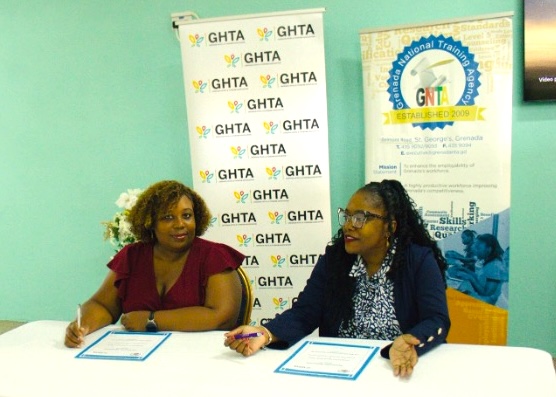
  • GNTA partners with GHTA to launch Hospitality Apprenticeship Programme

    GNTA partners with GHTA to launch Hospitality Apprenticeship Programme

    Grenada’s vocational training landscape is set for a significant transformation with the launch of the Work and Learn: Hospitality Apprenticeship Programme, a collaborative initiative between the Grenada National Training Agency (GNTA) and the Grenada Hotel and Tourism Association (GHTA). Funded by Canada’s Local Engagement and Action Fund (LEAF), this pioneering program represents a strategic investment in human capital development within the nation’s crucial tourism sector.

    The comprehensive training framework will certify 45 hospitality professionals across three specialized disciplines: 8 pastry chefs, 17 bartenders and mixologists, and 20 housekeeping supervisors. The program combines theoretical instruction at either T A Marryshow Community College or the Point Salines Hotel with practical, hands-on training at participating hospitality establishments. Upon successful completion, participants will receive a Level 3 Caribbean Vocational Qualification (CVQ), a regionally recognized credential that enhances both employability and career advancement prospects.

    Arlene Friday, CEO of GHTA, emphasized the program’s transformative potential: “This apprenticeship program represents a quantum leap in our commitment to cultivating a skilled workforce for Grenada’s hospitality sector. By equipping our employees with industry-recognized certifications, we are simultaneously creating pathways for personal advancement while elevating service standards across our tourism industry.”

    Dr. Kemoy Edwards, CEO of GNTA, highlighted the collaborative nature of the initiative: “Our partnership with GHTA, bolstered by Canada’s support through LEAF, demonstrates the powerful synergy that emerges when institutions unite to address skills gaps. This program establishes a replicable model for sector-wide workforce development that can drive sustainable economic growth.”

    Abebech Assefa, Head of Cooperation at the High Commission of Canada to Barbados and the Eastern Caribbean, stated: “Canada takes pride in supporting this initiative through LEAF, reflecting our dedication to inclusive economic growth through strategic investments in human capital development. This partnership with Grenadian institutions and private sector stakeholders strengthens hospitality workforce capabilities while creating meaningful opportunities that foster long-term resilience and shared prosperity.”

    The nine-month program, scheduled to commence in April 2026, incorporates principles of environmental sustainability within hospitality operations and prioritizes inclusion by targeting underemployed youth aged 18-35, with particular emphasis on women and marginalized communities.

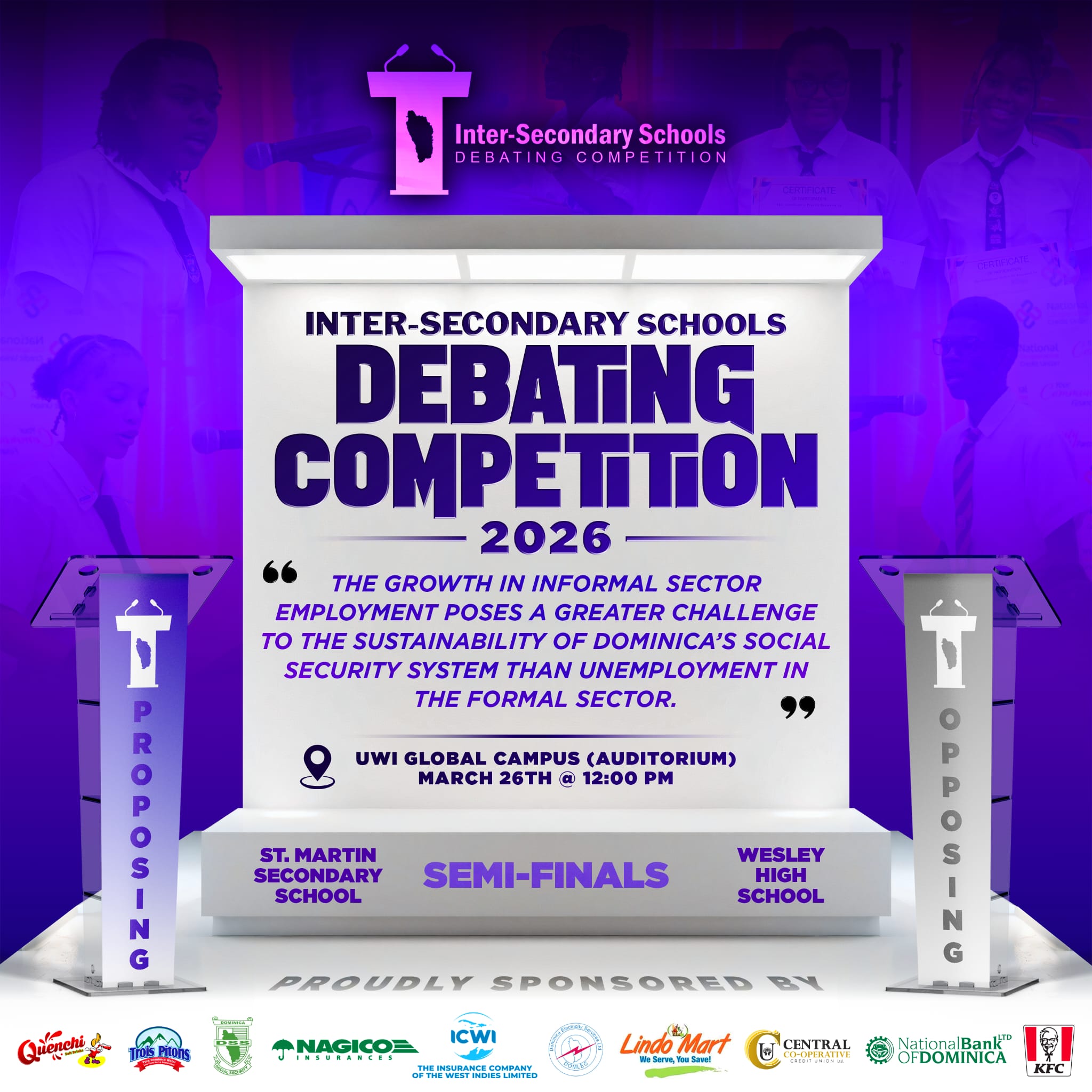
  • LIVE on DNO from 12PM: The Inter-Secondary Schools Debate Semi-Finals

    LIVE on DNO from 12PM: The Inter-Secondary Schools Debate Semi-Finals

    A groundbreaking artificial intelligence platform has demonstrated unprecedented capabilities in solving complex, multi-step problems that traditionally require advanced human reasoning. This technological marvel represents a significant leap beyond conventional AI systems, which typically excel in narrow, specialized tasks but struggle with integrative cognitive challenges.

    The system’s architecture employs a novel neural network design that mimics human cognitive processes more closely than any previous AI model. Through advanced machine learning algorithms and sophisticated pattern recognition capabilities, it can analyze intricate datasets, identify underlying patterns, and generate innovative solutions to problems that have previously resisted computational approaches.

    Industry experts confirm this development marks a watershed moment in artificial intelligence research. The technology demonstrates particular strength in scientific research applications, where it can process vast amounts of disparate information to formulate testable hypotheses and suggest novel research directions. Early testing indicates potential applications across numerous fields including pharmaceutical development, climate modeling, and materials science.

    This breakthrough comes after years of incremental progress in machine learning and cognitive computing. Researchers have gradually improved AI’s ability to handle increasingly complex tasks, but this system represents the first to successfully integrate multiple cognitive functions into a cohesive problem-solving framework. The technology’s developers emphasize that while this represents a monumental achievement, it remains a tool to augment human intelligence rather than replace it.

    The ethical implications and potential applications are currently being evaluated by technology ethics boards and industry regulators. Preliminary discussions suggest this technology could accelerate innovation across multiple sectors while raising important questions about AI’s evolving role in research and development processes.

  • Antigua and Barbuda Signals Shift Toward ‘Common Sense’ Dress Code in Public Offices

    Antigua and Barbuda Signals Shift Toward ‘Common Sense’ Dress Code in Public Offices

    In a significant policy shift, national authorities are moving to relax stringent dress code regulations across public offices following multiple reports of citizens being denied essential services due to clothing violations. Cabinet officials have formally acknowledged that existing attire policies have created unnecessary barriers for individuals attempting to conduct official business.

    Maurice Merchant, Director General for Communications, revealed that Cabinet has recognized the impractical nature of current dress standards after documenting numerous instances where citizens were turned away from government facilities. ‘We have received concerning reports of individuals being denied entry solely based on apparel considerations,’ Merchant stated, emphasizing that some citizens had undertaken considerable travel only to be refused service.

    The new approach prioritizes practicality and human dignity over rigid enforcement. ‘Clothing should never prevent anyone from accessing government services,’ Merchant asserted, indicating that future policies would be guided by ‘common sense principles rather than inflexible rules.’ This policy reassessment particularly affects vulnerable populations who may lack alternative clothing options.

    The dress code issue has notably impacted critical services including voter registration, where applicants have been rejected for wearing attire deemed inappropriate by officials. While maintaining basic decency standards, the government now emphasizes that service accessibility must take precedence over strict clothing requirements.

    Cabinet has instructed agencies to exercise greater discretion, especially in borderline cases where attire questions arise. Merchant suggested practical compromises: ‘If concerns about appropriateness emerge, officials could meet individuals in building foyers rather than denying service entirely.’

    Although formal guidelines haven’t been published, the directive encourages management to apply flexible interpretation of dress standards. This reform initiative represents the government’s effort to balance public decorum expectations with equitable access to essential services for all citizens.