博客

  • Police renew appeal for three wanted men

    Police renew appeal for three wanted men

    Law enforcement authorities in Barbados have stepped up their efforts to locate three men wanted for questioning linked to severe criminal activity, reissuing public appeals for community assistance this week.

    On Wednesday, the Barbados Police Service published updated wanted alerts for Ricardo Cortez Browne, who also goes by the alias “Ricky”, Jevon Obrien Richardson, and Akeem Deshawn Carter. Each suspect has been provided with clear instructions on how to surrender to authorities legally, with permission to be accompanied by a personal legal representative.

    Authorities have released detailed physical descriptions and last known residential locations to help members of the public identify the three men. Browne, whose last confirmed address is in Coral Land, Haggatt Hall, St. Michael, is described as a 5-foot-10-inch man of medium build with brown complexion and a prominent bulbous nose. Police have directed Browne to turn himself in at the Black Rock Police Station alongside his chosen attorney.

    The second suspect, Richardson, last resided at Walmer Lodge in Black Rock, St. Michael. He stands approximately 6 feet tall, has a slim build, dark complexion, and short, messy black hair. Law enforcement has requested that Richardson surrender to the Criminal Investigations Department (CID) based at the District ‘A’ Police Station on Station Hill, St. Michael, again with legal counsel present.

    The third wanted man, Carter, lists Bartlett Tenantry in Sargeant Village, Christ Church as his last known address. Officials describe Carter as a 5-foot-9-inch man of stocky build with dark complexion, and note he has two distinguishing tattoos: the word “Loyalty” inked on his left hand, and the initials “QTF” marked on his right hand. Carter has been instructed to report to the CID unit at Oistins Police Station with his attorney.

    In addition to asking the three suspects to surrender voluntarily, police are calling on any member of the public with information about the current whereabouts of Browne, Richardson or Carter to come forward immediately. Tips can be submitted to multiple contact points: the Black Rock Police Station at 417-7500 or 417-7505, District ‘A’ CID at 430-7242 or 430-7270, Oistins CID at 418-2608 or 418-2612, the national 24/7 police emergency line at 211, anonymous Crime Stoppers at 1-800-8477, or any local neighborhood police station.

    Officials have also issued a clear reminder to the public that concealing the location of a wanted person or providing any form of assistance to help them avoid arrest constitutes a serious criminal offense under Barbados law, and anyone found guilty of this action can face prosecution.

  • Skerrit links rising fuel costs to international conflict, highlights geothermal energy benefits

    Skerrit links rising fuel costs to international conflict, highlights geothermal energy benefits

    In a recent press briefing addressing growing economic pressure on Dominican households, Prime Minister Roosevelt Skerrit has traced the sharp spike in domestic fuel prices to the ongoing geopolitical conflict between the US, Iran and Israel, while crediting the country’s emerging geothermal energy project with preventing even more dramatic electricity cost increases for consumers.

    Skerrit outlined the timeline of price increases, noting that when the conflict erupted on February 28, 2026, gasoline retailed at $14.96 per gallon and diesel stood at $13.84 per gallon on the island. In the months following the conflict’s start, global crude oil markets have seen a dramatic upward swing, sending ripple effects through fuel markets worldwide and reaching local consumers in Dominica directly.

    “Since that date, global crude prices have jumped more than 30 percent, which has driven local pump prices up to $17.98 per gallon for gasoline — a 20.2 percent increase — and $20.53 per gallon for diesel as of May 7 this year,” Skerrit told reporters. He added that American consumers have faced even steeper jumps, with some reports showing domestic fuel prices in the U.S. rising as much as 50 percent since the conflict began.

    The prime minister openly acknowledged the intense financial strain that elevated fuel costs are placing on everyday Dominican families, admitting that the current price of diesel is an enormous burden for households. Crucially, he noted that the island nation has no control over global geopolitical developments or international commodity prices that drive these increases.

    To cushion the blow for consumers, the Dominican government has maintained fuel subsidies, but Skerrit explained that this policy is putting unsustainable new pressure on the country’s national budget. The government is already facing rising operating costs across critical public sectors, including schools, hospitals, and general public services, alongside ongoing recovery and reconstruction work following devastating floods that hit the island’s eastern and northeastern regions in April.

    With diesel prices climbing 48 percent since February and global crude markets expected to remain volatile through the rest of 2026, Skerrit emphasized that fuel subsidies have become a growing drain on public finances. This budget pressure, in turn, limits the government’s ability to allocate funding to other core priorities: public health, education, infrastructure expansion, and ongoing disaster recovery.

    In response to this balancing act, the prime minister announced that the government will implement monthly reviews of fuel pricing and subsidy policy, aiming to strike a sustainable balance between protecting consumers from sudden price shocks and maintaining responsible long-term fiscal management for the country.

    Turning to a bright spot in the island’s energy landscape, Skerrit highlighted the critical role that Dominica’s investment in geothermal energy is already playing, even before the new geothermal power plant holds its official commissioning. The project is already supplying power to the national grid, and the prime minister said this domestic renewable capacity has insulated the country from far steeper increases in electricity prices.

    “If we had not moved forward with geothermal development — even though the plant is not yet officially open, we have been drawing geothermal power for some time — every Dominican would be facing massive jumps in their electricity bills right now because of the war,” Skerrit explained. He noted that the Dominican electricity utility DOMLEC would otherwise rely almost entirely on imported diesel for power generation, leaving electricity prices directly tied to volatile global oil markets.

    Looking forward, Skerrit reaffirmed that the government’s sustained investment of time and funding into geothermal development is a strategic move to strengthen Dominica’s long-term energy security and cut the country’s exposure to unpredictable swings in global crude oil prices. “We understand fully why the government has dedicated so many resources to advancing geothermal,” he added.

  • Thirteen-year-old girl missing

    Thirteen-year-old girl missing

    Law enforcement authorities in Barbados are turning to the public for help in their search for a missing teenage girl from the parish of St Michael. 13-year-old Kemera Murray, who resides at Block 1B, Meadow Road in the Wildey neighborhood, has not been seen since Tuesday, May 12, and investigators are asking community members to come forward with any details that could help locate her.

    Police have released a detailed physical description to aid public recognition. Murray stands approximately 5 feet 6 inches tall, has a slender build, and a dark complexion. Her hair is styled in short cornrow plaits. When she was last observed, she was wearing a blue cropped dress paired with black form-fitting leggings. Investigators also noted that the teen is known to regularly visit the Oistins area located in Christ Church, a southern parish of the island nation.

    Multiple contact channels have been set up for members of the public to share any information they may have about Murray’s current location. Those with tips can reach out directly to District ‘A’ Police Station via phone at 430-7242 or 430-7246, contact the national police emergency line at 211, submit anonymous information through Crime Stoppers at 1-800-8477, or visit any local police station to share details in person. Police emphasize that even small pieces of information could prove critical to bringing the missing teenager back to her family safely.

  • GFA begins second term with strategic KNVB Engagement

    GFA begins second term with strategic KNVB Engagement

    Grenada’s national governing body for football, the Grenada Football Association (GFA), has hit the ground running in its second term under re-elected president Marlon Glean, placing targeted, long-term football growth at the top of its policy agenda. Glean and his entire leadership slate secured a fresh four-year mandate during internal elections, with the official results publicly confirmed by the GFA on May 9, 2026. This renewed vote of confidence from member stakeholders paves the way for continued momentum on ongoing initiatives designed to elevate the standard of the sport across all levels of Grenadian football.

    One of the first and most high-profile moves of the new administration has been senior-level strategic discussions with top leaders from the Royal Netherlands Football Association (KNVB), including KNVB President Frank Paauw and General Secretary Gijs de Jong. This dialogue is no accidental diplomatic exchange; it aligns with the GFA’s deliberate strategy of building mutually beneficial international partnerships that can deliver tangible, practical support for domestic football development through shared expertise, targeted knowledge transfer, and structured institutional capacity building.

    Talks between the two federations have centered on priority development areas that the GFA has identified as critical to lifting the country’s football ecosystem. At the top of the agenda are coaching education and referee development, two core pillars of the GFA’s broader plan to raise technical standards across the sport, improve the quality of grassroots and elite programming, and build more robust development pathways for clubs, technical staff, match officials, and youth and senior players alike. The discussions have also covered targeted equipment support, with the GFA emphasizing that sustainable on-the-ground progress depends not just on training and education, but also access to the physical resources needed to implement new programs effectively.

    The KNVB has emerged as an ideal international partner for this work, with a globally recognized track record of football development cooperation. Through its specialized KNVB Academy, the Dutch federation trains thousands of new coaches, trainers and match officials every year across every tier of the sport, from community grassroots programs to top-tier professional football. Its global development portfolio centers heavily on coach development and open knowledge sharing with emerging football associations, and the organization has continued to formalize new cooperative agreements and development-focused initiatives with partners around the world in recent months.

    For Grenada, this collaboration comes at a particularly opportune moment. The GFA has already taken major steps to strengthen match officiating standards in the country through the recent launch of its own domestic Referee Academy, and it is currently pursuing broader technical advancement across all segments of the local football ecosystem. A targeted partnership focused on coaching education, referee development, and equipment support is expected to deliver tangible improvements at every level, from community recreational football to the country’s elite national teams, while also helping to strengthen organizational and institutional capacity for local clubs and the GFA’s central administrative structure.

    In comments on the start of his second term, Glean emphasized that the administration’s early priority is not just to maintain existing progress, but to deepen it through intentional, value-driven partnerships that deliver lasting benefits to Grenadian football. “Securing re-election for a second term is both a great honor and a significant responsibility, and our team is committed to using this mandate with clear purpose,” Glean said. “Our ongoing engagement with the KNVB makes clear the direction we are taking this term: we are focused on intentional technical growth, institutional strengthening, and building long-term opportunity for every stakeholder in Grenada football. Coaching education, referee development, and equipment access are all non-negotiable if we want to raise standards across the sport, and we see enormous value in building relationships that let us benefit from proven systems, global expertise, and structured collaborative work.”

    The GFA has stressed that this engagement goes far beyond ceremonial diplomatic exchange. Instead, it frames the dialogue as a forward-thinking effort to lock in concrete collaborative projects that drive technical development, strengthen administrative systems, and improve program delivery across the entire local football ecosystem. As Glean’s administration settles into its second term, the GFA remains committed to growing Grenadian football through trusted international partnerships that support knowledge sharing, systemic improvement, and measurable, long-term progress.

  • WEATHER (6:00 AM, May 13, 2026):

    WEATHER (6:00 AM, May 13, 2026):

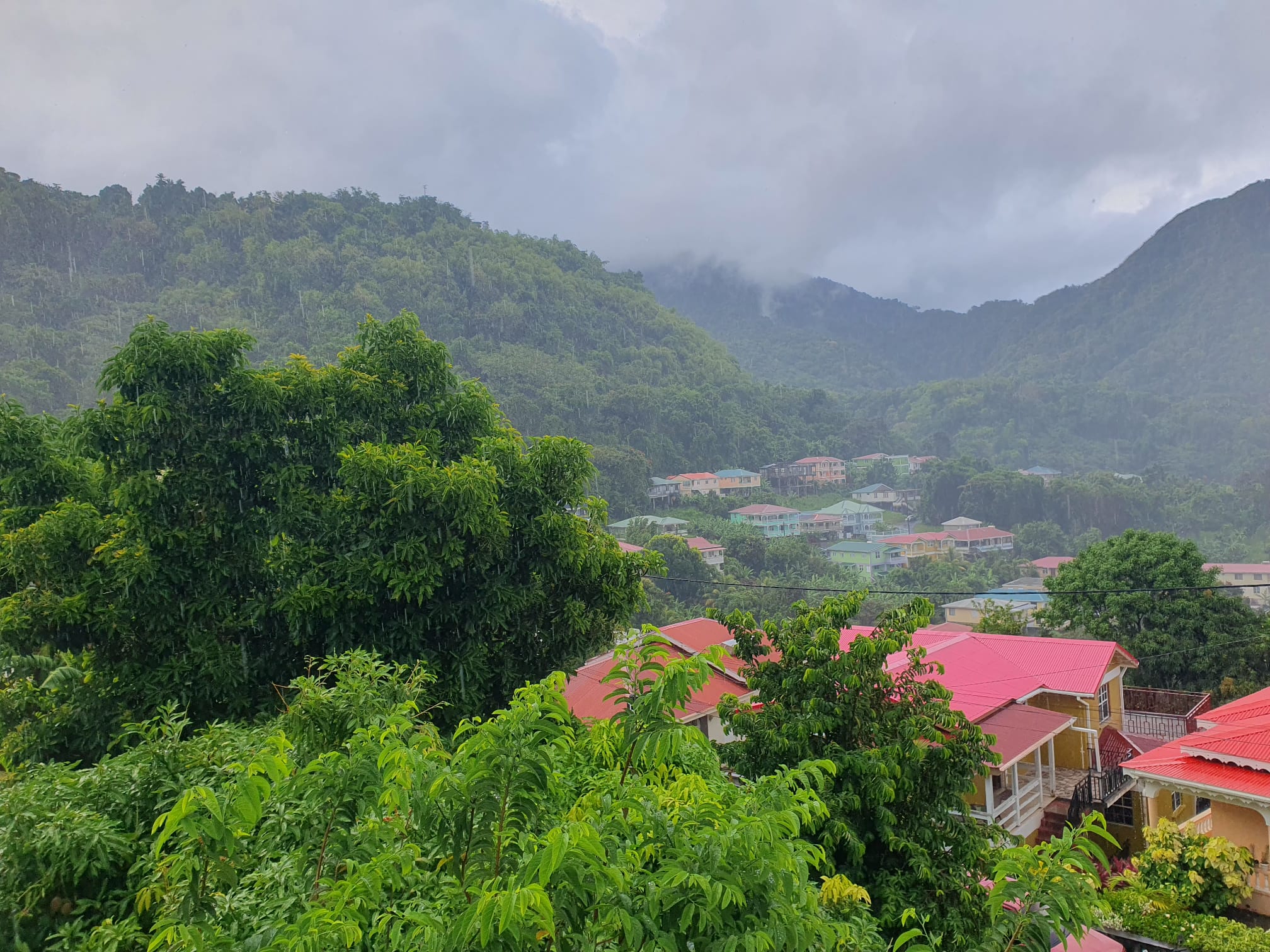
    Over the next full day, stable atmospheric conditions will remain the primary driver of regional weather, shaped by a persistent high-pressure system that anchors the overall pattern. As fragmented cloud masses drift with prevailing wind currents, the sky will range from partially overcast to fully cloudy, accompanied by scattered rain showers. Some of these showers may intensify into moderate or even heavy downpours, with the highest concentrations forecast for early morning hours and overnight. For residents living in zones prone to flash flooding, mudslides, and falling rock debris, local weather officials urge constant vigilance and proactive safety measures to avoid risk.

    Later this evening, the region will also see a thin, diffuse plume of dust carried from the Sahara Desert reach the island. While the concentration is not expected to be severe, individuals with pre-existing respiratory conditions or heightened sensitivity to airborne particulates are advised to take appropriate protective steps, such as limiting prolonged outdoor exposure and keeping indoor air filtered.

    Looking at marine conditions, wave heights will stay relatively mild through most of the next 24 hours, ranging from small to moderate across surrounding waters. Off the eastern coastline, waves are projected to build to a maximum of 7 feet, while the western coast will see calmer swells averaging around 3 feet. However, overnight tonight, sea conditions will deteriorate slightly: eastern coast waves are expected to climb to nearly 8 feet, and western coast swells will rise to roughly 5 feet. Operators of small recreational and commercial vessels, as well as people planning to swim in open waters, are advised to maintain extra caution and avoid venturing too far from shore.

    In a separate update on broader Atlantic tropical activity, meteorologists are continuing to track a third tropical wave that is currently moving across the eastern portion of the tropical Atlantic. No immediate development has been projected for the system at this time, but monitoring remains ongoing to track any changes in its strength or trajectory.

  • Health authorities monitoring hantavirus outbreak; no local cases reported

    Health authorities monitoring hantavirus outbreak; no local cases reported

    A global public health monitoring effort is underway after a hantavirus outbreak emerged aboard the cruise vessel MV Hondurus, with the Caribbean nation of Saint Lucia confirming it remains at low risk of local transmission as authorities track the evolving situation.

    The cruise ship set sail from Argentina on April 1, carrying a diverse group of passengers and crew representing 28 nationalities. As of May 11, the outbreak has been linked to nine reported hantavirus infections, three of which have resulted in fatalities. Five of the nine cases have received formal laboratory confirmation, and public health investigators are continuing active surveillance to detect unreported cases and curb further spread of the pathogen.

    In an official public statement released Tuesday, Dr. Michelle Francois, Saint Lucia’s leading national epidemiologist, reaffirmed the island’s current risk status. “At present, Saint Lucia is considered to be at low risk for hantavirus transmission…. At this time, there are no suspected or confirmed cases of virus in Saint Lucia,” she stated.

    Francois explained that all nations with citizens who disembarked from the infected vessel are coordinating closely with global public health agencies to conduct ongoing monitoring of all exposed passengers and crew for early signs of infection. Health authorities have also received notification that one Caribbean national onboard the ship may have been exposed to the virus, but the government of that country has since confirmed no suspected or confirmed infections have been detected within its borders to date.

    Per the epidemiologist, the World Health Organization (WHO) has also assessed the global public health risk posed by the outbreak as low, though officials note that additional cases may still surface in coming weeks due to hantavirus’s lengthy incubation period.

    For context, hantavirus is primarily a zoonotic pathogen, meaning it most often spreads to humans from direct contact with infected rodents, specifically through exposure to the animals’ urine, feces, or saliva. Limited person-to-person transmission has only ever been recorded for the Andes virus strain – the same strain connected to this current outbreak – and even this route of infection requires close, prolonged contact with an already infected individual to occur.

    Common early symptoms of hantavirus infection include fever, persistent headache, muscle pain, abdominal discomfort, nausea, and vomiting. In the most severe cases, the infection can progress rapidly to dangerous respiratory complications, including persistent coughing, shortness of breath, dangerous fluid accumulation in the lungs, and even septic shock.

    To support public prevention efforts, Saint Lucia’s Ministry of Health, Wellness and Nutrition has issued updated guidance for residents. People traveling to regions affected by the outbreak are advised to avoid areas known to have high rodent populations whenever possible. For anyone cleaning spaces that have been contaminated by rodents, the Ministry strongly recommends using appropriate personal protective equipment, including disposable face masks and rubber gloves, as well as effective disinfectants to reduce the risk of exposure to airborne virus particles.

    Saint Lucia’s health department says it will continue to monitor all developments related to the MV Hondurus outbreak closely, and will issue timely public updates as new information becomes available.

  • Man charged with 10 burglaries

    Man charged with 10 burglaries

    A 61-year-old transient individual has been ordered to remain in custody after facing a string of burglary charges connected to break-ins across two popular Barbadian districts over an eight-month period. Derick Rudolph Crawford, who lists no permanent residential address, made his initial court appearance on Tuesday before Magistrate Cuffy Sargeant at the Holetown Magistrates’ Court, where he was formally arraigned on 10 separate burglary counts.

    Law enforcement officials have confirmed that nine of the charges tie back to break-in incidents that occurred within the Holetown area between September 2025 and May 2026. The 10th and final charge stems from an alleged burglary in the neighboring Hastings/Worthing region, which took place on March 26 of this year.

    Crawford entered a formal not guilty plea to all nine charges linked to the Holetown incidents. Following the plea proceeding, Magistrate Sargeant granted a remand order that sends Crawford to the custody of the Barbados Prison Service at Dodds prison while the case moves through the legal system.

    Court schedules have been set for next steps in both sets of allegations. The Holetown-based matters are scheduled to next be called in the Holetown Magistrates’ Court on June 9. By contrast, the single charge connected to the Hastings/Worthing incident has been transferred to the District ‘A’ Traffic Court, with a preliminary hearing scheduled for May 15, nearly a month earlier than the next appearance in Holetown.

    The string of alleged burglaries across two high-traffic coastal districts has drawn local court attention, as the areas are popular with both residents and tourists, making property security a key community concern.

  • Nawasa advises of worsening dry season impact on water supply

    Nawasa advises of worsening dry season impact on water supply

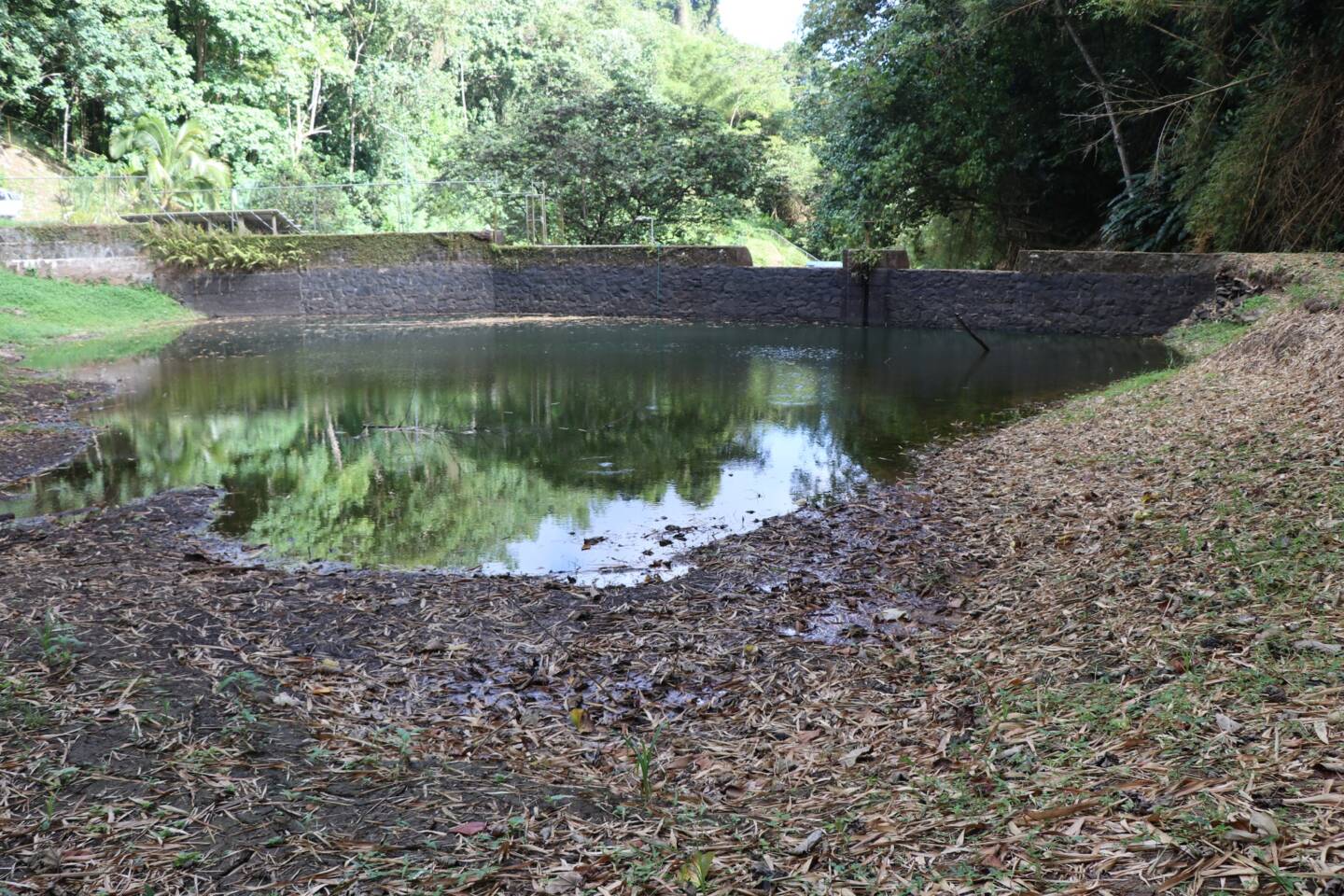
    A prolonged and intensifying dry season across the southern Caribbean is pushing Grenada, including its sister islands Carriacou and Petite Martinique, into a growing fresh water crisis, with the nation’s primary water infrastructure facing unprecedented strain. The National Water and Sewerage Authority (Nawasa) has issued an official public alert confirming that multiple key water production facilities have already dropped to critically low output levels, as extended dry weather depletes the island’s natural fresh water sources.

    Recent comprehensive audits of Nawasa’s national production network confirm stark output declines across most treatment facilities when measured against baseline operating conditions. Some stream-fed production systems are currently recording output deficits as high as 60%. This dramatic drop highlights the far-reaching impact of prolonged drought on Grenada’s surface and groundwater reserves, which supply 94% of the country’s total drinking water.

    Plummeting river flows, shrinking spring yields, and near-stagnant natural aquifer recharge have gutted production capacity across dozens of facilities, leaving officials warning that continued dry conditions over coming weeks could push the national supply system past its breaking point.

    Four major facilities serving populations across the island are already operating at critically reduced capacity, with one completely offline. The Après Tout facility has ceased operations entirely, leaving surrounding service areas with inconsistent, unreliable water access. Les Avocats, which supplies communities along Grenada’s eastern corridor including Minorca, Windsor Forest, Apsley, Perdmontemps, Marian, St Paul’s, Richmond Hill, Morne Jaloux, La Borie, Hope Vale, and Creighton, has seen production fall by more than 40%. The Petit Etang facility, a key source for areas including Petit Etang, Syracuse, Corinth, Vincennes, Windsor Forest, Laura Land, Perdmontemps, Providence, Champfleur, and Child Island, has lost nearly 47% of its output compared to December 2025 levels. Most dramatically, the Bon Accord facility, which serves large swathes of southern Grenada including St George’s Estate, Bon Accord, La Mode, and Ravine, has recorded an output drop of approximately 69%.

    Even the island’s largest and most robust production networks are not immune. Two major systems — Annandale and Mirabeau — are also facing significant output declines. The Annandale Water System, which supplies Grenada’s main tourist belt and dozens of nearby communities, is struggling with persistent production shortfalls even after drawing emergency support from Grand Etang Lake, whose water levels are currently under constant close monitoring. The Mirabeau Water System, the largest distribution network serving the parish of St Andrew and communities including Telescope, Grenville, and multiple surrounding districts, is facing growing pressure as its natural sources dry up. As core components of the national water distribution grid, continued production declines at these facilities could trigger cascading supply shortages for hundreds of communities if drought conditions hold.

    If the situation continues to deteriorate, Nawasa warns that customers across the island will feel the impacts. Particularly in elevated and remote areas, residents can expect reduced water pressure, extended gaps between scheduled supply deliveries, slower reservoir recovery, and more frequent, prolonged service disruptions.

    In response to the deepening crisis, Nawasa has ramped up a suite of operational adjustments to stretch the island’s limited water reserves as far as possible. These include proactive system balancing to reallocate available supply across high-need areas, enhanced round-the-clock monitoring of the most vulnerable water sources, and targeted adjustments to distribution schedules where needed to prioritize critical access.

    The authority has also expanded emergency water trucking operations to deliver supply directly to communities hit hardest by disruptions. In a show of public-private cooperation, St. George’s University (SGU) has deployed one of its own water tankers and a dedicated operator to support deliveries across the southern distribution network. This extra capacity will strengthen the country’s emergency response, allowing Nawasa to reallocate its existing truck fleet to other critically affected communities across the island. Nawasa is also finalizing plans to deploy additional water wagons to high-priority drought zones as part of its broader emergency response framework.

    With reserves dwindling, Nawasa is calling on all Grenadian residents to actively manage their stored water reserves and adopt consistent, responsible water conservation practices in their daily lives. The authority is also actively evaluating the reintroduction of formal water restrictions, modeled after the rules put in place during the 2024 dry season, to slow the rate of reserve depletion and ensure equitable water access across all affected communities.

    As of the latest update, 12 of the island’s 26 independent water systems are already under controlled valve regulation to reduce output and preserve reserves. Multiple systems have also been temporarily taken offline ahead of their scheduled reopening dates to allow natural sources and storage reservoirs to recharge, with the Mirabeau Water System being one of the most prominent examples of this emergency measure.

    Nawasa has acknowledged that the emergency measures and ongoing supply shortages will cause significant inconvenience for residents and businesses across the island. The authority has given its assurance that it is taking every possible step to preserve service reliability through this increasingly challenging period. Officials will continue to monitor hydrological conditions around the clock and issue timely public updates as the situation evolves, and thanked the public for their patience, cooperation, and support as Grenada navigates the ongoing dry season crisis.


  • Trinidad PM says country will not recognise Barnett as CARICOM SG after August

    Trinidad PM says country will not recognise Barnett as CARICOM SG after August

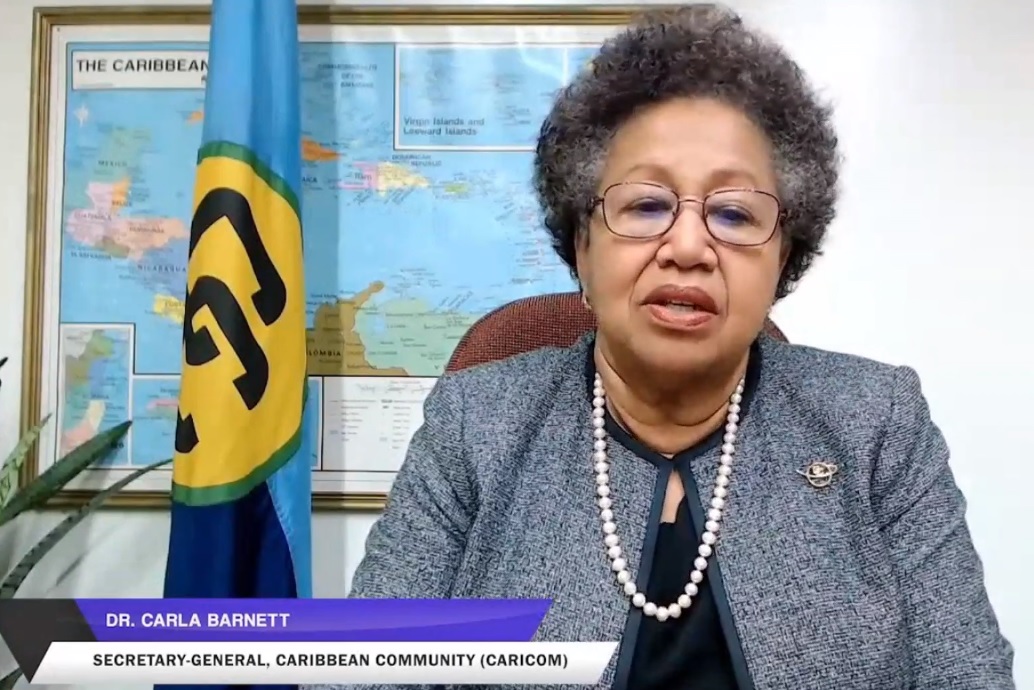
    PORT OF SPAIN, Trinidad – May 13, 2026 – A deep rift has opened within the Caribbean Community (CARICOM) after Prime Minister Kamla Persad-Bissessar of Trinidad and Tobago drew a hard line in public, confirming her nation will refuse to recognize Dr. Carla Barnett’s second five-year term as Secretary-General when her first term expires this coming August.

    Persad-Bissessar made the position unequivocal in an interview with the Trinidad Express, emphasizing that the stance is non-negotiable regardless of backing from other regional member states. “Trinidad and Tobago only recognises Barnett as SG until the end of her term this August 2026. All CARICOM leaders could do as they please, but Trinidad and Tobago will not recognise her as SG for a next term. That’s not going to change,” she said, adding that “this is our final position.”

    The dispute traces back to a February 2026 CARICOM summit held in Basseterre, St. Kitts and Nevis, where regional leaders voted to reappoint Barnett, a Belizean economist who first took office as the bloc’s eighth Secretary-General in August 2021. CARICOM Chair and St. Kitts and Nevis Prime Minister Dr. Terrance Drew confirmed in March that Barnett secured the required majority of votes to win reappointment. But Persad-Bissessar was not present for the vote, and her government has repeatedly challenged the legitimacy of the entire process.

    Trinidad and Tobago’s top objection centers on the absence of Prime Minister and Foreign Minister Sean Sobers from the key retreat where the appointment was finalized. Sobers could not attend due to a scheduling conflict: he was hosting an official visit from India’s External Affairs Minister Dr. Subrahmanyam Jaishankar and fulfilling parliamentary duties. Persad-Bissessar accuses Barnett herself of sending a WhatsApp message to disinvite Sobers from the meeting, a claim that CARICOM leadership has denied. Drew has repeatedly stated Trinidad and Tobago was never uninvited to the retreat.

    The Prime Minister has also condemned what she calls deliberate lack of transparency around the process, noting that Barnett personally drafted the press release issued under Drew’s name that defended her reappointment, while intentionally omitting any reference to the disinvitation text that remains visible in the CARICOM Council for Foreign and Community Relations (COFCOR) WhatsApp group. To date, Persad-Bissessar says her government has received no answers to its formal questions about the incident, calling the lack of response “really shameful.”

    Last week, Dominica Prime Minister Roosevelt Skerrit acknowledged the controversy had played out extensively in public, confirming that his government and other regional states view Barnett’s reappointment as valid. A closed-door, five-hour meeting of CARICOM leaders held over the preceding weekend addressed Trinidad and Tobago’s objections, but ultimately members voted to uphold the original February decision and rejected calls to restart the appointment process, local media reports confirm.

    Persad-Bissessar stressed that while Trinidad and Tobago remains committed to the principles of regional integration within the 52-year-old bloc, she cannot stay silent about what she describes as the “dysfunctional and chaotic state” of CARICOM’s current governance. Rejecting suggestions that the dispute could be resolved through the Trinidad-based Caribbean Court of Justice (CCJ), the Prime Minister noted that Port of Spain does not recognize the CCJ as its final court of appeal, and her administration has no plans to change that status.

    In a striking comment that underscores the depth of the rift, Persad-Bissessar said her government is completely unbothered by the prospect of Trinidad and Tobago being expelled from CARICOM over the dispute. “They are free to do as they wish. I’m not bothered. We have already made our position clear; they are free to expel us from CARICOM if they wish to do so. They are free to work with us if they wish to do so. Life goes on in Trinidad and Tobago, with or without CARICOM. The world stops for no one,” she said.

    She added that Trinidad and Tobago is already proactively diversifying its trade partnerships to reduce reliance on the CARICOM single market, with ongoing efforts to build new economic ties with markets across the Middle East, South America, India, and Africa. The Prime Minister also clarified that the nation will continue to participate in future CARICOM meetings, so long as its representatives are not uninvited from key proceedings.

  • Teen starts snack business to fund his accounting dream

    Teen starts snack business to fund his accounting dream

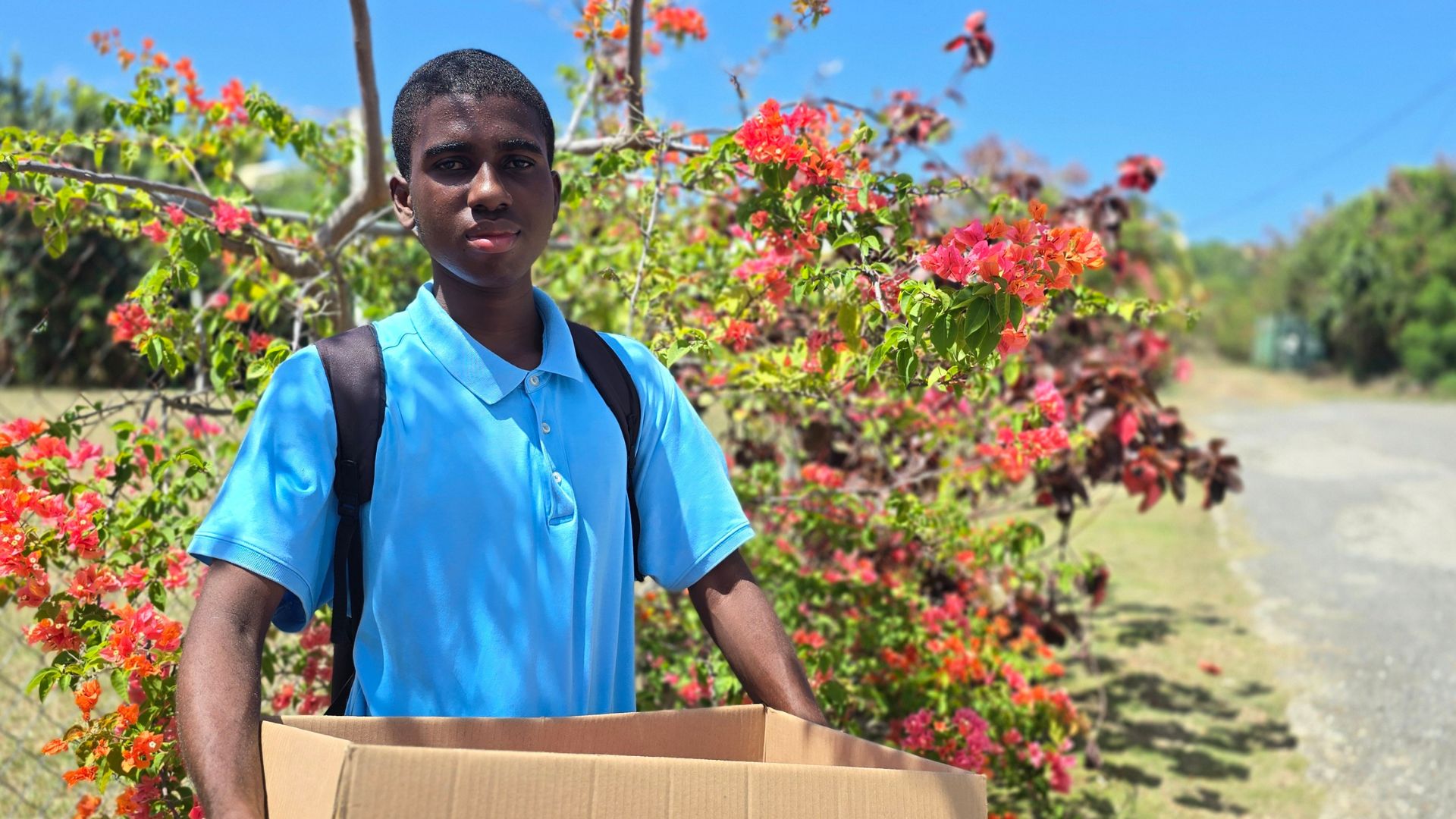
    Beneath the dappled shade of the Massy Stores building in Rodney Heights, 19-year-old Dwight Regobert stands steady, holding an open cardboard box at chest height. For passersby stopping to browse, the box reveals an assortment of granola bars, rice crispy treats, and other grab-and-go snacks – the core of his self-started small business.

    For five months, this driven teen has operated his informal venture across the route between Rodney Bay and Castries, and his quiet, unwavering commitment has not gone unnoticed by repeat customers and community members who have encountered him. Just two days after agreeing to share his journey, Regobert stepped away from his usual post outside the supermarket to sit down for an exclusive interview with St Lucia Times.

    A soft-spoken young man of few words, Regobert speaks openly about the planning that went into launching his business and the community support that has kept it running. “I wanted to start a business, and I figured people would like these,” he explained candidly, gesturing to the colorful red, orange, and blue-wrapped snacks stacked inside his box. Though the venture has no official name, it serves a clear, purpose-driven goal that keeps Regobert showing up every day.

    Years ago, while a student at Castries Comprehensive Secondary School, Regobert found he not only enjoyed accounting classes but also possessed a natural aptitude for the subject. After leaving school, he still resides with his mother in the Georgeville neighborhood of Castries, and his choice to launch a snack sales business comes directly from his determination to earn professional accounting qualifications independently. Every dollar of profit from his snack sales goes toward covering tuition and exam fees for the Association of Chartered Certified Accountants (ACCA) programme, a globally recognized credential for accounting professionals.

    To date, Regobert has already passed two ACCA exams: the first, which he paid for in December, and a second he covered with business revenue this past March. Four more exams stand between him and full ACCA certification, with his next exam scheduled for June, carrying a $750 price tag that he plans to fund entirely through his snack sales.

    Regobert admits his professional goals command almost all of his focus; he struggles to name other hobbies that fill his free time. But his expression brightens when he talks about his long-term plans after completing the ACCA programme, which include further specialized education in accounting. “I would like to do a Master’s at the University of London,” he shared, his gaze set on the institution’s MSc Professional Accountancy programme. “It’s so I could have enough qualifications” to build his dream career, he added.

    Regobert’s story of self-reliance and determined ambition has resonated deeply with everyone who has crossed paths with him. He remains open to additional support from community members who want to help him reach his goal, and welcomes anyone interested in reaching out to contact him via phone or text at 1 (758) 384-1969, or via email at caleb.wilson316@gmail.com.