博客

  • Senate clash over whether Jamaica’s youth see a future at home

    Senate clash over whether Jamaica’s youth see a future at home

    A sharp political confrontation has erupted in Jamaica’s Senate over the contentious issue of youth emigration and national development prospects. Opposition Senator Cleveland Tomlinson, the chamber’s youngest member, ignited the debate by asserting that young professionals are abandoning the country in despair, seeing no viable future in their homeland.

    During the 2026/27 Appropriations Bill deliberations, Senator Tomlinson (People’s National Party) presented a sobering account of his interactions with contemporaries. “Young people consistently express their intention to pursue opportunities abroad despite tightening immigration policies and international uncertainties,” he revealed. “Their heartbreaking refrain is: ‘I rather take my chances up there than stay here.’”

    Education Minister Dr. Dana Morris Dixon delivered a robust rebuttal, cataloging the Jamaica Labour Party administration’s policy initiatives designed to bolster youth prospects. She highlighted concrete advancements including the imminent construction of two STEAM institutions, the implementation of the Tertiary LEAP Programme, and the modernization of apprenticeship systems through Apprenticeship 3.0.

    The minister contextualized current emigration patterns within historical frameworks, recalling her university experience during the PNP’s tenure when “the majority of my classmates left Jamaica due to PNP policies.” She contrasted this with contemporary achievements, noting Jamaica’s economic transformation from “basket case” to respected emerging economy.

    Statistical evidence presented revealed youth unemployment has dramatically declined from over 30% in 2015 to 10.6% currently—narrowly outperforming the United States’ 10.8% rate. However, World Bank data maintains Jamaica’s position among global leaders in “human flight and brain drain,” currently ranking third worldwide with a score of 9.2, primarily losing teachers, nurses, and professionals to developed nations.

    The debate ultimately transcended partisan rhetoric to address fundamental questions about Jamaica’s ability to retain its most promising young citizens amid global competition for talent.


  • Small neck bump changes everything for mom of two

    Small neck bump changes everything for mom of two

    A 32-year-old Jamaican mother’s life has been irrevocably altered by a five-year medical ordeal that began with a small bump on her neck. Crystal Rhoden’s initial diagnosis of neurofibroma—a typically non-cancerous tumor growing on nerve sheaths—has spiraled into a chronic condition marked by failed surgeries, debilitating pain, and a profound loss of normalcy.

    Following two surgical interventions, the mass has persistently regrown, each recurrence larger and more painful than the last. The procedures have left Rhoden with restricted neck mobility, a significantly altered appearance that has eroded her confidence, and a dependency on medication to manage excruciating pain that she describes as unbearable. This unrelenting condition forced her to relinquish her job as a sales clerk, halting her income and putting her aspirations of culinary school and a chef’s career indefinitely on hold. Her primary focus is now the care of her two young children, aged 10 and four, a responsibility made immensely difficult by her physical limitations and constant discomfort.

    Facing a healthcare system that has been unable to provide a lasting solution, Rhoden and her family are now making a public, emotional appeal for assistance. They are seeking expertise from medical professionals or institutions capable of managing her complex case, potentially requiring treatment overseas, and are urgently raising funds to make this a reality. The family’s plight is compounded by a recent personal tragedy: the death of Rhoden’s aunt from a presumed similar condition, a loss that underscores the gravity of their fears.

    Leading the fundraising effort is Rhoden’s mother, Carol Davis. As the family’s main provider, Davis has launched a GoFundMe campaign to cover medical expenses. Simultaneously, she has channeled her emotional turmoil into creating a YouTube channel, ‘Thrive Mentor,’ which focuses on mental health advocacy. Now monetized, the platform serves a dual purpose: documenting their journey to build a supportive community for others facing similar battles and generating a potential revenue stream to fund her daughter’s ongoing care. Davis speaks candidly about the immense mental and physical toll of caring for a chronically ill child, describing a shared experience of pain and a determined resolve to find hope and help through collective support.

  • Couple’s painful start to parenthood

    Couple’s painful start to parenthood

    A Jamaican first-time father has come forward with disturbing allegations of medical negligence at the University Hospital of the West Indies (UHWI), claiming that institutional failures resulted in his fiancée enduring nearly 20 hours of labor and their newborn requiring three weeks of neonatal intensive care.

    The anonymous father recounted that they arrived at UHWI at approximately 1:00 PM on Wednesday when his partner was in active labor. Despite reaching 8cm dilation, progress stalled, requiring medical intervention. Critical medication was never administered after the assigned nurse reportedly ended her shift at 11:00 PM without completing the handover. Throughout the night, medical staff conducted checks but failed to provide the necessary treatment.

    The situation reached a critical point the following morning at 8:00 AM when a doctor discovered the delayed birth and finally administered medication. The newborn subsequently required immediate NICU admission due to oxygen deprivation and a bacterial infection, conditions medical experts later linked to the prolonged labor period.

    Obstetrician and gynecologist Dr. Shantell Neely James, while not commenting directly on the case, confirmed the medical validity of such concerns. ‘With extended cervical dilation, the sterile uterine environment becomes compromised,’ she explained. ‘This creates potential pathways for bacterial transmission from the vaginal canal, increasing infection risks for both mother and child.’

    The traumatized parents have endured three weeks of emotional and financial strain, with the father describing his son as once being ‘the sickest baby in the unit’ according to medical staff. The experience has been so profoundly damaging that the father expressed reluctance about future childbirth, particularly at UHWI.

    This case has sparked broader criticisms of Jamaica’s healthcare infrastructure. The father directly challenged recent government appeals for increased birth rates, citing inadequate resources and variable staff attitudes. ‘People shouldn’t be having kids in a hospital like this,’ he asserted. ‘The resources are lacking, and some staff perform only minimum duties.’

    While acknowledging the dedication of NICU staff, he emphasized that systemic improvements in resources and training are essential for proper maternal care. The government maintains its commitment to enhancing neonatal and maternal health services, recently implementing updated medical protocols at Spanish Town Hospital aligned with UN Sustainable Development Goals.

  • SPARK project ignites Greenwood residents’ fury

    SPARK project ignites Greenwood residents’ fury

    Residents of the Greenwood community, straddling the border of St James and Trelawny parishes in Jamaica, are confronting severe infrastructural and environmental challenges stemming from a protracted road rehabilitation initiative. The project, executed by China Harbour Engineering Company (CHEC) under the government’s SPARK program (Shared Prosperity through Accelerated Improvement to our Road Network), has instead become a source of profound distress for the local population.

    Returning residents who invested in the area are now questioning their decisions. Denise Wray Burns lamented the state of the neighborhood, describing it as ‘a mess’ and a ‘ghetto,’ a stark contrast to the peaceful residential environment she anticipated. The core of the grievance lies with the storage of heavy machinery and construction materials directly within the residential zone, leading to constant noise, pervasive dust, and further degradation of the already poor roadways from the movement of heavy trucks.

    The ramifications extend beyond mere inconvenience. Sheldon Gayle, a local educator, reported a discernible drop in school enrolment, attributing it to parents’ refusal to navigate the hazardous road conditions. The health impact is equally alarming; villa operator Christopher Smith detailed employees requiring medical leave due to respiratory issues exacerbated by the incessant dust. His wife, Christy, highlighted the damage to Jamaica’s tourism reputation, noting that international and celebrity guests are given a negative first impression, often needing to take detours to avoid the dangerous potholes.

    While the roadwork is a recent development, residents like Donnette Hill, a 30-year community veteran, assert that underlying issues like illegal dumping are long-standing grievances that have been ignored for years. The collective frustration has been directed at local officials, including Montego Bay Mayor Richard Vernon and Member of Parliament Edmund Bartlett, demanding immediate intervention.

    In response, Councillor Anthony Murray for the Rose Hall Division acknowledged the legitimacy of the concerns but framed them as temporary setbacks. He attributed the significant delay primarily to Hurricane Melissa from October of the previous year, which complicated the final 15% of the project—a section below sea level requiring a meticulously designed drainage system to channel rainwater to the sea. Murray assured that the municipal corporation is investigating the complaint regarding CHEC’s equipment storage within the community.

  • Harbour City Mall changing  real estate landscape

    Harbour City Mall changing real estate landscape

    Montego Bay’s commercial landscape is undergoing a remarkable transformation, spearheaded by the innovative approaches implemented at Harbour City Mall just two years after its inauguration. This waterfront development is redefining property utilization through substantial investments in renewable energy and dual-purpose urban design.

    The mall’s commitment to sustainability is demonstrated through its massive solar installation, recognized as the largest at any commercial center in St. James. The system comprises 2,000 panels delivering 1.3MW hours of power, supplemented by an additional 200-panel setup. According to CEO Shifu Huang, this significant investment in renewable energy reflects the long-term strategic vision behind Harbour City’s development and operational philosophy.

    Beyond its environmental initiatives, the property showcases innovative spatial design with its one-acre plaza that serves contrasting functions throughout the day. While accommodating heavy pedestrian traffic between retail establishments during daylight hours, the space undergoes a remarkable metamorphosis into an open-air entertainment venue after sunset. From 7:00 pm to midnight, the plaza hosts ‘Sunday Souls’ events featuring rotating popular DJs delivering soul-stirring music performances.

    The transformation addresses a significant gap in Montego Bay’s entertainment ecosystem, as major nighttime events have traditionally been absent from the city’s large shopping centers. Huang emphasized that the plaza was specifically designed with this dual functionality in mind, incorporating appropriate infrastructure and permits from the initial construction phase. The venue has previously accommodated Reggae Sumfest events, demonstrating its capacity for large-scale productions while maintaining an intimate atmosphere.

    The development’s practical considerations include nearly 400 parking spaces—220 on a two-story rooftop facility and an additional 150 adjacent spaces—addressing one of the most frequent complaints about nightlife accessibility in Montego Bay.

    This innovative approach to commercial space utilization aligns with broader governmental initiatives. Culture Minister Olivia Grange recently indicated plans to designate specific entertainment zones across Jamaica, emphasizing the government’s intention to leverage existing infrastructure to enhance the profitability of the entertainment industry.

    Harbour City’s location within Montego Bay’s waterfront transformation corridor—stretching from Freeport to the Hip Strip—positions it as a key contributor to Prime Minister Andrew Holness’s vision of creating a ‘seamless, world-class leisure, entertainment, and shopping corridor’ along this breathtaking Caribbean coastline.

    As Huang concluded, ‘Harbour City is a commercial property, but the ambition behind it goes further than that. Commerce, culture, and community all have a place here,’ signaling a holistic approach to urban development that merges economic, environmental, and social considerations.

  • ‘Don’t know how I am going to stretch that’

    ‘Don’t know how I am going to stretch that’

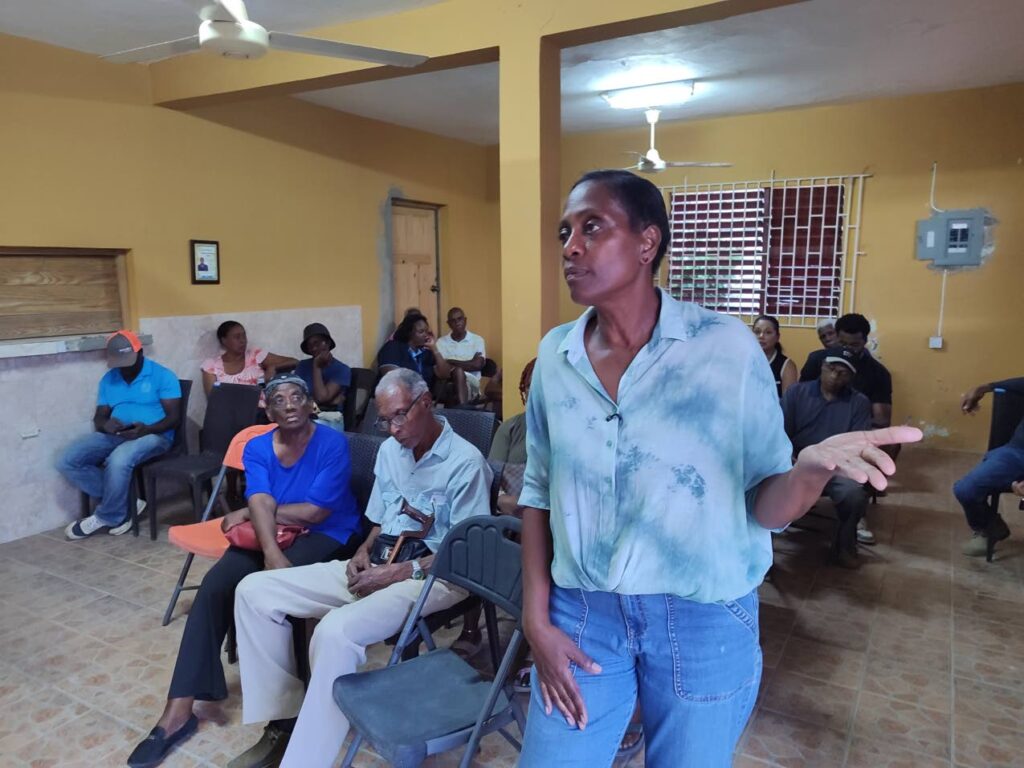
    GREEN ISLAND, Hanover — Member of Parliament for Hanover Western, Heatha Miller-Bennett, has publicly addressed the significant challenges of managing competing community needs within her constituency’s limited financial framework. With a fixed annual allocation of $20 million from Jamaica’s Constituency Development Fund (CDF), the first-term MP explicitly acknowledged the impossibility of simultaneously addressing all local demands during a recent consultation meeting at Green Island High School.

    Miller-Bennett candidly described her role as an ‘uphill task,’ directly engaging with residents who highlighted critical issues including deteriorating road conditions, inconsistent water supply, inadequate street lighting, and inefficient garbage collection services. While assuring constituents that their concerns had been formally documented, she emphasized the necessity of strategic prioritization and sought public understanding regarding the phased implementation of projects.

    The parliamentary representative revealed plans to pursue collaborative partnerships with governmental and non-governmental organizations to maximize the fund’s impact. ‘I will seek partnership to make it stretch in areas where we can,’ Miller-Bennett stated, indicating a proactive approach to resource optimization beyond the CDF’s baseline allocation.

    Orlando Grant, Project Officer for the CDF, provided technical insights into the fund’s operational mechanisms during the same meeting. He clarified that while financial caps exist, the fund regularly coordinates with ‘contributing arms’ like the Tourism Product Development Company (TPDCo) to enhance project funding efficiency. Grant additionally disclosed that central government periodically supplements constituencies through special grants to address budgetary shortfalls, though this practice remains largely unpublicized.

    Established during the 2008/2009 financial year, Jamaica’s CDF system serves as an emergency mechanism for financing small-scale community projects that frequently experience delays within broader governmental bureaucracy. All 63 parliamentary representatives receive identical $20 million annual allocations for local infrastructural and social initiatives, with an additional $2 million specifically designated for vulnerable population support. All funds are administered through official agencies rather than direct MP control.

  • BPO guru touts intelligence-based outsourcing

    BPO guru touts intelligence-based outsourcing

    MONTEGO BAY, Jamaica — Jamaica’s business process outsourcing (BPO) sector is strategically positioning itself at the intersection of human expertise and artificial intelligence to drive future growth and global competitiveness. According to Gloria Henry, Vice-President for BPO and Logistics at the Port Authority of Jamaica, the industry is transitioning toward “intelligence-based outsourcing” that synergizes technological capabilities with human talent.

    Speaking at the Montego Bay Free Zone Employment Creation Awards ceremony, Henry emphasized that AI should be viewed as an enhancer rather than a replacement for human workers. “AI by itself cannot deliver the results. Humans provide the direction, support, and data guidance necessary to achieve desired outcomes,” she stated, addressing concerns about automation displacing jobs.

    The integration of AI, Henry explained, enables workers to significantly boost productivity and efficiency. “They can work faster and produce more with the kind of support that AI can offer,” she noted, highlighting the transformative potential of human-machine collaboration in contact centers and BPO operations.

    Critical to this evolution is a national commitment to upskilling and training initiatives. Henry pointed to collaborative efforts with educational institutions like HEART/NSTA Trust through the Ministry of Education and Youth, though she acknowledged that deeper investment in training programs is still needed. Recent budgetary allocations signal governmental support for the sector’s continued expansion.

    Henry urged stakeholders to adopt a forward-looking perspective: “We shouldn’t be daunted by the integration of AI. We should embrace it to make our industry more productive, resilient, and globally competitive.”

    The awards ceremony celebrated companies driving employment growth within the free zone, with Unique Vacations receiving top honors for its exceptional performance during challenging periods. Company representative Leezo Wallace highlighted their achievement of maintaining the sector’s lowest retention rate (under 3%) while continuing hiring even during hurricane disruptions.

    The event also recognized the growing influence of women in BPO leadership, with Henry paying tribute to veteran leader Valarie Ives’ 41 years of service while noting the significant increase in female leadership since the 1990s.

  • 10 tax terms every woman-led business owner should know

    10 tax terms every woman-led business owner should know

    Jamaica’s entrepreneurial landscape is powerfully shaped by women, who operate over 165,000 businesses across the nation. Yet for these multi-tasking leaders—managing operations, staff, and family—tax season often presents a formidable challenge. Sasha Lee Miller, Senior Manager at First Global Bank, emphasizes that knowledge transforms this annual burden into an opportunity for confidence and compliance.

    Understanding key tax terminology is critical for business owners. The Tax Registration Number (TRN) serves as a foundational identifier, essential for filings and transactions. The tax year—or year of assessment—dictates reporting deadlines, which vary by business structure. Miller advises meticulous bookkeeping aligned with this period.

    Two core concepts define tax filings: the final return, documenting annual earnings and expenses, and the estimated return, projecting future liabilities. For micro, small, and medium enterprises (MSMEs), transitioning to quarterly installments requires disciplined financial planning. Self-assessment places responsibility on the taxpayer to calculate and pay accurately, underscoring the necessity of organized records.

    Allowable expenses—such as rent, utilities, and marketing—reduce taxable profit when properly documented. Capital allowances further enable businesses to depreciate major assets over time. Withholding tax obligations arise when engaging contractors, necessitating early consultation with accountants.

    General Consumption Tax (GCT) requires registered businesses to collect and remit government taxes, distinguishing between output and input taxes. For employers, Pay As You Earn (PAYE) encompasses employee income deductions, alongside National Insurance Scheme (NIS) and National Housing Trust (NHT) contributions. Cash flow constraints often make payroll compliance particularly challenging.

    The Tax Compliance Certificate (TCC) emerges as a vital credential, affirming good standing and unlocking opportunities for loans, government contracts, and corporate partnerships. Ultimately, tax literacy empowers female entrepreneurs to transition from informal operations to structured growth, avoiding penalties while securing financial advantages.

  • Infinity IMC triples CARIMAC awards as company celebrates 7th year

    Infinity IMC triples CARIMAC awards as company celebrates 7th year

    MARKING ITS SEVENTH anniversary with a significant philanthropic expansion, Infinity Integrated Marketing Communications and Events Limited (Infinity IMC) has elevated its commitment to academic excellence by tripling its annual awards for students at the Caribbean School of Media and Communication (CARIMAC), University of the West Indies, Mona. Previously sponsoring a single award, the company now champions three distinct scholarships targeting various communication disciplines.

    The 2025 awardees, honored at a recent university faculty ceremony, are Fallon Naomi Miller (Animation), Zantaye Annaleise Thomas (Integrated Marketing Communication), and Kelesha Williams (Communication for Social and Behaviour Change – Graduate Studies). Each recipient demonstrated exceptional academic prowess, resilience, and a shared vision to leverage communication as a catalyst for societal transformation.

    Shanoy Harris Coombs, CEO of Infinity IMC, articulated that this strategic expansion aligns with the company’s core values and anniversary celebrations. “Social impact remains at the heart of our operations. By increasing our scholarship offerings, we aim to acknowledge more exceptional talents and facilitate their entry into the media and communications landscape,” Coombs stated.

    The awardees’ journeys underscore profound dedication and personal conviction. Kelesha Williams, a journalist from Television Jamaica, credited her humble origins in rural Green Town, Trelawny, as the driving force behind her academic pursuit. “Education represented the only viable pathway to disrupt cycles of marginalization and amplify underrepresented voices,” Williams explained.

    Zantaye Annaleise Thomas, who balanced rigorous academics with leadership roles and internships, emerged as the class valedictorian for the 2025 graduating cohort. Despite moments of exhaustion, Thomas emphasized the importance of a robust support system and structured discipline. Her ambition is to redefine global narratives surrounding Caribbean excellence and strategically enhance Brand Jamaica’s international presence.

    Both scholars perceive the Infinity IMC recognition as not merely an academic accolade but a vital endorsement from the industry, affirming the significance of nurturing emerging professionals. Meanwhile, the introduction of an Animation award category signals the company’s awareness of evolving communication mediums, particularly within digital storytelling and visual engagement.

    Harris Coombs praised the awardees, noting, “These young women exemplify the future of our industry—their creativity, commitment, and discipline are truly inspiring.”

  • The relentless innovator

    The relentless innovator

    In Jamaica’s rapidly evolving media landscape—shaped by viral content, pandemic disruptions, and digital proliferation—54-year-old Kingston native O’neil ‘iShac’ Harris has emerged as an unlikely pioneer in interactive gaming. With no formal higher education, Harris leveraged self-taught expertise in electronics, video production, and coding to create innovative phygital games that blend physical movement with cognitive challenges.

    Harris’s journey began through practical experience: maintaining taxi radios, working in telecommunications, and learning video production at JBC (now TVJ) through sheer immersion. His electronics repair shop serviced musical instruments for prominent bands like Fab Five, while his video editing work with Stage Video honed his technical skills. This diverse background proved foundational when he automated exhibits for the Bob Marley Museum in 2014—an early foray into phygital experiences.

    The COVID-19 pandemic became an unexpected catalyst. When Jamaica’s film industry collapsed, Harris secured a cultural project with Red Stripe to develop interactive museum exhibits. Though shelved, the project ignited his passion for creating engaging physical-digital hybrids. Scouring YouTube tutorials and international forums, he taught himself coding and prototype development using scrap materials.

    Driven by concern over screen-dominated interactions (‘people having their heads down on the phone all the time’), Harris developed five signature games: MemorySprint (pattern replication under time pressure), LightStriker (reflex-testing light tennis), SmackDat (precision whack-a-mole variant), Catch&Stack, and electronic Tic Tac Toe. These installations have become fixtures at local venues like Jangas Soundbar and Grill, where weekly game nights draw hundreds of participants. Viral TikTok exposure has amplified their reach dramatically.

    Beyond entertainment, Harris envisions interactive public parks across Jamaica where communities can connect, compete, and learn together. His creations serve as tools for community-building and skill development, though financial constraints challenge scalability. Harris seeks partners who share his vision for affordable, durable public installations.

    Reflecting on his unconventional path, Harris acknowledges underestimating business considerations early on but expresses no regret about his creative focus. His mission remains centered on inspiring next-generation innovators and creating spaces ‘where people have something else to do’ beyond screens. Harris’s story exemplifies how resourcefulness, practical learning, and responsiveness to community needs can drive meaningful technological innovation in evolving digital societies.