
A late-night road incident in Piccadilly has left a pedestrian with severe head injuries, prompting an ongoing police investigation. The incident occurred on Sunday evening around 8:00 p.m., when authorities were alerted to a man lying injured on the roadside. Emergency services swiftly transported the victim to Sir Lester Bird Medical Centre, where he remains under medical supervision. According to the injured man’s account, he was walking along the main road when a white car approached from behind with its headlights turned off. In an attempt to avoid the vehicle, he jumped but subsequently fell, striking his head on the ground. Police have confirmed that inquiries are ongoing to determine the exact circumstances of the incident and identify the driver of the vehicle. The case has raised concerns about road safety and the need for heightened vigilance among both drivers and pedestrians, particularly in poorly lit areas. Authorities are urging anyone with information to come forward to assist in the investigation.
博客
-

Former Governor-General’s Home Burgled in English Harbour
The historic English Harbour residence of former Governor-General Dame Louise Lake-Tack was targeted by burglars on Friday, 27 September. According to police reports, the intruders gained entry by forcing open a basement door and subsequently accessed the upper floor through an unlocked bedroom window. The perpetrators ransacked the property, making off with a variety of items including electrical wiring, paint brushes, roller pads, and dishwashing liquid. The total value of the stolen goods remains unassessed as investigations continue. Forensic teams have meticulously examined the scene, gathering evidence to aid in the ongoing inquiry. The incident has raised concerns about security in the area, particularly for high-profile residences. Authorities are urging residents to remain vigilant and ensure their properties are adequately secured. This break-in marks a troubling violation of privacy and safety for one of Antigua’s most distinguished public figures.
-

Police seize number plates in Clare Hall raid
In a targeted operation early Sunday morning, law enforcement officials in Antigua and Barbuda conducted a search in Clare Hall, resulting in the seizure of multiple vehicle registration plates and a Samsung tablet. The raid, which took place at approximately 07:20 local time, was part of an ongoing investigation into criminal activities in the area. Authorities also apprehended a man suspected of involvement in a robbery. He is currently being held at St John’s Police Station pending further inquiries. Senior police officers have been briefed on the operation, and the investigation remains active. The seized items have been taken for forensic examination to determine their potential connection to criminal activities. This operation underscores the continued efforts of local law enforcement to combat crime and ensure public safety in the region.
-
LETTER: I Had a Seizure in Class at UWI Five Islands—and My Lecturer Ignored Me
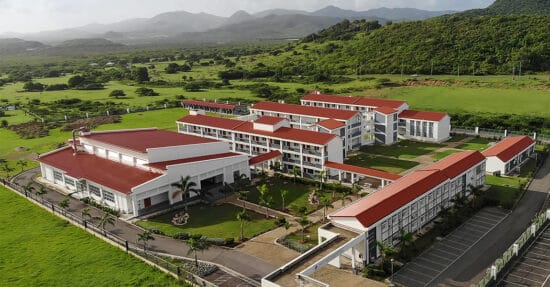
A student at the University of the West Indies (UWI) Five Islands Campus has penned a scathing letter to the editor, detailing a harrowing experience during a lecture that exposed a glaring lack of compassion and emergency preparedness. The student, who suffered a seizure in the middle of a class, described the incident as one of the most humiliating and distressing moments of their academic life. Despite their visible distress and urgent need for medical attention, the lecturer reportedly continued teaching as if nothing had happened. This shocking indifference left the student feeling dehumanized and betrayed, raising serious concerns about the university’s duty of care. The student criticized the lecturer’s failure to respond appropriately, emphasizing that a seizure is a medical emergency that demands immediate action. They also questioned whether UWI Five Islands provides its staff with adequate training in emergency response or basic first aid. The incident has sparked outrage, with the student calling for immediate action from university leadership. They urged the institution to enforce protocols, train lecturers, and prioritize the health and safety of students. The letter underscores the need for universities to be safe environments where health crises are taken seriously, rather than ignored in favor of academic schedules. The student concluded by demanding accountability, stating that such negligence is dangerous and must never happen again.
-
Man Hospitalised After Attack in Nut Grove
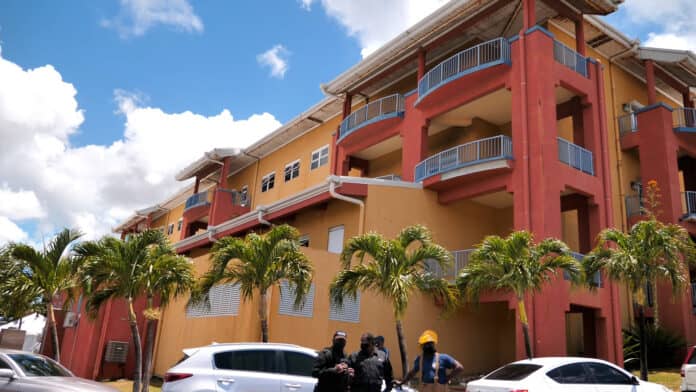
A man was severely injured in a late-night assault in Nut Grove on Saturday, prompting an immediate police investigation. The incident occurred around 10:20 p.m. as the victim was walking through the area after visiting a relative. He was reportedly confronted and attacked by a group of men, sustaining a significant wound to his left arm. The victim was promptly transported to Sir Lester Bird Medical Centre, where he was reported to be in stable condition. Authorities have interviewed the victim, who claims he can identify his assailants. The case has been escalated to the Nut Grove Police Post, with senior investigators taking charge of the inquiry. This incident has raised concerns about safety in the area, with local residents urging for increased police presence to prevent such occurrences in the future.
-

Punta Gorda Opens First Art Gallery and Museum
Punta Gorda, a town in southern Belize, has inaugurated its first-ever Art Gallery and Museum, marking a significant milestone in the region’s cultural landscape. The new venue shines a spotlight on the artistic prowess of 22 indigenous women artisans, whose exquisite creations—ranging from clothing and baskets to jewelry and other handmade items—are now on display. These artisans recently graduated from the ‘Advanced Product Development and Design – Vocational Training for Indigenous Women Artisans in Southern Belize’ program, which has empowered them to blend traditional craftsmanship with contemporary design. The initiative was spearheaded through a collaborative effort involving the Ministry of Foreign Affairs and Foreign Trade, Culture, and Immigration, the Home of Indigenous Arts Belize Limited, and the Embassy of the Republic of China (Taiwan). The gallery and museum are poised to become a vibrant cultural hub, attracting both locals and tourists while providing a sustainable platform for indigenous artists to showcase their work, earn income, and preserve Belize’s rich cultural heritage.
-
BDF and Police Honoured for Service on National Service Day
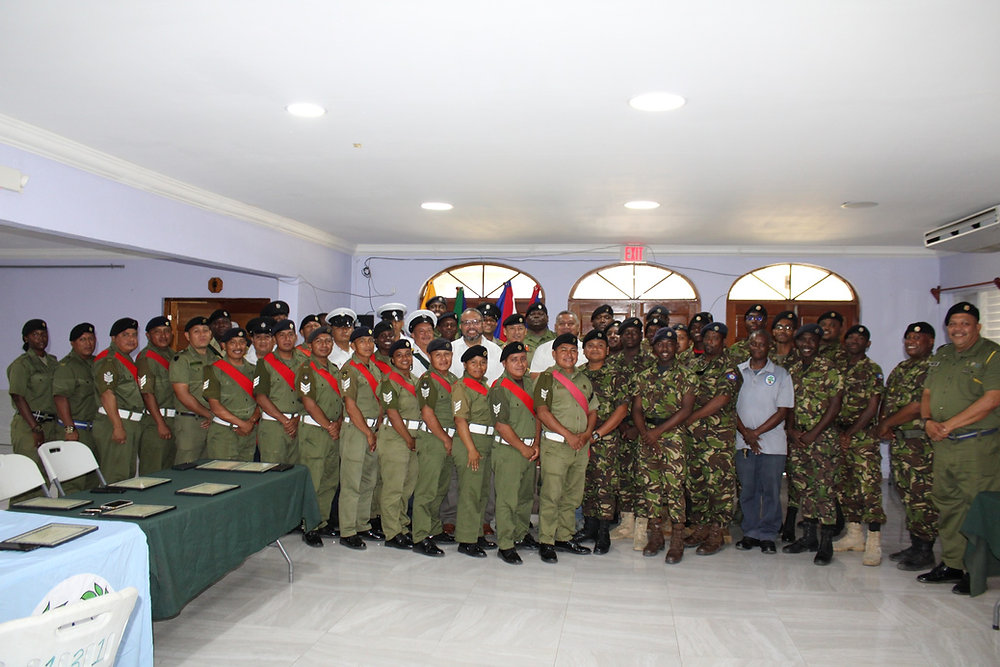
The Ministry of the Public Service, Governance, and Disaster Risk Management has honored 51 members of the Belize Defence Force (BDF) and the Belize Police Department for their exceptional contributions to the annual National Service Day Wreath Laying Ceremony. The event, held on September 26, commemorated the life and enduring legacy of Belize’s founding father, the Right Honourable George Cadle Price. The ceremony recognized the officers’ unwavering support and dedication, culminating in a celebratory luncheon hosted at the Price Barracks Family Association Building. Ministers Henry Charles Usher and Oscar Mira personally served the awardees, expressing gratitude for their commitment to national service. Minister Usher highlighted the pivotal role of the security forces in the event, particularly the participation of the BDF band, which added a ceremonial touch to the proceedings. Among the honorees were individuals who recently completed the BDF’s Senior Non-Commissioned Officers Drill Course, as well as those who have actively supported National Service Day activities for over a decade. In his address, Minister Usher lauded the officers for their professionalism and deep sense of national pride. He also invoked the example of George Price, emphasizing his humility and lifelong dedication to service, which continues to inspire Belizeans across generations.
-
Caye Caulker to Vote on Marijuana Industry Referendum
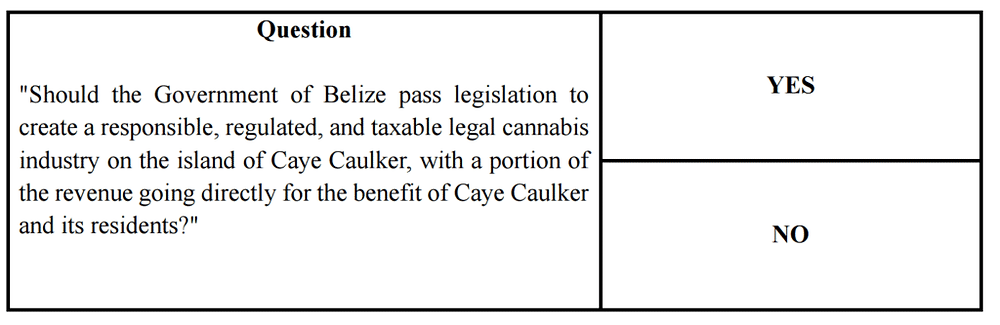
The residents of Caye Caulker are gearing up for a pivotal referendum on October 8, 2025, which will determine whether the government can establish a marijuana industry on the island. This vote has ignited intense discussions about the island’s future, particularly its reputation as a family-friendly tourist haven. The central question on the ballot is whether cannabis cultivation should be permitted, a proposal that has divided the community. Proponents argue that the move could stimulate economic growth and create new opportunities, while detractors fear it could disrupt the island’s tranquil, family-oriented ambiance and negatively impact tourism. Senator Luis Wade has publicly opposed the measure, cautioning that a marijuana industry could erode the island’s unique character. Celina Jimenez, a local resident spearheading the “No Campaign,” has warned that tourism groups bringing hundreds of visitors annually might cease their operations if cannabis is legalized. On the other side, Councillor Ilya Rosado, leading the “Yes Campaign,” has stressed the importance of education and transparency, urging residents to base their decisions on factual information. Hon. Kareem Musa, Minister of Home Affairs and New Growth Industries, has called for mutual respect among voters, noting that cannabis possession has been legal in Belize since 2017. The referendum will solely determine whether regulations for cultivation should be established. The outcome of this vote is anticipated to significantly influence the future identity and economic trajectory of Caye Caulker.
-

Antigua and Barbuda Youth Union Leaders Attend Regional Labour Forum in Brazil
Two prominent young leaders from the Antigua and Barbuda Workers’ Union (ABWU) Youth Arm, President Blair Rose and Vice President Charles Browne, recently participated in the UNI Americas Youth Organizing Forum held in Brazil. The event, which took place on September 24–25, brought together trade unionists from across the Americas to discuss the future of labor movements in an evolving global landscape. The forum featured intensive training sessions, committee meetings, and strategic discussions on pressing issues such as worker recruitment, economic challenges, and the impact of emerging technologies like artificial intelligence. Additionally, global concerns including climate change and the concept of a ‘just transition’ for workers were central to the dialogue. Blair Rose, who also serves as Vice President of the UNI Americas Youth Committee, emphasized the forum’s role in equipping participants with tools to enhance union membership and advocacy efforts. She highlighted the importance of Antigua and Barbuda’s democratic environment, where union rights are actively upheld. The event concluded with a collective commitment from young leaders to foster resilient unions and strengthen regional networks in response to the rapidly changing world of work.
-
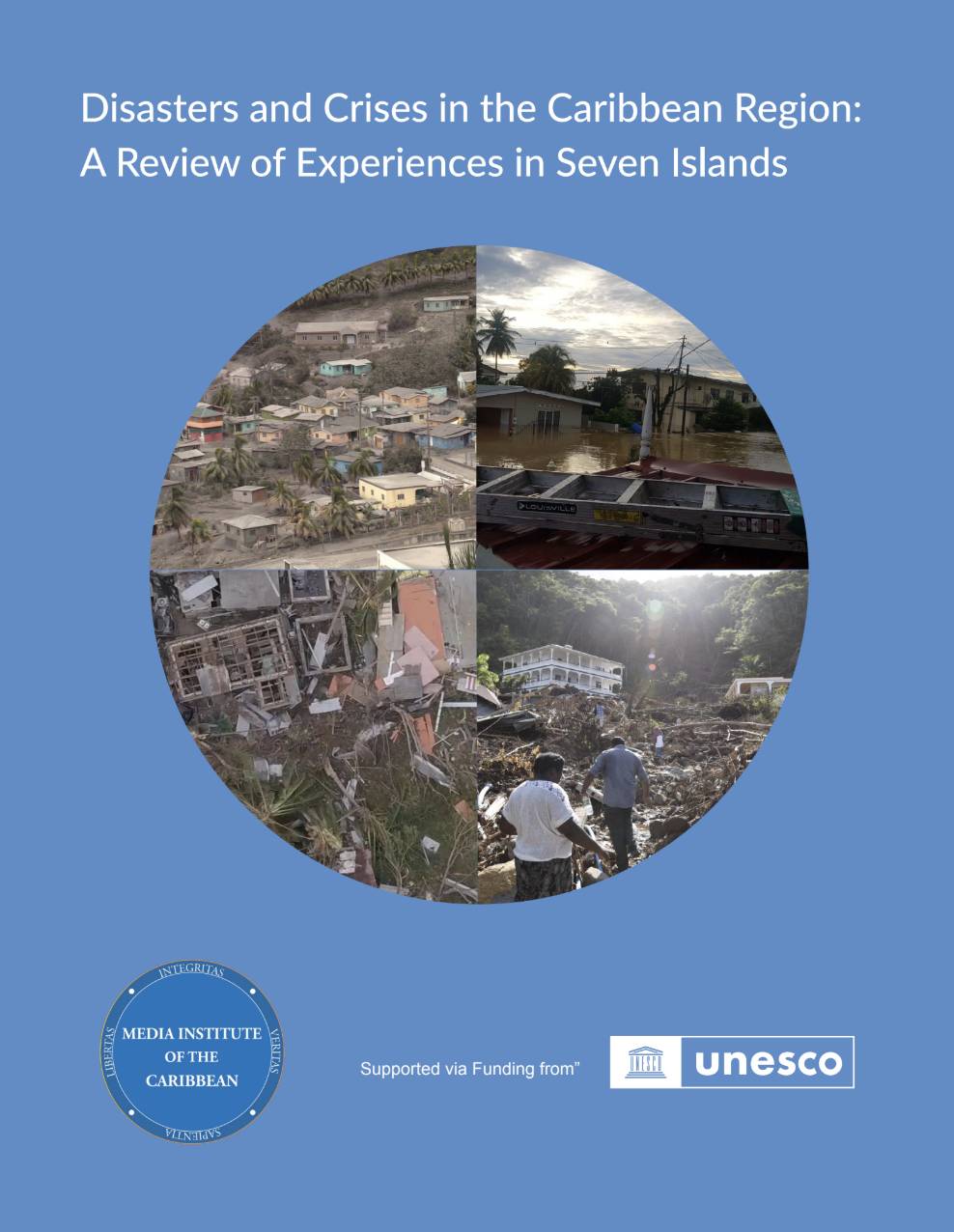
Disasters and Crises in the Caribbean Region: A Review of Experiences in Seven Islands
The Media Institute of the Caribbean (MIC), in collaboration with UNESCO, has released a landmark report titled *Disasters and Crises in the Caribbean Region: A Review of Experiences in Seven Islands*. This comprehensive study delves into the critical role of communication and information management during disasters across Antigua and Barbuda, Barbados, Dominica, Grenada, Guyana, Trinidad and Tobago, and Saint Vincent and the Grenadines. The report underscores the Caribbean’s heightened vulnerability to natural and health crises, emphasizing the need for robust, culturally sensitive, and timely communication strategies to mitigate risks and enhance resilience. It highlights the indispensable role of local journalists in disseminating emergency information, exposing accountability issues, and amplifying community voices, despite often working under hazardous conditions with limited resources. The report also calls for targeted investments in resilient news infrastructure, trauma-informed training for journalists, and stronger partnerships between media, government, and humanitarian agencies. Kiran Maharaj, President of MIC, described the report as a ‘call to action’ for governments and international partners, stressing that strengthening communication infrastructure is essential for saving lives, preserving development gains, and sustaining democracy. Dr. Paul Hector of UNESCO echoed this sentiment, emphasizing the need for policy reforms and institutional investments to build a safer and more informed Caribbean. The full report is available on the MIC website and other platforms.