博客

  • Future of Work Takes Center Stage in St. Kitts & Nevis with LOUD26 Conference

    Future of Work Takes Center Stage in St. Kitts & Nevis with LOUD26 Conference

    The Caribbean workforce landscape is poised for transformative discussions as St. Kitts & Nevis prepares to host LOUD26 – The Caribbean Human Resource Conference from May 28-30, 2026. Organized by the Caribbean Society for Human Resource Professionals (CSHRP), the premier event will unfold at the St. Kitts Marriott Beach Resort under the evocative theme “Harvest of Inspiration.”

    This groundbreaking convergence will assemble HR professionals, corporate executives, and policy makers from across English-speaking Caribbean nations including Antigua and Barbuda, Barbados, Belize, Jamaica, Cayman Islands, Trinidad and Tobago, Guyana, and the host nation. The conference adopts an innovative hybrid format, accommodating both physical attendees and virtual participants to maximize regional accessibility.

    LOUD26’s agenda addresses the most pressing contemporary workforce challenges through four specialized sub-themes: Leveraging Neurodiversity in modern workplaces; Orchestrating Antifragile Workforce Development across Multigenerational Teams; Unveiling Next-Generation Compensation Structures; and Driving Employee Engagement through Cultures of Excellence. The programming combines keynote addresses, executive panels, interactive workshops, and curated networking sessions specifically designed to translate theoretical concepts into practical implementation strategies.

    Rochelle James, CSHRP Founder, emphasized the conference’s mission: “LOUD26 represents our commitment to cultivating possibility through regional collaboration. By sharing expertise across Caribbean borders, we empower HR leaders to enhance engagement, elevate workplace culture, and forge more agile, competitive organizational futures.”

    Sonia Edwards, President of the St. Kitts-Nevis Association of HR Professionals, highlighted the significance of hosting this regional gathering: “Welcoming LOUD26 to our federation provides invaluable exposure for local professionals while reinforcing our standing as an emerging hub for substantive business dialogue. This event demonstrates our dedication to workplace excellence and regional partnership.”

    Beyond conference sessions, delegates will experience immersive cultural activities showcasing St. Kitts & Nevis’s distinctive heritage and hospitality, further positioning the nation as an aspiring destination for high-value business tourism.

    As Caribbean organizations navigate evolving employee expectations, skills transformation imperatives, and intensified performance demands, LOUD26 aims to equip leadership with actionable methodologies for building resilient teams and sustainable excellence cultures. Registration is currently accessible through the official portal at www.cshrpteam.com/loud26.


  • DGS, WHS secure spots in Inter-Secondary Schools Debate Finals

    DGS, WHS secure spots in Inter-Secondary Schools Debate Finals

    A new chapter in inter-school collaboration has been inaugurated through a pioneering partnership between student representatives from two educational institutions. The initiative, marked by a formal meeting, featured Lydia Charles and Micaela Benjamin alongside their counterparts Hephzibah Ademola and Niola Alleyne.

    This groundbreaking engagement establishes a framework for shared learning and cooperative projects between the student bodies. The convening signifies a strategic move toward fostering leadership development, cultural exchange, and academic cooperation beyond traditional school boundaries.

    Educational experts highlight the importance of such partnerships in preparing students for future collaborative environments. The dialogue focused on identifying mutual goals and establishing committees to implement joint community service projects and academic competitions.

    The participating students represent a new generation of leaders committed to breaking down institutional barriers. Their discussion encompassed strategies for sustainable partnership models that could serve as templates for other schools seeking similar collaborations.

    This alliance comes at a time when educational institutions are increasingly recognizing the value of cross-pollination between student governments. The partnership aims to create lasting infrastructure for ongoing cooperation that will benefit students from both institutions for years to come.

  • St Jean stars in Croatian volleyball

    St Jean stars in Croatian volleyball

    Despite MOK Marsonia’s middling sixth-place finish in Croatia’s Supersport Superliga, their Saint Lucian middle blocker Tevin St Jean emerged as the league’s most decorated individual performer. The Croatian volleyball season concluded with Marsonia posting an 8-10 record, narrowly missing fifth position due to set points after tying with OKM Centrometal.

    The 30-year-old Caribbean athlete dominated statistical categories throughout the competition, finishing as the league’s top blocker with 173 total blocks including 66 winning blocks. St Jean additionally ranked second in attack percentage at 55% and placed 14th in overall points with 227. His exceptional performance earned him the league’s Best Middle Blocker honor and marked a personal transformation into a leadership role.

    Reflecting on his inaugural Croatian season, St Jean described initial difficulties adapting to new systems and building chemistry with setters. “The first four or five games were challenging as I couldn’t unlock my true potential,” he acknowledged. The team’s administrative changes subsequently thrust greater responsibility upon him, requiring expanded contributions in scoring, serving, and vocal court leadership.

    This season represented St Jean’s tenth professional club across multiple countries including Azerbaijan, Romania, Greece, and Portugal. Despite suffering a late-season injury, he remarkably achieved MVP honors in his subsequent appearance while recording career-high points. “This year became a tremendous mental test that cemented my understanding of the game,” St Jean revealed. “My mind has slowed the game down through experience.”

    While disappointed about missing the team’s preseason goal of top-four qualification for European competition, St Jean values the overall experience. He credits his support system, particularly his mother, for maintaining his humility and perspective throughout the journey.

    As one of only three professional volleyball players from Saint Lucia, St Jean now aims to create pathways for Caribbean athletes. He envisions collaborative initiatives involving governments, sports ministries, and regional volleyball associations to establish development camps. “We possess immense raw talent throughout the Caribbean,” St Jean emphasized. “Many athletes lose hope without visible routes to professional careers. If I must pioneer this movement, I’ll need support from establishments, businesses, and governing bodies to create opportunities for these athletes.”

    Following his standout Croatian season, St Jean appears poised for continued success wherever he plays next while simultaneously working to inspire the next generation of Caribbean volleyball talent.

  • Saint Kitts and Nevis Leads with Compassion: US$100,000 Contribution to CARICOM Humanitarian Effort for Cuba

    Saint Kitts and Nevis Leads with Compassion: US$100,000 Contribution to CARICOM Humanitarian Effort for Cuba

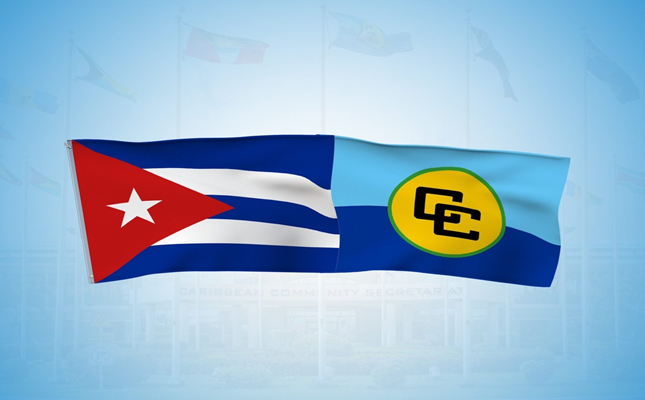
    In a powerful demonstration of long-standing regional solidarity and reciprocal compassion, the Federation of Saint Kitts and Nevis has officially disbursed an initial $100,000 contribution to the Caribbean Community (CARICOM) collective humanitarian initiative for Cuba. This payment marks the first installment toward the bloc’s $500,000 total target to support the Cuban people amid ongoing hardship.

    The commitment was first formalized during the landmark 50th Regular Meeting of the CARICOM Conference of Heads of Government, hosted by Saint Kitts and Nevis between February 24 and 27, 2026. At that gathering, Prime Minister of Saint Kitts and Nevis Dr. Terrance M. Drew, who currently holds the rotating position of CARICOM Chairman, unveiled the regional plan to mobilize urgently needed relief across all member states for Cuban communities.

    Coordinated by the CARICOM Secretariat headquartered in Georgetown, Guyana, the cross-national initiative will oversee the sourcing, purchase, and transportation of critical necessities to Cuba. The aid package covers a broad range of high-priority items: nutrition-focused supplies including powdered milk and infant formula, shelf-stable food staples such as beans, wheat flour, rice and canned goods, basic pharmaceutical and medical equipment, and key infrastructure supplies including solar panels, rechargeable batteries and water storage tanks to support basic community services.

    Notably, the regional relief effort has also received international backing from the Government of Mexico, which has stepped in to connect the initiative with verified local suppliers that can fulfill the order requirements. Mexico will additionally cover all costs for shipping the collected supplies from Mexican departure ports to Cuba, removing a major logistical and financial barrier to the effort.

    Speaking on the contribution, Prime Minister Drew emphasized that Saint Kitts and Nevis holds unwavering solidarity with the Cuban people during their current period of difficulty. He framed the donation not as an act of charity, but as a reciprocal gesture of gratitude from a fellow Caribbean family member, pointing to decades of Cuban support for regional Caribbean nations.

    “Cuba has never turned its back on the Caribbean. When our people needed doctors, Cuba sent them. When our students needed access to affordable, quality education, Cuba opened its classrooms to us. When natural disaster devastated our communities, Cuba was among the first nations to extend a hand of assistance,” Drew explained. “Today, we return that kindness not as charity, but as family. This is what CARICOM is meant to be—standing together, sharing burdens, and ensuring that no member of our Caribbean family faces hardship alone. Saint Kitts and Nevis is proud to contribute, and we stand ready to offer whatever further assistance we can in the days ahead.”

    The cross-border humanitarian initiative embodies the core founding values of CARICOM: intentional collaboration, coordinated collective action, and mutual care among member states. As regional governments align to alleviate the challenges facing the Cuban people, the effort also reinforces the Caribbean bloc’s long-standing commitment to multilateral dialogue, mutual sovereign respect, and collaborative, peaceful problem-solving for shared regional challenges.

    Drew concluded by reaffirming that the government of Saint Kitts and Nevis will maintain its commitment to supporting Cuba and advancing humanitarian cooperation and regional cohesion across the CARICOM bloc in all future efforts.

  • OECS BioSPACE Boosts Fisheries in Dominica with Ice Cooler Handover

    OECS BioSPACE Boosts Fisheries in Dominica with Ice Cooler Handover

    In a significant move to bolster sustainable fishing practices, the Organisation of Eastern Caribbean States (OECS) Commission is set to distribute ice coolers to fisher communities in Dominica on March 31, 2026. This initiative falls under the European Union-funded Biodiversity Support Programme for ACP Coastal Environments (BioSPACE), implemented in partnership with the Dominican government.

    The equipment handover ceremony will witness participation from key stakeholders including Chief Fisheries Officer Ms. Wynnona Joseph, government representatives, and members of the Mahaut and Layou fishing communities. This intervention addresses critical post-harvest challenges by enabling improved fish storage and preservation systems.

    Beyond reducing spoilage and enhancing product quality, these ice coolers are projected to increase the economic value of fishermen’s catches. The initiative represents a practical approach to strengthening community resilience while promoting responsible marine resource management.

    The BioSPACE project’s comprehensive approach extends beyond fisheries support. In 2024, the program enhanced mariculture development in Woodford Hill Bay through the donation of a locally manufactured fiberglass boat to seamoss farmers. This intervention particularly benefited women-led enterprises and rural communities, facilitating equipment transport and improved harvesting capabilities.

    These efforts collectively contribute to Dominica’s emerging blue economy, balancing ecological conservation with economic advancement. Beneficiaries will receive guidance on equipment maintenance to ensure long-term sustainability and continued community benefits from these resource enhancements.

  • CARICOM praises regional nursing leadership amid post‑hurricane challenges

    CARICOM praises regional nursing leadership amid post‑hurricane challenges

    Amidst a landscape shaped by natural disasters, workforce shortages, and mounting public health challenges, Caribbean nursing leaders have demonstrated remarkable resilience in advancing the region’s healthcare agenda. The Regional Nursing Body (RNB) commenced its pivotal four-day assembly in Tortola, British Virgin Islands, on March 23, 2026, bringing together executive, education, and practice committees to address critical healthcare priorities.

    Helen Royer, Director of Human Development at the CARICOM Secretariat, opened the proceedings by acknowledging the extraordinary contributions of nursing professionals during the devastating Hurricane Melissa. Their rapid mobilization and unwavering dedication, she emphasized, exemplified the strength of the Caribbean’s healthcare workforce during times of unprecedented crisis.

    The meeting highlighted significant achievements from the previous year, including the successful implementation of the Japan-supported assessment of the CXC-managed Regional Examination for Nurse Registration. Substantial progress was also reported in developing a Draft Strategic Framework to guide the RNB’s 2026–2035 Strategic Plan, alongside advancements in harmonizing education, practice, and regulatory standards for midwives across CARICOM member states.

    Despite these accomplishments, delegates confronted persistent challenges including demographic shifts, the rising burden of non-communicable diseases, and the ongoing impact of health professional migration. The meeting agenda focused on strategic responses to these issues, particularly exploring the expanded role of Advanced Practice Nurses in managing NCDs and mental health conditions. Additional priorities included developing innovative strategies to address workforce shortages, enhancing educator capacity through international partnerships, and establishing ethical mobility mechanisms for health professionals during emergencies.

    The CARICOM Secretariat expressed confidence that these deliberations would contribute to building a more resilient, responsive, and unified regional nursing sector, ultimately supporting universal health coverage and Sustainable Development Goals across the Caribbean region.

  • Inflatie stijgt naar 10,8%: prijzen licht omhoog in februari

    Inflatie stijgt naar 10,8%: prijzen licht omhoog in februari

    The General Bureau of Statistics (ABS) has released preliminary data indicating a significant inflationary surge, with consumer prices climbing to 10.8% year-over-year in February 2026. Month-over-month analysis reveals a more modest increase of 0.2% compared to January 2026 figures.

    While the monthly growth rate appears contained, annual price pressures remain substantial, indicating consumers are paying approximately ten percent more for goods and services compared to the same period last year. The Consumer Price Index (CPI), which tracks price movements across a basket of goods and services, demonstrates considerable variation across different economic sectors.

    Notably, the ABS report reveals critical data gaps in Marowijne, Brokopondo, and Sipaliwini regions where price monitoring is not conducted, potentially distorting the accurate assessment of actual inflation impacts across the nation.

    February witnessed extreme price volatility at the product level, with individual items experiencing both dramatic decreases (up to 36%) and extraordinary increases (reaching 600%). This disparity highlights how aggregate inflation figures represent averages that may not reflect individual consumer experiences.

    The situation appears to have intensified in March with fuel price hikes triggering substantial increases across goods and services. Complete data for March’s inflationary trends will become available by late April, providing a more comprehensive picture of the ongoing economic pressures.

  • Electoral Commission Publishes Full List of Registration Sites and Opening Hours

    Electoral Commission Publishes Full List of Registration Sites and Opening Hours

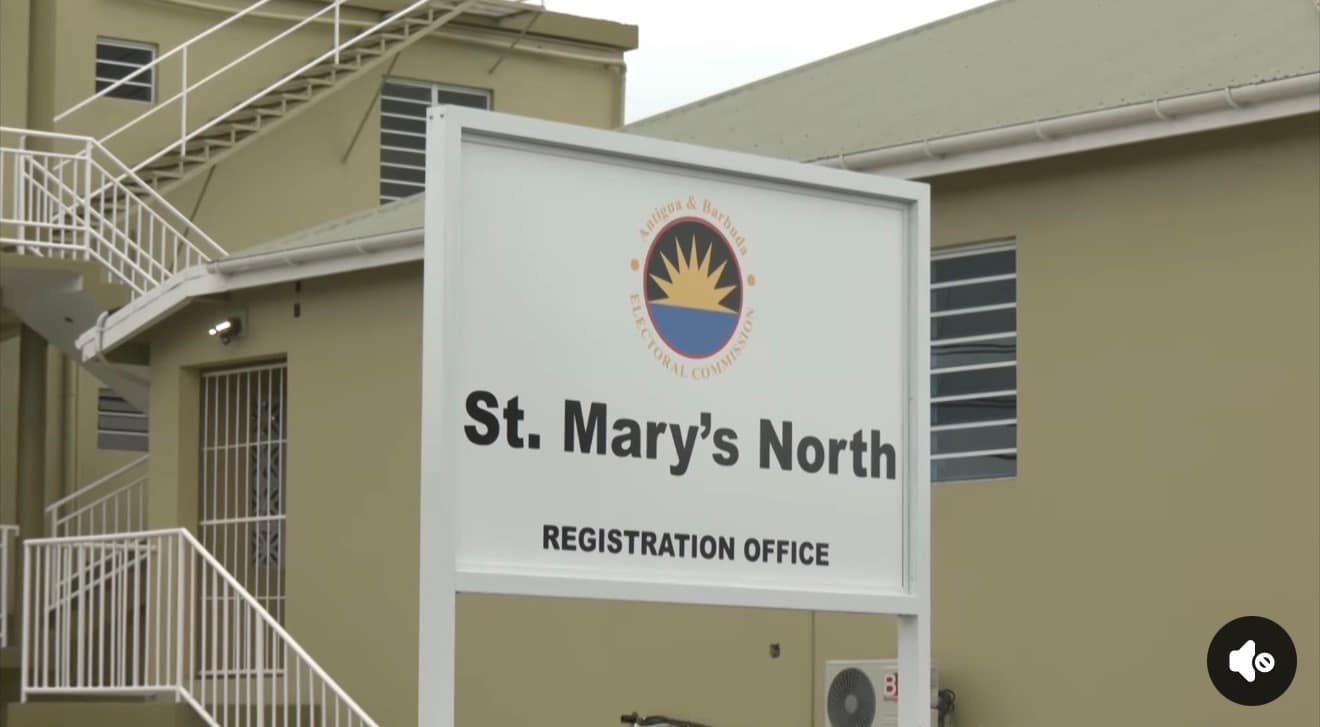
    The Antigua & Barbuda Electoral Commission (ABEC) has launched a nationwide voter registration initiative, establishing a comprehensive network of registration units across all constituencies to facilitate democratic participation. This strategic deployment ensures accessibility for citizens throughout the twin-island nation.

    In St. John’s urban areas, registration services are centralized at key locations: Villa Primary School serves St. John’s City West, while the Central Registration Unit on Factory Road accommodates both St. John’s City East and City South constituencies. Rural constituencies surrounding the capital benefit from diverse venues including the Multipurpose Cultural & Exhibition Centre (Rural West), Noel Nyah Roberts Sports Complex (Rural South), Chaia’s Building opposite the Lions Den (Rural East), and Yorks Community Centre (Rural North).

    Beyond the capital region, registration facilities span the entire country: St. Mary’s North utilizes the Former Christian Faith Academy on Valley Road, while St. Mary’s South operates from Turner’s Apartments in Bolans. All Saints East & St. Luke constituents can register at the Roman Catholic Church Hall on Roman Hill, with All Saints West utilizing the Former Community Access Centre.

    Additional constituencies feature strategically chosen locations: St. George at Potters Village, St. Peter at Precision Centre in Paynters, St. Philip North at Glanvilles Community Centre, and St. Philip South at the St. Philip Post Office. St. Paul residents will register at the Former Real Local Art Gallery on Horsford Hill, while Barbudans are served at the Low School on the sister island.

    The Commission has established extended operating hours to maximize accessibility, maintaining weekday operations from 8:30 AM to 7:00 PM and weekend hours from 9:00 AM to 2:00 PM until further notice. This schedule accommodates both traditional and non-traditional work hours, ensuring broad demographic access.

    The ABEC, headquartered on Queen Elizabeth Highway in St. John’s, encourages all eligible citizens to complete their registration promptly. Further information is available through their official communication channels and website at www.abec.gov.ag.

  • Barbados Port Inc. wins OAS award

    Barbados Port Inc. wins OAS award

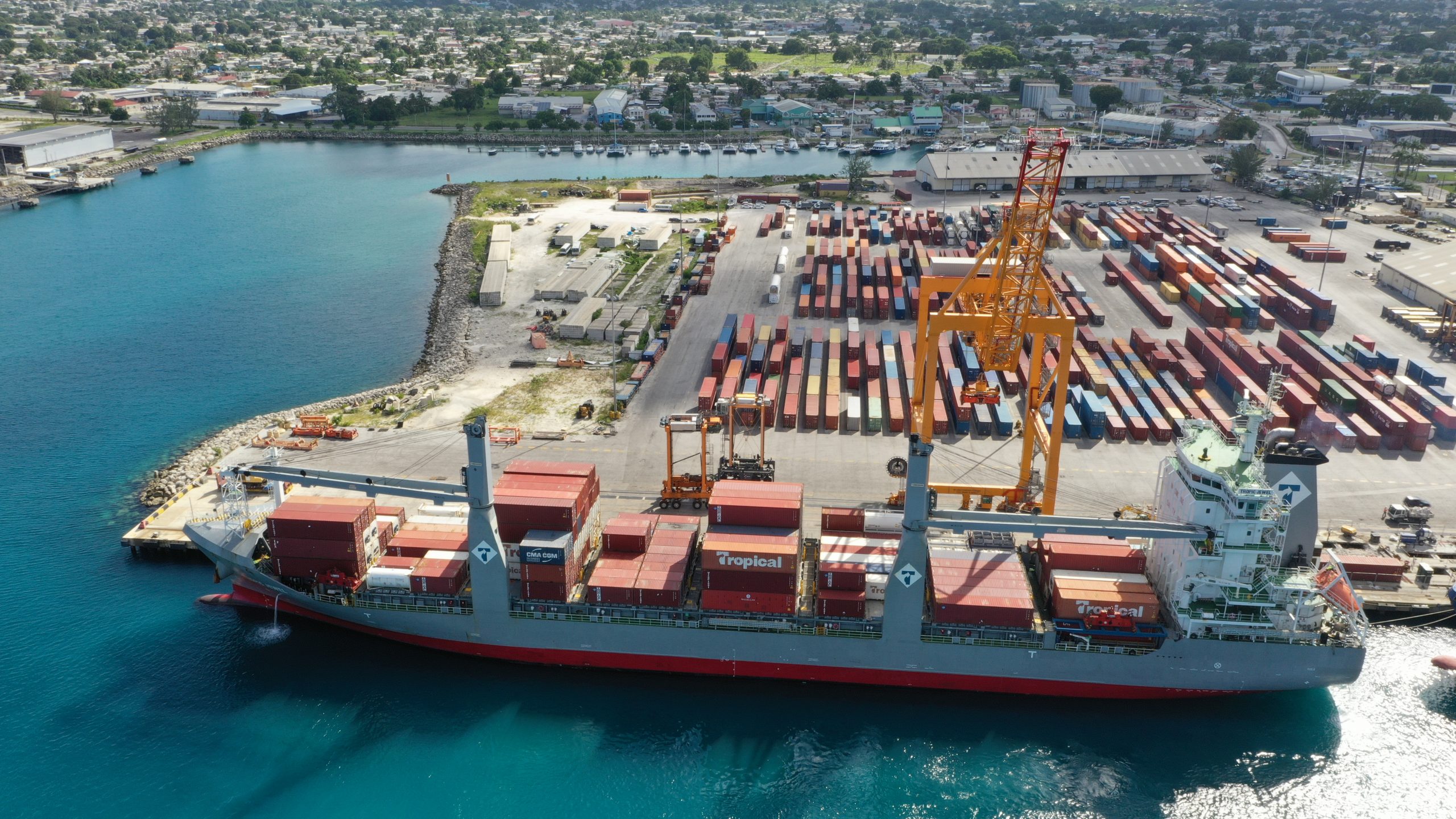
    Barbados Port Inc. (BPI) has secured the coveted CIP Maritime Award of the Americas for Digital Transformation, a prestigious honor administered by the Secretariat of the Inter-American Committee on Ports (CIP) of the Organization of American States (OAS). The recognition celebrates BPI’s groundbreaking development and implementation of an innovative Port Community System (PCS), marking a significant milestone in Caribbean maritime digitalization.

    Engineered internally by the port’s Digital Innovation and Development team, the PCS represents the most substantial digital advancement in the port’s history. Launched at the beginning of 2025, the system has revolutionized port operations through enhanced data exchange protocols and superior coordination among all port stakeholders. The comprehensive platform serves as a unified access point for multiple critical functions including real-time cargo and vessel tracking, digital processing of manifests and delivery orders, and electronic payment systems.

    A key component, the national Maritime Single Window, enables seamless electronic information exchange between ships and port authorities, while the integrated Trade Information Portal provides vital trade-related data to streamline business processes and ensure compliance with both national and international trade regulations. These innovations have collectively driven substantial improvements in overall port efficiency and service quality.

    BPI Chief Executive Officer David Jean-Marie praised his team’s achievement, stating: ‘We are immensely proud of activating this sophisticated digital platform. The system significantly enhances trade facilitation, operational efficiency, and supply chain transparency while strengthening our port’s competitiveness and sustainability within the Caribbean maritime sector.’

    The digital transformation has yielded remarkable results, eliminating the previous requirement for approximately 52 separate paper documents across customs, immigration, port health, and vessel agent operations. Online payments now constitute over 80% of all financial transactions conducted through the port. BPI continues to enhance the PCS and develop additional digital tools to further improve service delivery.

    The CIP Maritime Award of the Americas, now in its twelfth edition with the theme ‘Recognising Outstanding Port Management,’ received 30 submissions from 11 countries across the Americas. The jury committee selected winners based on rigorous criteria including verifiable performance indicators, exceptional operational achievements, and clearly demonstrated objectives. The award recognizes excellence, innovation, leadership, sustainability, and replicability in port and maritime management across 34 OAS-CIP member states.

  • Life without reliable water in Monier

    Life without reliable water in Monier

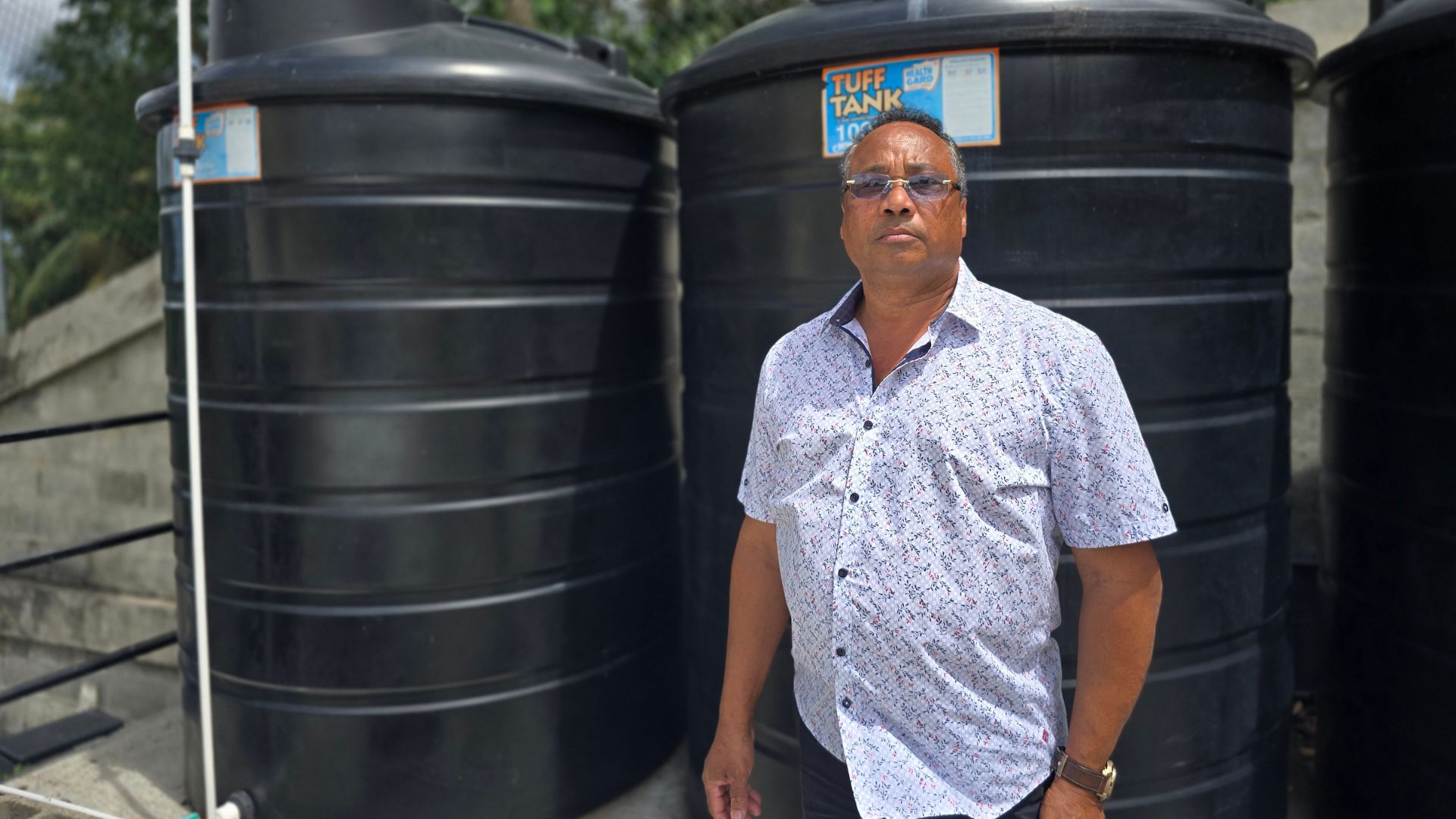
    Nestled within the picturesque hills of Monier, Grand Rivière, the communities of Monier Terraces and Ma Kanna Heights present a deceptive facade of tranquility. Behind this serene exterior lies a persistent struggle for one of life’s most basic necessities: reliable access to clean water. Residents of these elevated neighborhoods have developed complex survival strategies amid what many describe as years of water scarcity and institutional neglect.

    The current dry season has exacerbated an already critical situation, with some households reporting complete absence of piped water for periods exceeding one month. The Water and Sewerage Company (WASCO) acknowledges the particular challenges facing high-elevation homes, where water pressure deficiencies prevent consistent distribution. When service resumes after interruptions, lower-elevation residents typically consume available resources through intensive usage like laundry and tank-filling, leaving uphill communities without adequate supply.

    Canice John, a property owner in Ma Kanna Heights who accommodates five tenant families, illustrates the practical difficulties: “I notify tenants when tanks are full, but WASCO frequently cuts supply immediately after everyone begins washing.” His solution has been progressive investment in storage infrastructure, now totaling four tanks with 2,600-gallon capacity and plans for additional units.

    The water distribution pattern reveals puzzling inconsistencies, with adjacent households sometimes receiving completely different service levels. One resident noted, “We received water two days ago, but most neighbors appear to be on a different connection—probably from Hill 20.”

    While some residents resort to collecting water from rivers or workplace taps, those who can afford it invest increasingly in private water storage systems. Christopher Alexander, another long-term resident, has installed multiple tanks including a 1,000-gallon rainwater collection unit. He identifies uncontrolled development as compounding pressure on already strained infrastructure: “When building houses now, there should be certain planning prerequisites.”

    Despite government promises regarding pipeline improvements and rainwater harvesting initiatives, residents report receiving only “general bulletins” without area-specific solutions. WASCO offered no response regarding network improvements or long-term plans for Monier prior to publication.

    The community’s adaptation efforts face practical constraints—modern architectural designs often complicate rainwater harvesting, while narrow, unpaved roads prevent water truck access for many households. What emerges is a portrait of resilience amid systemic failure, with residents developing increasingly sophisticated coping mechanisms while awaiting meaningful institutional intervention.