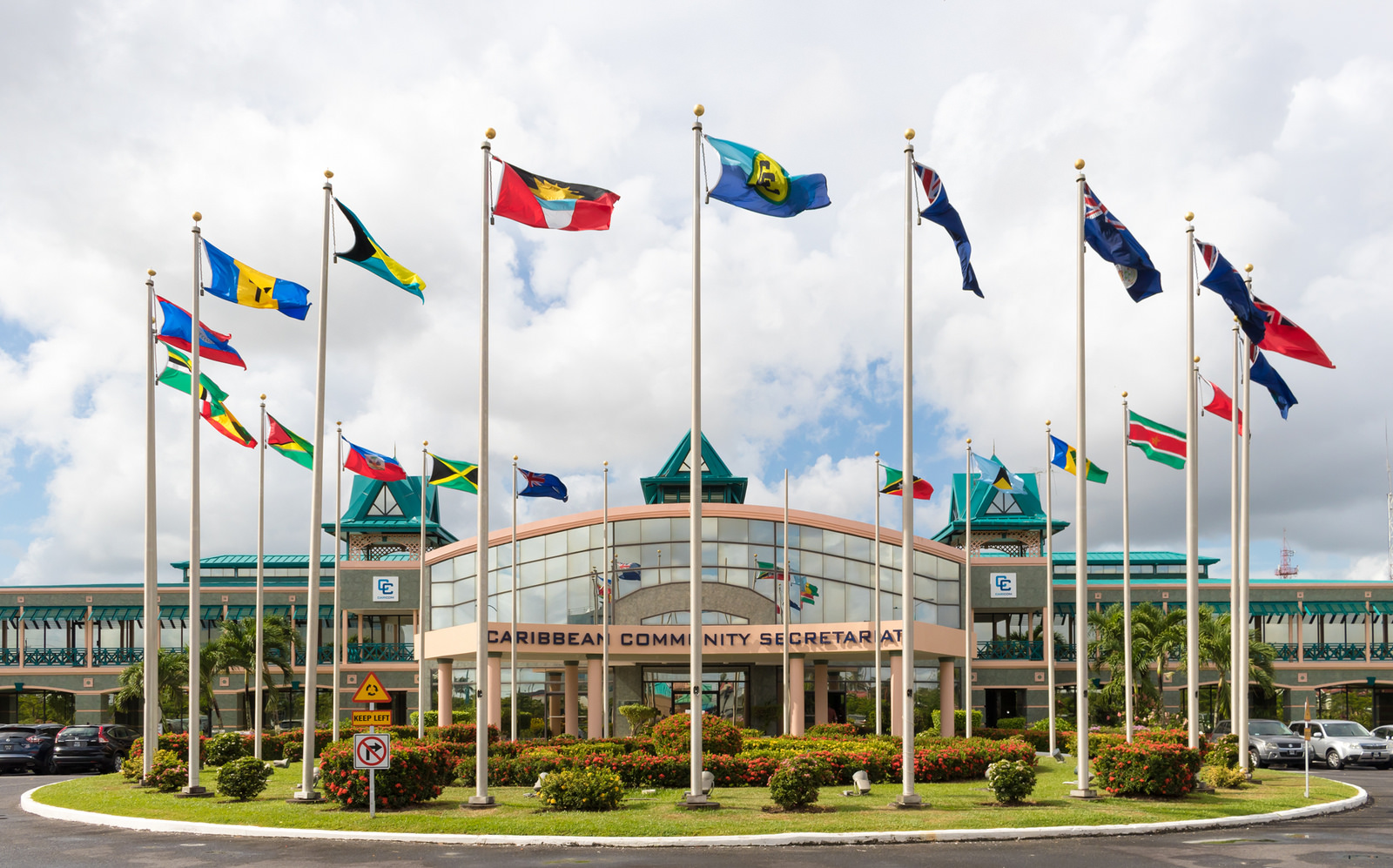
The Caribbean region finds itself at a pivotal juncture in the digital era. As CARICOM governments deliberate the adoption of a shared currency—a concept that has reemerged since the Treaty of Chaguaramas—a broader question looms: why not extend this integration to digital sovereignty? In a world increasingly shaped by global platforms, the Caribbean’s daily life is dominated by technologies designed and controlled beyond its borders. WhatsApp orchestrates neighborhood interactions, TikTok influences youth culture, and Western financial apps dominate remittance systems. This outsourcing of cultural and political expression to Silicon Valley raises a critical question: can the Caribbean envision and construct its own digital infrastructure, one that aligns with its values and priorities? Global examples offer inspiration. China’s WeChat has evolved from a messaging app into a multifunctional super-application integrating payments, governance, and social exchange. Similarly, platforms like Douban have fostered cultural communities, while Russia’s VK and Rutube exemplify digital sovereignty. These models, though imperfect, demonstrate the potential for regions to reclaim control over their digital ecosystems. The urgency for a Caribbean alternative is underscored by recent events in Nepal, where youth-led protests, organized via Discord, toppled a government and led to the appointment of the country’s first female prime minister. This highlights the centrality of digital platforms in modern governance. For the Caribbean, the implications are profound. A regional super-platform could facilitate cross-border payments in a shared currency, host cultural content, and provide digital spaces for civic engagement. Crucially, it could reduce reliance on foreign systems that commodify Caribbean identities for profit. However, the pursuit of digital sovereignty must avoid the pitfalls of digital authoritarianism. Transparency, citizen input, and safeguards against surveillance must be foundational. Lessons from global platforms’ failures—such as disinformation and data exploitation—must inform its design. The goal is not to replicate Silicon Valley’s extractive model but to create a system rooted in regional trust and collective benefit. The opportunity is ripe. Caribbean governments are already coordinating in areas like currency, logistics, and education. Extending this collaboration to digital platforms is both logical and urgent. If regional integration is to resonate with citizens, it must encompass the tools they use daily. While trade frameworks under the CSME are being harmonized, the digital platforms mediating Caribbean life remain largely external. For integration to be credible, digital sovereignty must be treated as a core service under the CSME—governed, regional, and accessible. A Caribbean platform for communication, payments, and cultural exchange would fulfill the Treaty of Chaguaramas’ vision, ensuring the region’s digital lives are not outsourced. Such a platform would embody not just technology but sovereignty, resilience, and imagination. In the 21st century, the Caribbean’s independence hinges not only on its borders and seas but also on its digital lives. The question is not whether the region can afford to build such a platform, but whether it can afford not to.
博客
-
Report Calls for Stronger Disaster Communication Systems in Antigua and Barbuda
The Media Institute of the Caribbean (MIC), with support from UNESCO, has released a groundbreaking report titled ‘Disasters and Crises in the Caribbean Region: A Review of Experiences in Seven Islands.’ This comprehensive study examines disaster communication and information management across Antigua and Barbuda, Barbados, Dominica, Grenada, Guyana, Trinidad and Tobago, and Saint Vincent and the Grenadines. The report emphasizes the Caribbean’s heightened vulnerability to natural disasters such as hurricanes, floods, volcanic eruptions, droughts, and health crises, stressing the urgent need for robust, culturally sensitive, and timely communication strategies before, during, and after disasters. The findings reveal that effective local media operations are as crucial as physical infrastructure in saving lives, combating misinformation, coordinating aid, and ensuring equitable recovery in Small Island Developing States (SIDS). Key insights include the significant role of local journalists in disseminating emergency information and advocating for accountability, despite limited resources and hazardous conditions. The report also highlights the necessity for trauma-informed disaster reporting training, resilient news infrastructure, and stronger partnerships among media, government, and humanitarian organizations. Recommendations include targeted investments in newsroom tools and safety equipment, redundant communication channels, streamlined Freedom of Information processes, and formalized collaborations for coordinated crisis messaging. Kiran Maharaj, President of MIC, described the report as a ‘call to action’ for governments, media leaders, and international partners to strengthen the Caribbean’s communicative infrastructure in the face of climate and health emergencies. Dr. Paul Hector, Officer in Charge at UNESCO’s Caribbean Regional Office, underscored the importance of policy reforms, institutional investments, and community engagement to foster a safer and more resilient region. The full report is available at www.mediainstituteofthecaribbean.com and https://online.flippingbook.com/view/970074714/.
-
Antigua and Barbuda makes impact on UNGA80 with SIDS Centre of Excellence
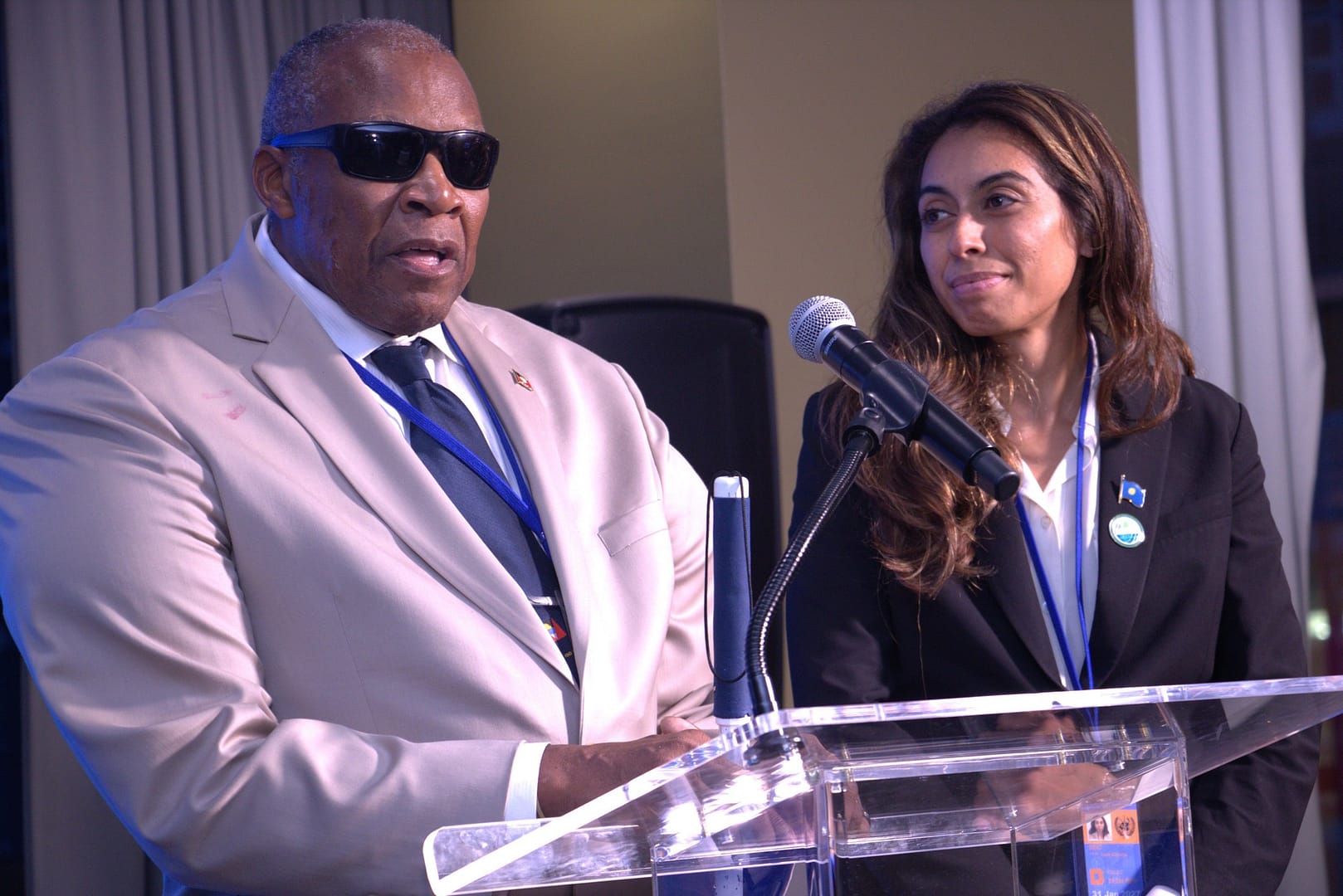
The SIDS Centre of Excellence (CoE) is poised for a landmark opening at its headquarters in Antigua and Barbuda, marking a significant step forward in supporting the sustainable development of small island states. The initiative has garnered substantial attention during the 80th session of the United Nations General Assembly, where its potential to address the unique challenges faced by island nations was highlighted. Central to the CoE’s mission is the SIDS Global Data Hub, a groundbreaking platform designed to provide centralized access to critical data. This hub is expected to empower island nations in making informed policy decisions and securing essential financing for resilient and sustainable development. During the high-level week of the UN General Assembly, key partners were briefed on the strategic importance of the Data Hub. The event, hosted by Antigua and Barbuda’s Prime Minister Gaston Browne, Chair of AOSIS, alongside Palau’s President Surangel Whipps Jr., the Pvblic Foundation, and the SDG Data Alliance, underscored the collaborative effort behind this initiative. Ambassador Walton Webson, Antigua and Barbuda’s Permanent Representative to the UN, and Palau’s Ilana Victoray Seid expressed unwavering support, emphasizing the Data Hub’s transformative potential in addressing the climate crisis and advocating for the vulnerabilities of island nations. The CoE’s momentum signals a new era of innovation and cooperation in tackling global challenges.
-
Kiwanis Club of Antigua AR Fusion donates sign to School For The Deaf
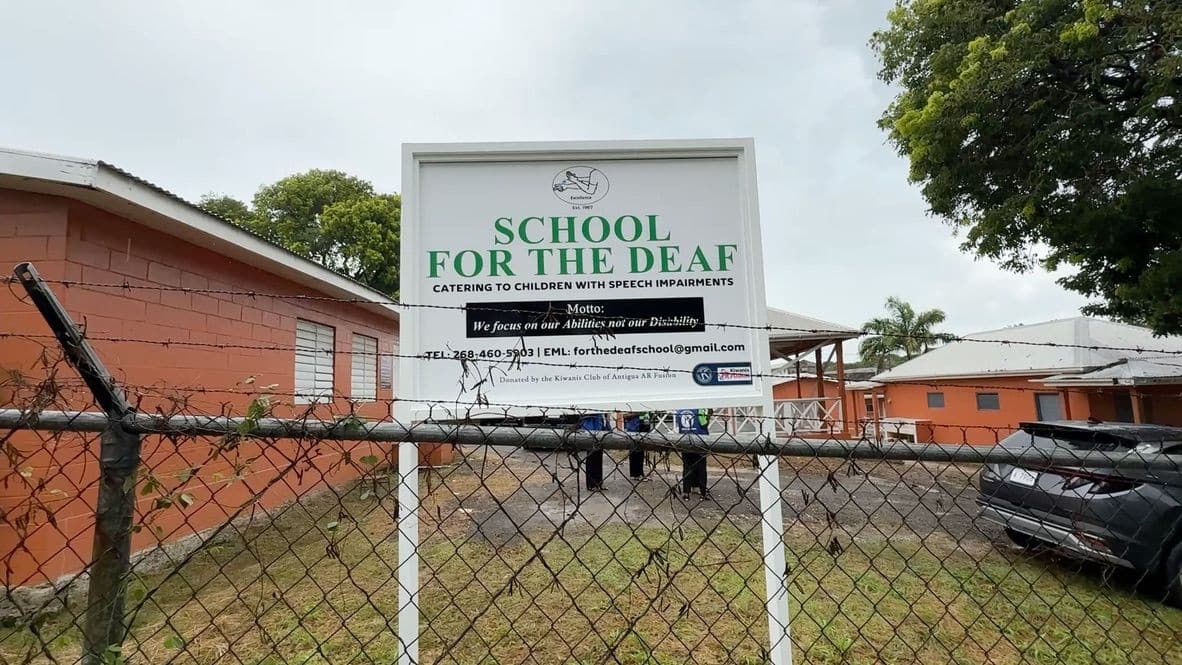
In a significant move to support inclusive education, the Kiwanis Club of Antigua AR Fusion donated new signage to the School for the Deaf on September 13, 2025. This institution, dedicated to nurturing children with speech impairments, shares its premises with the TN Kirnon Primary Schools. The new signage aims to improve the school’s visibility and accessibility, ensuring it is easily identifiable by the community. The school’s motto, ‘We focus on our abilities and not our disabilities,’ underscores its commitment to empowering students. Ms. Rebekah Warner, President of AR Fusion, emphasized that the enhanced signage will raise awareness about the school’s vital work in preparing students to communicate effectively with the world. Additionally, the school offers sign language classes, encouraging community members to learn and engage. Mrs. Francis, President of the Parent Teachers Association, expressed gratitude for the donation and highlighted the importance of continued collaboration with the Kiwanis Club. The project was supported by Iprint, which assisted in the design, production, and installation of the signs. Outgoing Lieutenant Governor Adrian Boyce of Barbados, present at the event, praised the initiative as a reflection of Kiwanis International’s mission to serve children globally.
-
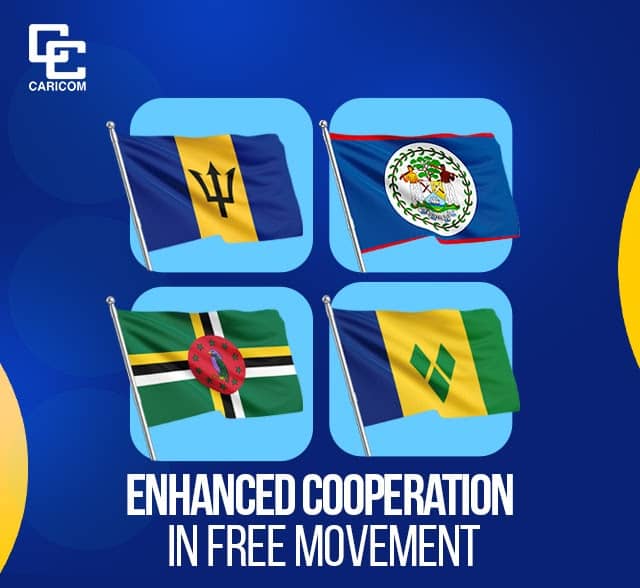
Full Free Movement takes effect today among Barbados, Belize, Dominica and St. Vincent and the Grenadines
In a landmark move for regional integration, four Caribbean Community (CARICOM) Member States—Barbados, Belize, Dominica, and St. Vincent and the Grenadines—will implement full Free Movement of their nationals starting 1 October 2025. This initiative, approved by CARICOM Heads of Government in July 2025, marks a significant step under the Enhanced Cooperation Protocol to the Revised Treaty of Chaguaramas. Nationals from these countries will now enjoy unrestricted rights to reside, work, and remain indefinitely in any of the four nations, with access to emergency and primary healthcare, as well as public primary and secondary education for their children. Previously, movement was limited to temporary stays of up to six months or under the CARICOM skills regime. Extensive preparations have been made to ensure a seamless rollout, including systems for indefinite stay stamps, registration for services, and robust security and health safeguards. A complaints mechanism has also been established to address any issues faced by nationals. While these four nations lead the way, other CARICOM Member States will continue under the existing regime for skilled workers and businesses. CARICOM, established in 1973 and revised in 2001, remains a pioneering example of regional integration, fostering economic, social, and security cooperation among its 15 Member States and six Associate Members.
-

Weak Investigative Capacity Stalls Trafficking Cases in Antigua, U.S says
Antigua and Barbuda has intensified its efforts to tackle human trafficking through expanded training programs and the adoption of a 2025 National Action Plan. However, persistent challenges such as weak evidence collection, inadequate victim protection, and court backlogs continue to hinder progress, according to the 2025 Trafficking in Persons Report. Authorities have trained first responders and established a Trafficking in Persons Prevention Unit to coordinate victim identification, outreach, and investigations. Standard operating procedures are in place to guide law enforcement, immigration, customs, labor, and social services in screening potential cases. Despite these measures, prosecutorial outcomes remain stagnant. In 2024, officials investigated 13 suspects across nine cases, a significant drop from the previous year’s 26 suspects in 25 cases. Notably, no prosecutions were initiated, and the country has yet to secure a conviction under the 2010 Trafficking in Persons (Prevention) Act, which imposes severe penalties, including up to 25 years for crimes involving children. Observers attribute these shortcomings to weak investigative capacity, particularly in evidence collection and case management, as well as systemic corruption. Court backlogs, exacerbated by insufficient resources, further delay justice. Although courts have the option to use virtual and written testimony to protect victims, these tools remain unused in trafficking cases. Victim protection remains a critical issue, with officials identifying 13 potential victims in 2024 but confirming none as trafficking victims. The last confirmed case dates back to 2019. The report highlights a widespread confusion between trafficking and migrant smuggling, complicating victim identification. Additionally, the small size of Eastern Caribbean nations, including Antigua and Barbuda, limits authorities’ ability to safeguard victim-witnesses, discouraging reporting and testimony. Prevention efforts, including multilingual public awareness campaigns and government funding for anti-trafficking activities, continue. However, the report underscores that without improved evidence handling, consistent application of screening protocols, and robust witness protections, training alone is insufficient to achieve prosecutions or convictions.
-

Minister Hails Aquaculture as Growth Pillar for Antigua and Barbuda
Antigua and Barbuda’s Agriculture Minister, Anthony Smith Jr., has highlighted the pivotal role of aquaculture in the nation’s blue economy strategy. This follows the successful completion of the country’s inaugural fisheries training program, which certified 92 participants in modern aquaculture techniques. Speaking on ABS Television’s ‘Government in Motion,’ Smith emphasized that traditional fishing methods alone are insufficient to meet rising local demand and export potential. ‘Aquaculture will be a cornerstone of our fisheries and blue economy sector,’ he stated. The training seminar, conducted in collaboration with the People’s Republic of China, introduced participants to advanced freshwater and ocean-based farming practices. Smith praised China as the global leader in aquaculture and underscored the significance of this partnership in diversifying the nation’s food production. He also highlighted the role of Antigua and Barbuda’s Blue Economy Department, established less than a decade ago, in fostering sustainable marine-based income streams while safeguarding ocean health. ‘While we explore aquaculture opportunities, the preservation of our marine ecosystem remains paramount,’ Smith added. The initiative is part of a broader strategy that includes marine spatial mapping, ocean farming, and research collaborations with the University of the West Indies’ Centre of Excellence for the Blue Economy. Smith emphasized that aquaculture not only enhances food security but also opens new avenues for employment, entrepreneurship, and export growth. ‘If developed sustainably, this industry can generate significant value for our farmers and fishers,’ he concluded.
-
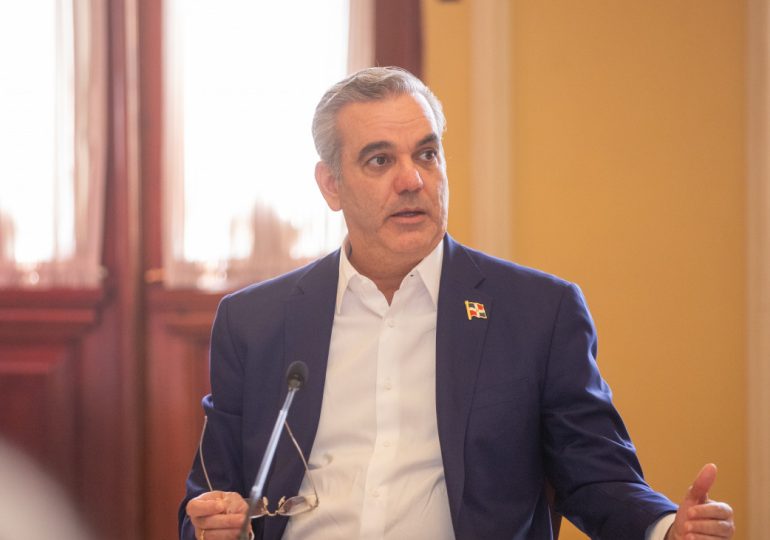
Abinader appeals to Russia and China for support in Haiti crisis response
Santo Domingo – Dominican President Luis Abinader has reached out to global leaders, including Russian President Vladimir Putin and Chinese President Xi Jinping, to garner support for the Multinational Security Support Mission (MSS) in Haiti. The mission, recently sanctioned by the UN Security Council, aims to address the escalating crisis in Haiti, which Abinader warns is increasingly threatening regional stability and Dominican national security. In his correspondence with Putin, Abinader highlighted the necessity of Russia’s involvement to bolster the mission’s capabilities and mandates in dismantling criminal networks. Similarly, in his letter to Xi, he underscored the critical role of China’s support in advancing the initiative. The MSS, introduced by the United States and Panama, was approved on Tuesday with 12 votes in favor and three abstentions. The mission seeks to empower Haitian authorities to confront armed gangs, restore public order, and lay the groundwork for sustainable peace and democratic governance. Abinader emphasized that the resolution is vital to mitigating the cross-border spillover of Haiti’s crisis, which poses a direct threat to the Dominican Republic and the broader region.
-
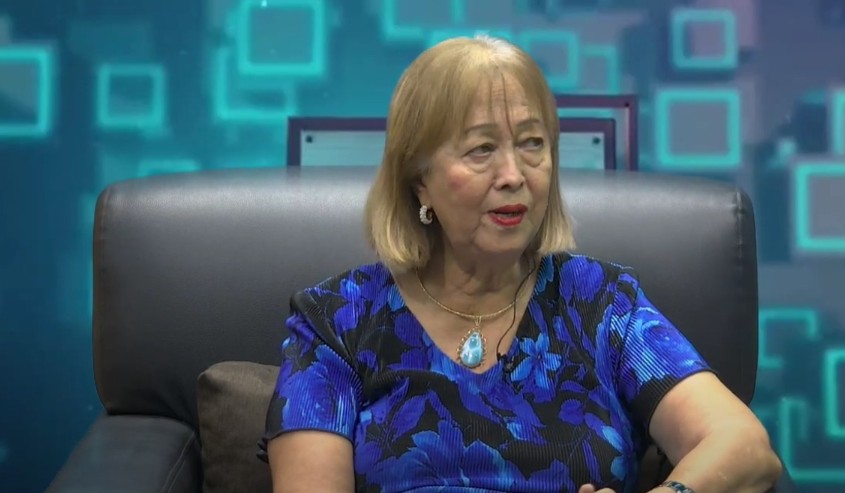
Rosa Ng denounces institutional pressure against Chinese businesses
Santo Domingo.- Rosa Ng, a prominent community leader and former Dominican trade representative in China, has raised alarm over what she describes as a pervasive climate of uncertainty and institutional harassment targeting the Chinese community in the Dominican Republic. Ng asserts that state agencies have been systematically shutting down businesses owned by Chinese citizens, fostering a hostile environment for Asian investors.
-
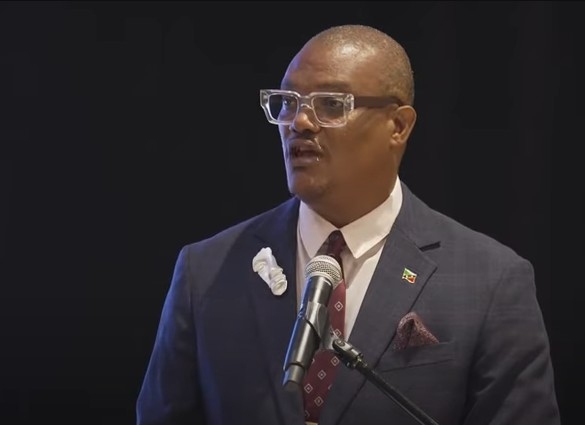
CWA pushing for modern farming at Agriculture Week
As the 19th Caribbean Week of Agriculture (CWA) unfolds in Basseterre, St. Kitts, Acting Prime Minister Geoffrey Hanley has emphasized the urgent need to transition from traditional farming practices to modern, climate-resilient methods. Addressing regional and international stakeholders, Hanley highlighted the pivotal role of technology and innovation in transforming the agricultural sector, particularly in St. Kitts and Nevis. He stressed that traditional farming alone is insufficient to meet contemporary challenges, advocating for the adoption of advanced techniques such as hydroponics, aquaponics, climate-smart farming, improved irrigation, and renewable energy to power farms. Hanley acknowledged the sector’s inherent difficulties, including hurricanes, droughts, pest outbreaks, rising costs, and market access issues, but expressed confidence in the resilience of Caribbean people. He called for strengthened regional cooperation, knowledge sharing, and a renewed commitment to making agriculture a sector of pride and prosperity. Food security and the development of the next generation of farmers remain central to the region’s agenda, with new initiatives supporting aquaculture, agri-parks, livestock production, and access to financing and training. Hanley also urged young people to view agriculture as a viable and innovative career path, dispelling outdated perceptions of the sector. Agriculture Minister Samal Duggins echoed these sentiments, describing agriculture as the lifeblood of the Caribbean people and a critical component of the region’s future.