博客

  • Onderzoek vervolging ex-ministers legt spanning bloot tussen politiek en rechtsstaat

    Onderzoek vervolging ex-ministers legt spanning bloot tussen politiek en rechtsstaat

    Suriname’s National Assembly has established a parliamentary investigation committee to examine impeachment requests against three former ministers, initiating a process with profound legal and political implications. This preliminary phase has already evolved into a critical test for both parliamentary credibility and the nation’s rule of law.

    The committee’s formation revealed underlying coalition tensions when ABOP faction leader and Assembly Vice President Ronnie Brunswijk insisted on chairmanship, declaring he could not function under NDP’s Ebu Jones. Ultimately, NDP faction leader Rabin Parmessar was appointed chair instead.

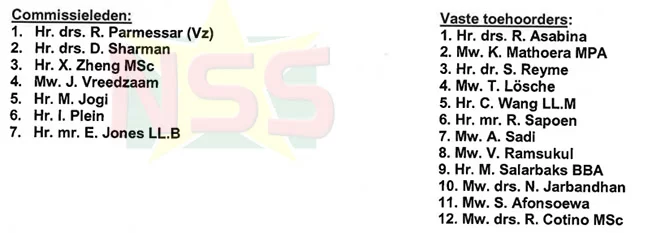
    Comprising seven assembly members with twelve permanent observers, the committee convenes Monday to examine the Prosecutor General’s case against former ministers Bronto Somohardjo, Riad Nurmohamed, and Gillmore Hoefdraad. While formally an exploratory phase without substantive judgments, the committee will conduct hearings and analyze documents.

    In reality, the stakes are considerably higher: this committee must demonstrate that political interests won’t override a process touching the core of judicial integrity. Additional members include Dew Sharman (VHP), Xiabao Zheng (PL), Jennifer Vreedzaam (NDP), Mahinder Jogi (VHP), Ivanildo Plein (NPD), and Ebu Jones (NDP).

    The chairmanship debate highlights the sensitivity of these proceedings. Brunswijk’s exclusion from leadership was institutionally appropriate given his previous vice presidency alongside Somohardjo and Nurmohamed in the former coalition, which would have created apparent conflicts of interest.

    However, ABOP’s complete absence from the committee—providing neither members nor permanent observers—complicates matters politically and institutionally. While the party could contribute during public deliberations, its absence from preparatory work undermines broader decision-making legitimacy.

    Coalition unity remains elusive regarding the Prosecutor General’s request:
    – Pertjajah Luhur: Faction leader Somohardjo publicly supports prosecution, including in his own case
    – NPS: Advocates allowing the Prosecutor General to proceed with investigations
    – ABOP: Maintains ambiguous positioning
    – NDP, A20, and BEP: Have not established formal stances

    This lack of consensus increases the likelihood that political considerations may outweigh legal arguments.

    The opposition VHP party has notably positioned itself in favor of granting the prosecution request, despite Nurmohamed being a prominent party member.

    At the heart of the tension lies Article 140 of Suriname’s Constitution, which establishes a special procedure for political officials unlike ordinary citizens subject to direct criminal prosecution. This provision requires parliamentary approval before prosecution can proceed, effectively making politics the gatekeeper of judicial process.

    This constitutional framework creates three fundamental implications:
    – Inequality before the law for political officials
    – Political considerations influencing criminal prosecution
    – Judicial process dependency on parliamentary decision-making

    Growing criticism suggests Article 140 may require amendment or abolition as it conflicts with fundamental principles of legal equality.

    Current developments reveal systemic vulnerabilities. The chairmanship debate, coalition partner absence, and internal divisions reinforce perceptions that political interests could influence proceedings, shifting focus from substance to process integrity. The coming weeks will prove decisive not only for three former ministers but for Suriname’s entire judicial system.

    Should the process:
    – Proceed meticulously and convincingly → it will strengthen public trust
    – Descend into political conflict → it will damage judicial integrity

    The investigation committee has transcended technical exercise to become both a political test for parliament and a mirror reflecting the functionality of Suriname’s rule of law. Beyond three former ministers, this process will inevitably reveal how power, decision-making, and conflict of interest have operated in practice—questioning not only individual accountability but broader political structures.

    One certainty emerges: this process will have consequences. As facts sharpen, multiple heads will inevitably roll—political, administrative, or otherwise. The central question becomes not only who faces prosecution, but who remains standing when the full picture emerges.

  • MITUR launches Holy Week 2026 events in Santo Domingo’s Colonial City

    MITUR launches Holy Week 2026 events in Santo Domingo’s Colonial City

    SANTO DOMINGO – In a strategic move to position the Dominican Republic as a premier cultural destination, the nation’s Ministry of Tourism (MITUR) has officially unveiled ‘Turizoneando Semana Santa 2026,’ an expansive program of events scheduled for Holy Week from March 27 to April 5. The initiative is designed to captivate both domestic and international visitors by offering a rich tapestry of experiences in the historic Colonial City of Santo Domingo.

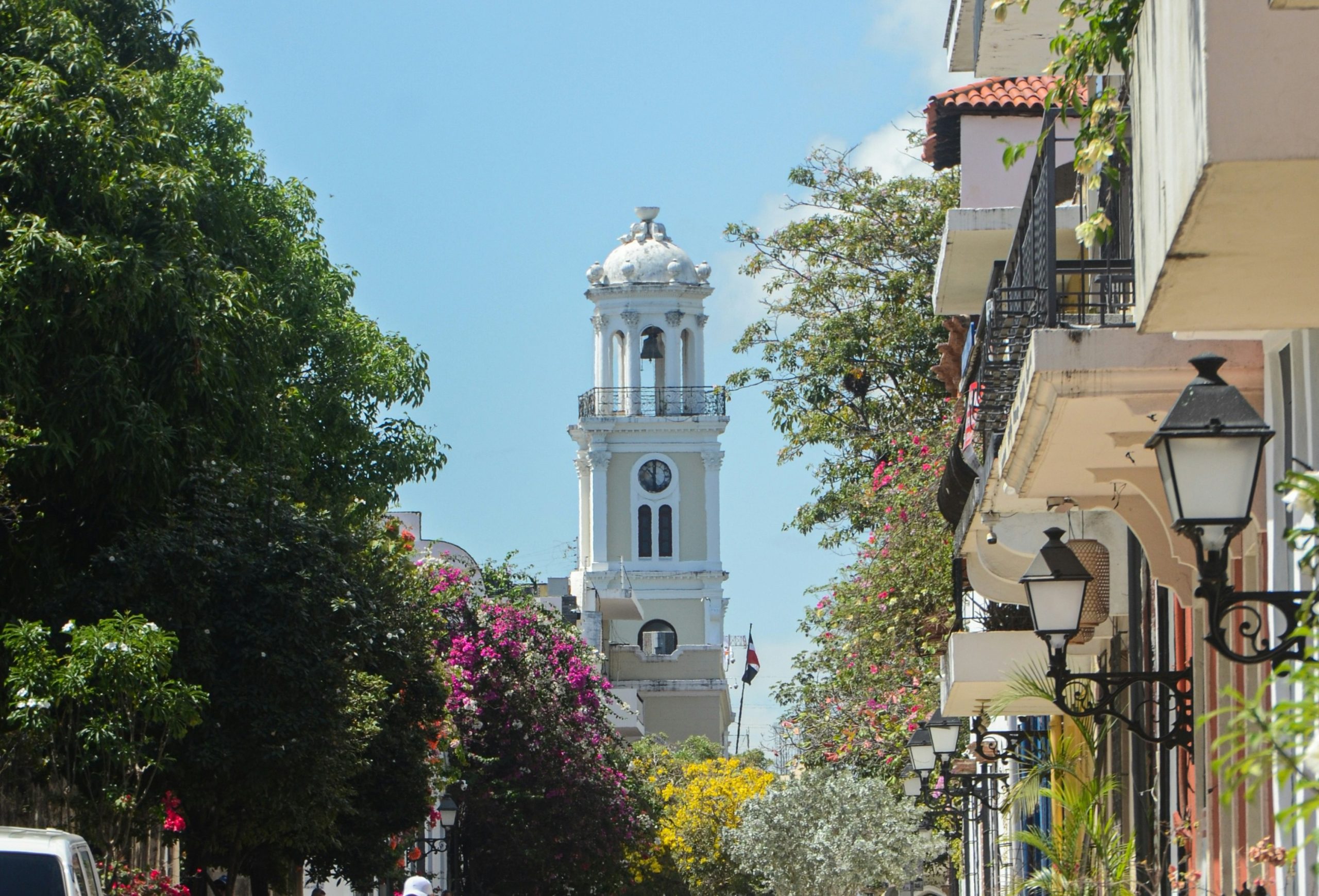
    This meticulously curated agenda masterfully blends profound religious observances with vibrant cultural entertainment. Traditional ceremonies, including solemn masses, the Stations of the Cross, religious processions, and the Sermon of the Seven Last Words, will be held alongside dynamic concerts, immersive gastronomic experiences, and family-oriented open-air activities. The program leverages the city’s most iconic historical sites as its backdrop, with events set within the Catedral Primada de América, Parque Colón, Parque Duarte, and the atmospheric Ruinas de San Francisco.

    The week-long schedule is packed with significant highlights aligned with the liturgical calendar. It commences with Palm Sunday celebrations, progresses through Holy Thursday liturgies and Good Friday’s poignant processions and concerts, and culminates in the Easter Vigil on Holy Saturday, followed by joyous Easter Sunday events featuring live dramatizations and musical performances. By integrating faith, history, and entertainment, MITUR aims to significantly boost Santo Domingo’s appeal as a safe, family-friendly destination during the holiday period. The initiative is a cornerstone strategy to promote local cultural heritage, showcase national gastronomy, and stimulate economic activity through sustainable tourism.

  • RFI Theatre Prize 2026 : Call for Submissions Open

    RFI Theatre Prize 2026 : Call for Submissions Open

    Radio France International (RFI) has officially opened submissions for its prestigious 13th annual RFI Theatre Prize 2026, continuing its mission to discover and promote exceptional theatrical talent from French-speaking regions worldwide. The competition specifically targets emerging playwrights aged 18-46 from Francophone Africa, Lebanon, Haiti, the Caribbean, Indian Ocean nations, and the Middle East, creating a unique platform for voices from the Global South.

    Submissions will remain open until midnight on April 27, 2026, with applicants required to submit original, unpublished French-language plays containing at minimum 15 numbered pages. In a notable inclusion policy, the competition also welcomes nationals from eligible countries who have resided in France for less than four years and hold valid residence permits or refugee status, acknowledging complex political circumstances that might otherwise exclude talented writers.

    The selection process will identify approximately twelve shortlisted works based on literary merit, dramatic quality, and creative originality. These finalists will proceed to jury evaluation ahead of the ultimate winner announcement scheduled for September 2026 in Limoges during the ‘Les Zébrures d’automne’ festival organized by ‘Les Francophonies – Des écritures à la scène’.

    Beyond the prestige of the award itself, the RFI Theatre Prize offers comprehensive professional development support including: a creative residency at Villa Saint Louis Ndar in Senegal; a stage development residency at Centre Dramatique National de Normandie-Rouen; financial grant from Société des Auteurs et Compositeurs Dramatiques (SACD); writing residencies in Limoges and Paris through Institut français and Théâtre Ouvert; RFI media promotion and broadcast opportunities; and a public reading during the Avignon Festival’s ‘Ça va, ça va le monde!’ series.

    Prospective applicants must carefully review competition guidelines and thoroughly proofread their submissions before sending completed texts with registration forms to prix.theatre@rfi.fr. Official rules and entry forms are available for download through RFI’s partnered platforms.

  • Energy and data: International project boosts university resilience in Cuba

    Energy and data: International project boosts university resilience in Cuba

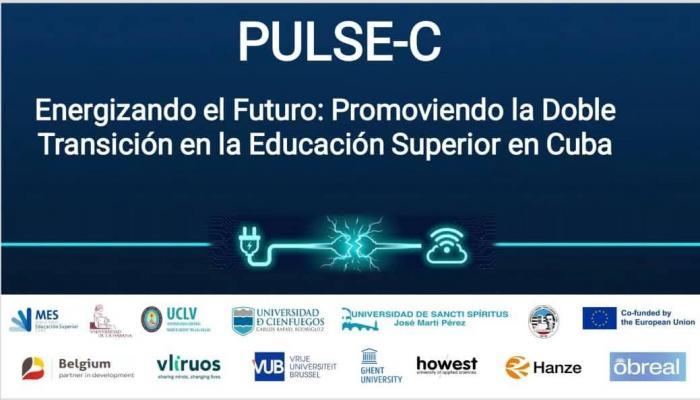
    In a significant stride toward energy independence, the University of Camaguey in Cuba is poised to undergo a major technological transformation through the installation of a comprehensive photovoltaic system with energy storage capabilities. This initiative forms part of the broader PULSE-C project, an international academic partnership connecting European nations with Cuban institutions to advance both energy and digital transitions within higher education.

    The four-year endeavor, operating under the European Union’s ERASMUS+ program framework, specifically targets the enhancement of operational continuity for the university’s most critical infrastructure. According to Dr. Eduardo Sierra Gil, Director of Science, Technology and Innovation at the University of Camaguey, the solar energy system will provide essential power security to vital facilities including the Electroenergetics Testing Laboratory (LEPEL) and the institution’s Data Hub.

    “This project represents more than just technological implementation—it embodies institutional resilience,” explained Dr. Sierra Gil. “By integrating solar panels with advanced storage systems, we guarantee uninterrupted operation of our most strategic services regardless of external power disruptions.”

    The international collaboration brings together academic expertise from Belgium, the Netherlands, Spain, and multiple Cuban universities, with coordination handled domestically by the Central University “Marta Abreu” of Las Villas. Beyond immediate infrastructure benefits, the initiative serves as both a practical and pedagogical model for renewable energy implementation, demonstrating reduced environmental impact while providing hands-on learning opportunities for students in related disciplines.

    Funded through a partnership between the European Education and Culture Executive Agency (EACEA) and the Flemish Interuniversity Council (VLIR-UOS), the project highlights higher education’s expanding role in driving sustainable development. For the University of Camaguey—the first university established following the Cuban Revolution—this initiative marks a concrete advancement toward energy sovereignty and digital modernization within academic institutions.

  • The blockade limits the full performance of the Cuban economy

    The blockade limits the full performance of the Cuban economy

    Cuban Foreign Minister Bruno Rodríguez Parrilla has launched a vehement condemnation against the United States, accusing the nation of escalating its long-standing economic pressure into what he describes as a “fierce blockade” against Cuban fuel supplies. The diplomatic offensive was delivered via the minister’s official Twitter account, accompanied by visual evidence of the post.

    In his social media statement, Rodríguez Parrilla characterized the US economic campaign against Cuba as a sustained 67-year war designed to systematically cripple the nation’s development. The Foreign Minister detailed how these measures intentionally restrict Cuba’s operational capabilities, damage economic foundations, impede productive growth, eliminate revenue streams, and block access to international markets and technological advancements.

    Rodríguez Parrilla further articulated that such “asymmetric, abusive, and ruthless aggression” represents disproportionate action against a government that US critics frequently label as incompetent. The Minister turned this criticism on its head, suggesting instead that the intensity of the economic assault demonstrates Washington’s recognition of Havana’s resilient governance structures.

    The Cuban diplomat concluded his statement with a striking assertion: the very persistence and severity of US economic measures acknowledge the strength and viability of Cuba’s socialist system. He maintained that America resorts to such brutal tactics precisely because of Cuba’s proven commitment to social justice principles and international solidarity, which continues to withstand decades of external pressure.

  • Haiti is disproportionately suffering the impacts of climate change

    Haiti is disproportionately suffering the impacts of climate change

    At the 124th Special Meeting of the CARICOM Council for Trade and Economic Development (COTED) in Georgetown, Guyana, Haiti’s Environment Minister Valéry Fils-Aimé delivered a powerful plea for climate justice, highlighting the severe and disproportionate burden his nation bears from global environmental crises. The high-level assembly, which convened environment ministers from across the Caribbean alongside international donors and partner institutions, served as a critical platform to forge a unified regional stance ahead of the pivotal COP31 climate negotiations.

    Minister Fils-Aimé framed climate change not as a distant threat but as an immediate and relentless daily reality for the Haitian populace. He detailed how each climate-related catastrophe poses a direct challenge to survival, systematically eroding the nation’s infrastructure, devastating livelihoods, and severely compromising community security. This constant state of vulnerability, he argued, is profoundly unjust given Haiti’s negligible contribution to global CO2 emissions.

    The minister’s address centered on three core demands essential for building national resilience. First, he advocated for radically simplified and equitable access to international climate finance, arguing that existing mechanisms are often too bureaucratic for the world’s most vulnerable nations. Second, he pushed for the urgent implementation of concrete adaptation measures, specifically championing large-scale reforestation projects, the sustainable management of natural resources, and critical investments in green infrastructure. Finally, his speech was a clarion call for strengthened regional solidarity within CARICOM, emphasizing that a collective voice is paramount in upcoming global forums.

    In his concluding remarks, Fils-Aimé urged member states to rally behind a definitive ‘survival agenda.’ This agenda, focused squarely on adaptation, accessible finance, and climate justice, is designed to ensure Caribbean nations present a powerful, consolidated front in international dialogues, demanding that those who pollute the least are no longer forced to pay the highest price.

  • Petroleum Products – Price Setting, Installation of Advisory Council Members (video)

    Petroleum Products – Price Setting, Installation of Advisory Council Members (video)

    In a strategic response to fluctuating global oil markets, the Haitian government has formally inaugurated a specialized Advisory Council to oversee petroleum product pricing mechanisms. The establishment ceremony, presided over by Economy and Finance Minister Serge Gabriel Collin on March 29, 2026, at the Prime Minister’s Office, marks a significant step toward market stabilization.

    The newly formed council represents a tripartite collaboration between government entities, labor unions, and petroleum industry stakeholders. Its nine-member composition includes three representatives from labor unions (Montès Joseph, Jacques Anderson Desroches, and Méhu Changeux), three government delegates (Vladimyr Monval, Steeve Polycarpe, and Jean Nerva Siméon), and three industry specialists from oil companies and distribution associations (Mildred Noisy, David Turnier, and Jean Jackson Marseille).

    This advisory body assumes critical responsibilities including continuous monitoring of pricing mechanism implementation, rigorous assessment of product quality standards and regulatory compliance, and development of policy recommendations to enhance petroleum market governance. The council is mandated to deliver periodic reports to relevant governmental authorities.

    A cornerstone of the new framework involves a comprehensive pricing structure that transparently incorporates importation costs, tax and duty components, logistical expenses, and reasonable operator profit margins. This approach aims to balance market sustainability with consumer protection.

    During the installation proceedings, Minister Collin and Social Affairs Minister Marc-Élie Nelson jointly emphasized the government’s dual commitment to safeguarding economically vulnerable populations and supporting industries most affected by price fluctuations, particularly within the ongoing humanitarian crisis context. The initiative represents a structured effort to mitigate the impact of international oil price volatility on Haiti’s domestic economy.

  • Dominican government authorizes new international airport in Montecristi

    Dominican government authorizes new international airport in Montecristi

    The Dominican government has officially sanctioned the development of Montecristi International Airport through presidential decree 146-26, marking a significant infrastructure advancement for the nation’s northwestern region. President Luis Abinader formally authorized the project, which will be entirely financed through private investment while maintaining operational oversight by the state.

    This strategic initiative is designed to enhance international air transport capabilities and serve as a catalyst for economic revitalization in the northwest territories. The airport will function under a commercial investment model, representing a public-private partnership approach to infrastructure development.

    Aviation authorities confirm the facility will feature comprehensive operational services including immigration processing, customs clearance, health protocols, and security measures—all engineered to meet stringent international aviation standards. The development aligns with the government’s broader vision to transform Montecristi into a strategic center for tourism expansion, logistics operations, and industrial growth.

    Economic analysts project the airport will generate substantial employment opportunities while attracting increased foreign tourism and business investment to previously underserved regions. The enhanced connectivity is expected to create synergistic effects across multiple sectors, potentially reshaping the economic landscape of the Dominican Republic’s northwestern provinces.

  • Dominican Republic and Switzerland move toward social security agreement

    Dominican Republic and Switzerland move toward social security agreement

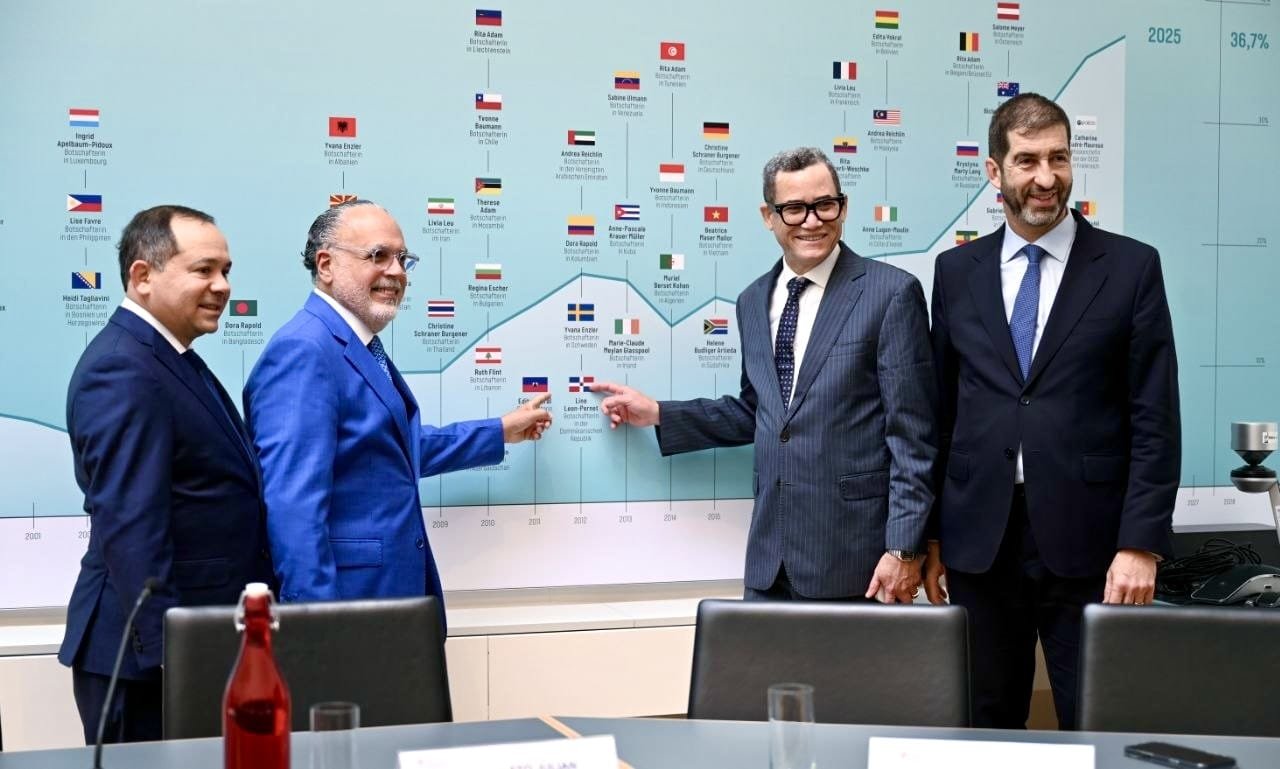
    BERN, SWITZERLAND – Significant progress has been made in bilateral negotiations between the Dominican Republic and Switzerland concerning two pivotal agreements, as confirmed by Dominican Labor Minister Eddy Olivares Ortega. The high-level discussions, held at Switzerland’s Federal Department of Foreign Affairs, centered on finalizing a social security pact and a pending readmission agreement.

    The cornerstone of the talks was a proposed social security treaty designed to protect the pension and welfare rights of migrant workers. This landmark agreement would enable citizens from both nations to amalgamate their contribution periods accrued in each country. This mechanism ensures that individuals who have worked in both jurisdictions will not forfeit their entitlements, thereby streamlining access to retirement pensions and health insurance benefits.

    In a parallel development, Minister Olivares, accompanied by Dominican Ambassador Pablo Valentín, received confirmation that a revised readmission agreement is now prepared for formal signing. Swiss authorities have completed their internal review processes and are awaiting the final endorsement from the Dominican government to proceed.

    The broader diplomatic dialogue also encompassed a comprehensive review of Swiss-Dominican relations. Both parties explored avenues for enhanced cooperation in critical domains including labor regulations, sustainable economic development, and multilateral engagement. Swiss officials particularly acknowledged the Dominican Republic’s robust institutional framework and its strong economic trajectory under the administration of President Luis Abinader, noting his government’s commitment to reinforcing democratic governance. The nation’s active role in the International Labour Organization was also a key point of discussion.

  • Digesett integrates accident zones into Waze to boost road safety

    Digesett integrates accident zones into Waze to boost road safety

    SANTO DOMINGO – In a groundbreaking move to combat traffic accidents, the Dominican Republic’s General Directorate of Traffic Safety and Land Transportation (Digesett) has launched a strategic technological initiative. Partnering with WazeDom, the local partner for the navigation app, Digesett has mapped and integrated data on high-risk accident zones directly into the Waze platform.

    This integration, which became active at the start of the week, empowers the application to deliver real-time audio and visual alerts to motorists as they approach these identified danger spots. Drivers will now receive a specific warning: ‘Critical zone nearby, reduce speed.’ This direct intervention is engineered to proactively modify driver behavior by prompting reduced speeds and increased vigilance in areas with a historically high incidence of collisions.

    The initiative represents a core component of Digesett’s broader national strategy for road safety, which synergizes advanced technology, data analytics, and public education campaigns. Government authorities have highlighted the indispensable role of digital navigation tools in building a safer transportation ecosystem. They assert that leveraging apps like Waze is crucial for not only preventing accidents but also for enhancing overall traffic mobility throughout the nation. While embracing this technological aid, officials concurrently reiterated the imperative for all drivers to adhere to traffic regulations and remain acutely aware of all in-app safety notifications.