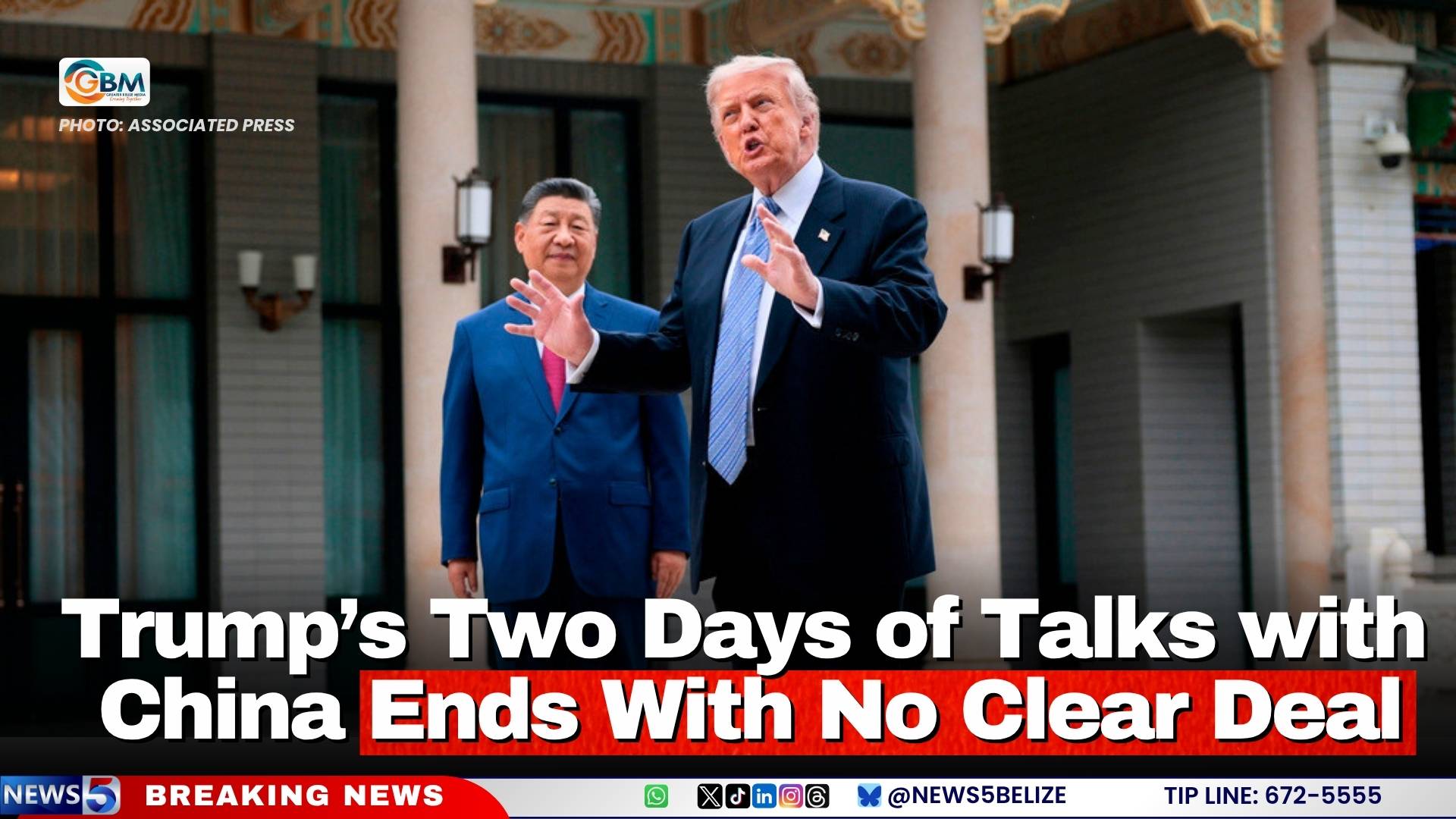
After two days of high-stakes bilateral discussions hosted in Beijing, former U.S. President Donald Trump has concluded his summit meeting with Chinese President Xi Jinping, leaving the international community with little clarity on concrete progress and conflicting narratives from both sides. The talks, held on May 14 and 15 2026, addressed many of the most contentious and urgent issues shaping global geopolitics and economic cooperation, but failed to deliver any officially confirmed, mutually agreed-upon deals.
On the economic front, Trump claimed in an interview with Fox News that China had committed to purchasing 200 commercial aircraft from U.S. manufacturing giant Boeing, framing the arrangement as a major win that would deliver mutual economic benefits to both nations. However, neither Chinese officials nor Boeing representatives have issued any confirmation of this alleged agreement. Following the summit, Boeing’s stock price dropped by more than 4 percent in trading on Friday, reflecting investor uncertainty over the outcome of the talks.
Official statements released by both governments outline the topics covered by the two leaders, but the content of these documents only aligns in a small number of areas, highlighting deep divisions on key geopolitical issues. When addressing the ongoing war in Iran, for example, the two sides offered starkly different framing. The White House stated that both leaders had reached a joint commitment that “Iran can never have a nuclear weapon.” By contrast, China’s official readout of the meeting made no mention of this specific pledge, instead noting that the conflict “should never have happened” and calling for all parties to pursue a negotiated political resolution to end the violence.
Discussions over the Strait of Hormuz, a critical global shipping chokepoint that is central to international energy supplies, also revealed mismatched accounts. The White House claimed that Xi voiced opposition to the militarization of the waterway and indicated China was interested in expanding imports of U.S. crude oil. Neither of these points appears anywhere in China’s official statement on the summit.
The deepest rift between the two sides emerged over the issue of Taiwan, which Beijing considers an inalienable part of its sovereign territory. During the talks, Xi identified Taiwan as “the most important issue in China-US relations” and issued a clear warning that mishandling the sensitive topic could lead to “clashes and even conflicts” between the two major powers. Notably, the White House’s post-summit public statements made no mention of Taiwan at all, an omission that underscores the ongoing disagreement over the status of the island.
The only concrete, mutually confirmed outcome of the two-day summit is an agreement that Xi will conduct an official state visit to the United States in the autumn of 2026, a planned diplomatic engagement that is expected to open another window for high-level talks between the two powers.