Across Barbados’ education system, school guidance counsellors are sounding the alarm over a steady, marked rise in students presenting with depression, anxiety and a range of other emotional and behavioral challenges, and are urging education authorities to deploy more full-time support staff to meet the surging need for student mental health care.
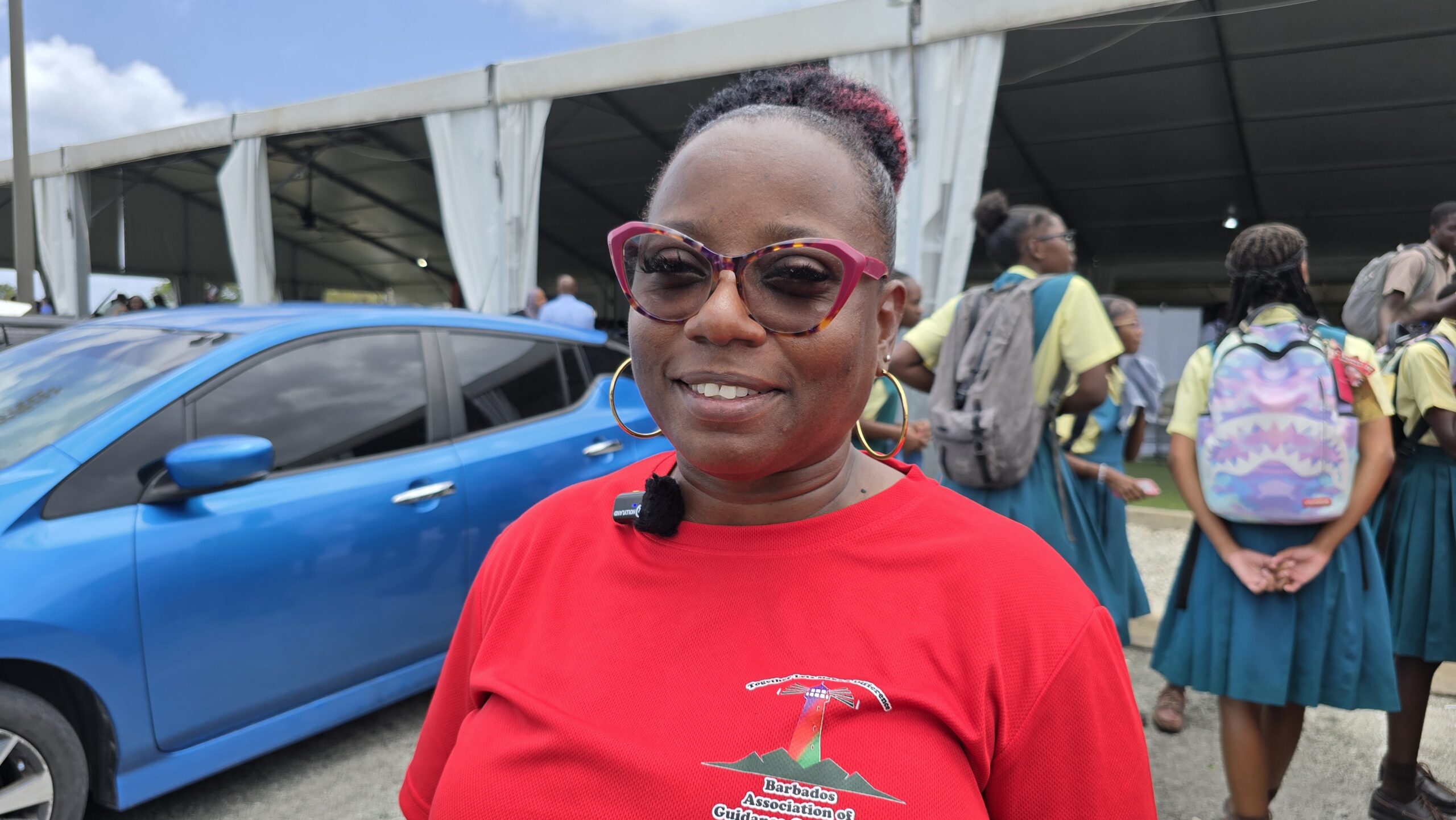
Shernell Clarke, president of the Barbados Association of Guidance Counsellors, outlined the growing strain on the sector’s existing workforce in an interview with Barbados TODAY on Friday. Clarke explained that most schools currently operate with just one lone guidance counsellor, who is responsible for a sprawling list of duties beyond direct student mental health support: from career coaching and personal development advising to teaching mandatory Health and Family Life Education courses. Even as counsellors continue to fulfill their obligations, the cumulative workload has become unsustainable for many, she said.
“We are not complaining about the work itself, but we cannot ignore that the demand for our services has grown exponentially,” Clarke noted. “Right now, many institutions share part-time counselling resources across multiple school campuses, which means on-site support is not consistently available when students need it. Having two full-time, dedicated counsellors on every campus would be far more effective than relying on one permanent staff member and one rotating, shared professional who is only present occasionally.”
Clarke emphasized that while there has not been a noticeable spike in violent or severely disruptive student behavior, the number of children seeking and requiring targeted emotional support is far higher than it was in pre-pandemic and previous years. Unlike outdated disciplinary approaches that only address outward behavior, Clarke said Barbados’ guidance counsellors prioritize root-cause intervention, working to unpack the underlying issues driving negative actions rather than just punishing students for their conduct.
Most student mental health and behavioral challenges stem from three core sources: intense peer pressure to fit in, unstable home environments, and widespread socioeconomic strain, Clarke explained. Many young people struggle with dissatisfaction about their current life circumstances, and lack healthy outlets to express their frustration or a clear path to improve their situation. This unaddressed pressure can lead vulnerable students to turn to negative peer groups or harmful coping mechanisms as they seek a sense of status or belonging, she added.
While more students today are comfortable naming and discussing their emotional struggles than in past generations, many severe cases fall outside the scope of school-based guidance counselling. Clarke said outward referral to specialized mental health professionals is a core part of counsellors’ work, with staff regularly connecting students and families to advanced psychological care when needed. She did note, however, that many families referred to public mental health services ultimately opt for private care, a trend that may point to gaps in the public system’s ability to meet growing demand.
The work of supporting students through acute emotional and traumatic challenges also takes a toll on counsellors’ own mental health, but Clarke said the Barbados Association of Guidance Counsellors has put systems in place to support its members. The organization regularly hosts professional-led self-care and therapeutic sessions to help counsellors process emotional stress from their work, and maintains a peer support community where members can share their experiences and struggles without compromising student confidentiality. Counsellors are also often called in to support entire school communities during traumatic events such as the death of a student or staff member, and the association’s internal support systems help counsellors process the emotional weight of those responses.