博客

  • Kendra Beazer Launches Campaign for Barbuda: “One Barbuda. One Future.”

    Kendra Beazer Launches Campaign for Barbuda: “One Barbuda. One Future.”

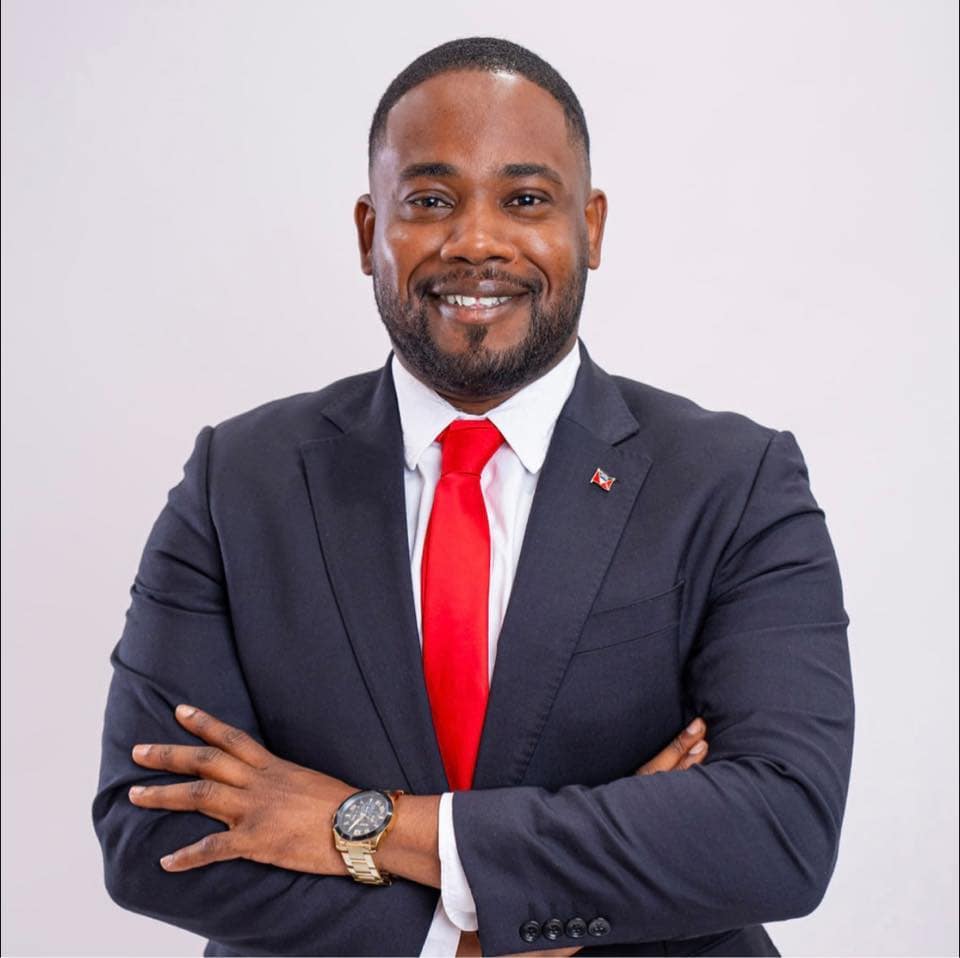
    Barbuda political hopeful Kendra Beazer has officially kicked off her electoral campaign, centering her bid for public office around a unifying vision framed under the slogan ‘One Barbuda. One Future.’ The launch event, held on the Caribbean island recently, drew dozens of local residents, party supporters and community organizers who gathered to hear Beazer outline her policy priorities for the territory.

    In her opening campaign address, Beazer emphasized that deep divisions across community groups and uneven development across different regions of Barbuda have held back the island’s shared growth over recent years. She argued that a collective, collaborative approach to governance is the only path forward to address pressing local challenges, from infrastructure improvement to sustainable economic development amid rising climate risks for small island states.

    Beazer, who has a background in community organizing and local public service, highlighted three core pillars of her campaign: expanding access to affordable housing for young Barbudan families, boosting sustainable tourism that benefits local small business owners rather than outside investors, and implementing more robust coastal protection measures to mitigate the impacts of sea level rise and tropical storm damage. She stressed that every resident of Barbuda, regardless of their neighborhood background or economic status, deserves a seat at the table when shaping the island’s long-term future.

    Local political analysts note that Beazer’s campaign enters a crowded field for the upcoming local election, but her focus on unifying, community-centered policy has already resonated with many voters frustrated by partisan infighting in recent governance cycles. As the election campaign progresses, she has planned a series of town halls across every parish of Barbuda to collect feedback from residents and refine her policy platform ahead of voting day.

  • Monroe magic

    Monroe magic

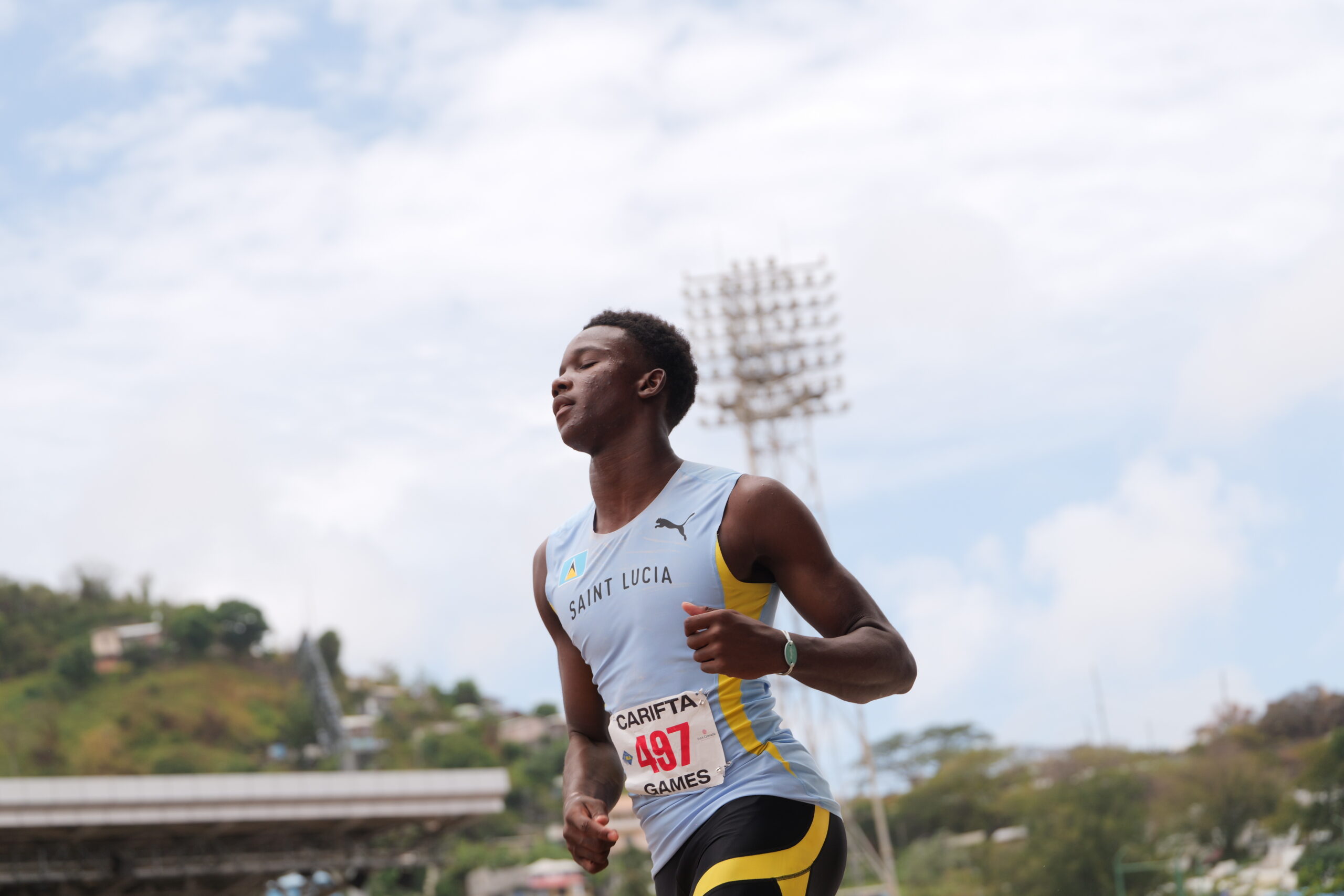
    On the truncated opening session of the final day of the 2026 CARIFTA Athletic Championships held in Grenada, a series of standout and mixed results unfolded for Caribbean athletes across field and track events. Saint Lucia’s rising young talent Randall Monroe made his first appearance at the regional championship a memorable one, securing a bronze medal in the Under-17 Boys’ Long Jump competition. Competing against some of the region’s top young jumpers, Monroe delivered a career-defining performance on his fifth attempt, leaping to a new personal best of 6.60 meters. The mark temporarily pushed him into the silver medal position before final adjustments to the standings dropped him one spot to third, giving him the bronze. This result marks Monroe’s second top-four finish of the championships, after he claimed fourth place in the Under-17 Men’s High Jump just the previous night. With Monroe’s bronze added to the tally, Saint Lucia’s total medal count now stands at four: one gold, one silver, and two bronze, cementing the country’s solid performance at this year’s regional meet. Across competing nations, Team Barbados looked to add to their already impressive nine-medal haul from earlier rounds of the championships, but the team left the abbreviated final-day opening session without adding any new medals to their total. Despite the lack of new medals, the day still brought multiple qualifying successes for Barbadian track athletes. In the Under-17 Girls’ 100m Hurdles semi-finals, Tiara McClean crossed the finish line in fifth place in her heat, clocking a time of 15.23 seconds. While the placing was outside the top four, her overall qualifying time was fast enough to advance her to the final of the event scheduled for Monday night. Barbadian hurdlers also saw success at the Under-20 level, with both Alika Harewood and Afia Greenidge securing their spots in the Under-20 Girls’ 100m Hurdles final. On the men’s side of the Under-20 hurdles, Tevon Cadougan earned the last available spot in the 110m Hurdles final with a time of 14.25 seconds, the slowest qualifying mark to advance. His compatriot Rashad Gibson missed out on a spot in the final by the narrowest of margins, finishing just four hundredths of a second behind Cadougan with a time of 14.29 seconds. In field event action for Barbados, Shamyra Scantlebury competed in the Under-17 Girls’ Javelin throw, posting a best throw of 27.95 meters across her attempts to finish ninth in the event. As the championships head into the final session Monday night, athletes who advanced to the finals will compete for regional gold, silver and bronze medals to cap off the annual gathering of the Caribbean’s top young track and field talent.

  • Iran dreigt met sluiting van Bab al-Mandeb: wat betekent dat voor de wereldhandel?

    Iran dreigt met sluiting van Bab al-Mandeb: wat betekent dat voor de wereldhandel?

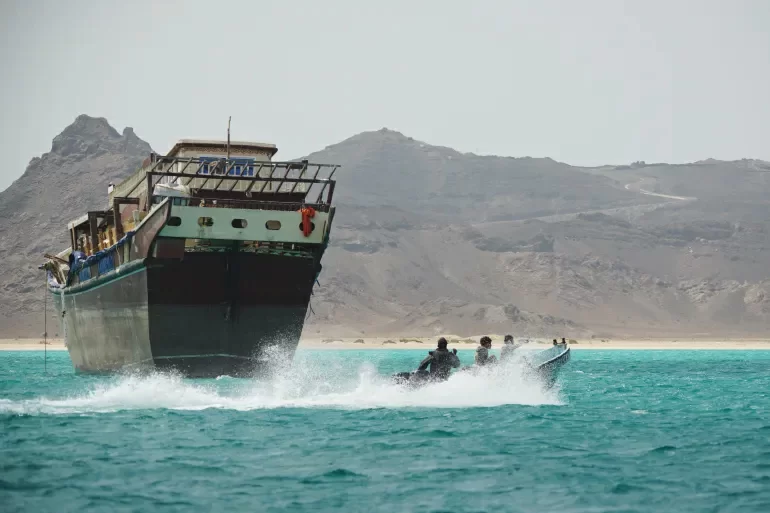
    As escalating tensions between the United States and Iran continue to roil the Middle East, senior Iranian officials have issued stark new threats that Iranian-aligned forces could shut down the strategically vital Bab al-Mandeb strait, a move that would upend global energy supplies and international commerce. The warning comes after Iran effectively restricted shipping through the Strait of Hormuz, another critical chokepoint for global energy trade, and follows escalating hostile rhetoric between Tehran and the Trump administration.

    Top advisers to Iran’s Supreme Leader and veteran Iranian diplomats have doubled down on the threat of closing the strait. Mojtaba Khamenei, a senior adviser to Iranian Supreme Leader Ali Khamenei, warned that Iran’s regional allies could shut down Bab al-Mandeb in the same way Iran has already constrained access to the Strait of Hormuz. Ali Akbar Velayati, an influential former Iranian foreign minister, reinforced the message, stating that the unified command structure of the so-called ‘Axis of Resistance’ views Bab al-Mandeb as strategically equivalent to Hormuz. If the White House continues what Velayati called its ‘foolish mistakes,’ he warned, global energy and trade flows could be disrupted with a single action. Iran’s state-owned broadcaster Press TV has officially confirmed these warnings.

    The threats are a direct response to recent aggressive rhetoric from former U.S. President Donald Trump, who has threatened to bomb Iranian energy infrastructure, including power plants, bridges, and desalination facilities, if the Strait of Hormuz remains closed to international traffic. Iran has countered that the strait remains open to shipping from most nations that negotiate safe passage, explicitly excluding only the United States and Israel.

    ### Why Bab al-Mandeb Matters to the Global Economy
    Located between Yemen on its northeastern shore and Djibouti and Eritrea in the Horn of Africa to the southwest, Bab al-Mandeb links the Red Sea to the Gulf of Aden, which connects to the Indian Ocean. At its narrowest point, the strait is just 29 kilometers wide, with only two shipping lanes for incoming and outgoing traffic, making it extremely vulnerable to blockades. Today, the strait is effectively controlled by the Iran-backed Houthi movement of Yemen, which is part of Tehran’s ‘Axis of Resistance,’ a coalition of ideologically and tactically aligned groups across the Middle East.

    As the only maritime gateway from the Indian Ocean to the Red Sea, which connects via the Suez Canal to the Mediterranean, Bab al-Mandeb handles roughly 12 percent of total global trade every year. A closure would force commercial vessels to divert on to a much longer route around the southern tip of Africa, extending delivery times by 10 to 14 days and sharply increasing shipping and insurance costs.

    In 2024 alone, roughly 4.1 billion barrels of crude oil and refined petroleum products passed through the strait, accounting for 5 percent of total global seaborne oil shipments. When combined with the Strait of Hormuz, which normally carries 20 percent of the world’s oil and natural gas, a simultaneous closure of both chokepoints would block 25 percent of global energy supplies. Beyond energy, roughly 10 percent of all global container trade, including goods shipped from China, India, and other Asian manufacturing hubs bound for European markets, transits the strait.

    The strategic importance of Bab al-Mandeb has grown dramatically since Iran restricted access to the Strait of Hormuz. Saudi Arabia, which historically relied heavily on Hormuz for its oil exports, has increasingly shifted shipments through its Red Sea port of Yanbu, using the East-West Pipeline that runs from the Abqaiq oil field to Yanbu, operated by state oil giant Aramco. In March, the pipeline was operating at full capacity of 7 million barrels per day, an all-time record, reflecting the new reliance on the Bab al-Mandeb route.

    ### Can the Houthis Actually Close the Strait?
    Yemen’s Houthi movement has already demonstrated its ability to disrupt shipping through the strait. During the 2023-2024 Gaza war, the group launched repeated attacks on vessels it deemed linked to Israel or the United States, prompting global insurance providers to stop covering commercial ships transiting the area. Shipping volumes through the strait fell sharply as a result, before a ceasefire agreement between the U.S. and the Houthis in May 2025 reopened the route to most traffic.

    In recent weeks, the Houthis have resumed rocket and drone attacks targeting Israel, marking their renewed participation in regional hostilities, though they have not yet resumed attacks on U.S.-linked commercial shipping. Former U.S. diplomat Nabeel Khoury noted that recent Houthi attacks are largely symbolic, intended as a warning against escalating regional tensions and the deployment of additional U.S. forces to the Middle East. But if the group decides to fully escalate, closing Bab al-Mandeb is its most powerful weapon.

    “All they need to do is attack a handful of ships passing through, and all commercial shipping in the Red Sea will come to a standstill,” Khoury explained. “That would cross a red line, and you would very quickly see U.S. and Israeli military strikes on Houthi targets in Yemen.”

    ### Global Implications of a Closure
    Middle East expert Elisabeth Kendall, president of Girton College at the University of Cambridge, described a full closure of Bab al-Mandeb as a “nightmare scenario” for the global economy. If the Strait of Hormuz remains restricted and Bab al-Mandeb is closed, she warned, trade bound for Europe would be severely disrupted, potentially even paralyzed.

    “This is an extremely critical situation, and everything depends on what happens next,” Kendall said. She added, however, that the Houthis are likely hesitant to take such a drastic step, as it would provoke a direct military response from Saudi Arabia and trigger broader counterattacks from Western and allied forces. A full closure would also worsen the ongoing global energy crisis sparked by the Middle East conflict, amplifying economic hardship for households, manufacturers, and consumers around the world.
  • Sports Minister Hails Two More CARIFTA Medals as ‘Proud Moment’ for Antigua and Barbuda

    Sports Minister Hails Two More CARIFTA Medals as ‘Proud Moment’ for Antigua and Barbuda

    The annual CARIFTA Games, one of the Caribbean’s most prestigious regional track and field competitions, has delivered another pair of historic moments for Antigua and Barbuda, with two young javelin athletes securing podium finishes that have earned high praise from the nation’s top sports official. Daryll Matthew, the country’s Sports Minister, has publicly extended his warm congratulations to under-20 competitor Maliek Francis and under-17 athlete Zonique Charles, framing their achievements as a source of deep national pride. Francis stepped onto the bronze medal stand in the men’s under-20 javelin event, marking the third medal that Antigua and Barbuda has earned across all competitions at this year’s CARIFTA Games. Minister Matthew highlighted that Francis delivered a disciplined, high-energy performance from start to finish, one that resonated across the small twin-island nation and left sports fans proud of the young athlete’s hard work. Not long after Francis’ landmark finish, Charles followed with an equally impressive showing in the women’s under-17 javelin competition, where she claimed the silver medal to secure Antigua and Barbuda’s fourth medal of the regional championships. Minister Matthew emphasized that Charles’ standout effort left the entire nation celebrating, noting that her consistent training and competitive grit paid off on one of the region’s biggest youth athletic stages. Matthew’s public statements of congratulations come as Antigua and Barbuda continues to build growing momentum throughout the multi-day championships, with young athletes continuing to exceed expectations and deliver historic results for their country.

  • LISTEN: After Alfa Nero Court Win, Browne Warns He Will Retain Top Lawyers if Legal Action Continues Against Him

    LISTEN: After Alfa Nero Court Win, Browne Warns He Will Retain Top Lawyers if Legal Action Continues Against Him

    Antigua and Barbuda Prime Minister Gaston Browne has announced plans to deploy top-tier, high-cost legal representation against his political and legal opponents after securing a favorable ruling from a United States court in the high-profile Alfa Nero yacht appeal case. In a recent public broadcast appearance, the leader doubled down on his stance, warning that any further challenges from his accusers will be met with escalated legal action designed to inflict meaningful financial consequences.\n\nThe legal dispute centered on unsubstantiated claims that Browne and his administration engaged in corrupt practices tied to the sale of the superyacht Alfa Nero, with additional allegations linking the case to questionable Venezuelan oil and gold transactions. Browne has long maintained that these accusations were entirely baseless, framing the entire investigation as a “fishing expedition” launched by his opponents to damage his reputation and undermine his government.\n\nThe recent US court decision brought an end to ongoing discovery proceedings in the case, after a full review of financial records failed to turn up any evidence of wrongdoing on the part of Browne or the government. The court quashed the original subpoena and dismissed the appeal against the prime minister, a outcome Browne calls complete vindication. Despite his accusers having full access to sensitive banking and financial data, investigators were unable to document any improper transactions or misuse of public funds, a result Browne says confirms his long-stated innocence.\n\nWith the case now resolved in his favor, Browne has outlined two key next steps. First, his administration is moving to recover hundreds of thousands of dollars in public funds that were spent to cover legal defense costs, which he justified as appropriate because he was acting in his official capacity as head of government when the allegations were made. Second, Browne has already launched an independent $1 million defamation lawsuit against US-based attorney Martin DeLuca and his law firm, seeking damages for the reputational harm he claims he sustained as a result of the false allegations.\n\nLooking ahead, Browne issued a stark warning to any opponents considering continuing to challenge the court ruling. He stated that if accusers choose to pursue further litigation, he will retain what he called “the most expensive lawyers in the world” to counter their claims, with the explicit goal of ensuring any resulting legal costs levied against his opponents are severe enough to “hurt them.” The prime minister emphasized that the court’s decision has permanently validated his position that no laws were broken and no public money was misused in the Alfa Nero transaction.

  • Man to appear in court over fatal Bank Hall fire

    Man to appear in court over fatal Bank Hall fire

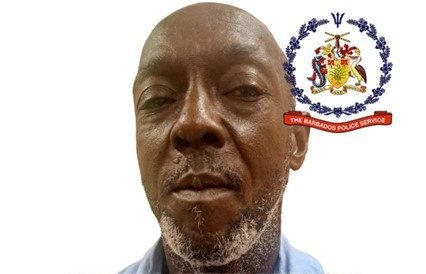
    Authorities in St Michael have levied serious criminal charges against a local man in connection with the death of 51-year-old Shanell Smith and a deliberate house fire that led to the discovery of her body.

    The 54-year-old suspect, a resident of Bank Hall where the incident unfolded, faces two counts: arson and murder. The tragedy unfolded on March 27, when emergency services responded to a raging residential fire in the Bank Hall neighborhood. After crews successfully extinguished the blaze, they made the grim discovery of Smith’s body inside the damaged property.

    The accused has been identified as Ricardo Okella Stanford. He is set to make his first court appearance before District ‘A’ Criminal Court on April 7, where legal proceedings in the case will formally get underway. Local authorities confirmed the details of the charges and upcoming court date in an official statement.

  • Daryll Matthew Highlights Continued Roadworks in Creekside and Nut Grove

    Daryll Matthew Highlights Continued Roadworks in Creekside and Nut Grove

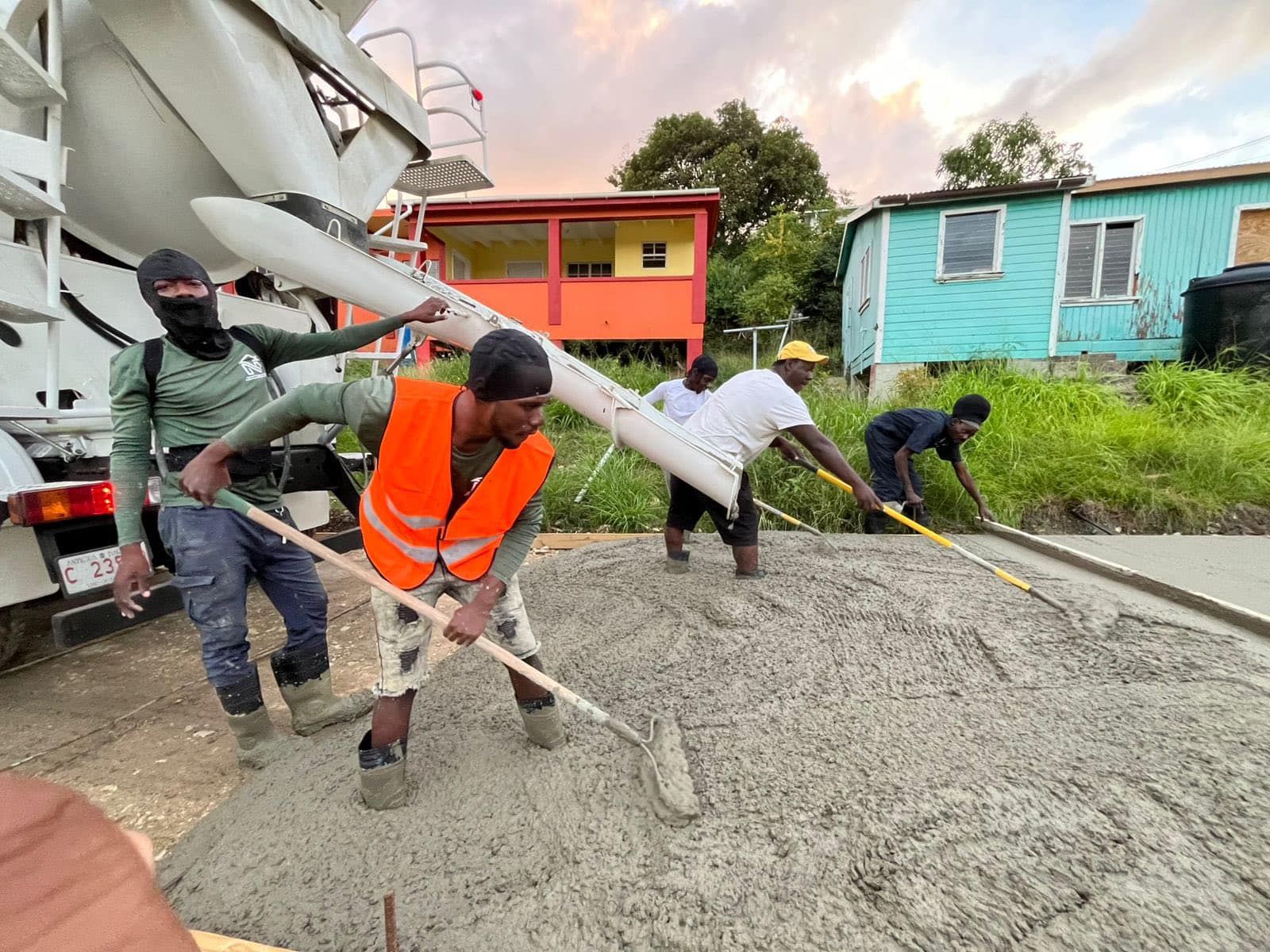
    Ongoing infrastructure upgrade initiatives are transforming transportation networks across multiple residential communities, with local political candidate Daryll S. Matthew, who is running for the St John’s Rural South seat, releasing the latest progress updates for two key project sites: Creekside and Nut Grove. In a public statement shared this Monday, Matthew confirmed that construction teams have maintained consistent momentum on road improvement works in the Creekside region. He framed the ongoing construction as a core component of a broader pledge to deliver transportation infrastructure that meets the needs of local residents, prioritizing enhanced safety and durability for daily commutes and local travel. Beyond Creekside, Matthew also reported that rehabilitation and upgrade projects in Nut Grove are advancing on schedule, with no major delays reported to date that would disrupt the project timeline. These targeted works form part of a larger constituency-wide push to overhaul aging road networks. For years, local residents have raised consistent concerns about deteriorating road conditions and underfunded community infrastructure, prompting authorities to launch a series of coordinated rehabilitation projects to address these long-standing grievances. As construction teams continue their work across both sites, additional public updates on project milestones, timeline adjustments, and completion dates will be released to keep local communities informed.

  • Pope to Trump: ‘Find a Way Out of War’

    Pope to Trump: ‘Find a Way Out of War’

    In a high-profile public intervention ahead of the 2026 Easter holiday, Pope Leo XIV — the first American-born pontiff in the history of the Catholic Church — has issued a direct appeal to former U.S. President Donald Trump to seek a diplomatic exit from rapidly escalating tensions between the United States and Iran. The rare public naming of a sitting U.S. leader by the pontiff marks a significant shift in the Vatican’s public engagement with the ongoing crisis, according to details of the pope’s comments shared during a recent CNN interview.

    Speaking amid the solemn observances of Holy Week, the Pope used his traditional Urbi et Orbi address, delivered to millions of faithful around the globe, to ramp up his push for global peace amid growing fears of open conflict. He centered his appeal on the urgent need for an “off-ramp” from confrontation, urging political and military leaders with the power to authorize armed conflict to choose diplomacy over violence. “Let those who have weapons lay them down,” the pontiff stated. “Let those who have the power to unleash wars choose peace.”

    Pope Leo XIV also pushed back firmly against emerging rhetoric that frames the escalating standoff through a religious lens, arguing that religious justifications for war have no place in Christian teaching. “Jesus is the King of Peace, who rejects war,” he emphasized. “He does not listen to the prayers of those who wage war but rejects them.” The pontiff further warned of a dangerous growing global indifference to widespread violence, noting that prolonged conflict has numbed global publics to the human cost of armed confrontation.

    Senior leaders across the Catholic Church have quickly voiced their unified support for the Pope’s stance. Cardinal Robert McElroy publicly cautioned against claims of divine backing for the conflict, describing it as morally unjustified. Archbishop Timothy Broglio, meanwhile, raised pointed questions about the legal and ethical foundation of pre-emptive military action against Iran, aligning with the Pope’s call for negotiated de-escalation.

  • Brooklyn Lyttle Leaps to Gold for Belize at CARIFTA 2026

    Brooklyn Lyttle Leaps to Gold for Belize at CARIFTA 2026

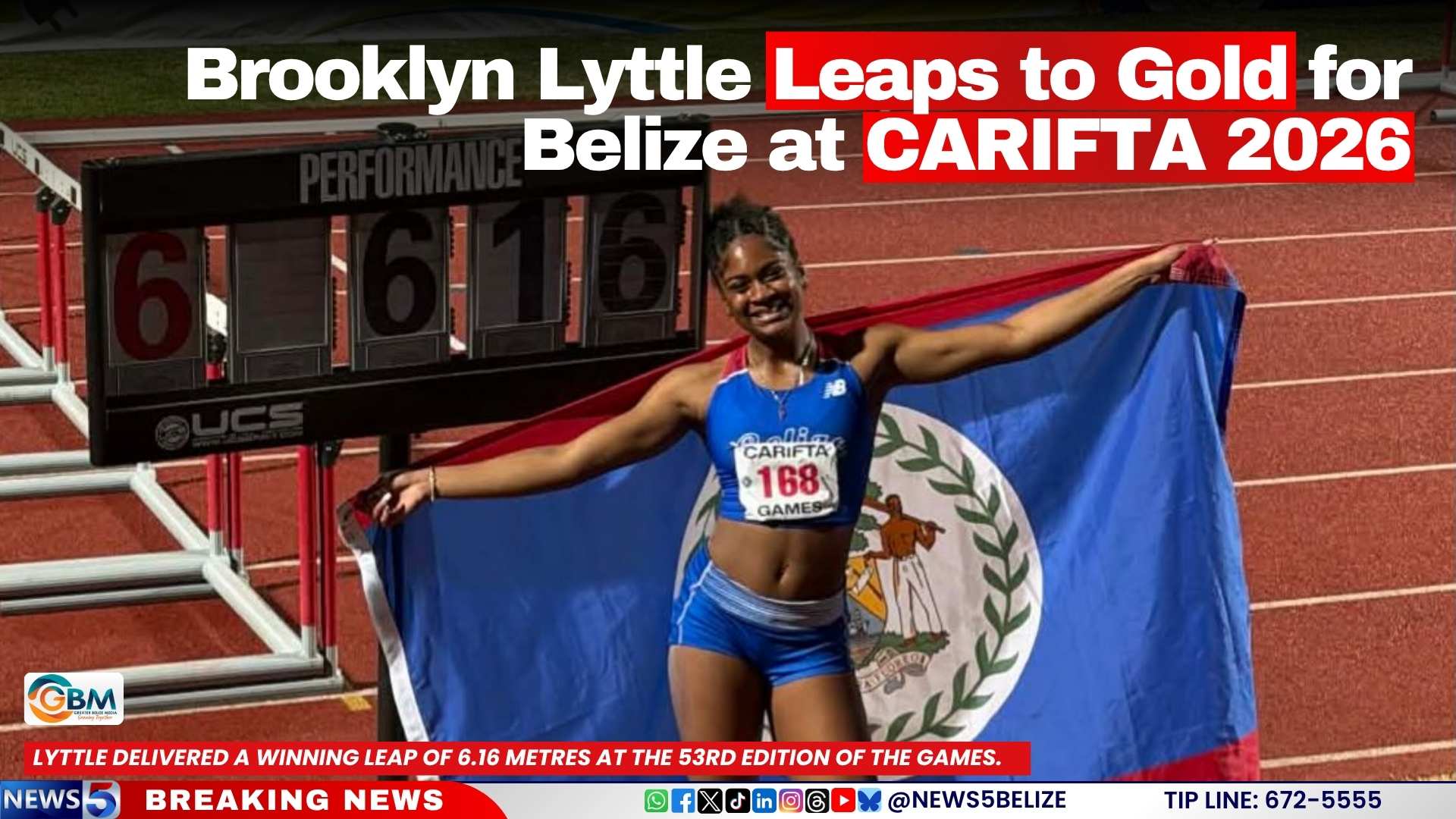
    As the 53rd edition of the CARIFTA Games wrapped up its three-day run at Grenada’s Kirani James Athletics Stadium on April 6, 2026, young Belizean athlete Brooklyn Lyttle delivered a historic, standout performance that put her nation firmly on the regional athletics map.

    Competing in the Girls’ Under-20 Long Jump event, Lyttle launched herself to a winning distance of 6.16 meters, a result that outpaced all competing athletes from across the Caribbean. Rivka Goede from Curaçao secured the silver medal with a jump of 5.80 meters, while Seannah Parsons of Trinidad and Tobago rounded out the top three, taking home bronze with a 5.76-meter leap.

    The news of Lyttle’s victory was quickly celebrated across Belize, with the Belize Olympic and Commonwealth Games Association issuing an official public statement on social media Sunday to honor the young champion. “Congratulations to Brooklyn Lyttle on winning GOLD in the Long Jump at CARIFTA 2026! An incredible achievement and a proud moment for Belize, your hard work, talent, and determination truly paid off! Way to represent, champion!” the association wrote.

    First launched decades ago, the CARIFTA Games stand as the Caribbean’s most prestigious annual junior track and field competition, drawing rising athletic talent from more than 20 member nations across the region. This year’s tournament ran from April 4 to 6, 2026, with Lyttle’s gold marking a landmark win that strengthens Belize’s growing profile in regional junior sports. For the small Central American and Caribbean nation, Lyttle’s victory is more than a single medal—it is a testament to the dedication of young emerging athletes and a moment of national pride that resonates far beyond the athletics stadium.

  • OP-ED: Sport is a universal language which serves as a powerful catalyst for social transformation

    OP-ED: Sport is a universal language which serves as a powerful catalyst for social transformation

    Against a backdrop of growing global fragmentation, the United Nations is gearing up to mark the 2026 International Day of Sport for Development and Peace (IDSDP) on April 6, shining a spotlight on sport’s unique, underrecognized power to drive cross-border solidarity, advance inclusive development, and break down systemic barriers.

    For decades, global leaders and development experts have framed sport as far more than a recreational pastime. The United Nations has long championed it as a transformative social force: even amid active conflict and deep political divisions, athletic activity creates neutral, shared space that connects communities across generational and national divides, eases isolation for marginalized groups, and fosters the dialogue, mutual respect, and solidarity that form the foundation of cooperation between nations. This unrivaled reach, universal popularity, and inherent foundation of positive values are what led the UN General Assembly to formally establish April 6 as a global observance of sport’s contributions to global peace and development.

    The 2026 IDSDP theme, “Sport: Building Bridges, Breaking Barriers,” amplifies growing international recognition of sport’s positive impact on advancing human rights, inclusive economic progress, and social equity. This year’s observance will center evidence-based strategies and proven best practices that demonstrate how sport delivers measurable progress toward the 2030 UN Agenda for Sustainable Development, with a particular focus on advancing public health, gender equality, reduced inequality, and inclusive, peaceful societies. Through cross-sector dialogue, collaborative partnerships, and shared community experiences, IDSDP 2026 will reaffirm sport’s role as a strategic development tool: one that connects diverse groups of people and dismantles barriers to full inclusion, upholding the core promise of the 2030 Agenda to leave no one behind.

    Concrete examples of sport’s unifying power stretch across decades and regions. For many, Jamaica’s historic 1998 FIFA World Cup qualification remains a defining example of how athletic achievement can rally an entire nation. When the Reggae Boyz secured their spot in the tournament, long-standing social divisions that typically split the country fell away, and the entire population united behind the team. Moments like these—when national flags are raised and anthems played at international competitions—forge a shared sense of national pride that transcends class, regional, and political divides.

    Closer to home for Caribbean nations, the annual CARIFTA Games stands as a long-running model of sport-driven regional integration. Founded in 1972 by then Amateur Athletic Association of Barbados president Austin Sealy, the games were launched to mark the transition from the Caribbean Free Trade Association (CARIFTA) to the Caribbean Community (CARICOM), with a core mission of strengthening ties between the region’s English-speaking countries. Held every Easter over three days, the games host more than 150 track and field competitions ranging from sprints and hurdles to jumping, throwing, and relay events. For half a century, the event has served as a foundational vehicle for regional integration, cross-border cooperation, peace, and inclusion across CARICOM member states.

    At the global level, the United Nations’ Football for the Goals (FFTG) initiative leverages football’s unmatched global reach to advance the Sustainable Development Goals (SDGs). As a membership-based platform, FFTG brings together the entire global football ecosystem—from grassroots community clubs and local nonprofits to professional leagues and international confederations—to align their strategies, messaging, and operations with SDG aspirations. The initiative supports organizations to build on existing sustainability work and implement SDG-aligned strategies that drive tangible behavioral change, while also leveraging member organizations’ global visibility to raise public awareness of the 2030 Agenda.

    As the global community prepares to commemorate IDSDP 2026, development educator and commentator Wayne Campbell, the author of this analysis, is calling for urgent policy shifts to unlock sport’s full potential. Campbell emphasizes that governments worldwide must increase public investment in youth athletic development, and reframe school physical education to align with UN sustainable development objectives. Too often, he notes, physical education is sidelined as an afterthought, receiving little funding or policy attention—an oversight that must be corrected to align school sports with broader national development and peacebuilding goals.

    Campbell argues that development efforts must move beyond outdated top-down models to incorporate bottom-up, collaborative approaches that engage all stakeholders. The core goal of development, he notes, is to create an enabling environment where all people can build long, healthy, creative lives, so intentional partnerships with communities are essential. Nations must also recognize that athletes are national treasures that deserve targeted investment and support.

    This focus on sport as a peacebuilding tool is rooted in centuries of tradition. The ancient Greek practice of ekecheiria, or the Olympic Truce, dates back to the 8th century BCE, and was revived by the International Olympic Committee in 1992. Today, a UN General Assembly resolution urges all member states to observe the truce from seven days before the opening of each Olympic Games through seven days after the Games close. The 2030 Sustainable Development Agenda, adopted by global leaders in 2015, formally reaffirmed sport as a critical enabler of sustainable development, aligning with the Olympic movement’s core mission to build a more peaceful future through athletic education. The Games bring together athletes from every corner of the globe, advancing the shared UN and Olympic goals of peace, mutual understanding, and global goodwill.

    As the world marks the 2026 IDSDP, the words of Nelson Mandela remain as relevant as ever: Sport has the power to change the world. It has the power to inspire, and to unite people in a way few other forces can. It speaks to young people in a language they understand, and it can create hope where once there was only despair.