
A cohort of 28 new and established small-scale farmers in the eastern Suriname city of Moengo has wrapped up a five-day intensive poultry farming training program, launched by the Directorate of Livestock under the country’s Ministry of Agriculture, Livestock and Fisheries (LVV), as part of a nationwide push to strengthen the domestic poultry sector across all administrative districts. The initiative is rooted in a clear national policy goal: to raise the share of locally produced poultry products on Suriname’s domestic market from the current 35% to at least 70%, cutting reliance on imported goods and strengthening national food security. Unlike many generic agricultural training programs, this course integrates both classroom theoretical learning and hands-on practical training, covering a full spectrum of critical topics that address common gaps for small producers. These include the design and construction of appropriate poultry housing, optimized nutritional strategies for different flocks, routine flock care, basic poultry anatomy, prevention and control of common poultry diseases, and essential business record-keeping to help farmers track costs and profits. LVV officials confirmed that this type of community-focused training is a core component of a national agricultural development program that will be rolled out across all districts and administrative ressort across the country. Trainees who completed the program reported high satisfaction, saying they leave the course motivated to put their newly acquired skills into practice on their own farms, and many expressed enthusiasm to encourage other aspiring farmers in their communities to enter the poultry sector. The LVV has emphasized that poultry farming represents an unusually accessible entry point for small entrepreneurs in Suriname, as it can be launched with a relatively low amount of starting capital and requires manageable levels of ongoing labor input. The sector, ministry officials note, offers viable growth opportunities for both small-scale subsistence producers and entrepreneurs looking to scale up their operations over time. Beyond boosting local supply, the expansion of domestic poultry production also directly contributes to two key national priorities: strengthening Suriname’s overall food security, and creating new, sustainable income streams for rural and community-based producers across the country. At the end of the five-day program, all participating farmers received official completion certificates to mark their participation. The program is one of several ongoing agricultural development initiatives the LVV has implemented to revitalize local food production and support smallholder farmers across the nation.
博客
-

Mexico : Excellence scholarships, call for applications
In a collaborative announcement released through Haiti’s Ministry of Foreign Affairs, the Mexican government and El Colegio de la Frontera Norte (El COLEF), a leading Mexican higher education institution, have officially opened applications for a competitive excellence scholarship program targeted at graduate students for the 2026-2027 academic year.
The initiative, designed to support advanced academic study at the master’s and doctoral levels, offers a diverse range of discipline-specific programs aligned with pressing global and regional challenges. At the master’s level, eligible fields of study include regional development, applied economics, cultural studies, integrated water management, public action and social development, and comprehensive environmental governance. For doctoral candidates, the program features a Doctor of Philosophy in Social Sciences with a specialized concentration in Regional Studies.
Admitted scholars will receive substantial financial support to facilitate their studies: all recipients are granted full exemption from tuition fees, alongside a living stipend to cover basic subsistence costs during their program of study, in line with current institutional scholarship regulations.
Prospective applicants have access to full program details and official registration through El COLEF’s dedicated graduate admissions portal, available at https://posgrado.colef.mx/ingreso/. All application documentation must be submitted no later than the May 15, 2026 deadline. The 2026-2027 academic year is scheduled to kick off on September 1, 2026 for all successful candidates.
-
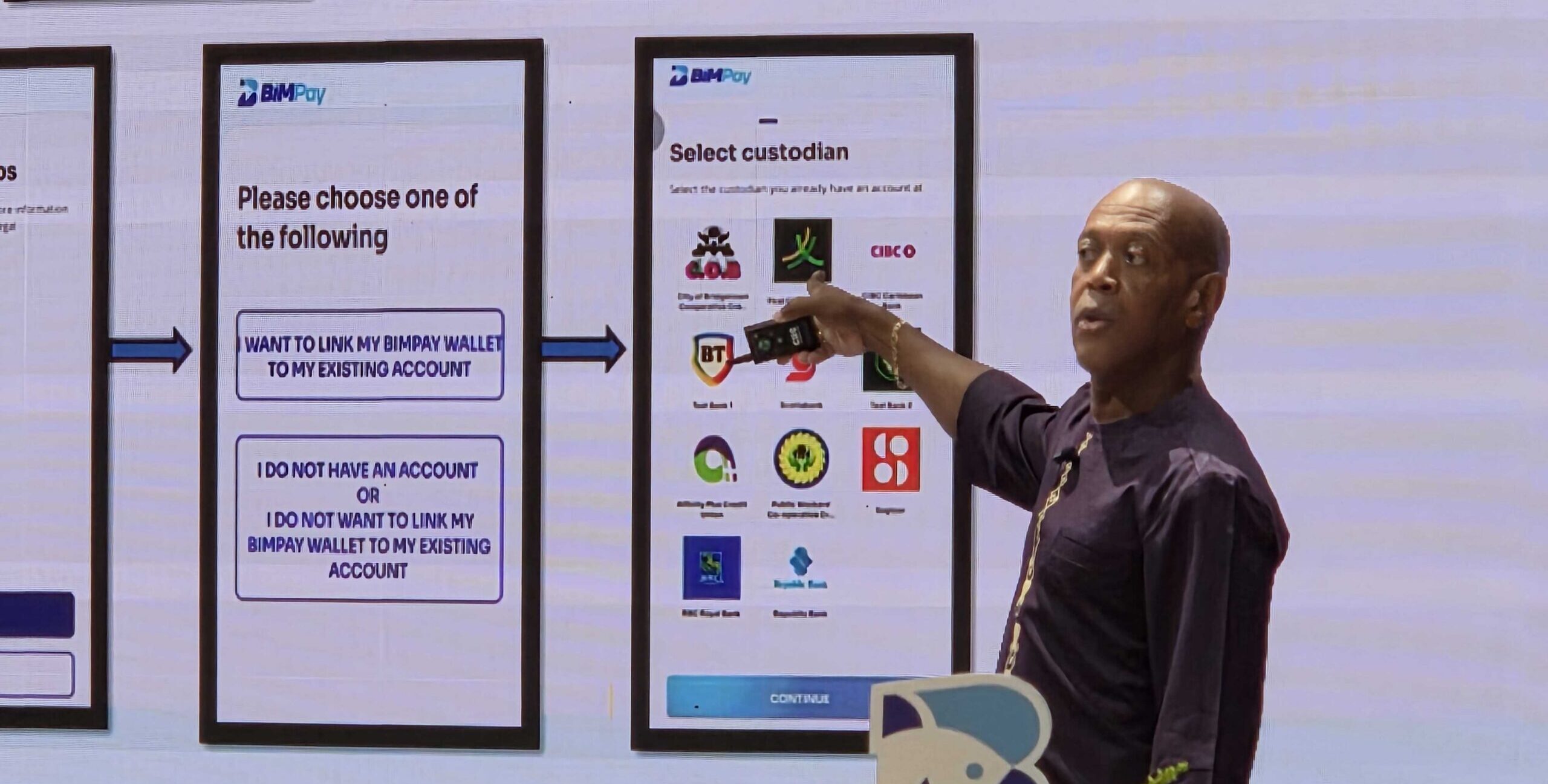
Fee-free access, security limits for BiMPay – Central Bank
In a major push to expand access to secure digital financial services across the Caribbean island nation, the Central Bank of Barbados has formally launched its long-awaited instant payment infrastructure, BiMPay, a 24/7 platform that enables fee-free transfers and transactions for most personal and small business users. Announced via an official public statement on Tuesday, the new system is engineered to process domestic money transfers in fewer than 10 seconds at any time of day, eliminating the constraints of traditional banking hours that have long slowed down peer-to-peer and commercial transactions. For individual users, the cost structure is designed to remove common barriers to digital payment adoption: no fees will be charged regardless of the transaction type, whether users are splitting a bill with friends, paying for everyday retail goods, or sending funds to family. Users can also choose their preferred access point, accessing the service through their existing bank’s mobile banking application or a standalone, account-linked BiMPay e-wallet tailored for simplified use. Small business owners will also see significant cost savings under the policy: any enterprise with annual revenue falling below a set threshold will not face transaction charges, matching the zero-fee structure extended to personal users. For larger commercial entities, however, transaction fees will apply, with each participating financial institution given autonomy to set these costs based on the specific banking agreements it holds with its business clients. Technically, the BiMPay infrastructure is built to support single transactions as large as BDS $500,000, though the Central Bank noted that individual and business customer limits will be set by their respective banks and credit unions. These custom limits are calibrated to each customer’s unique risk profile, balancing transaction flexibility with fraud prevention protocols. A key priority driving the system’s design is expanding financial access to the estimated segment of the Barbadian population that remains unbanked or underbanked, lacking access to traditional full-service bank accounts. For this group, the BiMPay e-wallet offers a streamlined onboarding process that requires far less documentation than a standard bank account, opening the door to digital financial participation for those without formal proof of address or credit history. To maintain compliance with global anti-money laundering and counter-terrorism financing (AML/CFT) regulations, however, the Central Bank has put in place targeted receiving caps for these simplified e-wallet accounts. Under the rules, simplified e-wallet users can receive a maximum of BDS $750 per day, BDS $2,500 per month, and BDS $30,000 per year. There are no additional restrictions on spending beyond these receiving limits, meaning users can spend any balance held in their e-wallet freely once funds are deposited. Central Bank officials emphasized that these caps were intentionally crafted to strike a deliberate balance between two core goals: expanding broad access to digital financial tools, and upholding rigorous security and regulatory standards. This framework ensures that even Barbadians without traditional banking documentation can join the formal digital economy, while mitigating the risk of illicit activity that comes with simplified onboarding processes. Inclusivity stands as the foundational pillar of the entire BiMPay project, the Central Bank stressed. By eliminating cost barriers for ordinary citizens and creating a low-barrier entry point for those without extensive formal documentation, the system is designed to ensure every resident of Barbados has the opportunity to leverage the speed and convenience of digital payments. Ultimately, the initiative aims to close the long-standing gap between traditional brick-and-mortar banking services and the fast-growing modern digital economy, making instant, reliable digital transactions accessible to the entire population of Barbados.
-
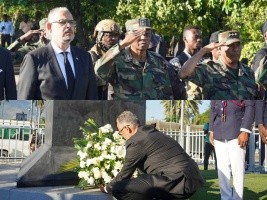
223rd anniversary of the death of Toussaint Louverture, Speech by the Prime Minister of Haiti (video)
On April 7, 2026, Haiti gathered in solemn commemoration to mark 223 years since the passing of Toussaint Louverture, the foundational leader of the Haitian independence movement who died in French captivity on the same date in 1803. Louverture, who led an armed resistance against Napoleon Bonaparte’s plan to reinstate chattel slavery in the former colony, was imprisoned on Napoleon’s orders at Fort de Joux in eastern France, where he spent his final days.
The official commemoration ceremony, held at the Toussaint Louverture monument located in the heart of Port-au-Prince’s Champ de Mars, drew Prime Minister Alix Didier Fils-Aimé, senior members of his cabinet, and Marie Elisabeth Régine Joseph Haddad, Secretary General of the Haitian Presidency. Following a formal wreath-laying at the monument’s foot, the Prime Minister delivered an address that carried deep historical and national resonance. The event marked a dual celebration, also honoring the 43rd anniversary of the founding of the Museum of the Haitian National Pantheon (MUPANAH), the country’s leading institution preserving Haitian independence heritage.
In his remarks, Fils-Aimé framed Haiti’s existence as a deliberate, revolutionary milestone rather than a historical footnote. “Haiti is not an accident of history; it is a founding act born of the courage, resistance, and quest for dignity of a people determined to break the chains of slavery,” he told attendees. The Prime Minister emphasized that Louverture’s legacy of anti-colonial resistance and fight for self-determination remains a vital source of inspiration for both current and future generations of Haitians.
He used the occasion to call for urgent national unity, collective accountability, and a national reconstruction effort rooted in the core values that Louverture fought for: freedom, justice, and full national sovereignty. Fils-Aimé stressed that the annual commemoration goes far beyond a simple ceremonial tribute to the past. Instead, he argued, it represents an ongoing act of loyalty to Haiti’s revolutionary origins and a shared responsibility to uphold the founding promises of the nation. “It is not simply a matter of honoring, but of renewing a vow,” he added, underscoring the ongoing relevance of Louverture’s mission for modern Haiti.
-
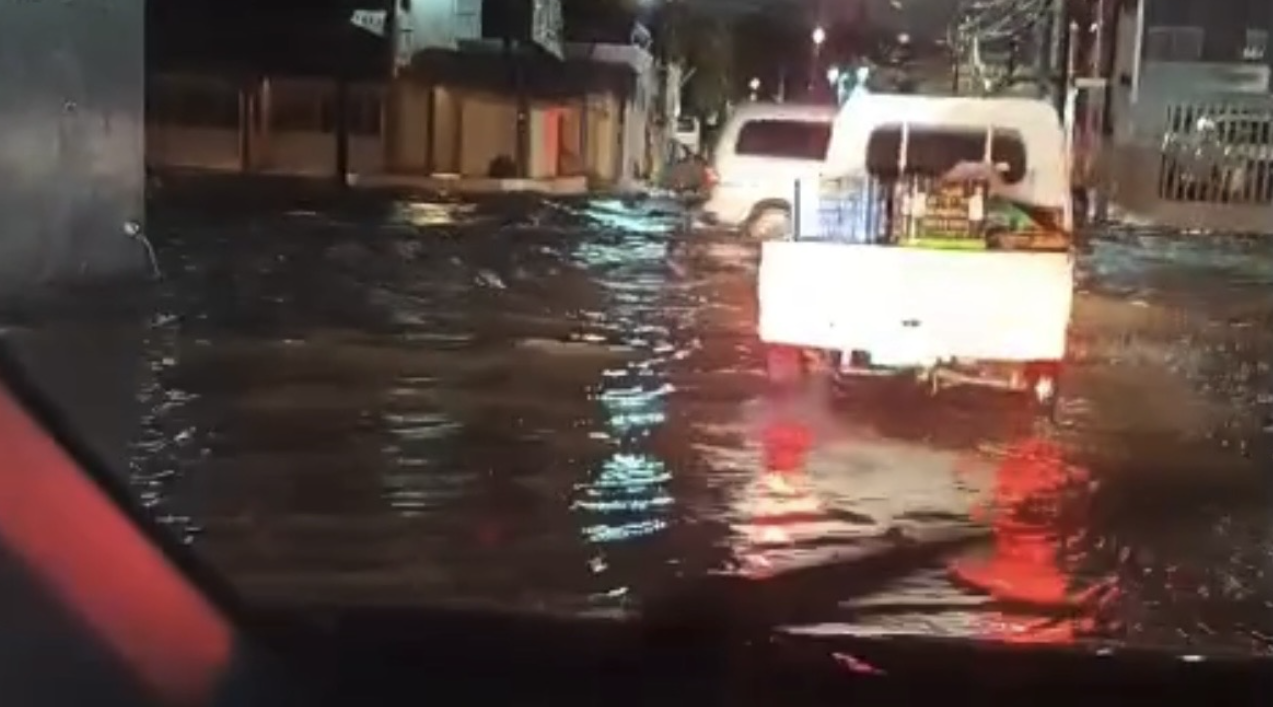
Heavy rains flood streets across Greater Santo Domingo and disrupt traffic
Early Wednesday brought intense, persistent downpours to the Dominican Republic’s capital region, triggering widespread severe flooding that has upended daily routines for residents across Greater Santo Domingo and the National District. The deluge left major arterial roads submerged, snarled traffic across the urban area, and inundated dozens of residential properties in multiple low-lying communities.
Three of the region’s busiest transportation corridors—John F. Kennedy Avenue, Duarte Highway, and Núñez de Cáceres Avenue—faced some of the worst flooding. Deep standing water on these key routes brought vehicular movement to a near standstill for hours, with many motorists forced to abandon their vehicles as water levels rose rapidly. In the Los Ríos neighborhood, local residents confirmed that the densely populated “La 800” district was among the most heavily impacted areas, with floodwaters pushing into ground-floor homes and rendering entire neighborhood streets completely impassable to both vehicles and pedestrians.
Meteorological authorities have linked the extreme rainfall to a low-pressure trough that has spawned highly unstable atmospheric conditions across the majority of the Dominican Republic. With forecasts calling for additional rainfall over the coming hours, public safety officials have issued urgent guidance for residents across the affected region. Authorities are urging the public to stay updated on official weather bulletins, strictly avoid attempting to cross flooded roadways or dry ravines that can quickly become deadly rushing water channels, and implement all necessary emergency precautions to protect people and property ahead of continuing precipitation.
-
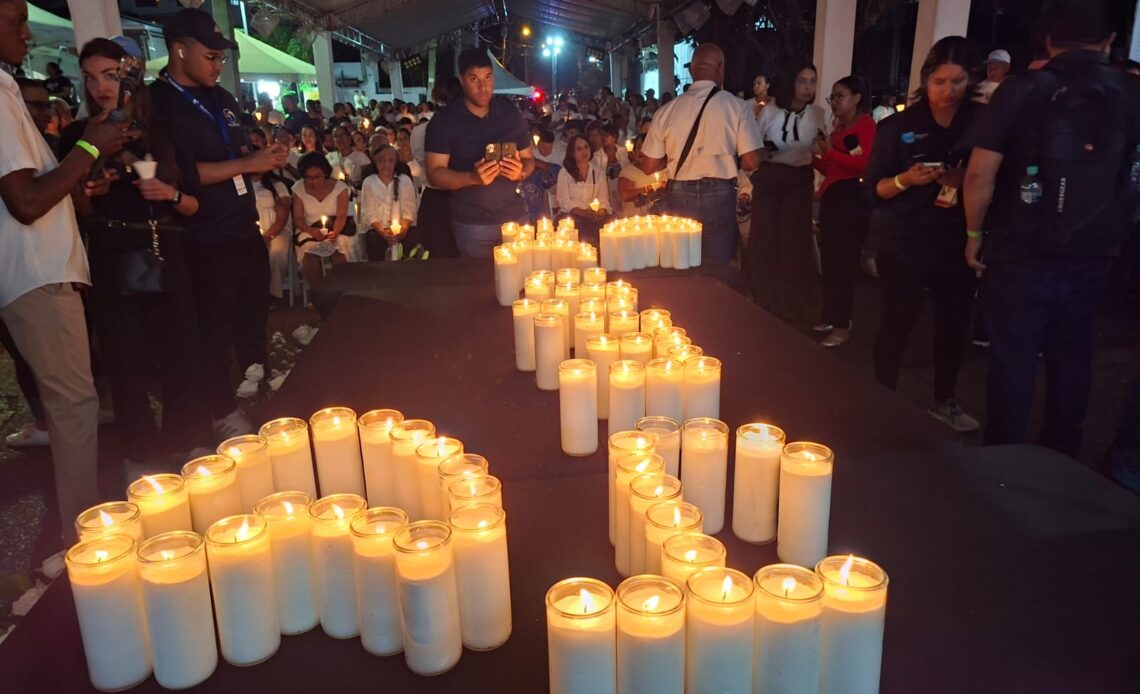
Emotional candlelight vigil honors Jet Set victims at ground zero
On a somber Tuesday evening, hundreds of grieving family members and loved ones assembled in Santo Domingo to hold a moving candlelight vigil, paying tribute to the 236 lives lost in the devastating collapse of the Jet Set nightclub. This deadly disaster, which occurred on April 8, 2025, remains at the center of an active judicial investigation, with Dominican prosecutors currently pushing to bring the venue’s co-owners, siblings Antonio and Maribel Espaillat, to trial on charges of involuntary manslaughter.
During the heartfelt ceremony, attendees honored each victim individually as their full names were read aloud one by one. Multiple grieving relatives took the stage to share personal testimonies, celebrating the lives and legacies of those who were killed in the sudden structural failure. The timing of the vigil held deep symbolic meaning, coinciding with the official announcement from the Public Prosecutor’s Office that it had formally filed a request for trial proceedings against the Espaillat siblings.
Prosecutors’ case against the pair centers on allegations of severe negligence in the long-term management and maintenance of the entertainment venue. According to official court documents, the Espaillat siblings carried out a series of unapproved structural modifications to the building over multiple years, never notifying local regulatory authorities of the changes or scheduling mandatory safety inspections. Prosecutors further allege that the owners ignored multiple repeated public warnings about the steadily deteriorating condition of the building’s roof, choosing to overlook clear, life-threatening safety hazards in a deliberate effort to cut operational costs and conserve financial resources.
A preliminary judicial hearing to review the evidence against the defendants began earlier this week, and is scheduled to resume on April 20. This hearing will ultimately determine whether the volume and credibility of evidence collected by prosecutors meets the legal threshold required to move the high-profile case to a full public trial.
-
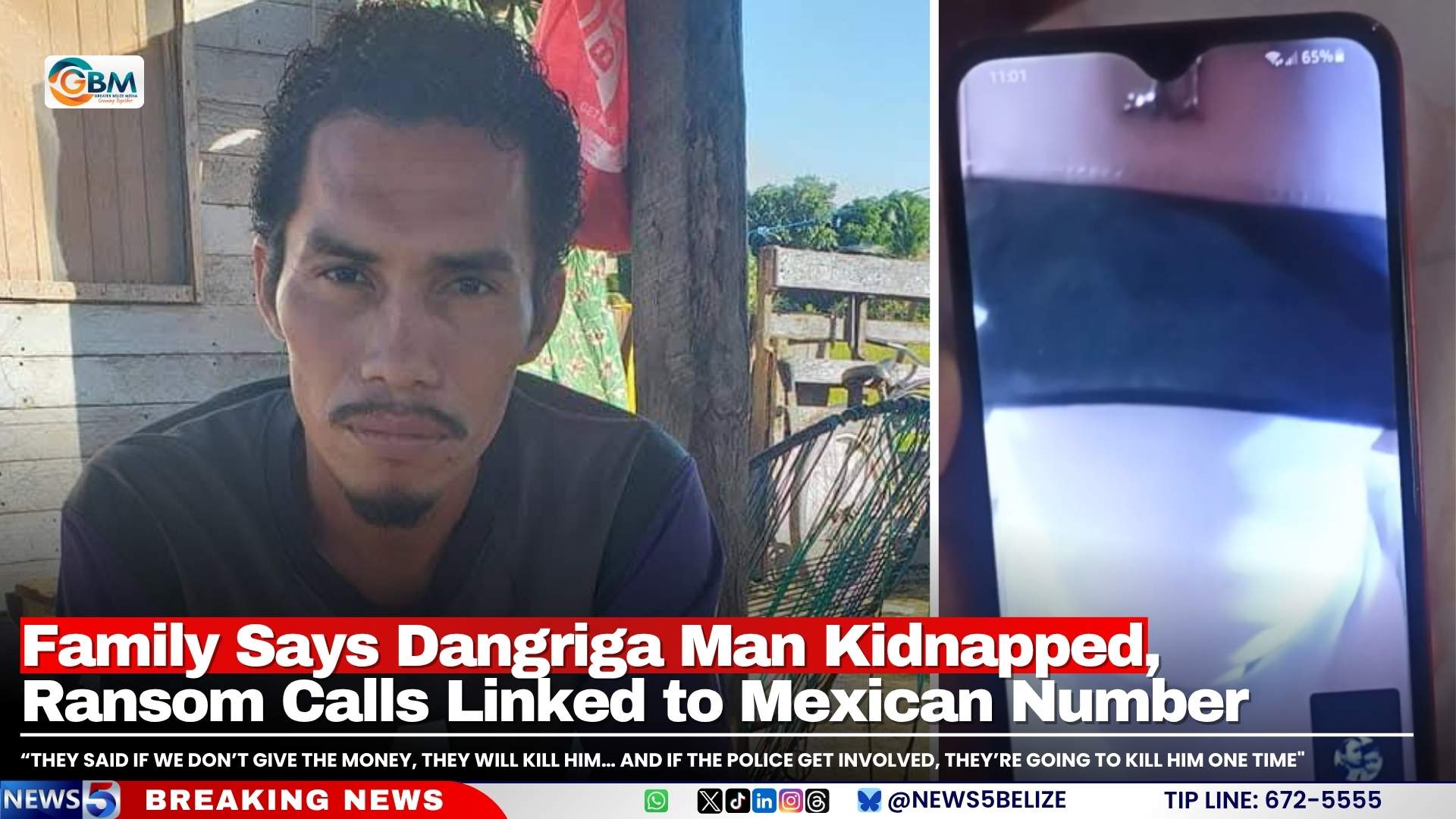
Family Says Dangriga Man Kidnapped, Ransom Calls Linked to Mexican Number
In the coastal community of Dangriga District, Belize, a family is living a nightmare as they hold out hope for the safe return of 39-year-old Jericho Humes, a father of three who has been missing for days amid mounting evidence of an abduction. Humes was last spotted by his relatives on a Wednesday morning, when he told the family he was heading out to his regular job. What followed has left the tight-knit family reeling in fear and uncertainty.
Days after Humes’ disappearance, concerned relatives went to check on his home, where they made a series of disturbing discoveries. The residence had been ransacked: windows were smashed, a entry door was jimmied open, clothing was strewn haphazardly across the floors, and a pot of rice Humes had begun cooking before he vanished was left sitting out, spoiling completely. Most alarming of all was a partially burnt cap belonging to Humes, found inside the property, suggesting a deliberate attempt to destroy or conceal evidence.
Clarissa Torres, Humes’ niece, spoke exclusively to local outlet News Five in an emotional phone interview, her voice cracking repeatedly as she described the family’s ordeal. Mid-conversation, Torres had to step away twice to take incoming calls from the individuals she says are holding her uncle hostage, returning each time visibly shaken by the conversation.
Torres confirmed that the unidentified kidnappers have demanded a $10,000 ransom for Humes’ safe release. All communication has come from a phone number registered to a Mexican area code, and all demands have been delivered in Spanish. The captors have refused to let the family speak directly to Humes, but have sent coercive proof of his captivity: a photograph showing a knife held to Humes’ neck, and a later video call from a man whose identity was completely hidden by a white face mask and baseball cap.
“They told us if we don’t pay the money, they will kill him. And if we contact the police, they’ll kill him immediately,” Torres said through tears, describing the threats the family has received. When relatives attempted to negotiate the terms of the ransom drop, the kidnappers insisted the full sum be sent as quickly as possible via Western Union money transfer.
With no way to raise the full five-figure sum on their own, a family member is preparing to launch a public crowdfunding campaign on Facebook to appeal to the community for help. “I don’t even know where to start. I don’t know what to do next, it’s just nonstop stress. I can’t even eat, I can’t think straight,” Torres said, her voice raw with worry. “Right now, all we care about is getting him home safe. He’s a father to three little kids who need him back.”
As of April 7, 2026, Belizean law enforcement officials have not yet released an official statement confirming an active investigation into the reported kidnapping, and the family has not yet reached out to police out of fear for Humes’ life.
-

Jumby Bay Island vacancy: Assistant Director of Engineering, Island Services
Jumby Bay Island Company, Ltd., the developer and operator of an exclusive private residential island community and luxury resort in Antigua and Barbuda, has announced an opening for a senior leadership position: Assistant Director of Engineering for Island Services (Infrastructure & Operations). Built on a foundation of thoughtful long-term stewardship and detail-focused daily management, the company prioritizes preserving the island’s high-end living standards and elite guest experience, with a service-driven culture centered on meeting the needs of homeowners, visitors, and internal team members alike.
The newly opened role operates as a senior strategic position, tasking the successful candidate with supporting the Director of Engineering in overseeing all island-wide infrastructure, mechanical systems, and marine operations. The company is seeking a demonstrated leader capable of building high-performing teams, driving measurable improvements in productivity and operational efficiency, and upholding rigorous financial management standards. As the principal deputy to the Director, the Assistant Director will own the development and execution of preventive maintenance strategies for the island’s residential properties, collaborate cross-functionally with other department leads, and step in to lead the department during the Director’s absences to maintain uninterrupted operations.
Key responsibilities for the position include serving as the core liaison between executive engineering leadership and frontline operational teams to ensure strategic directives are carried out seamlessly. The role also requires developing and implementing departmental budgets, capital expenditure plans, and maintenance frameworks aligned with the company’s long-term cost efficiency and operational goals. Additional core duties include leading team-building initiatives focused on employee development, succession planning, and performance management that balance operational targets with team productivity and morale; overseeing the mechanical engineering, maintenance, and marine teams to ensure on-time delivery, quality control, and full adherence to global health and safety standards; managing all property maintenance services for contracted residences, including direct liaison with homeowners, daily supervision, and both preventive and reactive maintenance work; delivering in-house maintenance for company-owned assets and standing by for 24/7 emergency response; and leading hurricane preparedness and response planning for all island residential properties and service departments.
Candidates applying for the role must meet a set of strict competency and experience requirements. Essential competencies include a proven track record of measurable improvements in team performance, such as higher preventive maintenance compliance, reduced equipment downtime, and lower overall maintenance costs; a history of successfully developing internal technical leaders and building actionable succession plans; strong commercial acumen including experience with budgeting, cost reduction initiatives, procurement optimization, and labor efficiency; hands-on leadership experience with computerized maintenance management systems (CMMS) and consistent delivery against key performance indicators including preventive maintenance completion rates, mean time to repair, and backlog reduction; sound practical technical judgment for assessing risk and evaluating contractor work on remote island infrastructure; a consistent record of delivering maintenance projects on scope, on schedule, and on budget; and effective stakeholder and crisis management skills paired with a clean record of health and safety compliance.
Mandatory experience requirements include prior work experience in remote private island operations or similarly isolated settings, with previous assignments in the Caribbean required for all candidates. Applicants must have a minimum of 8 years of progressive engineering leadership experience overseeing teams of 20 or more employees, either directly or indirectly. They also need at least 5 years of hands-on experience working with electrical systems and water/wastewater treatment plant operations, 5 years of experience managing construction projects and capital programs, and 5 years of facilities management experience in high-end residential or luxury resort environments leading medium-sized teams. Preferred qualifications include proficiency with maintenance and remote operations systems such as CMMS, condition monitoring tools, and PLC/SCADA systems, strong technical software skills including advanced Excel and Word proficiency, experience collaborating with procurement, finance teams and external vendors on contract management and project delivery, a technical diploma or degree in an engineering-related field (or equivalent professional experience), relevant industry certifications, and existing familiarity with Antigua & Barbuda’s local laws and regulatory frameworks.
The opportunity offers the rare chance to build a meaningful impact in a one-of-a-kind remote island environment for professionals committed to excellence and collaborative teamwork. Applications for the position must be submitted by April 30, 2026. Interested candidates must send application materials via email to [email protected] with “Assistant Director of Engineering, IS” included in the subject line of the message. The company notes that only shortlisted candidates meeting the role requirements will receive acknowledgment and further consideration. This posting carries a standard disclaimer that NOW Grenada is not liable for any opinions, statements or content shared by third-party contributors, and invites users to report any abusive content via official channels.
-
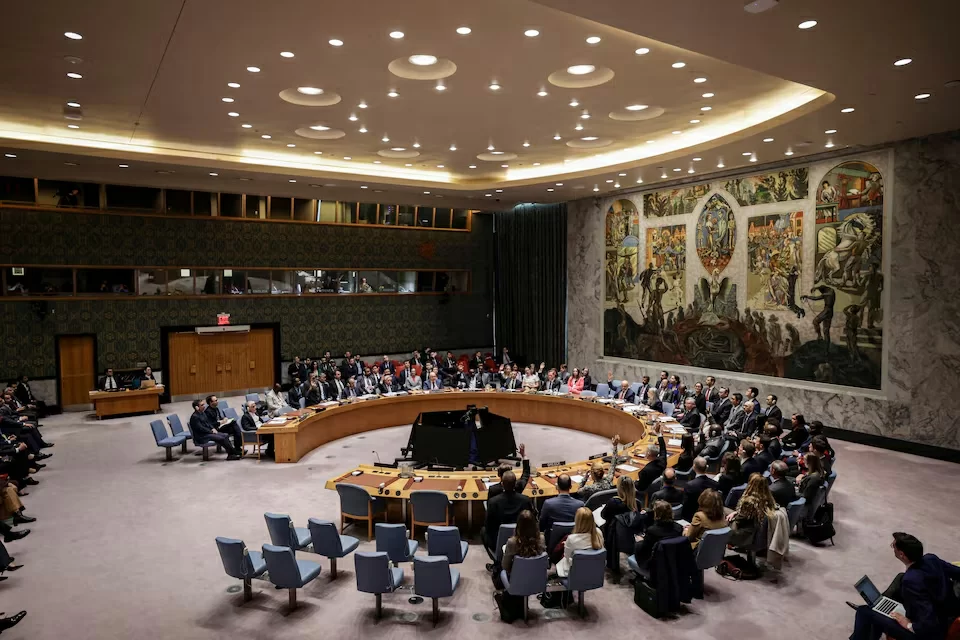
China en Rusland vetoën VN-resolutie ter bescherming van scheepvaart in Straat van Hormuz
On Tuesday, a United Nations Security Council resolution aimed at promoting international cooperation to safeguard commercial shipping in the strategically vital Strait of Hormuz, proposed by Bahrain, was blocked by vetoes from China and Russia. Both permanent Council members argued that the draft resolution carried an unfair bias against Iran.
The 15-nation council’s vote split clearly: 11 members backed the resolution, while two cast opposing votes (China and Russia), and two abstained from the decision. Following the veto, U.S. Ambassador to the UN Mike Waltz issued a sharp condemnation, framing the outcome as a “new low” for the Security Council. Waltz claimed that Iranian actions to threaten closure of the Strait have already disrupted deliveries of medical supplies and humanitarian goods to crisis zones including the Democratic Republic of Congo, Sudan and Gaza, saying “No nation should accept this reality.” He added that “Russia and China today chose to back a regime that terrorizes the Gulf region,” and called on “responsible nations” to join the U.S. in keeping the Strait open and secure to ensure unimpeded movement of free trade and humanitarian aid.
France also expressed regret over the veto. French UN Ambassador Jerome Bonnafont emphasized that the resolution only sought defensive, de-escalatory measures to prevent regional tensions from spiraling further.
In defending their veto, China and Russia said the draft unfairly criticized Iran. China’s UN envoy Fu Cong noted that adopting the resolution while the U.S. issues inflammatory threats targeting Iran would send the wrong signal to the region. Russia has announced it will put forward its own alternative draft resolution covering broader Middle East issues, including maritime security in the Strait of Hormuz.
Iran’s UN Ambassador Amir Saeid Iravani welcomed the vetoes, stating they prevented the Security Council from being “misused to legitimize aggression.” He also revealed that the personal envoy of the UN Secretary-General is currently en route to Tehran for diplomatic consultations on the situation.
The final draft of the Bahrain-proposed resolution was revised after China raised objections to a provision that could have authorized use of force. The amended text explicitly ruled out coercive measures, instead calling on UN member states to coordinate defensive, proportionate actions to protect navigation security in the Strait, including escorting commercial vessels and countering attempts to blockade the waterway, which handles roughly a fifth of global oil trade and is one of the world’s most critical maritime chokepoints.
-

PRESS RELEASE: CARPHA celebrates World Health Day and calls for stronger integrated surveillance and One Health action
PORT OF SPAIN, TRINIDAD AND TOBAGO – April 7, 2026 – As the world marks World Health Day, public health leaders in the Caribbean are sounding the alarm over the disproportionate burden of foodborne diseases (FBDs) across the region and calling for urgent, coordinated cross-sector action under the One Health framework to address growing global health risks.
Global public health data paints a stark picture of the scale of foodborne illness: the World Health Organization (WHO) estimates that 600 million people around the world fall ill from contaminated food every year, leading to roughly 420,000 preventable deaths annually. Broader systemic trends, from accelerating climate change to rising antimicrobial resistance (AMR) and widespread environmental degradation, have amplified global health risks, with 75% of all new emerging infectious diseases recorded in 2024 traced to zoonotic origins – pathogens that jump from animals to humans.
For the Caribbean region, these risks are particularly acute. Data from the Caribbean Public Health Agency (CARPHA) collected in 2019 shows that FBDs rank among the most commonly reported illnesses for both local residents and international tourists. Regional burden-of-illness research finds that roughly one in every 49 Caribbean people contracts a foodborne disease annually, a rate that jumps to one in 11 during large-scale mass gatherings. Children between the ages of 1 and 4 are the most affected, accounting for nearly 43% of all recorded FBD cases across the region.
Beyond the direct public health toll, FBD outbreaks pose a existential threat to the Caribbean’s tourism-dependent economies. An outbreak can trigger lasting reputational damage for destination countries, lead to sharp drops in tourism revenue, and even result in harmful trade restrictions that further strain local economies. Because of this, sustained FBD surveillance is a core pillar of CARPHA’s integrated regional disease monitoring system. Strong surveillance not only helps CARPHA’s 20+ member states meet their binding obligations under the World Health Organization’s International Health Regulations (IHR 2005) but also improves national performance on the Joint External Evaluation (JEE) and the State Party Annual Reporting (SPAR) processes that track global health security capacity.
This year’s World Health Day, held annually on April 7, carries the theme “Together for health. Stand with science”, which spotlights the critical role of scientific collaboration and collective action in protecting global public health. In recent years, a string of global and regional health emergencies has underscored how critical resilient surveillance infrastructure, timely cross-border data sharing, and coordinated multi-stakeholder action are to detecting, preventing, and responding to new and emerging health threats before they spiral into larger outbreaks. Public health experts increasingly agree that cross-sector, cross-discipline collaboration through the One Health approach is one of the most effective tools to address the interconnected, complex health challenges facing the world today.
The One Health framework is built on the core recognition that human health, animal health, plant health and the health of the natural environment are deeply interconnected. Addressing modern disease risks requires coordinated, cross-sector action rather than the siloed, single-discipline approaches that have long dominated public health. To combat rising FBD and zoonotic disease risks in the Caribbean, CARPHA is doubling down on its call for a more integrated, coordinated regional public health surveillance system, centered on cross-sector collaboration under the One Health model.
CARPHA’s work on FBD and zoonotic disease surveillance stretches back more than two decades: the program originated at the Caribbean Epidemiology Centre (CAREC) in 2003, and was expanded regionally after the formation of CARPHA in 2013. Today, the agency’s FBD and Zoonoses (One Health) programme is fully aligned with WHO’s recommended farm-to-table, multisectoral surveillance model that tracks risks from agricultural production through to food service and consumption.
Speaking on World Health Day, CARPHA’s Executive Director Dr. Joy St. John (referred to as Dr. Indar in internal agency comments) emphasized that a unified, multisectoral approach is non-negotiable to protecting the health of populations across all CARPHA member states. “CARPHA has advanced a regional One Health approach to strengthen integrated surveillance for foodborne diseases and zoonoses, which includes the development of a Regional One Health FBD Action Plan, support to Member States in updating National Action Plans, and establishment of the One Health Multisectoral Steering Committee (OHMSC) to improve inter-agency coordination,” Dr. Indar explained.
Beyond planning and coordination, CARPHA is building out new regional infrastructure to strengthen early threat detection. The agency is currently developing the Regional Integrated Early Warning and Surveillance System (RIEWSS), a cutting-edge platform that integrates health data from human, animal, and environmental sectors alongside laboratory data to speed up early detection and response to outbreaks. The agency has also expanded regional laboratory capacity through strategic cross-agency partnerships, deployed new rapid diagnostic tools across member states, and deepened collaboration with key global and regional partners including the Food and Agriculture Organization (FAO), the Pan American Health Organization (PAHO), the World Organisation for Animal Health (WOAH), the Caribbean Agriculture Health Food and Safety Agency (CAHFSA), and the Caribbean Animal Health Network (CaribVET), among others.
To build a more resilient regional public health system, CARPHA is calling on member states and regional partners to advance six key strategic priorities:
First, strengthen integrated surveillance systems across human, animal, and environmental health sectors to improve early detection and rapid response to emerging health threats. Second, enhance real-time data sharing and interoperability, including expanded use of digital public health platforms such as DHIS2, to support timely, evidence-based decision-making at all levels. Third, expand laboratory capacity and diagnostic capabilities across all member states to ensure accurate and rapid identification of public health risks. Fourth, formalize multisectoral coordination mechanisms and governance structures to enable cohesive, effective responses at both national and regional levels. Fifth, invest in sustained workforce development and One Health training to build a skilled, agile public health workforce equipped to tackle 21st century complex health challenges. Sixth, advance evidence-based decision-making and sustained regional collaboration to strengthen health system resilience and improve health outcomes across the entire Caribbean.Dr. Indar noted that the interconnected nature of modern health threats – which do not respect national borders or sectoral divides – means the region can no longer rely on siloed, fragmented approaches to public health. “By strengthening integrated surveillance systems and embracing the One Health model, we can better protect our Region, improve preparedness, and ensure a more coordinated and effective response to public health emergencies,” he said. “CARPHA remains committed to working closely with Member States, regional partners, and international organisations to advance these priorities and build a more resilient, responsive, and collaborative public health system for the Caribbean.”