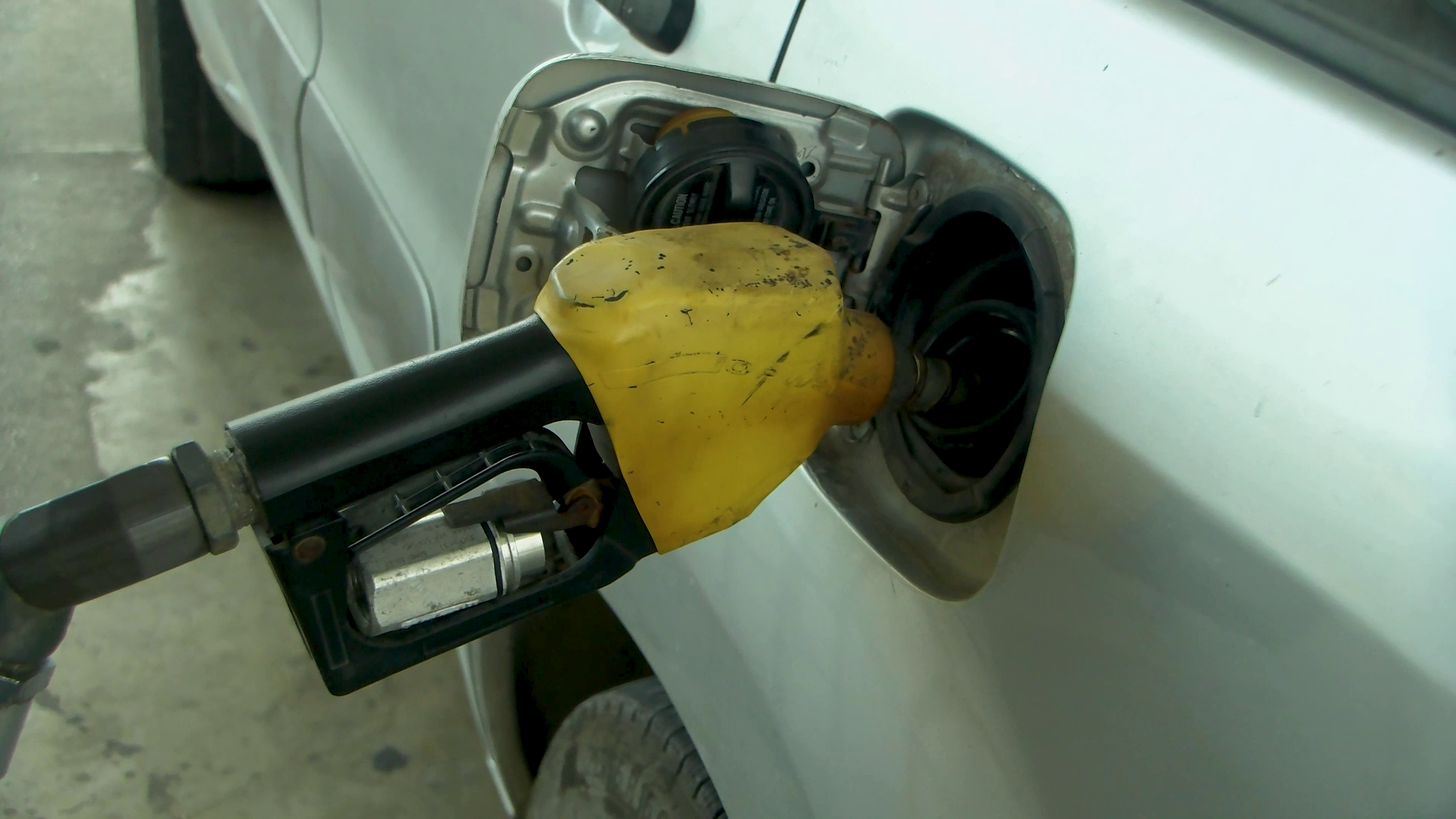
Belize is facing growing political and economic unrest in May 2026, centered on a controversial government decision to slash long-standing fuel dealer margins that have remained unchanged for nearly 20 years. Fuel retailers across the country are crying foul over the unilateral adjustment, arguing that the government violated a 2004 bilateral agreement that required written mutual consent for any changes to the margin calculation formula.
Dealers say they were given no advance warning or opportunity to consult on the cuts, and now warn that the reduced margins will severely cut into their operational profits, threatening the viability of many small and medium-sized retail businesses. Some dealers have even threatened to go on strike to protest the policy, raising fears of potential fuel supply disruptions across the country.
In response to the outcry, Prime Minister John Briceño, head of the ruling administration, defended the policy, stating he had no knowledge of the 2004 agreement requiring joint consent for margin changes. Briceño explained that the 2004 framework set margins as a percentage of fuel costs, meaning margins rose automatically as global fuel prices climbed – costs that were ultimately passed directly to consumers already struggling with price hikes. The new policy replaces the variable percentage model with a flat-rate margin, paired with a corresponding cut in government fuel tax, as a joint effort to cap soaring fuel prices for ordinary households. Briceño emphasized that all stakeholders, including dealers and the government, must share the burden to keep price increases in check, and confirmed that the administration remains open to dialogue with discontented dealers, saying “we are always ready to listen, and if they want to meet, we are prepared to meet.”
The fuel margin dispute has dovetailed with wider opposition criticism of the Briceño administration’s handling of the ongoing cost of living crisis. At a press conference held this week by the opposition United Democratic Party (UDP), Mesopotamia Area Representative Lee Mark Chang launched a scathing attack on government policy. Chang argued that while the administration touts a relatively low national inflation rate of 1.9% as of March 2026, working-class Belizean families are facing crippling price hikes across essential goods.
Chang highlighted that the Belizean public feels the impact of inflation far more acutely than official statistics suggest, noting that the Belize Kriol phrase “Wih dalla nuh the stretch as far as before” (our dollar doesn’t go as far as it used to) captures the everyday reality of household budget stress. Data from the country’s Statistical Institute of Belize (SIB) confirms that the biggest drivers of domestic inflation are rising fuel, food, and recently increased electricity costs – all essential expenses that hit low-income and working households the hardest. Chang emphasized that inflation is not an abstract economic metric: it translates directly to higher grocery bills, more expensive transportation, and steeper utility payments that put unbearable financial pressure on working families.
Beyond rising prices, Chang also drew attention to the country’s growing national debt, calculating that every Belizean, including newborn children, currently carries more than $11,000 in individual national debt liability. The UDP has pledged to continue holding the Briceño administration accountable for its economic policies and will continue to challenge measures that have driven up living costs for ordinary Belizeans.
This report is a transcribed adaptation of an evening television newscast from Belize, with Kriol language phrases transcribed using standard spelling conventions.