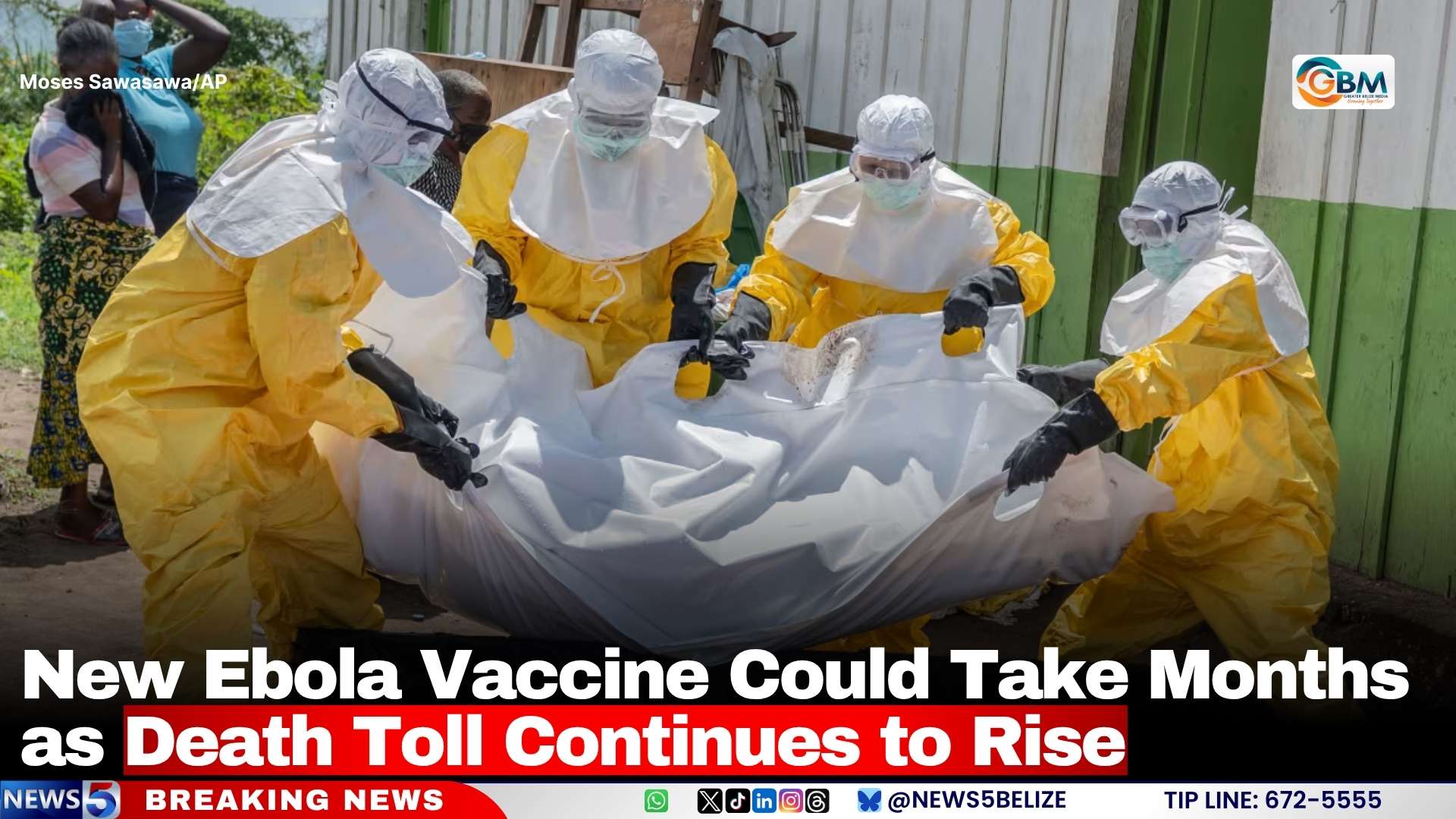
An ongoing outbreak of the rare Bundibugyo strain of Ebola, expanding across the northeastern Democratic Republic of the Congo (DRC) and into neighboring Uganda, has pushed regional health systems to a breaking point, with the World Health Organization (WHO) confirming that a targeted vaccine could take as long as nine months to deploy.
As of the latest official update from May 21, 2026, the outbreak has been linked to more than 600 suspected infections and at least 139 suspected deaths. Of these cases, 51 have been laboratory-confirmed in the DRC, with an additional two confirmed cases recorded on Ugandan territory. The spread of the virus into urban population centers and across international borders has triggered widespread regional alarm, with Ugandan health authorities currently holding more than 100 exposed individuals under active quarantine.
Health experts warn that no vaccine or specific antiviral treatment for the Bundibugyo strain has yet received full regulatory approval, a gap that the Africa Centres for Disease Control and Prevention (Africa CDC) blames not on scientific limitations, but on systemic political and financial neglect of infectious disease threats that primarily impact low-income African regions. In a blunt rebuke of global health inequities, the agency noted that if the virus posed a primary threat to wealthy nations in North America or Europe, medical countermeasures would almost certainly already exist. This critique echoes the pattern seen during the 2014 West African Ebola outbreak, when global urgency only surged after a U.S. doctor contracted the virus—despite thousands of African deaths having already occurred without coordinated international support.
Two experimental vaccine candidates are currently in early development, but neither has completed the full sequence of clinical trials required for emergency authorization. With a documented case fatality rate as high as 50%, the strain poses a severe risk to vulnerable communities and frontline health workers. WHO Director-General Tedros Adhanom Ghebreyesus emphasized that the situation remains deeply concerning, and expects confirmed case counts to climb in the coming weeks as surveillance teams expand contact tracing and testing across affected areas.
While the WHO has officially designated the outbreak a Public Health Emergency of International Concern (PHEIC), the highest global alert level for such events, the agency stressed that the outbreak has not yet reached pandemic status, and the overall risk to global populations outside the affected region remains low.