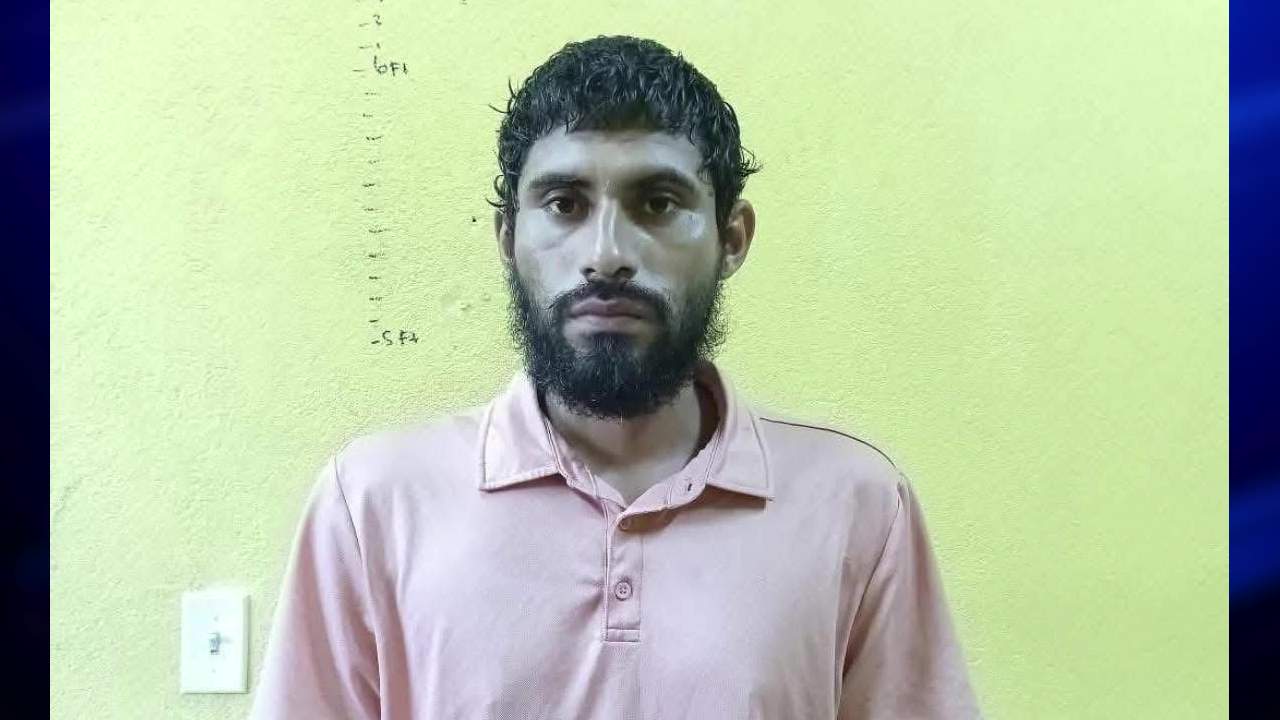
A years-old case of alleged child sexual assault has resulted in formal arrest and charges for a Belizean man, law enforcement authorities confirmed in a briefing published on April 8, 2026. Twenty-seven-year-old Alexander Leal Miguel, a naturalized Belizean resident of Red Bank Village in the Stann Creek District, faces three criminal counts of unlawful sexual intercourse connected to repeated offenses against an underage female. Investigators confirmed the alleged abuse occurred on three separate occasions between 2021 and 2022, a timeline that has drawn attention to the multi-year gap between the offenses and the filing of formal charges. While law enforcement has not released public details about what led to the recent breakthrough in the cold case, senior officials stressed that serious sexual offenses against minors do not expire under Belizean law. In a media briefing on the arrest, Assistant Superintendent of Police Stacy Smith, Staff Officer, outlined the details of the charges and addressed questions about the delayed prosecution. When reporters asked how charges could be filed years after the alleged incidents took place, Smith confirmed that there is no statute of limitations for sexual offenses of this severe nature in Belize. “Police have formally arrested and charged Alexander Leal Miguel, a twenty-seven-year-old naturalized Belizean of Red Bank Village, for three counts of unlawful sexual intercourse. These charges follow police investigation into a report that he had sexual intercourse with a female who was below the age of consent on three separate occasions between 2021 and 2022,” Smith stated in the official briefing. Law enforcement officials used the high-profile arrest to send a clear message to survivors of sexual assault and perpetrators alike: no amount of passing time eliminates criminal accountability for these crimes. This report is adapted from a transcript of an evening television newscast published online.
博客
-
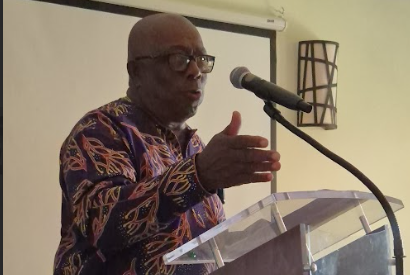
Minister warns curriculum marginalises Barbadian history
Barbados’ top official for Pan-African Affairs and Heritage is sounding a critical alarm: decades of sidelining the island nation’s own history in national education has left generations disconnected from their core cultural identity, and systemic reform is the only solution to reverse the damage. Trevor Prescod, the minister holding this portfolio, reiterated his urgent call for a complete curriculum overhaul during remarks delivered Wednesday on the margins of a national cultural heritage workshop. He detailed that the gap in historical education stretches across every level of the country’s schooling system, from secondary classrooms through to post-secondary tertiary institutions.
-

Robbery Trial Opens in Case Against Elvira Mulholland
A high-stakes robbery trial got underway in a lower court this week, centering on Elvira Mulholland, a woman charged with robbing her estranged husband at gunpoint. After spending more than six months in pre-trial detention on more severe charges of attempted murder and robbery, Mulholland is now facing a summary trial on the reduced offense of robbery.
Lead prosecutor Maria Nembhard-Santana is arguing the case on behalf of the Director of Public Prosecutions, while experienced defense attorneys Lynden Jones and Leeroy Banner are representing Mulholland in court. Prosecutors lay out their core allegation: that in October 2024, Mulholland confronted Jeffery Mulholland, her estranged spouse, at Mile Twelve along the Coastal Highway, stealing $9,000 in cash and an iPhone worth an estimated $4,000 during the encounter.
Thus far, three witnesses have taken the stand to give sworn testimony, with accounts that both support the prosecution’s narrative and draw pushback from the defense. The first key testimony came from Mulholland’s son, who appeared in court Wednesday morning to confirm critical pre-incident details. He told the court that both his mother and his stepfather Jeffery left the family home in separate pickup trucks, both traveling in the direction of La Democracia. He added that his mother pulled away from the home at such high speed that her truck skidded off the driveway and reversed into a decorative flowerport before she departed.
The second notable witness was an inspector with the local Social Security Board, who told the court he stumbled across the violent, chaotic roadside scene later that same afternoon. He testified that when he arrived at the location, he found a bleeding Jeffery Mulholland kneeling beside vehicles in a roadside drain, with Elvira Mulholland standing nearby holding a firearm. The inspector told the court he watched the woman point the weapon at Jeffery, fire a single shot, take an item from the man, then drive away in the direction of Hope Creek. After the suspect left the scene, the inspector said he stepped in to assist the injured man, transporting him to the Hattieville Police Station to file a report and seek further care.
During cross-examination, defense attorneys mounted a rigorous challenge to the inspector’s account of the incident. They questioned the reliability of his observation, noting that he witnessed the event from a distance and pointing out inconsistencies in his description of the item taken from Jeffery Mulholland. Despite the sustained questioning, the inspector stood firm on his testimony, reaffirming that he had an unobstructed, clear view of the entire incident and that he definitively saw Mulholland holding a gun during the confrontation.
The trial is scheduled to resume on August 3, 2026, at which point a serving police officer is expected to take the stand as the next witness for the prosecution. The complainant in the case, Jeffery Mulholland, is currently outside the country, but he is expected to return to Belize in time to deliver his own testimony before the court.
-
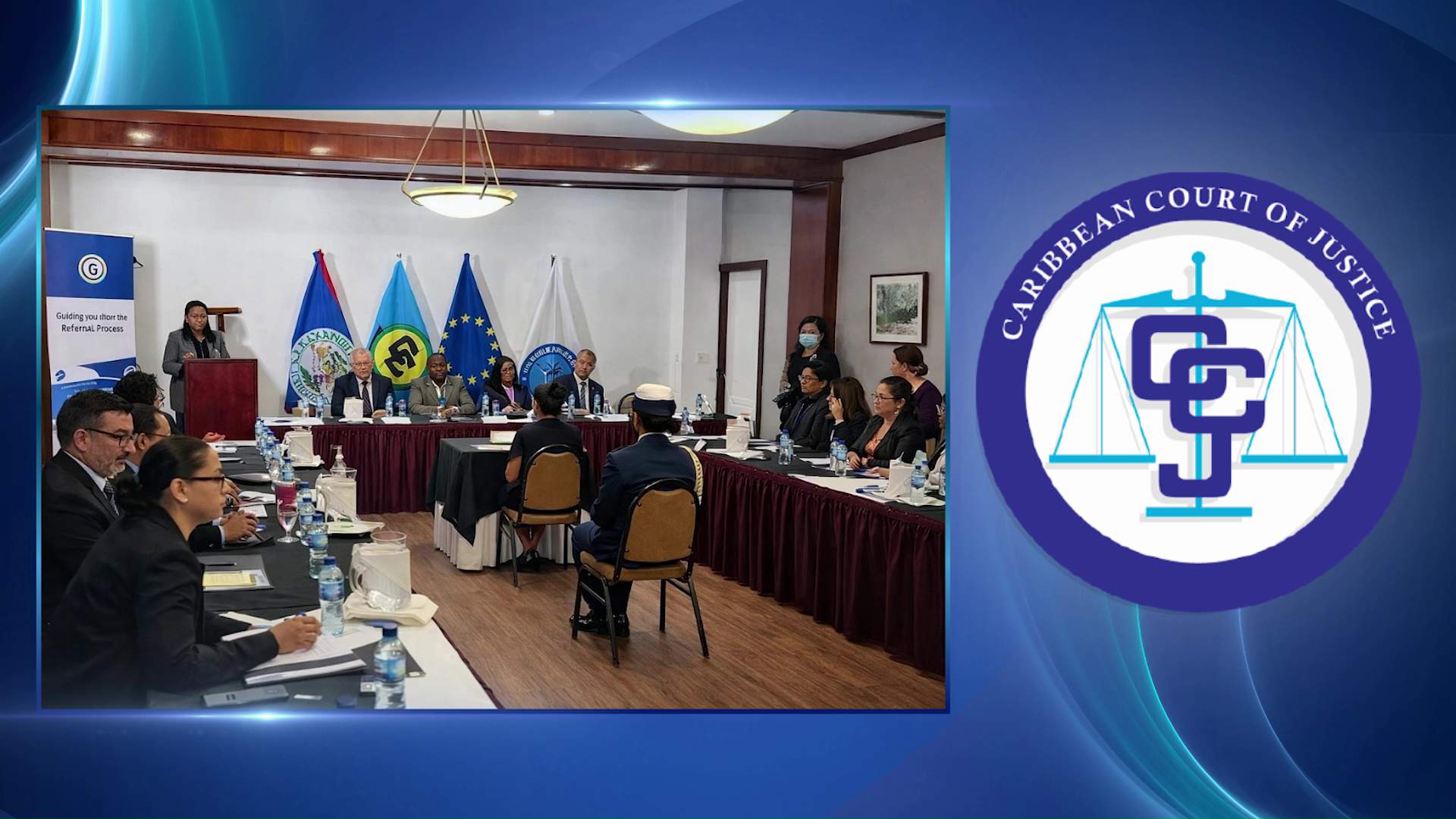
Anwar Barrow Takes Challenge to Caribbean Court of Justice
In a groundbreaking moment for Caribbean regional integration, the Caribbean Court of Justice (CCJ) is set to make history when it hears the first-ever direct referral of a legal question from a national court — a milestone that could redefine how regional law is interpreted and applied across all 15 member states of the Caribbean Community (CARICOM).
The historic case stems from a legal dispute initiated by Belizean businessman Anwar Barrow against Belize’s Financial Services Commission (FSC) and the Office of the Attorney General. At the heart of the dispute are three core issues: a mandatory requirement that company registration fees be paid exclusively in U.S. dollars rather than Belize’s domestic currency, the arbitrary application of fees to a business transaction Barrow was involved in, and discriminatory differential treatment of individuals accessing the Companies Registry based on their national origin within CARICOM. It is the final issue, which Barrow argues violates the non-discrimination provisions of the Revised Treaty of Chaguaramas, that has been referred to the CCJ for a binding ruling.
In an on-the-record interview about the litigation, Barrow emphasized that beyond his personal commercial interests, the case addresses a broader systemic concern about institutional compliance with the rule of law. “When the top institutions — government and statutory bodies — openly disregard the law, how can we expect ordinary citizens to follow it?” Barrow said. “I have encountered this flouting of regulations multiple times, and when I raised the issue to those in charge, they simply ignored it. This case is not just about my business; it’s about holding accountable the institutions that are supposed to uphold our legal framework.”
For the CCJ, this referral represents an unprecedented exercise of its original jurisdiction, a power granted to the court to rule on CARICOM treaty issues that had never before been activated via direct national court referral. Legal analysts across the region note that the court’s final ruling has the potential to set a binding precedent that strengthens enforcement of regional trade and business rules across all CARICOM member states, closing long-documented gaps in how treaty rights are implemented at the national level.
Barrow framed the case as a potential turning point for regional governance, arguing that a clear ruling from the CCJ would give real enforceable weight to the Revised Treaty of Chaguaramas, creating a more consistent and predictable legal environment for cross-border business activity throughout the Caribbean. He also noted that his action is part of a growing movement of Belizean citizens pushing for greater accountability and adherence to the rule of law, joining other advocates like Jerry Enriquez, who has led work on constitutional and redistricting reform in the country.
“For too long, enforcement of the regional treaty has been far less robust than Caribbean leaders and communities have wanted,” Barrow explained. “This is the first time a national court has referred a matter like this directly to the CCJ, and I hope it opens the door to more open discussion and resolution of regional legal issues in the public interest.”
When contacted for comment on the case, officials from the Belize Financial Services Commission declined to make any public statement, noting that the matter is currently active before the courts. News outlets will continue to provide updates as the CCJ progresses with the historic hearing and issues its final ruling.
-
Students prepare for robotics world championship in US
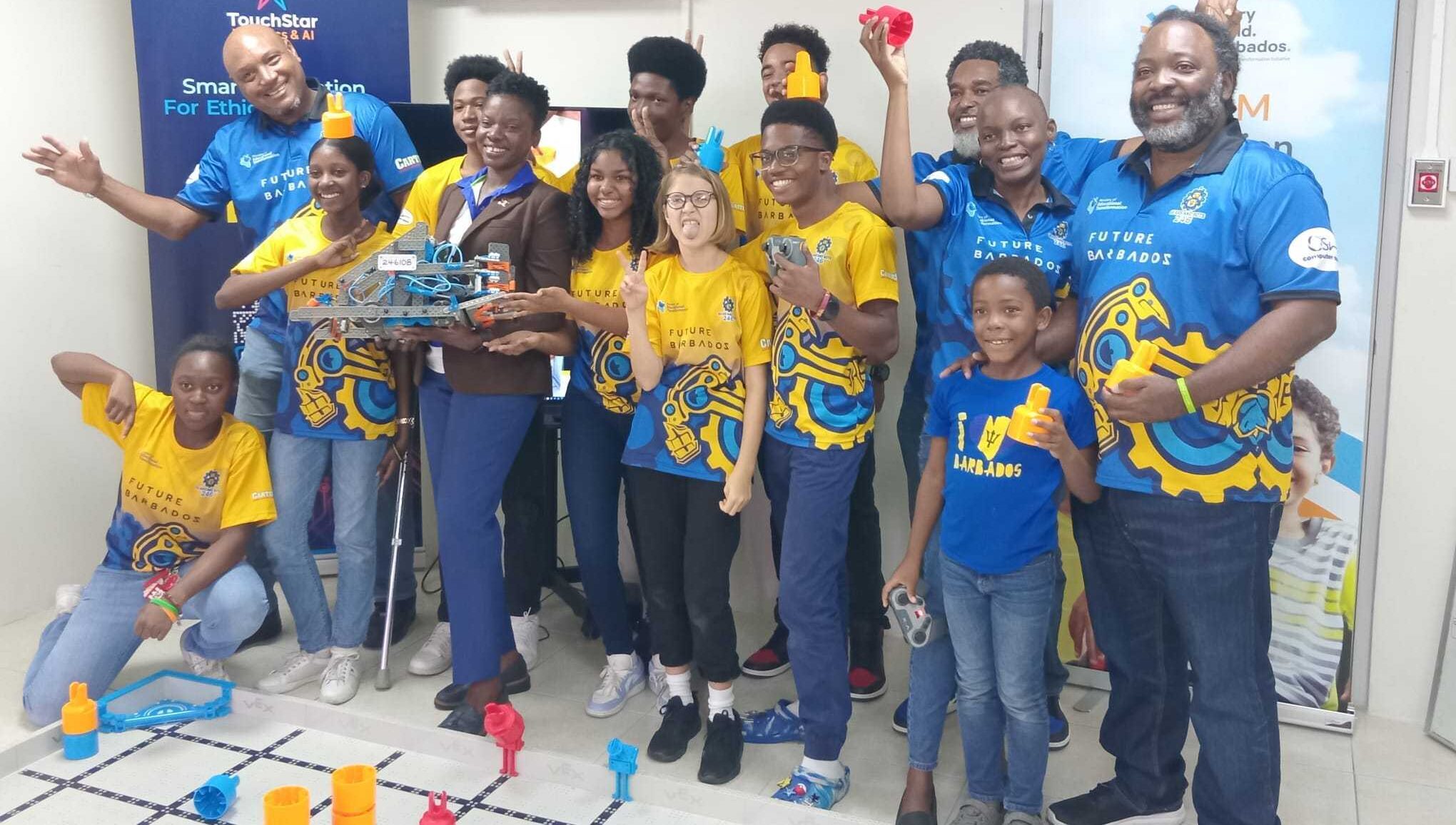
A cohort of talented secondary school students from across Barbados is set to make history this month, representing the small Caribbean island at the 2026 VEX World Robotics Championship in St. Louis, Missouri, following five months of nonstop work to design and build two fully custom competition robots from the ground up.
Organized under the banner of the Gears Unboxed 246 Robotics Club, the team draws members from five of Barbados’ top secondary institutions: The St Michael School, Harrison College, Queen’s College, The Lodge School, and the Foundation School. Last week, the young innovators gathered at the Special Education Unit to showcase their months of work to educators, government officials, and program sponsors, demonstrating the core capabilities of their two creations, codenamed *Flying Fish* and *Broken Trident*.
For the team’s volunteer mentors, this milestone is far more than a simple competition trip—it represents a decades-long push to shift Barbados’ relationship with technology from a net importer of foreign ideas and devices to a global exporter of homegrown innovation. “This is about representing the blue, yellow, and black of our nation,” said Shawn Hoyte, a lead coding and robotics mentor and teacher. “I told these young people from day one: this is not beyond us. We can’t keep relying on other countries to build our technology and create our ideas. These are indigenous innovations, built right here by Barbadian youth. They aren’t just leading the way for our country—they are the tip of the spear.”
To reach this point, the team has followed a grueling schedule that far outpaces the average school extracurricular. For five months, members have worked from 9 a.m. to 8 p.m. most days, including weekends, to troubleshoot designs, refine code, and test their robots. What makes the achievement even more notable is that most elite international competitors spend a full year preparing for the championship, while the Barbadian team condensed that entire process into half the time.
Twelve-year-old Paula Bridgeman, a robot builder and driver from Queen’s College, walked audiences through the design of *Flying Fish*, the team’s entry in the championship’s pin-stacking competition, where teams earn points for strategically grouping colored pins. “The autonomous section is where the robot operates entirely on its own, completing all tasks without any human control,” Bridgeman explained. “A single connected pin earns one point, but mixed-color connected clusters give a five-point bonus, so the robot’s positioning and decision-making have to be perfectly calibrated.”
Fifteen-year-old Tykiari Sergeant, a team member from Harrison College, detailed the steep learning curve the group faced to master advanced engineering concepts they had never studied before, including pneumatics and gear ratio tuning. “Every gear on this robot serves a specific purpose—it’s not just for aesthetics,” Sergeant said. “Adjusting the number of teeth on a gear changes the robot’s speed and torque, so we had to test dozens of combinations to get it right. We went through so many iterations because of stability issues, but after hours of research and trial and error, we finally landed on a design that worked.”
Joshua Jupiter, 15, from The St Michael School, explained the team’s advanced technical work on autonomous navigation, noting that they implemented a custom Proportional Integral Derivative (PID) control algorithm to let the robot automatically correct its course during the fully autonomous phase of competition. The team’s second robot, *Broken Trident*, built for the VEX V5 division, features a one-of-a-kind S-shaped intake system engineered to collect and score game balls with far greater efficiency than most standard designs.
The milestone drew praise from top leaders in Barbados’ education sector, with Chief Education Officer Dr. Ramona Archer-Bradshaw in attendance at the demonstration to celebrate the team. Dr. Archer-Bradshaw’s presence was particularly meaningful, as she has been one of the core driving forces behind bringing robotics education to Barbados’ schools for more than a decade. The entire initiative has been made possible by private sponsor support and the volunteer work of teachers who have stepped outside their regular job duties to serve as mentors for the students.
Looking back, Dr. Archer-Bradshaw recalled the origins of the movement back in 2013, when she was a science tutor at Erdiston Teachers’ Training College with a simple but ambitious dream: to embed coding and robotics into Barbados’ national K-12 curriculum to build critical thinking skills among young people. “This journey didn’t start yesterday, and it didn’t start last year—it started back in 2013, when I believed that coding and robotics could change how our children learn to problem-solve,” she shared.
The initiative grew out of an early partnership with the Caribbean Science Foundation and prominent Barbadian scientist Cardinal Ward. After completing personal training in robotics drivetrain design and block coding, Dr. Archer-Bradshaw led a nationwide effort to train teachers across Barbados, an effort that has now resulted in more than 300 local educators earning certification in various VEX robotics platforms.
While qualifying for the world championship represents the highest milestone for the program to date, Dr. Archer-Bradshaw emphasized that the initiative’s true value extends far beyond competition results. “Some people will look at this and say it’s just coding and robotics, but it’s so much more than that,” she explained. “This is a vehicle to teach young people how to think critically, how to solve problems, how to bounce back when you make a mistake, and how to collaborate and communicate with your teammates. Those are skills that will serve them for life, no matter what career they choose.”
The program expanded dramatically in 2022, when the Ministry of Education Transformation supported the integration of coding into nursery, primary, and secondary school curricula, with education reform leaders spearheading sustainable institutional change. The expansion led to the appointment of a dedicated full-time education officer to oversee the program and ensure its long-term growth. When program coordinator Kenneth Harewood first approached Dr. Archer-Bradshaw last year to request support for sending a team to the world championship, she issued a clear challenge: this could not be a one-off event. The team had to build a pathway for future Barbadian teams to compete in years to come. The team met that challenge, clearing the way for this month’s 2026 trip and establishing a sustainable pipeline for future participation.
The Gears Unboxed 246 team enters the championship focused on their ultimate goal of bringing home the world title, a win they frame as a history-making moment for Barbados’ education and technology sectors. “These students deserve to be celebrated, because nothing like this has ever been done for Barbados,” Hoyte said. “I love taking on challenges, and even with all the hard work, nothing compares to the pride of watching these young people represent our country on the world stage.”
Closing out the demonstration, Dr. Archer-Bradshaw credited the initiative’s success to the hundreds of dedicated teachers across the island who have poured extra time into making the program a life-changing opportunity for Barbadian youth. “I’m so happy that the vision and the dream of coding and robotics in our schools has finally come to pass,” she said, as the audience erupted in applause for the departing team.
The 15-member team includes competitors across two divisions: the VEX IQ team features Virineia Lakuboo (1st form, Harrison College), Joshua Jupiter (3rd form, St Michael School), Paula Bridgeman (2nd form, Queen’s College), and Tykairi Sargeant (4th form, Harrison College). The VEX V5 team includes J’nai Thomas (5th form, Christ Church Foundation), Nathan Whittaker (4th form, Alleyne School), Ashley Chase (5th form, St Michael School), and Tyler Marshall Branker (5th form, Christ Church Foundation).
-

Dr. Barnett’s Support Grows Amidst Trinidadian Opposition
A high-stakes political standoff is currently roiling the Caribbean Community (CARICOM), threatening to fray long-held regional unity amid a growing public rift over the reappointment of current Secretary-General Dr. Carla Barnett. What was on track to be a routine, procedural extension of Dr. Barnett’s tenure has instead erupted into one of the bloc’s most public and divisive disputes in recent memory, led by Trinidad and Tobago Prime Minister Kamla Persad-Bissessar, who is challenging both the selection process and Dr. Barnett’s leadership of the 15-member regional organization.
Persad-Bissessar has publicly rejected a second term for Dr. Barnett, anchoring her opposition in claims of inadequate transparency and violated procedural norms. In a viral social media post published Tuesday, the Trinidadian leader made clear her government would not soften its stance until the issue is addressed. “Until this matter is transparently resolved, the organization and its secretariat should absolutely expect no quarter from my government,” she wrote. “This is not a simple run-of-the-mill administrative appointment; it’s an appointment with long-term ramifications for my citizens.”
Beyond procedural complaints, deeper underlying tensions have come to light, according to senior anonymous diplomatic sources who spoke to News Five. Trinidad and Tobago is the single largest contributor to CARICOM’s operational budget, accounting for more than 20% of total funding, giving its leadership significant leverage in bloc negotiations. Sources indicate the current standoff may stem in part from a years-long unresolved grievance over the 2022 arrest of Trinidadian national Brent Thomas in Barbados. Persad-Bissessar has accused the CARICOM Secretariat of failing to intervene in what she describes as the “kidnapping” of a Trinidadian citizen—a allegation that has drawn fierce pushback from Barbados Prime Minister Mia Mottley.
Mottley pushed back forcefully against the claims, explaining that the arrest followed long-standing regional law enforcement practices. “It was clear that the Trinidad and Tobago police, as has been the practice for decades in this region would have supplied an arrest warrant, which the Barbados police would’ve acted upon,” Mottley said. “We understood at the time, and we said, our Attorney General said at the time that the formal process of extradition which we do extra regionally with other countries has not and was not practiced in the region among ourselves by any country in the region. And therefore, to that extent, we acknowledge that we need to be able to change how we operate. That is why the CARICOM arrest warrant is being pursued. That is why legislation has to be passed in every CARICOM country to be able to facilitate that CARICOM arrest warrant but to describe it as kidnapping or to suggest that any member of cabinet or any member of the permanent secretary class or government of Barbados is involved in kidnapping is a scurrilous lie and defamatory in the extreme.”
Behind closed doors at CARICOM’s headquarters, veteran regional diplomats say the public dispute has far less to do with Dr. Barnett’s job performance and far more to do with strategic political posturing by Trinidad and Tobago’s leadership. Despite the high-profile opposition, multiple regional insiders confirm that Dr. Barnett still commands the support of a majority of CARICOM heads of government, and that backing has increasingly gone public in recent days.
Guyana’s President Irfaan Ali was the first major leader to issue a formal public endorsement, confirming his country’s unwavering support for the Secretary-General’s reappointment and clarifying his government’s stance in the growing regional debate. “Let me be fully transparent on this matter: I was involved in the discussions, as all other Heads, on the reappointment of the Secretary General,” Ali said. “We support the reappointment of the Secretary General, that’s the first thing, and I hope it brings clarity.”
Ali’s endorsement followed an official statement from the office of Antigua and Barbuda Prime Minister Gaston Browne released on Holy Thursday, which affirmed that the Antigua and Barbuda Cabinet retains “very high confidence in her ability to carry out her duties and responsibilities as she has been doing effectively during her tenure thus far.”
All eyes are now fixed on the upcoming CARICOM Heads of Government summit, where the simmering dispute is expected to reach a decisive climax. The outcome of the vote will not only determine Dr. Barnett’s future but also put CARICOM’s decades-old commitment to regional cohesion to its most serious test in recent history. This report was compiled by Shane Williams for News Five.
-

Police Reject Ransom Report; No Evidence of Humes’ Abduction
Date: April 8, 2026
A high-profile missing person case in Dangriga has taken an unexpected turn, as Belizean law enforcement has refuted widespread claims that missing resident Jericho Humes was abducted for ransom.
Humes was last spotted in the early hours of last Wednesday, when he left his residence to head to his workplace. When concerned family members went to check on him days later, they made a disturbing discovery: his home was in disarray, with a forced entry mark on the front door and shattered windows. The chaotic scene immediately sparked fears that Humes had been the victim of foul play, and relatives soon reported receiving anonymous phone calls demanding ransom payment in exchange for his safe release. The reports of a kidnapping sent ripples of concern through the local community, turning a local missing person case into a widely discussed public story.
However, in an official press briefing Wednesday, police moved quickly to correct the misleading narrative, stating that no credible evidence has emerged to support the abduction and ransom claims. Investigators have not verified any actual demands for ransom, nor have they found proof that Humes is being held against his will, authorities confirmed.
Assistant Superintendent of Police Stacy Smith, Staff Officer, shared key details of the ongoing investigation with reporters. Smith explained that a close relative of Humes has already discredited the ransom narrative, telling investigators the original claims were untrue. The relative did acknowledge viewing an online video that was rumored to show Humes in captivity, but confirmed the man in the footage is not his missing brother.
Investigators still face key unanswered questions in the case, Smith noted. Authorities have not yet been able to confirm how the relative obtained the viral video, and detectives are working to identify any person who circulated the footage to determine if there is any criminal intent behind the false kidnapping claims. “I was not even able to ascertain how the relative came in possession of the video, because certainly whoever sent it would need to be somebody investigated,” Smith told reporters. “I don’t know if it was sent directly to him or something being circulated and information is being suggested to be his brother.”
As of Wednesday, the case remains classified as an active missing person investigation, with no criminal abduction charges or confirmed claims of foul play. This report is adapted from a televised evening news transcript published online. -

Inmate Dies After Asthma Attack at Central Prison
A preventable tragedy has unfolded at Belize’s maximum-security correctional facility, leaving one inmate dead and reigniting long-simmering debates over the adequacy of medical services for incarcerated people with chronic health conditions.
Early on Tuesday morning, April 8, 32-year-old inmate Phillip Bowen suffered a life-threatening asthma exacerbation inside Belize Central Prison. According to official accounts from prison leadership, Bowen first reported acute breathing difficulties to correctional staff, who immediately brought him to the facility’s on-site medical team for evaluation. A decision was made to transport him by emergency transport to Belize’s largest public care center, Karl Heusner Memorial Hospital, for advanced intervention. However, Bowen did not survive the trip, passing away before the transport team could reach the hospital.
Virgilio Murillo, CEO of the Kolbe Foundation — the non-governmental organization that manages operations at Belize Central Prison — confirmed that Bowen had a well-documented, long-standing history of severe asthma that had already triggered multiple acute episodes during his time in custody. The 32-year-old had been held at the facility since 2021, when he was taken into custody and charged in connection with a high-profile double homicide in Hopkins Village. The victims of that 2020 incident were 55-year-old local resident Quentin Espinosa and 70-year-old American tourist Roman Burkley.
The fatal incident has prompted sharp criticism from Bowen’s loved ones, who say the outcome was directly tied to inadequate and delayed care. In an interview with local outlet News Five, Bowen’s long-time friend Jose Salinas questioned the prison system’s ability to respond to chronic health emergencies. “I know the man was in the yard before he suffered the asthma attack. One of his family members knew he struggled with asthma, and he did everything he could to avoid triggering attacks,” Salinas explained, speaking in Belizean Kriol. “In my opinion, the facility was not prepared to respond when that attack hit. I’ve known other people who have had asthma attacks and still made it to the hospital 30 minutes after it started, but in this case, I feel like he never got the care he needed when he needed it, and that’s what cost him his life.”
News Five attempted to request additional comment from Murillo and the Kolbe Foundation following Salinas’ statements, but had not received a response as of the outlet’s initial publication. The original report is a direct transcript of the outlet’s evening television broadcast, with Kriol language statements transcribed using a standardized spelling system for accessibility.
Bowen’s death comes amid ongoing global scrutiny of correctional health systems, where chronic conditions like asthma are often under-monitored and emergency response protocols are frequently underfunded. The incident is expected to fuel calls for independent reviews of medical care standards at Belize Central Prison in the coming weeks.
-
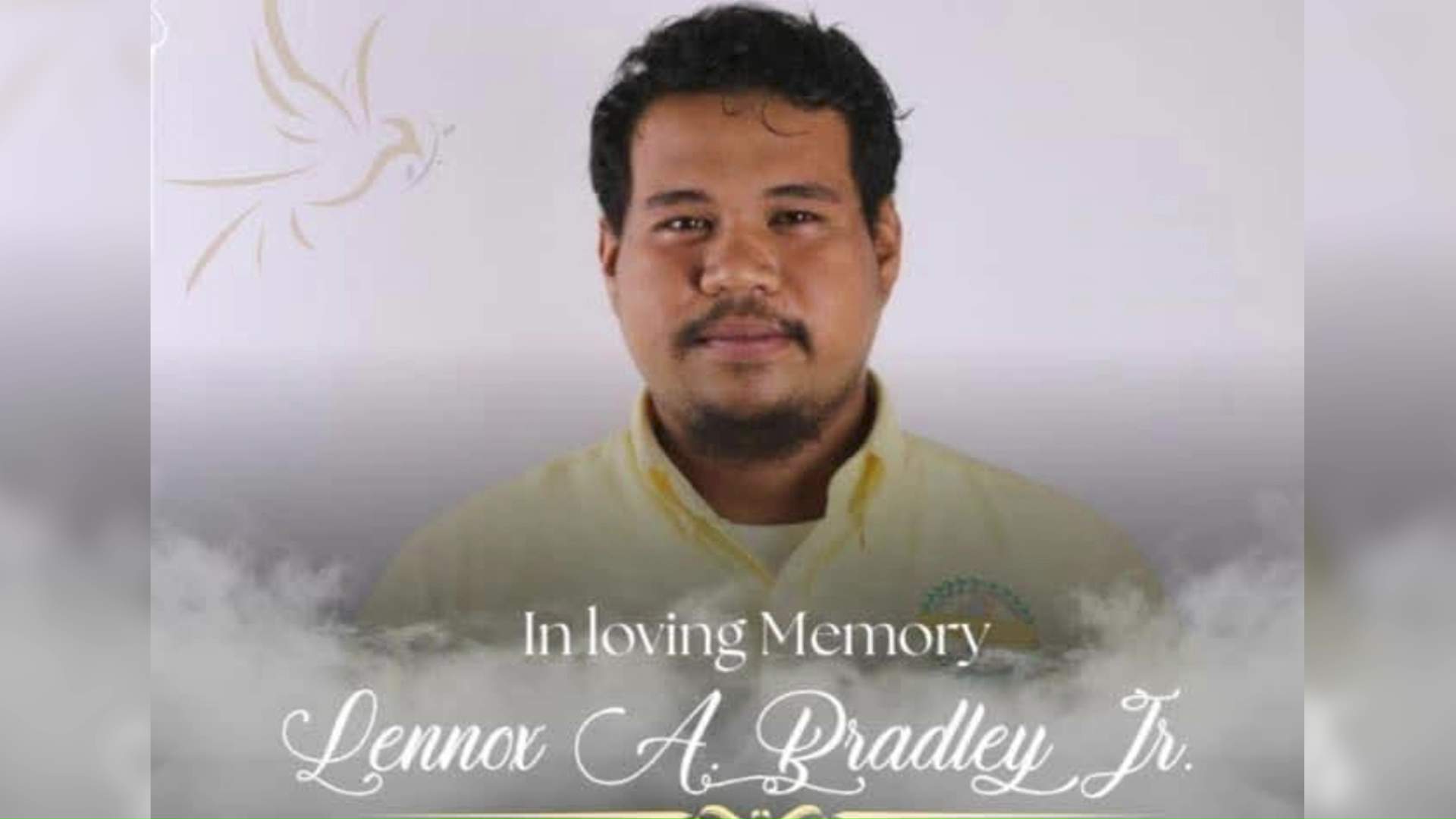
Police Say Bradley Lost Control of Vehicle in Fatal Accident
A late-night single-vehicle crash near Mile 61 of Belize’s George Price Highway has claimed the life of a 29-year-old San Ignacio Town resident, Alexander Bradley, in an incident that police say highlights the persistent dangers of after-hours road travel.
Emergency responders were first notified of the crash just before 1:00 a.m. on Wednesday, April 8, 2026, after reports of an overturned vehicle reached officers at the Georgeville Police Substation. When law enforcement arrived at the scene, they discovered a heavily damaged white SUV that had flipped off the pavement, with Bradley lying critically injured beside the wreckage.
Bradley was immediately airlifted by emergency medical personnel to the nearby San Ignacio Hospital for urgent care. Despite aggressive life-saving interventions by medical teams, Bradley succumbed to his severe injuries roughly four hours after the crash occurred.
Assistant Superintendent Stacy Smith, the Staff Officer leading the preliminary investigation, outlined the key findings released to the public this week. Smith explained that early evidence suggests Bradley lost control of his vehicle as he navigated a curve in the road. The SUV then struck a roadside traffic sign, a collision that triggered the vehicle to roll over multiple times before coming to a rest off the highway.
Local law enforcement is using Bradley’s death as a sobering public reminder of how quickly routine travel can turn deadly on Belize’s highways, particularly during late-night hours when limited visibility and reduced driver attention amplify road risks. The investigation remains ongoing as police work to confirm whether additional factors, such as speed, weather conditions, or driver fatigue, contributed to the fatal crash.
-

World Health Day: Protecting Belize’s Health Gains
As nations across the globe marked World Health Day on Tuesday, April 8, 2026, the Central American nation of Belize centered its observations on a uniquely urgent local priority: locking in decades of hard-won public health gains that risk erasure amid shifting global health trends.
Partnering with the Pan American Health Organization (PAHO), Belize’s Ministry of Health and Wellness used the annual global occasion to reflect on the strategies that have positioned the country as a regional success story in disease prevention. Health officials highlighted that consistent science-backed policy frameworks, paired with widespread public cooperation, have allowed Belize to fend off a range of severe public health threats far more effectively than many peer nations.
Aligning with this year’s global World Health Day theme, “Together for Health”, local health leaders emphasized that evidence-driven public health decision-making is not just an abstract bureaucratic exercise—it is a life-saving practice that has delivered measurable, transformative results for Belize’s communities. Those results are documented in landmark public health milestones: Belize has successfully eliminated measles, rubella, congenital rubella syndrome, and all mother-to-child transmission of both HIV and syphilis, achievements that few countries in the region can claim.
But the celebratory tone of the day was tempered by a critical warning: these public health victories are not permanent. Ongoing vigilance and sustained investment are required to protect the progress that thousands of frontline health workers have built. The caution comes amid a documented global decline in routine measles vaccination coverage over the past decade, a trend that has reignited outbreak risks even in countries that had previously fully controlled the disease. For Belize’s health authorities, this global trend serves as a stark reminder that immunization remains one of the most cost-effective, powerful tools in the entire public health toolkit.
Beyond the ongoing fight against infectious diseases, this World Health Day also drew renewed attention to a slower-growing but increasingly dangerous threat to Belize’s population: the rising burden of non-communicable diseases. Conditions including heart disease, diabetes, and multiple forms of cancer have seen steady prevalence increases across the country, with public health data linking most of that growth to modifiable lifestyle factors. To reverse this trend, officials emphasized that individual everyday choices play an equally critical role as government policy: adopting nutrient-dense dietary patterns, prioritizing regular physical activity, and reducing tobacco and alcohol consumption can dramatically cut individual risk of these conditions and reduce strain on the country’s public health system.
This report originated as a transcribed segment from a national evening television newscast, with standardized spelling provided for any Kriol-language commentary included in the original broadcast.