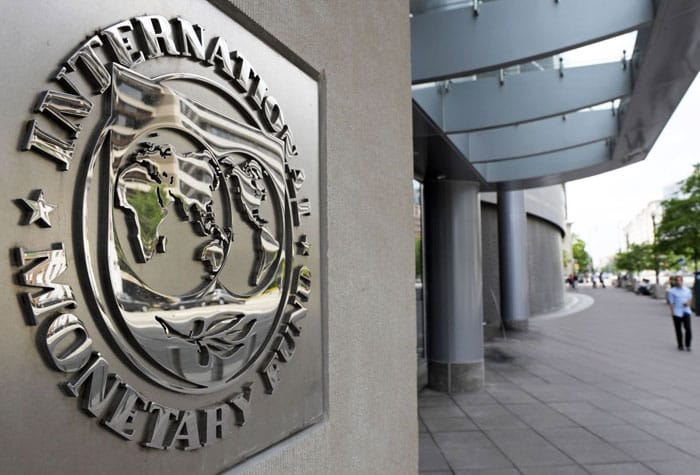
The International Monetary Fund (IMF) has acknowledged Haiti’s progress in its economic program, even as the nation grapples with ongoing security threats and institutional weaknesses that hinder broader growth and social stability. In a virtual mission led by Camilo E. Tovar, the IMF concluded its second review of Haiti’s Staff-Monitored Programme (SMP) on October 8, engaging with key Haitian officials, including Finance Minister Alfred Métellus and Central Bank Governor Ronald Gabriel. The SMP, an informal IMF arrangement, revealed that Haiti has met all quantitative and indicative targets as of June 2025, demonstrating fiscal and monetary discipline in an exceptionally challenging environment.
Fiscal improvements have been cautious yet notable. For the first time in recent memory, Haiti’s budget for fiscal year 2025 achieved broad balance, a significant turnaround after years of chronic deficits that eroded government capacity and increased reliance on external aid. This balance was achieved through enhanced revenue collection, despite weak tax administration, and stringent spending controls amid ongoing insecurity. Social spending surged by approximately 34%, directly aiding vulnerable populations affected by food insecurity, displacement, and poverty. This increase was partly funded by the IMF’s Food Shock Window rapid credit facility, which provides emergency resources during crises.
Haiti’s external position also showed resilience. By July 2025, gross international reserves surpassed US$3.1 billion, covering roughly seven months of imports—a critical buffer for this import-dependent economy. This stability is largely attributed to substantial remittance inflows from the Haitian diaspora, which have grown as migrants send more money home to support families facing escalating insecurity and economic hardship. While these remittances stabilize the exchange rate and maintain domestic liquidity, they also underscore Haiti’s reliance on external income sources due to limited domestic production.
However, the economic outlook remains fraught with challenges. The economy has contracted for seven consecutive years, driven by political turmoil, natural disasters, and widespread gang violence that disrupts trade and investment. Inflation, nearing 32% year-on-year, continues to erode purchasing power for a population largely dependent on limited earnings. The banking sector is also vulnerable, with a nonperforming loan ratio exceeding 13%, highlighting rising credit risks. Despite this, banks maintain capital adequacy ratios above regulatory minimums, indicating some capacity to absorb shocks.
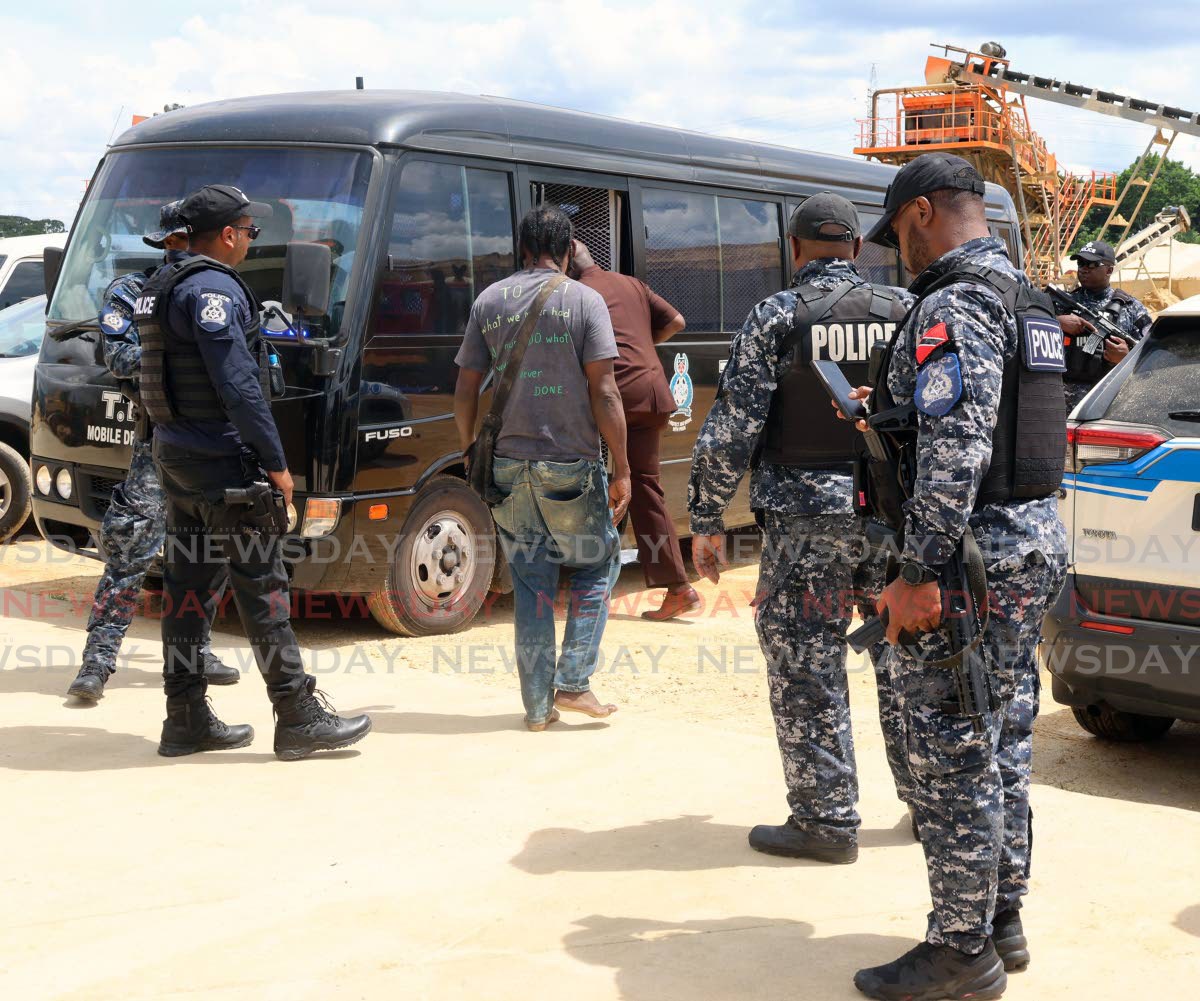
Haiti’s entrenched security crisis remains a significant obstacle. Gang control over neighborhoods and critical infrastructure paralyzes public service delivery and deters investment. The IMF emphasized that these challenges limit fiscal policy space by constraining revenue mobilization and effective budget execution, particularly for critical social and security spending.
Risks to growth are heavily skewed to the downside. The IMF expressed concerns over potential changes in migration and trade policies by major partners, which could sharply reduce exports and remittance flows—key sources of foreign exchange for Haiti. Such disruptions would exacerbate fiscal pressures, deepen humanitarian crises, and potentially trigger social unrest.
Despite these challenges, there is cautious optimism. The United Nations Security Council recently authorized a transition from the Multinational Security Support Mission to a new Gang Suppression Force, supported by regional organizations. Success in this initiative could restore order, rebuild state institutions, and encourage investment for long-term economic development.
The IMF urged Haitian authorities to accelerate governance reforms, enhance transparency, reduce corruption, and strengthen public financial management. Key priorities include modernizing tax and customs administration, rolling out digital tax services, and improving treasury cash management. Maintaining the central bank’s monetary policy credibility is also essential for controlling inflation and preserving macroeconomic stability.
Financial sector reforms remain critical, with calls to intensify bank inspections, integrate risk assessment frameworks, and update accounting standards. Transparency improvements, such as timely publication of audited central bank financial statements, are vital for better policymaking and investor confidence.
While progress under the SMP is encouraging, IMF officials stressed that Haiti’s urgent social and development needs require continued international financial support, preferably in the form of grants to avoid debt sustainability risks. Such support is crucial for fostering inclusive growth and poverty reduction in one of the hemisphere’s most fragile countries.
“This mixed picture of resilience amid adversity reflects Haiti’s complex reality,” the IMF mission stated. “Sustained improvement will require addressing deep-rooted security and institutional challenges alongside economic reforms.”
The Fund pledged ongoing collaboration with Haitian authorities, development partners, and regional organizations under its Fragile and Conflict-Affected States Strategy to support Haiti’s recovery.