A nation with a shared past and a shared future also bears a shared responsibility. This is not merely an ideal but an indispensable necessity. The choices we make, the leaders we elect, and the way we interact with each other and our environment shape not only our lives but also the lives of future generations. Surinamers, we are collectively responsible for the direction our country takes. This responsibility extends beyond the political arena to our daily interactions with our elders, the care we give to our natural environment, and the nurturing of our youth. These are all pieces of a larger mosaic in which each of us plays a role. Avoiding this responsibility means undermining the very foundation of our society. Leadership is a shared duty. We choose our leaders, but they act on our behalf. Therefore, we cannot merely point fingers at politicians; we must also look inward. Are we the examples we expect from our leaders? Do we listen to each other, even when opinions differ? Do we make space for the voices of the vulnerable? Do we cherish the earth that sustains us and protect the heritage that has shaped us? This responsibility is especially palpable as our country reflects on 50 years of independence. Fifty years of building together, of struggle and progress, but also of lessons and challenges. This anniversary is a moment of reflection: what have we endured together, what have we achieved together, and what legacy are we leaving for those who follow us? It is a reminder that our future is not guaranteed but is the result of our collective efforts. This is particularly relevant as a new economic future dawns with the promise of an oil boom. While this development could bring prosperity and growth, its success depends on our collective care and responsibility. It requires sustainable thinking, fair distribution, and the preservation of our natural resources. Only by acting together, with consideration for both people and the environment, can we ensure that this new source of wealth becomes a blessing for everyone, now and in the future. Shared responsibility also means not turning a blind eye to the problems that affect us but tackling them together. Whether it’s social inequality, climate change, or raising children in an increasingly complex world, these challenges can only be overcome if we find common ground in our shared duty. Every individual, every community, every institution has a role to play. And it starts close to home. How do we treat our elders? With respect and care, or do we too often leave them to their fate? What do we do with the nature around us? Do we see it as an inexhaustible resource, or do we realize that our future depends on how we treat it? And most importantly, what values are we passing on to our children, who will carry our society forward? Shared responsibility is the glue that binds us. It is the understanding that we are stronger together, that our future is not the sum of separate individuals but of a collective that supports and challenges each other. It is a call to actively contribute to a society where everyone matters, where we learn from the past to create a just future. Without this shared responsibility, a nation loses its cohesion and, with it, its future. Therefore, let us not wait for others to act but start today—with small steps, with conscious choices. Together, we are the architects of tomorrow.
博客
-
La Niña returns, increasing risk of flooding and extreme weather
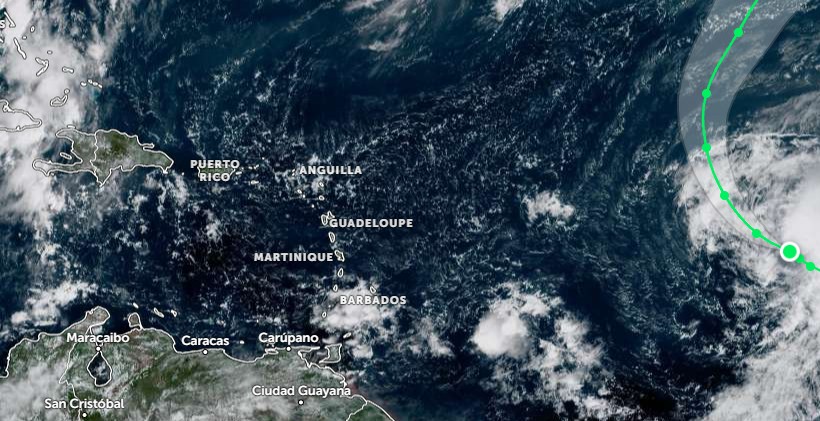
Santo Domingo.- The La Niña weather phenomenon has made its return, and meteorologists are sounding the alarm for the Dominican Republic. This climatic event, characterized by cooler-than-average equatorial Pacific waters, is set to bring significant changes to the region’s weather patterns over the next few months. Experts predict heavy rainfall, widespread flooding, and a marked decrease in temperatures across much of the country. La Niña’s influence extends to altering wind patterns and atmospheric circulation, indirectly impacting the Caribbean climate. The phenomenon is expected to increase the frequency of troughs, tropical waves, and low-pressure systems, heightening the risk of flash floods reminiscent of the severe rainfall event on November 4, 2022. On a more positive note, La Niña will also usher in cooler temperatures, particularly in mountainous regions such as Valle Nuevo, where temperatures could plummet to -7°C to -8°C, and Pico Duarte, where sub-zero conditions are anticipated. However, authorities remain vigilant, as La Niña’s reduction of wind shear could facilitate the formation and intensification of tropical cyclones in the Caribbean Sea, posing a continued risk of storms and hurricanes. Climate models suggest that La Niña will remain active until February or March 2026, ensuring prolonged periods of rainfall across the nation before transitioning to a neutral phase.
-
News : Zapping…
In a significant crackdown on organized crime, the Central Directorate of the Judicial Police (DCPJ) dismantled a major counterfeiting network in Lalue on October 11, 2025. The operation led to the arrest of twelve individuals involved in producing fake driver’s licenses, diplomas, civil status documents, credit cards, and stolen passports. Authorities are now investigating potential government complicity in the illegal operation. Meanwhile, Haiti faces scrutiny over the abandonment of a new Constitution draft, which reportedly wasted over 500 million Gourdes without explanation. In sports, the Inter-University Championship for Peace brought excitement to Place Boyer, with IHECE defeating UPLEH 79-69 in a thrilling basketball match. Standout performances included Sébastien Séraphin (IHECE) with 15 points and Pierre Flobert (UPLEH) with 17 points. The weekend concluded with UNITECH’s victory over UAEL, led by Marc Rousevelt Gabriel’s 13 points. On the international stage, Haiti’s national football team prepares for a crucial World Cup qualifier against Honduras, following a 0-0 draw in their previous encounter. In legal news, former DIE Director General Stéphane Vincent faced questioning in a corruption probe, vehemently denying allegations and criticizing the investigation as biased. Lastly, the European Union marked International Day of the Girl Child by supporting initiatives like Kako’s Kids, promoting equality and fair opportunities for girls in Haiti.
-
SBB wijst verzoek EBS af: bijna 1000 bruinhartpalen in beslag genomen
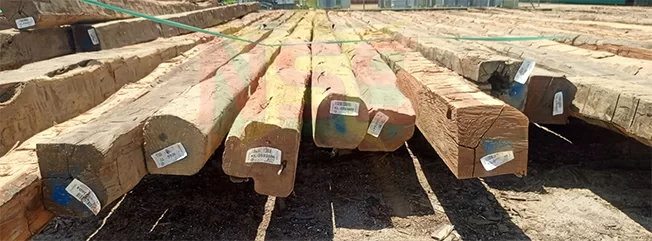
The Foundation for Forest Management and Supervision (SBB) has declined a request from Suriname’s Energy Companies (EBS) to lift the seizure of a large batch of brownheart timber. The decision was communicated in a letter from SBB Director Ruben Ravenberg to EBS General Director Leo Brunswijk, which was obtained by Starnieuws. The investigation into the allegedly illegally obtained timber is ongoing, and SBB has emphasized its legal obligation to inform the Attorney General of suspected violations. The first interim report was submitted to the Attorney General and the government last Wednesday. SBB continues its work, meticulously inspecting each piece of timber. As of October 6, 508 seizures had been made after inspecting 1,444 pieces of timber, bringing the total number of seizures to nearly 1,000. In the letter, Ravenberg referenced EBS’s October 3 request, which cited ‘public interest’ as the reason for lifting the seizure. However, SBB rejected the request, stating that all citizens, including state-owned enterprises like EBS, must adhere to the law and cooperate in combating illegal activities that cause irreparable damage to forests. SBB also highlighted that previous cases of illegally harvested brownheart timber at EBS’s landing site have already been transferred to the Public Prosecutor’s Office. Additionally, SBB inspectors were denied access to the EBS site on Bethesdaweg multiple times. When it was discovered that more allegedly illegal brownheart timber was brought to the site on September 29, SBB sought assistance from the Environmental Crime Unit. SBB is working to conclude the investigation swiftly, after which the full dossier will be handed over to the Public Prosecutor’s Office. Only then can EBS submit its request to the Attorney General. SBB reiterated its willingness to advise EBS on future purchases and verify information regarding brownheart timber offerings in advance.
-
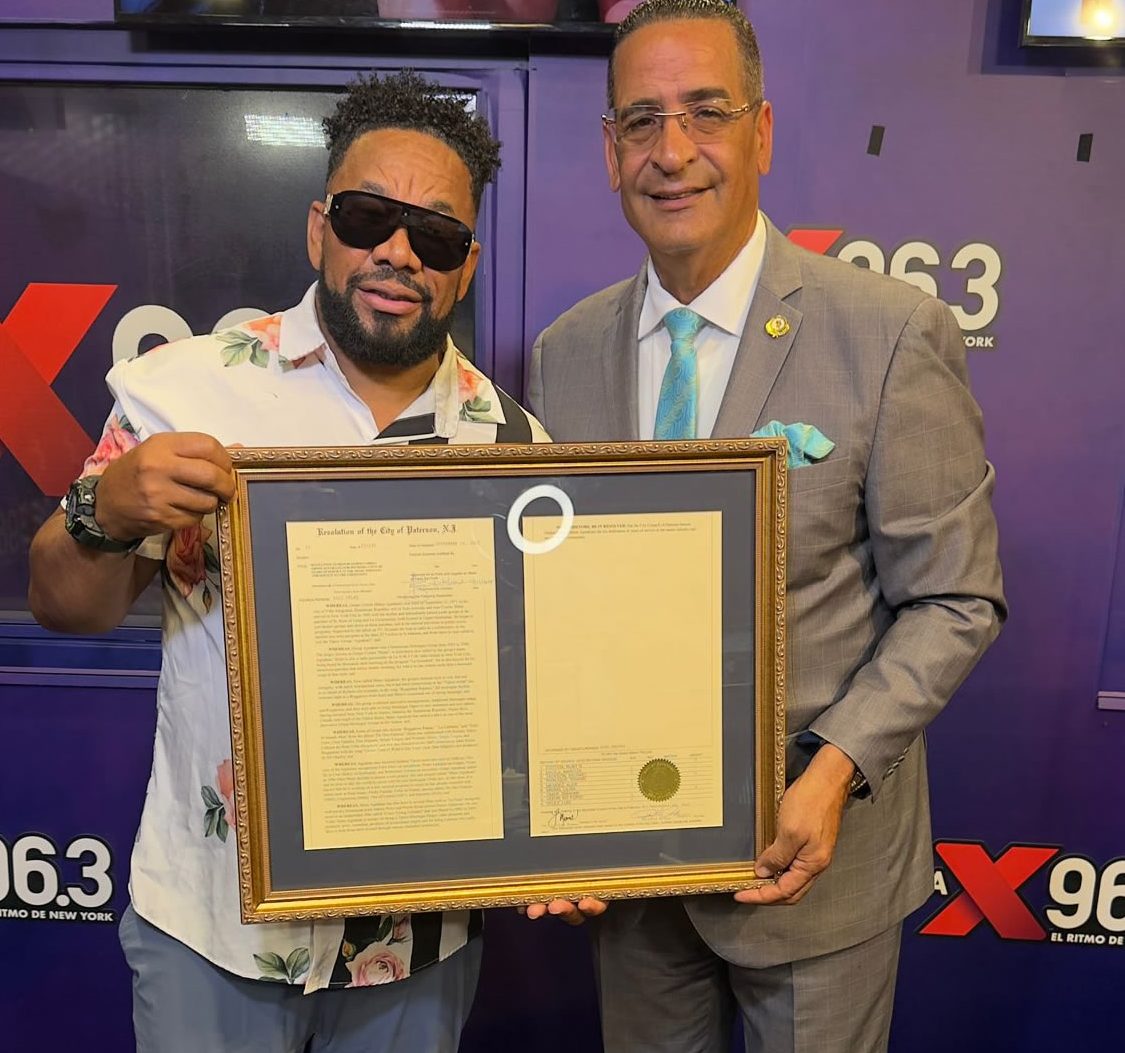
Shino Correa: a symbol of the Dominican diaspora in Washington Heights
For years, Shino Correa, affectionately known as Aguakate, has been a beacon of joy, laughter, and inspiration for the Latino community in New York City. His extraordinary versatility sets him apart: by day, he is a dedicated radio personality at X96.3, and by night, he transforms into a captivating merengue artist. This dual role not only highlights his relentless work ethic but also cements him as a symbol of resilience, talent, and commitment that embodies the Hispanic community in the United States. Beyond his artistic and professional endeavors, Shino has long been a pillar of his community. He has organized events, championed youth programs, and mentored countless individuals, offering guidance and inspiration to those who admire him. His contributions extend far beyond entertainment; they foster unity, pride, and a sense of belonging among Dominicans and Latinos in NYC. Recently, Shino’s impact was formally recognized with a proclamation in Paterson, presented by Councilman Luis Vélez. This accolade underscores not only his professional success but also the profound influence he has had on Dominican families and the broader community. While many artists have recently embraced Spanish-language music, Shino has been a trailblazer in NYC, staying true to his roots long before it became a trend. Witnessing his journey is a privilege, and calling him a friend is an even greater honor. Shino Correa exemplifies how talent, passion, and hard work can uplift a community. His music, voice, and dedication continue to inspire countless individuals, proving that leadership, creativity, and generosity can coexist in one extraordinary individual.
-

Economy : 3.7 billion from the Public Treasury to support the purchasing power of families
In a significant move to bolster economic stability, the Haitian government has unveiled a $3.7 billion gourdes initiative under the Multisectoral Emergency Program (PUM). Spearheaded by Prime Minister Alix Didier Fils-Aimé, this financial package aims to enhance the purchasing power of Haitian families while stimulating national economic recovery. The program targets 286,833 households, focusing on those most impacted by the ongoing economic crisis. Between September and October 2026, three key groups will benefit: parents of schoolchildren (70%), vulnerable households (19%), and workers in the textile and domestic production sectors (11%). Cash transfers, facilitated through Mon Cash and Nat Cash, will provide approximately 15,000 gourdes per recipient, with the government covering all withdrawal fees. Workers will receive their support either through employers or directly into their bank accounts. As of October 11, 2025, over 94,000 transfers had been processed within 48 hours, demonstrating the program’s rapid implementation. The identification of beneficiaries relies on robust databases and institutional partnerships, including SIGE (MENFP) for parents of schoolchildren, SIMAST (MAST) for vulnerable households, and ADIH and labor unions for industrial sector employees. Prime Minister Alix Didier emphasized the moral and national responsibility to support Haiti’s most vulnerable populations, stating, ‘Education remains the cornerstone of development and the pathway to a brighter future for our beloved Haiti.’
-

FLASH : Fight against early and forced unions in Haiti
On October 11, 2025, coinciding with the International Day of the Girl Child, Plan International Haiti initiated a nationwide campaign to combat early and forced unions, advocating for a safer and more promising future for Haitian girls. The campaign, themed ‘Girls Free from Forced Unions,’ highlights the critical need to protect young girls from harmful practices and uphold their fundamental rights. Despite legal prohibitions against child marriage in Haiti, early and forced unions persist, depriving countless girls of their childhood, education, and autonomy. Prospery Raymond, Country Director of Plan International Haiti, emphasized the dire economic conditions that compel families to make devastating choices, leaving girls vulnerable to exploitation and trafficking. He stressed the urgency of implementing measures to safeguard their safety, freedom, and well-being. Social norms and gender expectations surrounding early marriage remain deeply entrenched, slowing progress toward eradicating this practice. Plan International is actively engaging with girls and their communities to end early marriage and violence, empowering young girls to lead initiatives within their communities. The organization calls for increased support through funding, mentorship, and platforms to amplify their voices. This campaign underscores Plan International’s commitment to freeing girls from forced unions and violence, marking a significant step toward gender equality and child protection in Haiti.
-
FLASH : Visa refusal in the United States, Haiti the 3rd most affected country
A recent report from the U.S. Department of State has unveiled a concerning trend in visa refusals, with citizens of Cuba, El Salvador, and Haiti facing the highest rejection rates for U.S. visa applications. The data, reflecting the end of fiscal year 2024, shows that more than half of B1/B2 visa applications (for tourism or business) were denied for Cubans, at a staggering 53.35%. El Salvador followed closely with a 52.65% refusal rate, while Haiti recorded a 47.35% rejection rate. This stark contrast highlights the immigration challenges faced by these nations, particularly in comparison to other Latin American countries like Panama, Argentina, and Brazil, where acceptance rates are notably higher. In Haiti’s case, the high refusal rate is attributed to ongoing political and economic instability, which raises concerns among U.S. consular officers about the risk of irregular migration. Conversely, countries with greater economic stability and lower migratory pressure, such as Uruguay, Chile, and Argentina, enjoy significantly lower refusal rates. Experts predict that rejection rates will remain elevated in nations grappling with economic crises and political tensions. They recommend that applicants submit comprehensive documentation, demonstrate strong ties to their home country, and prepare thoroughly for consular interviews to improve their chances of approval. This advice comes amid a broader context of increasingly stringent U.S. immigration policies.
-

Column: Borrelpraat no. 893
In a multifaceted geopolitical landscape, the anticipated release of hostages by Hamas on Monday has sparked intense discussions about the broader implications of the Israeli-Palestinian conflict. The situation is further complicated by the role of international actors, including the United Nations, and the internal political dynamics within Israel and Palestine. Critics argue that the two-state solution is increasingly untenable, with Israeli settlements on the West Bank and aggressive military actions in Gaza exacerbating tensions. The UN’s perceived ineffectiveness, particularly due to the veto power in the Security Council, has been a point of contention, with calls for reform to address global conflicts more effectively. Domestically, Israel faces scrutiny over its handling of illegal immigrants and internal dissent, with some labeling the country as a de facto dictatorship. Meanwhile, the potential displacement of millions of Palestinians from Gaza raises concerns about humanitarian crises and the capacity of other nations to absorb refugees. The discussion also touches on historical and ongoing internal conflicts within other nations, such as the struggles for land rights and autonomy among indigenous and Maroon communities in Suriname. The broader narrative underscores the complexities of achieving peace and stability in a world fraught with competing interests and unresolved historical grievances.
-
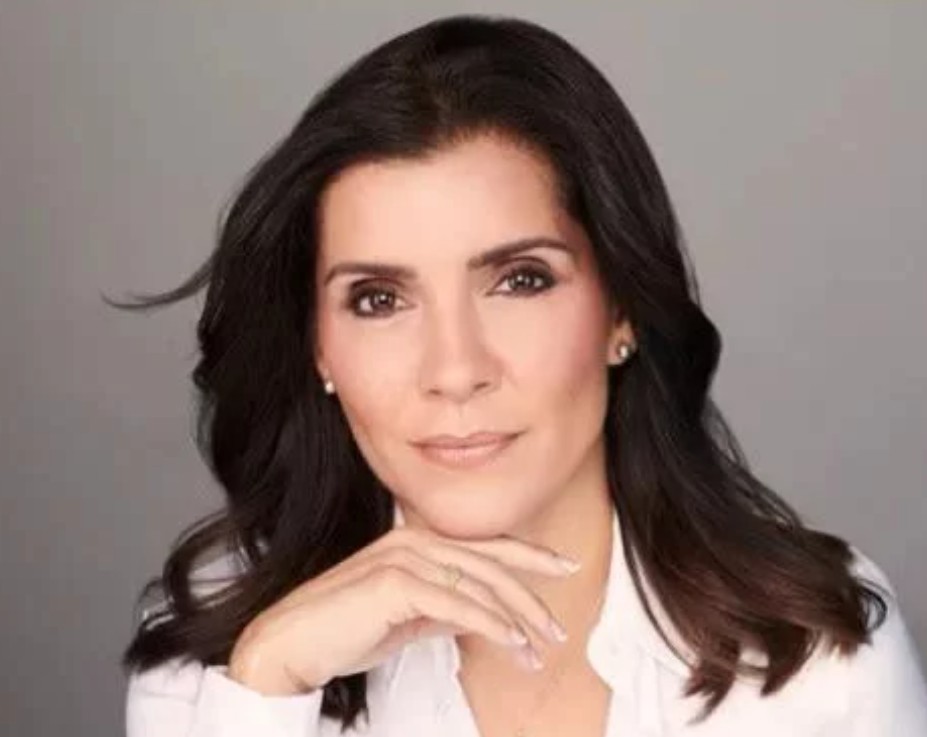
Leah Francis Campos sworn in as new U.S. Ambassador to the Dominican Republic
Washington, D.C. — Leah Francis Campos has officially taken the oath as the new U.S. Ambassador to the Dominican Republic, commencing her diplomatic duties in Santo Domingo. Appointed by President Donald J. Trump and confirmed by the U.S. Senate on October 7, 2025, following her nomination in December 2024, Campos expressed profound gratitude for the opportunity. In a heartfelt social media post, she acknowledged the unwavering support of her family, friends, and political allies, emphasizing the honor of representing the United States in a nation that serves as a pivotal partner in the Caribbean region.
Her appointment marks the end of a transitional period during which the U.S. Embassy in the Dominican Republic was overseen by a Chargé d’Affaires, signaling a reinvigorated U.S. commitment to fostering robust bilateral ties. A seasoned career diplomat and former CIA analyst, Campos brings a conservative perspective and extensive foreign service experience to her new role. She is anticipated to arrive in the Dominican Republic shortly to formally present her credentials to President Luis Abinader.
During her Senate confirmation hearing, Ambassador Campos articulated her key priorities, which include advancing trade and investment opportunities, enhancing security collaboration to combat drug trafficking and organized crime, addressing irregular migration challenges, and countering China’s expanding influence in the region. Her tenure is expected to focus on deepening the strategic alliance between Washington and Santo Domingo, emphasizing mutual cooperation, security, and shared prosperity.