博客

  • 17 Nigerians refused entry into St. Kitts and Nevis amid Ebola concerns – WIC News

    17 Nigerians refused entry into St. Kitts and Nevis amid Ebola concerns – WIC News

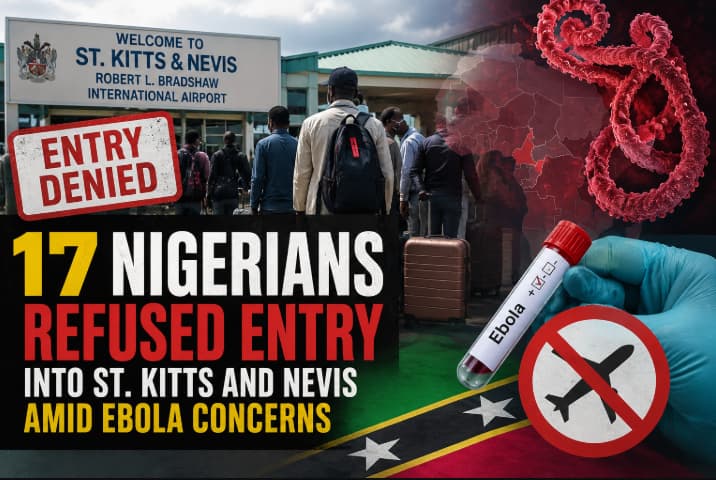
    In a proactive emergency move to safeguard its domestic population, the federation of St. Kitts and Nevis has barred 17 Nigerian travelers from entering the country, a decision rooted in rising global concerns over ongoing Ebola virus transmission across parts of Africa.

    The group of travelers arrived Tuesday at Robert L. Bradshaw International Airport on St. Kitts via a regional commercial flight, and was immediately turned away under new public health protocols. The country’s Ministry of National Security issued an official statement confirming the decision, stressing that the restrictive measure was not reached hastily. Instead, it was implemented on the formal recommendation of the nation’s top public health experts, aligned with the government’s core mandate to protect community health amid growing international alarm over the expanding Ebola outbreak.

    Officials noted that the Nigeria Centre for Disease Control and Prevention (NCDC) has already publicly designated Nigeria as a high-risk location for Ebola importation. That classification followed a dynamic, data-driven risk assessment that accounted for ongoing Ebola transmission in multiple West and Central African regions, as well as frequent cross-border and international travel through Nigeria’s major transport hubs. Crucially, the statement acknowledged that Nigeria has not yet recorded any confirmed locally acquired or imported Ebola cases tied to the current outbreak — a fact that underscores the proactive, precautionary nature of St. Kitts and Nevis’ policy.

    The Ministry of National Security emphasized that the entry ban does not reflect a breakdown in the longstanding warm and respectful relations between St. Kitts and Nevis and the people of Nigeria. “We remain a welcoming nation and we deeply regret any inconvenience or distress caused to our Nigerian brothers and sisters who have been affected by this necessary public health measure,” the statement read.

    Officials added that their immediate priority is to act with deliberate caution, full accountability, and strict adherence to international public health guidance, while upholding the dignity and respect of all travelers affected by border protocols. The federal government also called on all visitors and residents to comply fully with St. Kitts and Nevis’ public health regulations to ensure the policy is implemented smoothly and without disruption, and expressed gratitude to the local public for their ongoing cooperation and understanding as the situation evolves.

  • Cement Shortage Nearing End, Government Says

    Cement Shortage Nearing End, Government Says

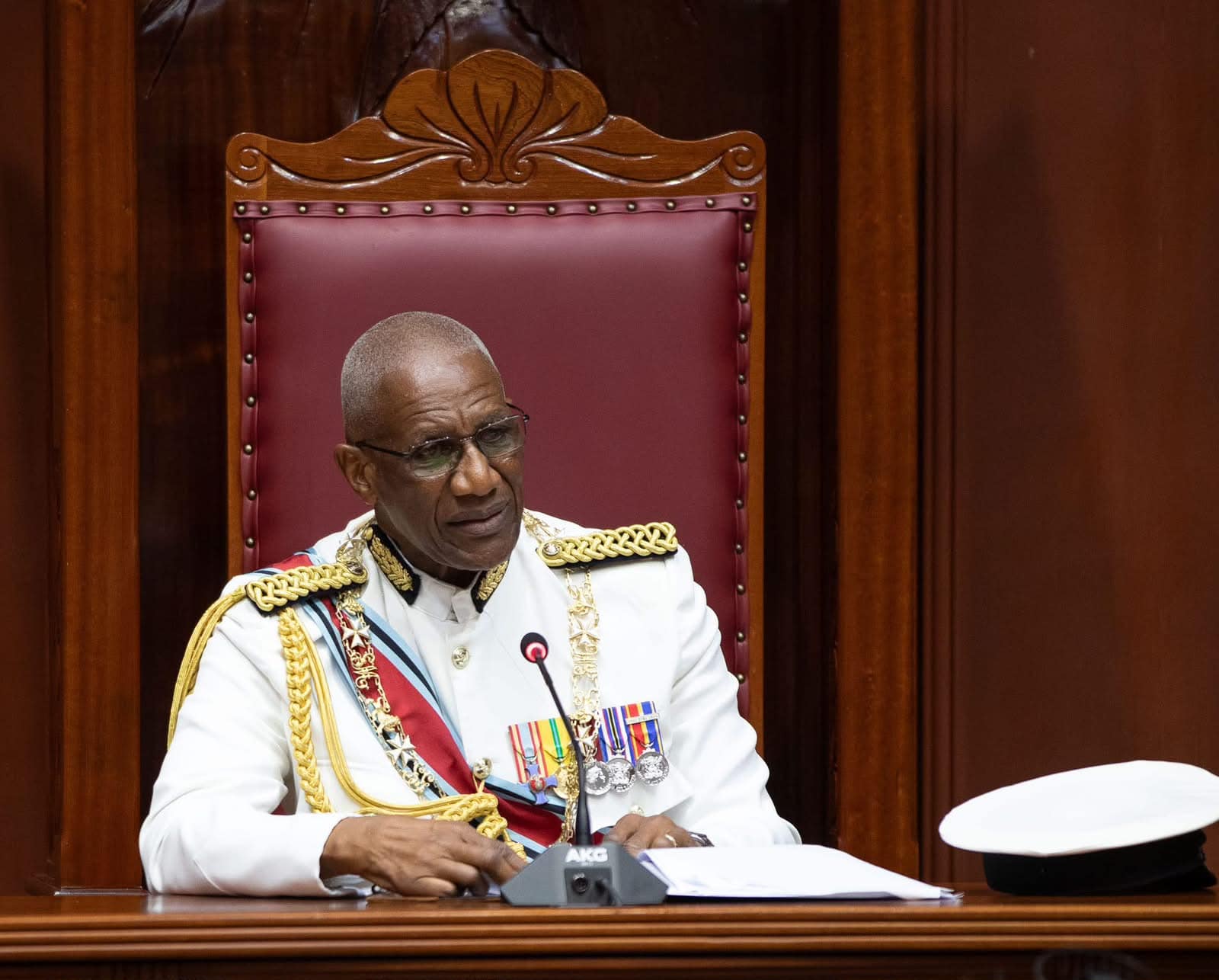
    In the ceremonial opening of Antigua and Barbuda’s Parliament for the 2026 legislative session, Governor-General Sir Rodney Williams delivered a widely anticipated Throne Speech on Tuesday that addressed one of the country’s most pressing construction sector headaches: persistent cement shortages that have slowed public and private building work across the twin-island nation. Sir Rodney confirmed that the ongoing supply crunches, which have hampered the government’s flagship infrastructure expansion and road rehabilitation agenda, are on track to be resolved imminently as dredging work on the navigation channel leading to the national cement silos at Crabbes enters its final phase.

    “A shortage of cement has been a challenge; however, as the dredging of the channel leading to the silos at Crabbes nears completion, that scarcity of cement will be of the past,” Sir Rodney told assembled lawmakers and guests. The update comes after months of regional supply chain disruptions and shipping delays that have driven cement shortages across multiple Caribbean nations, grinding construction projects to a halt in several territories. For Antigua and Barbuda, the bottleneck has been compounded by limited access to the Crabbes silos, which prevents large delivery vessels from offloading sufficient cement stock to meet growing demand from large-scale public works.

    The Throne Speech dedicated a significant segment to outlining the current state of the country’s multi-year infrastructure overhaul, revealing that work is advancing across dozens of primary and secondary road corridors. Several major arterial routes have already wrapped up rehabilitation work, including the Sir George Walter Highway, Friars Hill Road, and Sir Sidney Walling Highway. Upgrades are also actively progressing on the Valley Road connecting Golden Grove to Old Road, the Parham to Willikies Highway, and the heavily trafficked All Saints Road. In tandem with work on major highways, paving crews have been deployed to resurface secondary local roads across rural villages and urban communities island-wide.

    To sustain this ambitious infrastructure push, the government announced a landmark financing agreement: a consortium of local financial institutions has committed EC$150 million in funding for ongoing road rehabilitation, to be repaid through a structured vehicle user-fee mechanism. The arrangement clears the way for continued investment in transportation infrastructure, which the government has identified as a core driver of long-term economic growth and tourism competitiveness.

    Sir Rodney also used the speech to recognize the leadership of Works Minister Maria Browne and the entire team at the Ministry of Works for their handling of the expansive infrastructure program amid ongoing supply headwinds. “My Government expresses its sincerest thanks to the Minister of Works, the Honourable Maria Browne, for her management of a workforce that has performed admirably,” he said. Moving forward, officials expect the completion of the Crabbes dredging project to streamline cement delivery and storage operations, eliminating the supply bottleneck that has slowed progress for months.

  • Governor-General Says CARICOM Remains Essential to Antigua and Barbuda’s Stability and Prosperity

    Governor-General Says CARICOM Remains Essential to Antigua and Barbuda’s Stability and Prosperity

    Against a backdrop of mounting global geopolitical tension, Antigua and Barbuda has used its annual ceremonial opening of Parliament to underscore its long-standing dedication to Caribbean regional unity, framing the Caribbean Community (CARICOM) as an indispensable pillar of the nation’s ongoing stability and future prosperity. In his traditional Throne Speech delivered Tuesday, Governor-General Sir Rodney Williams tied the country’s modern regional identity to nearly 80 years of incremental political and economic collaboration across the Caribbean, tracing the evolution of integration through key historical milestones that laid the groundwork for today’s collective framework.

    Williams outlined the clear position of the Antigua and Barbuda government, stating, “My Government views the CARICOM as essential to our island-nation’s stability and prosperity.” In a walk through regional history, he tracked integration’s earliest local roots back to the 1946 manifesto released by the Antigua Trades and Labour Union Political Committee, before moving to the 1958 formation of the West Indies Federation, an initiative Williams noted “embodied the hopes and aspirations of a single Caribbean State.” He went on to highlight the 1965 launch of the Caribbean Free Trade Association and the 1973 establishment of CARICOM itself as defining turning points that advanced the region’s shared push for collective progress and cross-border cooperation.

    Beyond historical context, Williams emphasized that CARICOM’s multilateral institutions remain a critical lifeline for small island developing states navigating overlapping economic and geopolitical headwinds. “The several multilateral institutions created to meet the collective and individual needs of the CARICOM member-States, form a protective blanket that allows for collaboration and far-ranging security building measures,” he explained.

    The remarks on regional integration came as part of a broader section of the speech focused on foreign policy and growing global instability. Williams drew explicit attention to the cascading economic costs that distant conflicts impose on small, developing Caribbean nations, pointing specifically to the ongoing Russia-Ukraine war and escalating tensions between Iran, Israel, and the United States. Even though the Caribbean region bears no responsibility for these crises, Williams said the resulting spikes in fuel, shipping, and insurance costs have created significant, unfair economic burdens that ripple through local economies across the bloc.

    To close his remarks on foreign affairs, Williams offered high praise for Antigua and Barbuda’s Foreign Affairs Minister E.P. Chet Greene, lauding him as a “very skillful Minister” whose adept stewardship of the nation’s foreign portfolio has helped the country navigate the increasingly choppy geopolitical conditions defining the current global landscape.

  • St. Joseph’s Academy Retains CUB Inter-secondary Debate Championship Over Sir Novelle Richards Academy

    St. Joseph’s Academy Retains CUB Inter-secondary Debate Championship Over Sir Novelle Richards Academy

    On Tuesday, the Caribbean Union Bank Inter-secondary School Debate Championship concluded at the University of the West Indies Five Islands Campus, with St. Joseph’s Academy making history by retaining its coveted championship title. The year’s final showdown, organized by the Education Broadcasting Unit under Antigua and Barbuda’s Ministry of Education, drew widespread attention as two top-tier secondary school teams went head-to-head for the regional crown. St. Joseph’s Academy edged out runner-up Sir Novelle Richards Academy in a tightly contested exchange of arguments centered on a timely regional policy question.

    This year’s final debate centered on a provocative moot tailored to spark critical engagement with Caribbean regional integration: “CARICOM offers the best option for Member States to maintain their sovereignty.” Sir Novelle Richards Academy took the stage first to advocate for the proposition, making the case that collective governance and economic coordination through the Caribbean Community provide small island nations with the collective bargaining power and institutional stability to protect their sovereign autonomy in an increasingly polarized global landscape. Opposing the motion, St. Joseph’s Academy put forward a nuanced argument highlighting structural limitations of the current CARICOM framework that can constrain national policy flexibility, ultimately convincing the panel of adjudicators of their position to secure the win.

    In an official statement released shortly after the final results were announced, competition organizers extended formal congratulations to St. Joseph’s Academy for its successful title defense, a rare achievement that underscores the school’s consistent investment in debate and critical thinking education. Organizers also made a point to commend Sir Novelle Richards Academy for what they described as “outstanding performance throughout the season and in today’s finals,” noting that the team’s preparation and rhetorical skill made the final one of the most competitive in recent years. The Ministry of Education echoed this praise, highlighting that both finalist teams displayed the core values of the competition: “excellence, discipline, and the true spirit of debate.”

    Now in its annual cycle, the Inter-secondary School Debate Championship fills a unique niche in Caribbean secondary education. Beyond the thrill of competition, the event was designed to foster core transferable skills that benefit students long after they leave the debate stage: rigorous critical thinking, structured research, confident public speaking, and the ability to engage respectfully with opposing viewpoints. Equally importantly, the competition intentionally centers topical regional and civic issues in its moot selection, encouraging a new generation of young Caribbean people to think deeply about the policy choices that will shape the future of their region.

    This repeat win cements St. Joseph’s Academy’s reputation as a dominant force in regional secondary school debate, and organizers have already signaled that next year’s competition will expand participation to include more schools across the Caribbean, continuing the event’s mission of building capacity for civic engagement among young people.

  • Pringle says he attended Parliament because the president summoned him to do so

    Pringle says he attended Parliament because the president summoned him to do so

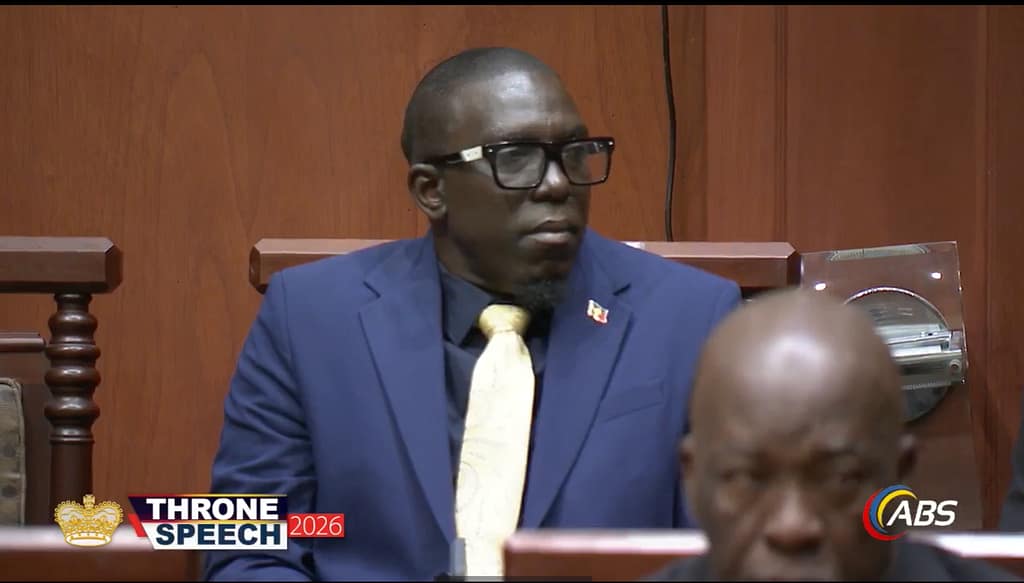
    A political controversy has erupted in Antigua and Barbuda after opposition leader Jamale Pringle was ordered to leave Parliament just hours before the opening of a new legislative session, despite receiving a formal summons to attend and be sworn in. The incident triggered an immediate walkout by all opposition members of parliament and senators, who left the chamber in protest of the unexpected snub to their leader.

    In an interview with Observer Radio just hours after the chaotic scenes, Pringle laid out the sequence of events that led to the confrontation, calling for transparency over why parliamentary authorities blocked him from taking his oath of allegiance. He stressed that his aim is not to stoke unnecessary division among opposition lawmakers, but to unpack the confusing sequence of events that left him locked out of the official sitting.

    Pringle explained that his absence from an earlier planned swearing-in session was entirely justified: he traveled out of the country with his daughter to receive urgent medical care, and submitted formal advance notification of his absence to parliamentary officials. After returning, he received a second official summons dated May 14, ordering him to attend the opening of Parliament’s first session on May 26 at 9 a.m., with an instruction to arrive 15 minutes early “for the dispatch of such business as may be necessary.”

    Based on the wording of this correspondence, Pringle said he reasonably assumed the pre-session gathering would be used to administer his oath of allegiance, bringing him into formal membership of the new Parliament. He arrived at the legislative chamber at 8:25 a.m., almost 20 minutes ahead of the scheduled pre-session meeting, and took a seat that had already been set up with his name displayed. He waited in the chamber for nearly an hour before the Sergeant-at-Arms approached him and requested he leave to meet with Senate President Alincia Williams-Grant.

    During that private meeting, Pringle said the Senate President informed him he could not take a seat in the chamber because he had not completed the required oath of allegiance. In response, Pringle proposed that the oath be administered publicly on the floor of Parliament, a procedural step he argued would have been quick, transparent, and fully in line with parliamentary rules. He emphasized that he holds the institution of Parliament in high regard and makes every effort to attend all scheduled sittings, noting that the oath is an extremely brief procedure that could easily have been completed before the formal Throne Speech got underway.

    When asked if he believed the oversight was a deliberate attempt to embarrass the opposition and disrupt the opening of the first parliamentary session, Pringle said he believed that was likely. Adding to his confusion, he noted that parliamentary staff had already prepared a name-plated seat for him in the chamber, confirming that organizers expected his attendance. Pringle has yet to receive a clear explanation from parliamentary officials for why he was summoned if he was not going to be allowed to complete the required swearing-in process, leaving key questions about the incident unresolved.

  • Antigua and Barbuda To Enact Laws Targeting Food Safety, Nursing Homes, Mental Health and Medical Labs

    Antigua and Barbuda To Enact Laws Targeting Food Safety, Nursing Homes, Mental Health and Medical Labs

    At the formal opening of the new parliamentary session on Tuesday, the government of Antigua and Barbuda unveiled a sweeping legislative package that places healthcare system improvement at the core of its 2026–2031 policy agenda, with a slate of new laws and regulatory reforms targeting five critical health-related sectors: food safety, mental health services, pharmacy operations, medical laboratories, and nursing homes.

    The full set of proposals was laid out by Governor-General Sir Rodney Williams during the annual Throne Speech, which outlines the incoming administration’s policy priorities following the April 30 general election. Sir Rodney emphasized that the upcoming regulatory updates are designed to reinforce oversight across the healthcare landscape and raise public safety standards for all residents of the twin-island nation.

    “Other laws that impact food safety, mental health, pharmacy regulation, and the operation of medical laboratories and nursing homes, will come before this Parliament in the interest of ensuring better treatment of the sick, and improved safety standards for all,” Sir Rodney told assembled lawmakers during the ceremonial address.

    While the government confirmed the broad scope of the healthcare-focused legislative package, it has not yet released specific timelines for parliamentary review or granular details of the proposed regulatory changes. The proposal marks just one component of a broader, five-year legislative reform agenda that also encompasses overhauls of electronic crime legislation, new protections for workers against workplace harassment, updates to border security protocols, and structural changes to police and forensic services.

    In a nod to continuity in health governance, the speech opened with formal recognition of former Health Minister Sir Molwyn Joseph, honoring his decades of cross-sector service in health, wellness, environmental policy, and civil administration. The administration also formally welcomed newly appointed Health Minister Michael Joseph, who will lead the rollout of the government’s health policy priorities.

    “The health and well-being of the people of Antigua and Barbuda continue to remain a priority for my Government, for we believe that a healthy nation is a wealthy nation,” the Governor-General affirmed, cementing the administration’s commitment to centering public health in its term. Addressing growing global concerns about transboundary disease spread, the speech also expressed full confidence in the Ministry of Health and the nation’s medical professionals to maintain robust protections for the population and mitigate emerging public health risks.

  • Royal Police Force Congratulates Corporal Lynroy Durand on Master’s Degree in Cybersecurity

    Royal Police Force Congratulates Corporal Lynroy Durand on Master’s Degree in Cybersecurity

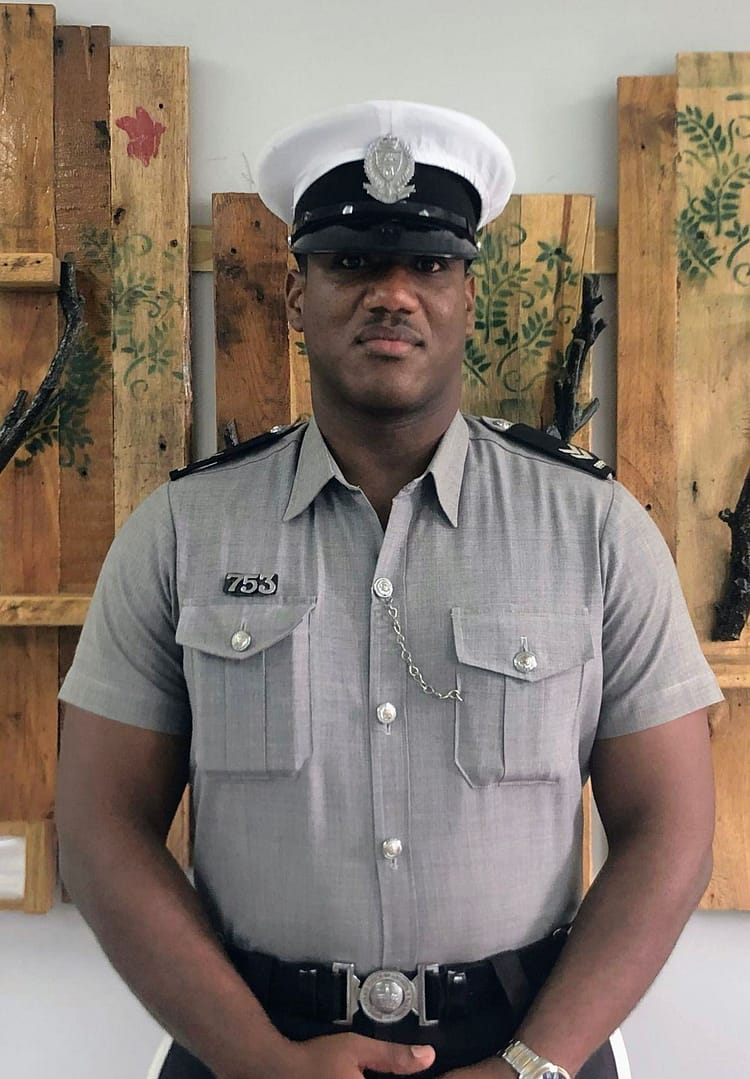
    The Royal Police Force of Antigua and Barbuda has publicly celebrated a key professional milestone for one of its corporals, Lynroy Durand (badge number 753), who has recently completed his postgraduate studies and earned a Master of Science degree in Cybersecurity.

    Durand’s academic achievement came after he was selected as one of just two Antiguan recipients for a partial scholarship funded by the Organization of American States (OAS), a regional intergovernmental organization that promotes cooperation across the Americas. The scholarship allowed him to pursue his advanced degree through a collaborative academic program offered by Universidad Da Vinci de Guatemala and Structuralia, a global education and training provider for infrastructure and digital sectors.

    Over the course of the rigorous program, Durand built out advanced specialized skills that directly align with growing global law enforcement priorities: threat mitigation for information systems, proactive cybercrime prevention, and modern digital infrastructure protection protocols. These capabilities fill a growing skills gap for small island nations, which face rising risks of cyberattacks on public and private sector systems.

    Looking ahead, Durand plans to integrate his new expertise directly into his daily work with the Royal Police Force, with a focus on three core priority areas: improving the force’s cybercrime investigative workflows, advancing local capacity for digital forensics analysis, and hardening critical government and law enforcement information systems against unauthorized access and breaches.

    In an official statement announcing the achievement, the Royal Police Force framed Durand’s graduation as far more than a personal win: it is a clear demonstration of the sustained commitment that frontline law enforcement personnel in Antigua and Barbuda hold for continuous professional growth, lifelong learning, and the modernization of policing through intentional adoption of new technology and innovative practices. The force closed its statement by extending well wishes for Durand’s continued success in his service to the people of Antigua and Barbuda.

  • LISTEN: Senator Chester Hughes Says Standing Orders Allow Pringle to Be Sworn In During Any Sitting

    LISTEN: Senator Chester Hughes Says Standing Orders Allow Pringle to Be Sworn In During Any Sitting

    A heated political dispute has erupted in Antigua and Barbuda’s Parliament following the government’s decision to bar Opposition Leader Jamale Pringle from taking his oath of office during a recent sitting, drawing sharp accusations of democratic erosion from opposition lawmakers. Senate Minority Leader Chester Hughes has publicly defended Pringle, arguing that longstanding parliamentary standing orders explicitly permitted the oath of allegiance to be administered mid-session following Pringle’s re-election via by-election.

    In an interview with Observer Radio conducted after all opposition members staged a mass walkout from the chamber ahead of the annual Throne Speech delivered by the Governor General, Hughes outlined the legal and procedural case for the opposition’s position. He clarified that while the national Constitution requires all elected members to complete the oath before participating in parliamentary proceedings, the specific timing of this step is governed by standing orders, not the foundational legal document.

    Hughes pointed specifically to Standing Order 15, contained within Chapter 4 of Parliament’s procedural rules. This provision sets the standard order of business for every parliamentary sitting, and explicitly lists “the oath of allegiance of a new member” as a routine agenda item. This inclusion, Hughes argued, was intentionally designed to accommodate special circumstances such as by-elections, where newly elected members join the legislature mid-session and require swearing-in after a parliamentary term has already begun.

    “Standing orders explicitly allow new members to be admitted at any sitting — that is exactly why the oath item is permanently on the agenda for every session,” Hughes stated.

    The controversy unfolded Tuesday, when parliamentary officials ordered Pringle to leave the joint sitting before the Throne Speech after confirming he had not yet completed his oath following re-election. In response, all opposition lawmakers walked out of the chamber in coordinated protest. Hughes told reporters that opposition members smelled trouble before official proceedings even began, after noting closed-door consultations between Prime Minister Gaston Browne, Attorney General Sir Steadroy Benjamin, and other senior government officials inside the chamber. He added that government officials were seen making frantic calls to external advisers moments before the Sergeant-at-Arms approached Pringle to remove him.

    Hughes also flagged a separate procedural red flag ahead of the sitting: key parliamentary documents were never distributed to opposition members in advance, a break from standard protocol. When Hughes attempted to raise the issue of Pringle’s swearing-in once the sitting began, he was denied permission to speak on the opposition leader’s behalf. He questioned why the government refused to accommodate the straightforward step of administering the oath, asking: “What damage would it have done to simply follow procedure and swear Pringle in alongside other new members?”

    A core point of contention for Hughes is the government’s repeated reliance on the constitutional requirement for oaths while ignoring the standing orders that govern timing. He also launched a direct critique of Senate President Alincia Williams-Grant, accusing her of bias in allowing the Attorney General to speak at length on the dispute while barring him, the elected Senate minority leader, from addressing the chamber to defend Pringle.

    “She let the Attorney General rise and speak on this matter, but refused to let me, as the leader of the minority, come to the defense of the leader of the opposition,” Hughes said.

    Closing his remarks, Hughes issued a stark warning about the long-term implications of the government’s actions, arguing that this procedural overreach poses a tangible threat to the country’s democratic foundations: “All democracies are under threat when a government behaves this way.”

  • GG Praises PM for Rejecting Second IMF Programme and Repaying EC$320 Million Debt

    GG Praises PM for Rejecting Second IMF Programme and Repaying EC$320 Million Debt

    During the ceremonial opening of the country’s new parliamentary term on Tuesday, Governor-General Sir Rodney Williams used the annual Throne Speech to spotlight a landmark 2014 decision by Prime Minister Gaston Browne’s administration that officials now frame as the turning point for Antigua and Barbuda’s economic resurgence.

    Shortly after the Antigua and Barbuda Labour Party (ABLP) won the June 2014 general election, Browne – who also holds the finance portfolio – was confronted with an unexpected demand from the International Monetary Fund. A representative from the global lending body reached out to the newly sworn-in government to demand repayment on a defaulted existing loan. When the administration requested a repayment moratorium to ease the strain on national finances, the IMF offered a second structured economic program instead of granting the extension. Drawing on his background as a former banker, Browne made the controversial call to turn down the IMF’s offer, committing instead to clearing the entire EC$320 million outstanding debt within a four-year window.

    Against early expectations, the Browne administration delivered on that promise, fully settling the obligation to the IMF by 2018. In Tuesday’s address, Sir Rodney framed this achievement as proof of the sitting government’s strong fiscal stewardship and decisive leadership, noting that extricating the nation from long-term dependence on IMF programs was one of the greatest early challenges for the new administration back in 2014.

    This milestone is positioned as a foundational step in the government’s decade-long strategic vision, which aims to reposition Antigua and Barbuda as a regional “economic powerhouse” and a leading “lifestyle superpower” for both citizens and residents. The Throne Speech repeatedly lauded the ABLP’s governance over the past 12 years, crediting consistent “superb leadership” for the country’s current economic trajectory.

    Tuesday’s address capped off the official transition to the new parliamentary term, coming two months after the ABLP secured its fourth consecutive general election victory on April 30, where it earned a fresh mandate to continue its policy agenda for the Caribbean nation.

  • Exclusieve WK-rechten STVS maken uitzending via ATV en SRS mogelijk

    Exclusieve WK-rechten STVS maken uitzending via ATV en SRS mogelijk

    As the much-anticipated 2026 FIFA World Cup approaches, Suriname has finalized its broadcast rights arrangement for the global tournament, though the deal has quickly drawn political scrutiny over financial transparency. The Surinaamse Televisie Stichting (STVS), Suriname’s state-owned public broadcaster, now holds the exclusive national broadcast rights for the 2026 tournament, enabling coverage across traditional television, radio and digital streaming platforms for audiences across the South American nation.

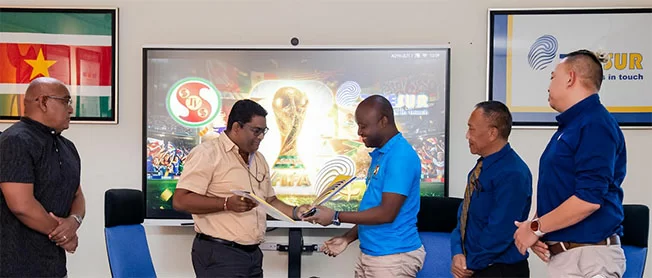
    To ensure widespread, nationwide access to all matches, STVS has already issued sublicenses to two major local media operators: N.V. Telesur and SRS Radio. The latest formal step in this partnership was marked by a document exchange ceremony between Telesur director Doric Ramlakhan and STVS representative Raoul Abisoina, formalizing Telesur’s sublicense to air matches via its ATV television channel and stream content through its on-demand platform TelesurPlus.

    Ramlakhan emphasized in comments after the ceremony that the core goal of this partnership is to bring the world’s biggest football tournament within reach of every Surinamese football fan. “We want every person, whether they’re at home, commuting, at work, in the coastal districts or the rural interior, to be able to follow the action wherever they have internet access,” he explained. Beyond live match broadcasts, Telesur plans to deliver a comprehensive, immersive football experience for fans, including dedicated studio discussion shows, expert pre- and post-match analysis, interactive fan content, public viewing events and targeted digital activations to engage audiences across age groups.

    The 2026 FIFA World Cup, which kicks off on June 11 and runs through July 19, marks a historic expansion of the tournament, featuring a record 104 total matches played across three host nations. Widely regarded as one of the largest and most-watched media and entertainment events on the global calendar, the tournament presents Suriname’s media sector with both a major opportunity and a significant financial outlay.

    STVS has reaffirmed its status as the official rights holder for Suriname, noting that its rights acquisition aligns fully with FIFA’s official licensing framework. The broadcaster referenced a FIFA statement issued on April 16, 2026, that confirms IRIS LATAM Limited holds the authority to issue sublicenses for the Caribbean and Latin American region, including Suriname. A subsequent confirmation letter dated May 12, 2026, formalized STVS’s acquisition of exclusive national media rights for the tournament, and the state broadcaster emphasized that the sublicense agreements with Telesur and SRS Radio do not alter its position as the primary rights holder responsible for compliance with FIFA and IRIS LATAM Limited requirements.

    In a clear warning to unauthorized users, STVS noted that any redistribution or use of 2026 World Cup audio-visual content without explicit written permission violates international copyright law, and the broadcaster will not hesitate to pursue legal action against violators.

    Despite the focus on public access, the deal also has a clear commercial angle: STVS has positioned the broadcast rights as a business opportunity for local and international brands, framing it as a “unique chance” for companies to build their profile during the world’s largest sporting event. The broadcaster has developed a range of commercial advertising packages designed to deliver maximum visibility and impact for partnering brands.

    The agreement has not come without controversy, however. Lawmaker Mahinder Jogi of Suriname’s ruling VHP party has raised pointed questions about the $500,000 public investment reportedly made by the government to secure the exclusive rights. Jogi is calling for full transparency around the financial terms of the rights acquisition, specifically pressing for answers on how the public funds allocated for the purchase will be recouped through commercial and other revenue streams.

    To address public and political questions, STVS has scheduled a press conference for Thursday, May 28 at the Mingle Cocktail Lounge in Paramaribo’s International Mall of Suriname, where it will provide additional details on the rights deal, partnerships with local media outlets and ongoing preparations for tournament broadcasts.