博客

  • When good intentions do harm: Why we must donate responsibly

    When good intentions do harm: Why we must donate responsibly

    The Caribbean region has long benefited from global goodwill in the wake of climate-driven disasters, but decades of on-the-ground experience have revealed a hidden cost of unregulated generosity: uncoordinated, unsolicited donations are turning good intentions into secondary crises that slow life-saving response when every minute counts.

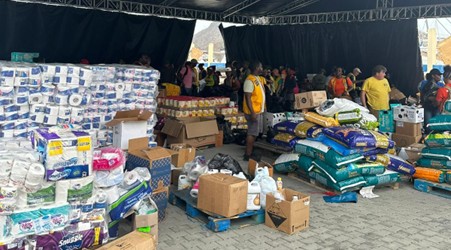
    After major storm, flood or volcanic events, local disaster management systems are routinely overwhelmed by inappropriate donations that clog critical port and warehouse infrastructure. Winter coats shipped to tropical zones, expired food supplies, unsorted mixed boxes of goods, and flimsy tarpaulins that cannot withstand heavy rain are just a few common examples. These unnecessary items drain already stretched resources: they consume valuable staff time, limited storage space, and critical funding that could otherwise be directed to meeting the urgent needs of vulnerable communities. Data collected by the Caribbean Disaster Emergency Management Agency (CDEMA) shows that as much as 60% of unsolicited donated goods end up unused, discarded as waste that adds additional environmental strain to small island nations already at the forefront of climate change.

    These challenges extend far beyond operational logistical headaches. When disaster response systems are bogged down processing unusable donations, communities waiting for life-saving essentials such as clean water, food, emergency shelter materials and medical supplies are forced to wait longer for support, putting lives at unnecessary risk.

    The urgency of addressing this longstanding problem has grown sharply in recent years. Between 2020 and 2025, more than 2.6 million people across 13 English and Dutch-speaking Caribbean countries were impacted by floods, tropical storms, and volcanic activity. These repeated climate disasters have caused widespread destruction, displaced communities, and put unrelenting pressure on regional social systems and national economies, underscoring the region’s growing exposure to overlapping, complex climate hazards.

    As the 2026 Atlantic hurricane season gets underway, and tropical storms continue to grow in intensity due to climate change, targeted preparedness to fix this donation gap is more urgent than ever. CDEMA and response stakeholders emphasize that disaster preparedness cannot be limited to building physical infrastructure or boosting frontline response capacity; it also requires building robust, coordinated public systems that can channel incoming support effectively, so generosity strengthens response efforts rather than overwhelming them.

    To address this gap and raise global and regional public awareness of the issue, CDEMA and the International Organisation for Migration (IOM), working alongside a network of regional and international partners, have launched a groundbreaking regional Donate Responsibly Campaign. The initiative, funded by EU Humanitarian Aid, is rooted in a simple but transformative principle: all disaster donations must be needs-based, centrally coordinated, and aligned with national disaster response systems.

    CDEMA has already laid critical groundwork for this shift through its Comprehensive Relief and Logistics Management Programme, which supports participating Caribbean states to strengthen their national aid management frameworks. This work includes developing customized national logistics plans, establishing formal policies for unsolicited donations, mapping priority community needs, streamlining supply chain infrastructure, and improving coordination through National Emergency Operations Centres. Digital tools such as real-time logistics tracking systems are already helping response teams direct aid based on actual on-the-ground needs rather than global assumptions about what communities require.

    Working alongside the International Federation of Red Cross and Red Crescent Societies (IFRC), CDEMA also supports countries to strengthen legal and regulatory frameworks through the International Disaster Response Law (IDRL) initiative. These frameworks both facilitate and regulate incoming international aid, ensuring all support is coordinated, accountable, and aligned with local needs. Key improvements include streamlining customs and border clearance processes for essential relief, and upholding consistent quality and accountability standards for incoming donations. Complementing these national frameworks, regional coordination mechanisms co-led by IOM, CDEMA and IFRC—including the Emergency Shelter and Non-Food Items Technical Working Group and the Relief and Logistics Thematic Working Group—align all participating partners around shared standards and common response priorities.

    The campaign outlines three core guidelines that all potential donors should follow before sending support to disaster-affected communities in the Caribbean. First, cash donations are almost always the most effective option. Financial contributions allow local responders and national governments to procure exactly what is needed, when and where it is needed, while also supporting local economies in affected countries. Second, coordination is non-negotiable: before donating, all givers should follow official guidance from national disaster management offices and CDEMA, work through recognized response partners, and align donations with published priority needs lists and established quality standards. Third, supporting national and regional response systems is just as critical: all donations must align with existing plans rather than bypassing formal local systems.

    Campaign organizers stress that responsible donating is designed to support long-term community recovery, not create new burdens for frontline states. Donations should address confirmed needs, avoid creating unnecessary waste and additional environmental harm, and prevent adding extra financial strain to small island developing states that are already bearing the brunt of climate change. Context also matters: the Caribbean is a diverse region of 13 nations with varying cultural and climate needs, so donations must be culturally appropriate, climate-relevant, and fit for local conditions. A donation that helps communities in one disaster context may be ineffective or even harmful in another.

    As the campaign emphasizes: how we give is just as important as what we give. Every potential donor is encouraged to ask two critical questions before giving: is this donation actually needed by affected communities, and is it being sent through coordinated official channels?

    Encouragingly, young leaders across the Caribbean are already driving demand for smarter, more sustainable approaches to disaster response, and their message is clear: responsible giving is informed, coordinated, and environmentally sustainable.

    To the Caribbean diaspora, private sector partners, national governments, and global supporters, the campaign reminds stakeholders: generosity has the power to save lives, but only when it meets actual on-the-ground needs. The call to action is simple: support trusted response organizations, use official donation channels, give cash whenever possible, and make your generosity count.

    The campaign’s core message rings clear as hurricane season begins: Donate responsibly. Support smarter response. Build stronger regional resilience.

  • Solar lighting to be installed at refurbished Edinboro Hardcourt

    Solar lighting to be installed at refurbished Edinboro Hardcourt

    A major community sports infrastructure milestone was achieved in St. Vincent and the Grenadines (SVG) this week, as India formally handed over the fully refurbished Edinboro Hardcourt to the SVG government during an official on-site ceremony on Monday.

    The handover was led by Subhash Prasad Gupta, India’s High Commissioner to SVG, and was attended by a cross-section of senior SVG government officials, including West Kingstown Member of Parliament Daniel Cummings, Foreign Minister Dwight Fitzgerald Bradle, Sports Coordinator Roxell John, and Sports Minister Kaschaka Cupid. This upgraded facility is one of five grassroots community projects delivered under the Quick Impact Project Agreement, a bilateral development partnership between India and SVG.

    In remarks following the handover, Sports Minister Cupid outlined the SVG government’s plans to further improve the venue for local users. Upgrades will include the installation of solar-powered lighting, which will extend usable hours for the hardcourt and support community activities after sunset. Cupid emphasized that the government is committed to ongoing proper maintenance of the facility to ensure it delivers long-term benefits to the local community.

    MP Cummings, representing the local constituency, highlighted the transformative positive impact the upgraded hardcourt is expected to have on young people living in the Edinboro area. He praised the Building and Road Construction Agency (BRAGSA) for its diligent oversight of the refurbishment works, and stressed that ongoing community stewardship will be key to protecting the facility and keeping its surrounding environment well cared for.

    In an official press release, SVG’s Ministry of Foreign Affairs, Foreign Trade, Foreign Investment and Diaspora Affairs extended sincere appreciation to the government of the Republic of India for its generous support through the Quick Impact Projects initiative. The ministry also thanked all local stakeholders, from construction teams to community representatives, whose collaborative efforts brought the project to completion. The statement reaffirmed SVG’s commitment to continuing to deepen the longstanding positive bilateral relationship between the two nations.

  • Major farm support plan targets water, pests, crop theft

    Major farm support plan targets water, pests, crop theft

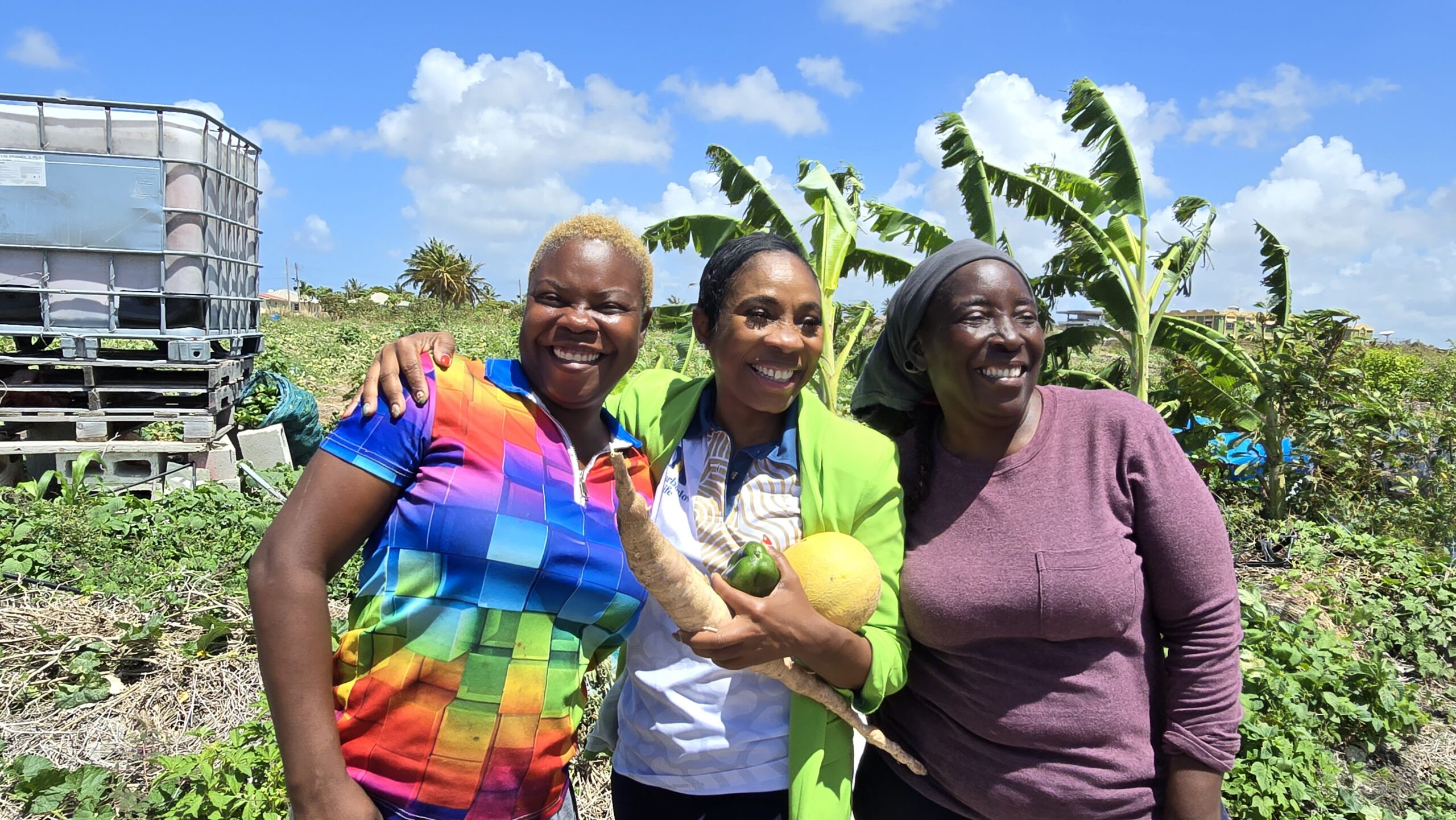
    During an island-wide farm tour highlighting the challenges and opportunities facing local agricultural producers this week, Barbados’ Minister of Agriculture Dr. Shantal Munro-Knight unveiled a series of targeted interventions to address the most pressing issues impacting nearly 40 small-scale farmers in the southern parish of Christ Church. The multi-faceted initiative includes long-awaited irrigation infrastructure upgrades, targeted pest management support, and a coordinated three-month strategy to curb persistent agricultural theft that has devastated farm outputs across the region.

  • Nieuwe escalaties VS-Iran conflict: Aanval op luchthaven Koeweit en wederzijdse raketaanvallen

    Nieuwe escalaties VS-Iran conflict: Aanval op luchthaven Koeweit en wederzijdse raketaanvallen

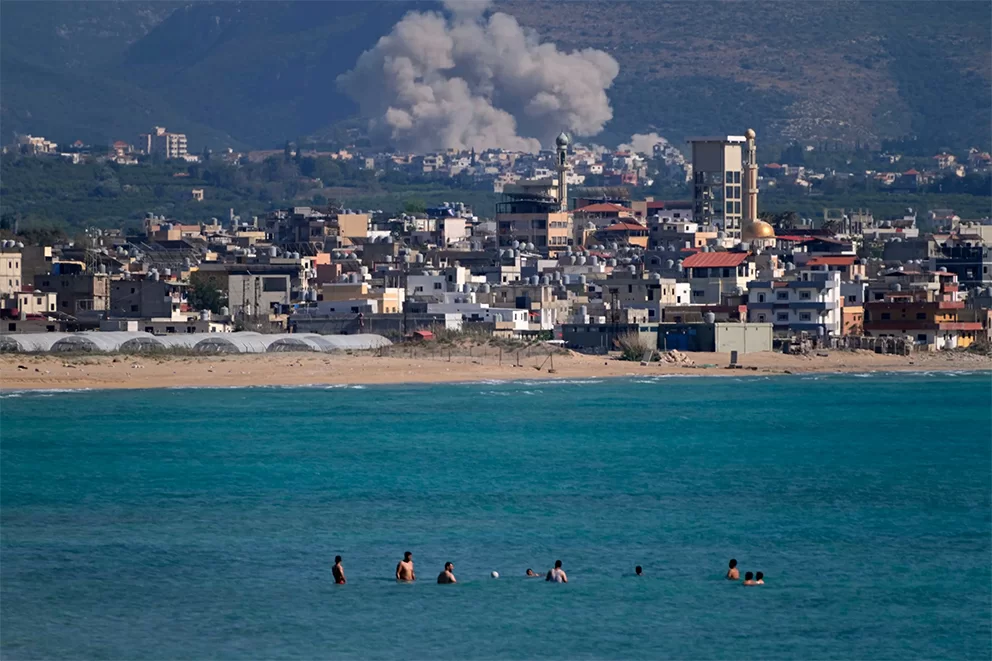
    On June 3, fresh waves of coordinated attacks and rapidly escalating hostilities have thrown the already volatile Middle East into heightened crisis, spreading conflict across multiple states from the Persian Gulf to the Eastern Mediterranean. The most recent major incident unfolded Wednesday, when Kuwait’s international airport came under a simultaneous drone and missile assault that left at least one person dead and 63 others injured. The attack forced immediate authorities to shut down the air hub temporarily and reroute all incoming and outgoing commercial flights. Notably, this assault occurred just hours after a fresh exchange of missile strikes between Iran and the United States that ratcheted up bilateral tensions in the Gulf region.\n\nIn the wake of that cross-fire between Iran and the U.S., American military officials confirmed they had intercepted multiple Iranian ballistic missiles and drones launched toward their positions, before carrying out their own retaliatory air strikes on targets on Qeshm Island, located adjacent to the strategically critical Strait of Hormuz, through which roughly 20% of global oil supplies pass daily. For its part, Iran’s Islamic Revolutionary Guard Corps claimed it had successfully carried out an attack targeting the U.S. Fifth Fleet and an American naval vessel. Amid this back-and-forth, Kuwait has moved swiftly to distance itself from the conflict: the Kuwaiti government issued a firm denial that it had allowed any foreign power to use its territory or airspace to launch attacks against Iran, and ordered two Iranian embassy staff members to leave the country within a 24-hour window.\n\nParallel to the Gulf escalation, political tensions around U.S.-Iran nuclear diplomacy remain tangled. U.S. President Donald Trump stated that diplomatic discussions with Iran are ongoing, and claimed Iran has agreed to abandon its pursuit of a nuclear weapon. Even as talks proceed, however, the Trump administration imposed new economic sanctions on Iran’s Persian Gulf Strait Authority, the body Tehran has tasked with overseeing shipping traffic through the Strait of Hormuz.\n\nThe attack on Kuwait’s main airport drew widespread international condemnation. The Indian government confirmed that one of its citizens was killed in the assault, with several other Indian nationals sustaining injuries, and issued a call for all regional actors to immediately halt all provocative attacks.\n\nTensions have also spiked dramatically along the Israel-Lebanon border, adding another layer of instability to the region. Israeli air strikes across southern Lebanon have left at least nine people dead, the Lebanese side confirmed, including two paramedics responding to earlier incidents. Additional strikes were carried out near the Lebanese capital Beirut. The Israeli military announced it intercepted an “enemy aircraft” over northern Israel, while the Lebanese militant group Hezbollah claimed responsibility for a series of rocket attacks targeting Israeli military positions in the country’s north. These latest exchanges of fire came just after direct peace negotiations between the Israeli government and Lebanese officials got underway in Washington, a meeting that Hezbollah has publicly rejected.\n\nIsraeli officials issued a stark warning: if Hezbollah continues to launch rocket attacks on Israeli communities in northern Israel, the Israeli military will launch full-scale strikes on the southern suburbs of Beirut. Israeli officials added that this position has the full backing of the U.S. government in Washington. Even further inland in Iraq, regional instability is disrupting critical global energy supplies. Iraqi Prime Minister Ali al-Zaidi has ordered a resumption of oil production in Iraq’s Kurdish region, after multiple private energy companies suspended production amid repeated drone attacks on local oil fields. Those production halts have already worsened energy supply disruptions across the Middle East, with knock-on effects for global energy markets.

  • Students to compete in 15th Kwéyòl Spelling Bee Competition

    Students to compete in 15th Kwéyòl Spelling Bee Competition

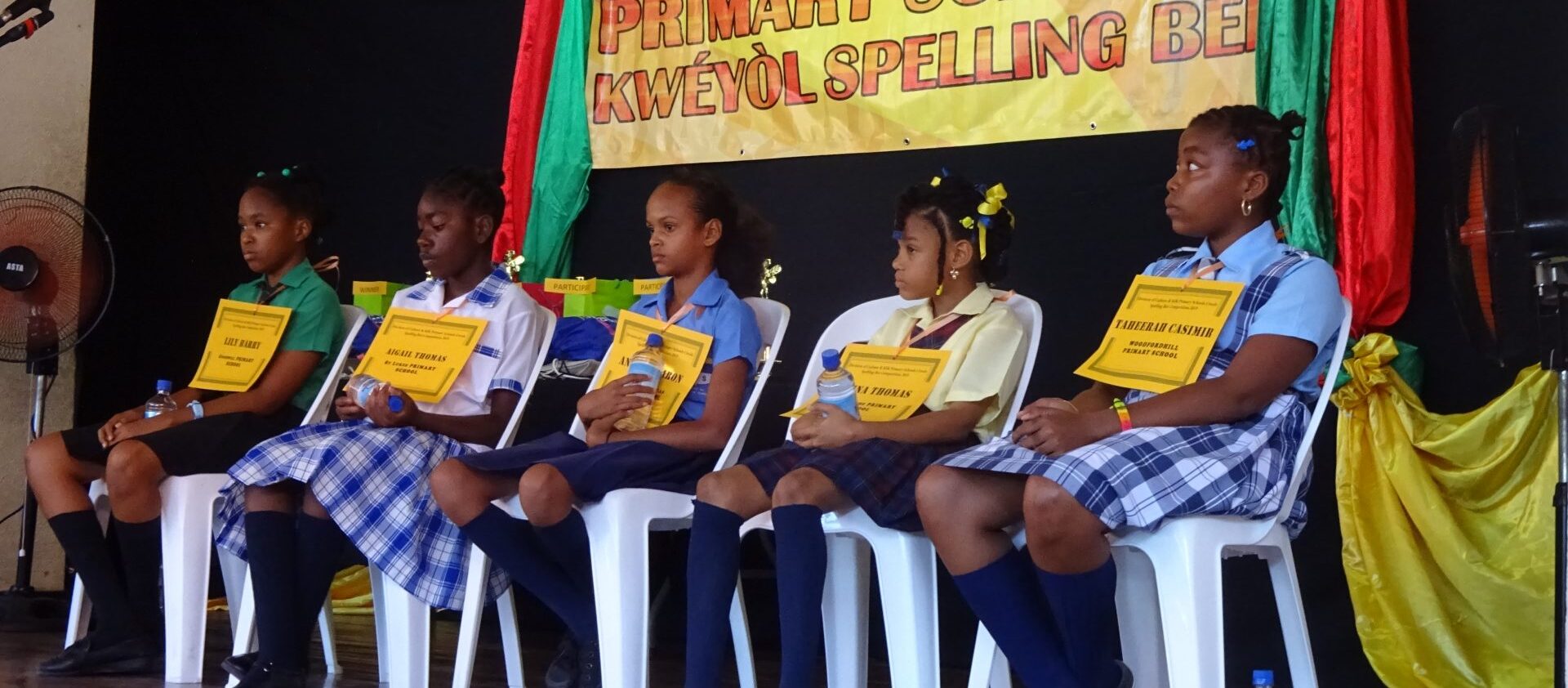
    As a cornerstone initiative to safeguard Dominica’s Indigenous Creole language, the 15th iteration of the national Kwéyòl Spelling Bee Competition is set to kick off on June 4, 2026, in a collaborative effort between the country’s Ministry of Education, Human Resource Planning, Vocational Training and National Excellence and the Konmité pou Etid Kwéyòl (KEK), a local organization dedicated to Kwéyòl research and preservation.

    Held at the Alliance Française in the capital city of Roseau, this year’s competition will bring together top young spellers from four primary schools across the island: Bense Primary School, Paix Bouche Primary School, Penville Primary School and St. Luke’s Primary School. These student competitors will test their mastery of the Kwéyòl language, vying for top honors while celebrating the cultural knowledge that is intrinsically tied to the indigenous tongue.

    Long before the first spellers take the stage, organizers have planned an opening program featuring opening remarks from official representatives of both partnering institutions. This pre-competition segment is designed to highlight the longstanding importance of Kwéyòl preservation in Dominica’s national education and cultural strategy.

    First launched in 2010, the Kwéyòl Spelling Bee was founded with a clear mission: to embed the Kwéyòl language more deeply in Dominica’s primary education system and inspire younger generations to build fluency and confidence in the language. Over its 15-year history, the annual competition has grown from a small educational pilot into one of the country’s most prominent cultural and educational events, according to an official press release from the Ministry of Education.

    Education officials emphasize that the competition fills a critical role in ongoing national efforts to encourage daily use of Kwéyòl among young Dominicans, while cultivating broader public appreciation for the language within the country’s education framework. For organizers, the initiative is far more than a spelling contest: it serves as a key platform to connect younger Dominicans to their unique linguistic and cultural roots, building intergenerational continuity for a language that forms the core of the country’s national identity.

    For participants, the event offers more than just competition. It creates structured opportunities to refine their command of Kwéyòl, while deepening their understanding of the traditions, history and heritage that make up the tapestry of Dominican culture. Organizers have extended an open invitation to all members of the local public to attend and support the event, expressing confidence that this year’s edition will once again highlight the impressive skill of young participants, growing cultural awareness across the island, and excellence in Kwéyòl language proficiency. The competition is scheduled to get underway at 10:00 a.m. local time on the day of the event.

  • VINLEC cooperating with probe into suspected electrocution

    VINLEC cooperating with probe into suspected electrocution

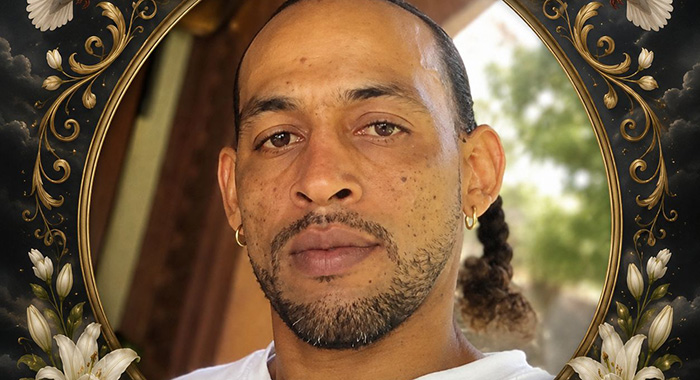
    A quiet Sunday morning in the northern Grenadine island of Bequia has turned into a tragic death investigation, as local law enforcement work to uncover the circumstances surrounding the passing of 40-year-old laborer Clias Deane, a resident of Sandy Bay who lived on Cemetery Hill.

    According to official police accounts, Deane left his home around 6:30 a.m. on Sunday to harvest breadfruit from a tree located close to his residence. Hours later, community members spotted Deane unresponsive in the tree’s branches and immediately alerted law enforcement. When responding officers arrived at the scene, they found Deane trapped in an upright position between two large tree limbs. A district medical officer was called to the site and subsequently pronounced the 40-year-old dead at the scene.

    As the investigation moves forward, authorities have announced that a full post-mortem examination will be carried out to determine the exact cause of Deane’s death, a key step in the ongoing probe into the incident.

    St. Vincent Electricity Services Limited (VINLEC), the nation’s state-owned electricity generation and distribution utility, released an official statement on Monday addressing the case, which has been linked to unconfirmed allegations of an extrajudicial execution on the island. In the statement, the company confirmed it will maintain full transparency and cooperation with any formal inquiries launched by relevant authorities into the tragedy.

    VINLEC also expressed profound sorrow over the death of Deane, extending heartfelt sympathy to his family and loved ones. “The Board of Directors, Management and Staff of VINLEC extend sincere condolences to the family and loved ones of the deceased,” the company said, adding that public and community safety remains one of its core commitments throughout the investigation process.

    The Royal St. Vincent and the Grenadines Police Force (RSVGPF) has also joined in offering condolences, noting that the investigation is actively underway and calling on members of the public with any relevant information to come forward. Anyone who can assist authorities in piecing together the circumstances of Deane’s death is encouraged to contact police at one of three dedicated lines: +1-784-456-1810, +1-784-457-1211, or +1-784-458-4200. “The RSVGPF extends its deepest condolences to the family and friends of the deceased during this difficult time,” police said in their official statement.

  • Saint Lucia averaging a homicide every four days

    Saint Lucia averaging a homicide every four days

    By the end of May, the small Caribbean island nation of Saint Lucia had recorded its 36th homicide of 2026, marking the killing of 24-year-old Mitchel Jean and extending a deadly trend that has become a grim routine for communities across the country. While every violent death carries its own unique impact on grieving families and neighborhoods, the unrelenting pace of fatal violence has emerged as one of the most troubling public safety issues of the year for the island.

    Official data paints a stark picture: on average, Saint Lucia sees one homicide every four days, and young people make up a disproportionate share of the victims. The grim homicide statistics come alongside a broader trend that police have highlighted: an overall drop in the volume of “serious crime” across the island. Even so, fatal attacks and attempted murders remain an ongoing, top priority concern for the Royal Saint Lucia Police Force.

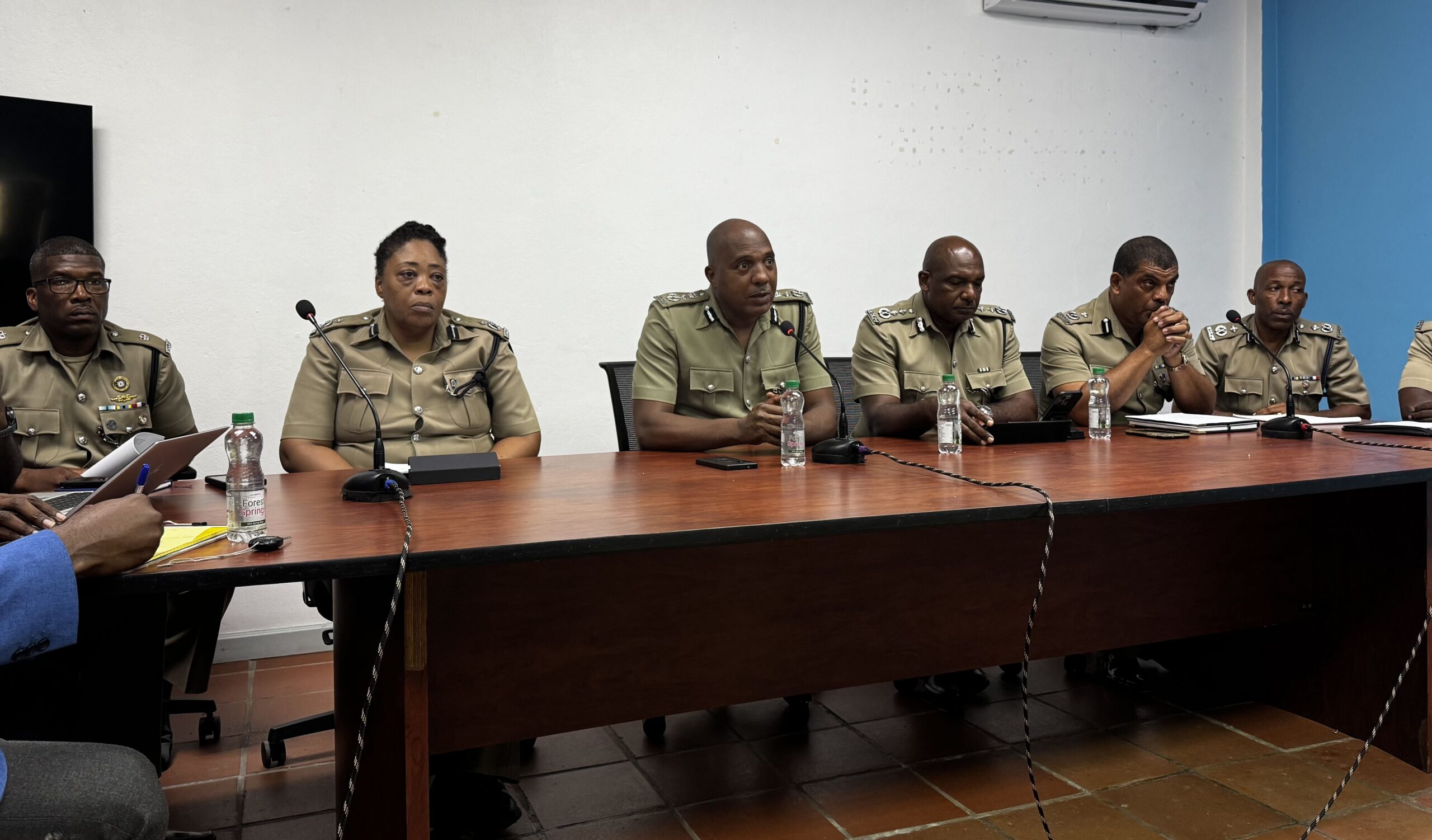
    Despite the persistent challenge, law enforcement leadership says investigators have not slowed their push to solve cases. Assistant Commissioner of Police Luke Defreitas defended the force’s work, noting the significant progress investigators have made clearing homicides this year. “To investigate thirty-five murders in the space of five months and to be able to bring seventeen of them to some sort of resolution, arresting twenty-two persons does take an immense amount of effort and I will continue to underscore that point,” Defreitas emphasized.

    Illegal firearms remain the leading weapon in the island’s homicides, according to police data. Of the 36 killings recorded this year, 25 involved illegal guns. Nine homicides were committed with knives or other sharp weapons, while two fatal attacks resulted from blunt force trauma.

    To address the root of the violence, police have ramped up efforts to get illegal weapons off the island’s streets. Between the start of January and May 28 of this year, law enforcement officers recovered 30 illegal firearms and 25 additional weapon components connected to illegal gun activity.

    Even with these ongoing enforcement wins and steady progress in solving open homicide cases, the still-rising annual homicide count serves as a clear reminder of the deep-seated public safety challenges that continue to impact Saint Lucia’s police force, grieving families, and affected communities.

  • US-based Vincy chef redefining global dining for FIFA World Cup 2026

    US-based Vincy chef redefining global dining for FIFA World Cup 2026

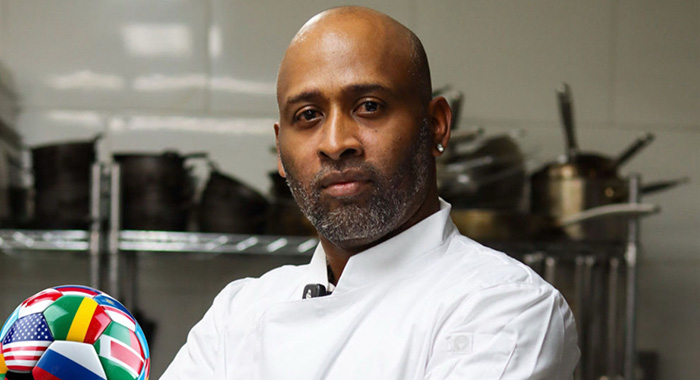
    As global soccer fans count down to the 2026 FIFA World Cup, a groundbreaking new partnership between renowned New York-based chef Kamal Hoyte and travel platform Airbnb is set to redefine what game-time culinary experiences look like for attendees. The collaboration aims to pull fine dining out of its traditional exclusive, high-end spaces and reframe it as a vibrant, shared cultural experience open to fans of all backgrounds.

    Born and raised in the twin-island Caribbean nation of St. Vincent and the Grenadines, Hoyte’s approach to cooking is deeply rooted in the bold, layered flavors of his Caribbean homeland, shaped by years of exploration and travel across six continents. These cross-cultural experiences have fostered a one-of-a-kind culinary philosophy that blends diverse food traditions, elevates time-honored recipes, and centers radical inclusivity at every table.

    A graduate of the prestigious Culinary Institute of America, Hoyte honed his technical craft at some of New York City’s most acclaimed Michelin-starred establishments, including Oceana, Restaurant Daniel, and Le Bernardin. Today, he has built a respected reputation across New York City, Long Island, and the Hamptons food scenes, celebrated not just for his precise technical skill, but for his longstanding mission to make high-quality, culturally rooted fine dining accessible to audiences that have long been locked out of exclusive culinary spaces.

    For Hoyte, the opportunity to lead this culinary initiative ahead of the 2026 FIFA World Cup is far more than a professional milestone—it’s the fulfillment of a career-long mission. He has long advocated for democratizing exceptional cuisine, arguing that world-class culinary artistry should not be reserved for a wealthy, select few, but should be shared widely across communities and cultural boundaries.

    Official statements from Airbnb frame the partnership around a simple, powerful idea: much like soccer, food acts as a universal language that connects people across divides. It brims with color, energy, and shared emotion that transcends borders, and whether fans are gathering in stadium stands or around dining tables, the core spirit of connection remains unchanged.

    This collaboration is part of a broader landmark agreement between Airbnb and FIFA, which named Airbnb the Official Fan Accommodation Provider for three upcoming major tournaments: the 2025 FIFA Club World Cup, the 2026 FIFA World Cup, and the 2027 FIFA Women’s World Cup. Beyond just providing places for fans to stay, the partnership is designed to create holistic, unforgettable experiences that extend far beyond match day, inviting supporters to engage with local culture, build connections with global communities, and explore new destinations through food.

    With Hoyte leading the culinary pillar of the initiative, the partnership is poised to create meaningful, memorable moments for fans from around the world, turning fine dining from an elite privilege into a shared celebration where every fan has a seat at the table.

  • Former Police Commissioner Questions DPP’s Decision to Drop Major Cannabis Case

    Former Police Commissioner Questions DPP’s Decision to Drop Major Cannabis Case

    A former police commissioner-turned-attorney is putting pressure on Antigua and Barbuda’s top prosecutor to open up about why authorities dismissed a high-profile cannabis importation case against a Canadian defendant, shining a new spotlight on accountability within the country’s criminal justice system. Attorney-at-law Wendell Alexander, who is representing the family of a teen killed in a recent police-involved shooting, argues that the Office of the Director of Public Prosecutions (DPP), as a publicly funded constitutional body, owes the public a fulsome explanation for its decision to discontinue the high-stakes drug case, rather than the brief one-sentence reference to medical reasons the office has already released.

    Speaking during an interview on Observer Radio’s *Voice of the People* current affairs programme, Alexander framed transparency as a core requirement for maintaining public trust in justice institutions. “In the interest of transparency, I would say that the public has a right to know because the office of the Director of Public Prosecutions is a public office,” Alexander said. “When certain major decisions are taken, especially if the matter has become a cause célèbre, to give a proper explanation before the general public is good for the justice system.”

    DPP Clement Joseph has defended his decision, noting that the accused Canadian woman is living with late-stage cancer, and that local correctional and health facilities lack the capacity to meet her complex medical needs if she is held in custody ahead of trial. Joseph also emphasized that the choice to discontinue the case was not a rushed one: it has been under active review by his office since March. He added that the case is not permanently closed, and could be reopened at a future date if the defendant’s medical situation changes.

    Still, Alexander has raised questions about whether proper legal protocols were followed in the decision-making process. Though he acknowledges he does not have access to the full case file, he pointed to prior legal precedents where defendants initially ruled medically unfit to stand trial ultimately returned to court after being cleared by medical experts. He also pushed back against the common misconception that DPP decisions are immune from legal challenge, noting that even with the broad discretionary powers granted to the role under Antigua and Barbuda’s Constitution, decisions can be overturned via judicial review in the High Court if they are found to be unreasonable or an abuse of authority.

    Joseph also addressed separate recent public criticism he faced over another drug case involving a Jamaican national, noting that online accusations of improper influence to drop charges were unfounded, as he had not even received the full case file when the allegations began circulating online. He reiterated that the Constitution grants the DPP wide discretionary authority over case prosecution, and that it is not standard practice for Caribbean prosecutors to hold public press briefings to justify rulings on individual cases.

    Beyond the cannabis importation dispute, Alexander is also challenging official handling of the fatal police shooting of 18-year-old Khaleel Simon, a case he has been retained to handle for Simon’s family. Alexander has made a series of serious allegations about procedural misconduct during the incident: he claims a Criminal Investigations Department detective used his personal unmarked vehicle to pursue Simon after receiving tip-off messages via WhatsApp from a female associate of the teen, and that a uniformed officer who rode along in the private vehicle opened fire on Simon without first identifying himself as law enforcement or ordering Simon to exit his vehicle.

    “There is absolutely no right for a police officer in his private vehicle, bring another officer in uniform at the scene and accost Khaleel Simon,” Alexander said. “That’s not the way in which this process and this operation ought to be done.” He also added that no weapon was found in Simon’s vehicle following the shooting, contradicting unconfirmed claims that the teen was armed.

    In response to the shooting allegations, DPP Joseph confirmed that the incident remains an active police investigation, and his office has not yet received the case to review for potential prosecution. Alexander confirmed that Simon’s family is moving forward with plans to file a wrongful death lawsuit against the involved officers and relevant authorities. The attorney is also using both high-profile cases to push for broader criminal justice reforms in Antigua and Barbuda, including the creation of an independent oversight body to investigate all police-involved shootings, mandatory timely public updates on cases of major national interest, and the consolidation of scattered criminal legislation into a single unified penal code.

  • UN experts raise concerns over U.S. measures targeting Cuba

    UN experts raise concerns over U.S. measures targeting Cuba

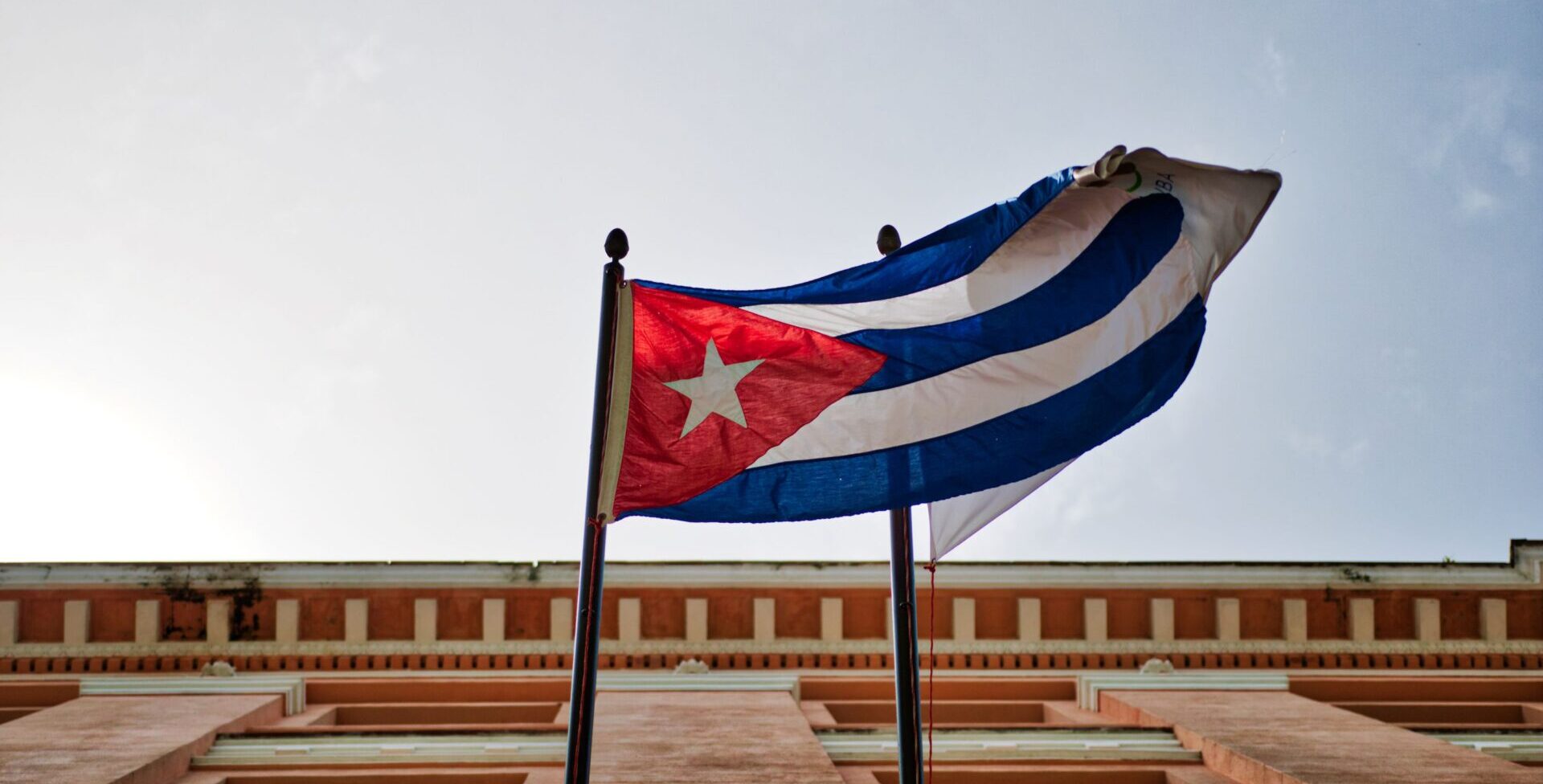
    A panel of independent United Nations human rights and international law experts has issued a stark, comprehensive warning over what they frame as rapidly growing coercive pressure from the United States against Cuba, arguing that a cascade of political, economic, and legal actions threatens core global principles of national sovereignty and the foundational rules of international law.

    In their official public statement released through UN channels, the experts pushed back against what they identify as coordinated attempts by Washington to alter Cuba’s domestic political landscape through intimidation and force. The group noted that attempts to manipulate the constitutional order of an independent sovereign state through threats and coercion directly echo the exploitative practices of the colonial era, a comparison that underscores the seriousness of their concerns.

    The experts tied their latest warning to a series of high-profile geopolitical developments that unfolded in early 2026: the abduction of Venezuelan President Nicolás Maduro in January, and U.S. President Donald Trump’s March 2026 proclamation of the revised “Donroe Doctrine”, which formally reasserted U.S. dominance across the Western Hemisphere. Both events, the statement says, have amplified widespread fears over regional stability and eroding respect for the fundamental right of all nations to self-governance.

    The panel specifically called out remarks attributed to President Trump regarding Cuba, in which Trump claimed credit for the prospect of “taking Cuba”. The experts emphasized that this comment is not empty political rhetoric, but a visible reflection of a long-running, wide-ranging strategy of pressure against Havana. This strategy includes the decades-long U.S. trade embargo on Cuba, the country’s continued designation as a state sponsor of terrorism, the newly imposed fuel blockade, and sweeping coercive measures that target third parties engaging in legitimate trade with the island nation.

    One of the most controversial actions highlighted by the experts is the recent U.S. federal indictment of former Cuban President Raúl Castro. The panel questioned the legality and ethics of targeting a sitting or former head of state through domestic judicial processes, arguing that the legal action is clearly tied to broader efforts to pressure the Cuban government. Using national court systems as a tool of foreign policy, they noted, directly contradicts the principles of sovereign equality and self-determination enshrined in the United Nations Charter.

    The statement also raised alarms over the planned deployment of the USS Nimitz aircraft carrier to the southern Caribbean, framing the military move as yet another layer of coercive pressure that runs counter to the UN Charter’s provisions on peaceful international relations.

    Beyond geopolitical and legal concerns, the experts shone a light on the severe humanitarian toll of the fuel import restrictions that have been in place since January 2026. Widespread fuel shortages, they confirmed, have triggered severe energy crises across Cuba, including prolonged power outages and crippling disruptions to essential public services. The impact of these hardships falls disproportionately on Cuba’s most vulnerable populations, a pattern that has been repeatedly documented by UN officials and independent experts in previous warnings about U.S. coercive measures.

    The panel framed the current wave of actions against Cuba as part of a worrying broader trend: growing disregard for multilateral cooperation and the rule of international law, paired with the normalization of coercion and explicit threats of regime change. This shift, they warned, undermines the integrity of the entire global legal system that has been built to prevent conflict and protect smaller nations.

    “A democratic and equitable international order requires that all States, regardless of size or power, participate on equal footing, free from undue pressure,” the statement read.

    To address the escalating crisis, the independent experts issued a series of clear calls to action. They first demanded that the U.S. government end all threats to Cuba’s sovereignty and roll back all unilateral coercive measures that violate established international law. They also urged all UN member states to refuse to recognize or implement any measures that violate the core principles of sovereign equality and non-interference in the internal affairs of other nations. The panel further encouraged the broader international community to take coordinated action within the UN framework to defend and uphold international law. Finally, the experts called on both the UN Security Council and the UN General Assembly to formally review the situation, noting that it carries direct implications for global peace and collective security.