博客

  • LETTER: Antigua and Barbuda First: Our Democracy Will Not Bend

    LETTER: Antigua and Barbuda First: Our Democracy Will Not Bend

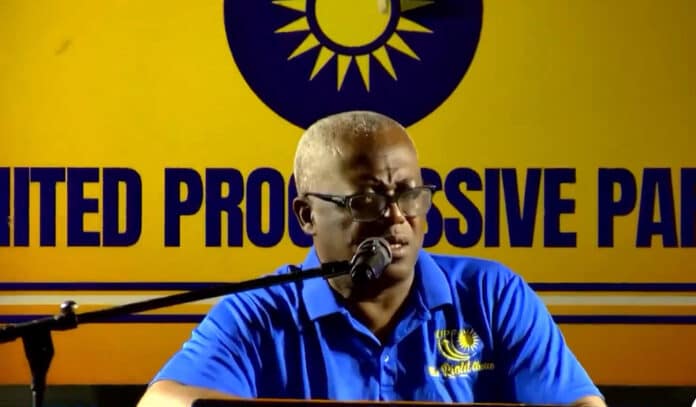
    A fiery national debate over national sovereignty and political loyalty has erupted in Antigua and Barbuda following a provocative statement made by incumbent parliamentarian and United Progressive Party (UPP) candidate Sheffield Bowen during a recent party public gathering. What began as a routine political address has quickly grown into a defining conversation about the future of the island nation’s self-determination, just months ahead of the scheduled April 30, 2026 general election.

    According to commentary from a local writer with deep ties to Antigua and Barbuda, Bowen’s comment was far more than offhand political rhetoric—it laid bare a dangerous ideological stance that threatens the core principles the nation fought to secure. Bowen reportedly told attendees that the United States and major European powers are pushing for a change in Antigua and Barbuda’s government to open the door for enhanced bilateral cooperation. In short, Bowen’s argument frames domestic democratic outcomes as something that should be shaped to align with the preferences of foreign governments.

    This suggestion is not merely troubling—it is fundamentally unacceptable for an independent nation that earned its sovereignty through decades of struggle and sacrifice, the writer argues. Antigua and Barbuda’s electoral system was not built to win approval from overseas capitals; it exists to amplify the voice of the Antiguan and Barbudan people, shaped by their unique needs, lived realities and collective ambitions. To claim the nation should adjust its democratic process to suit external interests directly undermines the very foundation of the country’s hard-won independence.

    Bowen’s reported stance raises unavoidable, serious questions about where his ultimate loyalties lie, the commentary continues. A leader who believes the nation must bend to the will of foreign powers to gain international acceptance can never be counted on to stand firm in defense of Antigua and Barbuda’s national interests. This posture is not pragmatic statecraft—it is submission rebranded as political strategy, a willingness to prioritize the comfort of foreign governments over the well-being of local citizens.

    The writer draws a clear, critical distinction between constructive global engagement and outright surrender to external control. No one disputes that Antigua and Barbuda, as a active member of the global community, must maintain productive diplomatic, trade and cooperative relationships with international partners. But productive cooperation never requires compliance that comes at the cost of sovereignty, and equal partnership never means handing over decision-making authority to outside actors. No sovereign nation can ever outsource its governing power to foreign entities.

    Beyond the core sovereignty question, the argument that a government change would resolve external pressure is deeply flawed and intellectually dishonest, the piece adds. This is not a challenge unique to Antigua and Barbuda: across the Caribbean, neighboring nations including Dominica, St. Vincent and the Grenadines, Saint Lucia, and St. Kitts and Nevis have all faced similar external scrutiny, particularly around visa policies and international regulatory checks. To frame a change in Antigua and Barbuda’s government as the fix for foreign relations is misleading fear-mongering—if the logic held, every Caribbean nation facing external pressure would be required to replace their leadership to satisfy foreign powers, an outcome no self-respecting democracy would accept.

    History makes clear that powerful global nations prioritize their own national interests first, which is their right; but it is equally the right and duty of Antigua and Barbuda to prioritize its own citizens above all else. All policy, all leadership decisions, and all national direction must be guided by what benefits local people, not what appeases foreign governments. A leader’s core responsibility is to stand firm against external pressure, not pave the way for the nation to yield to it. When a politician openly suggests the electorate should change the government to align with foreign expectations, that politician is showing voters exactly how they will govern when pressure mounts: they will bend, and they will not stand when the nation needs them most.

    This moment transcends everyday partisan political fighting, the writer emphasizes. It is a fight over core principle: it asks whether the people of Antigua and Barbuda still believe in their fundamental right to chart their own course free from foreign interference, and whether they value their sovereignty enough to defend it when it is challenged. Antigua and Barbuda is not a geopolitical pawn to be moved at the request of outside powers; it is an independent nation with a proud history of resilience, and every citizen’s vote is not a bargaining chip—it is an expression of the people’s will and their shared future.

    As the country prepares for the 2026 general election, the choice facing voters is not just between individual candidates or party platforms. It is a choice about national conviction: will voters select leaders who will stand unapologetically for Antigua and Barbuda’s interests, or accept leaders who look to foreign capitals for direction before taking responsibility for domestic needs? The answer, the writer concludes, must grow from the identity of the Antiguan and Barbudan people: strong, independent, and uncompromising in their right to determine their own destiny. Antigua and Barbuda must always come first.

  • Pringle says extension of time for non-nationals will move from 3  to 6 months when he becomes PM

    Pringle says extension of time for non-nationals will move from 3 to 6 months when he becomes PM

    Ahead of Antigua and Barbuda’s upcoming general election on April 30, United Progressive Party (UPP) political leader Jamale Pringle has laid out a slate of people-centric policy proposals designed to ease burdens on non-national residents, expand affordable housing access for young people, and position his party as a responsive alternative to the current sitting administration.

    Speaking to energized supporters at a campaign rally, Pringle first announced that a UPP-led government would immediately extend the maximum allowed legal stay for Caribbean nationals residing in Antigua and Barbuda from three months to six months. Currently, eligible non-nationals must complete routine extension applications at the national immigration department every quarter, a process that Pringle argues creates unnecessary financial costs and logistical inconvenience for people who have made the twin-island nation their home.

    “Instead of having to run to immigration every three months for an extension, we will extend the duration of your legal time to six months,” Pringle told the cheering crowd. “No longer will our Caribbean brothers and sisters have to make that repeated trip. This policy will save both their valuable time and hard-earned money.” Framing the change as a core part of the UPP’s “people-first” governing philosophy, Pringle emphasized that the policy adjustment demonstrates what a caring administration can deliver for all people who call Antigua and Barbuda home, regardless of nationality.

    The UPP leader also used the rally to address long-circulated misinformation about the party’s position on non-national workers, announcing that his administration would remove all existing restrictions on tourism-sector work permits. “Our government will work for every single person living here in Antigua and Barbuda,” he affirmed, pushing back against claims that the UPP would restrict opportunities for foreign-born residents.

    Beyond immigration reform, Pringle dedicated a large portion of his speech to youth-focused policy pledges, a key voting bloc the party is targeting ahead of the election. His signature youth proposal centers on expanding affordable land access for young citizens: Pringle announced that a UPP government would first complete a full audit of all remaining Crown land to map available parcels, then offer residential plots of roughly 8,000 square feet exclusively to citizens under the age of 35 at a capped price of no more than $5 per square foot. Over a five-year term, the party has committed to allocating a minimum of 2,000 such plots to eligible young buyers.

    Additional pro-youth housing measures include a pledge to eliminate the longstanding requirement that new homeowners cover the cost of utility infrastructure, such as Antigua Public Utilities Authority electricity poles and water connections, when moving into newly developed neighborhoods. For those seeking alternatives to traditional single-lot homeownership, Pringle said the UPP would leverage public-private partnerships to build affordable multi-level townhouse communities that include shared public amenities such as fitness centers and children’s playgrounds.

    Throughout his address, Pringle argued that the UPP’s core message of “government must work for the people” is resonating deeply with undecided voters across the islands. He claimed that growing numbers of residents are shifting their support away from the current administration and toward the UPP in the final weeks of the campaign. Closing with a rallying cry for supporters, Pringle urged attendees to mobilize their communities and turn out to vote on April 30. “Nothing will come to us. We have to go and fight for it,” he said, framing the election as an opportunity to remove the sitting government and return Antigua and Barbuda to what he described as the “glory days” of past UPP governance.

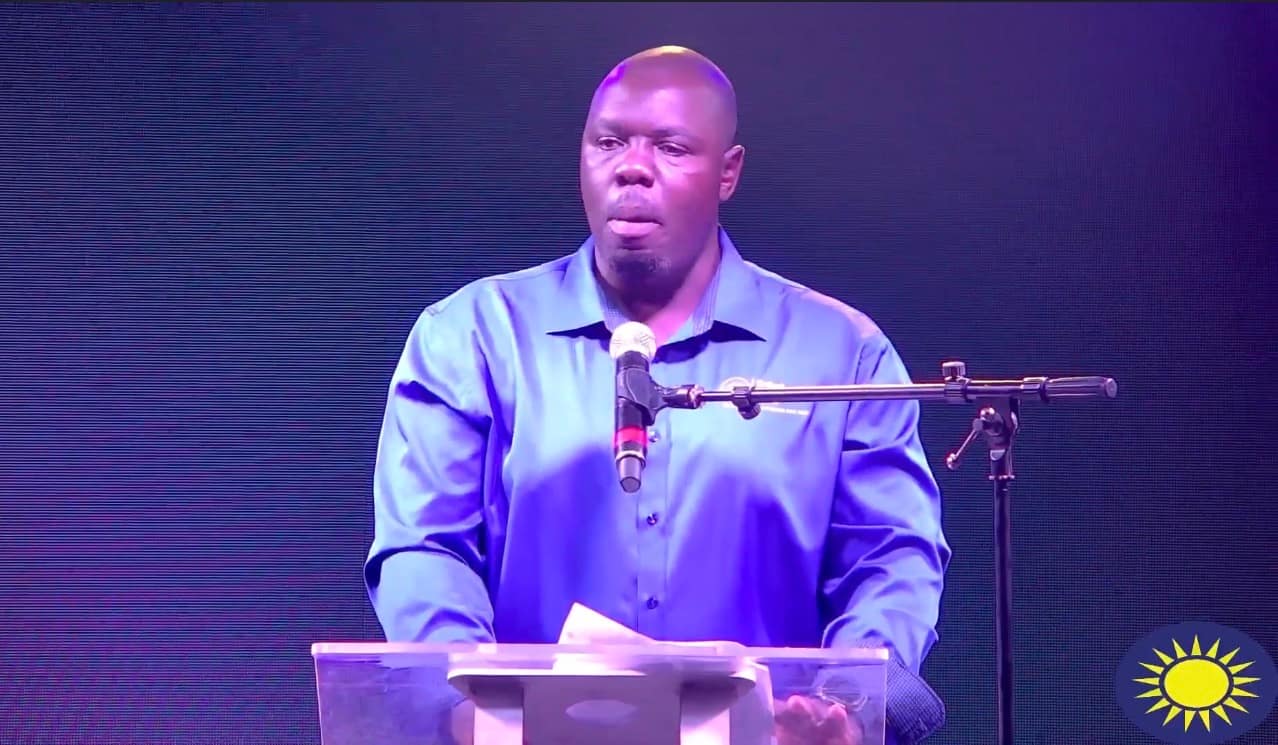
  • UPP Candidate Jonathan Joseph Says Cancer Patients Enduring ‘Hell,’ Pledges Urgent Reform

    UPP Candidate Jonathan Joseph Says Cancer Patients Enduring ‘Hell,’ Pledges Urgent Reform

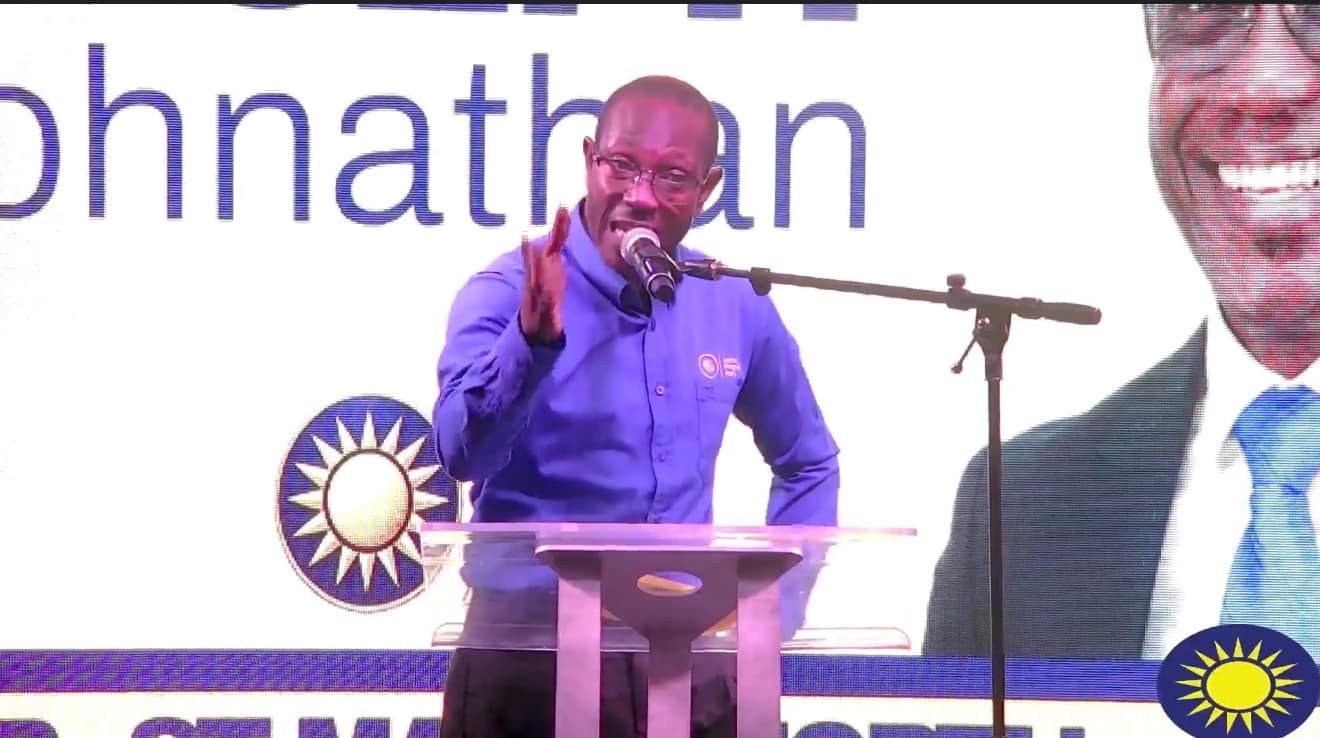
    Ahead of Antigua and Barbuda’s April 30 general election, opposition United Progressive Party (UPP) candidate for the St. Mary’s North constituency Jonathan Joseph has drawn a stark spotlight on the island nation’s broken cancer care system, delivering a searing indictment of the current administration’s failures and promising sweeping emergency reforms if his party secures power.

    Speaking to a packed rally of supporters, Joseph opened with raw emotion, describing the daily suffering of local cancer patients as an unacknowledged “hell” that ruling officials have chosen to ignore. He emphasized that the crisis is expanding at an alarming rate, with growing numbers of women and even young adolescents now facing barriers to life-saving care that have pushed many into avoidable suffering.

    Rooting his critique in on-the-ground experience from his own constituency, Joseph shared the devastating story of a local mother with cancer who delayed her own treatment to prioritize care for her sick young daughter, ultimately passing away before her child recovered. This case, he argued, encapsulates the systemic failure that has turned healthcare into a political afterthought rather than a compassion-centered public service. He stressed that the fundamental mission of any public health system should be to help sick people heal, a mission the current government has abandoned entirely.

    The core of Joseph’s campaign pledge centers on reopening Antigua and Barbuda’s shuttered national cancer center as an urgent first priority. He told the crowd that a UPP administration would move quickly to restore full operations at the facility, arguing that every day of delay inflicts unnecessary harm on vulnerable patients. “Because people matter,” he emphasized, framing the commitment as a non-negotiable moral obligation rather than a political talking point.

    Beyond the cancer center, Joseph outlined broader plans to overhaul the nation’s public healthcare system, including extending operating hours at community health clinics to expand access for working families and low-income residents who cannot take time off work for routine and specialized care. He asserted that the UPP brings the necessary expertise, local talent, and political will to build a world-class healthcare system that would stand as a model for the entire hemisphere.

    Joseph did not mince words in his criticism of the incumbent government, arguing that the administration has turned the nation’s healthcare system into a mockery, leaving critical infrastructure and services in total disarray. He called the current state of public health an outright crisis, insisting that only the UPP has the commitment and capability to fix the systemic failures that have left cancer patients and other vulnerable groups without adequate care.

    Tying his own political legacy to the issue, Joseph stated that it would be a permanent stain on his record if he took office and allowed the current unacceptable state of healthcare to remain unchanged, urging voters to view the upcoming election as a turning point for public health. Closing his remarks, Joseph emphasized that this is not an abstract political debate: it is a matter of life and death for real local residents, and voters have the power to change the outcome for themselves and their vulnerable loved ones. He ended with a direct call for voters to back the UPP on election day, arguing that meaningful, lasting change for cancer patients and all residents depends on electing a new government that prioritizes people over politics.

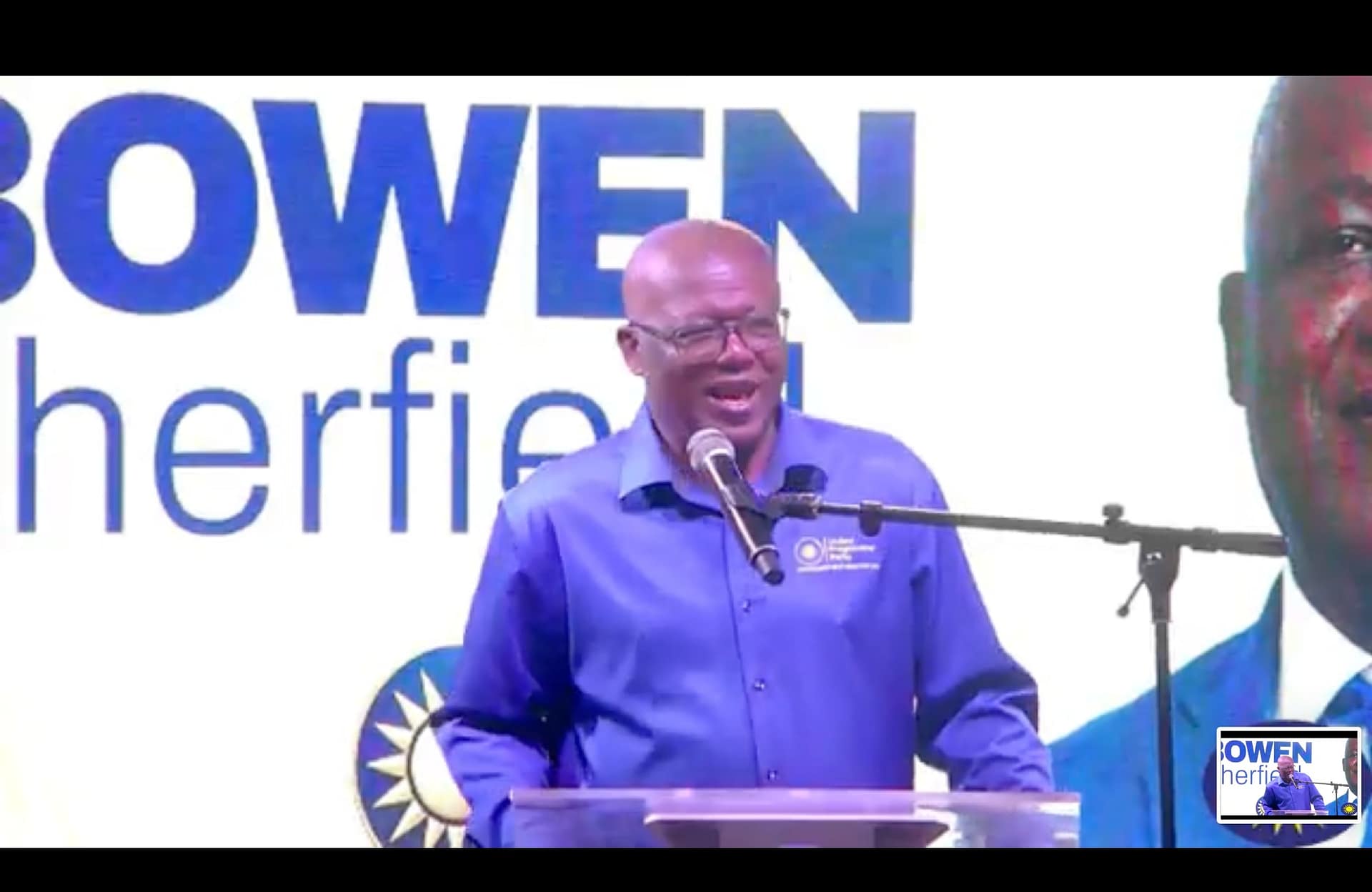
  • Sherfield Bowen Says the United States Wants ‘a New Government’ in Antigua

    Sherfield Bowen Says the United States Wants ‘a New Government’ in Antigua

    As the April 30 general election in Antigua and Barbuda draws near, the main opposition United Progressive Party (UPP) has centered its campaign narrative around claims of strained international relations under the incumbent Gaston Browne administration. At a campaign rally for party supporters, Sherfield Bowen, UPP’s deputy political leader, made a bold assertion: that both the United States and the European Union are actively seeking a new, more cooperative governing body in the country, framing a leadership turnover as non-negotiable for Antigua and Barbuda’s standing on the global stage.

    Bowen’s core argument links a range of growing international headwinds directly to the policies of Browne’s ruling Labour Party. He told rally attendees that Antigua and Barbuda is already facing international repercussions for the current administration’s decisions, with more severe consequences looming if voters return the incumbent government to power. “The United States and Europe are now looking for a new government that they can work with. That is why a change of government is essential,” Bowen stated in his address to the crowd.

    Among the most serious allegations Bowen put forward was that existing U.S. visa sanctions imposed on Antigua and Barbuda citizens are a direct result of the Browne administration’s policy choices. He went further to warn of impending additional restrictions, claiming that the European Union is on track to roll out its own visa sanctions by the end of the current year. Bowen argued that the incumbent government lacks the capability to reverse these damaging measures, asserting that the Gaston Browne regime is unable to take the necessary steps to remove existing sanctions and prevent new restrictions from being added.

    In a strategic shift that prioritizes national and international standing over granular constituency-specific promises, the UPP has positioned the upcoming election as a critical turning point for the country. Bowen framed the poll as Antigua and Barbuda’s only opportunity to alter its current trajectory, arguing that the only solution to mounting international pressure is to remove Gaston Browne and the Labour Party from office, replacing them with a UPP-led government that Bowen says will prioritize the needs of everyday citizens.

    Bowen’s comments reinforce the UPP’s broader campaign strategy, which casts the April 30 vote as a referendum on the Browne administration’s overall governance of the country. By tying visa restrictions and the threat of future sanctions directly to government policy, the opposition has sought to reframe foreign policy fallout as a critical domestic political issue. This approach is designed to persuade undecided voters that the country’s global reputation is inextricably linked to its domestic prosperity and future prospects. Closing his remarks, Bowen issued a direct appeal to supporters, urging them to back the UPP at the polls to deliver the change he says Antigua and Barbuda urgently needs.

  • Middle-class seniors struggling despite home ownership

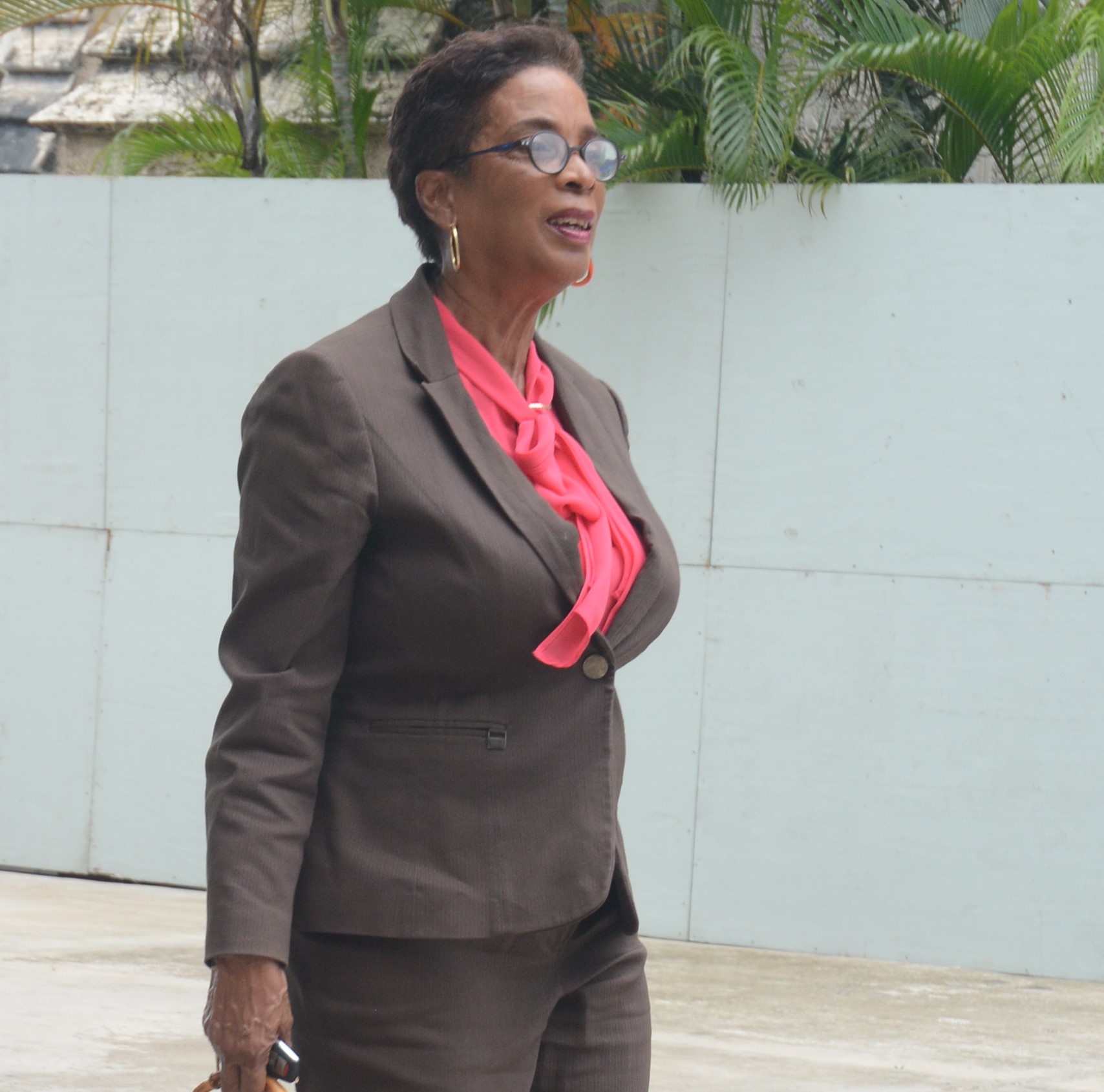
    Middle-class seniors struggling despite home ownership

    During Tuesday’s parliamentary debate on the landmark Older Persons (Care and Protection) Bill, Barbadian Member of Parliament Sandra Husbands has drawn attention to the largely unreported financial and social vulnerabilities facing the nation’s senior population, revealing stark divides in hardship between two distinct economic groups of elderly residents across the constituency she represents.

    Husbands, who also serves as the country’s Minister of Technological and Vocational Education, outlined that while the larger cohort of middle-class elderly often appear outwardly comfortable, living in fully paid-off, well-furnished homes, this outward appearance masks deep-seated financial strain. Many of these seniors are retired public servants and private sector supervisors who live on fixed pensions that were sufficient to cover their costs more than a decade ago, but have been eroded by persistent inflation. As empty nesters with no family members nearby to help, they struggle to cover routine home repairs, rising utility costs, groceries, and evolving age-related health expenses all at once.

    By contrast, the smaller group of working-class elderly face a different set of urgent challenges. A large share of these seniors live in overcrowded housing, where their needs and personal preferences are frequently sidelined by other household members. Even living on meager, fixed pensions, they are often pressured to cover financial demands from other relatives living under the same roof, leaving them with barely enough to cover their own basic needs.

    Husbands emphasized that these shared financial pressures leave both groups of seniors disproportionately vulnerable to abuse and financial exploitation. When they can no longer manage all daily tasks and financial decisions independently, many seniors turn to untrained informal caregivers — often relatives, neighbors or other close contacts — that may not act with integrity. In some of the most distressing cases, even family members exploit vulnerable seniors by taking control of their assets and finances, creating overwhelming stress and uncertainty for older people who have already worked their entire lives.

    Against this backdrop of widespread vulnerability, Husbands told fellow lawmakers that shifting demographic trends on the island make consistent, targeted reform of the national social security system a non-negotiable priority. She pushed back against critics who have claimed recent government reforms are only designed to force people to work longer while cutting their future pension benefits, arguing that ongoing pension adjustment is critical to protect current seniors and future generations alike.

    “Anyone who truly cares about this country and truly cares about the entire group of Barbadians who live here … must understand that pension reform is absolutely important. It’s the right thing to do. It’s the moral thing to do,” Husbands said.

    She added that the current push for stronger elder protection legislation is even more necessary given the widespread financial insecurity facing seniors. Beyond policy reform, Husbands also called for expanded public financial literacy initiatives and encouraged younger Barbadians to begin retirement planning far earlier, noting that too many people wait until their 60s to prepare for their post-work years. When seniors lack sufficient financial resources, she explained, they grow more dependent on others, more likely to endure exploitation, neglect or unkind treatment, and create added strain on both families and the state — making protective regulation all the more critical to safeguard vulnerable older Barbadians.

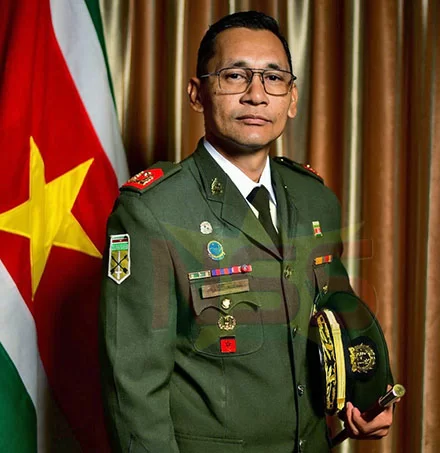
  • Strategische winst, sociale zorgen: de balans van vertrekkend bevelhebber Werner Kioe A Sen

    Strategische winst, sociale zorgen: de balans van vertrekkend bevelhebber Werner Kioe A Sen

    When Werner Kioe A Sen took office as commander of the Surinamese National Army in October 2022, he laid out an ambitious promise: to lift the institution to a brand new “next level”. This Friday, after almost four years at the helm, Kioe A Sen will formally transfer command to his successor, Colonel Mitchell Labadie, offering a candid, comprehensive reflection on his tenure that balances progress achieved with goals left unmet.

    Looking back on his term, which focused heavily on professionalization, academic advancement, organizational reform, and targeted investment in personnel and leadership capacity, the outgoing commander highlighted key foundational gains that have strengthened the National Army. With consistent support from successive defense ministers Krishna Mathoera and Uraiqit Ramsaran, as well as collaboration from the military leadership and defense staff, Kioe A Sen’s administration built a structural foundation that will support the force for years to come.

    One of the most significant milestones of his tenure was the 2023 launch of the Command and Staff Course, a specialized training program designed to prepare officers for senior political-strategic roles, alongside targeted investments in higher academic development for mid-career and senior officers. “This is a critical step forward in boosting the knowledge and innovation capacity of the entire defense sector,” Kioe A Sen noted. The non-commissioned officer corps also received a major boost through the implementation of a new staff adjutant structure, which is intended to improve internal mentorship and advisory capabilities across the force.

    Despite these clear gains, Kioe A Sen openly acknowledged that not all of his initial policy ambitions were realized. In particular, progress on improving core facilities including troop infrastructure and catering has fallen short of expectations, held back by limited budget resources and broader administrative constraints that were outside the command’s direct control. Even so, the commander emphasized that he remains satisfied with the strategic direction set during his tenure, especially when it comes to long-term sustainable investments in force quality and leadership development. “The full impact of these changes will only become visible over the longer term, but the foundation is now in place,” he said.

    Kioe A Sen explained that his administration deliberately prioritized broadening the service’s foundational capacity, with a focus on leadership development, personnel welfare, structural reform and process improvement – changes that he argues are essential to addressing the increasingly unpredictable nature of modern security threats. These threats span both traditional military and non-military domains. The long-running territorial dispute over the Tigri region remains a persistent priority for the force; while the issue is being addressed through diplomatic channels, Kioe A Sen noted that from a defense perspective, credible deterrence plays a key role in strengthening the country’s negotiating position, a lever whose use ultimately remains a policy decision at the political level.

    Non-military threats, particularly transnational crime and environmental crime, have proven far more complex to address than initially anticipated. Kioe A Sen stressed that these challenges are deeply rooted, linked to structural weaknesses across multiple state institutions, limited operational capacity, cross-agency coordination gaps, and integrity risks. Even so, targeted operations such as Sparimakka and Ocelot have demonstrated that focused deployment can deliver tangible results, though sustained structural improvement will require broader cross-sector collaboration to achieve.

    Over the past four years, the National Army has deliberately focused on strengthening its core constitutional mandates, which has translated into a significant expansion of operational activity across the country. Over the past five years, the force has conducted more than 100 deployments, ranging from patrols in gold-mining regions like Marbonsu, border presence at Marai on the eastern frontier, Operation Piranha supporting the public prosecutor’s office in cracking down on environmental crime, humanitarian relief missions as part of Gran Mati, to the destruction of illegal airstrips in Operation Ocelot. This expanded operational footprint has made the army a more visible presence across Suriname, and Kioe A Sen says this record provides a solid baseline for his successor to build on.

    In pre-handover discussions with Labadie, the two leaders have reviewed the current state of the force, ongoing strategic priorities, operational capacity, and active projects. Kioe A Sen stressed that continuity in policy and implementation is essential to consolidate and expand on the progress made over the past term.

    On the social welfare front, affordable, accessible housing remains one of the most pressing unaddressed issues for military personnel. “While we launched new initiatives to support service members with land acquisition for housing, these processes have not delivered the results we hoped for,” Kioe A Sen admitted. Delays stemmed from reliance on multiple external stakeholders and bureaucratic procedures, as well as broader administrative and policy constraints across government. He noted that delivering more concrete progress on housing will be a key priority for Labadie, as the issue remains central to the well-being of troops and their families.

    The outgoing commander acknowledged that many troops may question whether he did enough to improve their daily conditions during his tenure, and called this a reasonable and fair question. “Given the resources and opportunities available to me, I pushed as hard as I could to deliver meaningful improvements. At the same time, I had to operate within broader constraints and conditions that were often outside my sphere of influence,” he explained. His connection to ordinary troops remains strong, forged over 28 years of service in operational units, 24 of which he spent serving alongside rank-and-file soldiers.

    In October 2024, Kioe A Sen was promoted from colonel to brigadier general, the highest military rank in the Surinamese National Army. Though the command handover is imminent, he says he is not retiring, and will remain available to serve at the request of the defense minister and the president. Reflecting on his time leading the force, Kioe A Sen concluded: “I worked to deliver meaningful structural improvements to this institution, and I understand that not every desired goal can be achieved in a single term. The foundation is laid, and it is now up to the next leadership to carry this work forward.”

  • Emanuel Peters Pledges to Donate Entire Parliamentary Salary to Lift Rural South Out of Poverty

    Emanuel Peters Pledges to Donate Entire Parliamentary Salary to Lift Rural South Out of Poverty

    In a bold and unprecedented move that has drawn both praise and scrutiny across the national political landscape, newly elected Member of Parliament Emanuel Peters has made a historic pledge: he will donate 100 percent of his parliamentary salary over the course of his entire term to poverty alleviation projects in the underdeveloped rural South.

    The rural regions of the country’s southern belt have long grappled with systemic economic disparities, decades of underinvestment in critical infrastructure, limited access to quality healthcare and education, and persistently higher unemployment rates than the national average. For years, activists and local leaders have called on national political figures to address these gaps, but few have taken personal action to match their rhetorical commitments.

    Peters, who ran his election campaign on a platform centered on grassroots equity and government accountability, announced the pledge during a public community meeting in one of the region’s poorest counties last week. “The people of this region sent me to parliament to fight for their progress, not to build personal wealth at their expense,” Peters told assembled residents. “Every cent I earn from this role will go directly back to lifting up the communities that trusted me to represent them.”

    The pledge covers all base salary earned during his five-year term, and will be distributed to local nonprofits focused on small business grants for rural entrepreneurs, scholarship programs for low-income high school students, and community infrastructure projects including clean water access and road improvements. Peters’ office confirmed he will not retain any portion of the salary for personal expenses, relying instead on prior personal savings to cover his professional and living costs while in office.

    Political analysts note that the move is rare among sitting elected officials globally, and sets a new benchmark for personal sacrifice among the nation’s political leadership. While some opposition figures have questioned whether the pledge sets an unrealistic standard for future candidates, grassroots organizations across the rural South have welcomed the commitment, saying it signals a renewed focus on the systemic challenges that have long been sidelined by national policymakers.

    Local community leader Maria Gonzalez, who has spent 20 years advocating for rural development in the region, called the announcement “a game-changer.” “For too long, politicians have come down here, made promises, and gone back to the capital to forget about us,” Gonzalez said. “This isn’t just a donation—it’s a proof of commitment that we haven’t seen before.”

  • 840,000 Annual Deaths Linked to Workplace Stress Risks, International Labour Organization Report Finds

    840,000 Annual Deaths Linked to Workplace Stress Risks, International Labour Organization Report Finds

    In a groundbreaking new global analysis released ahead of the 2026 World Day for Safety and Health at Work, the International Labour Organization (ILO) has sounded a urgent alarm over the hidden public health crisis unfolding in workplaces across the world. The agency’s latest report, *The psychosocial working environment: Global developments and pathways for action*, reveals that over 840,000 premature deaths each year can be traced back to treatable psychosocial hazards at work, ranging from chronic overwork and persistent job insecurity to routine workplace bullying and harassment. Unlike many widely recognized occupational safety threats, these hidden risks primarily drive two categories of life-ending health conditions: cardiovascular disease and serious mental disorders, including suicide. Beyond the catastrophic human cost, the report quantifies the staggering global scale of healthy life lost to these work-related harms: nearly 45 million disability-adjusted life years (DALYs) are forfeited annually, a metric that captures years of healthy living stolen by premature death, chronic illness, or work-related disability. The economic burden of unaddressed psychosocial risks is equally profound, dragging down the global economy by an estimated 1.37 percent of total annual gross domestic product. The ILO report emphasizes a critical, underrecognized trend: the design, organization, and management of modern work are playing an increasingly large role in shaping worker well-being. It warns that common psychosocial risk factors – including long working hours, persistent job uncertainty, excessive work demands paired with little worker autonomy, and ongoing bullying or harassment – will continue to poison working environments worldwide without targeted intervention from governments, employers, and labor groups. The agency’s release comes as global stakeholders prepare to mark the World Day for Safety and Health at Work 2026, with the new report intended to spur coordinated global action to address this growing occupational health crisis.

  • Mandarijncursus moet samenwerking tussen Suriname en China verdiepen

    Mandarijncursus moet samenwerking tussen Suriname en China verdiepen

    A new beginner-level Mandarin Chinese training course has officially kicked off in Suriname, designed as a targeted initiative to strengthen the longstanding cooperative partnership between the South American nation and China. Running through July 15, the program is co-hosted by the local Confucius Institute and the Suriname Diplomat Institute (SDI), bringing together roughly 30 government officials from multiple public sector agencies.
    Beyond just building basic Mandarin language proficiency, the course centers its curriculum on boosting intercultural awareness between the two countries. Organizers frame the training as a core component of broader national efforts to equip Suriname’s public sector professionals with the skills needed to thrive in an increasingly interconnected, globalized working environment.
    At the opening ceremony of the program, Chinese Ambassador to Suriname Lin Ji emphasized that Mandarin language learning acts as a vital people-to-people bridge connecting the two nations. “Mastering Mandarin delivers far more than practical professional advantages,” Ambassador Lin noted during his remarks. “It lays the groundwork for stronger bilateral ties and deeper mutual understanding between our peoples.”
    Jenny Maikoe, SDI’s program coordinator, echoed this perspective, highlighting language’s unique power to connect communities and nations. Maikoe explained that the training directly supports public sector capacity building, giving participating officials the tools to engage more effectively in cross-border communication and international diplomatic settings.
    According to event organizers, the benefits of Mandarin proficiency extend past institutional cooperation, opening new pathways for both personal development and professional advancement for participants. For this reason, the course is widely viewed as a meaningful milestone in the ongoing work to deepen the positive bilateral relationship between Suriname and China.

  • Retired teacher jailed for sex crimes on 11-y-o boy

    Retired teacher jailed for sex crimes on 11-y-o boy

    A 65-year-old retired educator from St. Vincent and the Grenadines has received a total prison sentence of two years, seven months and 17 days after being convicted on four separate counts of indecent assault involving a 13-year-old minor boy. The sentencing ruling was issued by a sitting magistrate during a closed court hearing for defendant John Clyde Fitzpatrick, who resides in the Sion Hill area of the country.

    Under local rules for cases involving child victims, legal proceedings for this type of sensitive matter are held in camera, meaning the public and press are barred from observing hearings to protect the safety and privacy of the underage victim. As a result, iWitness News, the local media outlet first reporting on the case, has only been able to confirm the official sentence handed down in the matter, with no additional details from the court proceedings available for public release.

    Court and law enforcement records confirm the criminal offences Fitzpatrick was convicted of took place between September 2024 and January 2025, per an official February 2025 statement published by local police. In that statement, law enforcement noted that the sensitive nature of the case and mandatory legal protections for the minor victim’s identity mean no further specific details about the offences or the investigation can be shared with the public at this stage of the legal process.

    Even with limited public disclosures, police confirmed that all required legal protocols have been strictly followed throughout the investigation and prosecution to guarantee that justice is delivered for the young victim. Fitzpatrick was charged and convicted under Section 127(1)(a) of the Criminal Code, CAP 171 of the 2009 Revised Edition of the Laws of St. Vincent and the Grenadines. This statute explicitly outlines that any act of indecent assault against a child under the age of 15 carries a maximum penalty of 10 years of imprisonment. A supplementary clause in the legislation, Subsection 2, also reinforces a key legal protection for minors: under local law, a child under the age of 15 cannot legally provide consent that would excuse an indecent act or reclassify it as not amounting to assault.