
In an exclusive interview hosted by Brazilian journalist and author Breno Altman on his popular current affairs program *20 Minutos* (published by Opera Mundi), Cuban President and First Secretary of the Central Committee of the Communist Party of Cuba Miguel Díaz-Canel Bermúdez has laid out Cuba’s long-standing position on diplomatic engagement with the United States. The discussion, the second recorded meeting between Altman and Díaz-Canel, was held at the Palace of the Revolution and covered a sweeping range of pressing topics facing the Caribbean nation, from the ongoing economic damage caused by the decades-long U.S. blockade and the more recent tightening of oil sanctions to Cuba’s domestic structural transformations, global solidarity movements, and the early history of bilateral negotiations between Havana and Washington. Cuba’s state-owned newspaper Granma has made the full unedited video of the conversation available to the public on its official website, following the original broadcast via the Cuban Presidency’s YouTube channel. Opening his remarks on bilateral relations, Díaz-Canel emphasized that Cuba has maintained a consistent willingness to enter into constructive dialogue with the U.S. government throughout modern history, but any such talks must be premised on full respect for Cuba’s core national sovereignty and independent political system. The interview comes at a time of sustained economic pressure on Cuba from U.S. trade restrictions, making the country’s stance on diplomatic engagement a key point of international interest for global observers and regional policymakers.
博客
-
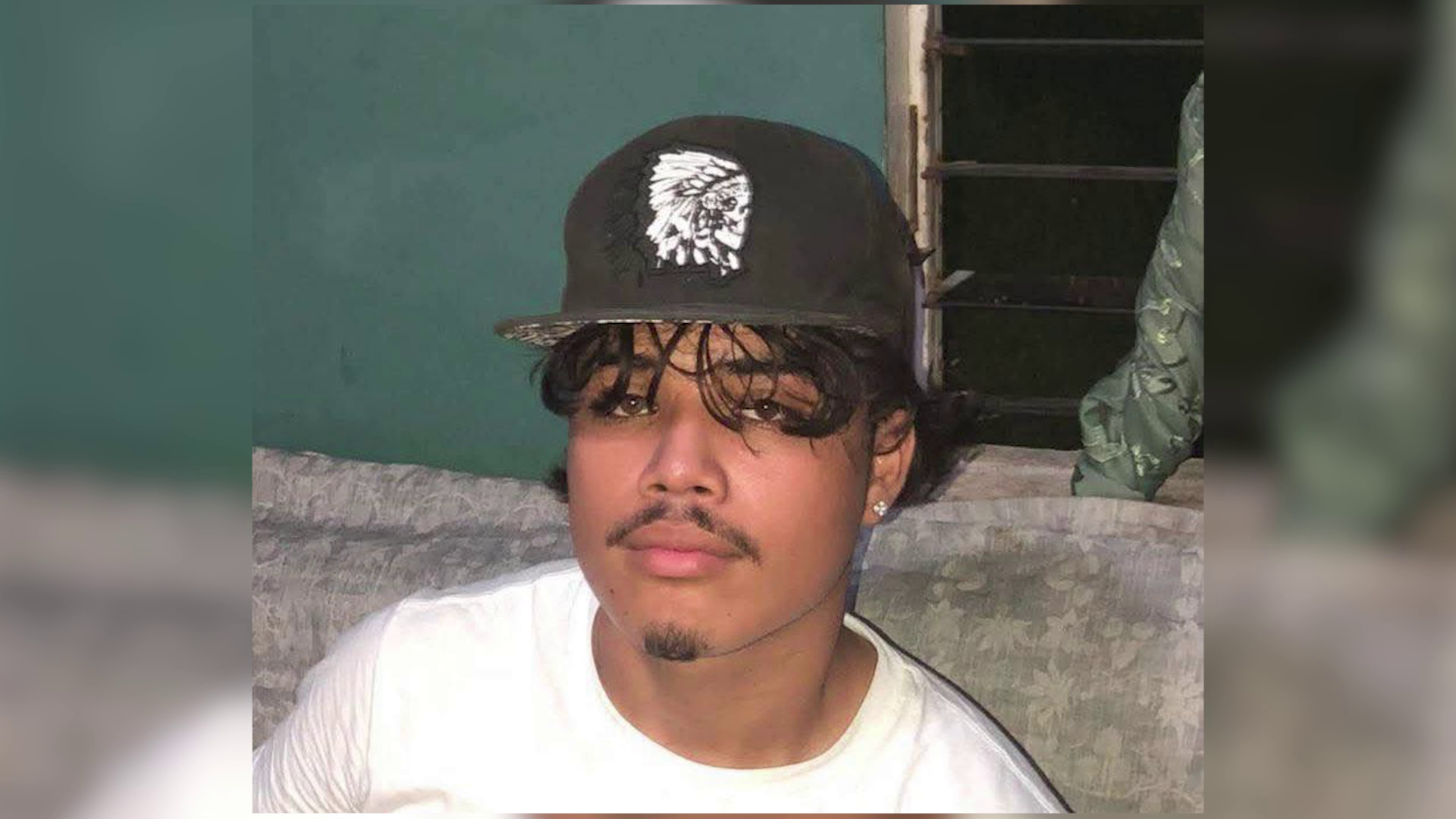
Young Technician, Jamir Cambranes, Found Dead Off Boom/Hattieville Road
A promising young life in Belize City has been cut short by an apparent senseless killing, leaving family, colleagues, and local community reeling from shock and grief as law enforcement works to unravel the circumstances of the crime.
Nineteen-year-old Jamir Cambranes, a technician at local firm Mars Distributors, left his Euphrates Avenue home on a bicycle between 7 and 8 p.m. on Tuesday to meet two acquaintances who were traveling in a silver Chevy Equinox. In an uncharacteristic move, he shared his real-time phone location with his girlfriend before the meeting. When three hours passed with no response to repeated calls and text messages, and his location appeared stationary, his girlfriend alerted Cambranes’ older brother.
The brother immediately rode out to the location marked by the phone’s GPS, ultimately making a grim discovery: Jamir Cambranes’ lifeless body dumped in bushes off the Boom/Hattieville Road. The finding was reported to police just before 2 a.m. on Wednesday, April 22, marking the start of an official homicide investigation.
“The entire family is completely stumped. This was a young, productive kid, and whoever took him and did this are nothing less than animals,” Alfonso Noble, Cambranes’ uncle, told reporters. He added that the family’s devastating loss is compounded by a disturbing trend playing out across the community: “It’s become the norm now that we’re just grateful to find our loved ones’ bodies. Just last week, another mother said the same thing after her son was killed. This young man did nothing to deserve this.”
Police confirmed that the silver Chevy Equinox linked to the meeting has been seized as evidence, and investigators are processing the vehicle for forensic clues. In a press briefing, Assistant Superintendent of Police Stacy Smith clarified that this vehicle is a separate automobile from the silver Equinox previously sought in connection with the high-profile disappearance of Deborah “Bree” Arthurs, dismissing public speculation connecting the two cases.
“Our investigation was launched at 1:56 a.m. Wednesday, after Ladyville Crimes Investigation Branch officers received word of the body found along the Boom/Hattieville Road,” Smith explained. “We have confirmed Cambranes left his home before 8 p.m. to meet two people he knew, and the search launched by his family after he failed to respond to calls is what ultimately led to the discovery of his body.”
Cambranes had been connected to Mars Distributors for nearly six years, starting work at the shop as a young teen before becoming a full official employee once he came of age. His supervisor, John Marsden, said the entire staff is struggling to cope with the sudden loss of a young man they considered family, not just a coworker.
“Jamir was like a little brother to all of us. Yesterday we saw him, today we’ll never see him walk through that door again. It’s been incredibly hard for everyone to process what happened,” Marsden said. He also described Cambranes as an alert, cautious young man who would never have agreed to go anywhere with people he did not trust: “He knew his surroundings, he could read when something was off. Whoever he went with last night was definitely someone he knew.”
As of Wednesday evening, police remained in a manhunt for the two Belize City-based suspects believed to be responsible for Cambranes’ killing. The family has publicly demanded urgent answers, calling for a swift conclusion to the investigation to deliver justice for the slain 19-year-old.
-
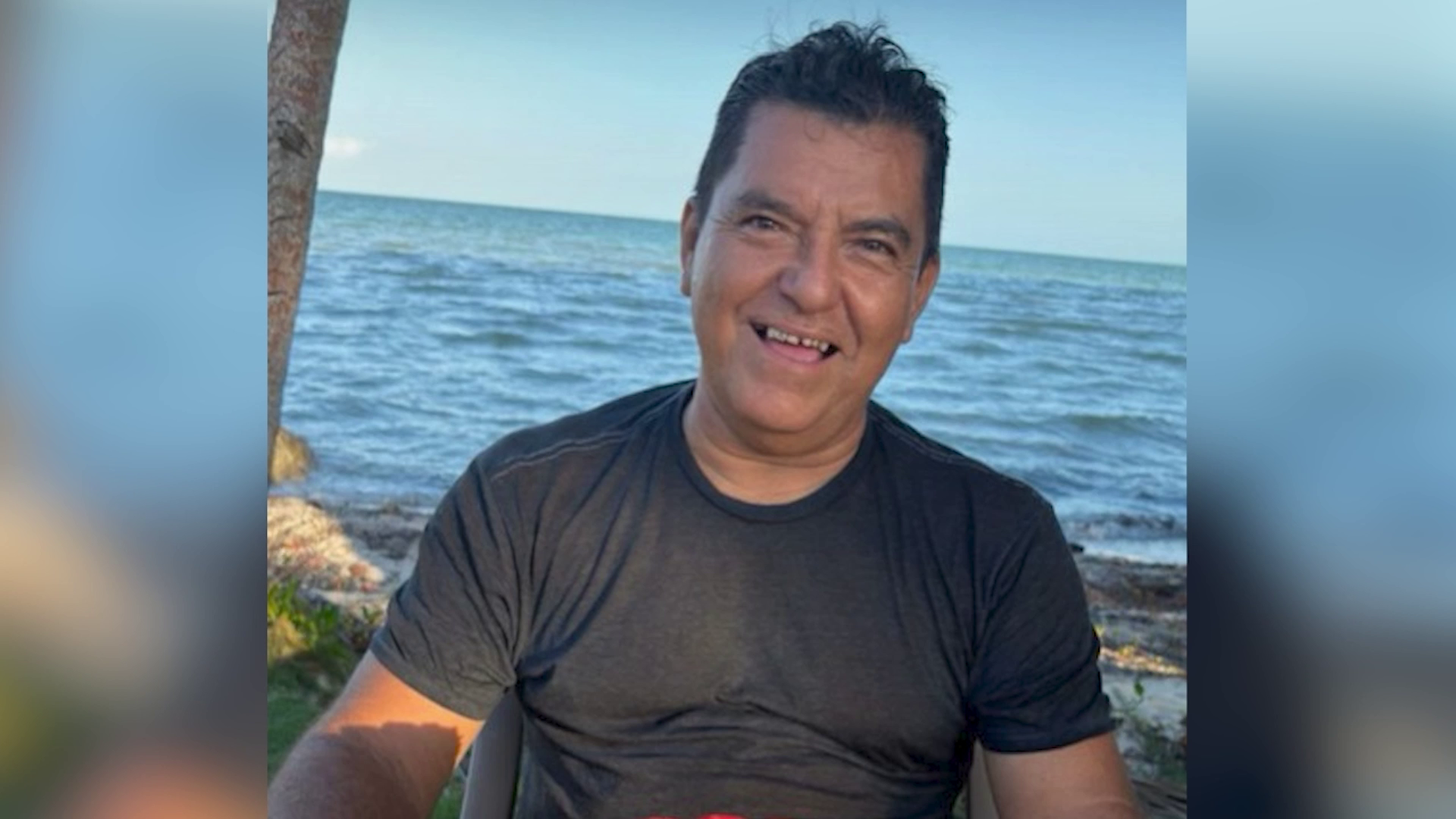
A Corozal Father is Gunned Down in Front of His Family
On a quiet residential street in northern Belize’s Corozal District, a senseless act of gun violence has torn apart a local family and left an entire community on edge. On the evening of Tuesday, April 21, 2026, 55-year-old Santos Antonio Escobar was gunned down by an unidentified lone attacker while he gathered with close relatives outside his home on Corozal Town’s 5th Street North.
Local law enforcement launched an immediate investigation into the killing, one of two shootings at the same location in just six weeks. According to Assistant Superintendent Stacy Smith, the incident unfolded when a male suspect approached the group socializing outside the residence and fired multiple rounds directly at the gathering. Escobar suffered life-threatening injuries from the gunfire and was rushed immediately to Corozal Community Hospital, where he was pronounced dead shortly after arrival. The two other family members with Escobar escaped the attack without physical harm.
Visible signs of the violence remain etched into the neighborhood days after the attack: dark, dried blood stains mark the ground where Escobar fell, and bullet holes still puncture the wooden fence behind which he stood. Local residents report being deeply unsettled by the attack, noting that this shooting is not an isolated act of violence—an earlier shooting at the exact same location occurred on March 9.
Investigators have not yet confirmed any connection between the two incidents, though they are actively exploring that line of inquiry. Thus far, no clear motive for the fatal attack has been established. Smith confirmed that law enforcement has recovered multiple surveillance footage recordings from the surrounding area, which investigators hope will yield critical clues to identify and locate the shooter. As of Thursday, police officers have been canvassing the neighborhood, conducting door-to-door interviews with residents and collecting any additional video evidence that could advance the case. No arrests have been announced.
Corozal Town Mayor Rigo Vellos publicly extended his deepest condolences to the Escobar family, who remembered Santos as a loving father who avoided conflict. Vellos emphasized that the recent wave of gun violence does not align with the community’s core values, and praised local law enforcement for their exhaustive efforts to solve the case and prevent future violence. The mayor issued a urgent plea to young people in the district to lay down their weapons, warning that “if you live by the gun, eventually it comes back haunting you.” He called for unified community action, urging residents to resolve conflicts through dialogue rather than violence to restore safety to Corozal Town’s neighborhoods.
This report from Shane Williams, News Five, Corozal Town.
-
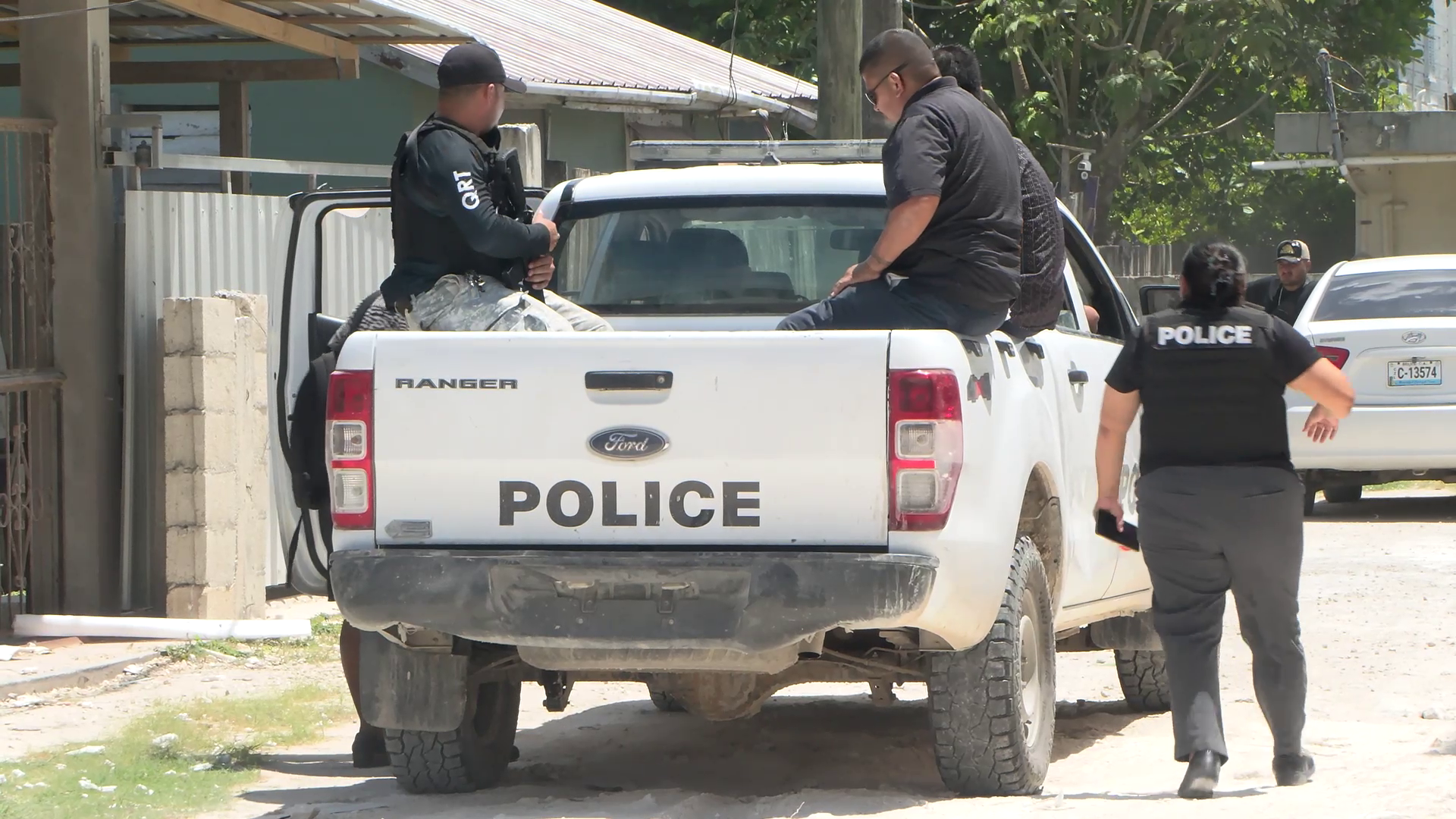
Mayor Calls for Unity Amid Corozal Crime Surge
For decades, Corozal Town in northern Belize has carved out a reputation as one of the country’s most peaceful, tight-knit communities, where low crime and quiet daily life drew both residents and growing numbers of curious tourists. But that quiet reputation is now under threat, as a sharp, alarming spike in violent crime has shaken the once-tranquil municipality, with the recent murder of a local man named Escobar marking the latest in a string of brutal incidents.
Law enforcement and local leaders largely attribute the rising wave of violence to criminal activity spilling over from Belize’s northern border, a trend that has driven sharp increases in shootings and targeted executions across the district. In response to the growing crisis, Corozal Town Mayor Rigo Vellos has publicly acknowledged the seismic shift in the town’s security landscape, and outlined a joint plan between local government and national security forces to reverse the trend while urging community members to take an active role in crime prevention.
Speaking in a recent address, Vellos emphasized how jarring the current situation is for long-time residents. “It is unfortunate situations that we are facing here in Corozal now. I can tell you Corozal is not known for one of those hotspots for crime. So it’s a bit surprising and unfortunate,” he said.
As part of the town council’s immediate action plan, local leaders are working closely with national police forces to roll out new security infrastructure: strategically placed surveillance cameras across identified high-risk areas of the town, designed to help law enforcement respond faster to incidents and deter criminal activity. Vellos made clear that preserving Corozal’s legacy as one of Belize’s safest municipalities remains the local government’s top priority, especially as the town works to sustain its growing tourism sector, which is a core pillar of the local economy.
Beyond official security measures, Vellos issued a direct appeal to local families, stressing that meaningful crime prevention starts at home. “The message I want to leave for every home is, because we all know everything starts at home, to parents and to all the adults within your house, talk to your kids. There are other ways we can go by solving issues. It doesn’t have to be using weapons. Let’s communicate amongst one another. Let’s teach our children how to solve different issues the right way,” he explained.
Vellos added that the vast majority of Corozal residents share his commitment to preventing the town from becoming a recognized crime hotspot. “Like I said I really don’t want Corozal and I’m sure my Corozalenos have the same mentality – we don’t want to turn Corozal into one of those hot areas for crime. We are happy that we’re seeing consistently flow of tourism flowing into our town and we want to ensure that maintains, because we all know that it affects that, and it gives a negative picture on our beautiful town,” he said.
The national government has also stepped in to address the crisis, with senior officials confirming that the Government of Belize is closely monitoring the rising violence across the Corozal District. All national security agencies have already deployed additional personnel and critical resources to the northern district to support local law enforcement efforts to curb the crime wave.
-
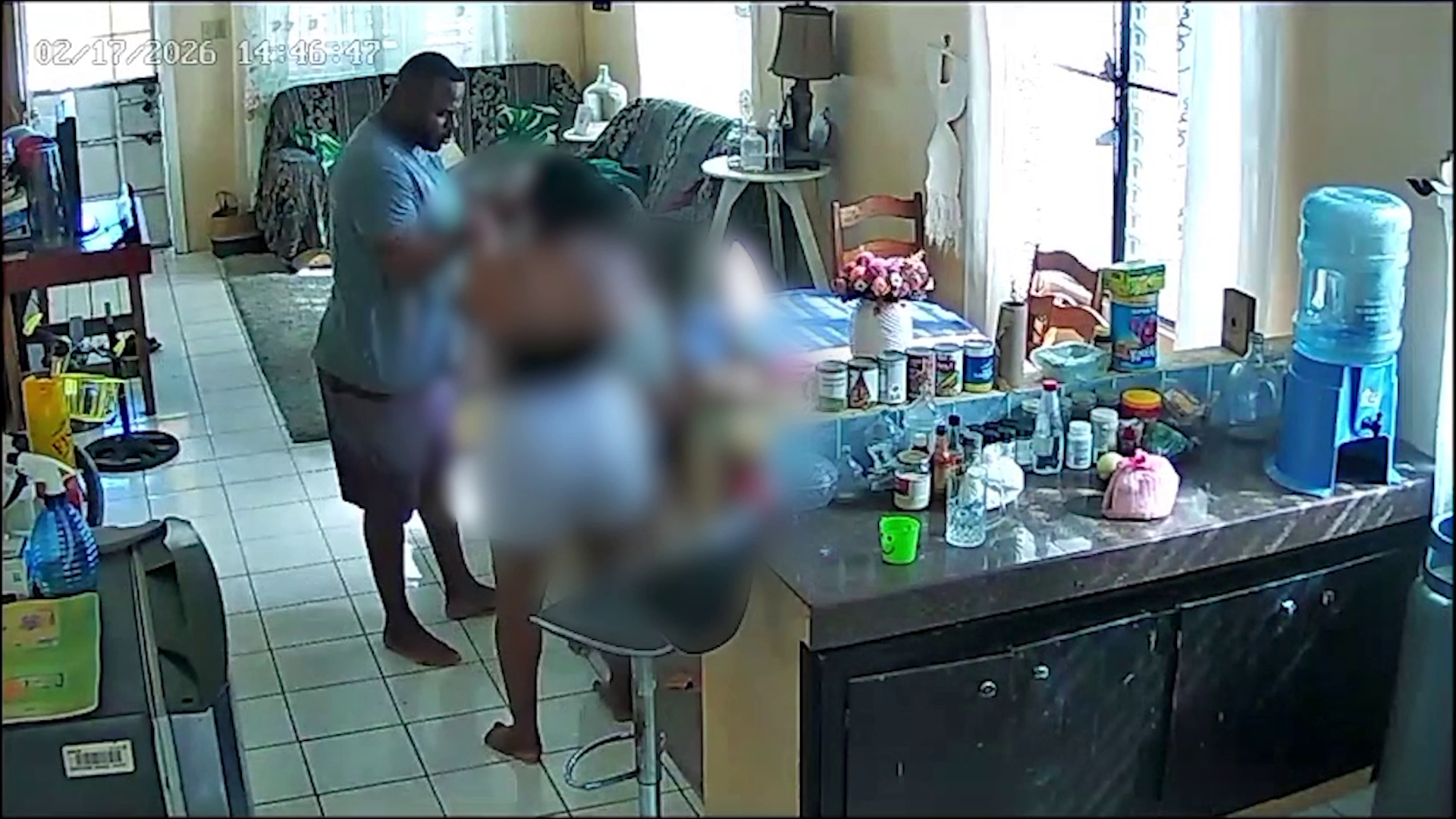
Viral Domestic Violence Footage Rekindles Police Oversight Debate
A shocking case of alleged domestic violence involving an on-duty police officer has reignited long-simmering tensions over police oversight and internal misconduct accountability in Belize, after a court dismissed criminal charges only to leave a roiling public debate and an ongoing internal disciplinary probe in its wake.
On Monday, Police Constable Phillip Garbutt was released from court after his common-law wife, the complainant in the case, informed the magistrate she would not move forward with criminal proceedings. Garbutt had faced two serious charges: wounding his partner and inflicting harm on her 8-year-old son. The case exploded into public consciousness after privately recorded surveillance footage from the family’s home leaked online and spread rapidly across social media platforms, drawing widespread outrage from community leaders, political figures, and ordinary members of the public.
While the criminal court process has concluded, the Belize Police Department confirms that its internal disciplinary investigation into Garbutt’s conduct remains active. The officer has been on interdiction since he was first charged, and parallel disciplinary proceedings were launched alongside the criminal prosecution from the outset, according to Assistant Superintendent of Police Stacy Smith. In a press briefing, Smith acknowledged that the viral spread of the footage has added an urgent new dimension to the department’s review, noting that public trust in law enforcement depends on addressing the incident transparently.
“There is a process for everything, and that disciplinary tribunal process has to take its course,” Smith stated. “But it is critical for police officers to command the confidence of the communities we serve. Given that this video has spread so widely and the public is fully aware of the allegations, this directly calls into question Garbutt’s ability to carry out his duties and retain public trust.”
Smith also emphasized that law enforcement officers are held to a far higher standard of conduct than ordinary citizens, particularly in cases involving vulnerable groups such as women and children. “Every right-thinking person agrees this conduct cannot be countenanced,” she said. “Vulnerable people deserve protection, and that expectation is even higher when the person accused of harm is an officer sworn to protect the public.”
The Office of the Special Envoy for the Development of Families and Children has already issued a formal statement calling for rapid administrative action and full accountability for Garbutt, adding its voice to mounting public pressure on the police department to act decisively.
Opposition UDP Senator Sheena Pitts used the case to highlight what she calls longstanding gaps in police personnel oversight. At a press conference earlier this week, Pitts condemned Garbutt’s alleged violence in the strongest terms, calling for the introduction of mandatory, continuous psychological screenings for all active police officers.
“There is never any excuse for this kind of violence against women and children, whether committed by a police officer or any other member of society,” Pitts said. “Affording dignity to public servants is not just lip service. Police officers face enormous stress throughout their careers, and they need regular, ongoing psychological support and evaluation. These issues do not develop overnight, and we need proactive systems to address risks before they lead to harm.”
Francis Usher, Chief Executive Officer of the Ministry of National Defense and Border Security, framed the incident as a reflection of broader societal challenges rather than an isolated problem with one officer. “This is ultimately a matter for the police department to handle through their internal disciplinary processes,” Usher noted. “But this kind of behavior cannot and should not be tolerated anywhere in our society. My heart goes out to the victims, and all of us have a role to play in building a safer, better Belize.”
As the internal disciplinary process moves forward, public pressure continues to build for swift, decisive action that matches the public’s demand for accountability. The core question hanging over the Belize Police Department now is whether it can deliver on the expectation that all officers, regardless of their position, will be held to the highest standards of conduct. Reporting for News Five, Zenida Lanza contributed to this report.
-

Barbados Pride and Jamaica Scorpions share thrilling draw
A pulsating second-round domestic cricket encounter between Barbados Pride and Jamaica Scorpions ended in a hard-fought draw on Wednesday, after the Barbados side fell just short of pulling off a dramatic upset victory, with the Jamaicans clinging on to secure a share of the points.
Going into the final day of play, an outright win appeared far out of reach for either side. The Pride held only a narrow three-run advantage from their first innings, and resumed their second innings at 460 for five. Batting partners Kyle Mayers and Leniko Boucher stretched their unbeaten stand to 104 runs, pushing the visitors’ total to 542 for five before any further damage. Mayers, who had adopted a cautious, slow-burning approach on Tuesday’s penultimate day, shifted gears dramatically once his side targeted quick runs to set a challenging target. He bludgeoned six fours and five towering sixes on his way to a 130-ball knock of 84, injecting urgent momentum into the Pride’s innings.
Medium pacer Odean Smith eventually broke the partnership for Jamaica, dismissing Mayers with a well-judged catch. Just 10 runs later, he claimed a second scalp, removing Boucher for 24 to move the score to 552 for seven. Lower-order batsmen Johann Layne and Shamar Springer then extended the innings further: Layne struck an unbeaten 31-ball 43, featuring three sixes and three fours, while Springer contributed 36 runs. The pair carried the Pride to a total of 626 before the dismissal of Springer prompted an immediate declaration from the visitors, setting the Scorpions a target of 169 runs to win within the remaining overs.
Jamaica’s chase got off to a disastrous start immediately after the break. Kyle Mayers removed in-form opener Kirk McKenzie for a duck with just seven runs already on the board. Just one run into the next over, the Pride missed a golden chance to ramp up the pressure: Shamar Springer dropped a caught opportunity at third slip off pacer Johann Layne, gifting reprieve to batsman Javelle Glenn. The drop did not prove costly for the Pride in the end, however, as Layne secured a simple caught-and-bowled dismissal of Glenn after the tea interval, leaving the Scorpions reeling at 22 for two wickets down.
When new batsman Brad Barnes fell to a spectacular diving catch from Jair McAllister, running in from fine leg off Layne’s bowling, Barbados began to sense they could force an unlikely win. Barnes’s dismissal brought injured captain John Campbell to the crease, who was already nursing a leg injury sustained during fielding. Left-arm spinner Jomel Warrican further consolidated the Pride’s position, claiming the wicket of Carlos Brown with a masterful delivery that spun away from the right-hander and clipped the edge of the bat through to wicketkeeper Boucher, leaving Jamaica struggling at 46 for four wickets. That put the Barbados side firmly in the ascendancy, with victory suddenly in sight.
Against all odds, the injured captain Campbell survived a series of close calls to remain unbeaten at the end. He compiled a gritty 91-ball 42, and shared a crucial late stand with Romaine Morris, who held out for a patient 5 runs from 62 deliveries. By the time the two sides agreed to terms for a draw, the Scorpions had reached 90 for four, enough to hold on for a share of the contest. Campbell survived two major scares during his knock: he was dropped on 8 by McAllister, who could not hold a looping catch from a sweep shot running in from fine leg, and he also survived a close caught-behind appeal off Warrican, when replays suggested the ball had clipped his bat on its way to the wicketkeeper.
-
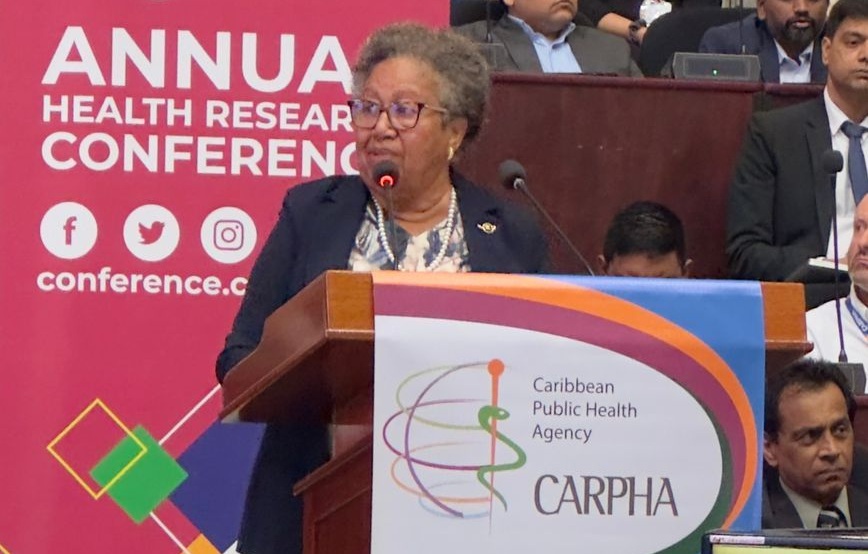
CARICOM needs data sovereignty- Sec Gen Barnett
On Wednesday, April 22, 2026, top regional and national leaders opened the 70th Annual Public Health Research Conference hosted by the Caribbean Public Health Agency (CARPHA) in Georgetown, Guyana, centering discussions on redefining digital and biotech innovation in the Caribbean health sector around the core principle of local data sovereignty.
Speaking to delegates at the opening session, CARICOM Secretary-General Dr. Carla Barnett, a Belizean economist and former politician, framed the rapid emergence of transformative health technologies — including artificial intelligence, population genomics, and cloud-based digital health platforms — as a once-in-a-generation opportunity for the region. These tools, she noted, carry the potential to help Caribbean nations overcome long-standing systemic barriers to care that have persisted for decades.
Dr. Barnett highlighted the life-changing impacts these innovations could deliver for Caribbean communities: genomic sequencing could enable customized treatment for non-communicable diseases (NCDs), which disproportionately affect the region, by accounting for the unique genetic diversity of Caribbean populations, while AI-powered surveillance systems could forecast emerging pandemic outbreaks weeks earlier than traditional monitoring systems. “These are the game-changing possibilities to safeguard the health and resilience of the people of the region,” she emphasized.
But to unlock these benefits, Dr. Barnett argued, all health innovation must be rooted in the clear assertion of regional data and biological sovereignty. She argued that the current model of external research and data extraction leaves Caribbean people as nothing more than raw data points for foreign institutions, rather than the primary beneficiaries of scientific breakthroughs. Instead, she called for the development of regionally governed biobanks that protect local biological assets while still contributing meaningfully to global scientific progress.
To operationalize this new sovereignty-centered model, Dr. Barnett called for expanded investment in upskilling Caribbean public health professionals, equipping them with modern skills in data analytics, ethical governance, and cross-sector policy design. She added that community trust must be the foundation of any paradigm shift, noting that research must prioritize the needs of marginalized populations as much as it serves laboratory-based science. “If our people do not trust innovation, they will not adopt it,” she said. “Our research must stay relevant, speak to the needs of the mothers in a rural or remote village as clearly as it does to a scientist in a laboratory.”
Guyana’s Health Minister Dr. Frank Anthony, a trained medical doctor and public health specialist, echoed these remarks, framing CARPHA’s annual conference as a critical space for regional collaboration to strengthen Caribbean-led public health science. He stressed that self-determination in health begins with controlling the region’s own health data: “if the region did not generate its own data, others will define our realities for us; if we do not publish our findings, our stories remain untold.”
Dr. Anthony added that research only delivers full public value when it is translated from conference presentations and laboratory notes into actionable outcomes, including peer-reviewed publications, evidence-based policy briefs, and updated clinical practice frameworks that improve patient care. He also called for expanded mentorship programs to train the next generation of Caribbean researchers to lead projects, publish work, and shape global health discourse. “It places Caribbean knowledge on the world stage and it allows our voices and our evidence to shape the international discourse,” he explained. He also urged the region to prioritize widespread adoption of modern health tools including telemedicine and integrated digital health systems.
In his opening address to delegates, Guyanese President Irfaan Ali laid out an ambitious challenge for attendees: craft a actionable policy framework for CARICOM leaders outlining the critical gaps that must be closed to unlock the Caribbean’s unique research potential. Dr. Ali, an urban planner, pointed out that the Caribbean’s combined population size and extreme ethnic diversity give it a natural advantage as a global test bed for new medical technologies, public health interventions, and research and development projects. Currently, however, the region lacks the critical infrastructure, updated legal frameworks, and regulatory systems needed to host large-scale pilot research. “We have an ethnic mix that is essential for pilots yet how many pilots are conducted in this region?” he asked.
To advance regional access to modern digital health, President Ali offered Guyana’s existing telemedicine infrastructure to serve as a regional hub for the entire CARICOM area, open for use in clinical care delivery, cross-institutional research, and public health workforce education.
-
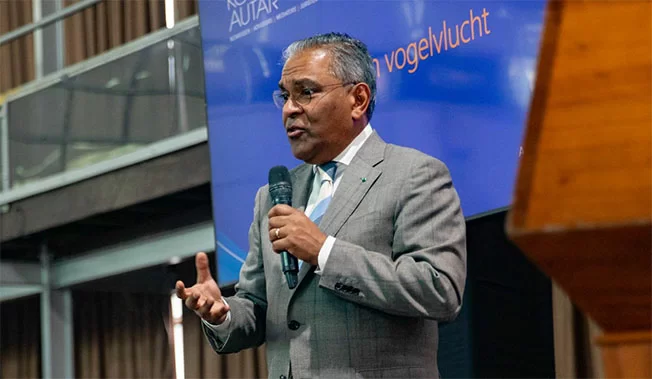
Overheid geïnformeerd over impact Nieuw Burgerlijk Wetboek
On April 22, the Cabinet of the President of Suriname launched an inaugural information session hosted at the country’s Congress Hall, aimed at clarifying sweeping changes introduced by the long-awaited New Civil Code (NBW) for representatives from government ministries and civil society organizations. The session was led by experienced notary Aniel Autar, who walked attendees through the code’s most impactful amendments and their far-reaching implications for everyday life and legal practice across the nation.
The NBW officially entered into force on May 1, 2025, bringing with it transformative changes that touch nearly every corner of Suriname’s society. Given the full legal text is extensive and time-consuming to study in full for most stakeholders, the Cabinet organized this introductory session to distill the code’s core changes into accessible, actionable information for key decision-makers.
Sergio Akiemboto, the Cabinet’s Chief of Staff, emphasized in his remarks that deep familiarity with the new legislative framework is non-negotiable for policy leaders across government. As the Suriname Communication Service reported, he underlined that national law is a continuously evolving framework, and this briefing is just the starting point for identifying areas that may require additional clarification or fine-tuning moving forward.
This initial session marks only the first step in a broader nationwide outreach initiative. Future briefings are already scheduled for a wide range of targeted groups, including neighborhood community organizations, practicing notaries, and legal professionals. Media organizations will also play a central role in the strategy, tasked with translating the technical legal content into clear, accessible language for the general public.
Autar explained that the push for a completely updated civil code stemmed from the reality that Suriname’s decades-old previous legal framework had fallen out of step with modern social and commercial practice. To address this gap, the NBW includes a host of sweeping reforms: it establishes the first formal legal basis for trusts in Suriname, updates the country’s marital property regulations, eliminates the fixed legal portion of an estate previously required for direct heirs, and expands legal protections for surviving spouses.
Beyond personal and family law reforms, Akiemboto drew particular attention to new regulations establishing personal liability for members of supervisory boards, stressing that leaders and oversight officials at state-owned enterprises must fully understand these new obligations to remain compliant.
Autar noted that the NBW has faced remarkably little substantive criticism from legal and political stakeholders since its enactment, but public discussion has centered on the relatively rapid timeline of its rollout. For Autar and other organizers, the single largest ongoing challenge remains ensuring that legal practitioners, public officials, and other affected parties not only fully comprehend the new code’s provisions but can also apply them consistently and effectively in daily practice.
-
Police Rescue Kidnapped Girl in Stann Creek
Months of agonizing uncertainty over a missing teenage girl came to a partial resolution this week, as security forces in Belize successfully pulled the kidnapped 14-year-old Guatemalan national to safety, though law enforcement warns the investigation is far from over with the primary suspect still evading capture.
The early-morning rescue operation, codenamed Safe Return, was carried out on April 21 by a joint team of the Belize Police Department and the elite Belize Special Assignment Group (BSAG), at a remote farm tucked behind San Roman Village in Stann Creek District. According to Assistant Superintendent of Police Stacy Smith, the operation was launched after investigators received credible intelligence pinpointing the teen’s location, a statement confirmed at a press briefing following the rescue.
The victim had first been reported missing in Guatemala’s Peten Department back in January 2026. Given the rugged, challenging terrain surrounding the suspected hideout, authorities made the call to deploy the specialized BSAG unit to execute the high-stakes mission. While the team successfully reached the compound and extracted the unharmed minor, 39-year-old Jose Gilberto Duarte—identified as the prime suspect in the abduction—managed to slip away into the surrounding wilderness before officers could secure the area.
Smith confirmed in the briefing that the teen had no prior connection to Duarte, and had been held against her will throughout her months in captivity. In the wake of the rescue, Belizean authorities have already established communication with their Guatemalan law enforcement counterparts to coordinate next steps. Belize’s Human Services Department has also been brought in to coordinate immediate victim support, including medical care and the eventual repatriation of the teen back to her home country.
Local law enforcement has issued a regional manhunt for Duarte, urging residents of Stann Creek District and bordering communities in northern Guatemala to report any tips about the suspect’s whereabouts to authorities immediately. Investigators noted that while the successful rescue marks a critical breakthrough in the case, the escape of the main kidnapper means the investigation remains active and ongoing.
-
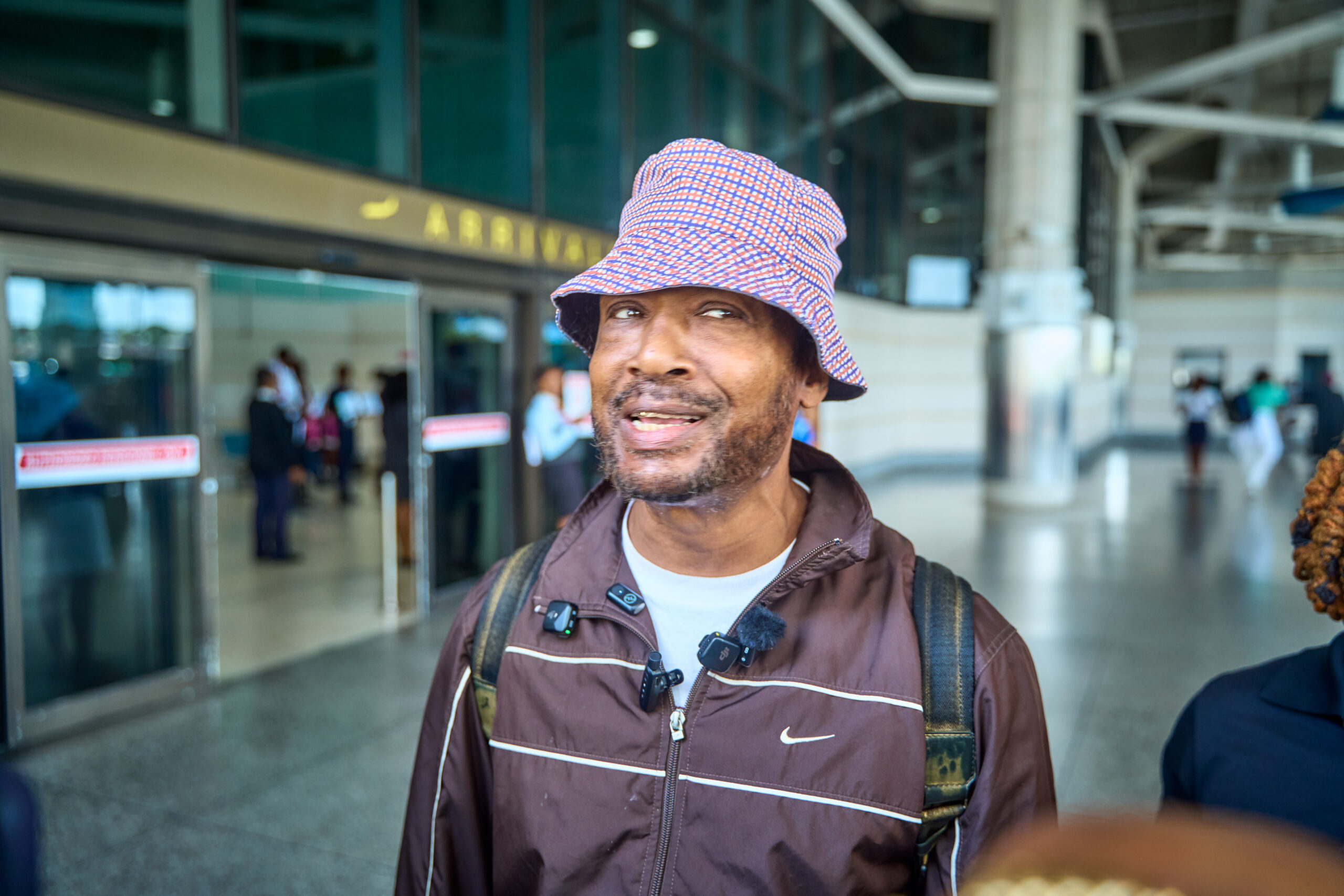
Super Cat touches down ahead of Barbados Reggae Weekend
The countdown to one of the Caribbean’s most anticipated reggae and dancehall gatherings officially kicked off this week, as headlining acts for the 2026 Barbados Reggae Weekend began arriving on the island hours apart. First to touch down at Grantley Adams International Airport at 2 p.m. Wednesday was none other than Super Cat, the trailblazing pioneer of dancehall who has shaped the genre for more than five decades.
Known for his explosive on-stage energy and lasting cultural impact across reggae circles worldwide, the iconic artist didn’t hold back when speaking to reporters on arrival, teasing a performance that he promised would be nothing short of electrifying. “A dog like me will give them short circuit…from 1971 we take over a concrete jungle, man. We dun put it down,” Super Cat said, signaling his readiness to deliver a career-spanning set that long-time fans won’t forget. Organizers and attendees alike have already marked his appearance as the unmissable centerpiece of the entire weekend’s lineup.
Just one hour after Super Cat’s arrival, beloved reggae vocalist JC Lodge followed in his footsteps, greeting fans and the press with warm excitement ahead of her own set. “Hey, I’m here guys. So good to be here in Barbados with you all, and I’m looking forward to seeing so many of you turning out on Friday to see me, to jam with me,” Lodge said. Teasing her most timeless hits including *Telephone Love* and *Someone Loves You Honey*, she added with a playful nudge: “you won’t hear any of it unless you turn up, so come.”
Scheduled to run from April 24 to 26 at the iconic Kensington Oval, the 2026 Barbados Reggae Weekend has curated a three-day lineup that celebrates both legendary trailblazers and contemporary stars of the genre. The opening night, titled the Legends of Reggae Show and Dance, will shine a spotlight on genre pioneers, featuring sets from Barrington Levy, Norris Man, Sister Nancy, and of course, Super Cat.
The momentum continues on April 25 with the Guinness Showdown, a high-energy night headlined by dancehall and reggae heavyweights Capleton, General Degree, and Popcaan. The weekend will wrap up on April 26 with Reggae in the Gardens, a closing showcase featuring Dexta Daps, D’Yani, Kranium, Admiral Tibet, and Grammy Award-winning vocalist Fantasia, promising a memorable send-off for attendees from across the globe who have traveled to Barbados for the event.