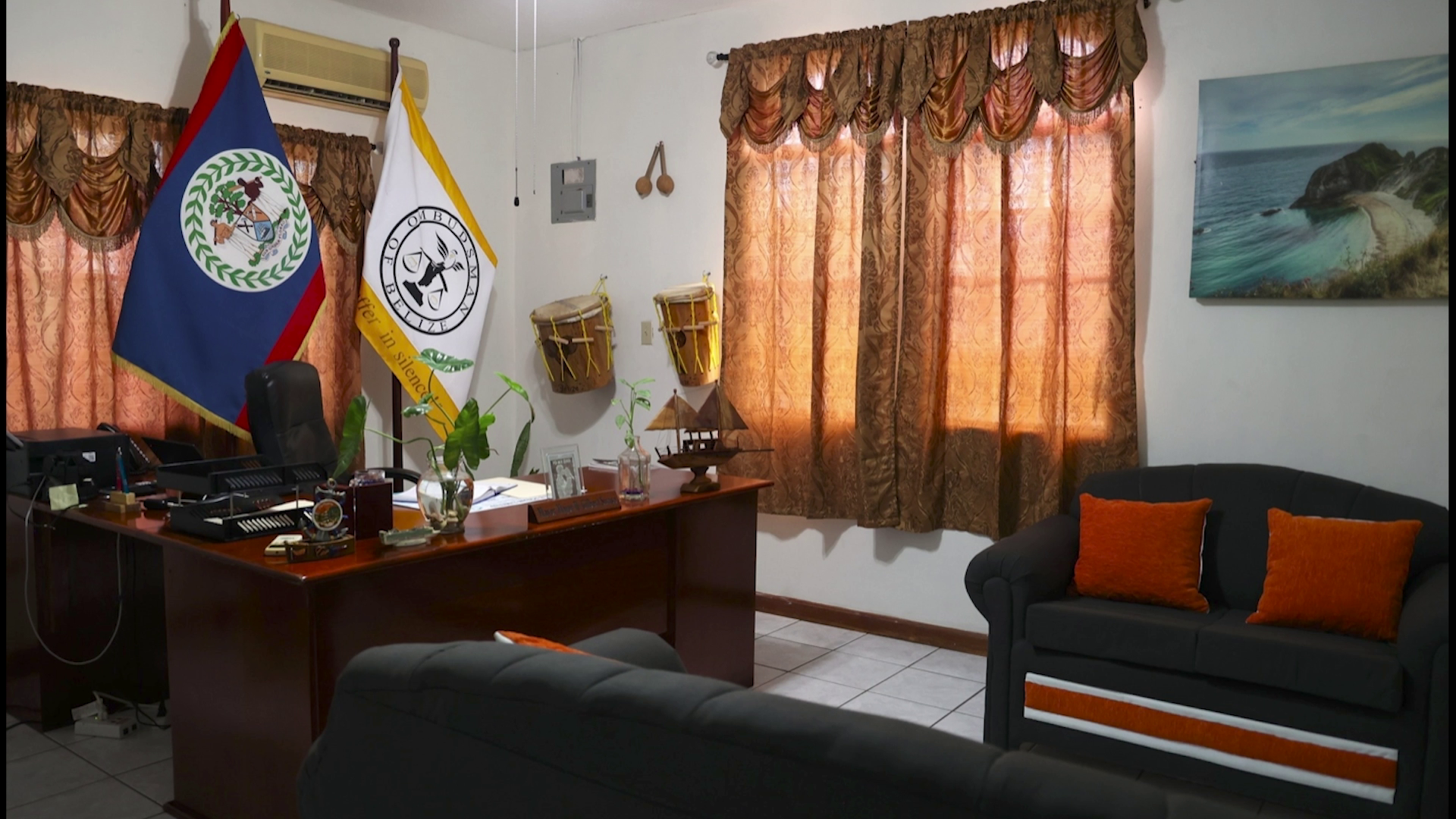
As of June 2026, Belize has been left without a sitting Ombudsman for five full months, triggering growing opposition criticism of the John Briceño-led administration over the unfulfilled constitutional oversight role.
The key anti-corruption and public accountability post has remained vacant since former Ombudsman Major Gilbert Swaso’s term expired at the start of December 2025. To date, no permanent appointee has been named, and even the required interim appointment mandated by existing law has not been arranged, leaving the public without access to a formal recourse body for administrative grievances against government agencies.
The vacancy was thrust into the national political agenda during recent legislative sessions, when opposition figures raised pointed questions about the delay alongside confirmation debates for other oversight body appointments. During a House sitting, Opposition Leader Tracy Panton pressed the government to explain the prolonged hold-up, while United Democratic Party (UDP) Senator Sheena Pitts amplified the criticism during a Senate debate on the re-appointment of Maria Arthurs as Contractor General. The Senate ultimately approved Arthurs’ re-appointment, but the Ombudsman vacancy remains entirely unresolved.
Pitts emphasized that the Ombudsman post is a constitutionally enshrined role designed to deliver critical checks and balances for Belizean citizens. Citing Sections 3 and 7 of the Belize Ombudsman Act, she noted that legislation explicitly requires an acting office holder if no permanent appointment is made, a requirement the government has failed to meet five months after the previous incumbent’s term ended. “The Belizean public is left without such an office for which it could go for recourse for administrative review of government departments,” Pitts stressed.
In response to opposition pressure, Prime Minister Briceño defended the delay by framing it as a side effect of a broader institutional transition: the government is currently working with international partners including the European Union to restructure the existing Ombudsman’s Office into an expanded national human rights body. Briceño acknowledged the process is more complicated than initially expected, admitting “we are biting more than we can chew” as the administration works through required legislative changes to formalize the new institutional structure. Under the revised framework, the head of the expanded body must be a formally trained attorney, adding new qualification requirements that did not apply to the previous Ombudsman role.
The Prime Minister also sought to ease public concern, noting that despite the absence of a top appointee, existing staff at the Ombudsman’s Office remain on duty to continue accepting and processing public complaints. As of June 2026, however, the Attorney General’s office is still reviewing the draft legislation needed to formalize the restructuring, and the government has not released any public timeline for when a new Ombudsman will ultimately be appointed, even after initial assurances earlier that the vacancy would be advertised publicly.