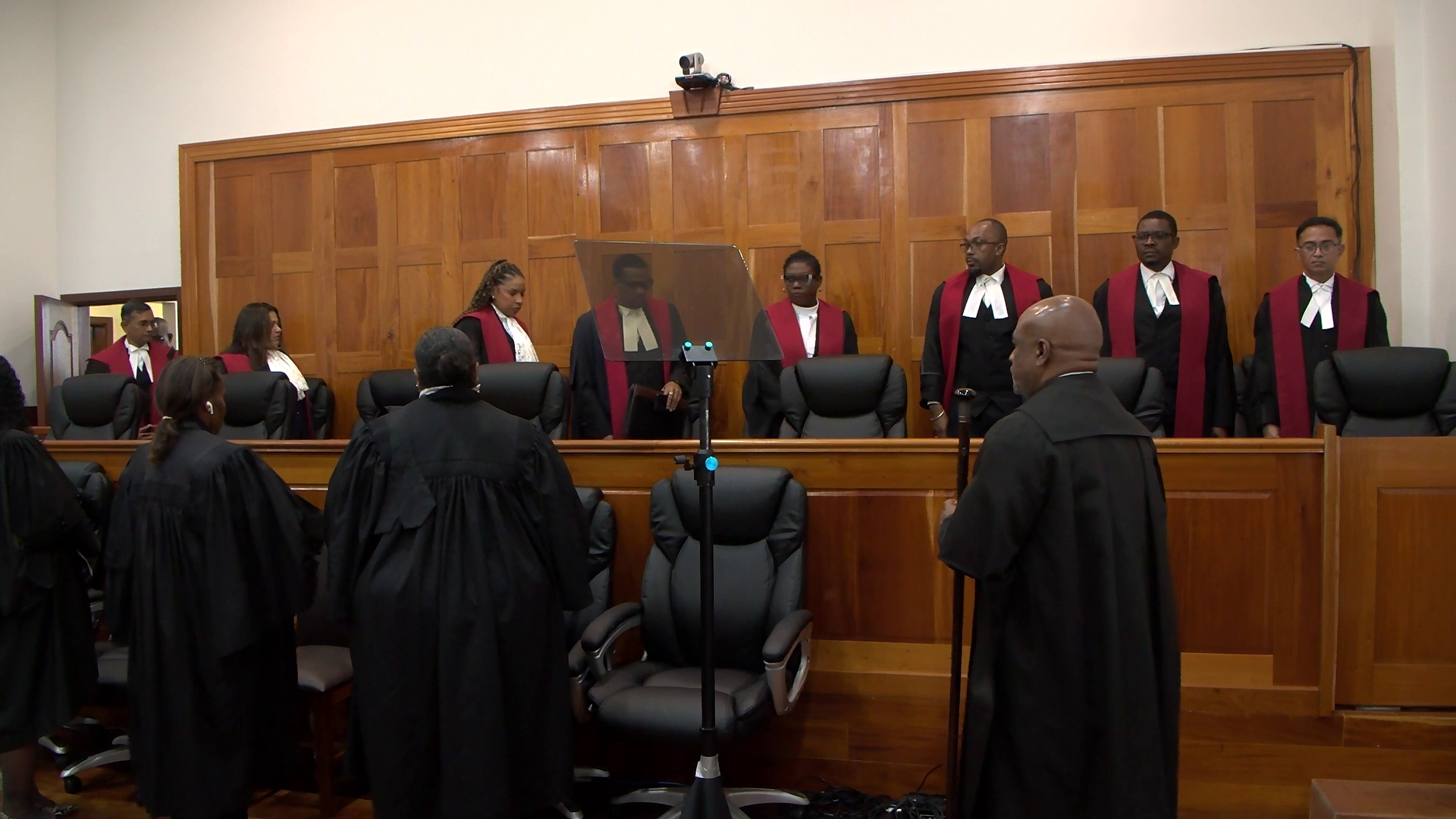
In a dramatic late-night sitting that stretched well past 10 p.m. Wednesday, the Senate passed a deeply contentious judges’ pension reform bill by a razor-thin 7-6 margin, capping hours of tense, closed-door debate that left public observers locked out of live proceedings. The contentious legislation, fast-tracked ahead of the upcoming retirements of two senior judges – Justice Antoinette Moore in August and a second jurist the following month – has sparked sharp disagreement over its generosity, unclear wording, and departure from existing parliamentary pension standards.
The narrow passage relied on a surprise party defection: independent Church Senator Louis Wade broke with his usual bloc to back the government’s proposal, swinging the outcome in the bill’s favor. Unlike public Senate sessions that are broadcast via livestream for public transparency, Wednesday’s key negotiations shifted off-camera, leaving members of the public unable to follow the granular debates over the bill’s core provisions – specifically vesting periods and monthly payout rates.
In a post-vote phone interview, Union Senator Glenfield Dennison outlined his caucus’s opposition to the final version of the legislation. Dennison explained that lawmakers compared the proposed judges’ pension framework to the existing Parliamentary Pensions Act, which clearly outlines contribution requirements and vesting timelines in explicit terms. In contrast, Dennison argued the new bill offers far more generous benefits than the existing scheme for elected officials, going beyond what opposition lawmakers viewed as reasonable.
Opposition members pushed for expert consultation to refine the bill’s language and provisions, Dennison said, but lawmakers faced pressure to pass the legislation quickly to accommodate the approaching judicial retirements. Over hours of negotiations, opposition called multiple divided votes to work through contested clause-by-clause details. After the government processed all of its proposed amendments and the bill advanced to its third reading, Dennison called for a recorded division to formalize the opposition’s objection, noting the union caucus could not support the bill in its current form. He added that vague wording in the final text will almost certainly require future corrective amendments to clear up confusion for administrators and beneficiaries.
The report is a transcribed version of an evening television newscast, with phonetic spelling applied for Kriol-language speaker quotes where used. As of publication, the online report has garnered 52 views from readers, with public comment open via the outlet’s Facebook integration.