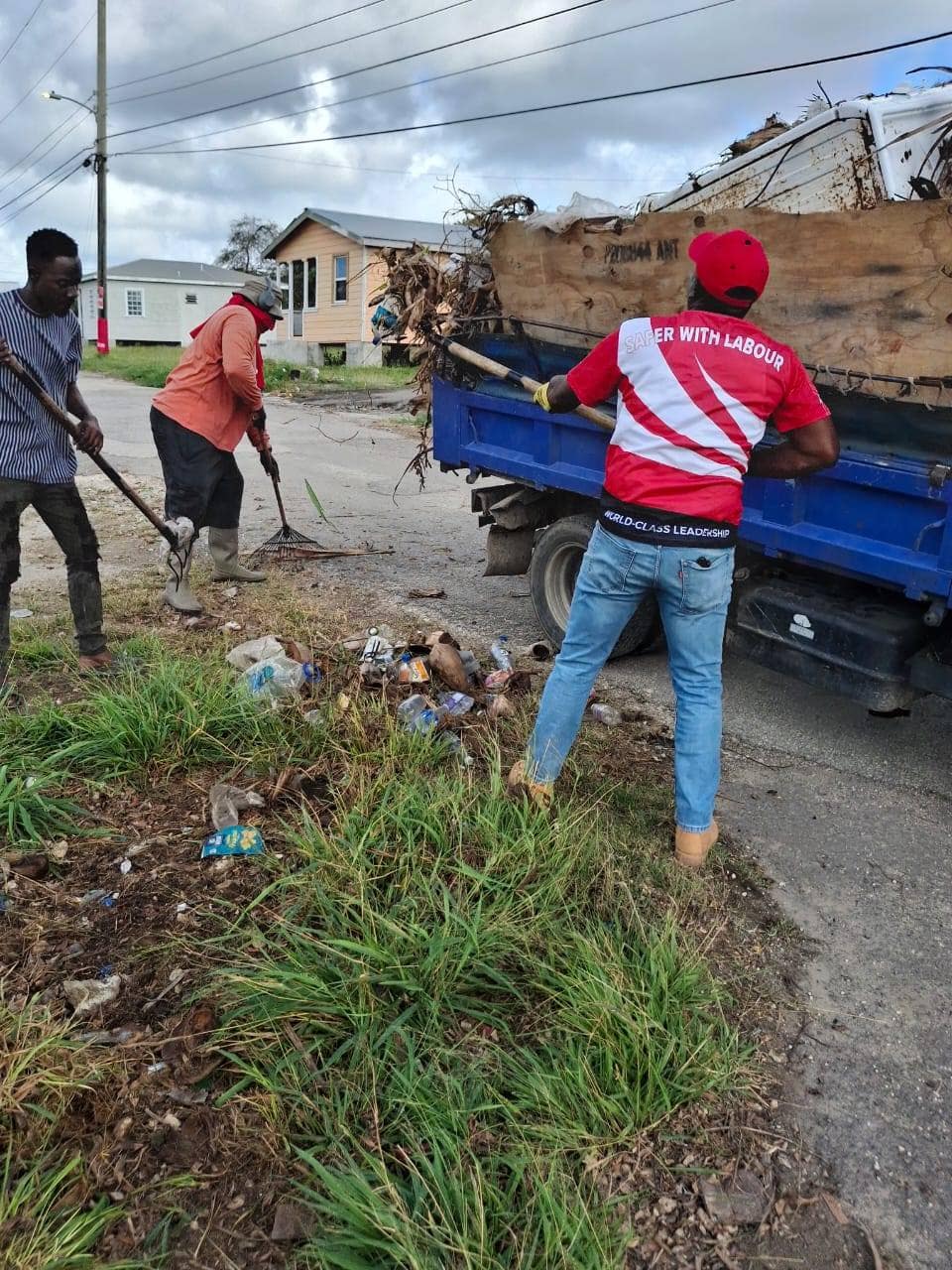
A recent community-led bulk waste cleanup initiative in the All Saints East & St Luke constituency has emerged as a dual success, delivering tangible environmental improvements while creating meaningful space for civic engagement between local leaders and residents. Lamin Newton, a candidate running for the All Saints East & St Luke constituency seat, emphasized that the event went far beyond simply tidying public and residential spaces: it opened the door for honest, solution-focused conversations between political representatives and the people they aim to serve. Newton underscored that two priorities go hand in hand for the local initiative: keeping neighborhoods clean and well-maintained, and building deeper, trust-based connections between candidates and their constituents. Organizers of the cleanup confirmed that the effort is just one part of a broader series of activities designed to strengthen the constituency as a whole. By centering community participation, the project highlighted that both environmental stewardship and active civic involvement rely on collaboration between local leadership and everyday residents. What began as a straightforward waste removal effort has grown into a model for how local civic events can double as opportunities to bridge gaps between community members and political stakeholders, proving that small-scale local initiatives can deliver multiple layers of value for the regions they serve.
博客
-

Analyst Says Three Marginal Seats Likely to Decide General Election Outcome
As Antigua and Barbuda enters the final week of campaigning ahead of its hotly contested general election, a leading political analyst has mapped out the narrow pathways to power for both major parties, identifying three toss-up constituencies that will almost certainly decide who forms the next government.
Political commentator Arvel Grant has highlighted City East, St. George, and St. Mary’s North as the critical battlegrounds that will swing the election, pointing out that all three seats were decided by margins of less than 3 percentage points in the most recent contest. These razor-thin past results have transformed the three constituencies into unpredictable, highly competitive races where neither side can take victory for granted. According to Grant, neither the ruling Antigua and Barbuda Labour Party (ABLP) nor the opposition United Progressive Party (UPP) can reasonably claim to hold a safe lead in any of the three districts heading into polling day.
For the UPP, the roadmap to a parliamentary majority requires a careful combination of holds and gains, Grant explains. The opposition must first retain all six seats it won in the 2023 election, secure upset victories in both City East and St. Mary’s North, and count on its long-standing coalition partner the Barbuda People’s Movement to hold onto its single Barbudan seat. If the UPP pulls off this sequence of outcomes, it will clinch exactly the number of parliamentary seats needed to form a new administration, Grant notes.
Meanwhile, the incumbent ABLP faces a simpler but still highly uncertain path to re-election. The ruling party only needs to hold onto its current base of eight core seats and win just one of the three key marginal constituencies to cross the threshold for a majority, Grant says. Even a single gain from the toss-up seats will be enough for the ABLP to retain power if it holds its existing strongholds.
Beyond the three critical battlegrounds, Grant also flagged three additional constituencies to watch on election night: Rural East, Rural North, and St. Paul’s. These districts have a well-documented history of swinging between parties between elections, with voter loyalties shifting in response to changing national political sentiment and hyper-local issues that resonate with regional electorates, he explained. Unlike safer, solidly partisan seats, these districts remain fluid and up for grabs.
Grant also emphasized two overarching factors that could upend all pre-election projections: voter registration rates and overall voter turnout on polling day. High levels of new voter re-registration have historically tended to benefit opposition parties, he noted, while low overall voter turnout creates volatility and makes final results far harder to predict. The analyst urged both major parties to prioritize aggressive get-out-the-vote operations to mobilize their base supporters over the final week of campaigning.
In closing, Grant reaffirmed that the election will be decided at the margins, with the road to parliamentary majority running directly through the three key contested constituencies. “Ultimately, the path to government will run through the three marginal seats,” he said. “Whatever happens, the election will likely be determined by City East, St. George or St. Mary’s North.”
-
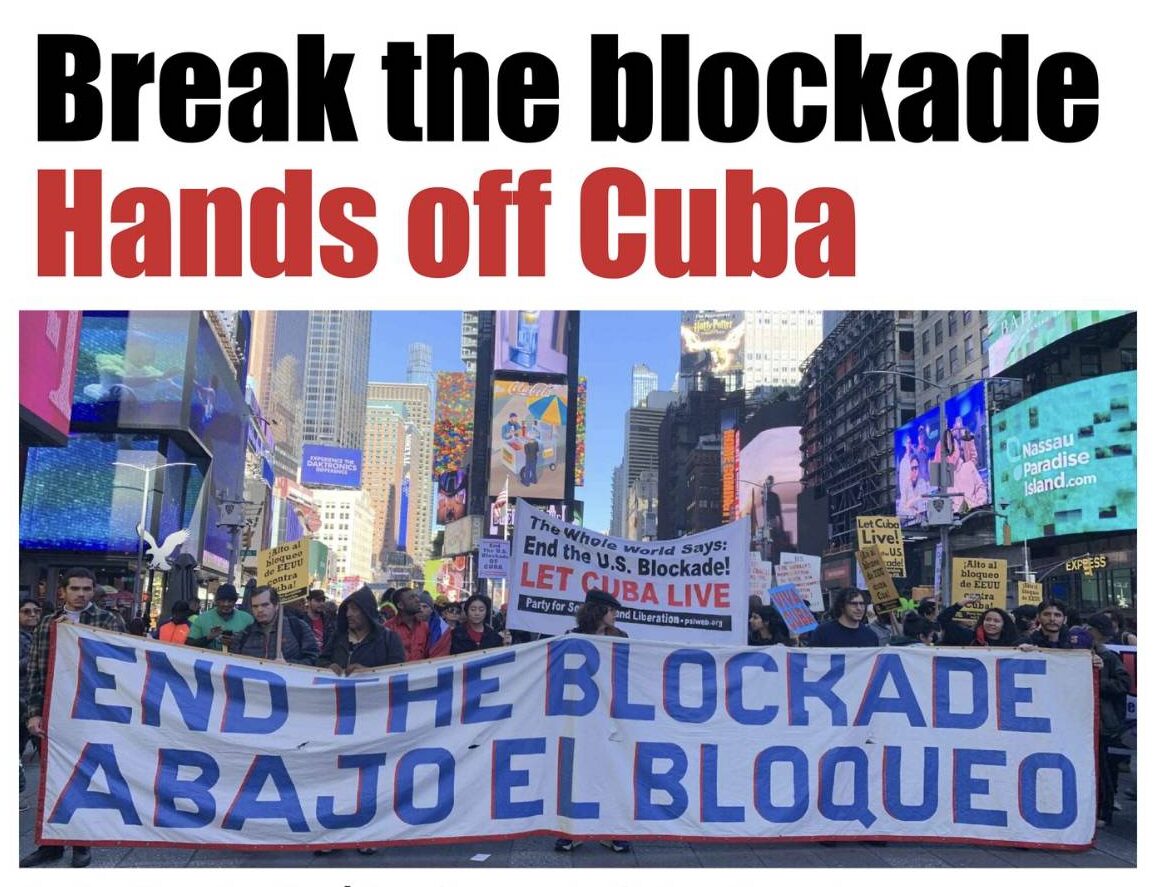
Defending Cuba means defending justice and sovereignty
Authored by Yadirys Echenique Paz, Cuba’s Ambassador to Grenada, this commentary traces Cuba’s modern trajectory through decades of external pressure, while framing the island’s revolutionary project as a enduring example of self-determination and global solidarity that demands renewed international support in 2026.
No account of Cuba’s modern history can be complete without addressing the persistent threats that have shaped the island’s national experience up to the present day. For more than six decades, a crippling economic blockade, coordinated international smear campaigns, and relentless diplomatic pressure have all been wielded with the explicit goal of cutting Cuba off from the global community. Yet this campaign of isolation has been met with a powerful counter-movement: tens of thousands of people across every continent have rallied to Cuba’s defense, recognizing that protecting the island’s right to self-determination is itself a defense of national dignity for all small and developing nations.
From its earliest days, the 1959 Cuban Revolution emerged as a guiding light for progressive movements across the globe. Its unwavering resolve in the face of imperial pressure inspired generations of anti-colonial and progressive fighters across Latin America, Africa, and Asia, while earning widespread sympathy among progressive social groups in Europe. The transformations that followed the overthrow of Fulgencio Batista’s authoritarian regime were never confined to Cuba’s borders; the revolution crossed continents to become a global banner of progressive change that retains its urgent relevance more than 60 years later.
Cuba’s global influence after 1959 extended far beyond symbolic inspiration. Over the past six decades, the Cuban people have intertwined their national story with the struggle of Global South nations for independence and equity. From the valiant resistance of Cuban military contingents against the 1983 United States invasion of Grenada, to the deployment of tens of thousands of Cuban civilians and service members to support anti-colonial liberation movements across Africa, the island has a long track record of standing in solidarity with marginalized nations. This commitment also extends to social development: Cuba has implemented life-changing public health programs such as Operación Milagro (Operation Miracle), which has provided free eye care to millions of low-income people across the Global South, and literacy initiatives such as Yo Sí Puedo (Yes I Can) that have lifted millions out of illiteracy. During global crises ranging from natural disasters to the COVID-19 pandemic, Cuban medical brigades have been among the first to arrive in hard-hit nations to provide critical care.
This decades-long commitment to international solidarity has come at a steep human cost. Hundreds of Cuban internationalists have lost their lives serving in distant lands, united by the core belief that the fight for justice does not stop at national borders. Their sacrifice stands as proof of the consistency of Cuba’s revolutionary project: it does not merely proclaim lofty principles, but turns them into tangible, on-the-ground action in every struggle beyond the island’s borders.
Today, as external threats grow more intense and coordinated disinformation campaigns multiply, defending Cuba has become synonymous with defending justice and national sovereignty for all peoples resisting foreign domination. Expressions of solidarity with the island are part of a shared global struggle against great power hegemony. Standing up to the United States’ longstanding hostile policies toward Cuba is an act of supporting a people’s right to live in peace, shape their own future free from external coercion, and uphold the resilience of a nation that continues to be a beacon of hope for progressive movements across the globe.
Against the backdrop of a renewed 2026 offensive by U.S. imperialism against Cuba—marked by harsh new energy sector sanctions and coordinated attempts at political destabilization within the island—active international solidarity has become an urgent necessity. Every public statement condemning aggression, every mass march rallying to defend the Cuban Revolution, every public manifesto denouncing the ongoing blockade is a direct act of defending the universal principles of sovereignty and justice. By contrast, those who choose silence at this critical moment stand complicit with the forces seeking to undermine Cuba’s right to self-determination.
In this moment of heightened pressure, the commentary calls on global supporters to recall Fidel Castro’s words during a May 8, 1959 address: “Our Revolution needs the solidarity of other brotherly peoples (…) to become stronger, to become firmer, and to carry forward a programme of the broadest dimension.” That 65-year-old call remains just as urgent today, because as Cuba’s revolutionary project survives, it preserves a global vision of national sovereignty, social justice, and cross-border solidarity that is worth defending—not only for the Cuban people, but for all peoples across the world.
*Disclaimer: NOW Grenada does not take responsibility for the opinions and content shared by this contributing author.*
-
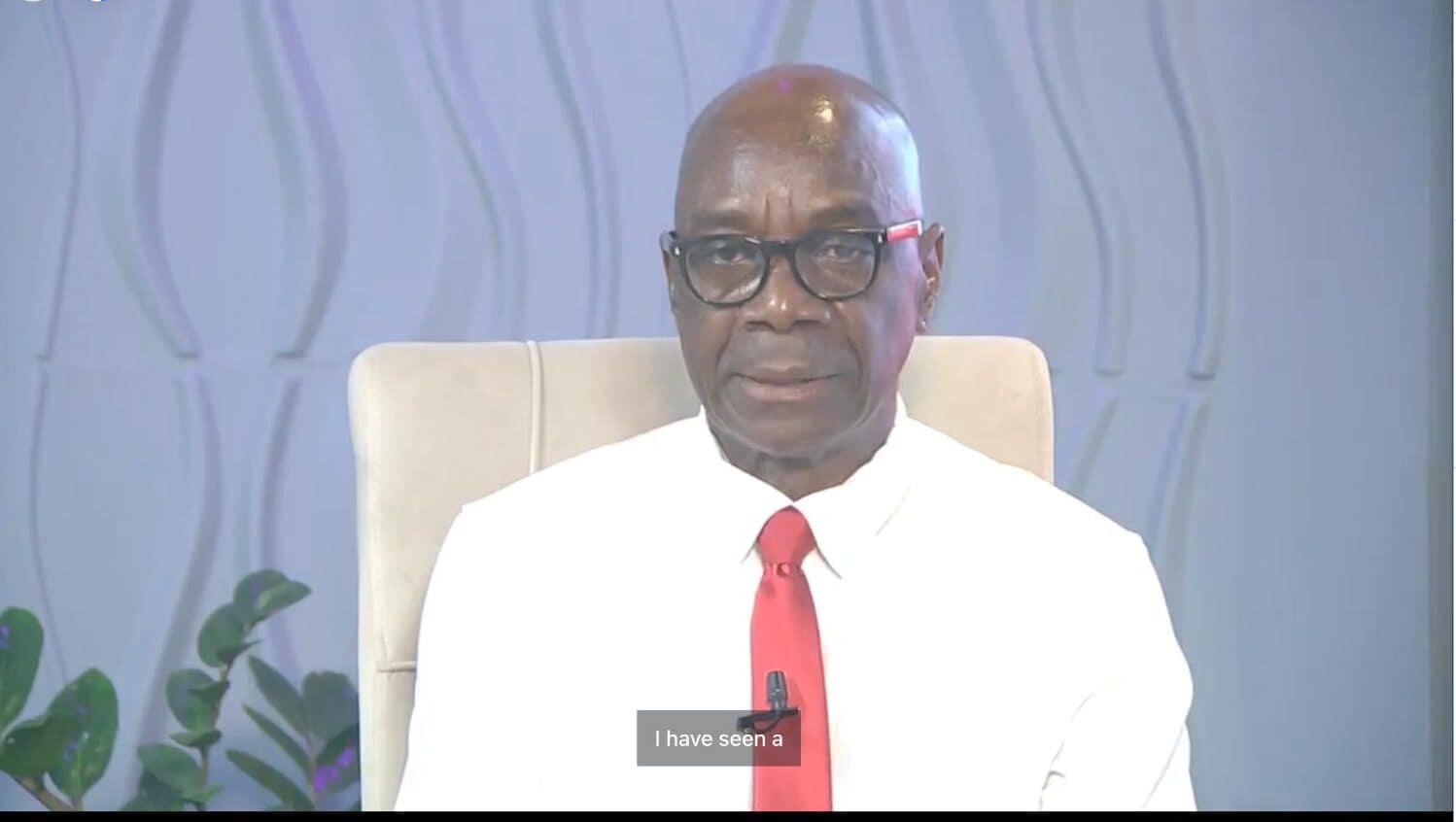
Dr. Philmore Benjamin Puts Healthcare Reform at Center of Campaign, Proposes Tiered System to Ease Hospital Burden
As Antigua and Barbuda prepares for its April 30 general election, a seasoned local physician has made transforming the nation’s healthcare system the centerpiece of his bid for public office. Dr. Philmore Benjamin, the Antigua and Barbuda Labour Party (ABLP) candidate running for the St Mary’s North constituency, laid out his comprehensive restructuring plan during a televised and radio interview on ABS Television/Radio Thursday morning, drawing on 30 years of frontline medical experience to frame his policy agenda.
Decades of working directly with patients in the community have given Benjamin a unique perspective on the systemic flaws driving poor health outcomes for local residents, he explained during the appearance. “As a practicing physician for the past 30 years, I have seen a lot and I have learned a lot,” Benjamin said, emphasizing that many of the health struggles citizens face can be traced back to misaligned policy decisions.
For Benjamin, fixing the nation’s healthcare system starts at its most foundational level: community-level primary care. “Primary health care starts at the level of the clinics. And that is the first contact with patients,” he noted. His proposed multi-tiered model aims to expand the scope of care available at existing village clinics, while introducing a new network of polyclinics to fill the current gap between basic community care and tertiary hospital services.
Under this plan, polyclinics would bring diagnostic services and specialist care that are currently only available at the main tertiary hospital directly to local communities. “We’d expect to have now some specialist services in these clinics… rather than going to the hospital maybe to get an X-ray, maybe ultrasound,” Benjamin explained. By shifting non-critical care from the main Sir Lester Bird Medical Centre to community and polyclinic settings, the plan directly targets the persistent overcrowding that has strained the island’s flagship hospital. “To fix that, we have to fix primary health care,” Benjamin said, adding that a hospital should never be forced to function as a frontline primary care clinic.
Beyond the core polyclinic and primary care expansion, Benjamin’s plan also includes expanded access to geriatric physiotherapy, increased at-home care services for vulnerable patients, and stronger public health education focused on preventing both communicable and non-communicable diseases.
While his campaign platform covers five key pillars – including youth development, environmental stewardship, elder care, and public safety – Benjamin stressed that healthcare remains the backbone of any meaningful effort to raise local quality of life. “My intention really is to improve standard of living and quality of life,” he said.
Having practiced medicine in the St Mary’s North community for more than 30 years, Benjamin noted that his deep, long-standing ties to the area have shaped a campaign rooted in personal familiarity and public service. Many constituents already know him through his decades of medical work, and voter response has been largely positive so far, he reported. “So far, so good,” he said of the early reception on the campaign trail.
-
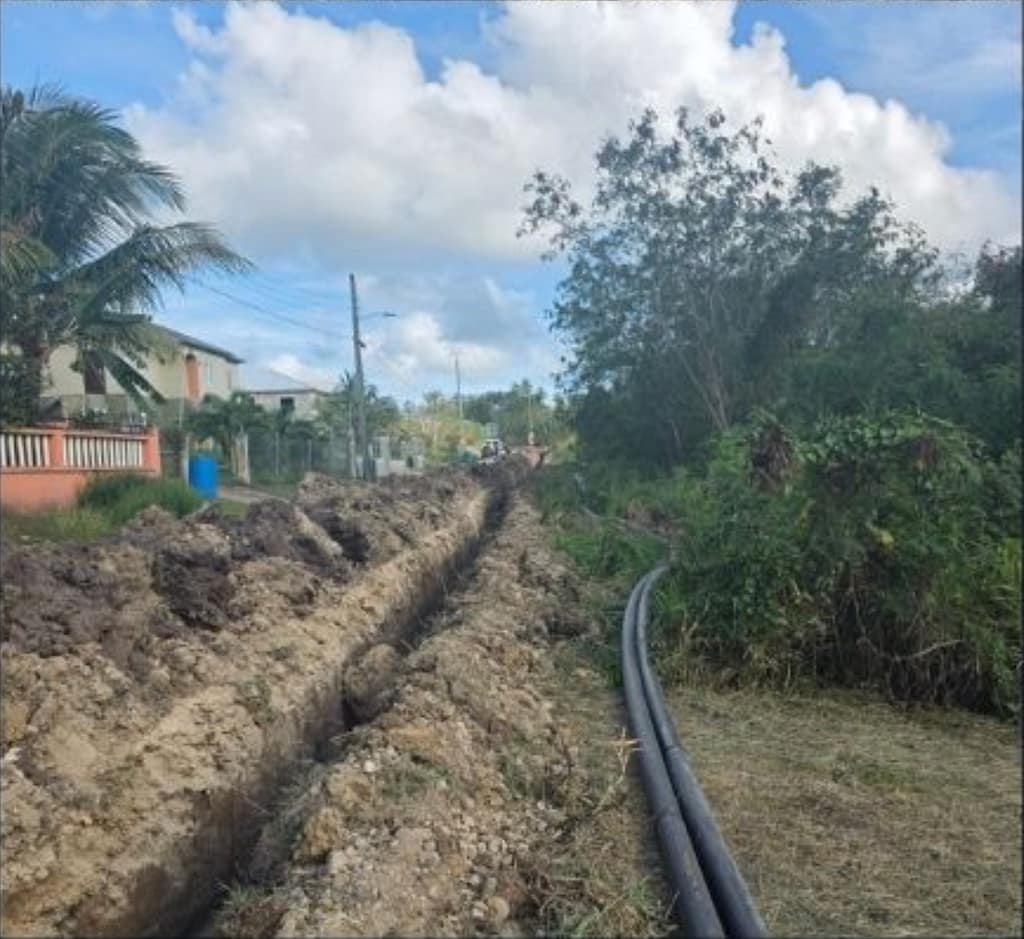
APUA Announces Ongoing Pipeline Installation Works to Improve Water Supply
Residents and businesses in the Law Pasture region are currently seeing critical infrastructure upgrades unfold, as the APUA Water Business Unit carries out installation work for a new 4-inch HDPE DR11 water distribution pipeline.
This targeted project was developed to address long-standing concerns around water access and service reliability in the area. By expanding the local distribution network with modern, durable piping, the utility aims to both boost overall water volume and deliver more consistent pressure to end customers across Law Pasture.
While the construction work progresses, the APUA Water Business Unit has issued a public advisory that some local customers may encounter temporary interruptions to their water service. These disruptions are a necessary side effect of the installation process as crews connect the new pipeline to the existing network.
The utility team noted that it is working as efficiently as possible to complete the upgrade project, with the ultimate goal of raising the quality of water services for the entire community. APUA thanked affected customers in advance for their cooperation and patience during this period of temporary inconvenience.
-
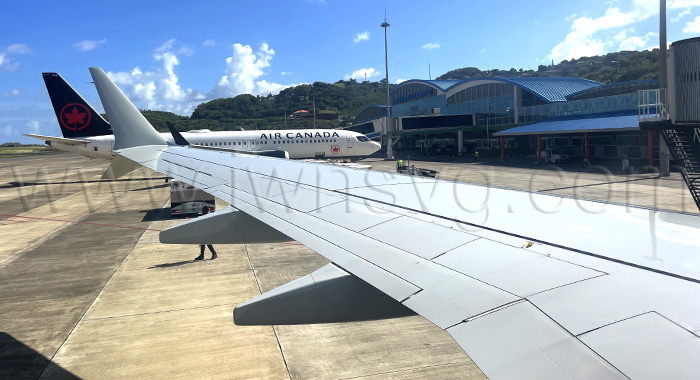
SVG passes CARICOM law on more secure air travel
On Tuesday, April 21, 2026, St. Vincent and the Grenadines (SVG) passed a landmark piece of national security legislation: the Advanced Passenger Information and Passenger Name Record Bill 2026. While Deputy Prime Minister and National Security Minister St. Clair Leacock, who also holds oversight for immigration, acknowledged the legislation is far from the most attention-grabbing policy passed by Parliament, he emphasized it is one of the most critical steps the country has taken to modernize border protection and improve cross-border travel for legitimate visitors.
The new law replaces SVG’s outdated Advanced Passenger Information Act, building a far more comprehensive regulatory framework that governs the collection, cross-border transmission, secure sharing, encrypted storage, and official oversight of Advance Passenger Information (API) and Passenger Name Record (PNR) data for all travelers entering, departing, or transiting through SVG’s ports and airports. It is not an isolated policy change; instead, it forms part of a harmonized model law adopted across the 15-nation CARICOM bloc, designed to align regional border control and security protocols into a single, coordinated system.
Leacock told lawmakers that SVG, a small island developing state, faces outsized border management challenges amid growing travel volumes. Official travel data shows roughly 32,000 travelers arrived and departed from SVG in both February and March 2026, with more than 11,500 people entering via air travel alone and nearly 12,000 air departures recorded in the month. For a nation of SVG’s size, these volumes create immense responsibility for security officials, requiring modernized data-driven systems that mitigate transnational crime risks while keeping travel processes efficient and convenient for law-abiding passengers.
Leacock noted that modern airline travelers consistently prioritize two core outcomes: fast, frictionless immigration processing, and robust safety protocols that do not compromise public security. The new API/PNR framework, he argued, directly addresses both priorities by enabling pre-arrival risk assessments that speed up processing for low-risk travelers while flagging potential threats before a plane or vessel ever departs for SVG.
Multiple regional and international security and aviation bodies will play key roles in upholding the new framework. The Trinidad-based CARICOM Implementation Agency for Crime and Security (CARICOM IMPACS) hosts the regional API/PNR database and manages core supporting security systems, while Barbados’ Joint Regional Communication Centre leads on-ground operational data management. International bodies including Interpol and the International Air Transport Association (IATA) will also participate as part of the global security and aviation network that underpins the system.
Leacock stressed that air travel and border security are only as strong as the weakest link in the regional and global chain, requiring every participating state to take full ownership of its own segment of the system. He highlighted recent high-stakes security incidents across the Caribbean that underscore the urgent need for coordinated modern border controls: a fatal shooting of a police officer in Trinidad and Tobago that was followed by the disappearance of more than 60 firearms, which prompted Port of Spain to tighten port controls and alert neighboring countries including SVG to increase screening for inter-island travelers. In another incident, a police officer in Grenada was attacked and his weapon stolen, with the suspect later apprehended in SVG. Closer to home, SVG authorities recently intercepted 396 packages of cocaine worth an estimated $12 million from a vessel off the country’s Leeward Coast – a seizure that creates ongoing security risks as criminal groups seek to recover the lost contraband.
“These are not artificial constructions,” Leacock told Parliament. “They are real-life situations. Border security is a very important matter for the peace, security, well being of Vincentians.”
Under the new law, border security is formally defined as protecting national borders from the illegal movement of weapons, drugs, contraband, and people, while actively facilitating lawful trade and travel. The core function of the new framework is to ensure that by the time a passenger boards an aircraft or vessel bound for SVG, local authorities already know the traveler’s identity, purpose of travel, and any potential security risk they may pose.
The legislation places clear mandatory obligations on captains of aircraft and vessels, or their designated agents, to submit complete API and PNR data in standardized formats via the CARICOM electronic manifest single window platform. Strict deadlines are set for pre-departure and pre-arrival data submissions, which allows security officials to complete risk assessments ahead of arrival, and to verify or correct inaccurate data before the traveler reaches SVG.
To address privacy concerns, the law includes strict provisions requiring confidential handling of all traveler data, with access restricted exclusively to designated authorized security agencies, and only granted following a formal written request and approval from SVG’s competent national authority. It also enshrines individual rights: travelers can request access to their own API data to verify its accuracy, challenge incorrect information, request corrections, and seek legal redress in cases of errors such as mistaken identity.
Leacock framed the passage of the bill as part of a broader global technological shift reshaping modern travel and border security. He referenced recent briefings from Caribbean Bank Note, the manufacturer of SVG’s passport booklets, on emerging biometric and electronic passport technologies, including chip-enabled documents designed for fast machine reading and extended durability. Looking ahead, the SVG government also plans to expand processing capacity at Argyle International Airport, adding self-service kiosks that allow travelers to scan digital documents and mobile credentials to complete immigration formalities far faster than traditional manual processing.
-

Africa’s biggest airport is being built in Ethiopia for $12.5 billion
For decades, intercity air travel across Africa has forced passengers to complete inconvenient, time-consuming layovers in hubs outside the continent, from London Heathrow to Paris Charles de Gaulle to Dubai International. That long-standing dynamic could soon shift dramatically, thanks to a massive $12.5 billion airport development rising in Ethiopia that is poised to reshape the future of African aviation.
-
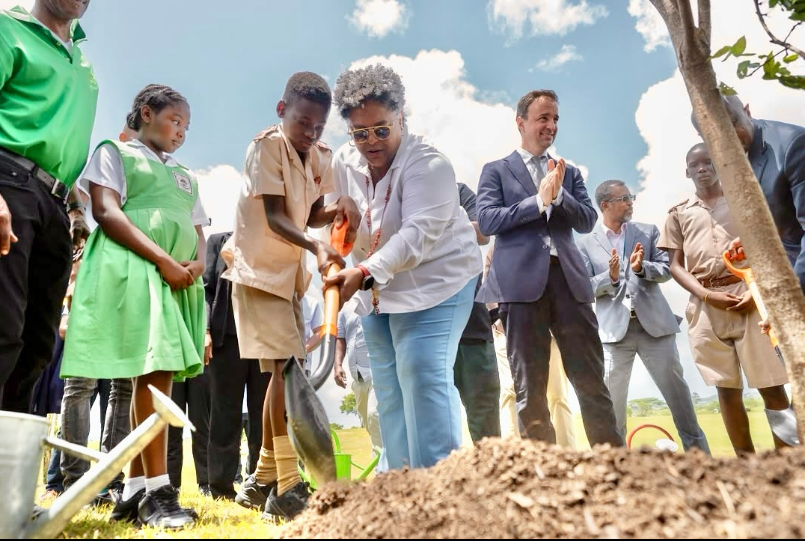
PM’S CALL
Each year, Earth Day arrives as a critical moment of reflection, pushing global communities to confront the gap between environmental awareness and meaningful action. This year’s designated theme, *Our Power, Our Planet*, serves as a clarion call to center collective responsibility, intentional decision-making, and tangible movement in the fight against planetary decline. In a public marking timed for the annual observatory, Prime Minister Mia Mottley delivered a targeted address, highlighting the urgent need to treat the escalating climate crisis with the gravity it warrants.
-

Nelson’s Dockyard Welcomes Global Contingent for Antigua Sailing Weeks Skipper’s Meeting and Official Opening
One of the Caribbean’s most anticipated sailing celebrations has officially gotten underway at the historic Nelson’s Dockyard, where sailors from every corner of the globe have gathered for the mandatory pre-race skipper’s meeting and the event’s grand opening ceremony.
Antigua Sailing Week, a regatta that has cemented its reputation as a bucket-list destination for cruising and racing enthusiasts alike, draws a diverse contingent of skippers, crew members, and sailing fans each year. This edition is no exception: teams from Europe, North America, Asia, Oceania, and across the Caribbean have traveled to the UNESCO-listed Nelson’s Dockyard, a 18th-century British naval base turned iconic yachting hub, to take part in the week of high-stakes racing and coastal celebration.
At the opening skipper’s meeting, event organizers delivered critical race briefings covering course layouts, updated weather projections, safety protocols, and rule changes for this year’s competition. Organizers also emphasized the event’s longstanding commitment to environmental sustainability, reminding all participants of new waste reduction measures designed to protect Antigua’s fragile coastal ecosystems and coral reefs. Following the briefing, the official opening ceremony featured remarks from Antigua’s Ministry of Tourism and Civil Aviation representatives, traditional cultural performances that highlighted the island’s Caribbean heritage, and a welcome reception that gave competing teams the chance to connect before racing kicks off.
Local business owners and tourism stakeholders say the annual regatta delivers a major economic boost to Antigua’s coastal communities, drawing thousands of visitors who fill hotels, restaurants, and local shops for the duration of the event. For many sailors, Antigua Sailing Week combines world-class competitive racing with unmatched tropical scenery and Caribbean hospitality, making it a staple of the international sailing calendar. Racing is set to run through the end of the week, with multiple divisions catering to everything from small cruising yachts to high-performance racing catamarans, culminating in the prestigious awards ceremony that will crown this year’s class champions.
-

Jamaican Legendary Reggae –Gospel Artist George Nooks Is Coming to Antigua for “Grace for Grace”
Antigua and Barbuda is gearing up to host a one-of-a-kind spiritual and musical experience next summer, as legendary Jamaican reggae-gospel trailblazer George Nooks is set to take the stage for the second annual Grace for Grace Gala. Scheduled for Sunday, June 28, 2026, at the John E. St. Luce venue and kicking off at 6:00 p.m., the invitation-only styled gathering is curated by Pastor Lisa Grace Harris, who has designed the evening as a immersive blend of worship, fine dining, community connection, and transformative ministry under the event banner of The Bridgeton Experience.
The gala’s core theme, “Grace for Grace,” draws its inspiration directly from the scripture John 1:16, which reads “And of his fullness have all we received, and grace for grace.” This biblical foundation frames the entire event around the concept of endless, abundant divine grace that meets people’s evolving needs across every season of life, rather than being a one-time blessing reserved for specific moments or breakthroughs. Attendees can expect an evening of intentional reflection, grateful celebration, and connection with fellow believers and music lovers alike.
As the headlining guest and performer, Nooks brings a decades-long legacy of artistry that crosses between mainstream reggae and purpose-driven gospel music. A household name across the Caribbean and a beloved figure for global fans of Caribbean music, Nooks is far more than an entertainer: his discography is defined by songs that uplift hurting hearts, strengthen spiritual faith, and encourage persistence through life’s hardest trials. His iconic hit “Ride Out Your Storm” has become a enduring anthem of hope for individuals navigating grief, uncertainty, personal struggle, and spiritual challenge, with his ministry through music touching multiple generations of listeners.
For attendees, the event offers a rare opportunity to experience Nooks’ powerful vocals and heartfelt ministry live. His appearance on the Antigua stage is already generating widespread excitement, drawing interest from long-time reggae fans, active worshippers, and community members who celebrate authentic Caribbean musical excellence. Beyond the performance, Pastor Harris frames the gala as a warm, sincere invitation to the entire nation of Antigua and Barbuda to gather in celebration of life, enduring legacy, spiritual ministry, and the goodness of God, creating a meaningful experience that extends far beyond a typical concert or gathering.