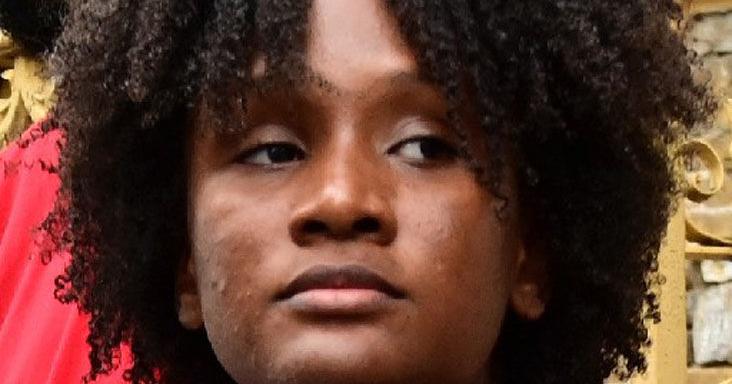
Trinidadian social and political activist Alyssa Phillip has ignited a public debate over law enforcement impartiality after leveling accusations of inconsistent policing against the Trinidad and Tobago Police Service (TTPS) in recent days. Her claims, shared across multiple social media posts between Wednesday and this weekend, center on starkly different police responses to separate public gatherings held in the same area on the same day, laying bare growing public concerns over unequal application of the law in the country’s protest space.
The core of Phillip’s critique stems from a peaceful unity walk organized by the Peace Foundation TT on Piccadilly Street in Port of Spain, which was halted by police before it could get underway. She opened her series of posts with the cryptic line: “Monkey really know which tree to climb,” a direct reference to what she frames as the TTPS’ selective enforcement against groups aligned with the opposition protest movement. During the planned walk, Phillip says, popular social media influencer and recording artist Mouttxt, born Nicholas Mouttet, was barred from speaking to reporters by on-scene officers, who cited a lack of official permission for public address. Just moments earlier, however, Fuad Abu Bakr – a prominent local businessman and leader of the political party New National Vision – conducted an on-camera interview in the exact same area without any pushback or intervention from police.
Phillip went on to contrast the TTPS’ aggressive response to the peace walk with another event that same day: a PNM (People’s National Movement) candlelight vigil held in San Juan, where no police orders to disperse or crowd control measures were implemented at all. “They run home everybody that came to the peaceful walk like dogs…go home!” she wrote in a passionate on-platform statement, emphasizing that the contrast could not be ignored. Crucially, Phillip clarified that she was not arguing any gathering should have been broken up; rather, her goal is to highlight that unequal treatment is being meted out to citizens based on their political ties and public standing. “All citizens have a right to speak out regardless of political affiliation or public profile,” she maintained.
Beyond the selective treatment of gatherings, Phillip also addressed a separate recent incident involving the arrest of a young man who has attended multiple events tied to the protest movement she helps coordinate. Some online actors have attempted to tie allegedly inflammatory comments made by the young man to the broader movement, but Phillip rejected that broad brush characterization. She identified herself, her mother Camille Caresquero, and Mariah Walcott as the lead organizers of the “19 Bullets, 19 Protests” campaign, which advocates for greater government accountability, transparency, and judicial reform. The arrested man’s personal views do not reflect the positions of the campaign’s organizers, supporters, or core demands, she stressed.
While she acknowledged that every person holds a right to their own individual opinions, Phillip added that she regretted the young man had chosen to frame his views in a way that was neither respectful nor responsible. She reaffirmed that the “19 Bullets, 19 Protests” movement remains strictly committed to peaceful, lawful advocacy, and that the actions of one individual will not distract supporters from the core issues that brought them together.
Phillip also expanded her critique to broader, systemic issues of unequal enforcement of public order laws across Trinidad and Tobago. She noted that many citizens have long observed offensive, abusive, racial, and inflammatory comments directed at political leaders and public figures on social media that have not resulted in any enforcement action, reinforcing public perceptions that different standards apply to different groups based on their connections. Phillip stressed she is not endorsing that harmful rhetoric, but argued that the double standard in enforcement cannot be overlooked.
In a direct rebuke of the TTPS’ approach to protest management, Phillip said: “The TTPS would better serve the public by leading with empathy and understanding rather than ego and defensiveness.”
Looking ahead, Phillip used her social media reach to promote the movement’s next action: “Protest #18,” a nationwide stay-at-home protest scheduled for today. She encouraged the general public to review educational materials about the movement’s goals shared online, including explanatory videos and social media content accessible via scannable QR codes. For members of the public who are unable to stay home and must report to work on the day of the action, Phillip urged them to wear white clothing and share photos of their participation on social media using the hashtag #Protest18.
This public statement comes just one week after Phillip and her mother were arrested during a protest held outside the Office of the Director of Public Prosecutions (DPP). The pair appeared before Magistrate Indira Ramnarine Misir-Gosine at the Port of Spain Magistrates’ Court this Monday, where both pleaded not guilty to the two charges stemming from the demonstration.