博客

  • $300K Emergency Grants for Beachfront Businesses Hit by Sargassum

    $300K Emergency Grants for Beachfront Businesses Hit by Sargassum

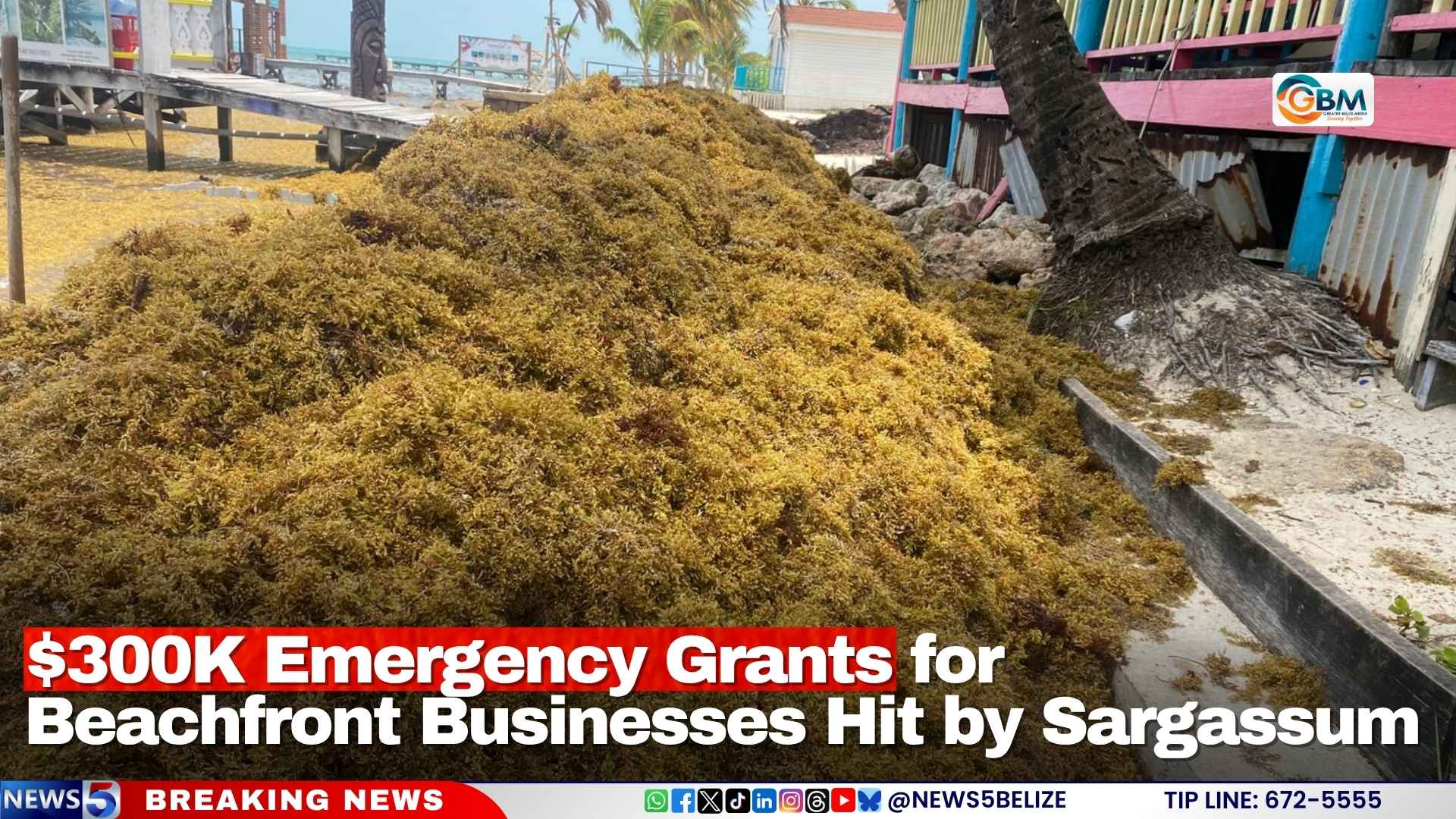
    A major emergency relief package has been rolled out to support Belize’s coastal tourism industry grappling with the growing crisis of massive sargassum accumulation along popular shorelines. The Belize Fund for a Sustainable Future has officially committed BZ$300,000 in emergency response grants to help beachfront businesses that have been pushed into struggle by unrelenting seaweed buildup.

    Named the “Rapid Response Support to Coastal Hotels for Sargassum Management and Cleanup” initiative, the program is being executed through a collaborative partnership between two leading industry groups: the Belize Tourism Industry Association (BTIA) and the Belize Hotel Association (BHA).

    Over the coming six months, the funding will target approximately 40 beachfront properties across some of Belize’s most popular tourism destinations, including San Pedro, Caye Caulker, Hopkins, Seine Bight, Placencia, and multiple remote offshore islands that draw thousands of visitors each year.

    According to a statement from the Belize Fund, eligible participating businesses will follow a straightforward reimbursement structure: after documenting all completed cleanup operations and associated costs, they can submit their claims for compensation through a fully transparent grant management process overseen directly by BTIA.

    The initiative has set clear, ambitious performance targets to address the immediate crisis: teams aim to remove a minimum of 1,250 wet tonnes of sargassum from local beaches each month, while maintaining 12,000 linear feet of clean, visitor-ready shoreline. Beyond cleaning coastal areas, the program is also projected to generate much-needed temporary employment for roughly 200 local workers in coastal communities.

    Dr. Leandra Cho-Ricketts, executive director of the Belize Fund for a Sustainable Future, emphasized that the sargassum problem extends far beyond the tourism sector, creating ripple effects across nearly every part of coastal life. “It affects jobs, families, public health, and coastal communities,” she explained. “This grant helps ensure that affected businesses have the support to respond quickly and responsibly.”

    Coastal hotel and tourism property operators located in affected regions who are interested in applying for the grant are instructed to contact BTIA directly to access full details on eligibility criteria and application requirements.
  • CTO recognizes outstanding media contributions during Caribbean Week in New York

    CTO recognizes outstanding media contributions during Caribbean Week in New York

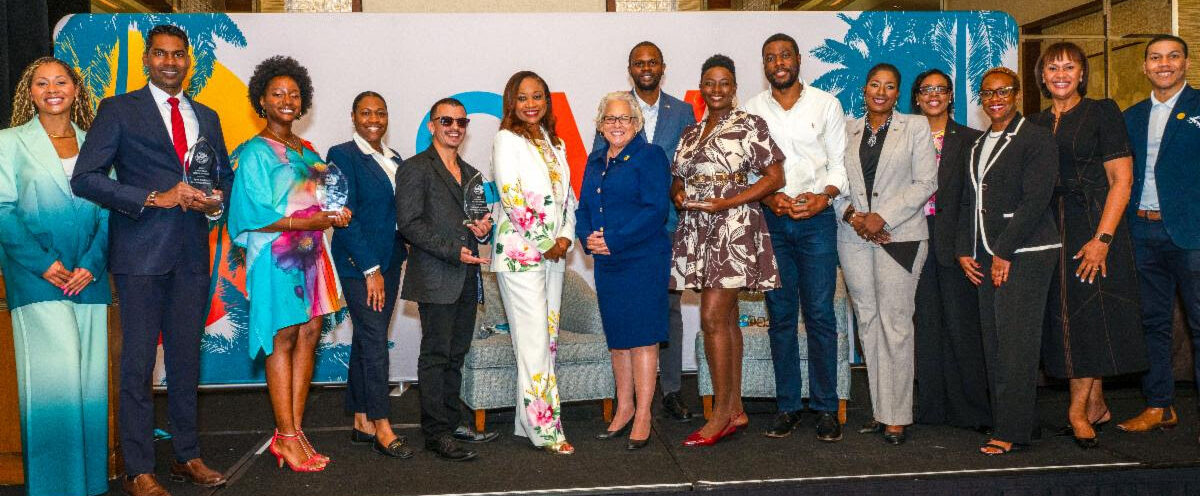
    Held alongside Caribbean Week in New York City, the annual Caribbean Media Awards Luncheon, hosted by the Caribbean Tourism Organization (CTO) and sponsored by the Bahamas Ministry of Tourism, brought together industry leaders and media professionals to celebrate exceptional storytelling centered on the Caribbean region. At the event, journalists, broadcasters, filmmakers, and digital creators from across the Caribbean and the United States were recognized for work that amplifies underrepresented narratives of the region’s culture, communities, natural landscapes, and evolving tourism sector.

    In her opening address to attendees, Dona Regis-Prosper, Secretary-General and Chief Executive Officer of the CTO, underscored the critical role that thoughtful storytelling plays in shaping global perceptions of the Caribbean. “Great storytelling has the power to transform perceptions and create deeper connections between people and destinations,” Regis-Prosper said. “The individuals recognized through the Caribbean Media Awards are helping to tell a more complete story of our region — one that goes beyond beaches and resorts to showcase our people and heritage. Through thoughtful, impactful journalism, they are elevating Caribbean voices and bringing greater visibility to the stories that matter most.”

    This year’s awards were distributed across three core thematic categories: Storytelling Excellence, Digital and Innovation, and Voices of the Caribbean. CTO representatives noted that 2026 submissions distinguished themselves through their striking originality, investigative depth, and commitment to sharing authentic narratives that move far beyond generic, conventional tourism marketing.

    Among the standout winners, Dana Givens took home the Best Consumer Story award for her National Geographic feature titled “Jamaica’s Greenest Parish Is Its Best-Kept Secret.” Christina Jelski of *Travel Weekly* claimed the Best Trade Article honor for her revealing interview with former Bahamas Director General of Tourism Joy Jibrilu.

    In the broadcasting category, Ryan Bachoo of Trinidad and Tobago-based Guardian Media won Best Podcast/Radio for his in-depth reporting on how sargassum blooms threaten tourism economies across the Caribbean. The Jamaica Tourist Board also earned recognition for digital excellence, taking home the Social Media Campaign award for its widely successful “Reggae Marathon 2025” promotional initiative.

    The Voices of the Caribbean category, which highlights work that centers local and diaspora perspectives, awarded its top Video Production prize to Meschida Philip for her documentary *“Echoes of Waltham.”* Esther Jones of the Caribbean Investigative Journalism Network received the Best News Reporting award for her rigorous investigation into the complex trade-offs between cruise tourism expansion and marine conservation in Barbados.

    Ralph Thomassaint Joseph of *Documented NY* claimed the Personal Immersive Story award for “Dancing Through Fear: A Haitian Performer Faces Deportation in New York,” a intimate feature that explores the lived experiences of Haitian community members in the Caribbean diaspora based in New York. Miami Herald journalist Jacqueline Charles was named Diaspora Journalist of the Year for her consistent, nuanced coverage of Haiti, while Luis Joel Méndez González of the Center for Investigative Journalism took home the title of Emerging Journalist of the Year for his investigative “Esencia” series.

    Beyond honoring award-winning work, the 2026 luncheon also marked the official launch of CTO TV, a new digital video platform designed to expand the CTO’s global storytelling reach. The channel will host a diverse range of content, including destination spotlights, one-on-one interviews with tourism industry leaders, public policy debates, and other tourism-focused programming. Drawing from an existing archive of more than 700 pre-produced videos alongside newly commissioned content, CTO TV will focus on highlighting tourism innovation, sustainable development, and cross-regional collaboration across the Caribbean.

  • Belize Assumes Chairmanship of CDB Board of Governors

    Belize Assumes Chairmanship of CDB Board of Governors

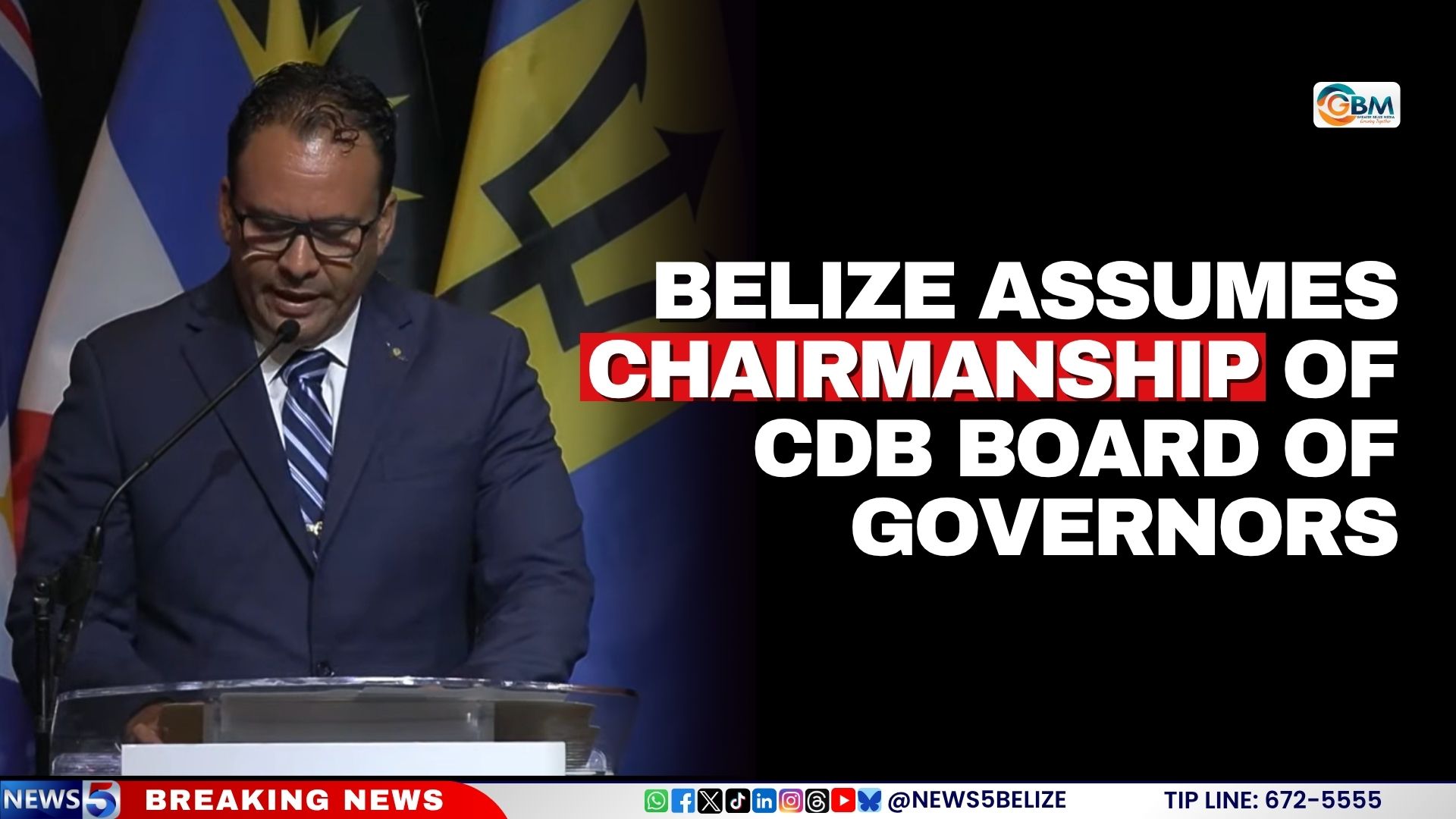
    After more than three decades, Belize has stepped back into a key leadership role at one of the Caribbean’s most influential regional development institutions. At the closing session of the Caribbean Development Bank (CDB)’s 56th Annual Meeting of the Board of Governors, held in Nassau, Bahamas, the Central American nation formally assumed the chairmanship of the CDB’s top governing body, marking its first tenure in the position since 1994.

    Dr. Osmond Martinez, Minister of State in Belize’s Ministry of Economic Transformation, accepted the ceremonial gavel on behalf of Prime Minister John Briceño. In his acceptance remarks, Martinez outlined Belize’s core commitments for its 12-month tenure, centering on advancing inclusive sustainable development and targeted economic transformation across the entire Caribbean region. The handover also brings with it the responsibility of hosting next year’s gathering: Belize will welcome regional delegates and global partners for the 57th Annual Meeting of the Board of Governors in June 2027.

    In a pre-recorded address delivered to the closing ceremony, Prime Minister Briceño framed the chairmanship as a rare and meaningful honor for his country. “Our strength has never rested on the size of our individual states. It is our collective action, our shared purpose, and a firm belief in a better future for the Caribbean,” Briceño emphasized, echoing the collaborative mission that underpins the CDB’s work.

    As the highest decision-making forum of the CDB, the Annual Meeting draws a wide range of key stakeholders from the bank’s 19 regional and 9 non-regional member countries, including finance ministers, representatives from global development partners, private sector executives, and leaders of major international financial institutions. Over the next year, Belize, in its capacity as chair, will guide and shape the bank’s strategic priorities, with three core focus areas: deepening regional economic integration, expanding access to critical climate finance for vulnerable Caribbean nations, and supporting the development of more resilient, robust economic frameworks across member states.

    Belize’s delegation to the Nassau meeting included senior government and financial leaders: Carlos Pol, CEO of the Ministry of Economic Transformation; Henry Anderson, CEO of the Development Finance Corporation; Michael Rudon Jr, Director of the Government of Belize Press Office; and Jerdie King, a government economist.

  • Sir Lester Bird Medical Centre Responds to Allegations Over Patient Treatment

    Sir Lester Bird Medical Centre Responds to Allegations Over Patient Treatment

    Amid rising public concerns over undisclosed patient care issues at one of Antigua and Barbuda’s key public healthcare facilities, the Sir Lester Bird Medical Centre has released an official statement outlining its response to the allegations. Hospital leadership emphasized that the institution maintains a zero-tolerance stance for any lapses in patient well-being, clinical care quality, and the professional behavior of its staff, and treats every report or concern raised about these core areas with the highest level of urgency and seriousness.

    Bound by legal and ethical obligations to protect patient confidentiality and personal privacy, the facility has declined to share any details about the specific case triggering the current review. Leaders confirmed, however, that a comprehensive, end-to-end audit of the patient’s entire care trajectory is already in progress, with independent oversight to ensure the review remains impartial and thorough.

    As part of the ongoing evaluation process, hospital administrators noted that senior management will reach out directly to the patient’s family to create a space for their concerns to be voiced, and will work to address any gaps or issues that are uncovered during the audit. In closing, the Sir Lester Bird Medical Centre reaffirmed its long-standing institutional commitment to delivering clinically excellent, safe, and compassionate care to all members of the public. Leadership added that the facility will implement any corrective or preventative measures required to uphold its established care standards, regardless of the scope of changes needed.

  • Handel, investeringen en verbindingen rode draad bezoeken Brazilië en Dominicaanse Republiek

    Handel, investeringen en verbindingen rode draad bezoeken Brazilië en Dominicaanse Republiek

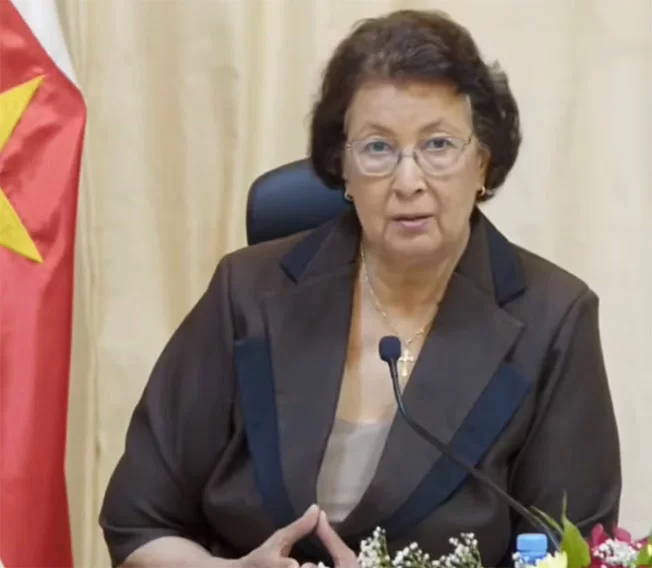
    In a press briefing held on June 5, Suriname’s President Jennifer Simons and Minister of Foreign Affairs, International Trade and Cooperation Melvin Bouva outlined concrete outcomes from recent official visits to Brazil and the Dominican Republic, announcing the government’s plan to speed up the expansion of economic cooperation with both Latin American and Caribbean nations. The cooperation strategy centers on eight core priority areas: trade, cross-border investment, agriculture, tourism, energy, improved transport connectivity, and national food security.

    President Simons emphasized that the diplomatic missions were intentionally structured to deliver tangible, actionable results rather than symbolic diplomatic engagements, with formal monitoring mechanisms established to track the implementation of all signed agreements. With Brazil, Suriname has locked in new arrangements covering a wide range of sectors, from trade, investment and agriculture to public security, energy, infrastructure, air and maritime connectivity, healthcare, and digital technology.

    One of the most high-priority initiatives discussed is the establishment of a direct maritime shipping route between Suriname and Brazil, a project Suriname’s government says will cut transit times and transportation costs for cross-border goods movement. Simons noted that this new link will not only bring down consumer prices for Surinamese households but also unlock new export opportunities for key domestic products, most notably Surinamese rice. Minister Bouva added that two private companies have already expressed formal interest in operating the new route, with one already holding technical consultations with Suriname’s Ministry of Transport, Communication and Tourism to work out operational details.

    For its partnership with the Dominican Republic, Suriname has agreed to a multi-year cooperation framework and signed six bilateral agreements covering tourism, agriculture, energy, trade, and broader economic collaboration. The Surinamese government is actively targeting new foreign direct investment from the Dominican Republic, with a particular focus on growing the country’s agriculture and tourism sectors.

    President Simons highlighted that deepened regional economic cooperation has grown increasingly critical amid shifting global geopolitical dynamics and persistent disruptions to global supply chains. Against this backdrop, she argued, Suriname must prioritize strengthening its food security, energy security, and regional connectivity to build economic resilience. All agreements reached during the visits are scheduled for implementation over the coming months, with the government projecting that the expanded partnerships will ultimately generate increased trade flows, higher investment volumes, and broader economic opportunity for the people of Suriname.

  • Ghana’s parliament passes anti-LGBTQ+ bill

    Ghana’s parliament passes anti-LGBTQ+ bill

    In a move that has sent ripples across both national and international spheres, Ghana’s unicameral parliament has passed a widely debated anti-LGBTQ+ bill, marking a significant shift in the West African nation’s legal framework around gender and sexual identity.

    The legislation, which had been tabled and debated for more than three years among legislative bodies and civil society groups, cleared the final voting hurdle this week after rounds of heated discussions between proponents and opponents. Backers of the bill have argued that it aligns with Ghana’s deeply rooted cultural and religious norms, which have historically framed same-sex relations as inconsistent with national values. Many conservative faith leaders across the country’s majority Christian and Muslim communities have publicly thrown their support behind the measure, framing it as a necessary step to protect traditional family structures.

    However, the bill has drawn fierce criticism from domestic human rights organizations, global LGBTQ+ advocacy groups, and many Western governments, which have warned that the legislation could deepen systemic discrimination, fuel violence against marginalized queer and trans people in Ghana, and undermine the country’s commitments to international human rights standards. The legislation includes provisions that criminalize certain forms of same-sex relations and public identification as LGBTQ+, while also imposing legal penalties for individuals and organizations that support or advocate for LGBTQ+ rights.

    International development partners have also raised concerns that the bill’s passage could impact future aid and trade relations with Ghana, a key economic and political partner in West Africa that has long maintained close ties with Western donors. Domestic opposition groups have already announced plans to challenge the legislation in Ghana’s Supreme Court, arguing that it violates constitutional protections for equality and freedom of expression and assembly. Meanwhile, protests both in support of and against the bill have erupted across major Ghanaian cities, highlighting the deep societal divide the legislation has exposed.

  • Guyana’s oil sector earns just over half a billion US dollars during Q1 2026

    Guyana’s oil sector earns just over half a billion US dollars during Q1 2026

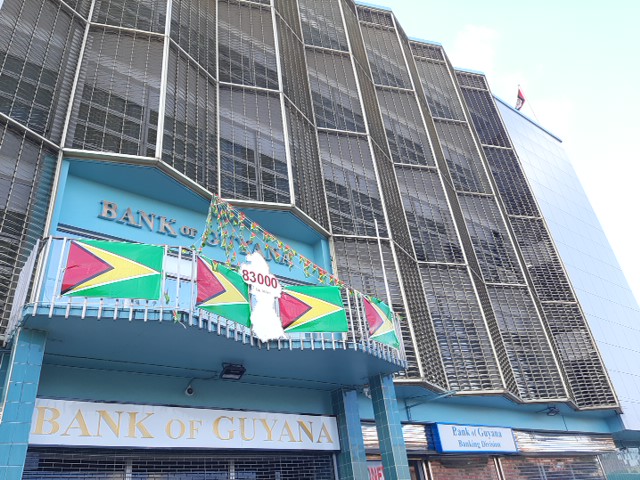
    Fresh official data released by the Bank of Guyana has revealed strong performance from the South American nation’s rapidly expanding oil sector in the first three months of 2026, with total revenue from royalties, profit sharing, and signature bonuses reaching $577.6 million. The central bank’s quarterly update on the country’s sovereign Natural Resources Fund (NRF) also confirms that a $400 million disbursement from the fund was carried out on March 11, 2026.

    By the close of the first quarter, the NRF, Guyana’s primary sovereign wealth vehicle for managing long-term oil earnings, held a total balance of $3.643 billion. This marks a modest increase from the $3.435 billion recorded at the end of December 2025, according to the fund’s official quarterly report.

    Cumulative data stretching back to the start of Guyana’s commercial oil production in 2020 shows that the nation has earned a total of more than $9.28 billion in oil revenue through March 23, 2026. Since the first disbursement from the NRF in May 2022, total outflows from the fund have hit roughly $6.06 billion as of the end of the first quarter 2026.

    The report details a dramatic upward trajectory for global Brent crude prices through the first quarter, a shift driven largely by escalating geopolitical instability in the Middle East. At the opening of January, Brent crude traded at $60.85 per barrel, dipping slightly to a quarterly low of $59.96 per barrel in the first weeks of the year. From that point, prices began a steady recovery, stabilizing between $65 and $70 per barrel by the end of February. This early recovery was supported by coordinated global oil supply management and emerging early warning signs of rising political friction in the Middle East.

    The most dramatic price surge unfolded in March, as tensions between the United States and Iran escalated, amplifying instability across the wider Middle East region. Critical energy infrastructure suffered damage, and shipping disruptions hit the Strait of Hormuz, the world’s most important chokepoint for global crude oil trade, sparking widespread market fears of major supply shortages.

    As conflict intensified, Brent crude pushed past the $100 per barrel threshold after confirmed reports of extensive infrastructure damage and blockages along the strait. A brief period of market optimism around a potential ceasefire pulled prices slightly back to below $100 per barrel, but that optimism quickly faded as hostilities continued. By the end of the quarter, prices resumed their upward climb, closing at a quarterly peak of $118.35 per barrel, matching the report’s final data.

  • CARICOM leaders set to convene in St Lucia for 51st Heads of Government Meeting

    CARICOM leaders set to convene in St Lucia for 51st Heads of Government Meeting

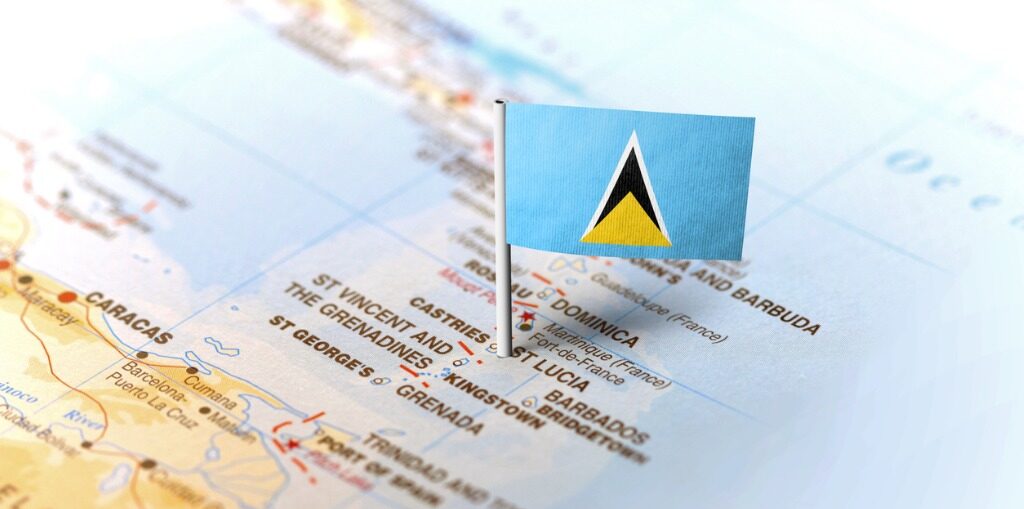
    The Caribbean Community (CARICOM) is making final preparations for its 51st Regular Conference of Heads of Government, a landmark annual gathering that will bring regional leaders together in the coastal town of Gros Islet, St. Lucia, from July 5 to 8, 2026.

    This year’s summit comes as St. Lucia Prime Minister Hon. Philip J. Pierre prepares to take the helm of the 15-nation bloc. Pierre will officially assume the organization’s rotating chairmanship on July 1, three days before the conference kicks off, and will lead all proceedings throughout the four-day event.

    According to an official press statement from CARICOM, the summit will open with a formal ceremony scheduled for 4:00 PM Eastern Caribbean Time on Sunday, July 5, hosted at the Sandals St. Lucia venue. The opening session will feature keynote addresses from three key figures: incoming chair Pierre, outgoing chair Hon. Dr. Terrance Drew (who also serves as Prime Minister of Saint Kitts and Nevis), and CARICOM Secretary-General Dr. Carla Barnett. To expand public access to the historic gathering, the entire opening ceremony will be streamed live across CARICOM’s official social media platforms, allowing residents across the Caribbean and international observers to follow the proceedings in real time.

    Following the opening festivities, heads of government will shift into closed-door working sessions from July 6 through 8. During these business meetings, regional leaders will deliberate on a wide slate of pressing priority issues impacting all CARICOM member states, with conversations focused on advancing the bloc’s shared long-term development agenda. Key topics expected to feature in discussions include climate resilience, cross-border trade integration, post-pandemic economic recovery, public health infrastructure strengthening, and regional security cooperation.

    The conference will wrap up on Wednesday, July 8, with a closing press briefing held in a hybrid format, a flexible arrangement that allows both in-person attendance by journalists on the ground and virtual participation for correspondents unable to travel to St. Lucia.

    In advance of the high-profile gathering, CARICOM has announced plans to launch a centralized online information portal dedicated to the 51st conference by June 10. This digital knowledge hub will host real-time updates, background briefing materials, speaker profiles, and other key resources for media and the public, and will be permanently hosted at the URL https://caricom.org/51hgc/ for the duration of the summit and beyond.

  • UWI researcher contributes to major Lancet series highlighting global kidney disease crisis

    UWI researcher contributes to major Lancet series highlighting global kidney disease crisis

    A leading researcher from The University of the West Indies (The UWI) has contributed her regional expertise to a groundbreaking new series published in *The Lancet*, which sounds the alarm on the rapidly escalating global public health crisis posed by chronic kidney disease (CKD), an underdiagnosed condition that impacts hundreds of millions of people across the world.

    Dr. Lori-Ann Fisher, a consultant nephrologist, intensivist and lecturer based at the Epidemiology Research Unit of The UWI’s Caribbean Institute for Health Research (CAIHR), was invited to join a team of top international specialists assembled to produce the landmark series. The project is led by Dr. Jennifer Lees of the University of Glasgow, and its core conclusion classifies CKD as one of the fastest-growing major threats to global public health, while issuing a urgent call for increased global investment in prevention, early identification, and accessible treatment.

    “Chronic kidney disease remains one of the most concerning conditions currently impacting global health,” Dr. Lees emphasized in the series’ lead commentary. “The overriding message from our series of research papers is that there remains a pressing need for attention and resources to be focused on this condition.”

    Current global data puts CKD as the ninth leading cause of death worldwide, with an estimated 844 million people living with the condition today. If unaddressed, the series warns that current prevalence and mortality trends will push CKD to become the fifth leading cause of global death by 2040. One of the biggest barriers to tackling CKD, researchers note, is its silent progression: the disease often develops with no obvious warning signs through its early and intermediate stages, meaning most cases are only diagnosed once it reaches an advanced stage, when patients already require life-sustaining interventions like dialysis or organ transplantation.

    While the CKD burden is rising globally, low- and middle-income regions with limited public health infrastructure face disproportionate challenges. The Caribbean is no exception: data from the Jamaica Health and Lifestyle Survey shows that roughly 15 percent of Jamaicans live with CKD, and a large share of those cases are already advanced or at high risk of rapid progression when detected.

    For Dr. Fisher, who has spent her career researching CKD epidemiology, sickle cell-related kidney disease, lupus nephritis, and CKD prevalence across the Caribbean, the key to improving regional outcomes lies in expanding early detection. “We now have accessible medications that treat kidney disease and reduce progression to kidney failure,” she explained. “In the Caribbean, where access to transplant and dialysis is limited, detecting kidney disease early is crucial to improve outcomes. Investment in strengthening healthcare systems to detect and treat kidney disease is paramount for the health of our nations.”

    The *Lancet* series confirms this approach, noting that simple, low-cost blood and urine tests can effectively identify CKD in early stages, dramatically improving patient prognoses. Despite this proven tool, routine CKD screening is not integrated into standard care across most global healthcare systems, particularly in low-resource regions.

    Dr. Fisher’s participation in the series underscores The UWI’s longstanding commitment to addressing pressing regional and global health challenges through rigorous, context-aware research and evidence-based policy advocacy. Beyond her academic and clinical work at The UWI, Fisher currently serves as Chair of the North America and Caribbean Regional Board of the International Society of Nephrology, where she works to amplify Caribbean voice and priorities in global kidney health initiatives.

  • Woman Reports Sexual Assault in Bolans; Police Investigating

    Woman Reports Sexual Assault in Bolans; Police Investigating

    Authorities in Bolans have opened an active criminal investigation following a formal allegation of sexual assault filed by a 30-year-old woman. The complainant has claimed she was raped by an individual she is acquainted with, according to official police updates. The reported incident is alleged to have taken place at approximately 2 a.m. local time on June 1, with the woman submitting her official report to the region’s Criminal Investigations Department.

    Since the complaint was registered, investigative teams have completed an initial interview with the accuser and gathered preliminary evidence and witness details as part of the open probe. As of the latest official update, law enforcement has not announced any detentions or filed criminal charges connected to the allegation. Police confirmed that the investigation remains active, and additional investigative work is ongoing to establish the facts of the case.